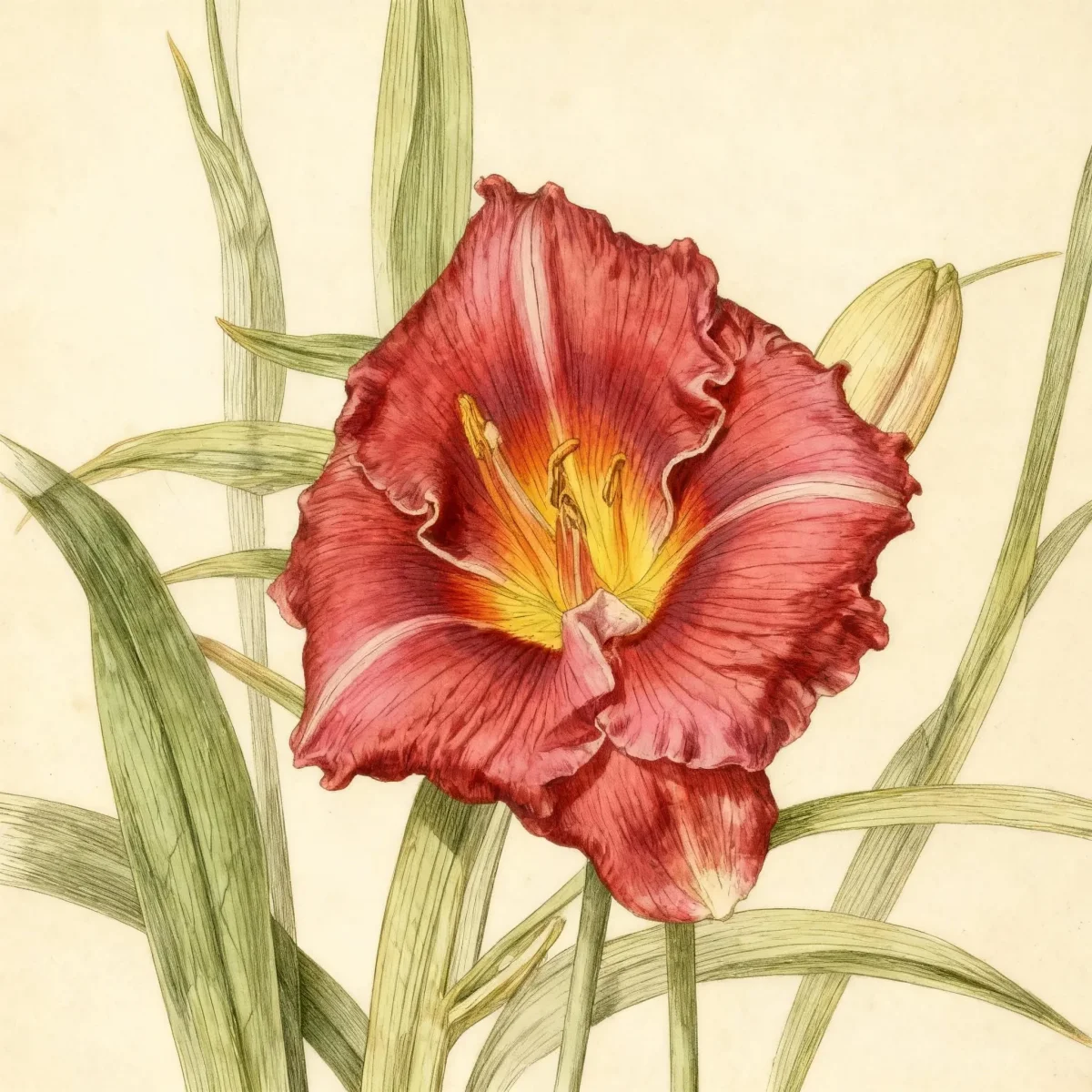
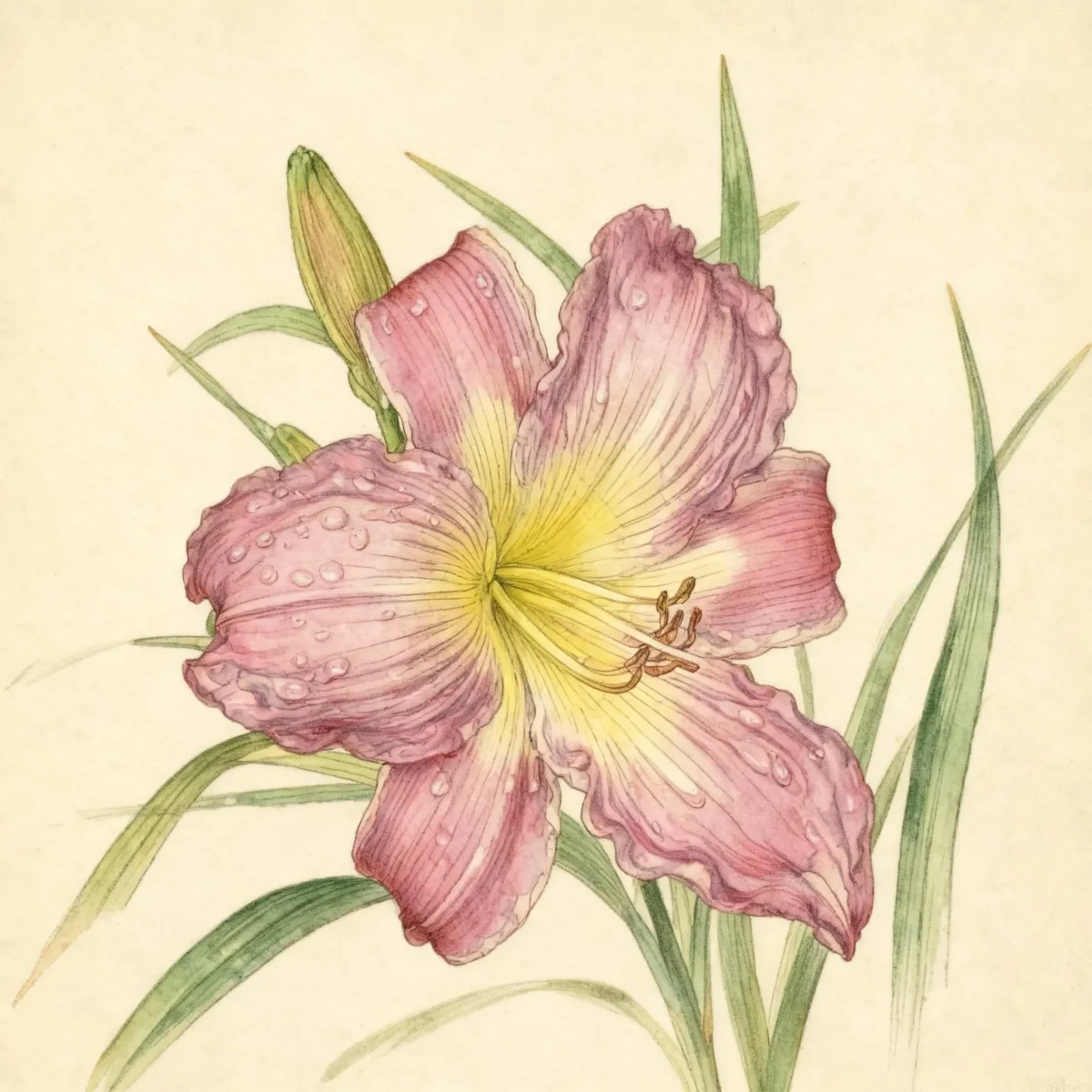
Daylily (Hemerocallis 'Autumn Minaret')
Hemerocallis 'Autumn Minaret' is a showy, fragrant Daylily reaching 5-6ft, perfect for borders in zones 3-9.
Scroll down to discover growing tips, care requirements, companion plants, and more
Complete Plant Information
Overview
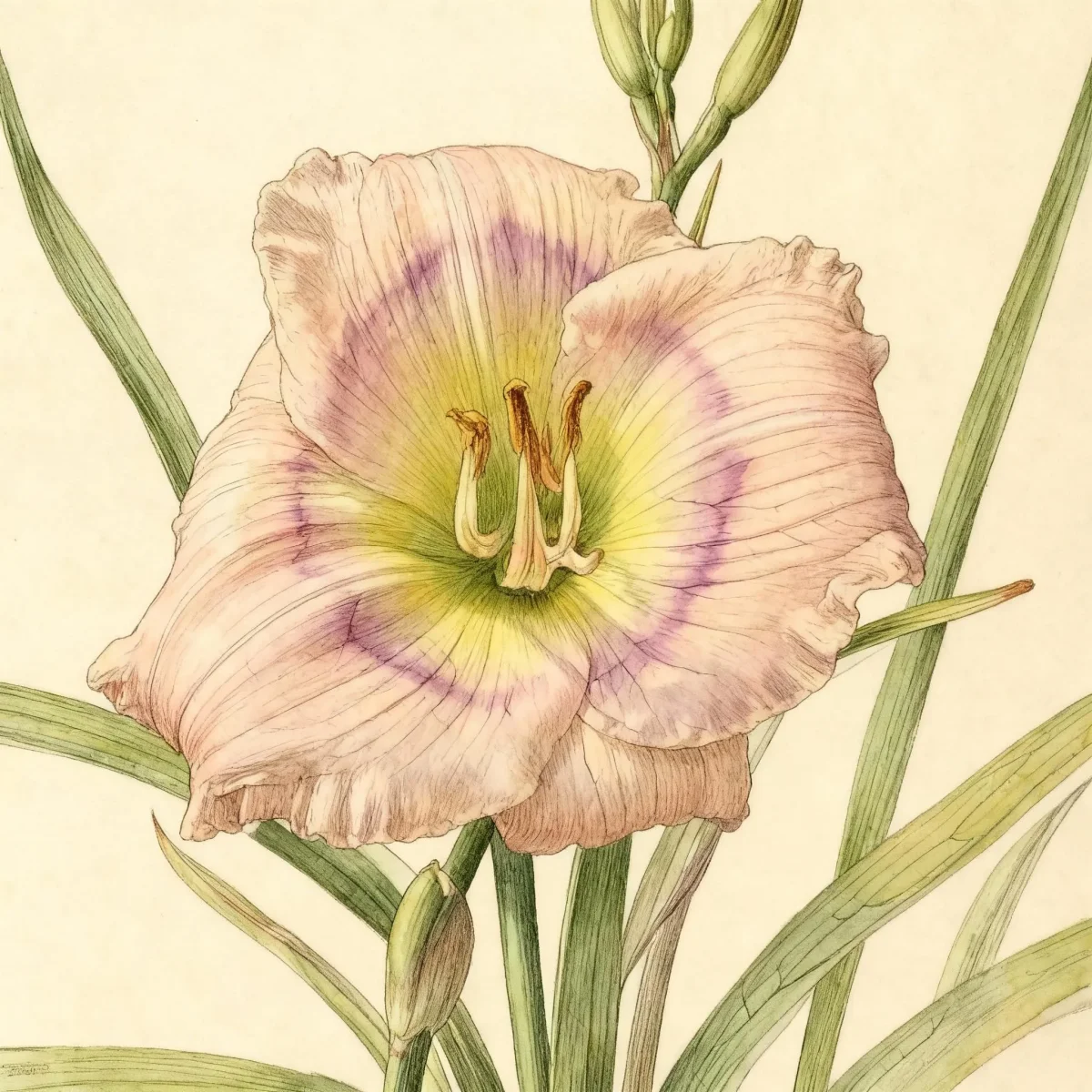
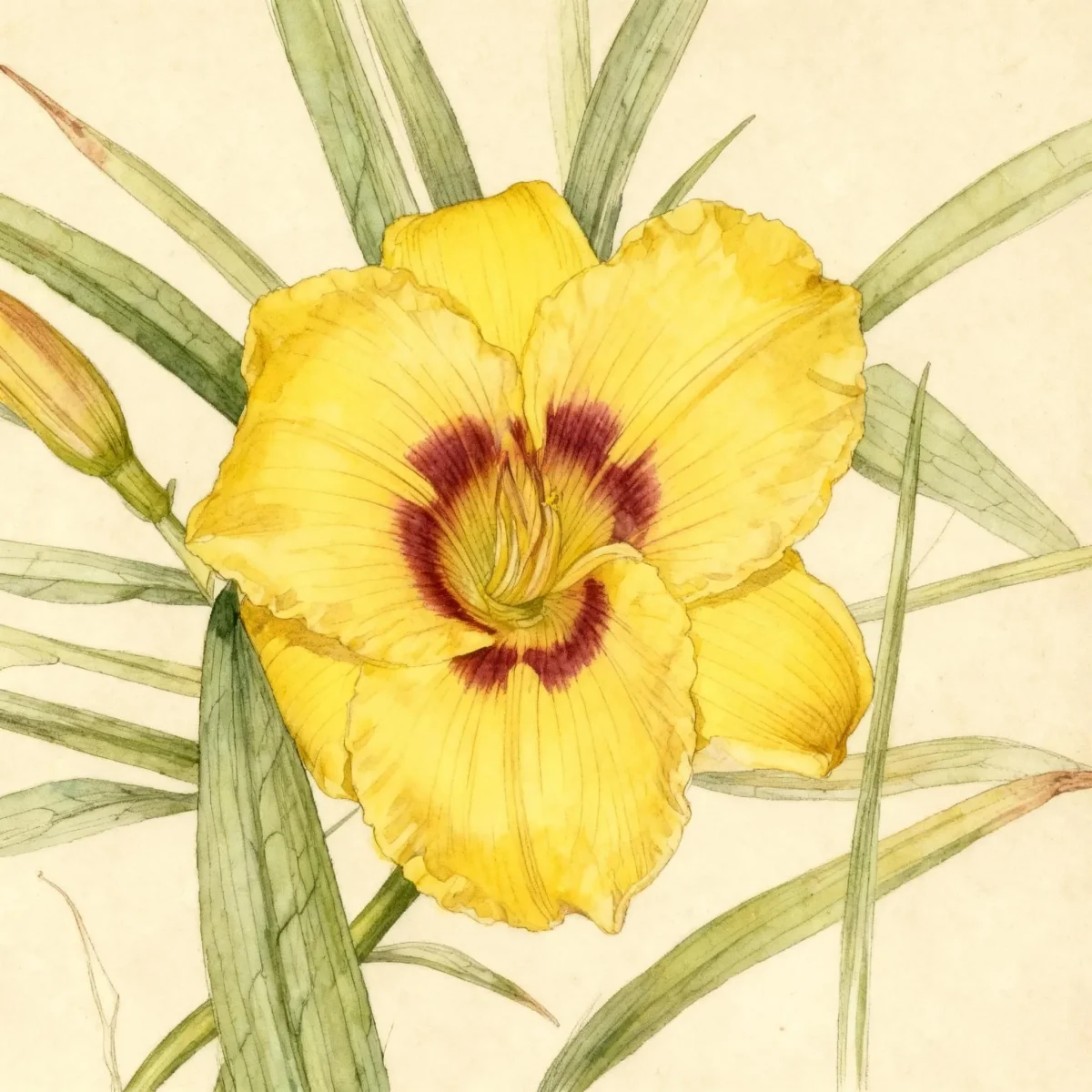
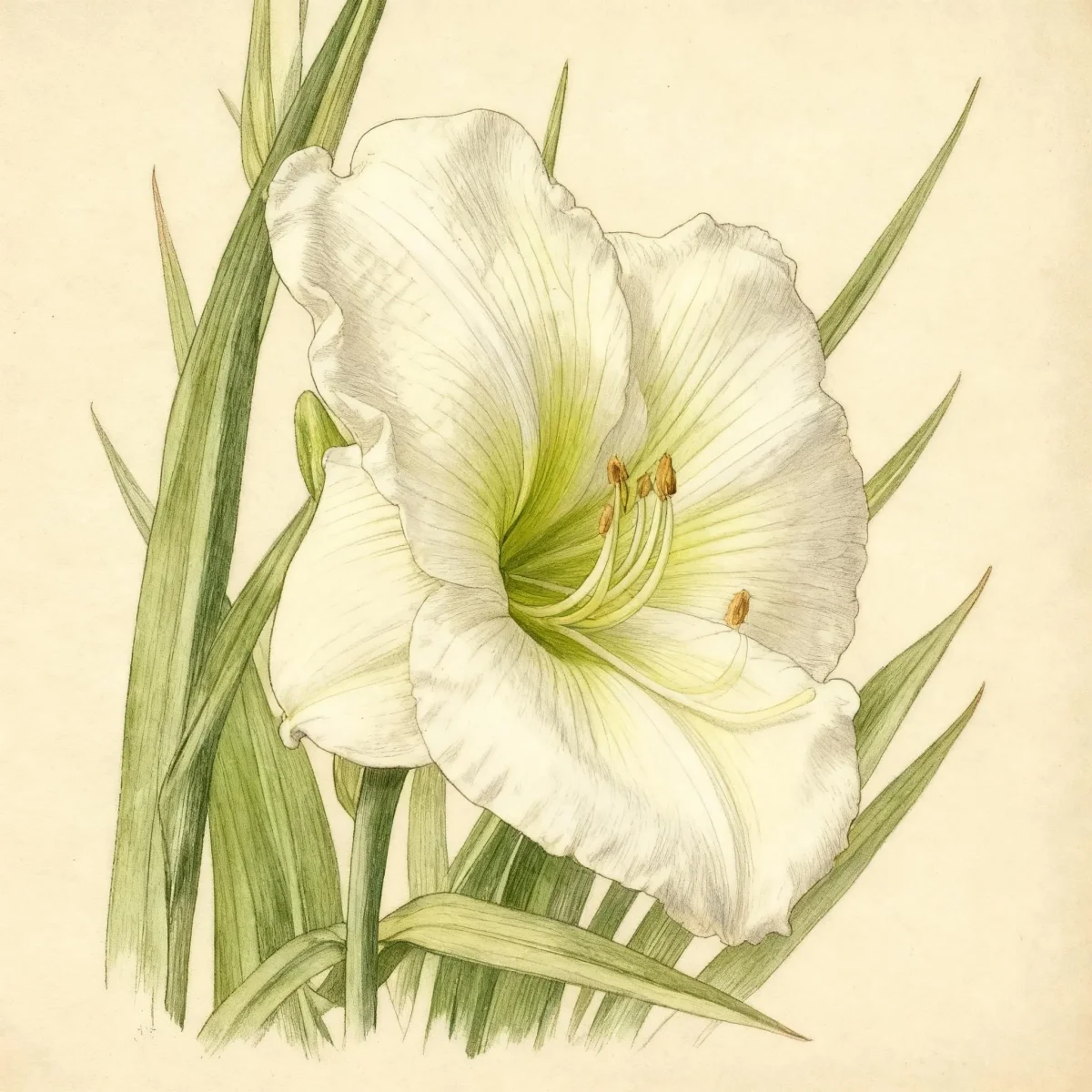
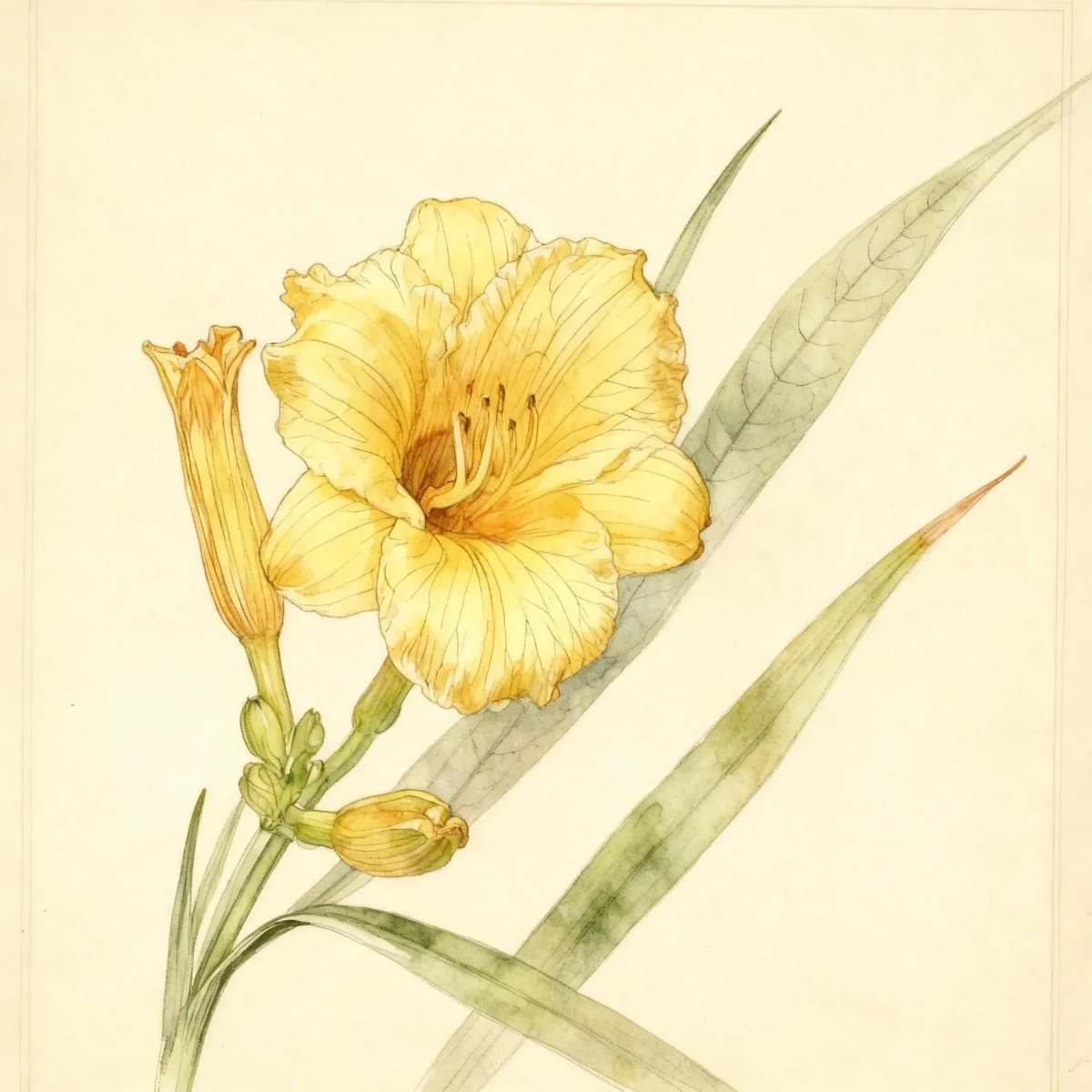
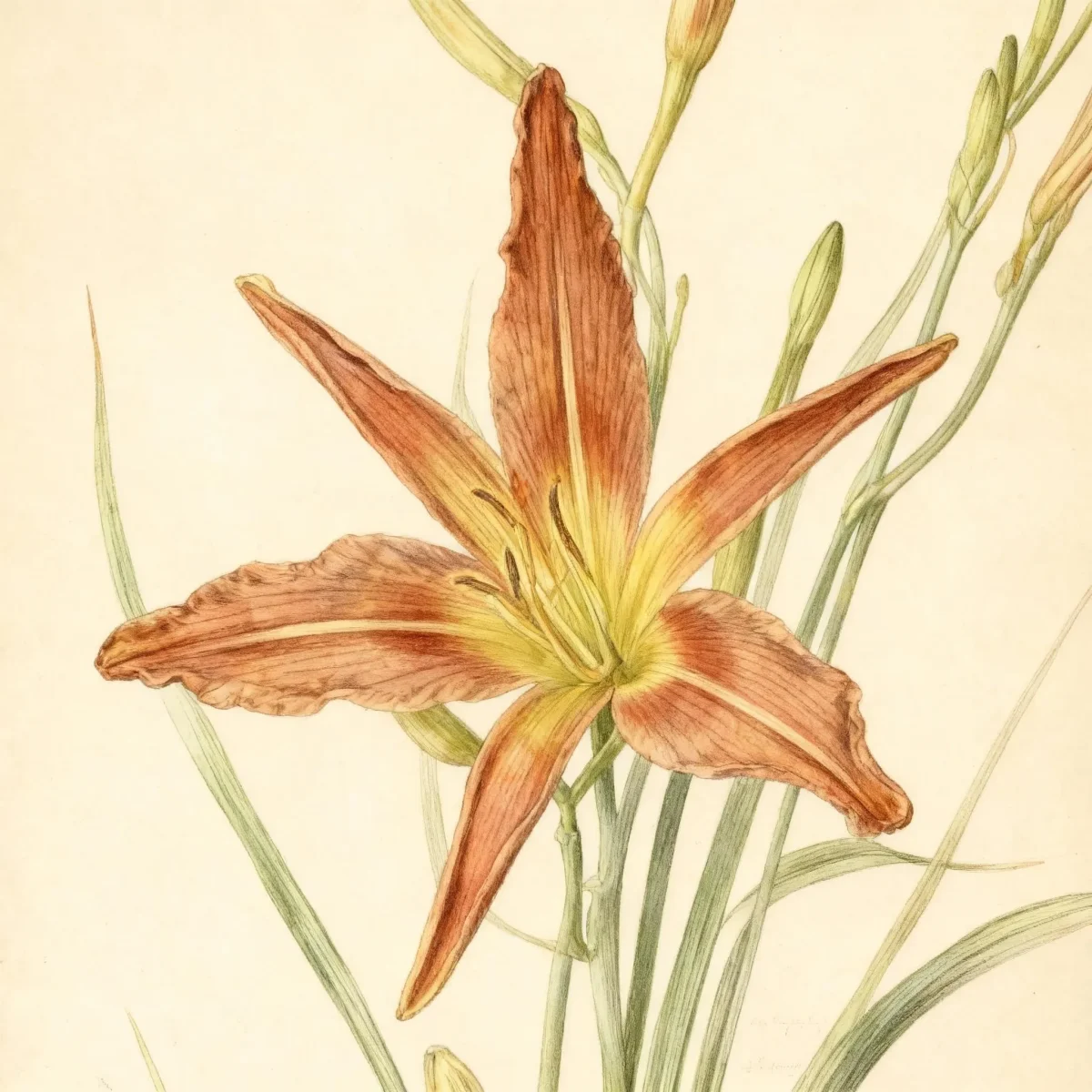
Hemerocallis ‘Autumn Minaret’ is a standout variety among the vast world of modern Daylilies, prized primarily for its exceptional height, often reaching six feet or more. This herbaceous perennial offers dramatic vertical interest in the landscape, topped with 5-inch flowers that boast an appealing orange-yellow hue highlighted by a distinct rusty eye. Its long bloom period, extending from June through July, ensures consistent color display for a low-maintenance garden.
As a tough, adaptable perennial, the Daylily is renowned for thriving across a broad climatic range, requiring only average moisture and well-drained soil. Hemerocallis ‘Autumn Minaret’ provides reliable visual structure due to its upright, arching foliage and tall scapes, making it an excellent anchor plant where height is desired. Gardeners appreciate the minimal effort required to keep this cultivar looking its best, balancing summer beauty with overall robust performance.
The abundance of registered Daylily cultivars speaks to their popularity, and ‘Autumn Minaret’ contributes unique stature to this group. While individual flowers last only a day, the plant produces blooms sequentially over several weeks, providing continuous color, and its fragrant blossoms add an extra sensory layer to the summer garden.
Fast Facts
- Plant Family: Asphodelaceae
- Plant Type: Herbaceous perennial
- Hardiness Zones: USDA Zones 3-9
- Size at Maturity:
- Height: 5-6 ft
- Spread: 2-3 ft
- Bloom Time: June to July
- Bloom Description: Orange-yellow with rust eye
- Sun Exposure: Full sun to part shade
- Water Needs: Medium
- Maintenance Level: Low
How to Grow
These Daylilies establish best when planted in fall or spring, ensuring they receive deep, fertile loam if possible, though they tolerate average soils well. Select a location receiving full sun for the most abundant flowering, though part shade is tolerated if necessary. Proper drainage is vital, as standing water can quickly damage the fibrous root systems common to most Daylilies.
Maintenance for Hemerocallis ‘Autumn Minaret’ is refreshingly straightforward. Deadheading spent flowers daily keeps the plant visually tidy, and you should remove the entire flower scape once the blooming cycle concludes. Daylilies are generally drought-tolerant but benefit greatly from deep watering during dry, hot periods to maintain attractive foliage throughout the summer humidity.
Every three to four years, dividing the clumps is recommended, usually in the spring, especially in colder regions like Zone 3, to refresh vigor and prevent overcrowding. Gardeners should note that winter-dormant types, which includes most traditional cultivars, need that distinct cold period to ensure a superb display the following year.
Landscape Uses
The imposing stature of Hemerocallis ‘Autumn Minaret’ elevates it beyond simple border filler. Due to its height (up to 6 feet), it works exceptionally well toward the back of perennial borders where it can serve as a dramatic vertical accent against shorter, mounding plants. Mass planting large drifts of this Daylily creates a sweeping, colorful impact across large areas of the landscape.
Consider planting this cultivar near structures or tall fences where its height won’t overpower views but can instead provide a substantial backdrop. Because it is relatively adaptable regarding soil and sun, pairing it with other hardy, medium-to-tall perennials like ornamental grasses or sturdy salvias creates low-maintenance groupings that share similar cultural needs.
Although the plant is tolerant of heat, ensure it has adequate space to display its tall flower scapes without touching adjacent structures. The strong vertical lines of the Daylily foliage complement the softer textures of neighboring plants, making Hemerocallis ‘Autumn Minaret’ a versatile structure provider.
Standout Features
Flower Qualities
- Showy
- Fragrant
Noteworthy Characteristics
Hemerocallis is a genus of about 15 species of herbaceous perennials commonly known as daylilies, originating in Asia and central Europe. Hybridizers have dramatically expanded flower color and structure possibilities, resulting in over 60,000 registered cultivars today. Hemerocallis ‘Autumn Minaret’ specifically features 5-inch flowers that are orange-yellow to gold with a rusty eye, borne on exceptionally tall, naked scapes reaching up to 66 inches.
Tolerances
- Rabbit
- Erosion
- Air Pollution
Potential Problems
Daylilies are generally one of the easiest perennials you can grow, showing high adaptability and few persistent issues. Occasionally, common garden pests like aphids or thrips might appear, usually manageable with a strong spray of water or insecticidal soap. Daylily rust can become a concern, particularly in humid climates, requiring vigilance regarding foliage sanitation.
Rabbits rarely bother the foliage due to slight toxicity, making this a good choice for areas where browsing animals are common. The primary cultural problem is often poor drainage, leading to crown rot; ensure soil around your Daylily is loose and well-draining to prevent these issues.
Frequently Asked Questions
What hardiness zones is Daylily suitable for?
Hemerocallis ‘Autumn Minaret’ is suitable for USDA Zones 3 through 9, offering great versatility across much of the country.
How large does Daylily grow?
This specific cultivar is notably tall, reaching mature heights between 5 and 6 feet, with a spread of 2 to 3 feet.
What sun exposure does Hemerocallis ‘Autumn Minaret’ need?
For optimal blooming, this Daylily requires full sun exposure, though it can tolerate conditions moving into light or part shade.
When does Daylily bloom?
The primary bloom time for this Daylily variety is from June into July, producing eye-catching orange-yellow flowers with a rust eye.
Conclusion
Hemerocallis ‘Autumn Minaret’ offers exceptional value as a very tall, low-maintenance Daylily, bringing impressive vertical interest and reliable summer fragrance to the garden. Its hardiness across zones 3 to 9 makes it a reliable choice for diverse planting locations. Before planting, confirm your area’s hardiness zone compatibility and ensure the site offers the bright sun exposure this magnificent specimen needs to achieve its full, towering potential.
Companion Planting
When utilizing Hemerocallis ‘Autumn Minaret’ in the back of a border, select companions that appreciate similar cultural conditions: full sun and medium water. Consider planting shorter daylilies in front to layer the bloom season and foliage texture beneath the towering scapes. Sturdy, clump-forming perennials like Russian Sage (Perovskia atriplicifolia) or various Rudbeckia cultivars naturally harmonize with the structure of the Daylily.
Avoid very delicate groundcovers that might become completely smothered by the 6-foot height of this variety. Instead, use robust, mid-sized plants that can withstand the occasional shadow cast by the taller stems once the foliage fully develops in early summer.
Seasonal Care Calendar
Spring cleanup is essential before new growth emerges; remove any remaining dead foliage from the previous season to prevent hiding pests or fungal spores. As temperatures rise toward the June bloom period, establish a deep watering schedule, especially if the spring was dry, focusing water at the root zone.
Summer maintenance centers on regular deadheading of the spent individual blooms for aesthetics, but avoid cutting back the entire scape until all flowers on it have faded. In the fall, after the foliage begins to die back, you can trim back the leaves as you would any dormant herbaceous perennial, preparing the Daylily for its winter dormancy period.