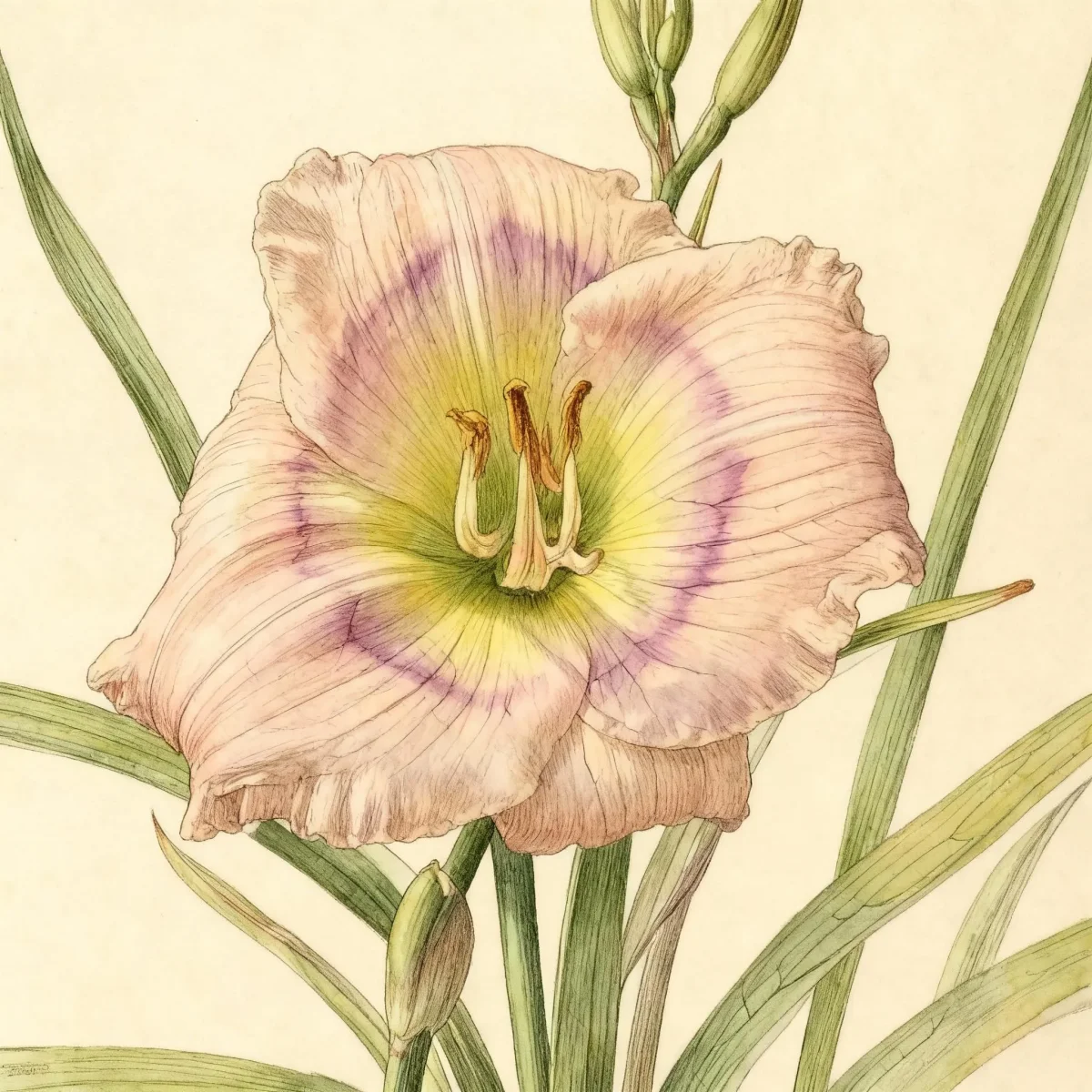
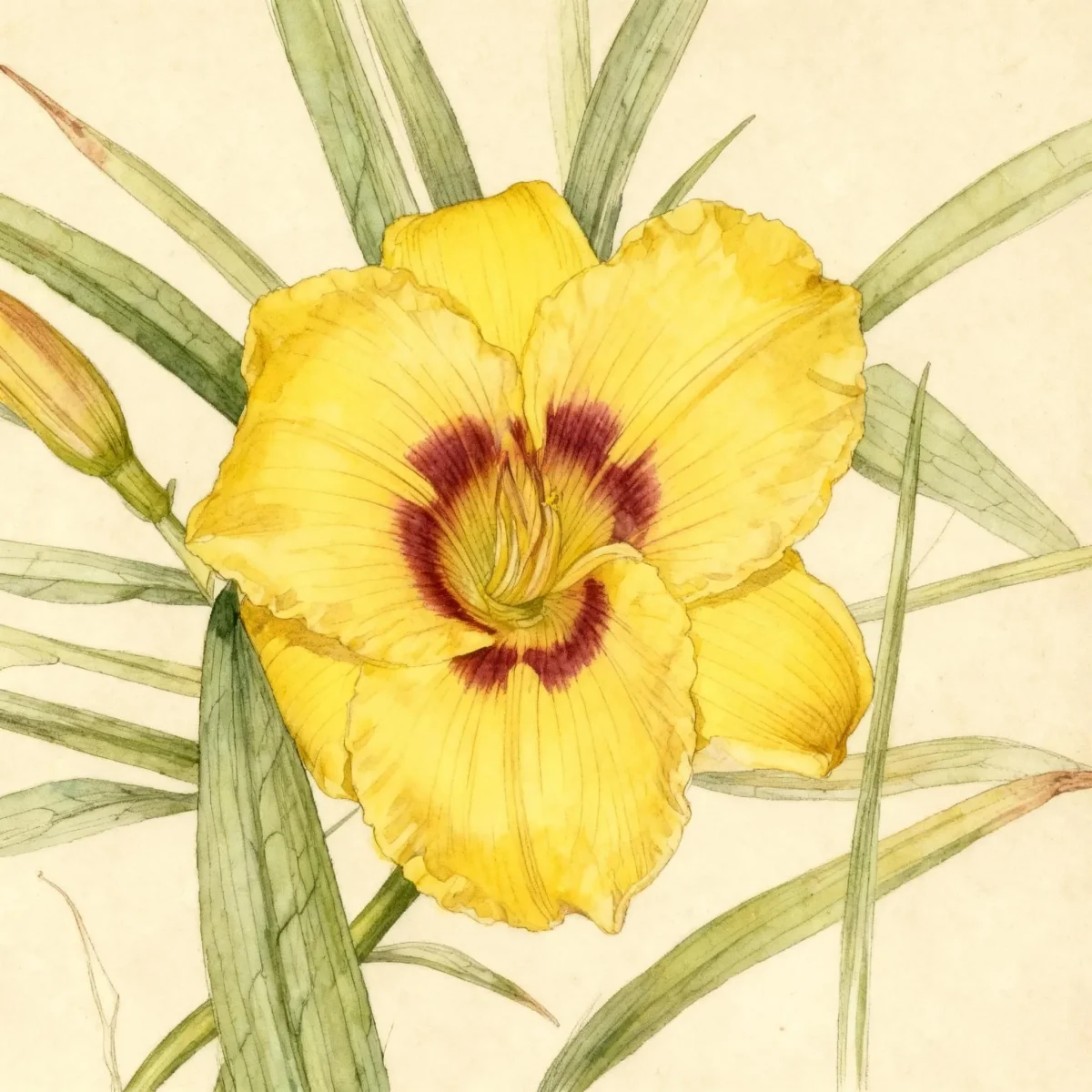
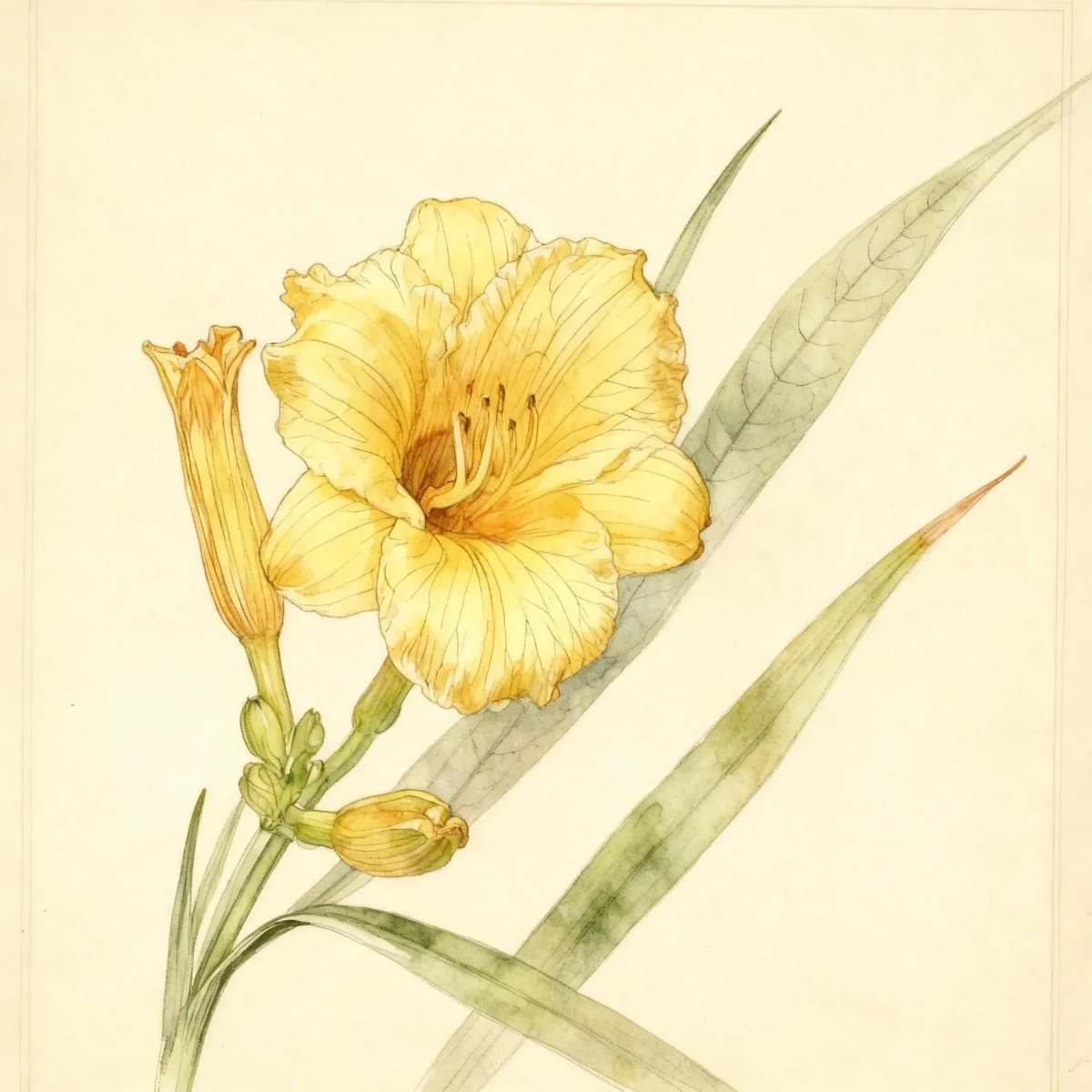
Daylily (Hemerocallis 'Autumn Red')
Hemerocallis 'Autumn Red' is a low-maintenance Daylily offering striking red blooms from June to August in Zones 3-9.
Scroll down to discover growing tips, care requirements, companion plants, and more
Complete Plant Information
Overview
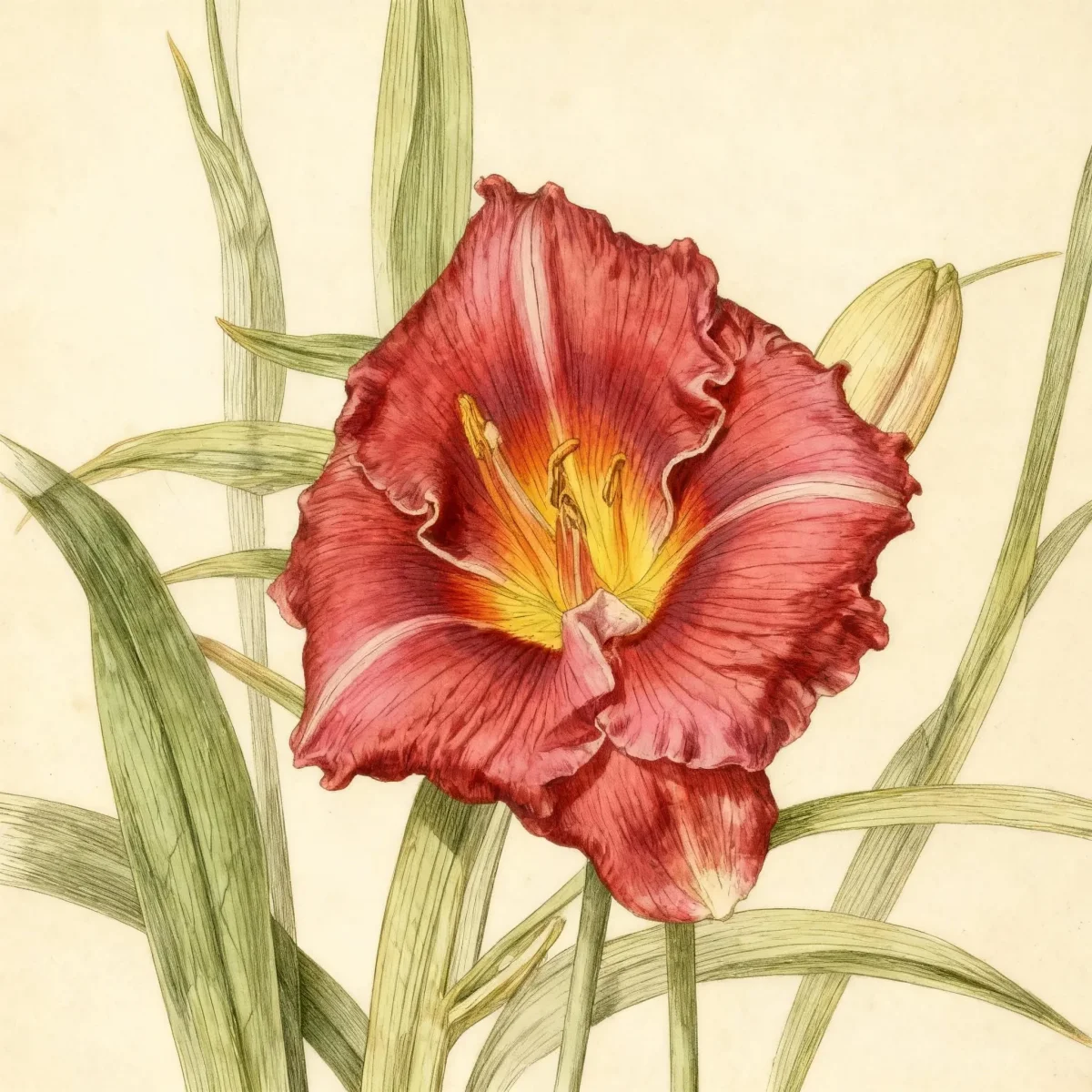
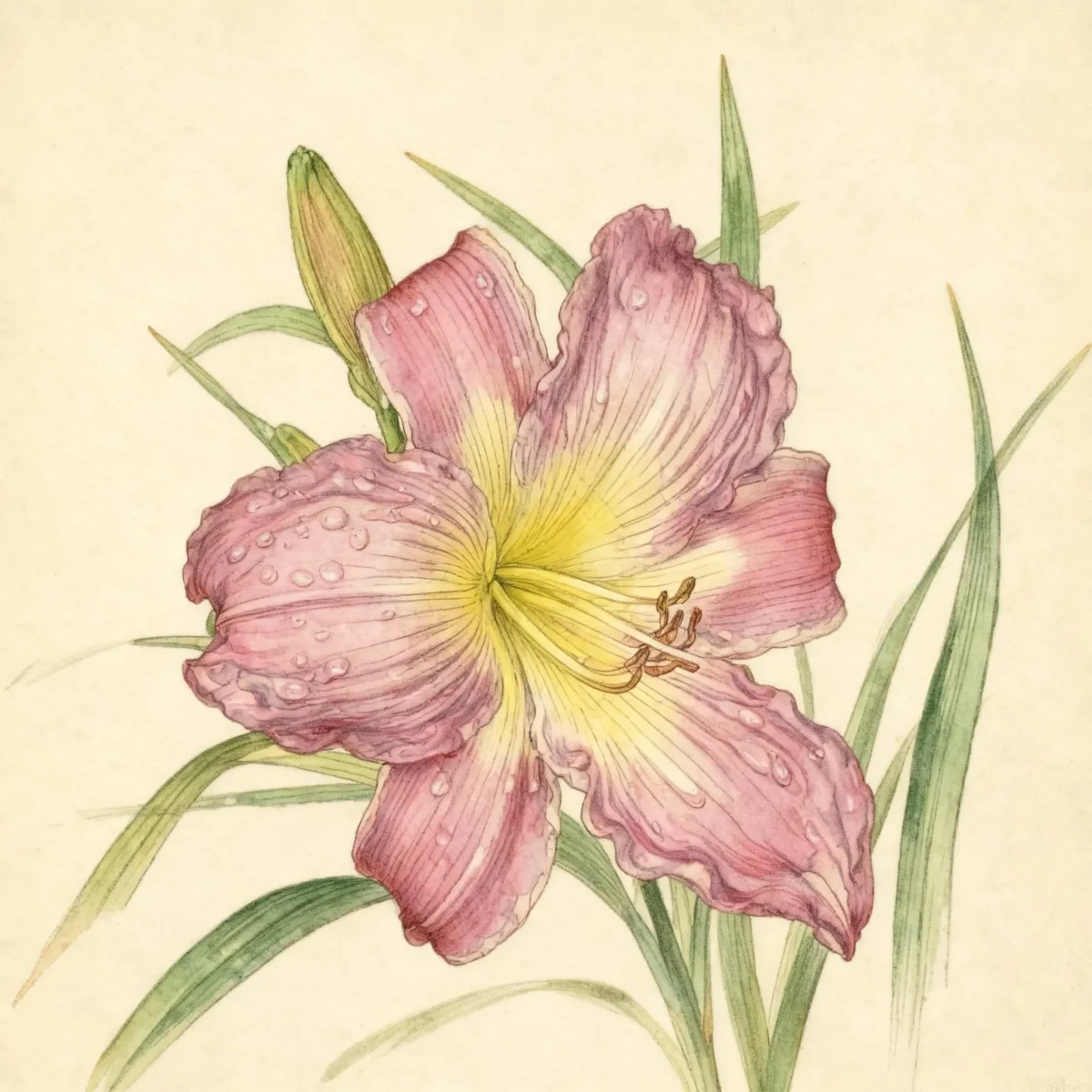
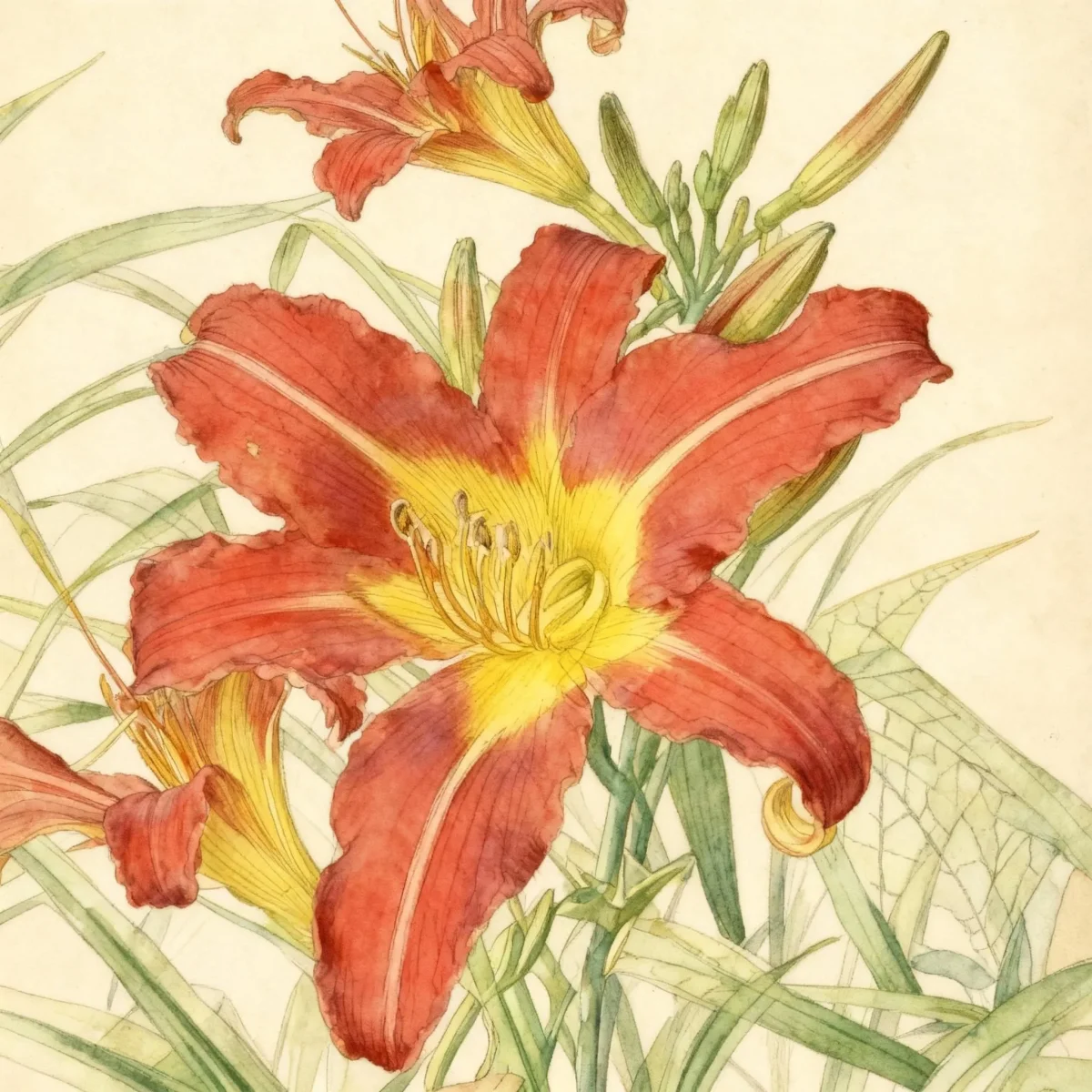
The Hemerocallis ‘Autumn Red’ Daylily is a visually arresting herbaceous perennial prized for its dependable, mid-season color display. This specific cultivar delivers rich red flowers, each highlighted by a contrasting gold throat, making it a vibrant addition to any border or mass planting. As a low-maintenance Daylily, it brings significant aesthetic impact without demanding constant attention.
Hemerocallis ‘Autumn Red’ thrives across a wide range of conditions, fitting comfortably into USDA Hardiness Zones 3 through 9. It displays a manageable mature size, typically reaching 2.5 to 3 feet tall with a spread of 1.5 to 2.5 feet, forming dense clumps of linear, grass-like foliage. This reliable perennial blooms prolifically from June into August, providing long-lasting summer interest.
For gardeners seeking robust performance, this Daylily stands out due to its adaptability; it handles summer heat and humidity well, provided there is reliable moisture. Whether used for edging, mass planting, or as a focal point, the Daylily family, represented here by the striking Hemerocallis ‘Autumn Red’, remains a cornerstone of classic perennial gardens.
Fast Facts
- Plant Family: Asphodelaceae
- Plant Type: Herbaceous perennial
- Hardiness Zones: USDA Zones 3-9
- Size at Maturity:
- Height: 2.5-3 ft
- Spread: 1.5-2.5 ft
- Bloom Time: June to August
- Bloom Description: Red with gold throat
- Sun Exposure: Full sun to part shade
- Water Needs: Medium
- Maintenance Level: Low
How to Grow
Planting Hemerocallis ‘Autumn Red’ is best achieved in average to deep, fertile loam during the spring or fall. While these Daylilies perform well in various soils, ensure the location has adequate drainage, as wet feet can reduce vigor. The ideal spot receives full sun, though they tolerate part shade, which may slightly reduce blooming intensity.
Watering requirements for this Daylily are medium; they require deep watering particularly during noticeable dry spells to maintain attractive foliage throughout hot summers. Maintenance is generally low; deadhead spent flowers daily for a neat presentation, and once the blooming season ends, remove the flower scapes entirely.
Seasonal care involves division every three to four years, ideally in the spring in colder regions like the St. Louis area, to maintain optimal vigor and flowering. Be aware that ‘Autumn Red’ is generally a winter-dormant type; it requires a cold winter period to ensure the best spring display, making it less recommended for the warmest fringes of Zone 9 unless evergreen foliage is managed carefully. Remember that hybrid Daylilies will not reliably come true from seed propagation.
Landscape Uses
The Daylily, particularly a reliable cultivar like Hemerocallis ‘Autumn Red’, is incredibly versatile in landscape design. Their moderate height and clumping habit make them excellent choices for defining borders along walkways or mass planting across large areas to create broad sweeps of continuous summer color. They integrate well with other mid-sized perennials that share similar sun and moisture needs.
Use the vibrant red of Hemerocallis ‘Autumn Red’ to contrast with blues, whites, or silver-leafed plants. They work beautifully as an informal hedge or as “filler” between larger shrubs. The sword-like foliage also provides excellent textural contrast throughout the season, even when not in bloom.
For smaller gardens, the Daylily provides strong vertical accents without overwhelming the space, and planting them in clumps allows their low maintenance structure to shine. They function perfectly for edging beds, anchoring foundation plantings, or softening the transition between lawn and garden beds.
Standout Features
Flower Qualities
- Showy
Noteworthy Characteristics
Hemerocallis is a genus famously known as the Daylily, featuring about 15 species of herbaceous perennials originating in Asia and central Europe. Modern plants found in commerce are predominately hybrids, developed by hybridizers focusing on new colors and shapes, resulting in over 60,000 registered cultivars. The specific cultivar Hemerocallis ‘Autumn Red’ is notable as a diploid variety presenting 5-inch red flowers with distinct gold throats, rising above arching foliage on scapes that reach approximately 39 inches tall.
Tolerances
- Rabbit
- Erosion
- Air Pollution
Potential Problems
Daylilies are remarkably resilient and are considered extremely adaptable perennials that are generally low in pest and disease concerns. Gardeners should scout occasionally for minor issues like mites, aphids, or thrips, which usually do not cause significant harm. The primary recurring issue can be Daylily rust, which may become problematic depending on your specific local climate conditions and humidity levels.
Rabbits typically leave Daylilies alone, as the foliage is not palatable to them. Management for aphids or thrips usually involves targeted application of insecticidal soap or horticultural oil if outbreaks become severe, but often monitoring is sufficient given the plant’s hardiness.
Frequently Asked Questions
What hardiness zones is Daylily (Hemerocallis ‘Autumn Red’) suitable for?
Hemerocallis ‘Autumn Red’ is best planted in USDA Hardiness Zones ranging from 3 to 9.
How large does Daylily (Hemerocallis ‘Autumn Red’) grow?
This Daylily cultivar typically reaches a mature height between 2.5 and 3 feet, with a spread of roughly 1.5 to 2.5 feet wide.
When does Daylily (Hemerocallis ‘Autumn Red’) bloom?
The bloom period for this variety is reliably set between June and August, featuring striking red flowers with a gold throat.
What sun exposure does Daylily (Hemerocallis ‘Autumn Red’) need?
This plant prefers full sun exposure but will adapt well to locations offering part shade throughout the day.
Conclusion
The Hemerocallis ‘Autumn Red’ Daylily offers summer gardeners a fantastic combination of dramatic color, reliable performance, and minimal effort. Its vivid red blooms and low maintenance requirements secure its status as a powerful tool for long-season interest. Before planting, confirm that your garden falls within USDA Zones 3-9 to ensure the best performance from this classic Daylily.
Companion Planting
Selecting appropriate neighbors helps maximize the appeal and health of your Hemerocallis ‘Autumn Red’. Since this Daylily prefers medium moisture and full sun to part shade, pair it with plants that share these needs but offer contrasting textures or bloom times. Consider pairing the bold, linear leaves of the Daylily with softer, mounding foliage plants like Hostas (in shadier spots) or ornamental grasses that remain upright early in the season.
To ensure continuous color after the primary June to August bloom of the Daylily fades, plant early-season bloomers like Bearded Iris or late-season anchors such as Sedum ‘Autumn Joy’. These combinations create layered interest, ensuring structure and color persist from spring through fall.
Design Ideas Focused on Color Contrast
The deep red color of Hemerocallis ‘Autumn Red’ is a powerful focal point, demanding careful consideration of contrasting colors for the best visual effect. For high impact, plant the red Daylily alongside complementary colors, specifically those leaning towards blues or deep purples, such as Russian Sage (Perovskia atriplicifolia) or Catmint (Nepeta).
Alternatively, for a more unified, fiery border, intersperse the red blooms with warm tones like bright yellows or oranges, perhaps using shorter Marigolds or certain varieties of Coreopsis. This configuration emphasizes the gold throat detail present in the Hemerocallis ‘Autumn Red’ flowers themselves.