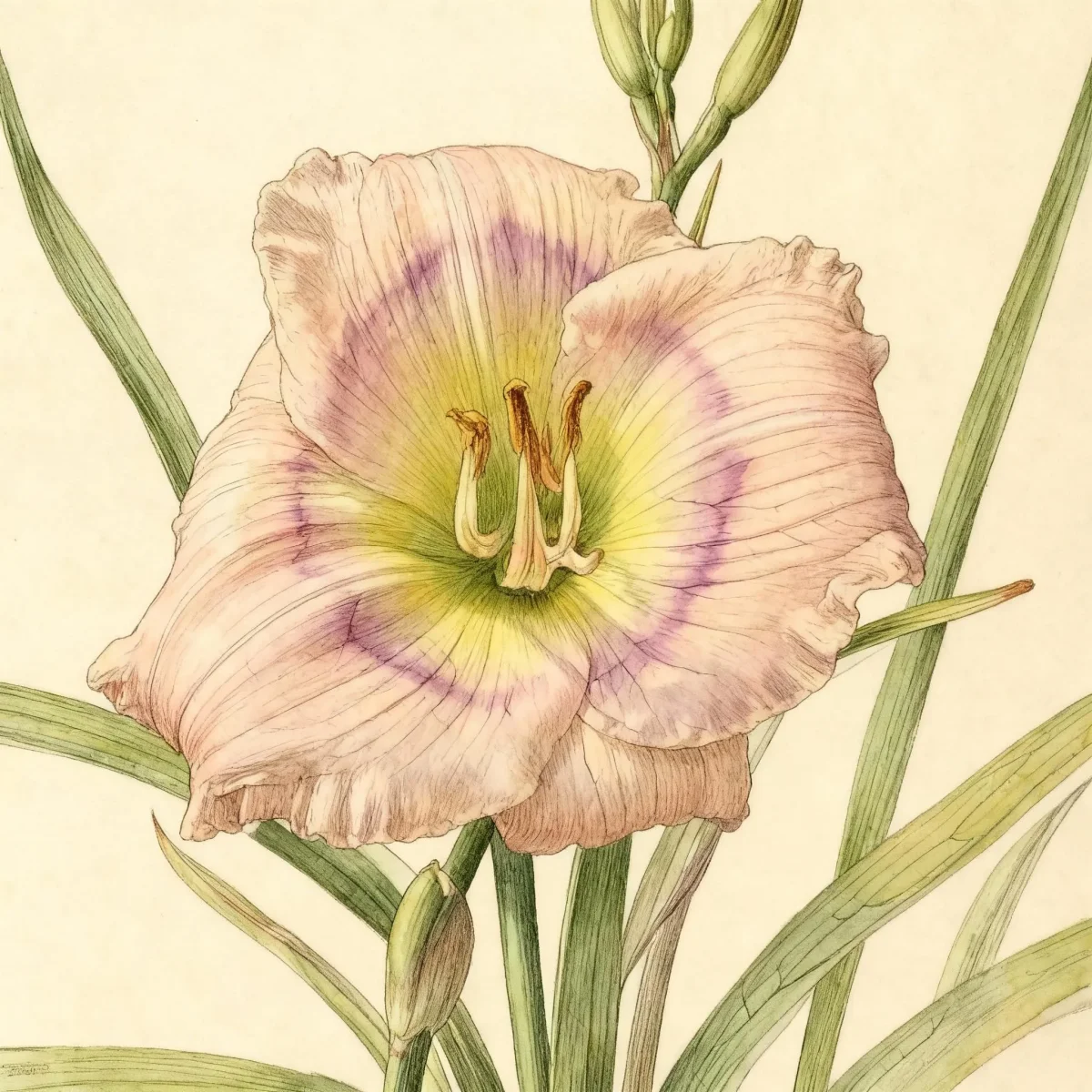
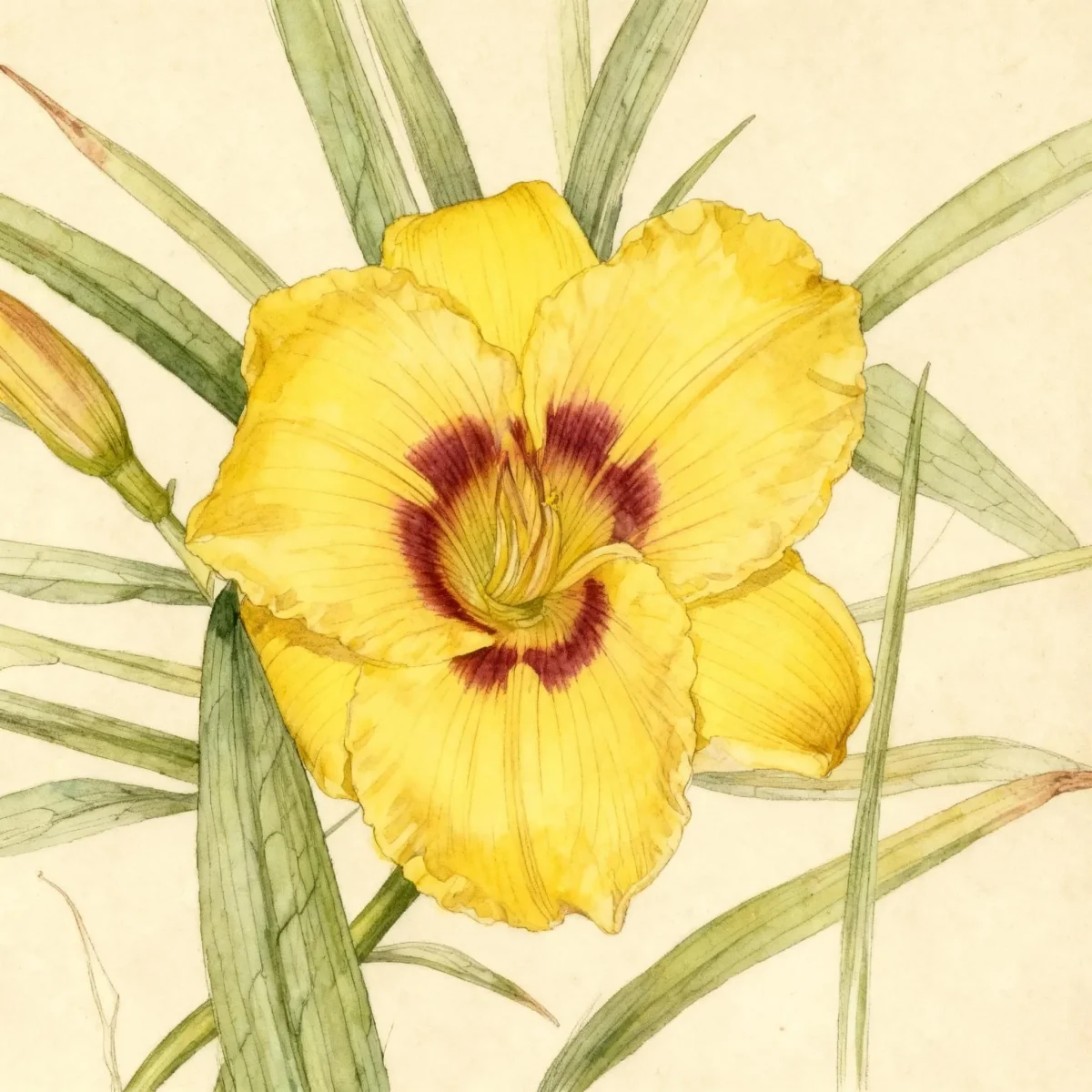
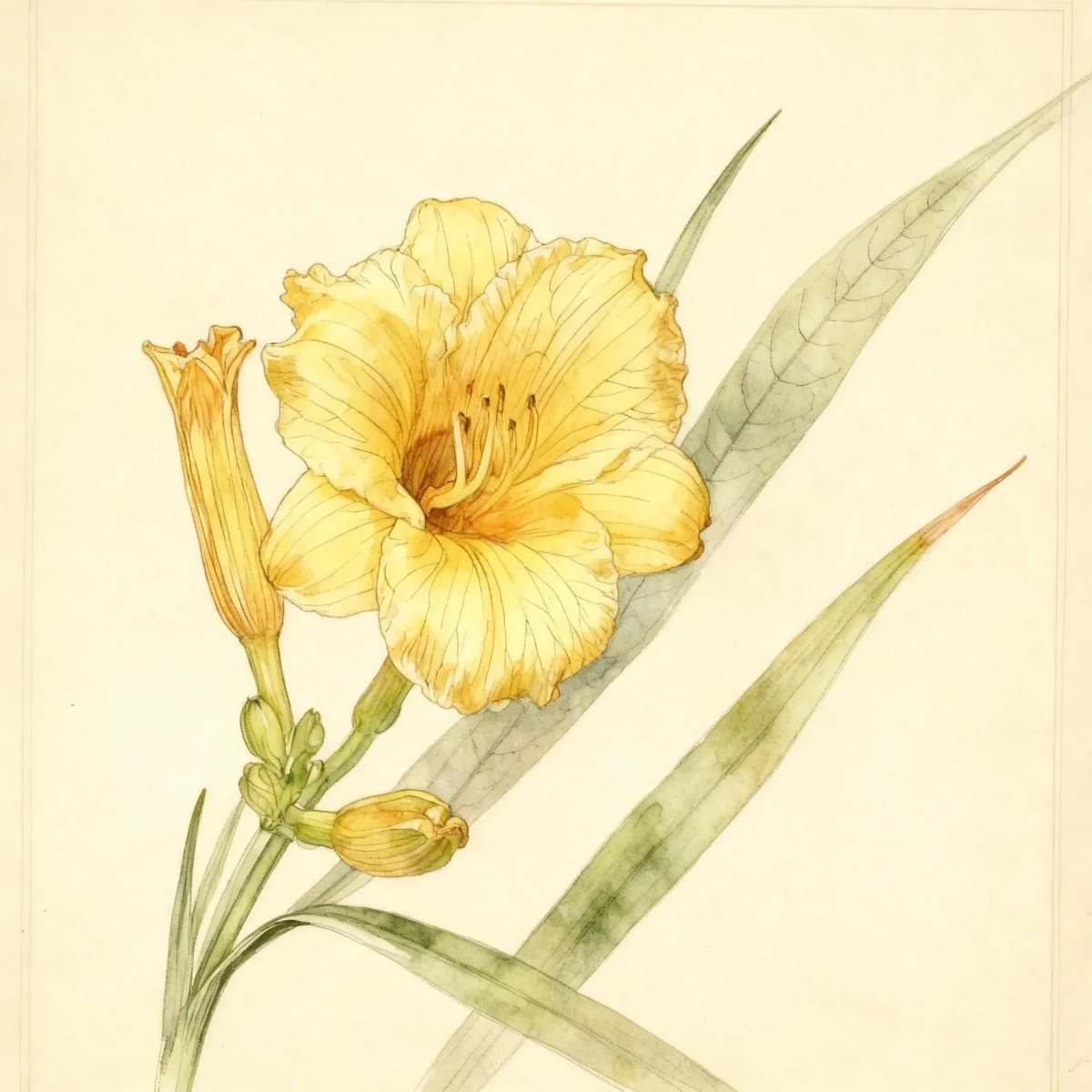
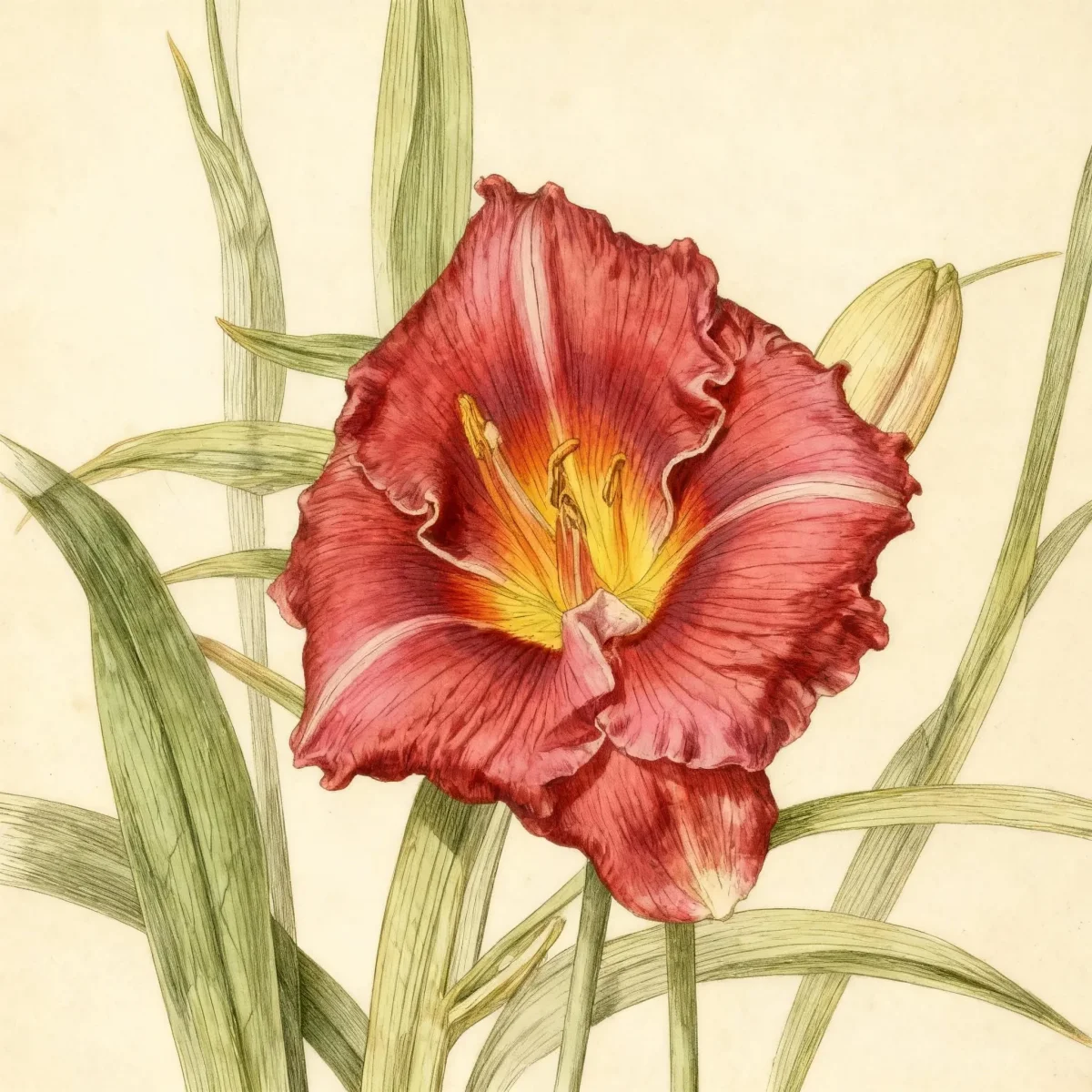
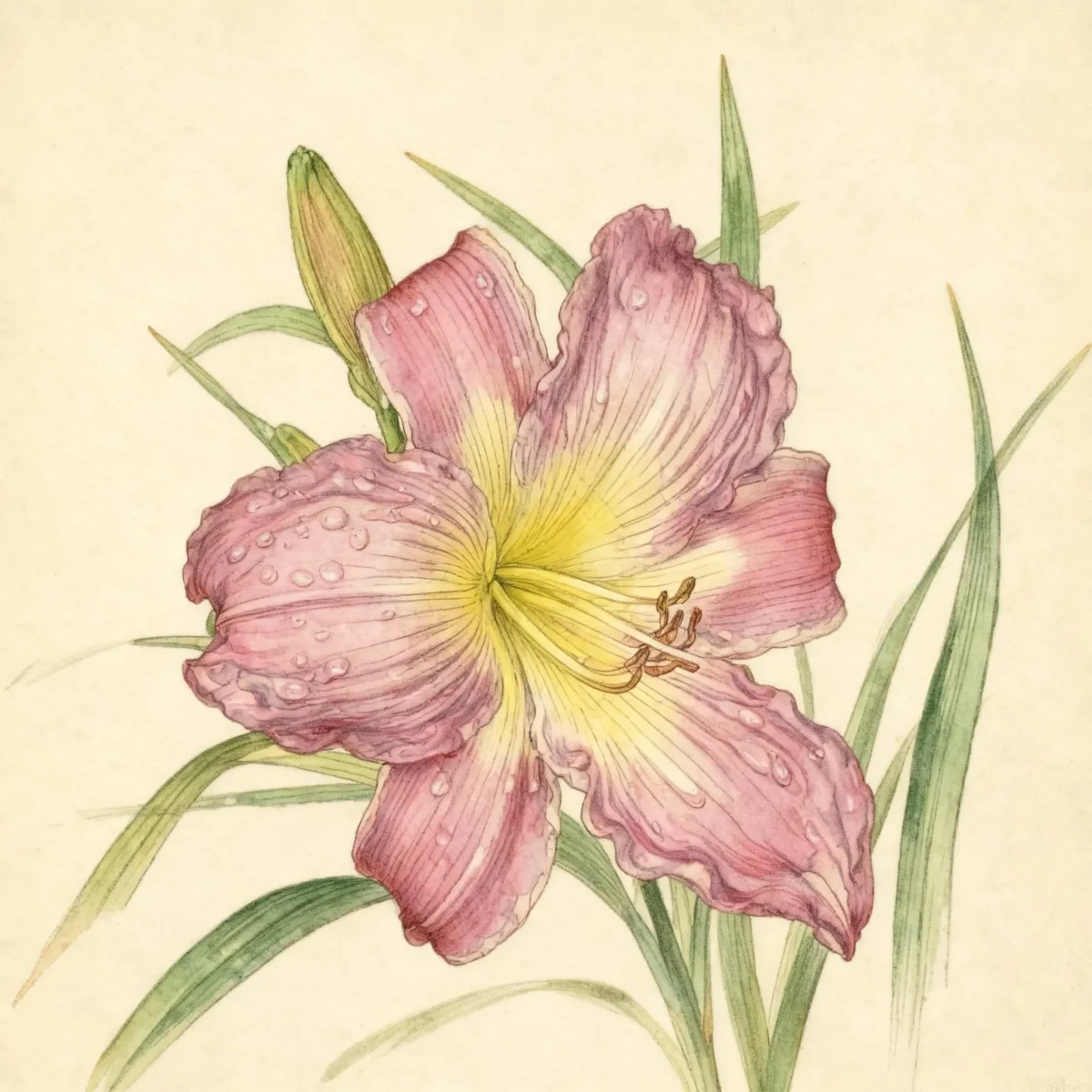
Daylily (Hemerocallis 'Baltimore Oriole')
Vibrant Daylily, Hemerocallis 'Baltimore Oriole', thrives in zones 3-9 with low maintenance and showy blooms.
Scroll down to discover growing tips, care requirements, companion plants, and more
Complete Plant Information
Overview
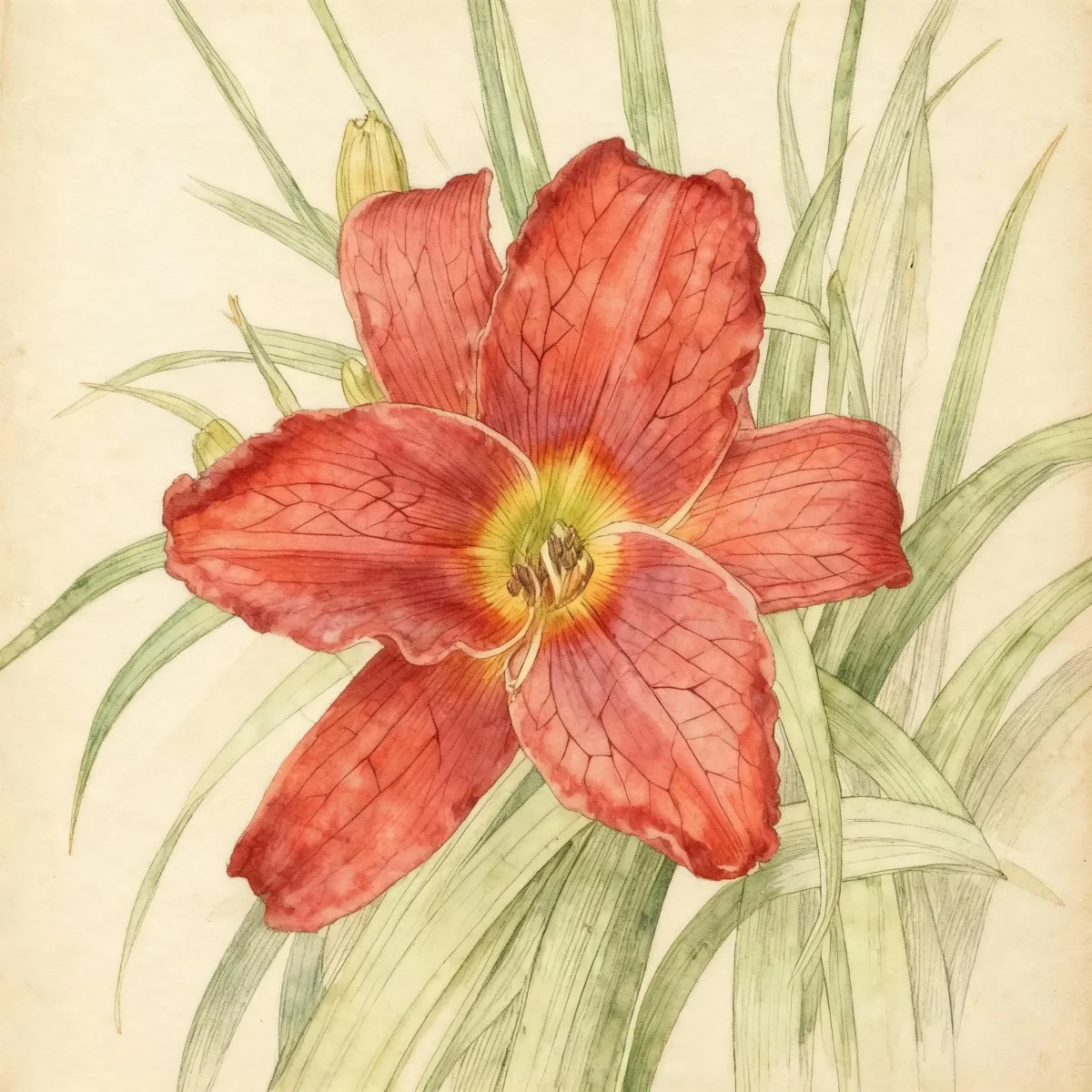
Hemerocallis ‘Baltimore Oriole’ is a superb herbaceous perennial, commonly known as the Daylily, prized for its reliable performance and striking coloration. This cultivar delivers showy, orangish-red flowers throughout July, making it a dependable mid-season color anchor in the garden. Its low maintenance requirements and adaptability make the Daylily an excellent choice for gardeners seeking high impact with minimal effort.
As a fibrous-rooted perennial, Hemerocallis ‘Baltimore Oriole’ develops clumps of arching, linear foliage reaching about 1.5 to 2 feet tall. These plants offer significant aesthetic value, producing blooms on naked scapes that emerge above the dense foliage clump. Daylilies are famously versatile, weathering various conditions once established, allowing them to serve as foundational elements in mass plantings or formal borders.
Gardeners appreciate the resilience of the Daylily, which is tolerant of heat, humidity, and even air pollution. With proper care, Hemerocallis ‘Baltimore Oriole’ provides reliable color year after year, cementing its status as one of gardening’s most beloved perennials. Be sure to plan for plant division every few years to ensure robust flowering performance.
Fast Facts
- Plant Family: Asphodelaceae
- Plant Type: Herbaceous perennial
- Hardiness Zones: USDA Zones 3-9
- Size at Maturity:
- Height: 1.5-2 ft
- Spread: 1.5-2 ft
- Bloom Time: July
- Bloom Description: Orangish red
- Sun Exposure: Full sun to part shade
- Water Needs: Medium
- Maintenance Level: Low
How to Grow
Planting Hemerocallis ‘Baltimore Oriole’ is best accomplished in average, well-drained soils, though they thrive best in deep, fertile loams. They adapt well to both full sun and partial shade conditions, but provide more prolific blooms when sited in sunnier locations. Ensure the crown—the point where the leaves emerge from the roots—is planted just at or slightly above the soil line to prevent rot.
Once established, the Daylily requires medium water, appreciating a deep soaking during dry spells to maintain attractive foliage throughout summer heat. Cultivars like ‘Baltimore Oriole’ are generally low maintenance; however, daily deadheading of spent flowers promotes neatness, and removing the entire flower stalk (scape) once blooming ceases keeps the planting tidy.
For peak performance, plan to divide established clumps of this Daylily every three to four years, ideally in the spring, especially in colder climates like the St. Louis area. This vigorous perennial can sometimes suffer foliage damage in extreme cold if it is an evergreen variety, so winter dormant types benefit from the normal winter cold period they require. Do not save seeds from hybrid daylilies, as they will not produce plants true to the parent ‘Baltimore Oriole’.
Landscape Uses
The robust nature and attractive foliage of the Daylily make it invaluable for foundational landscape design. Hemerocallis ‘Baltimore Oriole’ excels when massed over large areas, creating sweeping bands of contrasting color as the mid-summer bloom arrives. It is perfectly suited for borders, providing defined structure along walkways or property lines where its moderate height of 1.5 to 2 feet is ideal.
For a more structured look, use these herbaceous perennials for edging beds, keeping the clump size managed through routine division. Smaller, dwarf cultivars are excellent choices for rock gardens, lending a vibrant splash against stone textures. Consider pairing the orangish-red tones of ‘Baltimore Oriole’ with later-blooming perennials like Asters or Sedum to extend the seasonal interest of the border long after the Daylily finishes its main flush.
Standout Features
Flower Qualities
- Showy
Noteworthy Characteristics
Hemerocallis is a genus of herbaceous perennials commonly known as daylilies, with over 60,000 registered cultivars offering immense variety. The name reflects the ephemeral beauty of each blossom, typically lasting only one day, though continuous production ensures a long overall bloom period. Hemerocallis ‘Baltimore Oriole’ is specifically noted for its 6-inch diameter orange flowers borne singly on naked stems, arising from a handsome clump of arching foliage.
Tolerances
- Rabbit
- Erosion
- Air Pollution
Potential Problems
Daylilies are celebrated for being extremely adaptable and relatively pest-free herbaceous perennials. Mites, aphids, and thrips pose occasional threats, usually manageable by maintaining good air circulation and avoiding excessive nitrogen fertilizers. If Daylily rust presents as a problem in your region, ensure good air movement around the plants and promptly remove heavily infected foliage. Rabbits and deer typically avoid chewing on the foliage of this Hemerocallis.
Frequently Asked Questions
What hardiness zones is Daylily suitable for?
Hemerocallis ‘Baltimore Oriole’ is suitable for USDA Zones 3 through 9, offering broad applicability across many temperate climates.
How large does Hemerocallis ‘Baltimore Oriole’ grow?
This Daylily typically reaches a height between 1.5 and 2 feet, with a similar spread of 1.5 to 2 feet at maturity.
What sun exposure does Daylily need?
This plant performs best in full sun to part shade locations. More sun generally leads to more abundant flowering for Hemerocallis ‘Baltimore Oriole’.
When does Daylily bloom?
The primary bloom time for this perennial is July, featuring flowers described as orangish red.
Conclusion
The Daylily, Hemerocallis ‘Baltimore Oriole’, remains a powerhouse in the perennial garden due to its low maintenance needs and bold, showy summer color. Its adaptability to various soil types and resilience against pests make establishing this reliable orange-flowered specimen straightforward. Check your local hardiness zone compatibility and plan to plant this robust Daylily in spring for the best first-season establishment.
Companion Planting
Selecting good neighbors for Hemerocallis ‘Baltimore Oriole’ ensures a cohesive and attractive garden display throughout the growing season. Because Daylilies prefer medium moisture and eventually grow into dense clumps, pair them with plants that can tolerate similar conditions or those that fill in gaps once the Daylily foliage fully erupts. Good companions that bloom before or after the July peak include early-season Alliums or late-season ornamental grasses that complement the linear leaf structure.
For a classic cottage garden look, interplant with traditional favorites like Salvias or Coneflowers (Echinacea). Since the Daylily foliage can sometimes look tired after the initial bloom, companion plants that offer high-set flowers or fine texture help mask any unsightly spent leaves. Remember that Hemerocallis is quite adaptable, so contrast the fiery orange-red of ‘Baltimore Oriole’ with cooler blues or whites from nearby bloomers.
Propagation Tips
The most effective and reliable method for propagating Hemerocallis ‘Baltimore Oriole’ is division, a practice recommended every three to four years. Division should ideally be done in the spring before vigorous new growth begins, or sometimes in the fall, depending on climate severity. To divide, lift the entire clump using a digging fork, trying to keep the root ball intact.
Once excavated, gently tease the root mass apart using gloved hands or use a sharp spade to cut through the crowns and root masses into smaller sections, ensuring each new piece has several fans of foliage attached. Replant these divisions immediately at the same depth as the original plant to prevent crown rot or failure to thrive. As noted in the culture section, hybrid daylilies like this one will not come true from seed, making division the only way to preserve the exact cultivar characteristics.