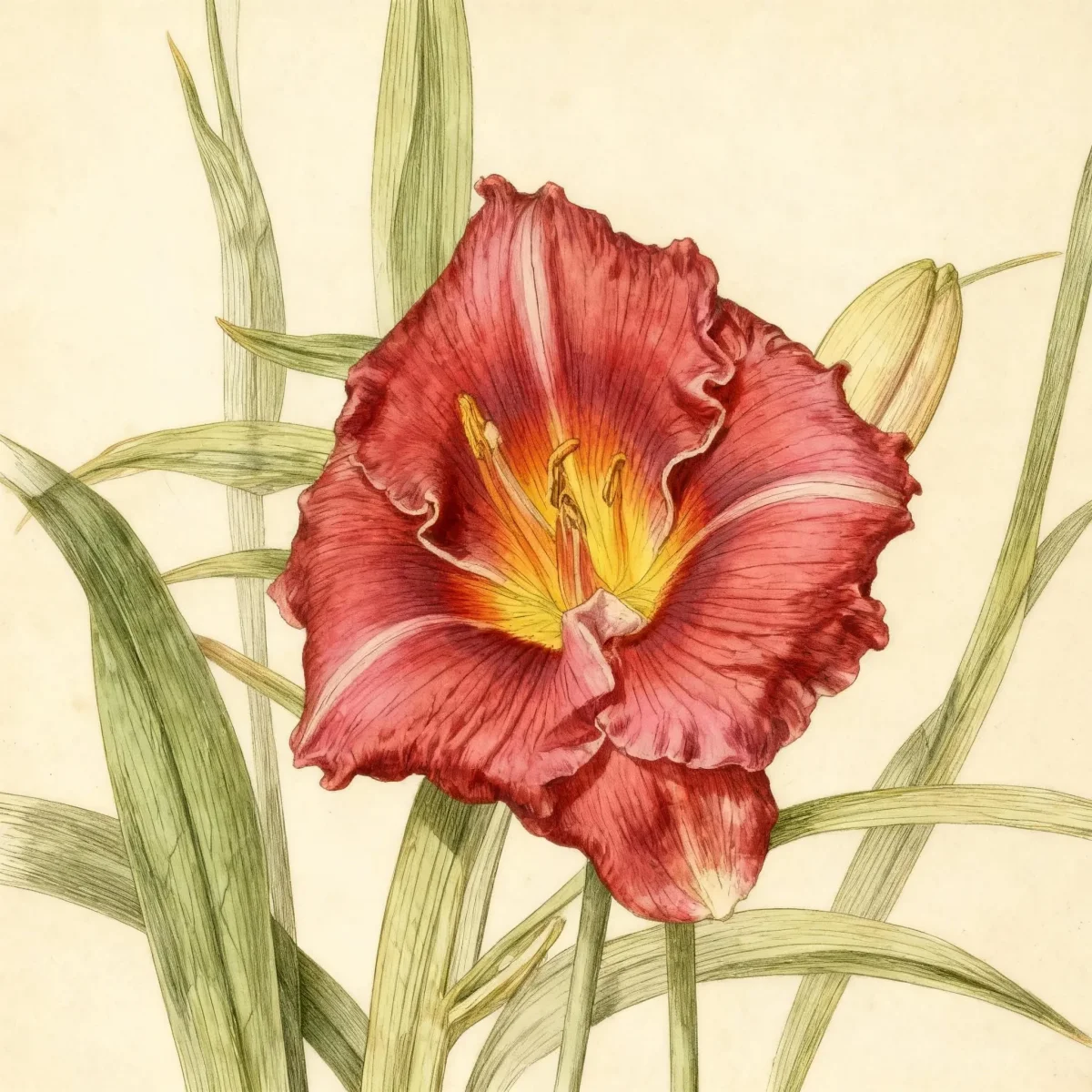
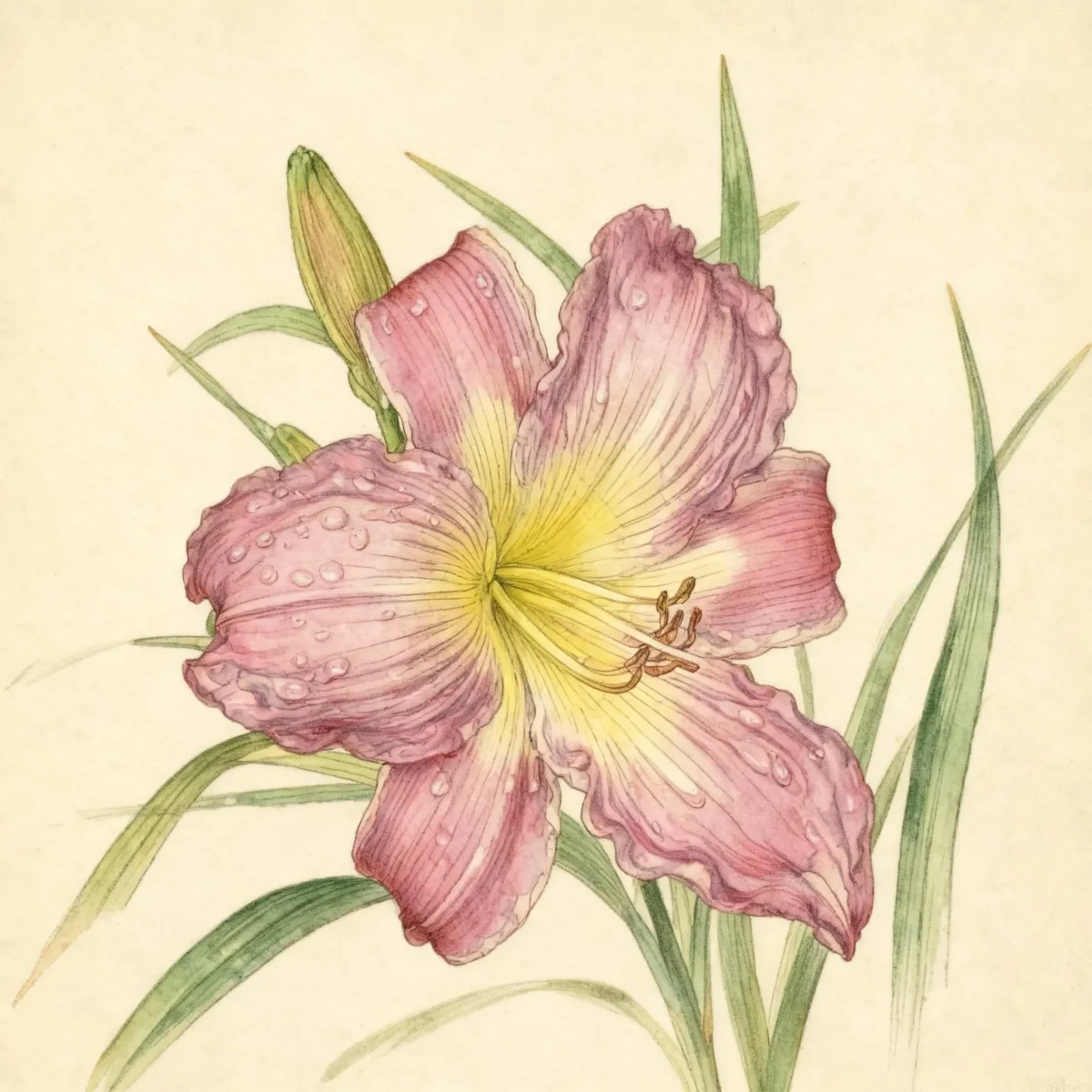
Daylily (Hemerocallis 'Black Eyed Stella')
Hemerocallis 'Black Eyed Stella' is a low-maintenance Daylily offering yellow blooms with a burgundy eye from June to August.
Scroll down to discover growing tips, care requirements, companion plants, and more
Complete Plant Information
Overview
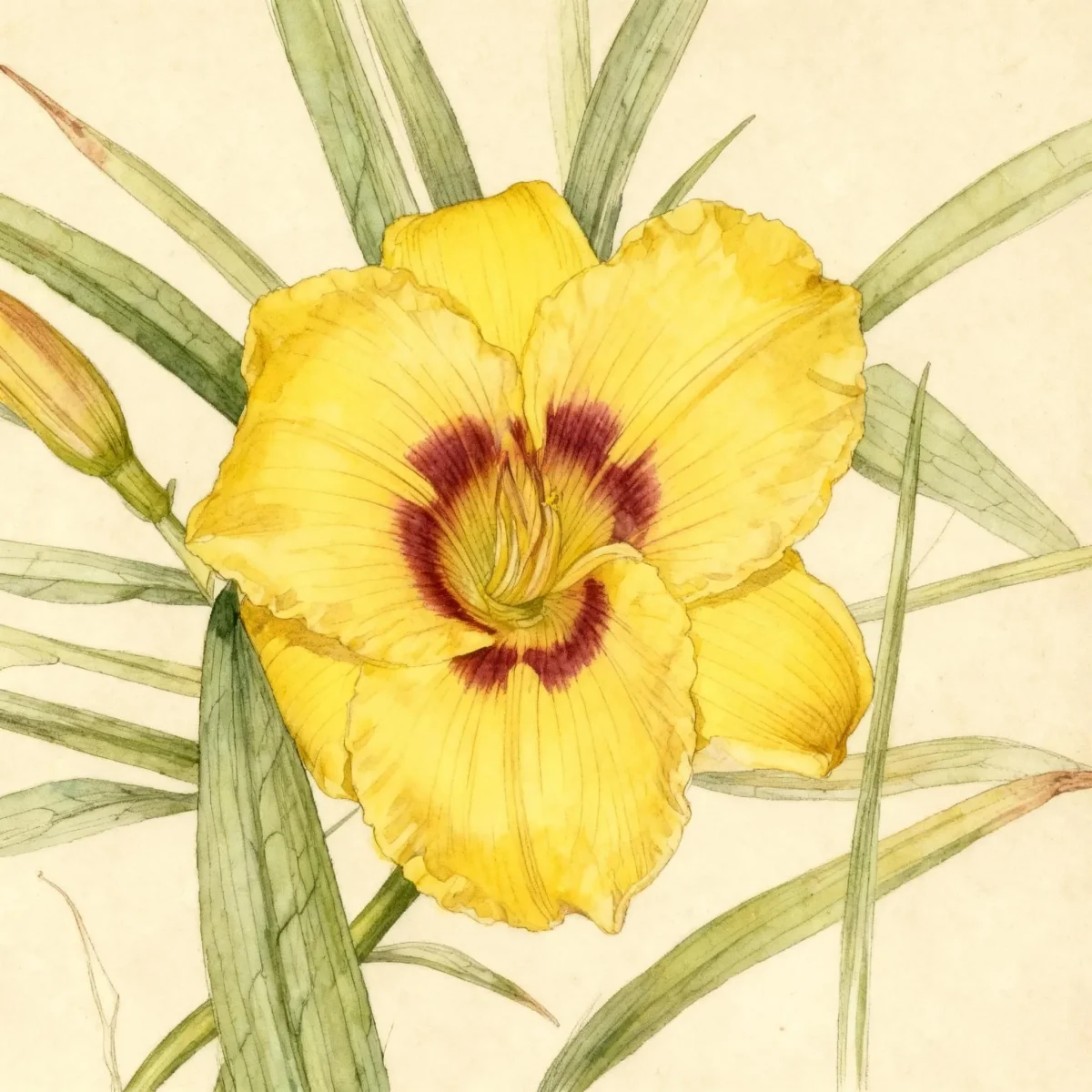
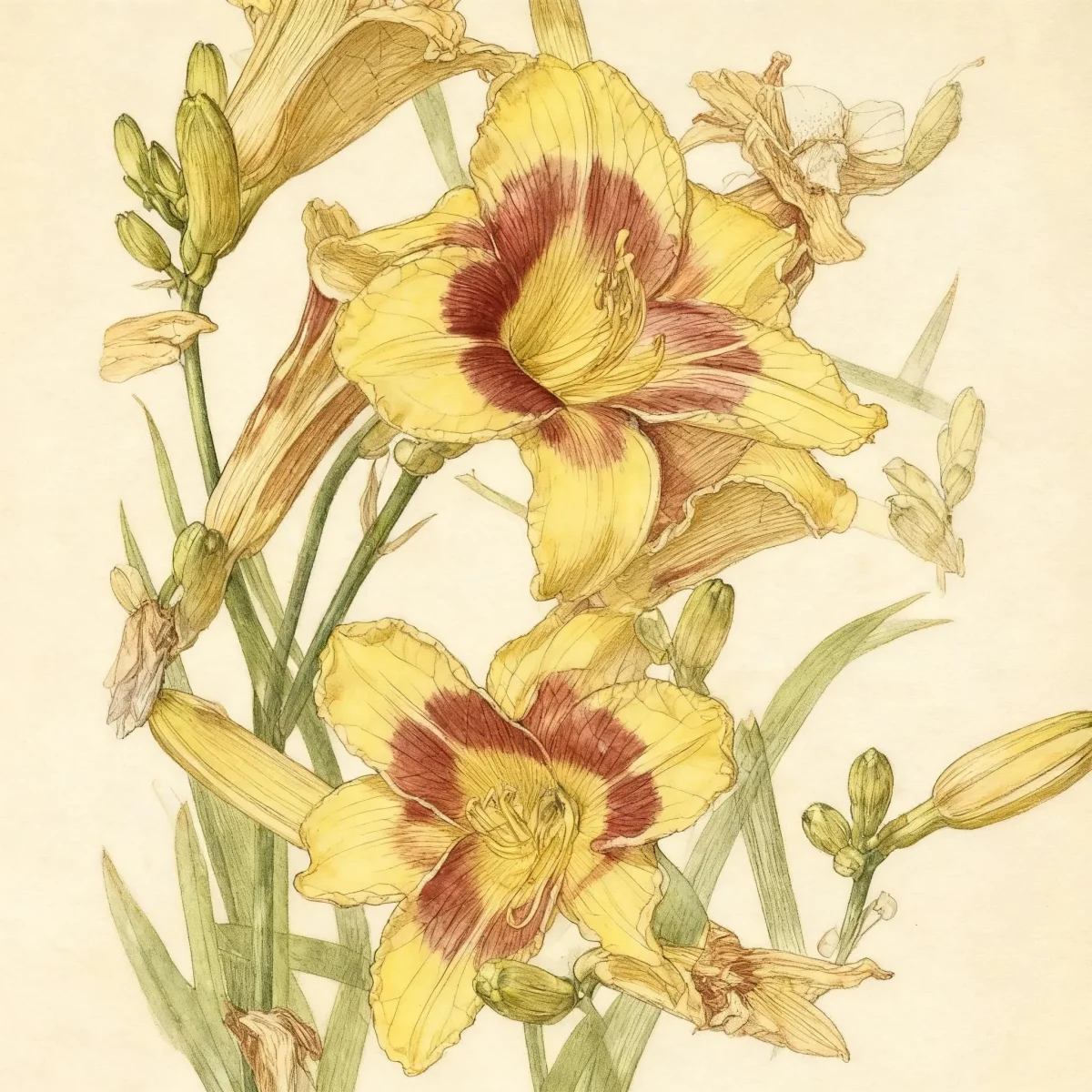
Hemerocallis ‘Black Eyed Stella’ is a highly valued herbaceous perennial celebrated for its consistent, vibrant floral display throughout the summer months. This specific Daylily cultivar produces distinctive trumpet-shaped flowers that are buff yellow to gold, strikingly accented by a deep burgundy eye zone. It is an excellent choice for gardeners seeking reliable color without demanding excessive upkeep, fitting seamlessly into almost any garden setting.
Growing reliably in USDA Zones 4 through 9, the Daylily thrives in full sun to partial shade conditions. Mature plants typically reach between one and one-and-a-half feet tall and spread up to a foot wide, forming attractive fans of grass-like foliage. Hemerocallis ‘Black Eyed Stella’ offers superb aesthetic value, often reblooming into the fall, extending the season of interest long after many spring flowers have faded.
This popular Daylily cultivar benefits from its inherent toughness, tolerating heat, humidity, and even air pollution, making it suitable for urban environments or challenging exposures. Its low maintenance requirements and ability to handle average soils solidify its status as a foundational plant for borders, mass plantings, and perennial beds across diverse climates.
Fast Facts
- Plant Family: Asphodelaceae
- Plant Type: Herbaceous perennial
- Hardiness Zones: USDA Zones 4-9
- Size at Maturity:
- Height: 1-1.5 ft
- Spread: 0.75-1 ft
- Bloom Time: June to August
- Bloom Description: Yellow with burgundy eye
- Sun Exposure: Full sun to part shade
- Water Needs: Medium
- Maintenance Level: Low
How to Grow
Planting locations for Hemerocallis ‘Black Eyed Stella’ should receive ample sunlight, though they tolerate part shade, which may slightly reduce flowering intensity. These Daylilies perform best in deep, fertile loams but adapt well to average, well-drained soils with medium moisture levels. Plant groupings or individual specimens in the spring for best establishment, particularly in colder winter climates.
Routine care involves monitoring moisture levels, especially during dry spells, as deep watering helps keep the attractive foliage looking its best through summer heat. Deadheading spent blooms daily ensures neatness and encourages the plant to focus energy on producing new flowers. Promptly remove spent flower scapes once blooming finishes for a tidy appearance.
For optimal bloom production, plan to divide clumps of this Daylily every three to four years, preferably in the spring in colder zones, or fall otherwise. If you save seed from hybrid Daylilies like ‘Black Eyed Stella’, be aware the resulting plants will not retain the parent’s traits. While the foliage of this dormant type handles winter well, gardeners in warmer Zones 9 and above should note that it requires a cold period for its best performance.
Landscape Uses
Hemerocallis ‘Black Eyed Stella’ excels as an easy-to-grow herbaceous perennial, making it ideal for defining garden spaces. Its manageable height (typically 12–18 inches) makes it superb for the front or middle of borders where its continuous bloom can stabilize the design scheme. Use these plants in mass plantings to create sweeping blocks of yellow and burgundy color across large areas.
Dwarf cultivars, such as this variety, integrate perfectly into rock gardens, softening hard edges and providing seasonal color among stones and varied textures. They are also excellent for clearly edging pathways or driveways, creating a neat, bright line that brightens the walkway all summer long.
Consider pairing this Daylily with late-season bloomers or plants that provide contrasting foliage texture, such as ornamental grasses or dark-leaved Heucheras. The vibrant yellow of Hemerocallis ‘Black Eyed Stella’ acts as a classic color anchor against both cool greens and deeper jewel tones.
Standout Features
Flower Qualities
- Showy
Noteworthy Characteristics
Hemerocallis, commonly known as Daylilies, are famous for being mostly fibrous-rooted hybrids originating from Asia and Europe. The genus name reflects the short life of each bloom—sometimes only one day—yet the plant compensates by producing flowers in rapid succession over a long period. Cultivar ‘Black Eyed Stella’ is known for its bright yellow flowers accented by a dark eye, a trait developed through decades of dedicated hybridizing efforts across the genus.
Tolerances
- Rabbit
- Erosion
- Air Pollution
Potential Problems
Daylilies like Hemerocallis ‘Black Eyed Stella’ are renowned for being highly adaptable and generally pest-free performers. However, occasional infestations of mites, aphids, or thrips may appear, usually manageable with targeted treatments or strong water sprays. Watch for Daylily rust, especially in humid environments, which presents as yellow pustules on the leaves; managing air circulation can help prevent this fungal issue. Rabbits typically find this plant unappetizing, offering an additional benefit in yards where nibbling pests are a concern.
Frequently Asked Questions
What hardiness zones is Daylily suitable for?
Hemerocallis ‘Black Eyed Stella’ is reliably hardy across USDA Zones 4 through 9.
How large does Daylily grow?
This cultivar typically matures to a height between 1 and 1.5 feet, with a spread ranging from 0.75 to 1 foot wide, forming neat clumps.
What sun exposure does Daylily need?
For the best flowering, plant Hemerocallis ‘Black Eyed Stella’ where it receives full sun, although it will tolerate partial shade conditions.
When does Daylily bloom?
This particular Daylily variety typically blooms from June through August, often providing repeat flowering into the early fall season.
Conclusion
Hemerocallis ‘Black Eyed Stella’ remains a staple in modern landscaping due to its exceptionally low maintenance needs and reliable supply of cheerful, yellow and burgundy flowers. This robust Daylily offers season-long color, making it highly valuable for diverse garden applications. Before planting, always confirm your local climate falls within USDA Zones 4-9 to ensure this fantastic specimen thrives for years to come.
Propagation Tips
While hybrid Daylilies like ‘Black Eyed Stella’ will not grow true to type from seed, horticultural propagation is straightforward through division. Clumps should be split every three to four years to maintain vigor and prevent overcrowding, which can restrict blooming. The division process is best done when the plant is dormant or semi-dormant, typically in early spring before new growth heavily emerges, ensuring the fibrous root systems remain largely intact.
Each division must contain a substantial crown section and several healthy roots to successfully reestablish itself in the garden. After separating the fans, immediately replant them at the same depth they were previously growing; planting the crown too deep is a common error that suppresses flowering in Daylilies. Keep the newly divided sections consistently moist for several weeks until robust new root activity resumes.
Companion Planting
Because Daylilies thrive in average moisture and tolerate full sun to part shade, they pair well with perennials that share similar cultural preferences but offer contrasting textures or bloom times. Consider using them alongside sturdy companions like Hostas (in shadier spots) or Ornamental Grasses, whose upright forms contrast nicely with the Daylily’s arching foliage. Plants that bloom heavily in spring, such as Peonies or Irises, create a beautiful succession display when planted near Hemerocallis ‘Black Eyed Stella’, ensuring continuous color interest until this Daylily reaches its peak in summer.