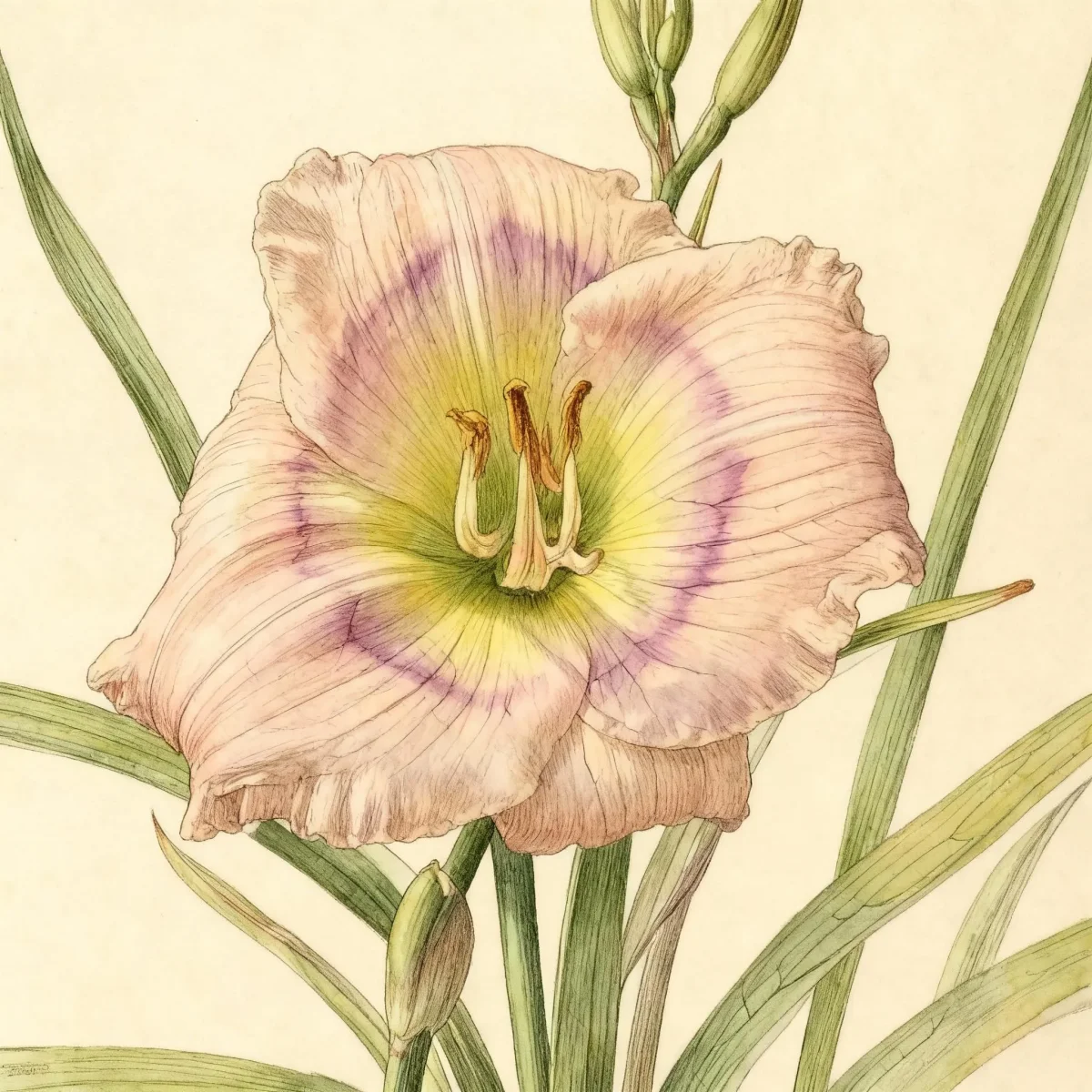
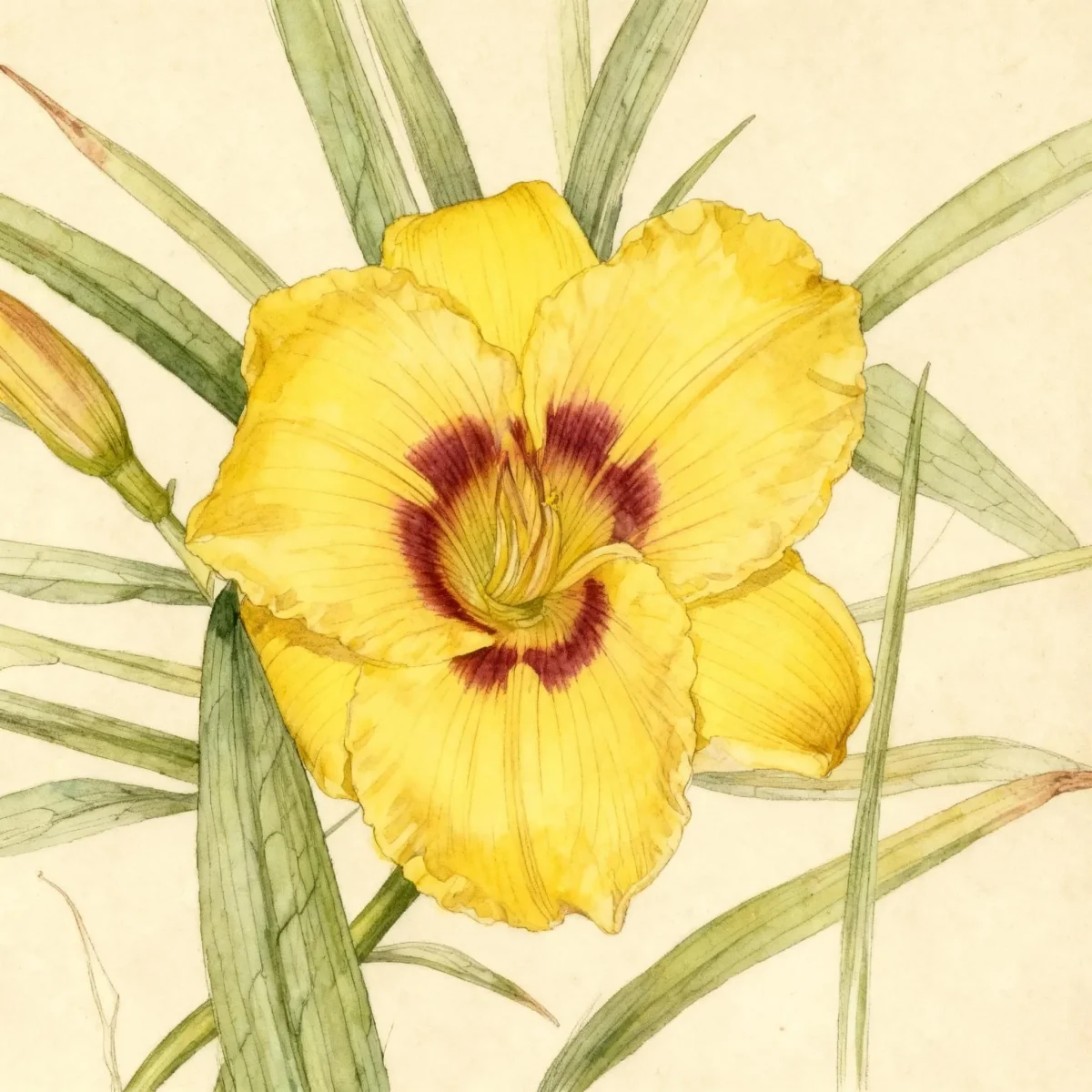
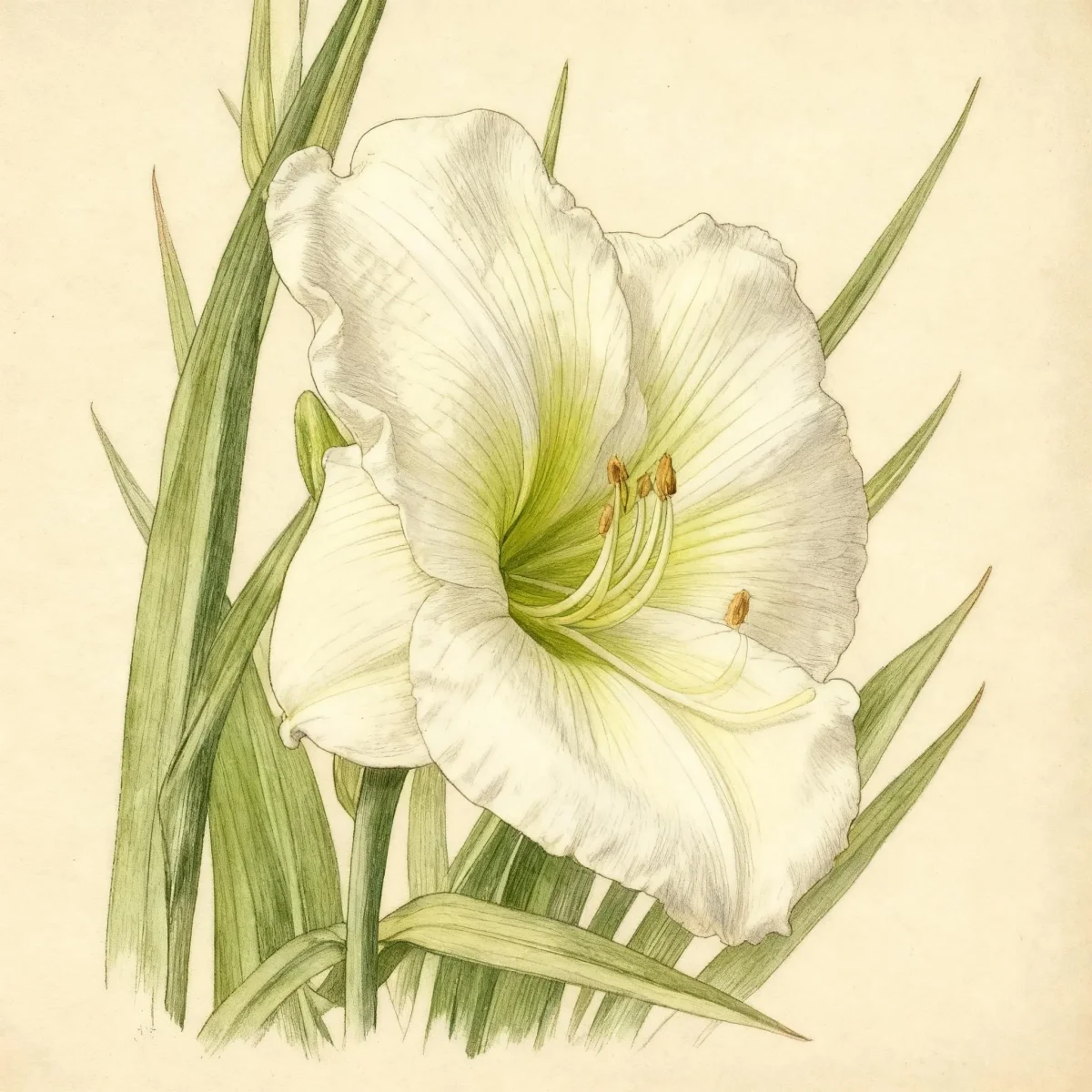
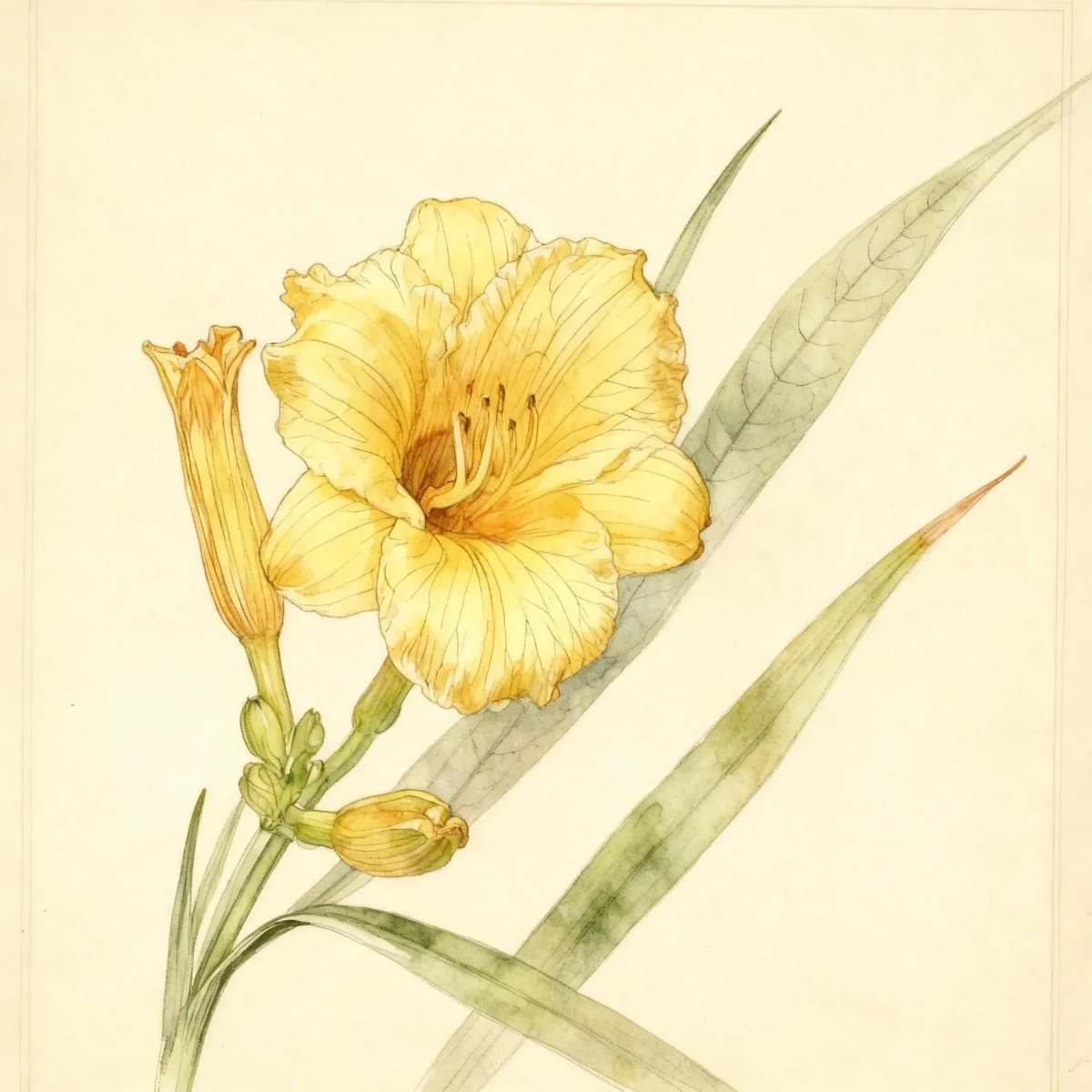
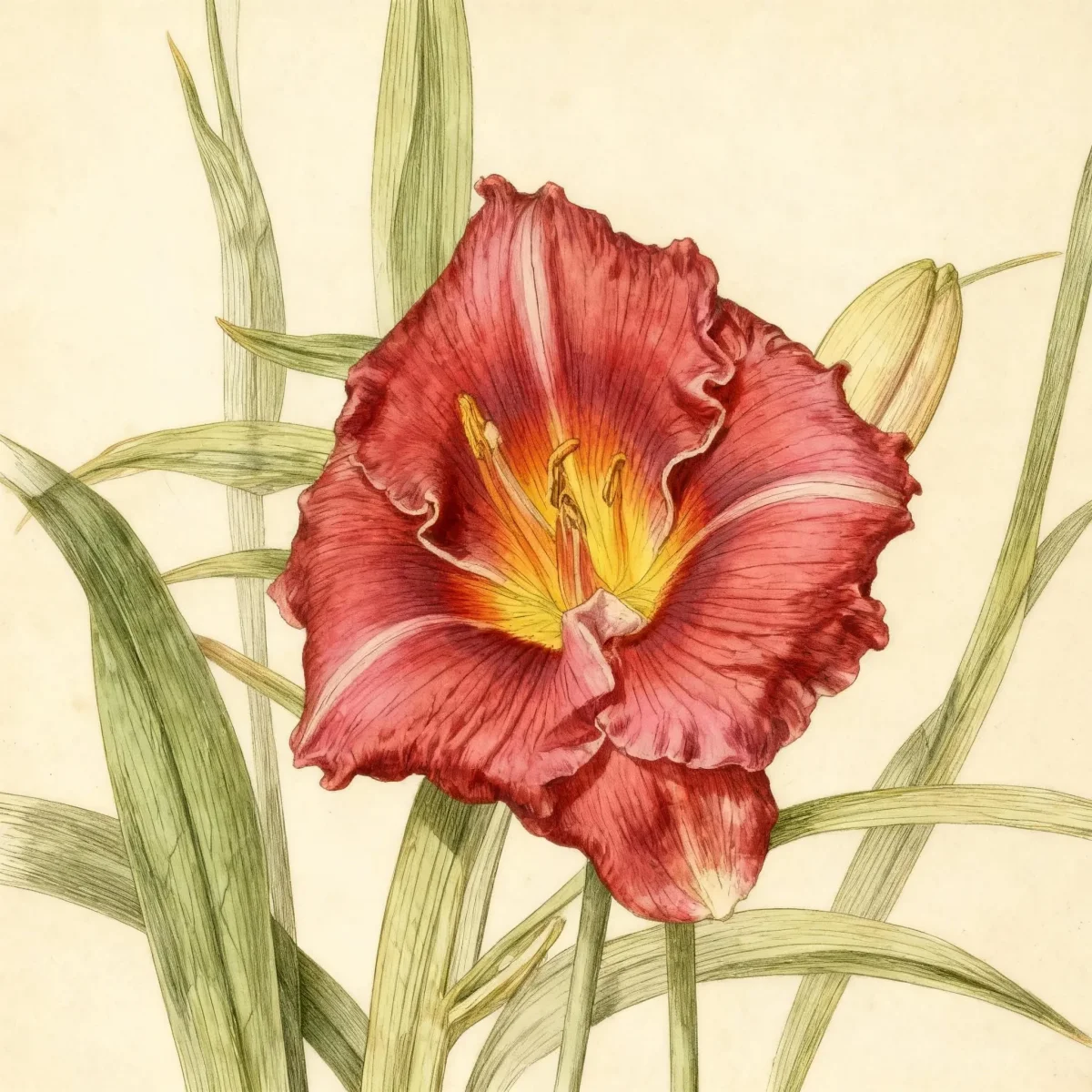
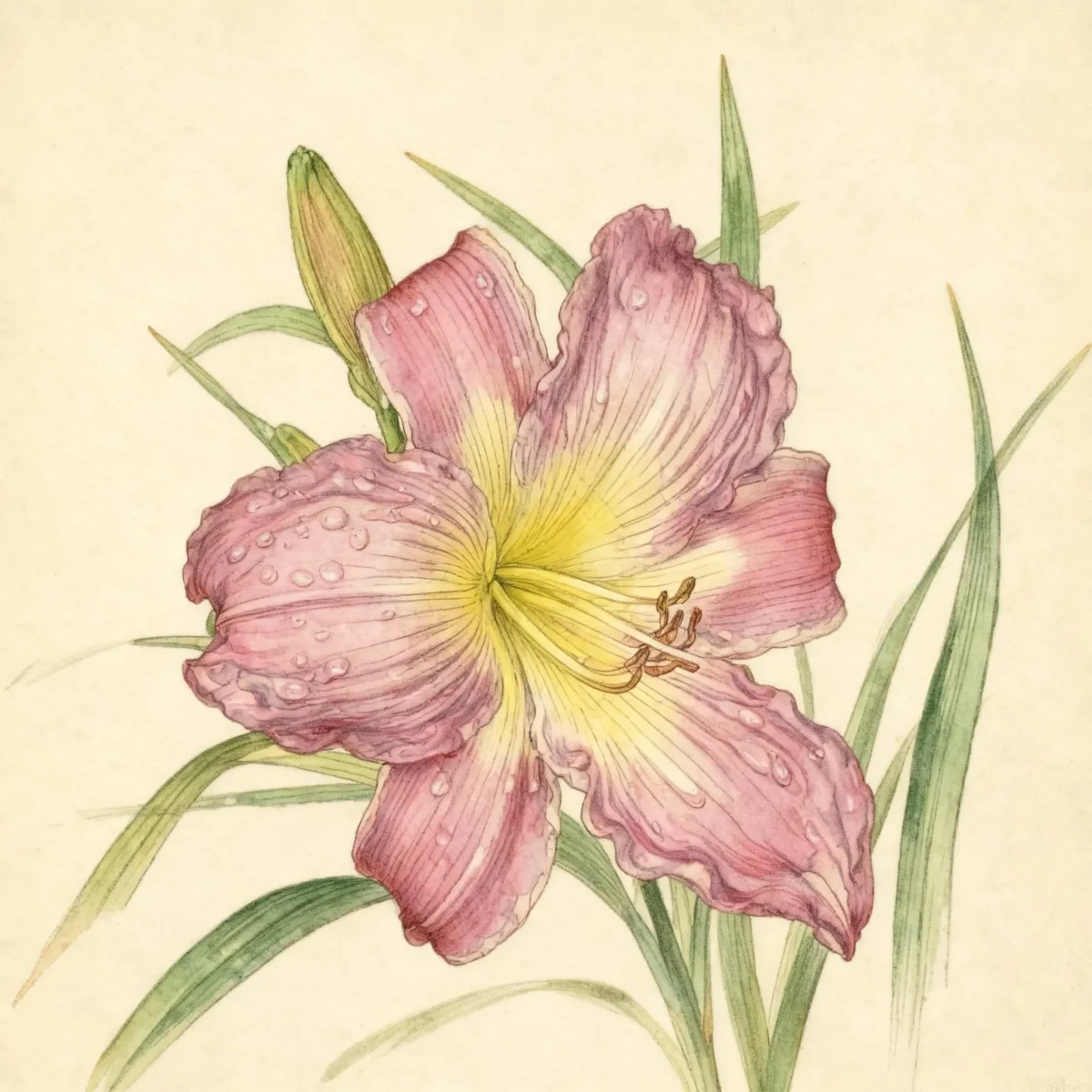
Daylily (Hemerocallis 'Burlesque')
Hemerocallis 'Burlesque' Daylily offers 4" maize blooms with burgundy eyes, thriving in Zones 3-9 with low maintenance.
Scroll down to discover growing tips, care requirements, companion plants, and more
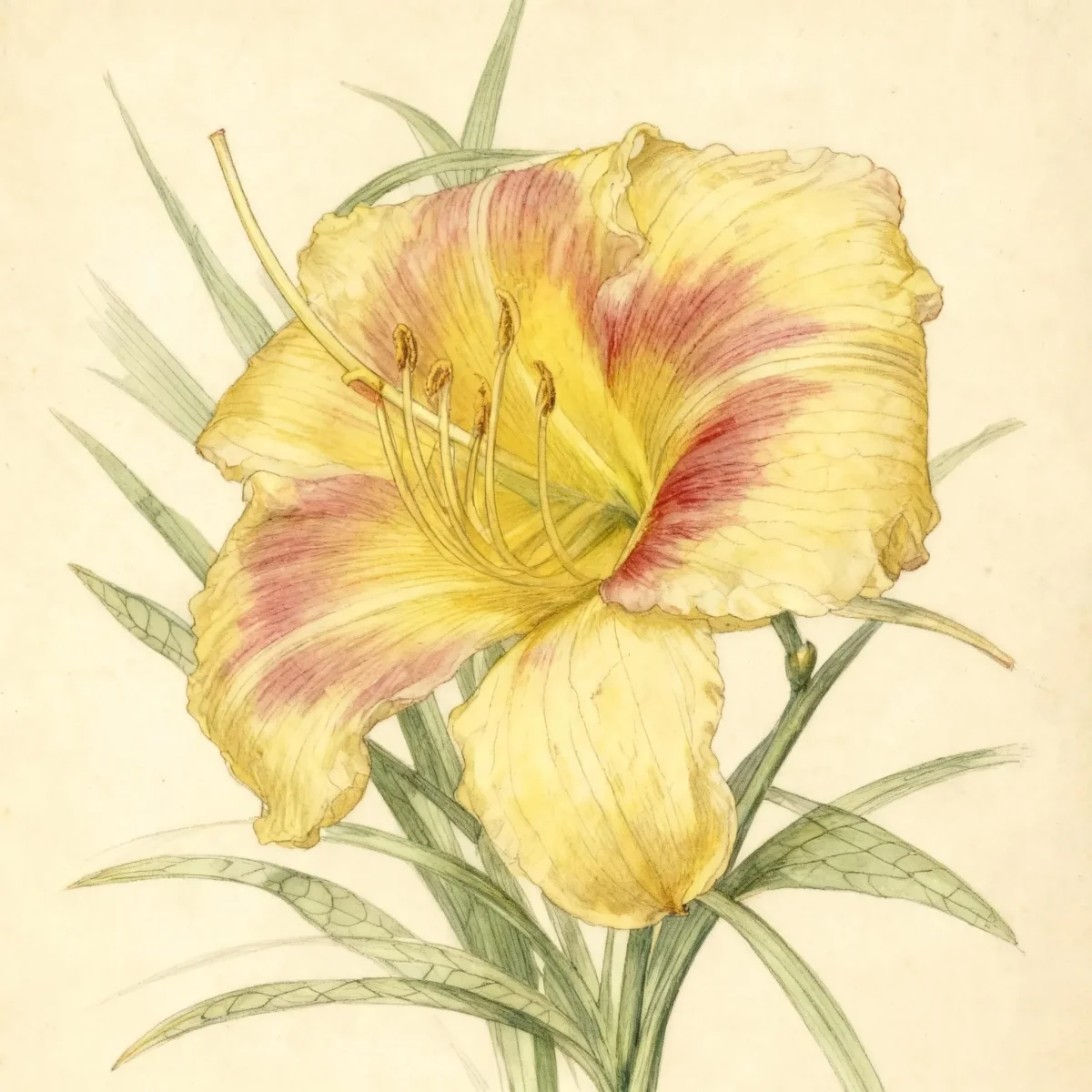
Complete Plant Information
Overview
Hemerocallis ‘Burlesque’ is a fantastic perennial choice, treasured by gardeners for its reliable summer color and adaptability. This cultivar, part of the vast Daylily genus, is known for producing striking flowers with a distinctly maize coloration beautifully highlighted by rich burgundy eyes. Gardeners value this Daylily for its low maintenance requirements and its ability to flourish across a wide spectrum of climatic conditions, making it a staple in borders and mass plantings.
As an herbaceous perennial, Hemerocallis ‘Burlesque’ establishes a durable clump of linear, grass-like foliage that provides texture throughout the growing season. The blooms appear on sturdy scapes, typically rising to about 30 inches, ensuring the flowers are prominently displayed during the early mid-season bloom time of June. The longevity of the Daylily display, achieved through continuous production of individual ephemeral blooms, offers consistent landscape impact.
With origins tracing back to Asia and Europe, modern Daylilies showcase the results of extensive hybridizing efforts aimed at maximizing flower quality and plant resilience. Hemerocallis ‘Burlesque’ carries forward this legacy, offering a cheerful, robust performer that brightens the landscape with minimal fuss, requiring only basic care to maintain vigor and prolific flowering.
Fast Facts
- Plant Family: Asphodelaceae
- Plant Type: Herbaceous perennial
-
- Hardiness Zones: USDA Zones 3-9
- Size at Maturity:
- Height: 2-2.5 ft
- Spread: 1.5-2 ft
- Bloom Time: June
- Bloom Description: Maize with burgundy eyes
- Sun Exposure: Full sun to part shade
- Water Needs: Medium
- Maintenance Level: Low
How to Grow
Planting Hemerocallis ‘Burlesque’ is easiest in spring or fall, though spring planting allows the plant to establish before summer heat. These Daylilies thrive in average, medium moisture, well-drained soils, though they perform optimally in deep, fertile loams. Ensure the crown of the plant is situated just at or slightly below the soil surface upon planting.
Care throughout the season is straightforward. Keep the soil consistently moist, especially during dry spells, as deep watering helps keep the foliage attractive during summer heat and humidity. Deadheading spent flowers daily maintains neatness, and you should remove the entire flower scape once blooming has finished its run. Hybrid daylilies like ‘Burlesque’ do not breed true from seed, so division is the preferred method of propagation.
For peak performance, plan to divide your Hemerocallis ‘Burlesque’ clumps every three to four years, ideally in the spring, especially in colder regions like those experiencing harsh winters. Winter dormant varieties require this cold dormancy period for the best future bloom showing, making them less ideal for the warmest extremes of Zone 9. In colder climates, ensure foliage is tidied up in fall or early spring to prepare for new growth.
Landscape Uses
The versatility of the Daylily makes Hemerocallis ‘Burlesque’ an excellent foundational plant for diverse garden designs. Because of its manageable height (2 to 2.5 feet) and clumping habit, it excels when used for formal borders along pathways or defining the edges of flower beds. These plants are also highly effective when massed over large areas, providing a continuous block of mid-season color that suppresses weeds effectively.
For more formal or structured gardens, plant the Daylily clumps near plants that contrast in texture or foliage color, such as ornamental grasses or silvery foliage plants like Lamb’s Ears. While ‘Burlesque’ is not noted as a dwarf cultivar, its sensible size still allows it to anchor rock gardens or act as a mid-layer accent in mixed perennial plantings. The low maintenance level ensures that once established, these perennials demand attention only for periodic division.
Standout Features
Flower Qualities
- Showy
Noteworthy Characteristics
Hemerocallis is a genus of about 15 species of herbaceous perennials commonly known as daylilies, with most commercial varieties being complex hybrids. Each flower typically lasts only one day, hence the common name, but they are produced in such succession that the plant remains in flower for an extended period. Hemerocallis ‘Burlesque’ is a notable diploid cultivar featuring 4-inch diameter, maize flowers with burgundy eyes, blooming on scapes that rise approximately 30 inches above the arching foliage in early mid-season.
Tolerances
- Rabbit
- Erosion
- Air Pollution
Potential Problems
Daylilies are remarkably robust and adaptable perennials, making pest and disease issues infrequent challenges. If problems arise, watch for occasional mite, aphid, or thrips infestations, which can usually be managed with horticultural oils or appropriate insecticidal soaps. Daylily rust is a fungal issue that can become problematic in humid environments, requiring vigilance; ensure good air circulation when planting. Fortunately, common garden pests like rabbits tend to avoid consuming the foliage of the Daylily.
Frequently Asked Questions
What hardiness zones is Hemerocallis ‘Burlesque’ suitable for?
Hemerocallis ‘Burlesque’ is reliably hardy across USDA Zones 3 through 9.
How large does Daylily grow?
This cultivar typically reaches a height between 2 and 2.5 feet while spreading to a width of 1.5 to 2 feet at maturity.
When does Daylily bloom?
Hemerocallis ‘Burlesque’ blooms primarily in June, producing distinctive maize flowers with rich burgundy eyes.
What sun exposure does Daylily need?
For the best display, this Daylily prefers full sun conditions, though it remains tolerant of partial shade.
Conclusion
Hemerocallis ‘Burlesque’ delivers exceptional value to the home gardener through its attractive maize and burgundy blooms and supremely low maintenance needs across many hardiness zones. Incorporating this dependable Daylily into your landscape plans ensures reliable summer color with minimal effort. Always check your local hardiness zone before planting to confirm suitability for winter dormancy requirements.
Companion Planting
Selecting companions for Hemerocallis ‘Burlesque’ revolves around complementing its mid-season bloom time and sword-like foliage texture. Plants that flower earlier, like early spring bulbs (tulips, daffodils), or later-blooming perennials (asters or sedum) help maintain continuous interest once the Daylily finishes its cycle. Good textural partners include silvery groundcovers or clumping ornamental grasses which contrast nicely with the linear, arching leaves of the Daylily.
Consider plants that enjoy similar moisture levels—medium and well-drained. Avoid overly aggressive spreaders that might compete directly with the Daylily crowns for root space. Because Daylilies tolerate a wide range of soil pH but prefer fertile soil, pairing them with classic perennials such as Hostas (in shaded spots) or Coneflowers (in full sun) works well culturally.
Design Ideas for Daylilies
The sturdy, upright habit of Hemerocallis ‘Burlesque’, reaching up to 2.5 feet, makes it perfect for softening the edges of hardscape features. Use them along curved garden borders where their massed impact can be fully appreciated throughout their blooming phase. Their vibrant, warm coloration works beautifully when paired with cool blue or purple flowers to create visual excitement.
In contemporary or cottage garden designs, mass planting Daylilies creates drifts of color that look naturalistic yet perfectly controlled. Since repeat blooming is common in many modern hybrids, ensure you correctly deadhead spent flowers to encourage reblooming cycles. Their tolerance for various soils also means they can be integrated surprisingly well into roadside plantings or erosion-prone areas, thanks to their dense, fibrous root systems.