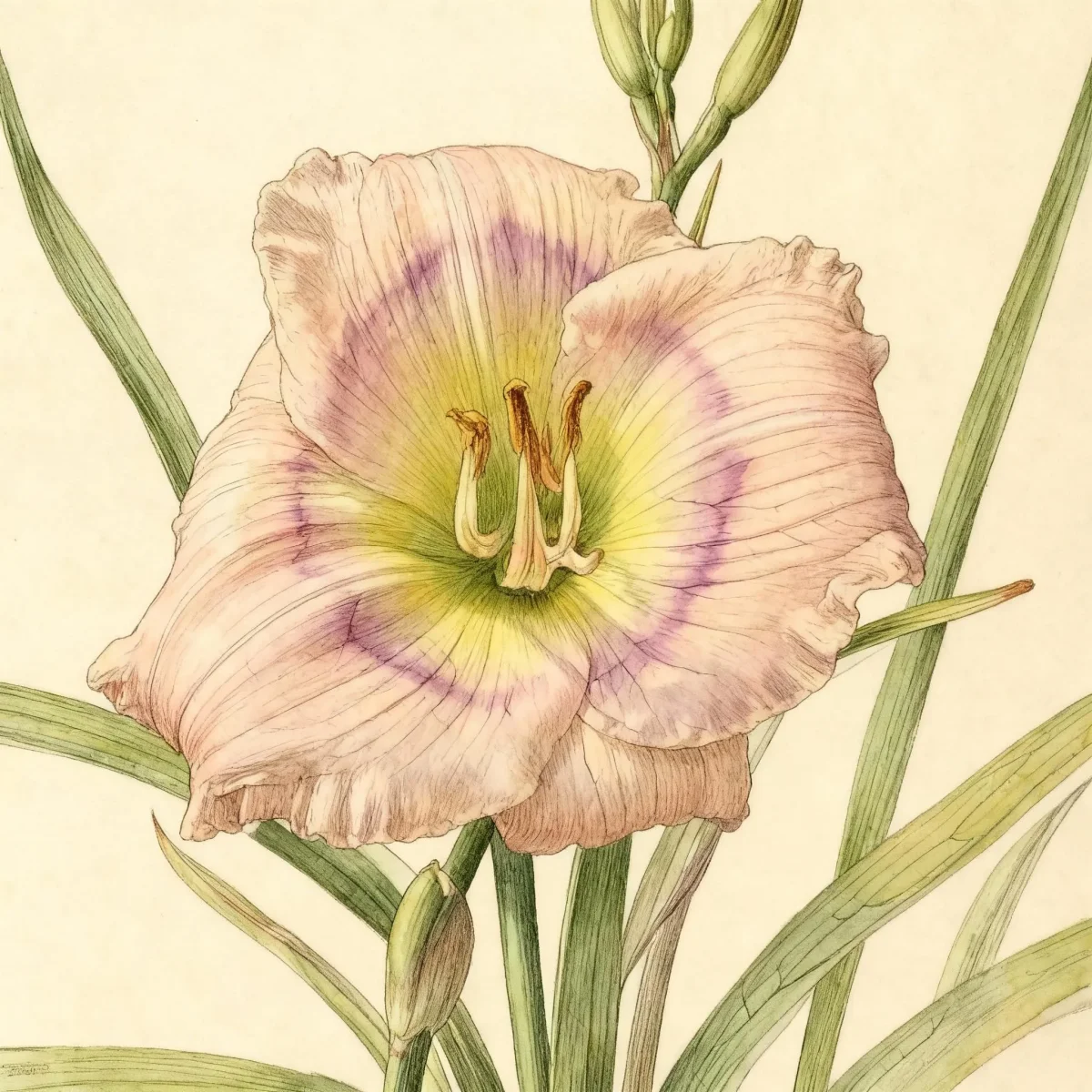
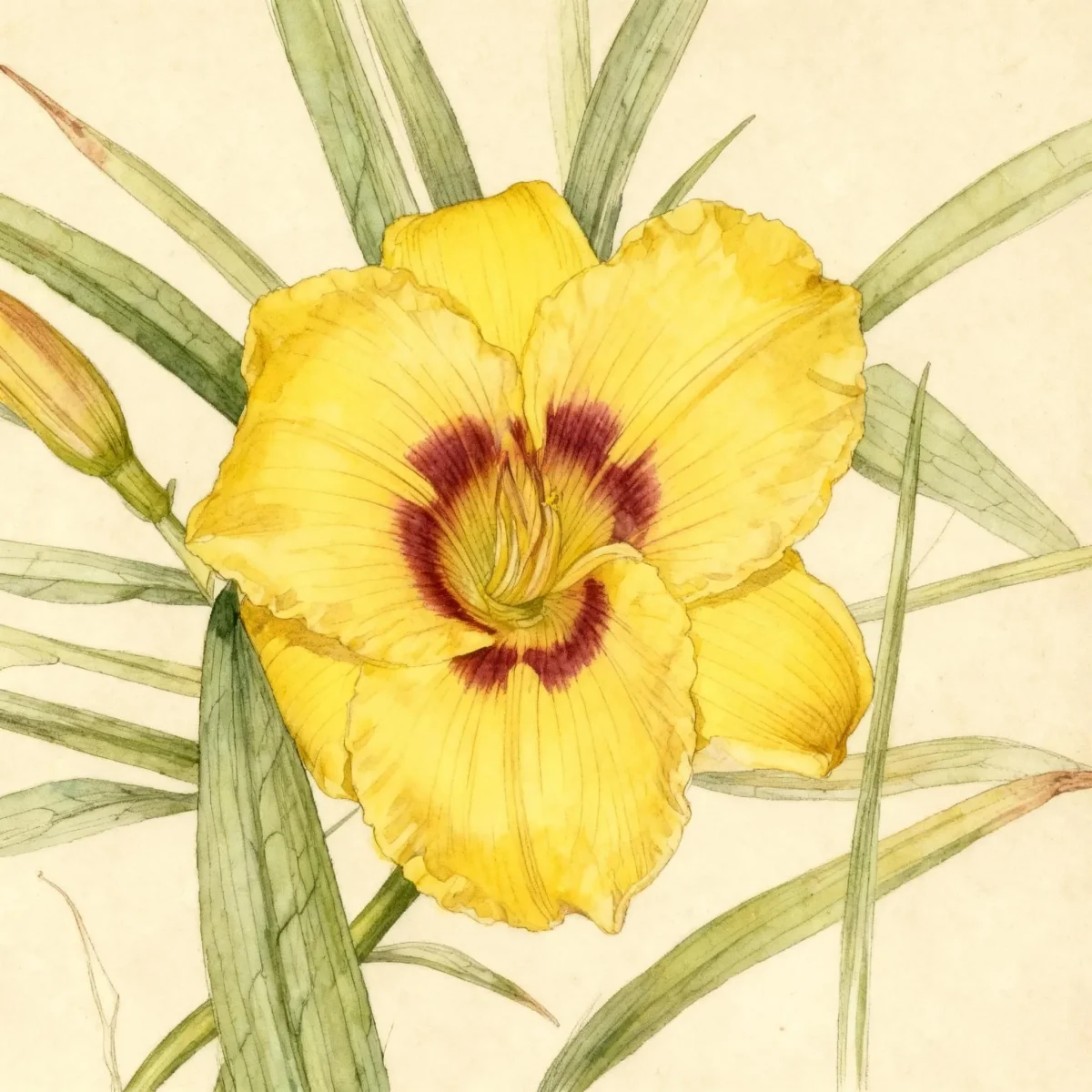
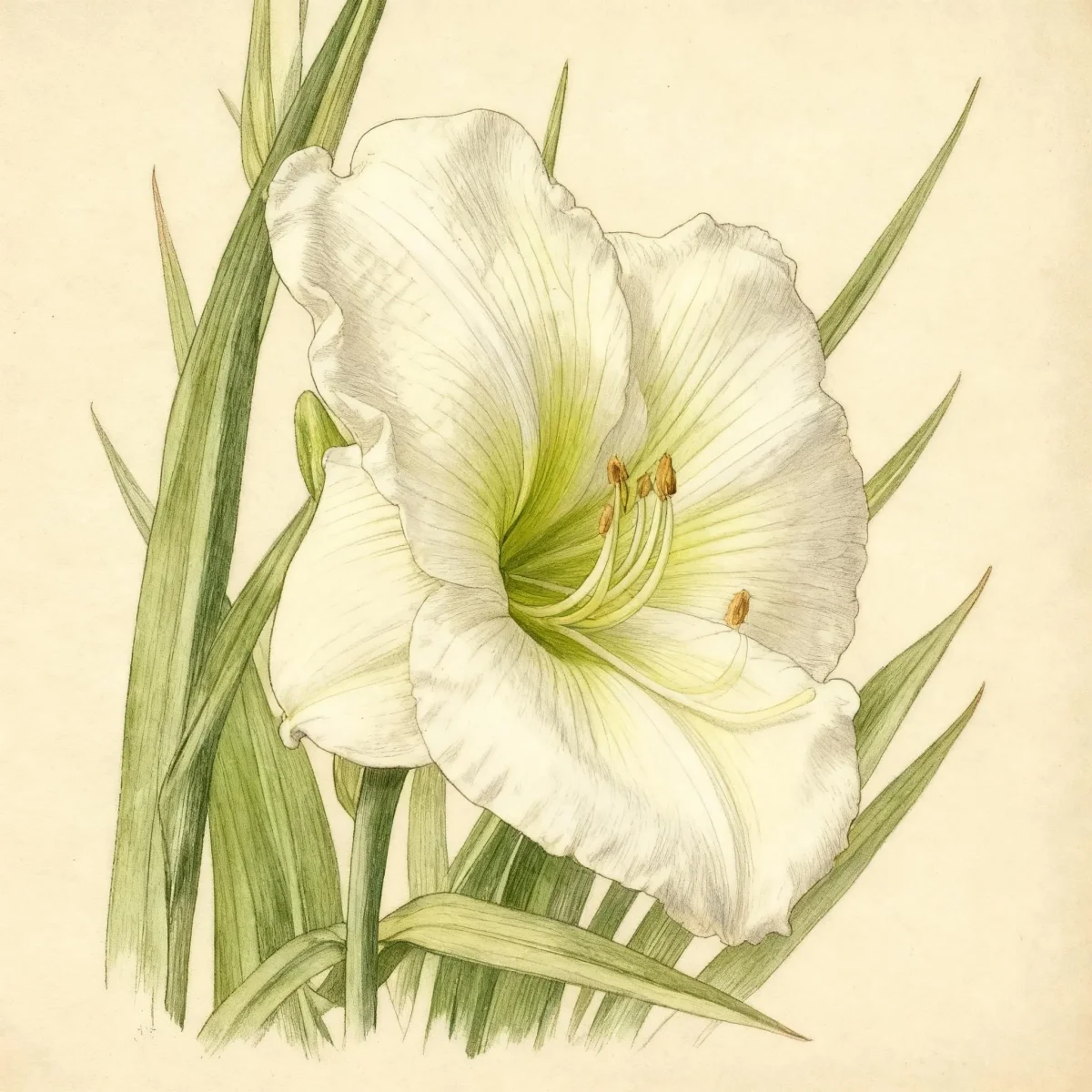
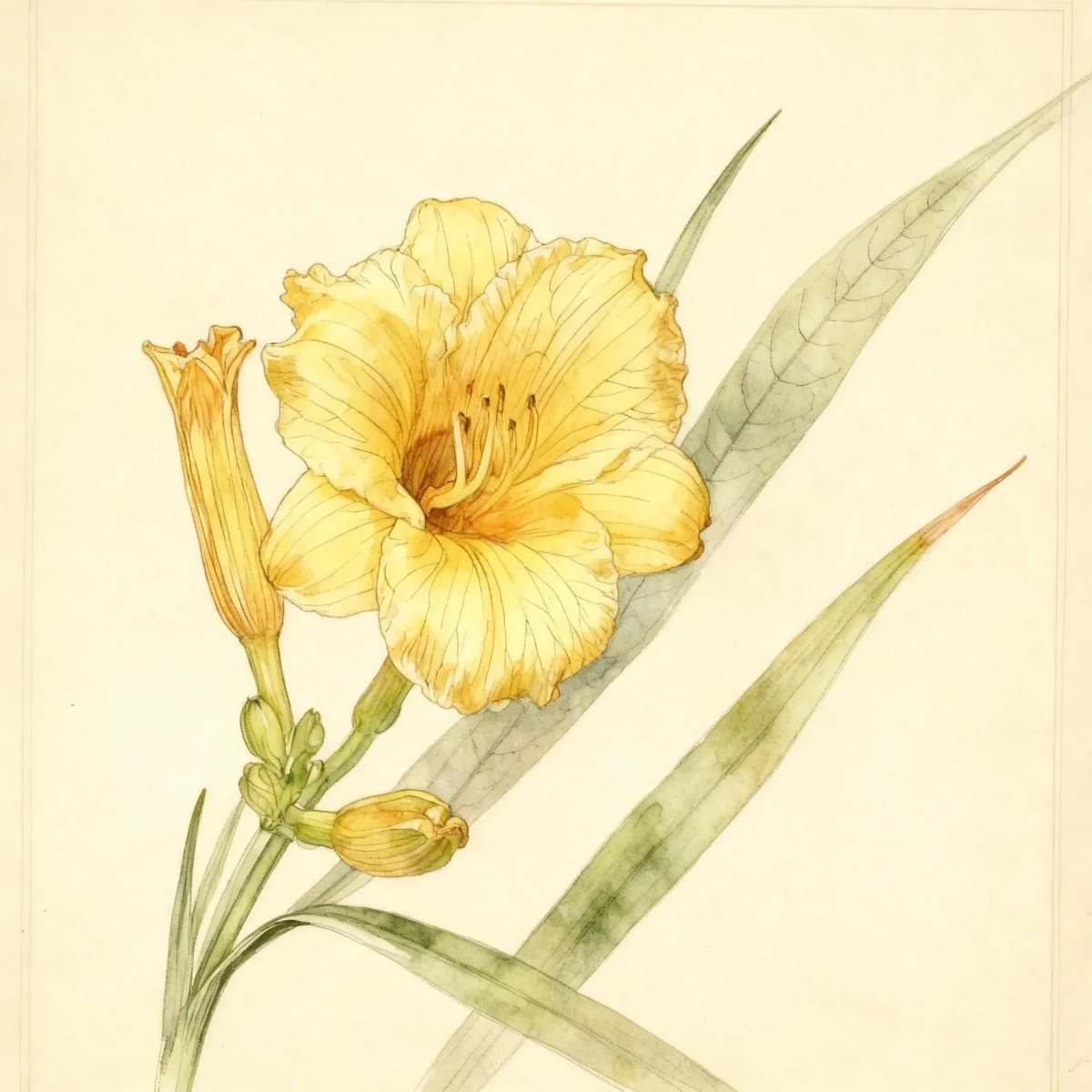
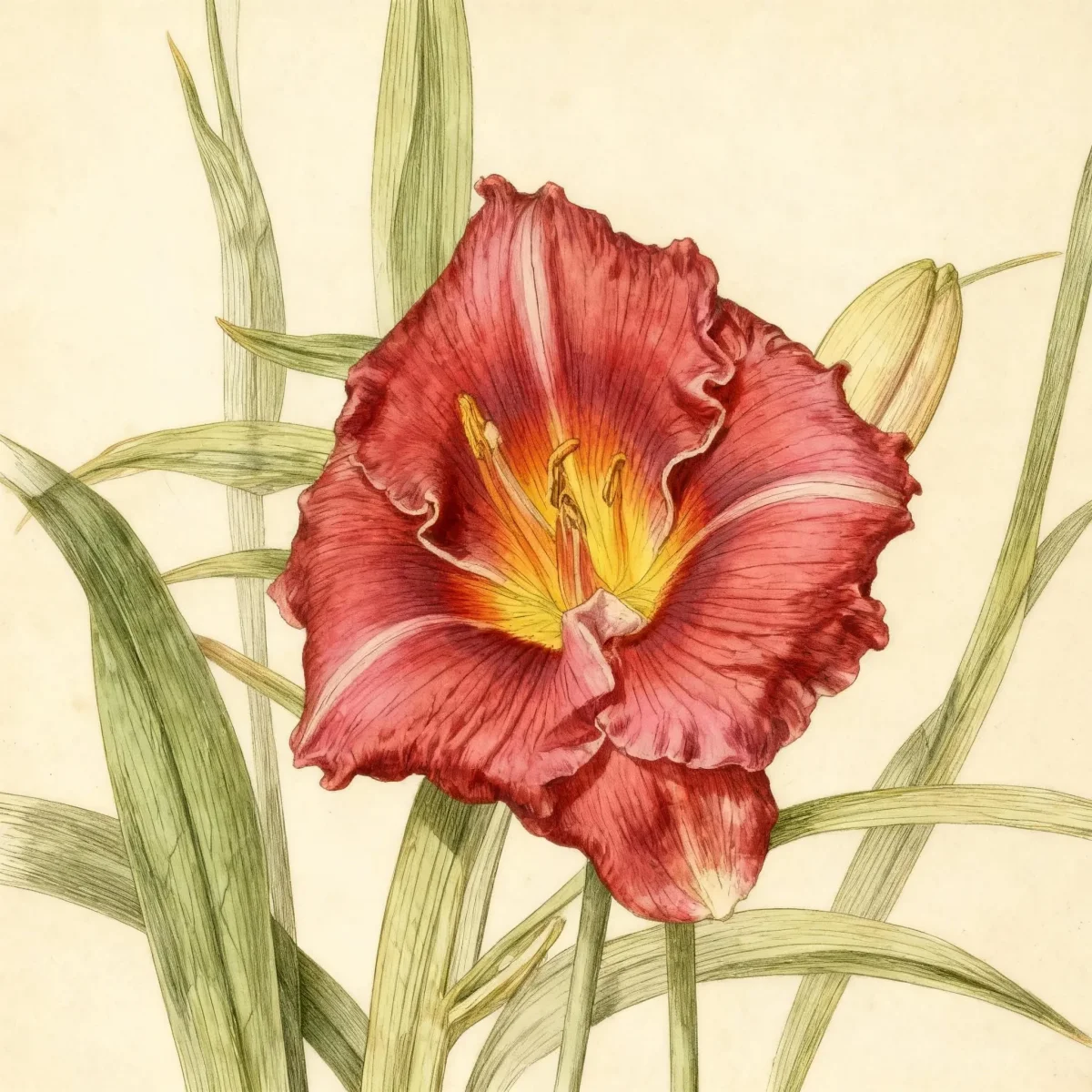
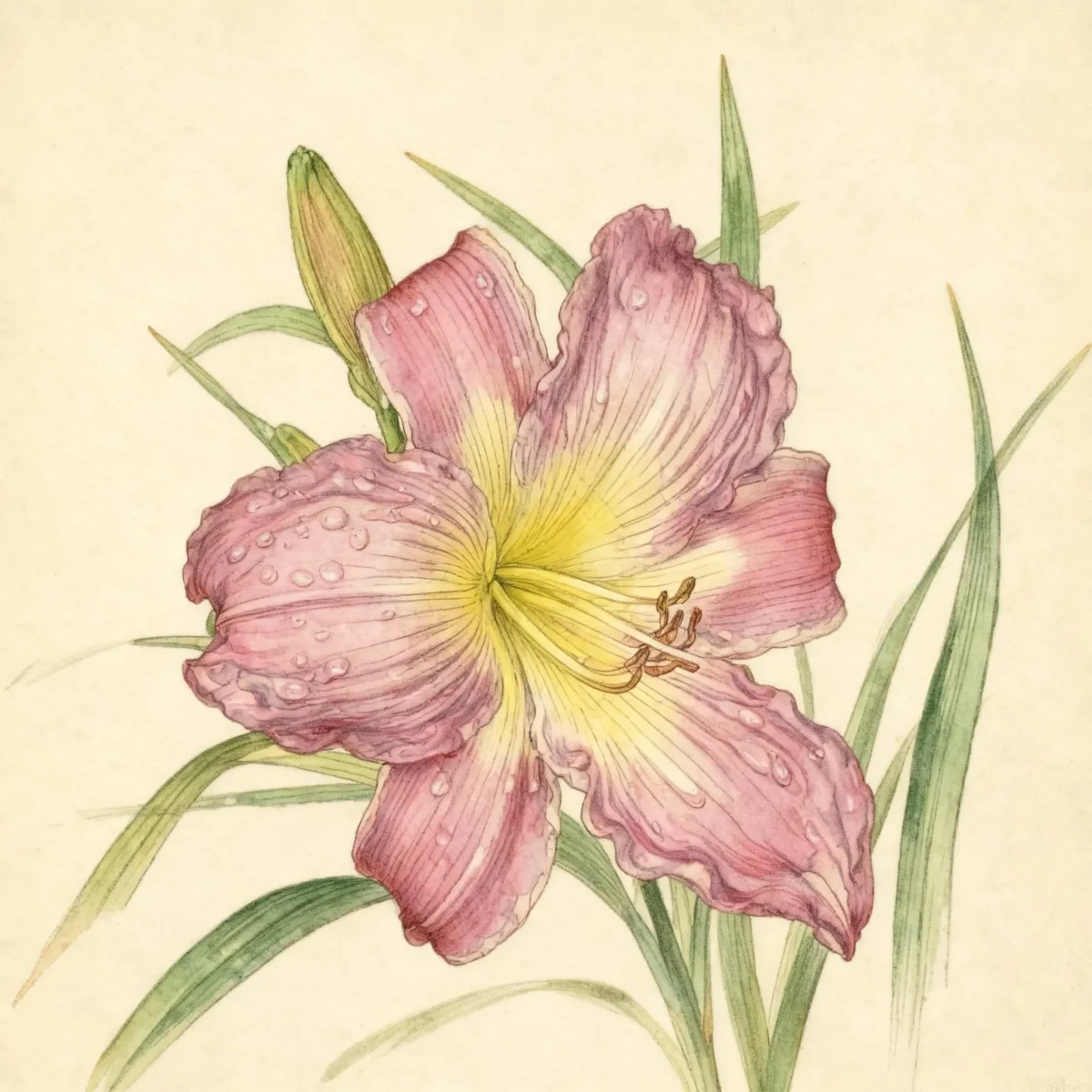
Daylily (Hemerocallis 'Cee Tee')
Color the garden with Hemerocallis 'Cee Tee' Daylily! This low-maintenance perennial features showy pink blooms from June through July.
Scroll down to discover growing tips, care requirements, companion plants, and more
Complete Plant Information
Overview
Hemerocallis ‘Cee Tee’ is a highly valued tetraploid Daylily cultivar, celebrated for its reliably cheerful display of color during the summer months. This variety offers clear pink flowers accented by darker edges and a contrasting green-yellow throat, making it a standout feature in any perennial border. As a classic herbaceous perennial, the Daylily provides reliable, low-maintenance structure, thriving across a wide range of climates from cold winters to warm, humid summers.
The appeal of Hemerocallis ‘Cee Tee’ lies in its attractive foliage clump combined with a long bloom period, often featuring repeat flowering. Gardeners appreciate the inherent toughness of the Daylily genus, which tolerates heat and humidity well, requiring only medium water needs to maintain lush, grassy leaves. This specific cultivar offers aesthetic pleasure without demanding excessive gardening effort.
Functionally, the Daylily is incredibly versatile, perfect for mass plantings or as individual focal points. These plants offer significant aesthetic impact with minimal intervention, making them essential for both novice and experienced gardeners seeking long-term garden performance. Ensure you select the correct hardiness zone for the best results from your Hemerocallis ‘Cee Tee’.
Fast Facts
- Plant Family: Asphodelaceae
- Plant Type: Herbaceous perennial
- Hardiness Zones: USDA Zones 3-9
- Size at Maturity:
- Height: 1.5-2 ft
- Spread: 1.5-2 ft
- Bloom Time: June to July
- Bloom Description: Pink with darker edges and green-yellow throat
- Sun Exposure: Full sun to part shade
- Water Needs: Medium
- Maintenance Level: Low
How to Grow
Planting Daylilies is best achieved in early spring or early fall. Select a location that receives full sun for the most prolific flowering, although part shade is tolerated. These prolific perennials perform well in average, medium moisture, well-drained soils, though they show a preference for deep, fertile loams. Prepare the planting area thoroughly by loosening the soil to ensure roots can establish easily.
Ongoing care for Hemerocallis ‘Cee Tee’ is straightforward. While Daylilies tolerate dry spells, deep watering is appreciated during periods of summer heat to keep the foliage looking attractive. Deadheading spent flowers daily promotes neatness and encourages the plant to put energy into later blooms. Remove old flower scapes once the blooming period has completely finished for the season.
For prolonged vigor, plan to divide your Daylily clumps every three to four years, typically in the spring in colder regions like the St. Louis area, or in the fall elsewhere. If you collect seeds from hybrid daylilies, remember that they will not produce plants true to the parent stock. Winter dormant varieties need a period of cold dormancy; note that evergreen types found in warmer climates may need foliage cut back in cold winters to maintain aesthetics.
Landscape Uses
The robust nature and attractive foliage of the Daylily make Hemerocallis ‘Cee Tee’ an excellent choice for foundational plantings. Use them to line borders along walkways or driveways where their consistent mid-season color can define edges effectively. Because they are highly adaptable to varying soil types, they are superb for mass plantings, effectively covering large areas with their arching, grass-like leaves whether the goal is erosion control or large blocks of summer color.
Dwarf cultivars, while not specifically noted for ‘Cee Tee’, often perform well in rock gardens, offering structure among stones. For a layered border design, place the Daylily clump in the middle ground behind shorter annuals or groundcovers, allowing taller, late-blooming perennials to fill the background. The predictable size of this Daylily ensures it integrates seamlessly without overwhelming smaller neighbors.
Standout Features
Flower Qualities
- Showy
Noteworthy Characteristics
Hemerocallis is a genus known for herbaceous perennials native to Asia and central Europe, with modern garden forms being almost entirely hybrids developed for new colors and patterns. Each individual flower on the Daylily typically lasts only one day, hence the common name, but they are produced in high succession over a long period. Hemerocallis ‘Cee Tee’ specifically provides 6.5” diameter flowers in early mid-season with the potential for repeat blooms on scapes rising to about 25” tall above basal, linear leaves.
Tolerances
- Rabbit
- Erosion
- Air Pollution
Potential Problems
Daylilies are known for being remarkably adaptable and generally pest-free herbaceous perennials. However, gardeners should remain vigilant for occasional infestations of mites, aphids, or thrips. In certain regions, Daylily rust can pose a fungal challenge, requiring appropriate treatment to prevent spread. A notable benefit is that rabbits tend to avoid feeding on Daylilies due to their tough foliage.
Frequently Asked Questions
What hardiness zones is Daylily suitable for?
The Hemerocallis ‘Cee Tee’ Daylily is hardy and adaptable across USDA Zones 3 through 9.
How large does Hemerocallis ‘Cee Tee’ grow?
This cultivar typically reaches a mature height between 1.5 to 2 feet tall and spreads to a similar width of 1.5 to 2 feet.
When does Daylily bloom?
Hemerocallis ‘Cee Tee’ blooms primarily from June to July, featuring distinct pink flowers with darker edges and a green-yellow throat, and may offer subsequent repeat blooms.
What sun exposure does Daylily need?
For optimal performance, plant the Daylily in locations receiving full sun, though it will tolerate partial shade conditions.
Conclusion
The Hemerocallis ‘Cee Tee’ Daylily is an essential perennial for gardeners seeking reliable color and low management. Its extended bloom time, attractive pink flowers, and general hardiness ensure consistent summer garden appeal. Evaluate your site conditions and ensure you fall within USDA Zones 3-9 before planning your installation this spring or fall.
Companion Planting
Daylilies are versatile partners because they tolerate a wide range of soil conditions, provided drainage is adequate. Consider planting them alongside plants that balance their upright, linear foliage. Hostas are excellent companions, offering contrasting broad, textured leaves that thrive in similar moisture levels. For color contrast in the mid-border, pair the pink blooms of Hemerocallis ‘Cee Tee’ with deep blue or purple salvias or catmint (Nepeta) which can help mask the foliage as it naturally matures over the season.
Seasonal Care Calendar
Spring preparation is crucial; remove any remaining dried foliage from the previous year once new growth accelerates. This is the best time to apply a balanced, slow-release fertilizer lightly around the crown of the Daylily clumps. Monitor closely during the summer heat for flowering; remember to deadhead spent blooms daily to encourage rebloom, especially on repeat-flowering cultivars like Hemerocallis ‘Cee Tee’. In late fall, especially in the colder parts of Zones 3-5, tidy up the garden by cutting back foliage once it naturally dies back, preparing the winter-dormant plants for the coming cold period.