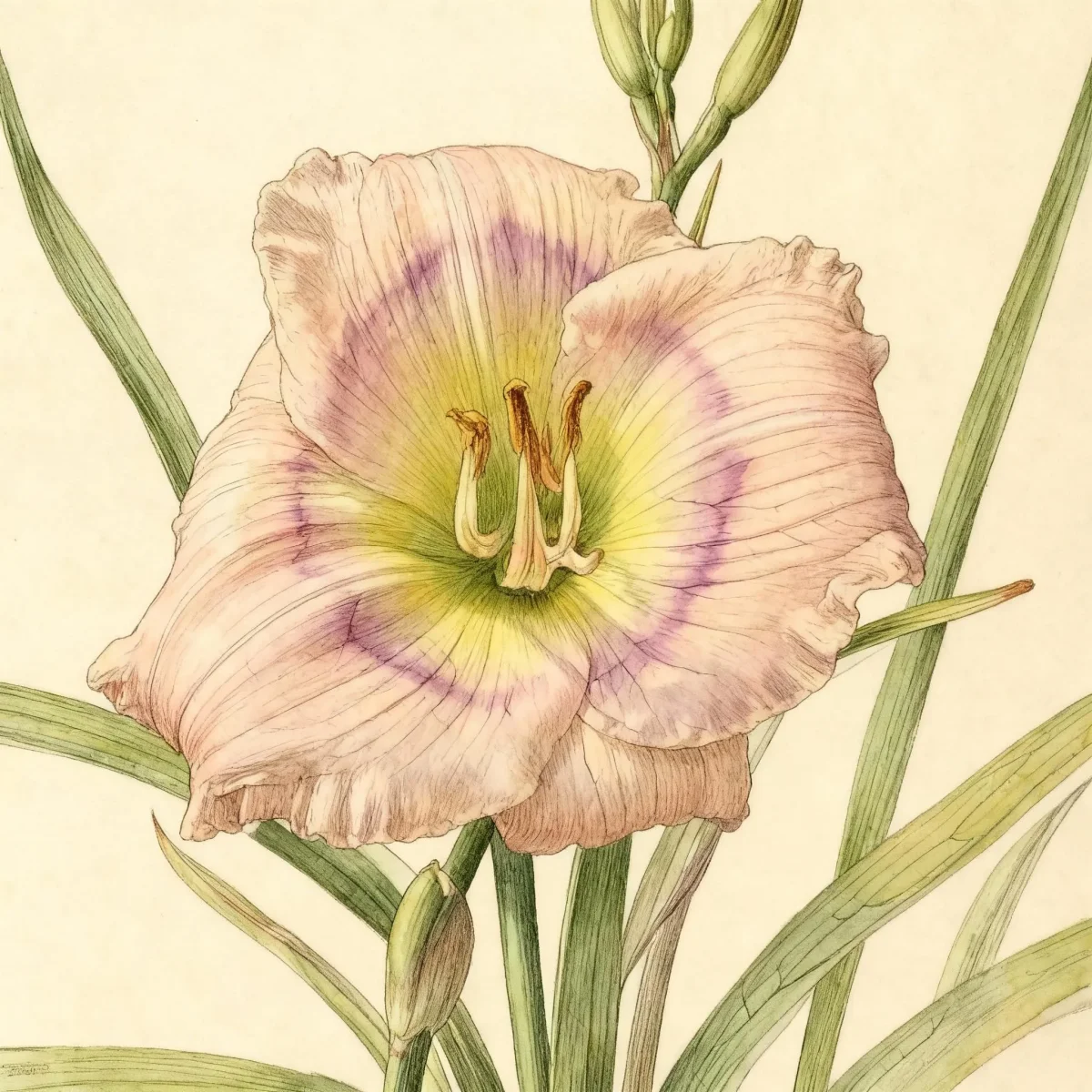
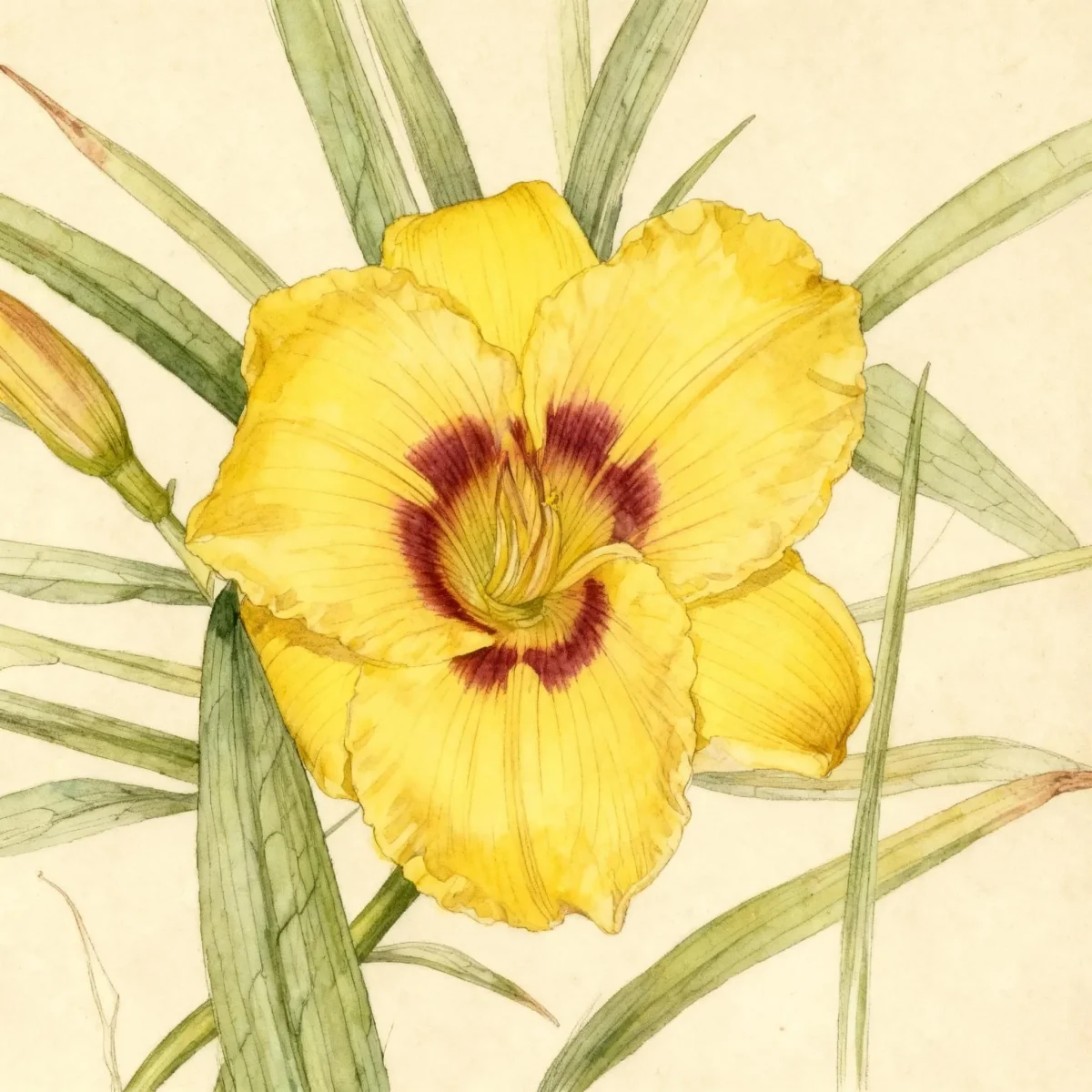
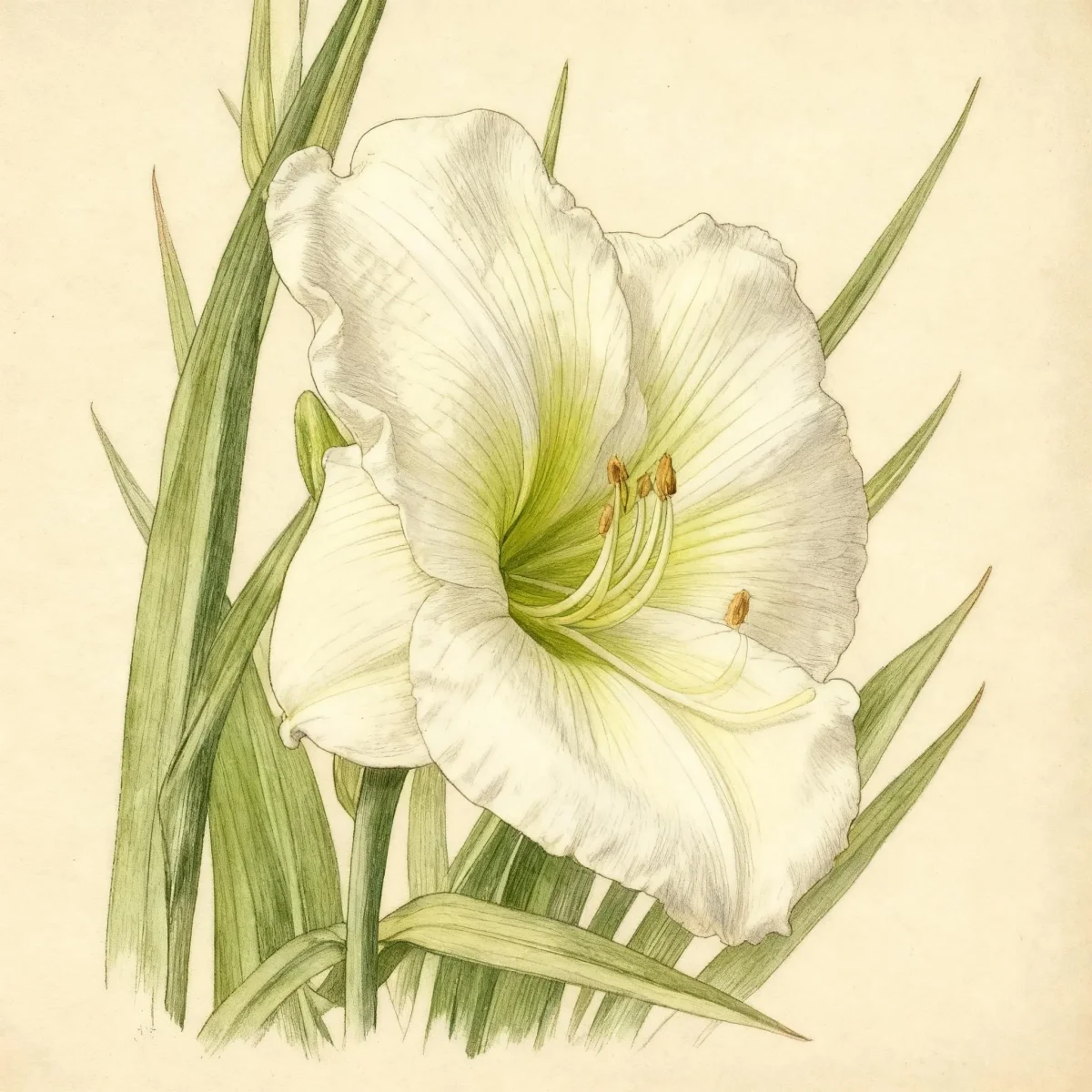
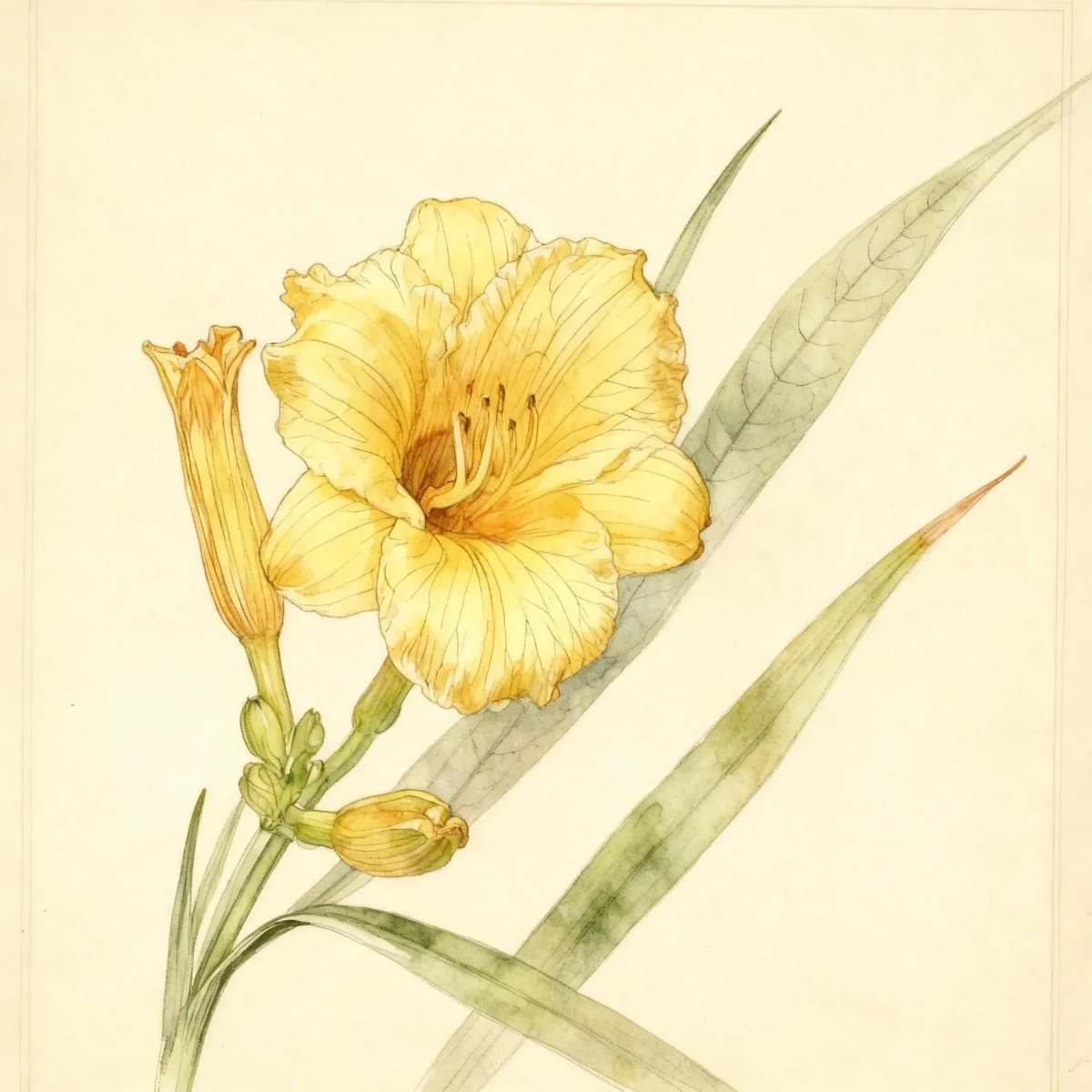
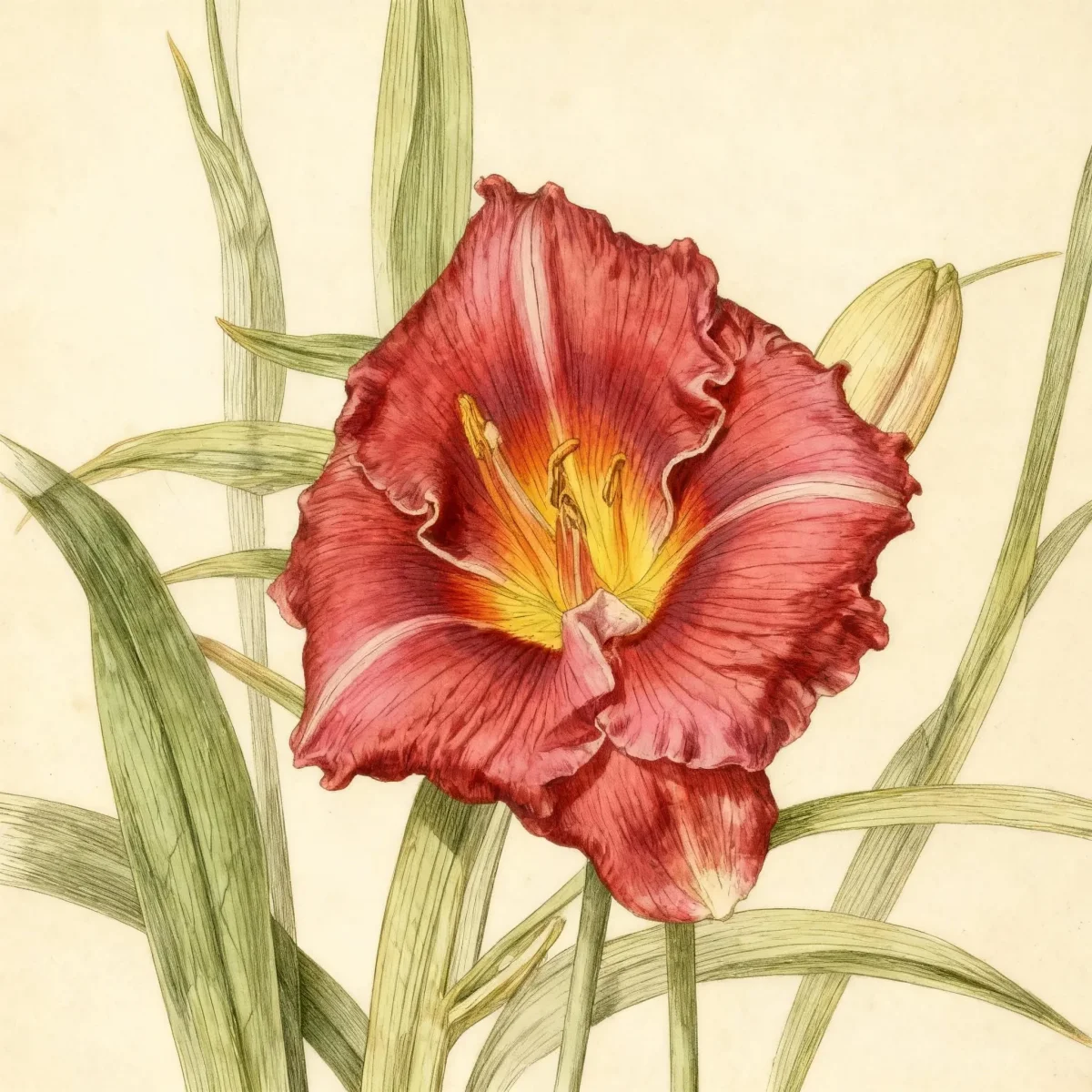
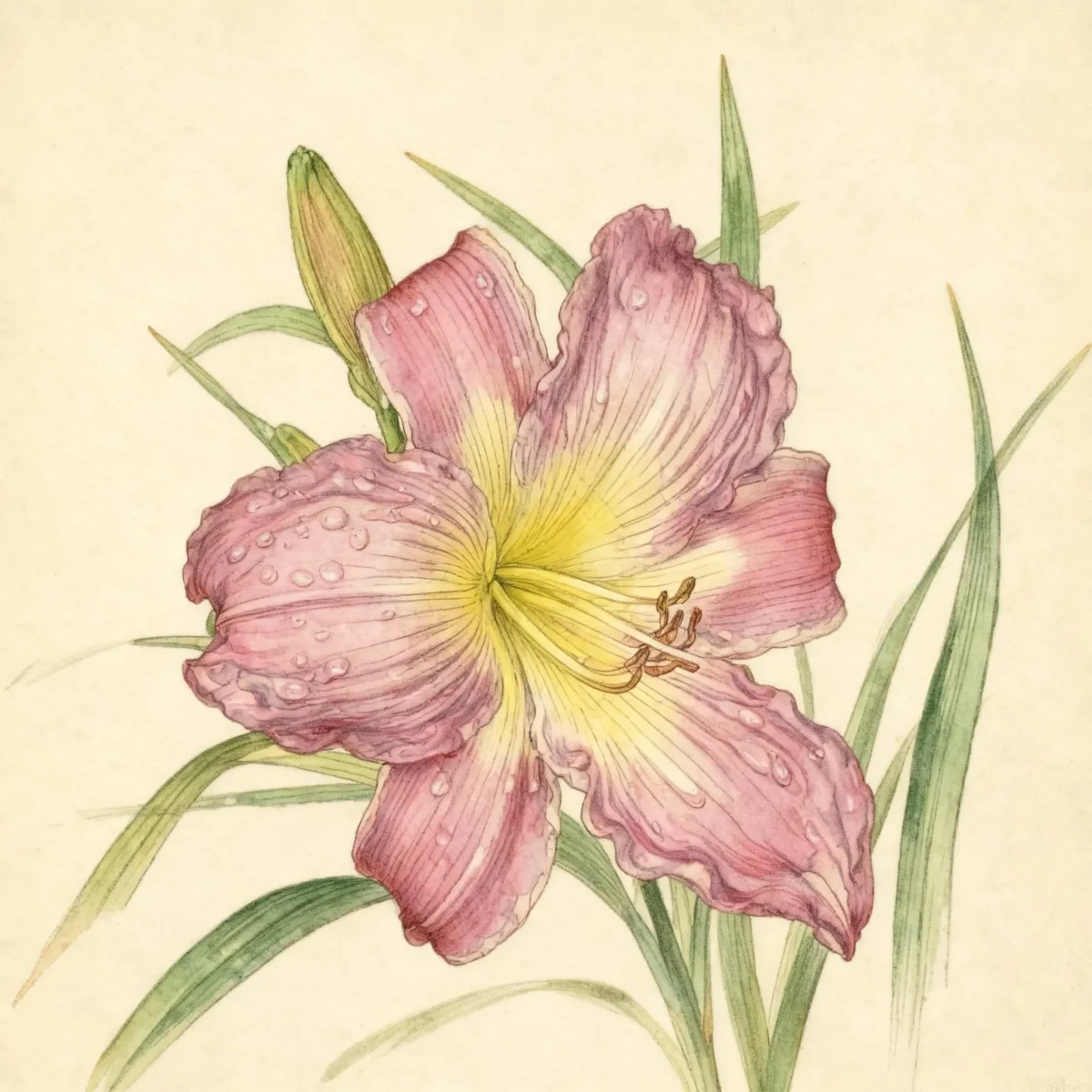
Daylily (Hemerocallis 'Chablis Blanc')
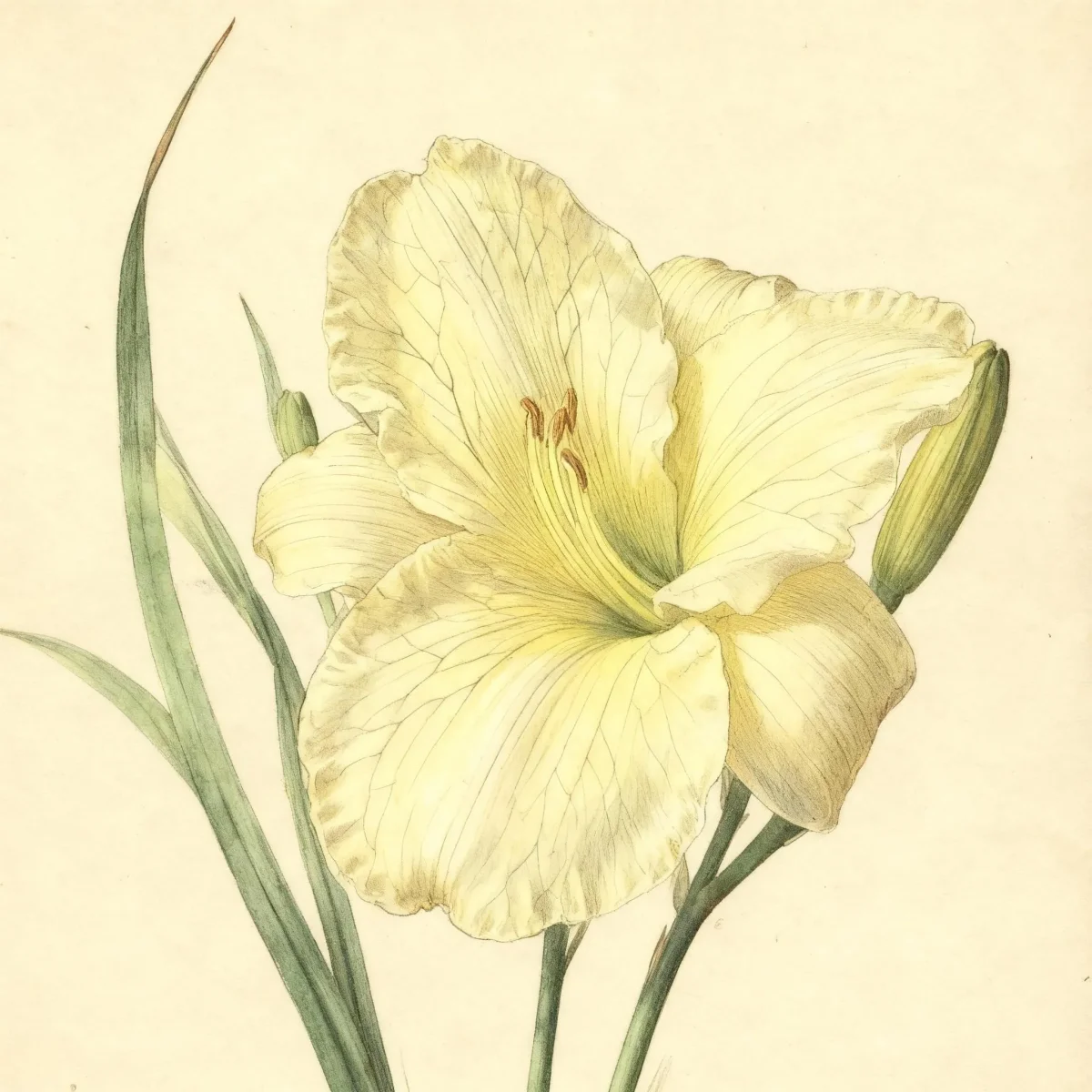
Hemerocallis 'Chablis Blanc' Daylily features showy, fragrant cream flowers with green throats. A low-maintenance perennial for zones 3-9.
Scroll down to discover growing tips, care requirements, companion plants, and more
Complete Plant Information
Overview
The Daylily, particularly the variety Hemerocallis ‘Chablis Blanc’, is celebrated for its adaptability and striking semi-long flowering season. This cultivar offers beautiful, showy blooms that provide excellent visual impact throughout the early to mid-summer months. As an herbaceous perennial, it provides reliable structure year after year in the garden.
Hemerocallis ‘Chablis Blanc’ is highly valued for its cream flowers accented by a distinct green throat, which opens for a single day but is presented in succession over many weeks. These beauties thrive across a wide hardiness range, making them a staple for gardeners seeking low-effort, high-reward planting options.
This Daylily is tough, handling summer heat and humidity well, and its grass-like foliage provides a neat backdrop. Whether used for mass planting or defining borders, Hemerocallis ‘Chablis Blanc’ represents the best of modern hybridizing in this beloved genus.
Fast Facts
- Plant Family: Asphodelaceae
- Plant Type: Herbaceous perennial
- Hardiness Zones: USDA Zones 3-9
- Size at Maturity:
- Height: 2-2.5 ft
- Spread: 1.5-2 ft
- Bloom Time: June to July
- Bloom Description: Cream with green throat
- Sun Exposure: Full sun to part shade
- Water Needs: Medium
- Maintenance Level: Low
How to Grow
Planting Hemerocallis ‘Chablis Blanc’ is best achieved in spring or fall when the soil is workable, ensuring the crown sits just at or slightly above the soil line. Daylilies are versatile but perform optimally in deep, fertile loams with medium moisture levels. Ensure the chosen location receives full sun for the richest bloom display, though they tolerate light afternoon shade.
Ongoing care for this low-maintenance Daylily involves routine deadheading; remove spent flowers like Hemerocallis ‘Chablis Blanc’ daily to maintain neatness, and cut back the entire flower scape once all blooms have faded. While tolerant of heat, deep watering during dry spells keeps the foliage looking fresh and vibrant. Fertilizing can be done lightly in early spring.
Divide clumps every three to four years, ideally in spring in colder regions like Zone 3, or fall in milder areas, to maintain vigor and promote abundant flowering. Be aware that hybrid Daylilies, including this one, will not grow true to type when grown from seed. Winter-dormant types require a cold winter rest period.
Landscape Uses
The upright, clumping nature of Hemerocallis ‘Chablis Blanc’ makes it an ideal choice for defining borders along pathways or driveways. Because they grow reliably between 2 and 2.5 feet tall, they function perfectly as a middle layer in perennial beds, situated behind lower groundcovers and in front of taller shrubs. Mass planting large drifts of this Daylily creates a sweep of consistent cream color throughout the mid-summer months.
Their tolerance to erosion also makes them suitable for stabilizing gentle slopes where regular soil disturbance might be an issue for less robust plants. In garden designs, pair the light-colored flowers of Hemerocallis ‘Chablis Blanc’ with deep blues or purples to create high-contrast visual interest or use them alongside silver-leaved plants for a softer, monochromatic effect.
Standout Features
Flower Qualities
- Showy
- Fragrant
Noteworthy Characteristics
Hemerocallis is a genus commonly known as daylilies, comprising many fibrous or tuberous-rooted herbaceous perennials originally from Asia and Europe, with current selections almost entirely being hybrids bred for diverse colors and forms. Each bloom typically lasts only a single day, though numerous buds ensure a long overall flowering period on tall, leafless scapes. Hemerocallis ‘Chablis Blanc’ specifically features 6-inch cream flowers with green throats, maturing on stems around 30 inches tall, and offers a desirable repeat bloom.
Tolerances
- Rabbit
- Erosion
- Air Pollution
Potential Problems
Daylilies are remarkably resilient and generally considered easy to grow, remaining relatively pest-free. Occasional minor infestations of spider mites, aphids, or thrips can usually be managed by simply spraying them off with a strong jet of water or using insecticidal soap if necessary. The most significant potential issue in certain climates is Daylily rust, a fungal disease identifiable by powdery orange pustules on the leaves.
To prevent rust, ensure good air circulation around the plants by adhering to proper spacing advice during planting, and avoid overhead watering late in the day, which keeps foliage damp overnight. Because rabbits tend to avoid this plant, protection from deer is usually not a primary concern for the foliage or the blooms of this Daylily.
Frequently Asked Questions
What hardiness zones is Hemerocallis ‘Chablis Blanc’ suitable for?
This dependable Daylily is suitable for USDA Hardiness Zones 3 through 9, offering wide adaptability across the country.
How large does Daylily grow?
Hemerocallis ‘Chablis Blanc’ typically reaches a height between 2 and 2.5 feet, spreading to about 1.5 to 2 feet wide at maturity.
When does Daylily bloom?
This cultivar blooms generally from June into July, featuring its signature cream with green throat coloration, and is known to offer a period of repeat blooming.
What sun exposure does Daylily need?
The best performance for this Daylily variety is achieved with full sun exposure, though it will still perform adequately in light to partial shade conditions.
Conclusion
Hemerocallis ‘Chablis Blanc’ remains a gardening favorite due to its low maintenance requirements combined with its elegant, fragrant, cream-colored seasonal display. This Daylily offers dependable season-long color and toughness, living up to the genus’s reputation for beauty and resilience. Before planting, confirm that your local climate falls within Zones 3-9 and plan for a full- to part-sun location to maximize the stunning performance of Hemerocallis ‘Chablis Blanc’.
Companion Planting
Choosing good neighbors for your Daylilies enhances landscape design and supports plant health. Since Hemerocallis ‘Chablis Blanc’ appreciates medium moisture and good drainage, pair it with perennials that share similar soil and water needs, such as ornamental grasses, Salvia, or Coneflowers (Echinacea). Avoiding planting too closely allows for the necessary air circulation that helps prevent fungal issues like Daylily rust.
When designing borders, consider textural contrast. The fine, linear foliage of the Daylily contrasts beautifully with the broader leaves of Hostas (where shade permits) or the mounding structure of Catmint (Nepeta). The mid-summer bloom time of this Hemerocallis means you can blend it with late spring bloomers like Peonies or early fall bloomers for continuous garden interest.
Seasonal Care Calendar
Early Spring: As new growth emerges, provide a light application of balanced fertilizer if your soil is poor, and clean up any remaining old foliage from the previous season. Ensure the crowns of the Daylily are not buried too deeply.
Mid-Summer (Peak Bloom): Focus diligently on deadheading the individual flowers of Hemerocallis ‘Chablis Blanc’ daily to encourage the succession of buds. Monitor water needs closely during dry, hot periods, providing deep irrigation rather than frequent, shallow sprinkling.
Fall: If division is necessary, late summer through early fall is the ideal time in many regions, allowing the plant establishment before winter dormancy sets in. For winter-dormant types, let the foliage die back naturally before cutting it down, providing necessary insulation.