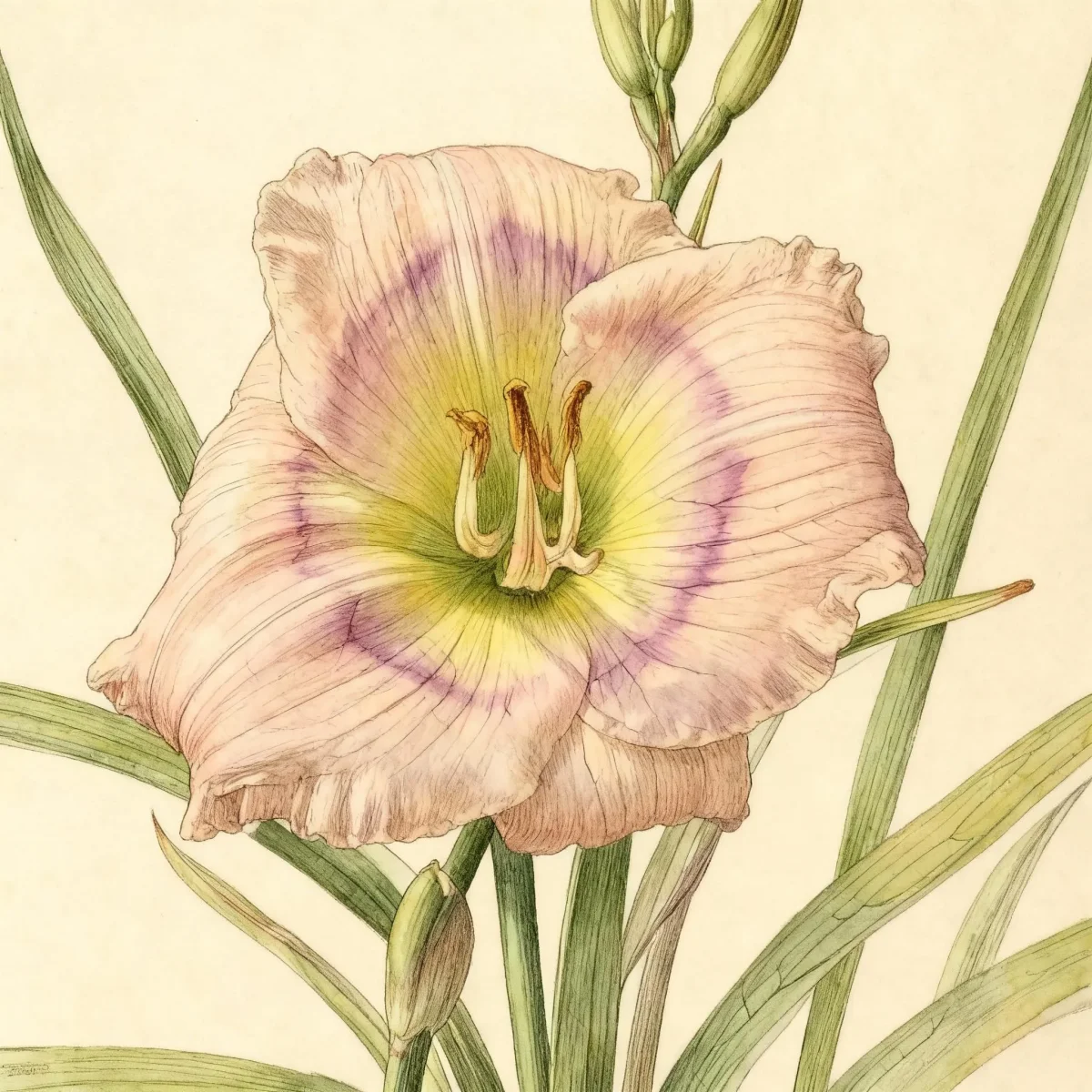
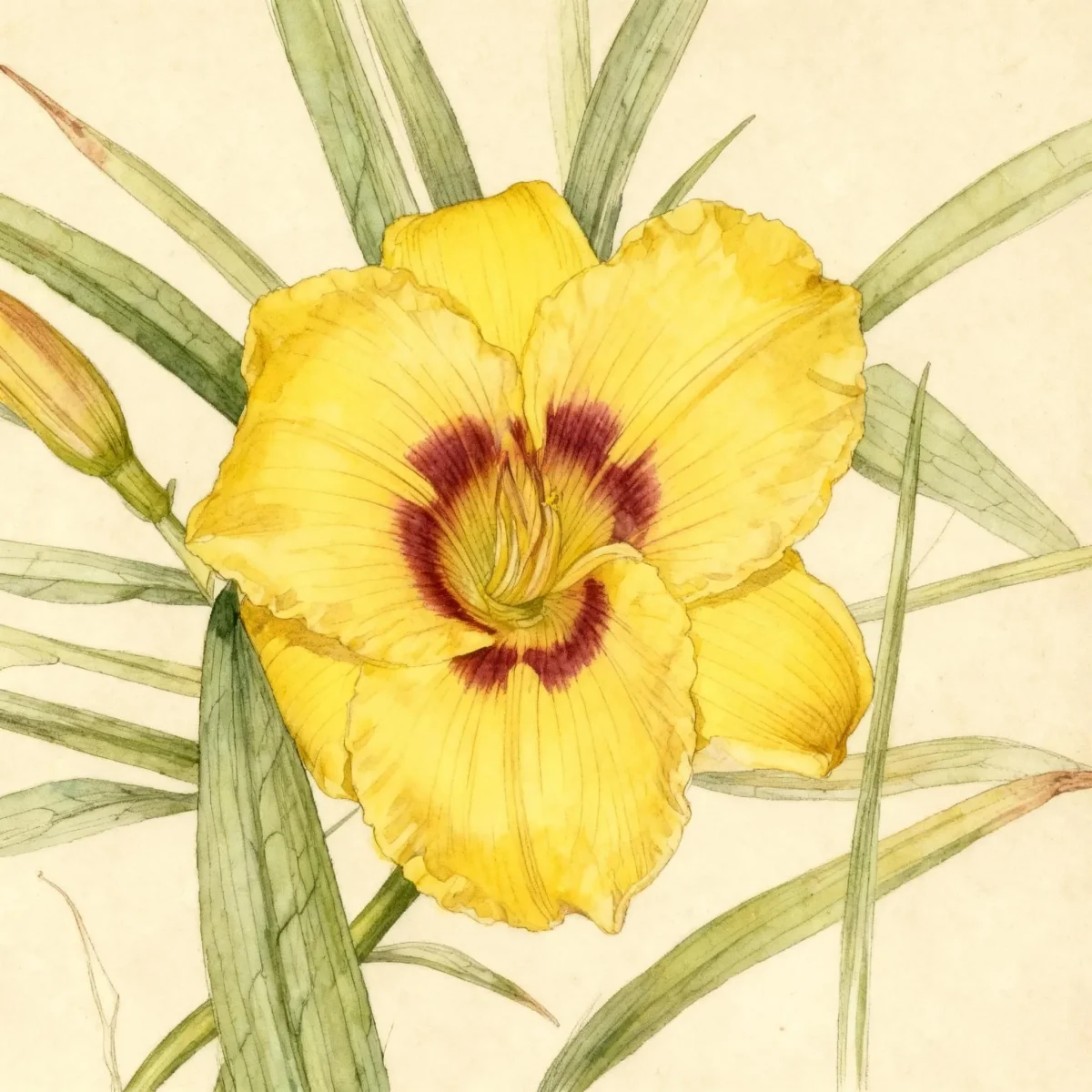
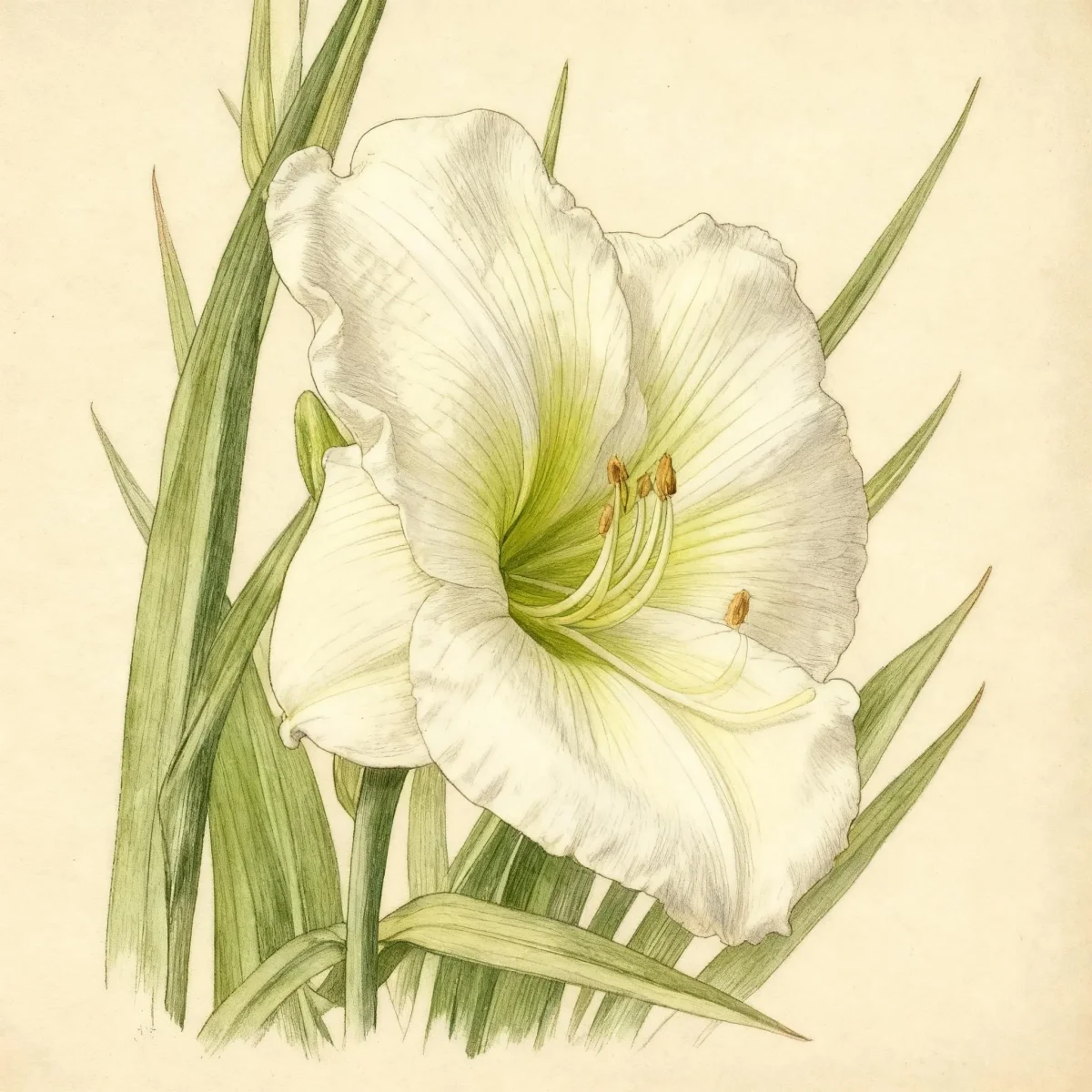
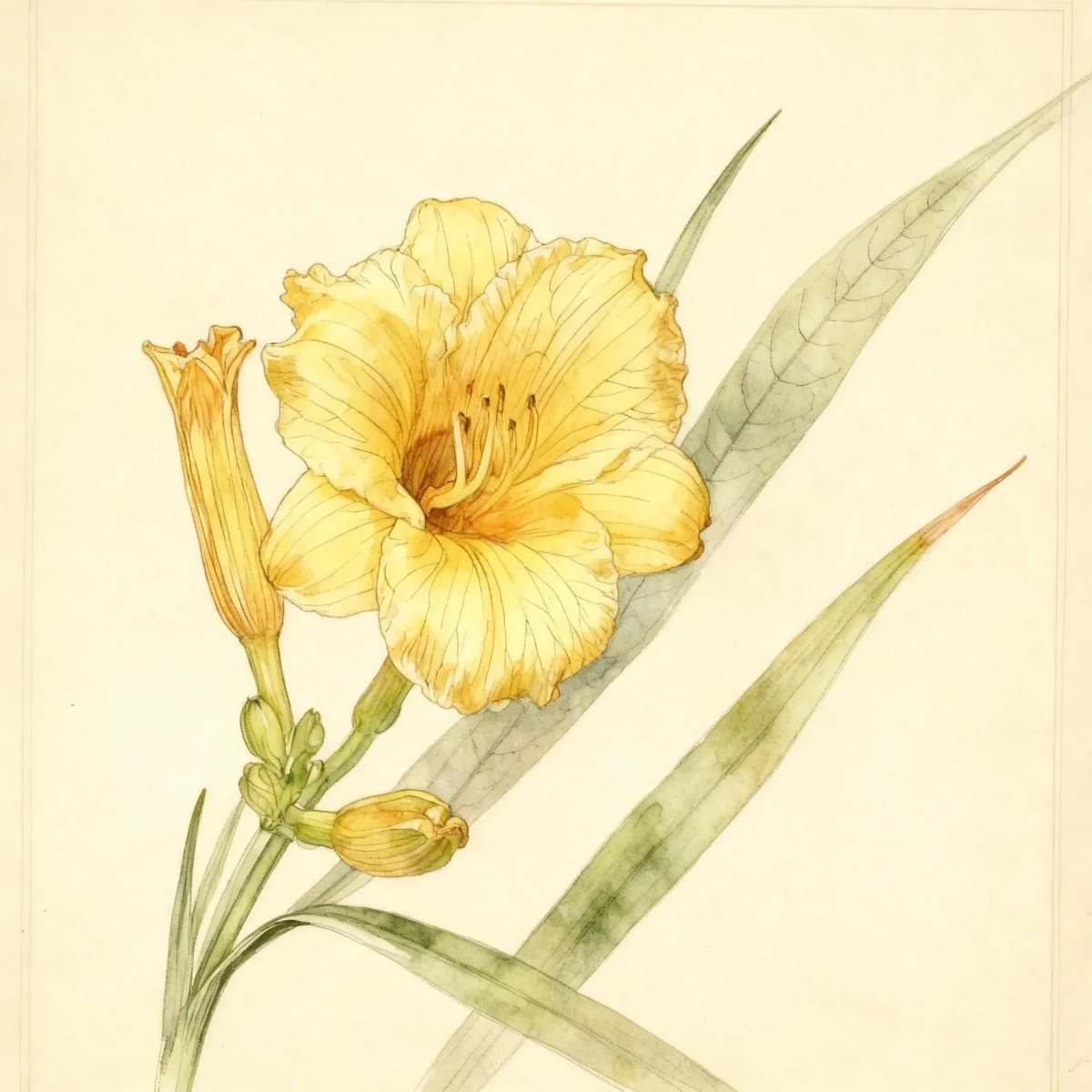
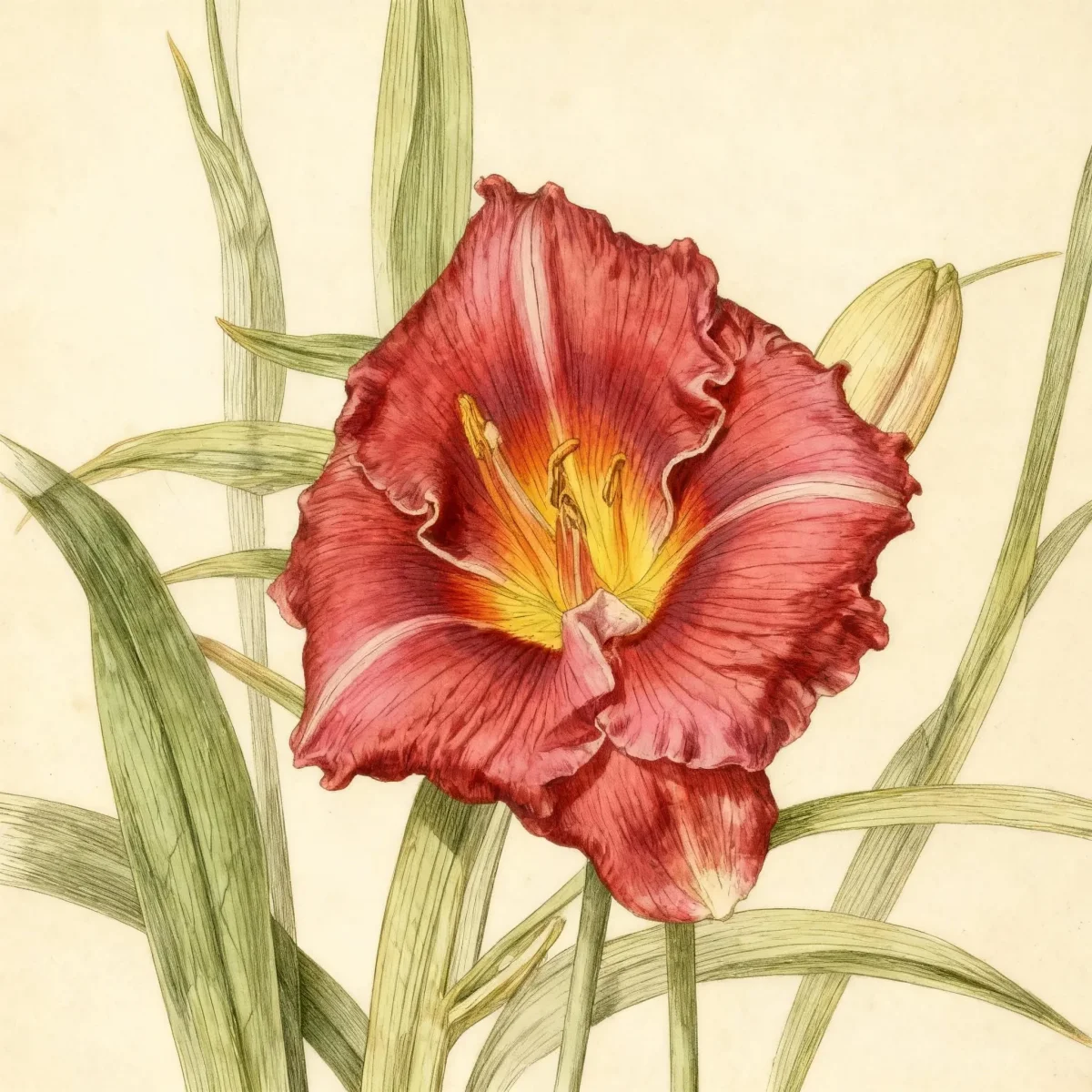
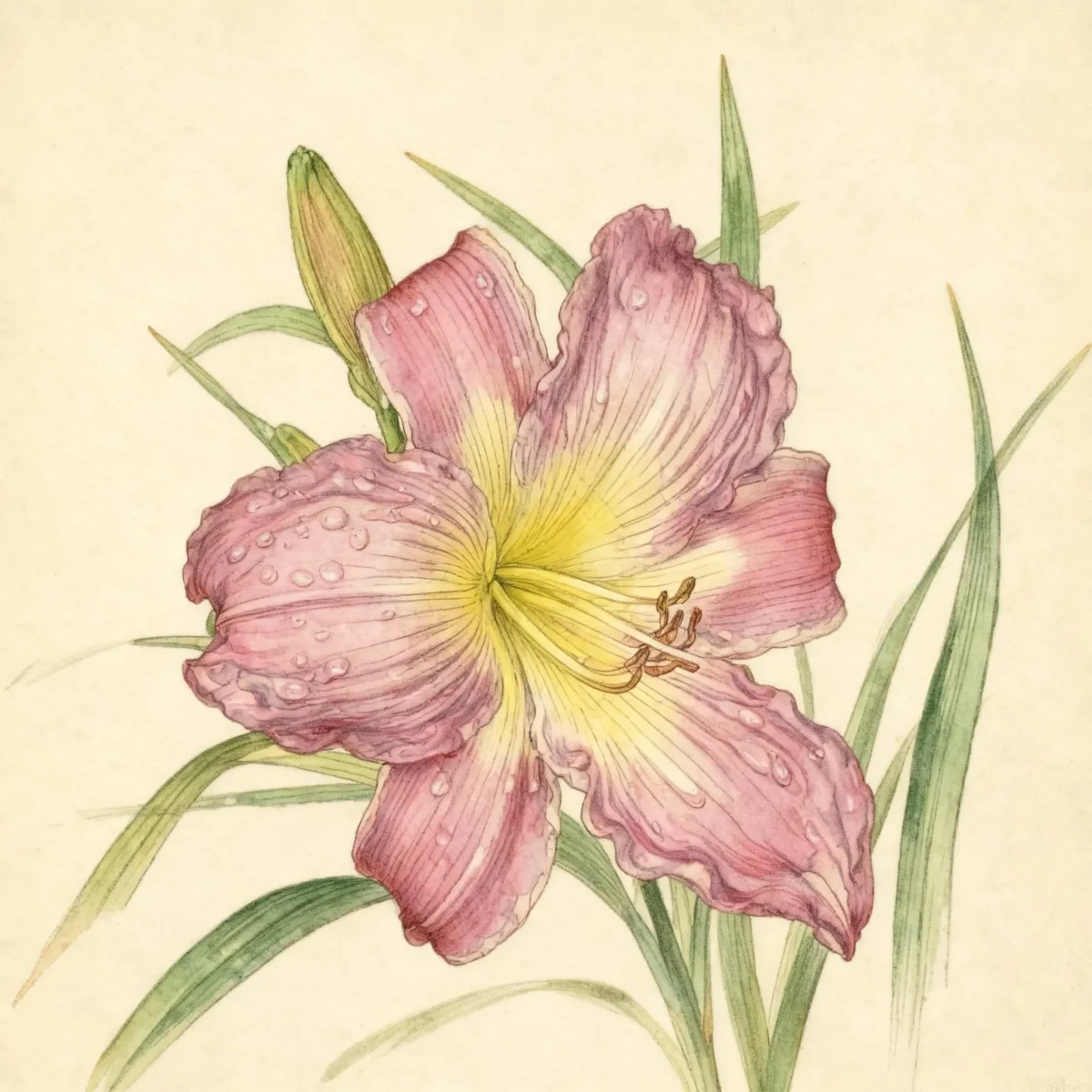
Daylily (Hemerocallis 'Charles Johnston')
Stunning Hemerocallis 'Charles Johnston' Daylily offers showy, fragrant, cherry red flowers. Low maintenance and hardy in Zones 3-9.
Scroll down to discover growing tips, care requirements, companion plants, and more
Complete Plant Information
Overview
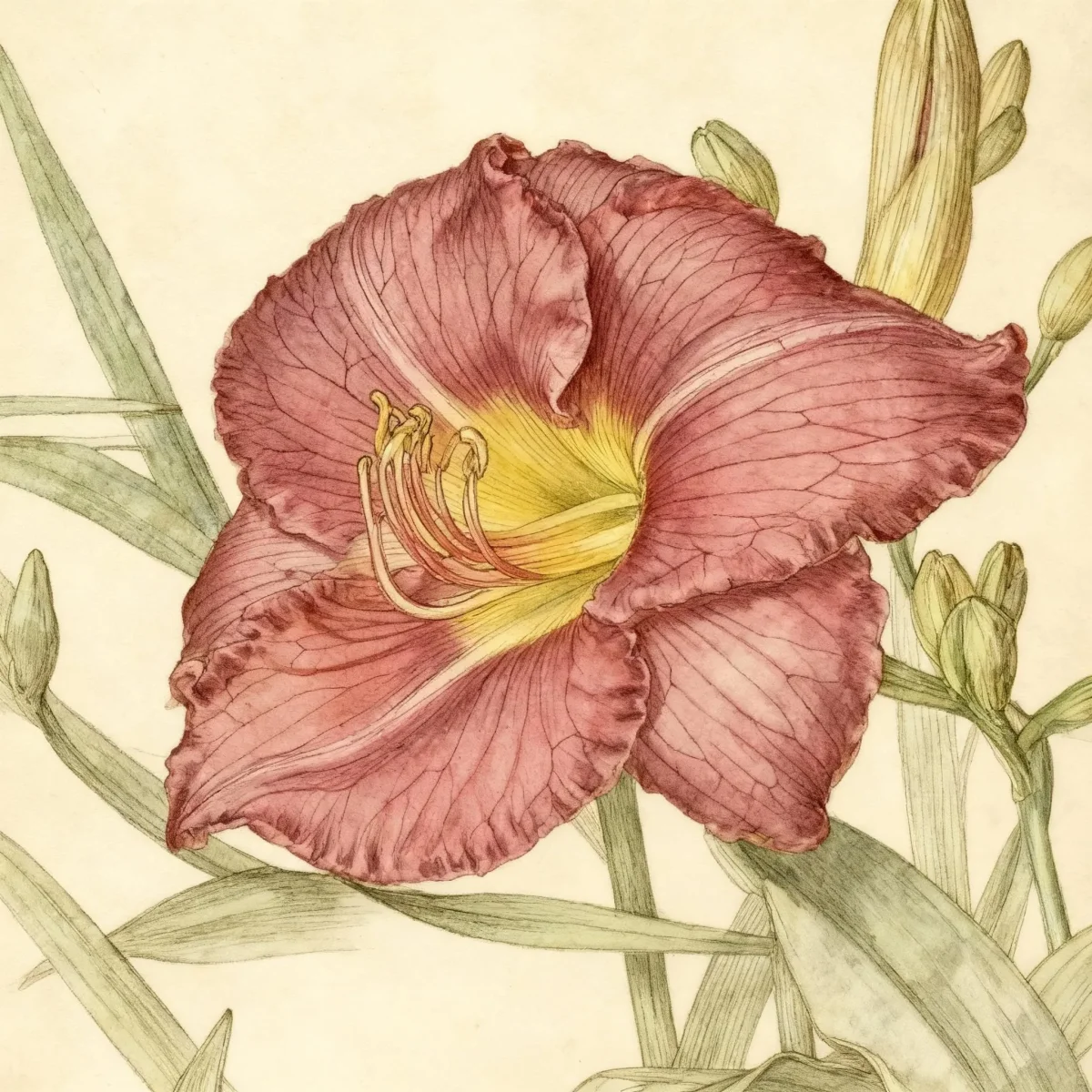
The Hemerocallis ‘Charles Johnston’ Daylily is a highly valued herbaceous perennial celebrated for its vibrant, richly colored blooms. This specific cultivar distinguishes itself with striking, nearly 6-inch cherry red flowers featuring a contrasting green throat, providing excellent visual impact in the summer garden. As a low-maintenance plant, the Daylily forms attractive clumps of grassy foliage that provide structure throughout the growing season.
Gardeners appreciate the reliability and adaptability of this cultivar, as Hemerocallis ‘Charles Johnston’ thrives across a wide range of conditions and is relatively pest-free. Its relatively compact stature (1.5 to 2 feet tall) makes the Daylily versatile for various landscape applications, from formal borders to naturalized drifts.
With its extended blooming capability, a well-cared-for clump of Hemerocallis ‘Charles Johnston’ ensures reliable color from early to mid-season, often rewarding diligent deadheading with repeat performances. This classic, robust Daylily remains a staple for adding bold, dependable color to virtually any sunny perennial bed.
Fast Facts
- Plant Family: Asphodelaceae
- Plant Type: Herbaceous perennial
- Hardiness Zones: USDA Zones 3-9
- Size at Maturity:
- Height: 1.5-2 ft
- Spread: 1.5-2 ft
- Bloom Time: June to July
- Bloom Description: Cherry red with green throat
- Sun Exposure: Full sun to part shade
- Water Needs: Medium
- Maintenance Level: Low
How to Grow
Planting should ideally occur in spring or fall, allowing the fibrous roots time to establish before extreme summer heat or harsh winter cold arrives. Hemerocallis ‘Charles Johnston’ prefers average, medium moisture, well-drained soils, though they are highly adaptable and perform best in deep, fertile loams. Ensure the crown of the plant is positioned just at or slightly above the soil line; planting too deeply is a common Daylily mistake.
Maintenance for this low-maintenance Daylily is straightforward. Deadhead spent flowers daily to maintain neatness and encourage subsequent blooms. Once the bloom cycle concludes for a specific scape, remove the entire stalk. Although tolerant of heat and humidity, provide deep watering during unexpected dry spells to keep the foliage looking its best, as lack of water can cause leaf scorching.
For long-term vigor, plan to divide your Daylily clumps every three to four years, preferably in the spring in colder climates. Since Hemerocallis ‘Charles Johnston’ is a winter-dormant type, it requires that period of cold in Zones 3 through 8 for optimal performance the following year.
Landscape Uses
The upright habit and lush foliage of the Daylily make it an indispensable component in mixed perennial borders. Plant Hemerocallis ‘Charles Johnston’ in mid-border configurations, where its 2-foot height tucks neatly behind shorter groundcovers but remains visible in front of taller shrubs or evolving later-season perennials. Planting in masses creates a spectacular visual effect when the cherry red flowers open simultaneously.
This cultivar is also suitable for edging walkways or defining planting beds due to its clean, clumping growth habit. Because they tolerate erosion well, Daylilies are excellent choices for stabilizing mild slopes or banks where turf grass struggles.
The bold color of Hemerocallis ‘Charles Johnston’ pairs beautifully with contrasting textures and colors, such as silvery artemisia, large-leaved hostas, or blues and purples from salvias or catmint. These considerations ensure the intense red hues truly stand out throughout the bloom season.
Standout Features
Flower Qualities
- Showy
- Fragrant
Noteworthy Characteristics
The genus name Hemerocallis derives from the Greek words for “day” (hemera) and “beauty” (kallos), referencing the ephemeral nature of each bloom. Over decades, hybridizers have created thousands of cultivars, with Hemerocallis ‘Charles Johnston’ being a notable tetraploid featuring substantial 6-inch flowers. Despite individual flowers lasting only a day, the plant produces copious amounts of blooms in succession on tall scapes, ensuring prolonged floral interest.
Tolerances
- Rabbit
- Erosion
- Air Pollution
Potential Problems
Daylilies are remarkably adaptable and generally trouble-free perennials, exhibiting excellent resistance to most common garden ailments. Occasionally, mites, aphids, or thrips might appear, usually treatable with horticultural oils or insecticidal soap if infestations become severe. In certain humid regions, the fungal issue known as Daylily rust can become problematic; prevention includes ensuring excellent air circulation and watering at the base rather than overhead. Rabbits are known to avoid chewing on the foliage of the Daylily.
Frequently Asked Questions
What hardiness zones is Daylily suitable for?
Hemerocallis ‘Charles Johnston’ is hardy across broad climatic ranges, thriving in USDA Zones 3 through 9.
How large does Daylily grow?
This Daylily typically reaches a mature height between 1.5 and 2 feet, with a spread of 1.5 to 2 feet.
What sun exposure does Hemerocallis ‘Charles Johnston’ need?
For the best flowering display, Hemerocallis ‘Charles Johnston’ requires full sun exposure, though it can tolerate light partial shade.
When does Daylily bloom?
This variety begins blooming in June and continues through July, often exhibiting repeat blooming capabilities when deadheaded.
Conclusion
The selection of Hemerocallis ‘Charles Johnston’ offers gardeners a reliable burst of intense cherry red color and a lovely fragrance, all from a very low-maintenance herbaceous perennial. This robust Daylily provides stunning performance in heat and humidity while resisting common pests. Before planting, ensure your location provides the required full sun and check that your location falls within USDA Zones 3-9 for success with this beautiful Daylily.
Companion Planting
Selecting companions that appreciate similar cultural conditions—medium moisture, good drainage, and full sun—will enhance the overall design. Consider planting shorter, late-spring blooming perennials like Siberian Iris or ornamental alliums around the base of the Daylily clump. As the Hemerocallis ‘Charles Johnston’ begins its main flush of color in June, these early bloomers will be fading, providing excellent textural contrast between the grass-like foliage and the bolder forms.
For drought tolerance later in the season, pair the Daylily with summer-blooming coneflowers (Echinacea) or Russian Sage (Perovskia), which thrive in similar sunlight levels and tolerate slightly drier soil once established. The deep green, arching foliage of the Hemerocallis ‘Charles Johnston’ effectively hides the fading/dying foliage often seen in neighboring spring ephemerals.
Seasonal Care Calendar
Spring cleanup for your Daylily involves removing all remaining dead foliage from the previous season once new growth begins to emerge, usually late April or early May depending on your zone. This tidiness also helps prevent hiding pests. Throughout the summer, focus exclusively on deadheading spent blooms to encourage maximum performance from the rebloom cycle.
After the summer heat subsides, ensure plants receive adequate water as they prepare for dormancy, especially if you plan to dig and divide the clumps in the early fall (or spring in very cold northern areas). In late autumn, after the foliage has turned brown, cut the stalks and trim the remaining leaves back to about 4 inches above the crown to prepare the Daylily for its necessary winter dormancy.