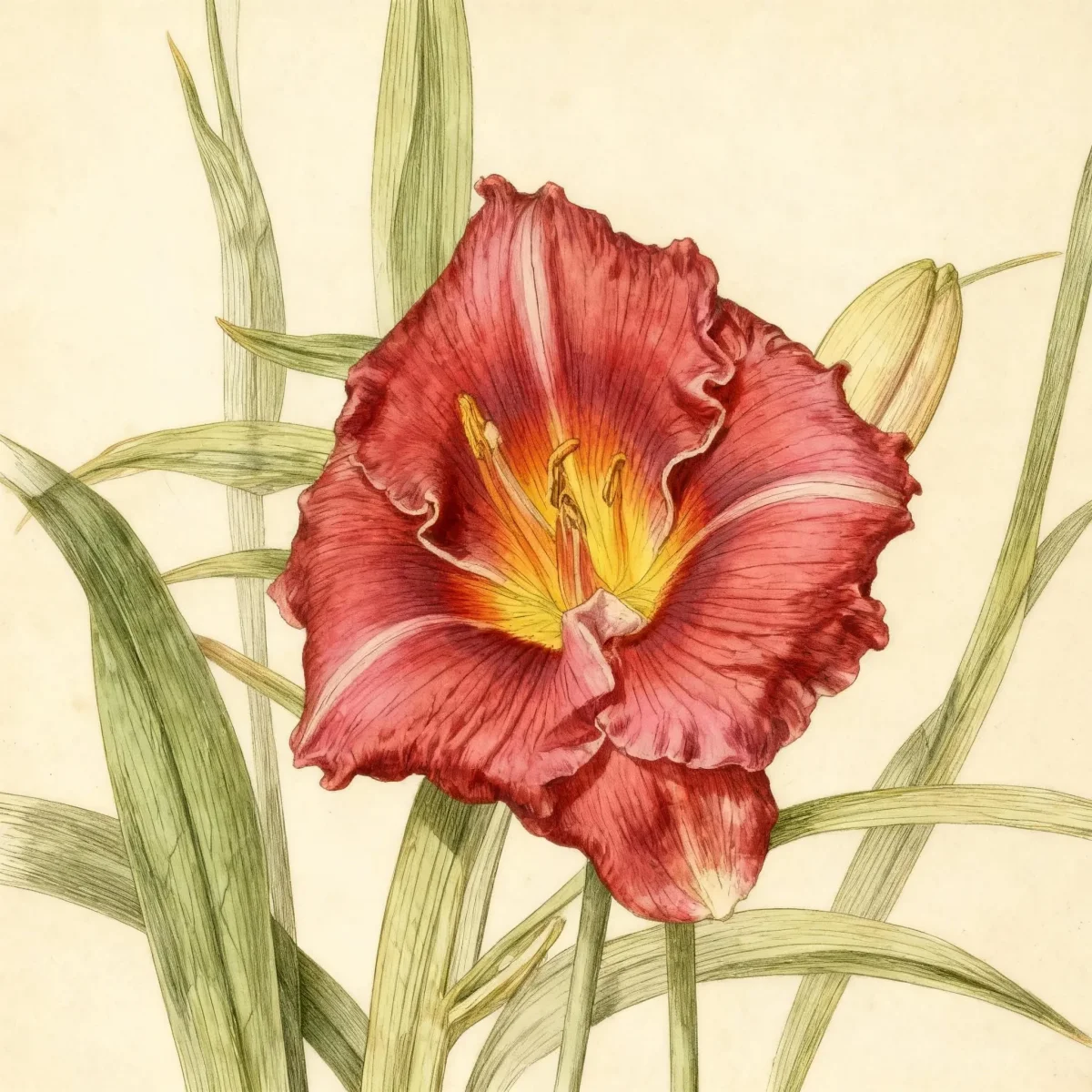
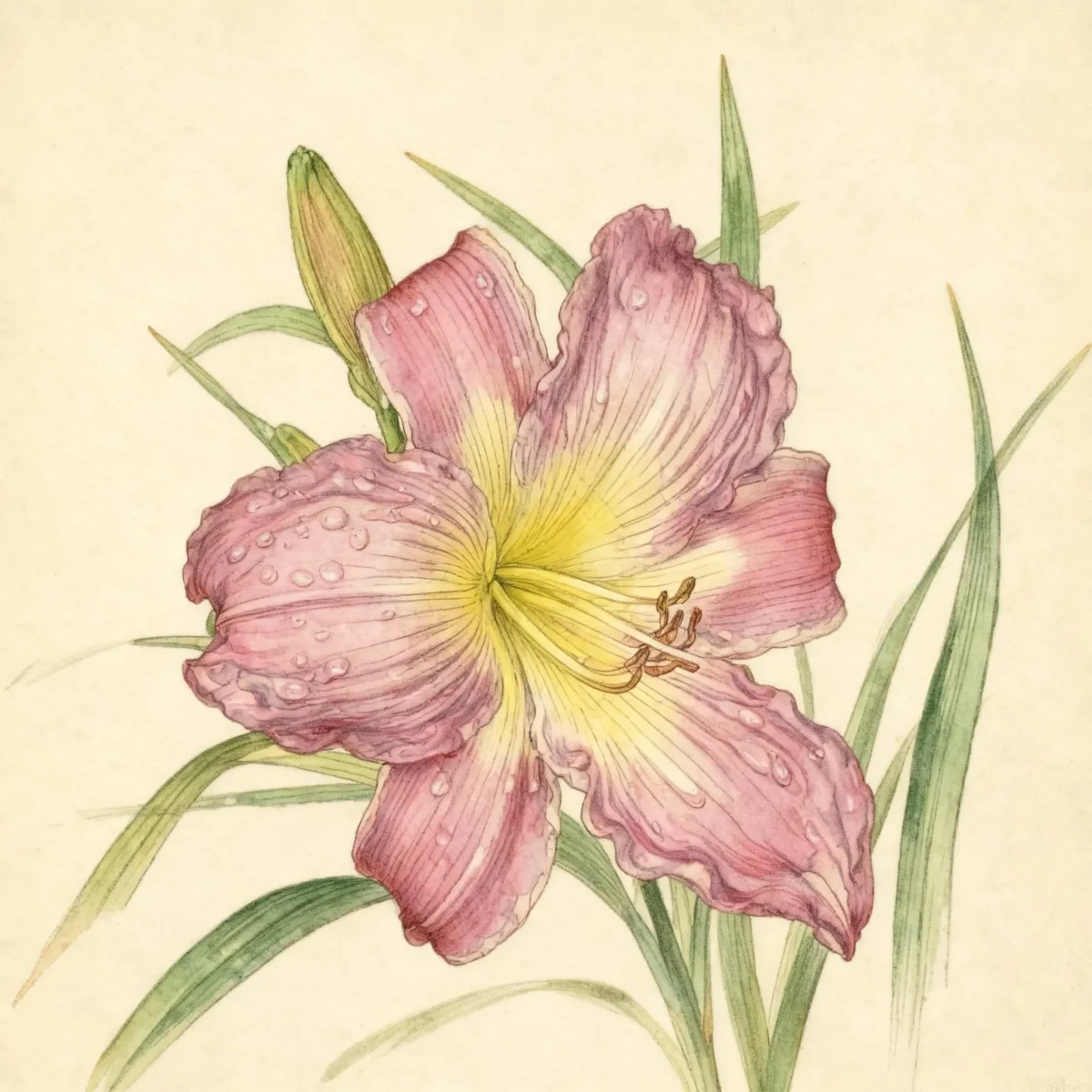
Daylily (Hemerocallis 'Chicago Sunrise')
Hemerocallis 'Chicago Sunrise' is a low-maintenance Daylily boasting striking orange-yellow blooms from June to July.
Scroll down to discover growing tips, care requirements, companion plants, and more
Complete Plant Information
Overview
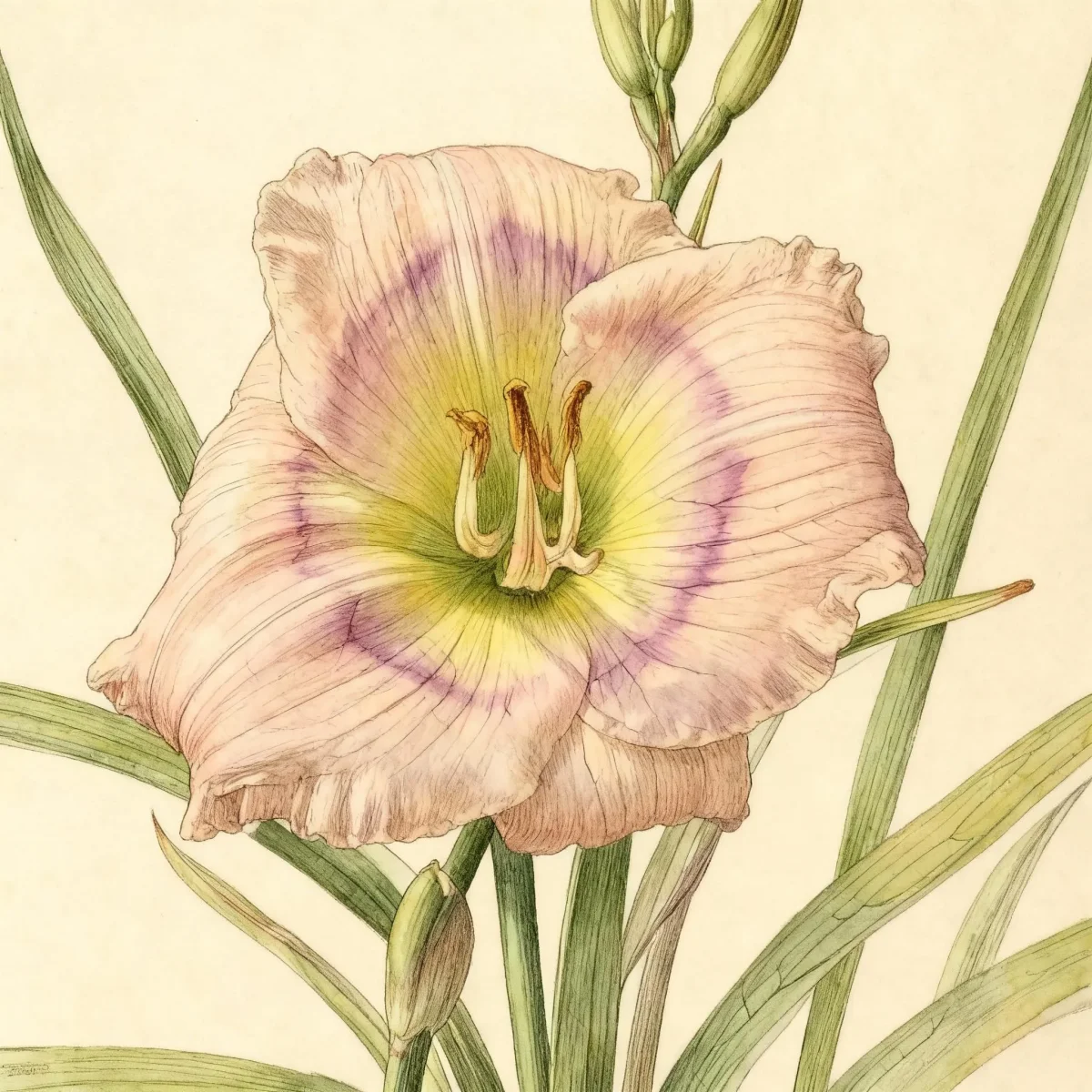
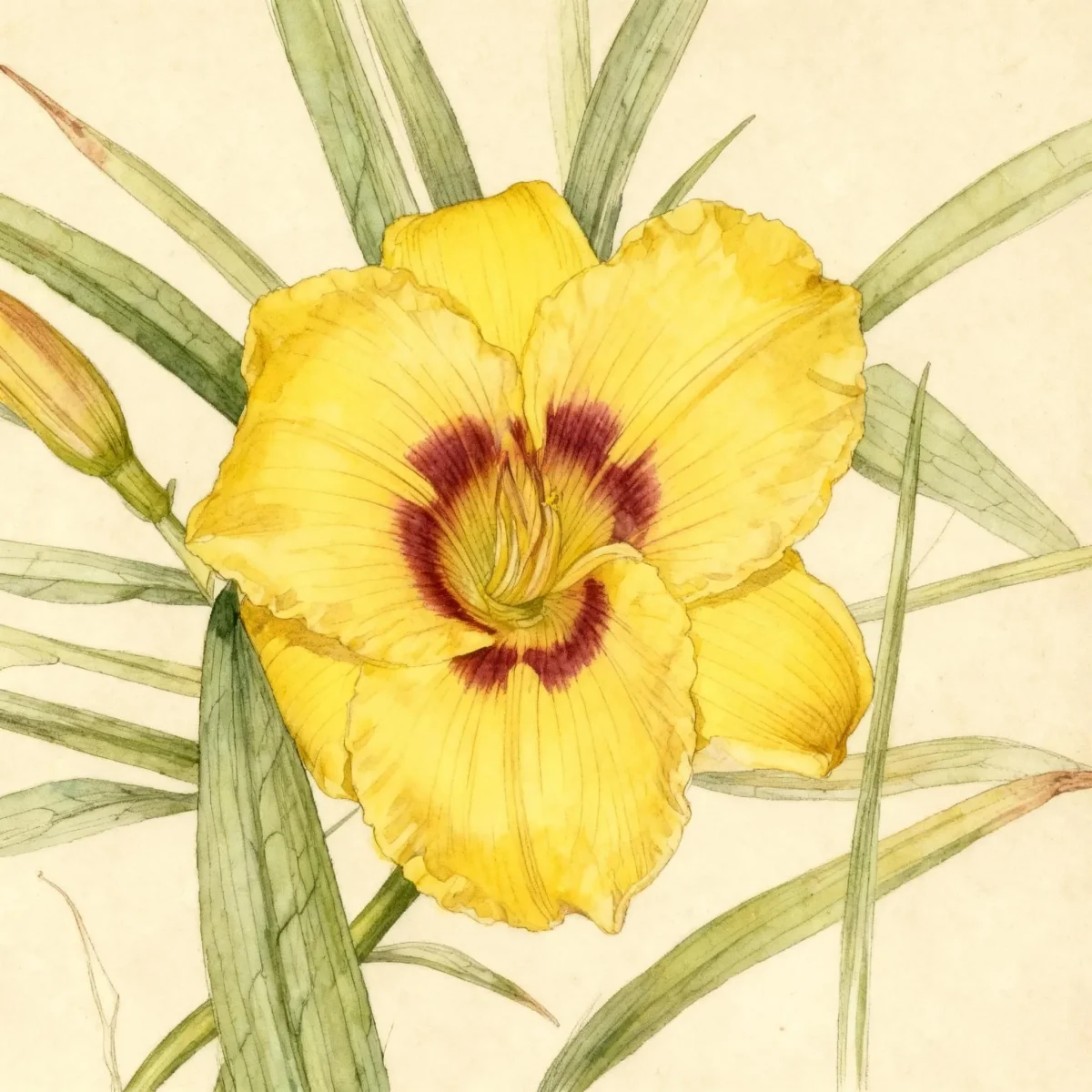
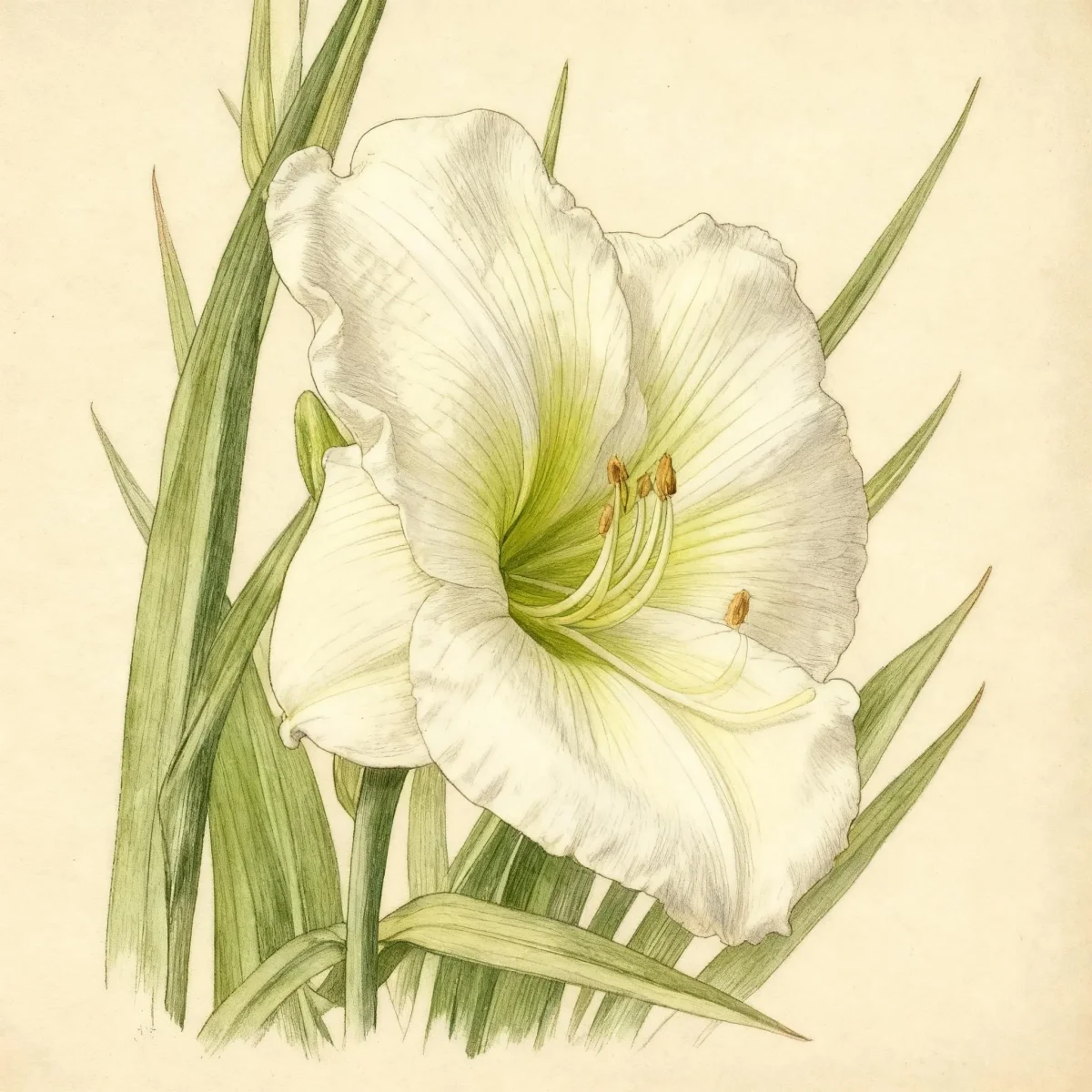
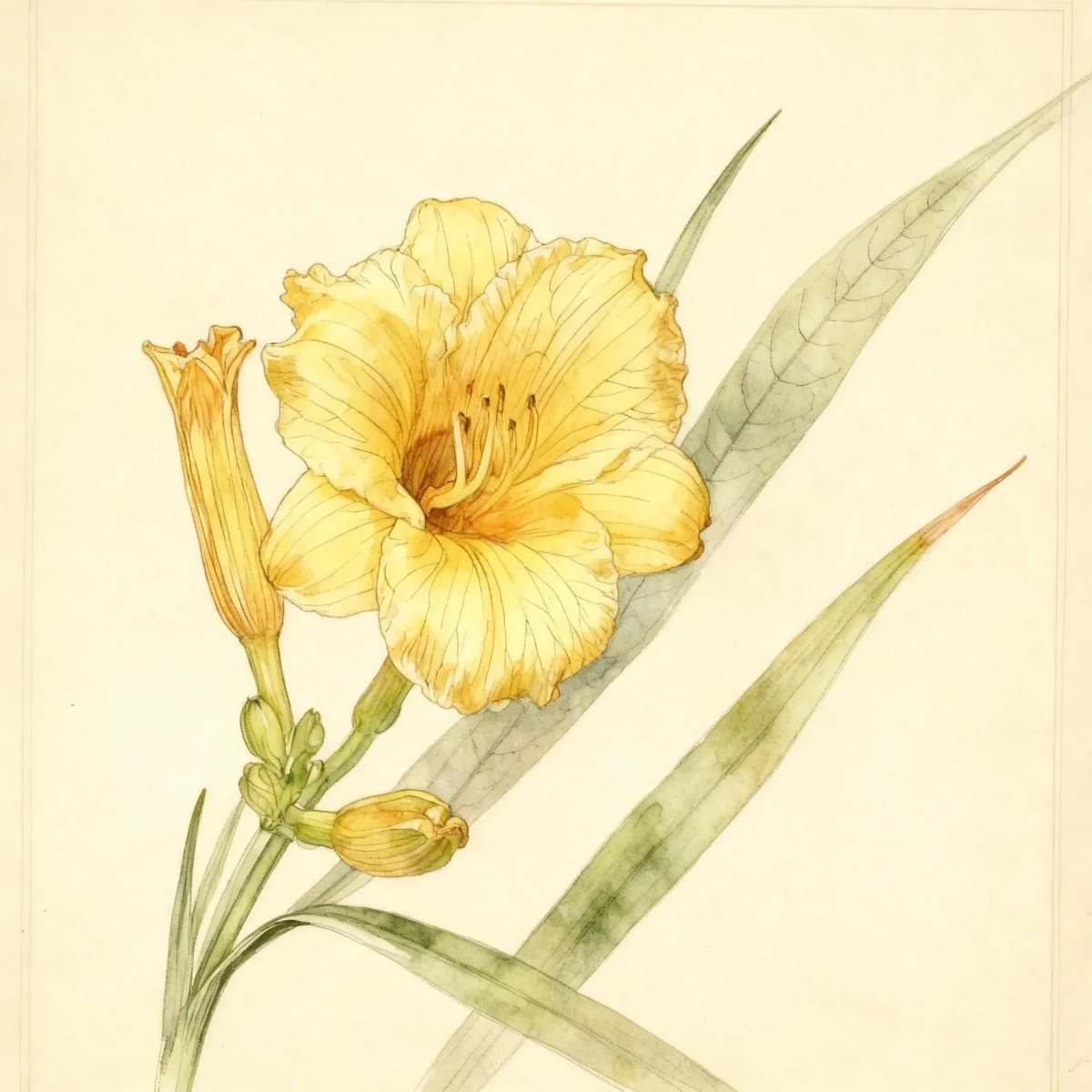
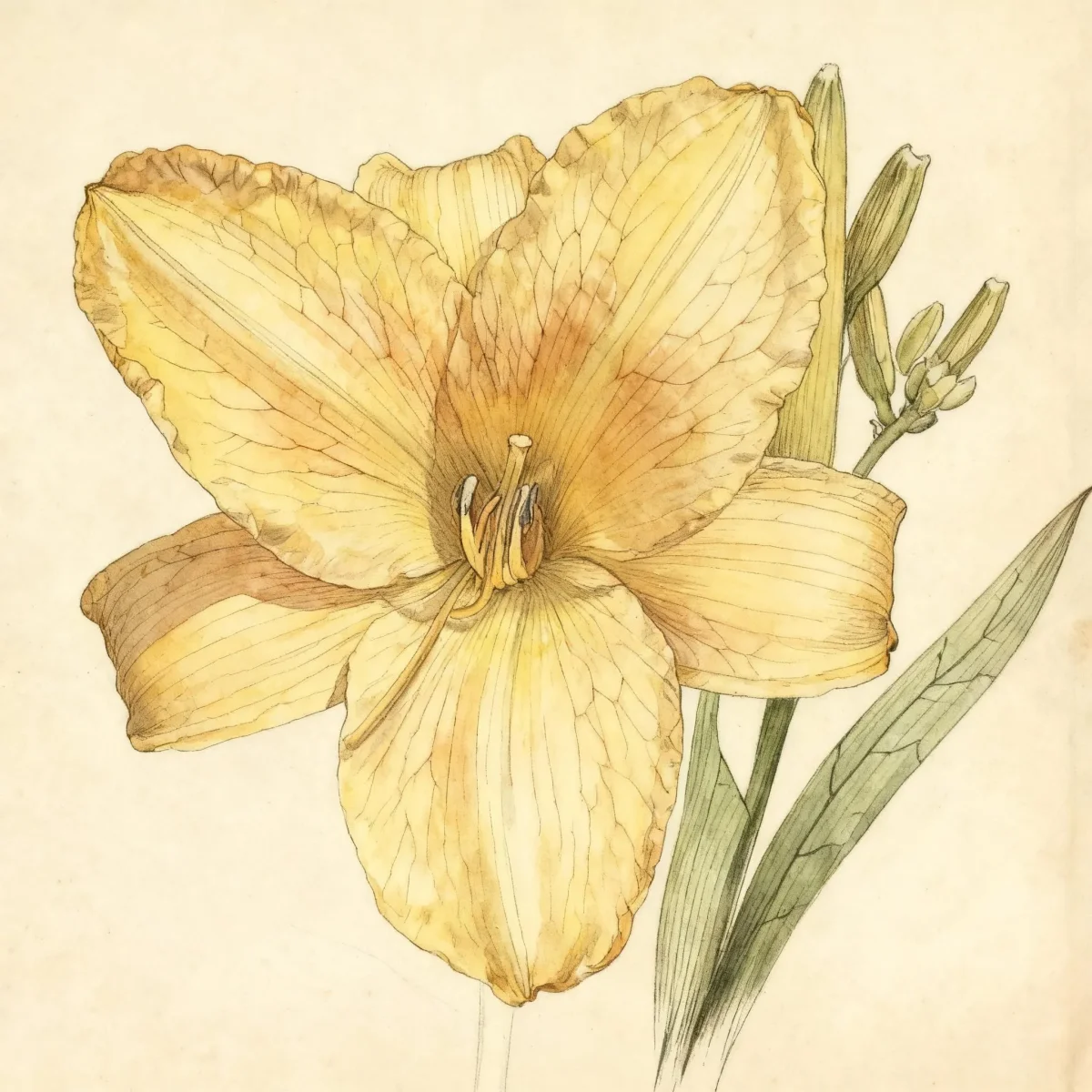
Hemerocallis ‘Chicago Sunrise’ is a highly valued herbaceous perennial cherished in gardens for its reliable performance and attractive summer color display. This specific Daylily cultivar produces vibrant orange-yellow flowers, often reaching up to 6 inches across, emerging on upright scapes that elevate them above the foliage clump. As a repeat-blooming, semi-evergreen tetraploid daylily, ‘Chicago Sunrise’ offers extended garden interest, making it a workhorse for mass plantings and borders.
This Daylily thrives across a wide range of conditions, requiring relatively low maintenance once established, which appeals to both novice and experienced gardeners. Its adaptability, coupled with its attractive linear foliage, ensures visual appeal even outside the primary bloom window. For gardeners seeking dependable summer color with minimal fuss, Hemerocallis ‘Chicago Sunrise’ is an excellent choice.
Fast Facts
- Plant Family: Asphodelaceae
- Plant Type: Herbaceous perennial
- Hardiness Zones: USDA Zones 3-9
- Size at Maturity:
- Height: 2-2.5 ft
- Spread: 1.5-2 ft
- Bloom Time: June to July
- Bloom Description: Orange-yellow
- Sun Exposure: Full sun to part shade
- Water Needs: Medium
- Maintenance Level: Low
How to Grow
Plant Hemerocallis ‘Chicago Sunrise’ in spring or fall, ensuring it settles into average, well-drained soil. While daylilies tolerate various soils, they perform best in deep, fertile loams where they can establish a robust fibrous root system. Location should provide at least six hours of direct sunlight daily for optimal flowering, though they can tolerate partial shade.
Maintaining healthy foliage and maximizing blooms is straightforward. Deadhead spent flowers daily to maintain neatness, and remove the entire scape once all blooms have finished to direct the plant’s energy toward producing future flowers or energy storage. Although Daylilies are tolerant of heat and humidity, they look best and stay green longer if provided deep watering during prolonged dry spells.
Division is occasionally necessary for maintaining vigor and bloom quantity; plan to divide clumps every 3-4 years, preferably in the spring, especially in colder climates like Zone 3 which require a distinct cold dormancy period. Be aware that hybrid daylilies, including ‘Chicago Sunrise’, will not produce true-to-type plants if grown from seed.
Landscape Uses
The versatile nature of the Daylily makes Hemerocallis ‘Chicago Sunrise’ suitable for numerous landscape applications. Its moderate height (2 to 2.5 feet) anchors borders effectively without overwhelming smaller plants, making it excellent for edging along pathways or driveways. Planting in mass creates dramatic rivers of color, perfect for softening the transition between lawn and shrubbery beds.
Due to their tolerance for poor conditions, daylilies are superb for stabilizing slopes or managing roadside plantings where erosion control is a concern. While they perform well in isolation, they pair beautifully with contrasting foliage plants like ornamental grasses or sturdy perennials such as Hostas (in shadier spots) or Salvias that share similar water needs. Utilize dwarf cultivars, if available, in rock gardens for textural contrast.
Standout Features
Flower Qualities
- Showy
Noteworthy Characteristics
Hemerocallis is a genus of about 15 species of herbaceous perennials commonly known as daylilies, native mostly to Asia and central Europe. Hybridizers have created over 60,000 registered cultivars, aiming for new colors and forms, though each individual flower lasts only one day. Hemerocallis ‘Chicago Sunrise’ is specifically noted as a repeat-blooming, semi-evergreen, tetraploid daylily that displays its orange-yellow flowers mid-season on scapes reaching 24-30 inches.
Tolerances
- Rabbit
- Erosion
- Air Pollution
Potential Problems
Daylilies are generally considered extremely adaptable perennials that resist most common garden issues, proving relatively pest-free. Occasionally, minor infestations of mites, aphids, or thrips might occur, usually manageable with targeted horticultural oils or soaps. In humid regions, Daylily rust (a fungal issue causing yellow spots) can become problematic, requiring vigilance and good air circulation. Rabbits generally find the foliage unpalatable, making this a good choice for areas where deer and rabbit pressure is an issue for other perennials.
Frequently Asked Questions
What hardiness zones is Daylily suitable for?
Hemerocallis ‘Chicago Sunrise’ is hardy and thrives across USDA Zones 3 through 9.
How large does Daylily grow?
This cultivar typically reaches a mature height between 2 and 2.5 feet, with a spread of 1.5 to 2 feet wide.
What sun exposure does Daylily need?
For the most vigorous growth and maximum bloom count, Hemerocallis ‘Chicago Sunrise’ should be positioned in full sun, though it adapts well to partial shade conditions.
When does Daylily bloom?
This specific Daylily selection features its primary flush of orange-yellow flowers from June to July, with potential for intermittent rebloom later in the season.
Conclusion
Hemerocallis ‘Chicago Sunrise’ delivers exceptional value through its low maintenance requirements, attractive height, and reliable summer display of orange-yellow flowers. This robust Daylily performs consistently across a wide range of zones, solidifying its status as a garden favorite. Before planting, ensure your garden meets the minimum sun exposure requirements and plan planting during the recommended spring or fall window for best establishment.
Design Ideas
When incorporating Hemerocallis ‘Chicago Sunrise’ into perennial borders, focus on site lines and color theory. Given its bright orange-yellow tones, it pairs well with cooler colors like blues and purples (such as Nepeta or Salvia nemorosa) to create vibrant contrast that pops visually in the saturated mid-summer garden. Grouping multiple fans of ‘Chicago Sunrise’ together creates a bolder impact than single specimens, effectively masking the plant’s semi-evergreen foliage when it begins to decline late in the season.
Consider using these daylilies in mid-border positions where they won’t be obscured by taller background elements like ornamental grasses or shrubs, but where they can still be clearly seen from main viewing areas. Since this Daylily is tolerant of erosion, planting it on gentle slopes or banks alongside other tough, fibrous-rooted perennials like Sedums or Coreopsis ensures soil stability while maintaining textural variety.
Companion Planting with Daylilies
Successful companion planting relies on matching cultural needs—sun, water, and soil type—which Hemerocallis ‘Chicago Sunrise’ requires medium moisture and full sun to part shade. Plants that thrive under similar conditions, such as Echinacea (Coneflower), Coreopsis (Tickseed), and Rudbeckia (Black-eyed Susan), make excellent partners. These companions provide textural differences and often bloom slightly before or after the primary June-July display of the Daylily, ensuring continuous color interest throughout summer.
Avoid planting delicate, shade-loving tropicals directly beside your daylilies, as competition for sun and water in full-sun sites can stress the understory plants. Instead, select companions that appreciate the sharp drainage daylilies prefer and that can handle the heat tolerance characteristic of this hardy perennial.