Daylily (Hemerocallis 'Chorus Line')
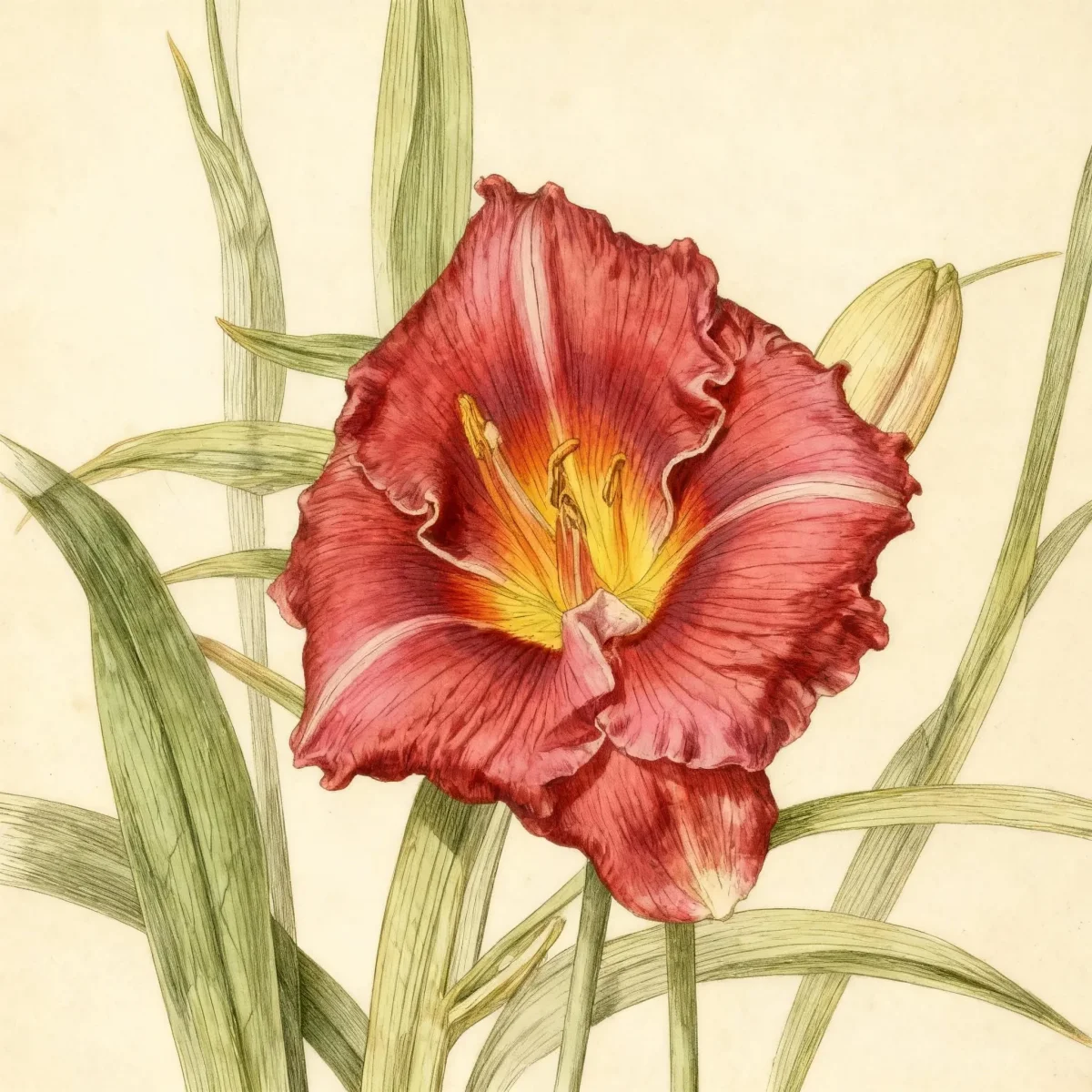
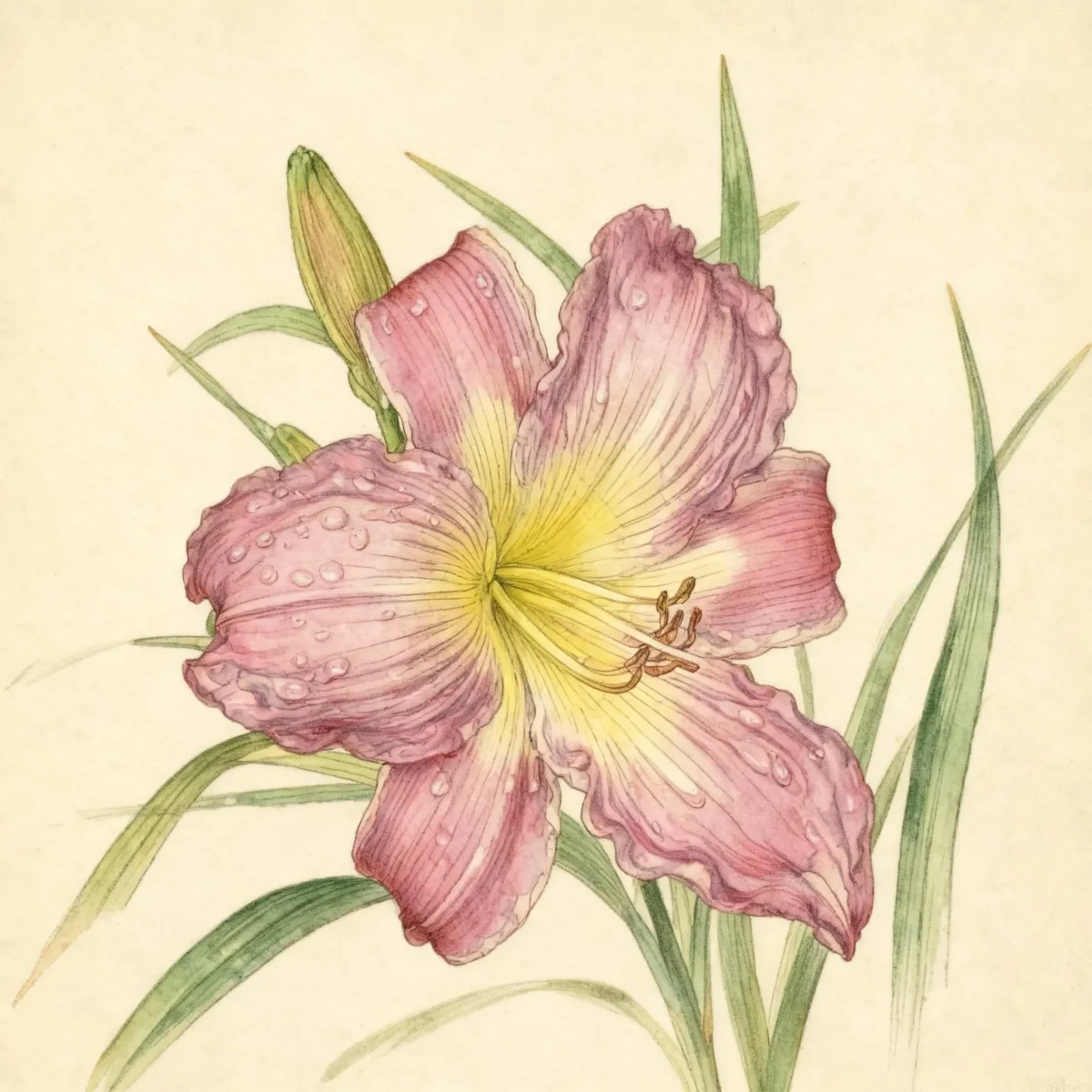
Hemerocallis 'Chorus Line' is a showy, low-maintenance Daylily known for its pink blooms from May to June.
Scroll down to discover growing tips, care requirements, companion plants, and more
Complete Plant Information
Overview
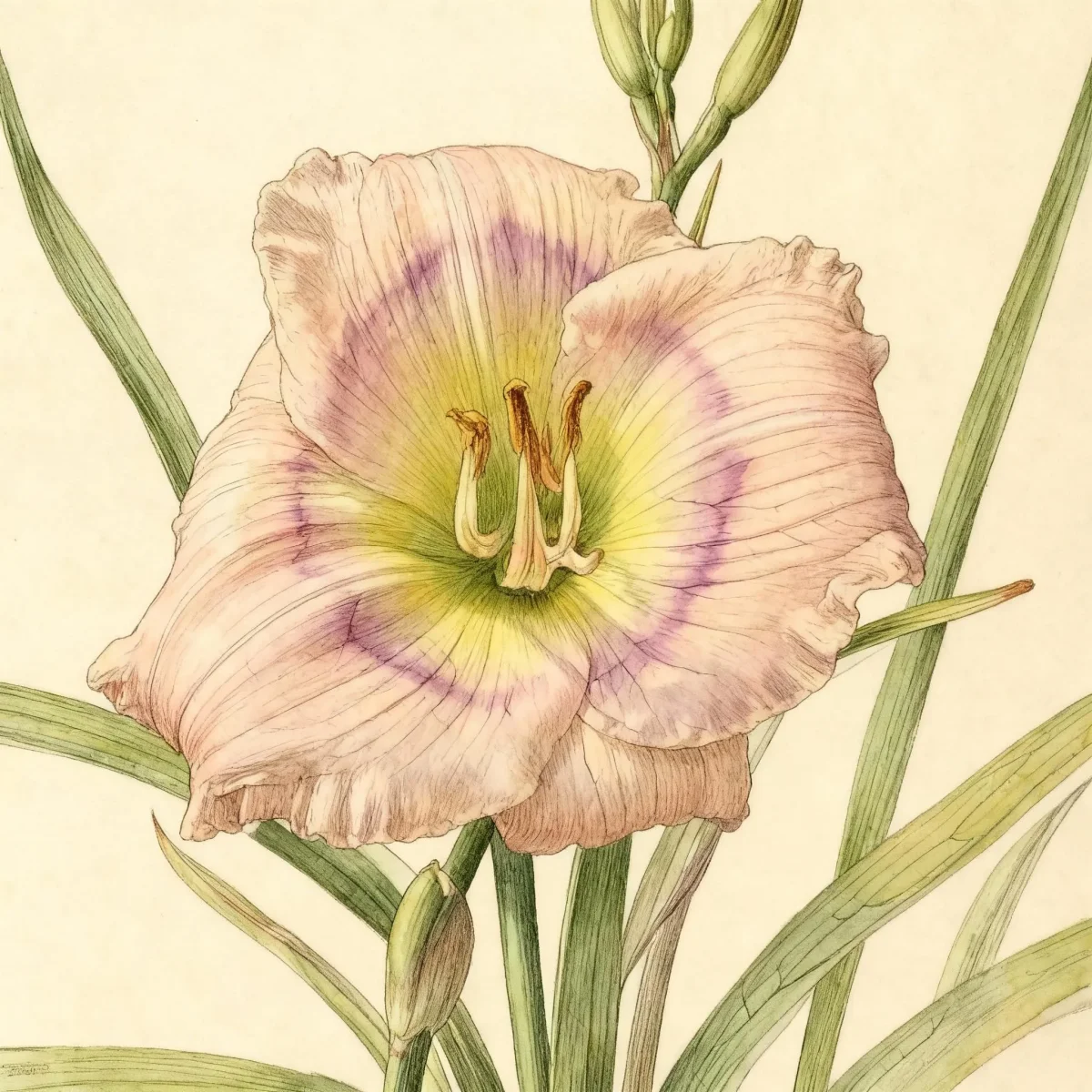
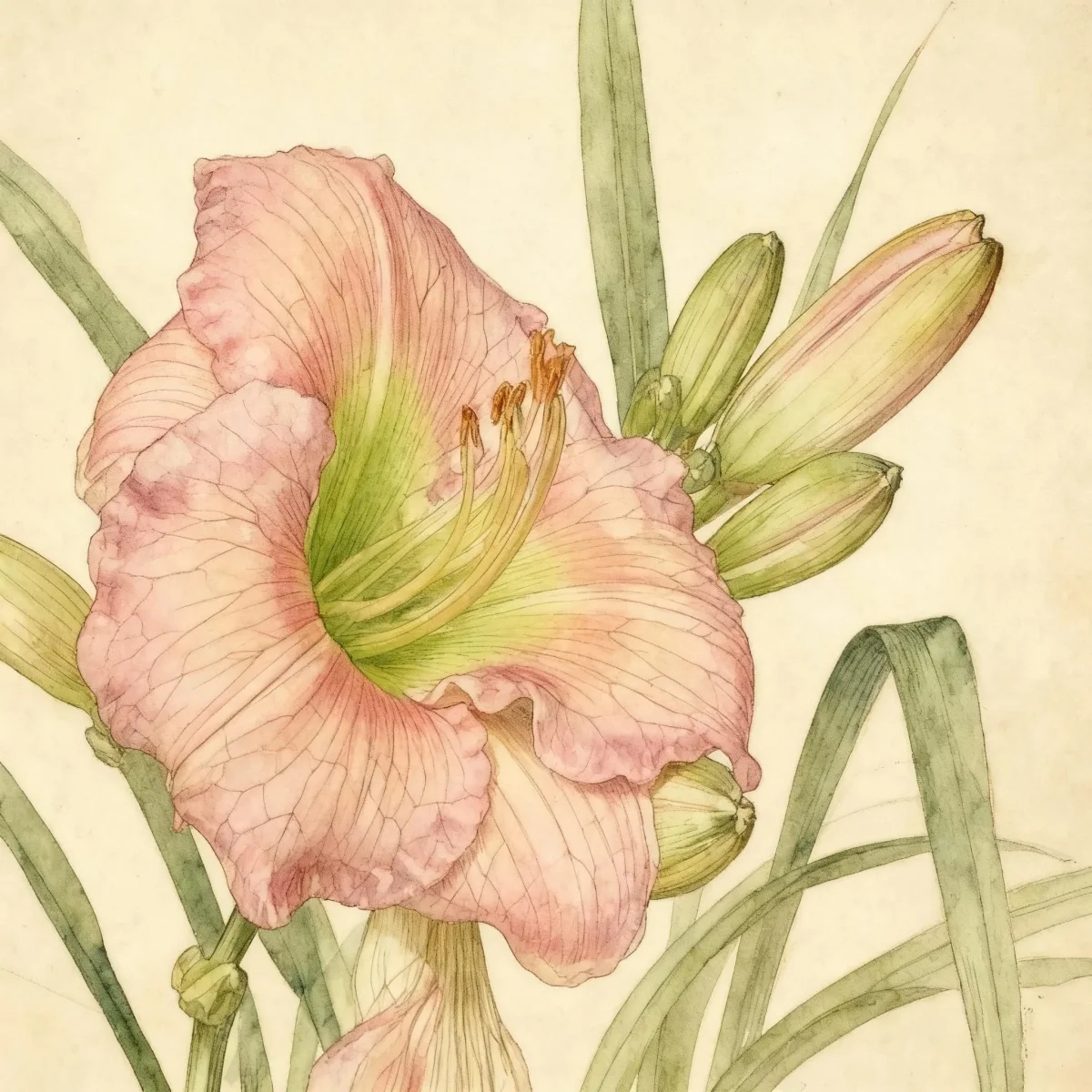
Hemerocallis ‘Chorus Line’ is a highly valued herbaceous perennial, commonly known as a Daylily, prized for its dependable performance and attractive spring coloration. This specific cultivar offers 3.5” diameter, medium pink flowers accented by rose bands and a dark green throat, providing reliable color during the early summer season. As with most hybrid daylilies, Hemerocallis ‘Chorus Line’ is celebrated for its vigorous growth habit and relative ease of care, making it a staple in perennial borders across diverse climates.
This Daylily establishes itself as a clump of arching, linear, blade-like foliage, reaching a manageable height of 1.5 to 2 feet. It thrives in average, well-drained soils and adapts well to conditions ranging from full sun to partial shade. Gardeners appreciate the substantial floral display these plants offer, especially since spent flowers on Hemerocallis ‘Chorus Line’ are typically removed daily for neatness, ensuring the plant maintains an appealing presentation throughout its blooming window from May to June.
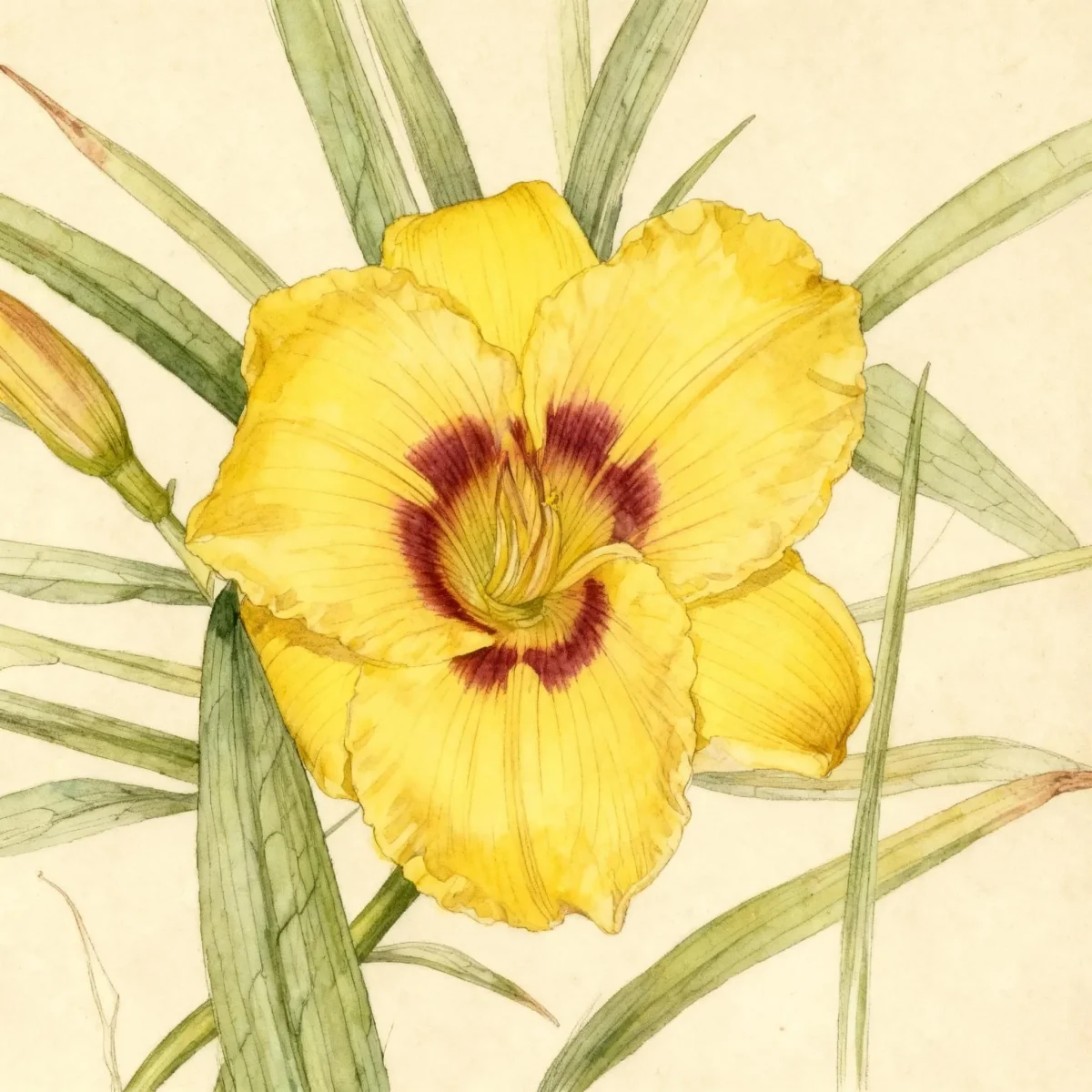
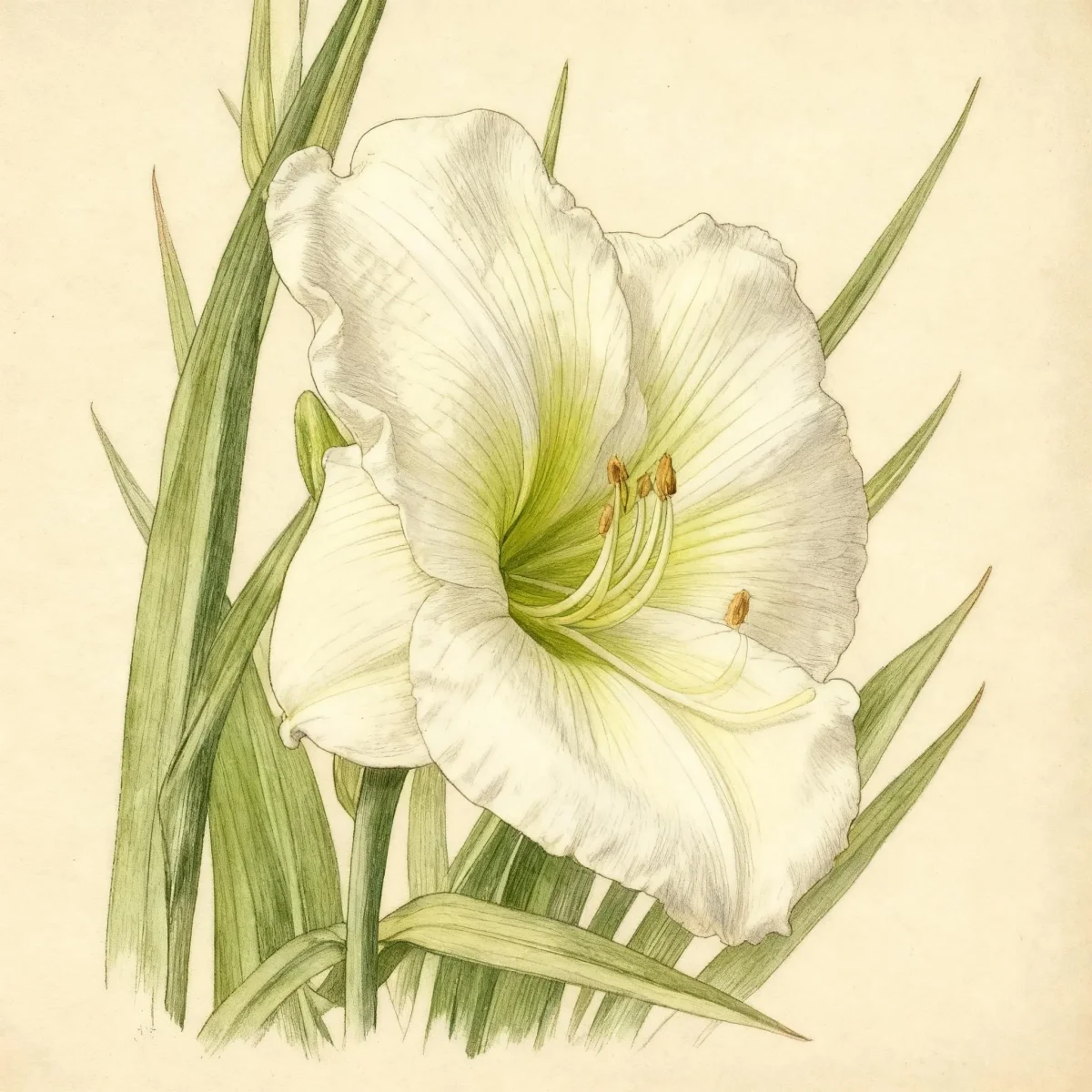
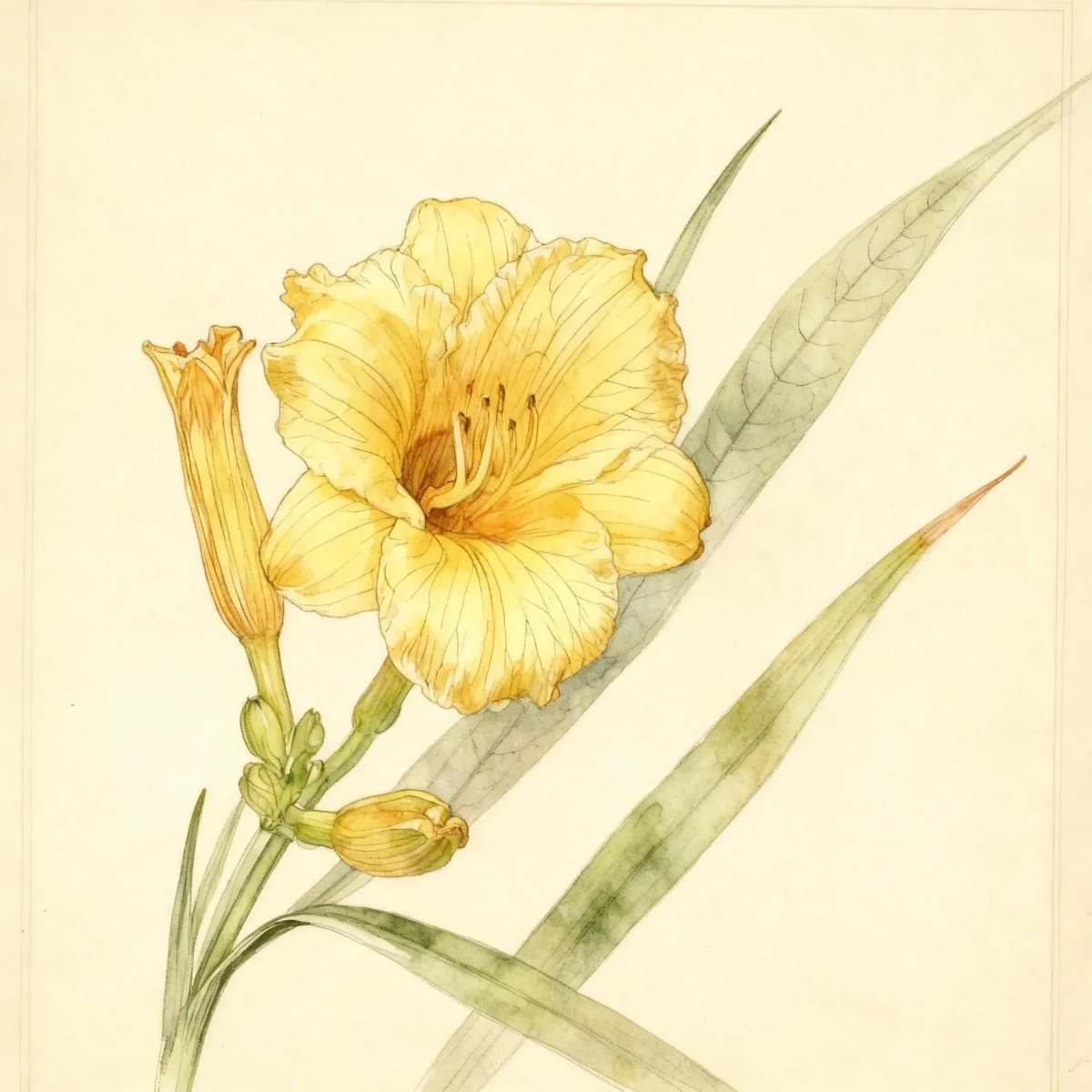
The genus name, Hemerocallis, means “day beauty,” reflecting that each individual flower lasts only one day, though a successful plant produces blooms in succession over many weeks. This cultivar is tough, handling summer heat and humidity well, and offers excellent tolerance against common garden nuisances, reinforcing its status as a low-maintenance cornerstone for vibrant, long-lasting summer color.
Fast Facts
- Plant Family: Asphodelaceae
- Plant Type: Herbaceous perennial
- Hardiness Zones: USDA Zones 3-9
- Size at Maturity:
- Height: 1.5-2 ft
- Spread: 1-1.5 ft
- Bloom Time: May to June
- Bloom Description: Pink with a green throat
- Sun Exposure: Full sun to part shade
- Water Needs: Medium
- Maintenance Level: Low
How to Grow
Planting Hemerocallis ‘Chorus Line’ is best achieved in the spring or fall, ensuring the plants establish good root systems before extreme weather hits. Daylilies perform well in a wide range of soils, but they truly prefer deep, fertile loams with medium moisture retention. Ensure the planting location offers excellent drainage; while these Daylilies tolerate average soil, soggy winter conditions can cause root rot.
Routine care for this Daylily variety is minimal. Deadhead spent flowers daily for neatness and remove the entire flower scape once blooming has finished to redirect plant energy back into root and foliage development. While tolerant of summer heat and humidity, appreciate deep watering during prolonged dry spells to keep the attractive, grass-like foliage looking its best.
For sustained, vigorous flowering every year, Hemerocallis ‘Chorus Line’ should ideally be divided every three to four years. This division process is best managed in the spring, especially in colder regions like the St. Louis area, although fall division is also an option elsewhere. Furthermore, remember that hybrid daylilies will never come true from seed, so propagation relies solely on dividing these established clumps.
Winter-dormant types, like this one, require a cold period for optimal performance, making them less ideal for the warmest parts of Zone 9 and above where they may fail to go fully dormant.
Landscape Uses
The robust nature and attractive foliage of this Daylily make it perfect for creating defined structure in the garden. Hemerocallis ‘Chorus Line’ excels when used as edging along walkways or driveways, where its clean, mounded form provides year-round structure. It is also an easy-to-grow choice for mass plantings over large areas, creating swaths of early summer color that require little intervention once established.
Due to their tolerance for a variety of conditions, these plants serve well as transitional elements in landscape designs. They pair beautifully with shorter, spring-blooming bulbs that finish just as the Daylily foliage begins to mature, bridging the gap between spring and high summer displays. Even in areas requiring erosion control, their fibrous root systems provide helpful soil stabilization.
For a more formal look, plant Hemerocallis ‘Chorus Line’ in defined clumps interspersed with later-season bloomers like ornamental grasses or coneflowers (Echinacea). Their upright yet arching habit ensures they do not smother neighboring plants, offering versatility rarely matched by other herbaceous perennials.
Standout Features
Flower Qualities
- Showy
- Fragrant
Noteworthy Characteristics
Hybridizers have created a vast catalog of daylilies, leading to incredible diversity in color and form. Hemerocallis ‘Chorus Line’ stands out with its 3.5” medium pink flowers featuring rose bands above yellow halos, blooming reliably on naked stems above linear, arching leaves. This cultivar is noted for its aesthetic appeal and ability to tolerate both summer heat and humidity, having earned the 1988 AHS Award of Merit.
Tolerances
- Rabbit
- Erosion
- Air Pollution
Potential Problems
Daylilies are remarkably adaptable and are generally considered easy to grow and pest-free. Occasional infestations by common sucking insects like mites, aphids, or thrips may occur, usually under stressed conditions. In humid or overly wet regions, Daylily rust might become an issue, requiring monitoring of the foliage, especially in the fall. Rabbits, conveniently, tend to avoid the foliage of Hemerocallis ‘Chorus Line’.
Frequently Asked Questions
What hardiness zones is Daylily suitable for?
Hemerocallis ‘Chorus Line’ is suitable for growing in USDA Hardiness Zones 3 through 9.
How large does Hemerocallis ‘Chorus Line’ grow?
This Daylily variety typically achieves a mature height between 1.5 and 2 feet tall, with a spread of 1 to 1.5 feet wide.
When does Daylily bloom?
This specific Daylily cultivar blooms primarily from May through June, presenting pink flowers with a distinctive green throat.
What sun exposure does Hemerocallis ‘Chorus Line’ need?
For the best performance and deepest coloration, ensure Hemerocallis ‘Chorus Line’ receives full sun to part shade exposure.
Conclusion
Hemerocallis ‘Chorus Line’ offers gardeners a robust, low-maintenance perennial renowned for its charming pink blooms and attractive foliage, making it a reliable landscape performer. By ensuring proper drainage and applying occasional deep watering during dry spells, you can maximize the beauty of this fantastic Daylily. Check your local hardiness zone compatibility and plan for spring planting to enjoy the award-winning display of Hemerocallis ‘Chorus Line’ next season.
Propagation Tips
Since over 60,000 cultivars of Daylilies have been registered, propagation is almost exclusively handled through vegetative division rather than seed, as hybrids will not come true from seed. Division restores vigor to older clumps and is essential for maintaining the quality of your plants. The optimum time to divide clumps of Hemerocallis ‘Chorus Line’ is typically in the spring, particularly important for winter-dormant types, allowing the separated fans to establish before summer heat sets in.
When dividing, lift entire fans using a garden fork, ideally in the spring, ensuring each separated division retains a healthy fan of leaves and a robust root system. Replant the divisions immediately at roughly the same depth they were previously growing, making sure the crown sits just beneath the soil surface. This simple technique ensures propagation success and keeps your Hemerocallis planting looking fresh every few years.
Companion Planting Suggestions
Because Hemerocallis ‘Chorus Line’ prefers full to part sun and medium moisture, selecting companions with similar needs helps create a unified, low-maintenance planting bed. Consider pairing them with plants that bloom before or after the Daylily’s May-June window, such as late-blooming Peonies or early summer blooming Siberian Iris, to ensure season-long interest.
For textural contrast, the bold, linear foliage of the Daylily pairs wonderfully against the fine texture of ornamental grasses like Sporobolus or fine-leaved salvias. Since this Daylily is somewhat tolerant of heat and humidity, incorporating drought-tolerant coreopsis or nepeta further down the border can complement its cultural requirements beautifully.