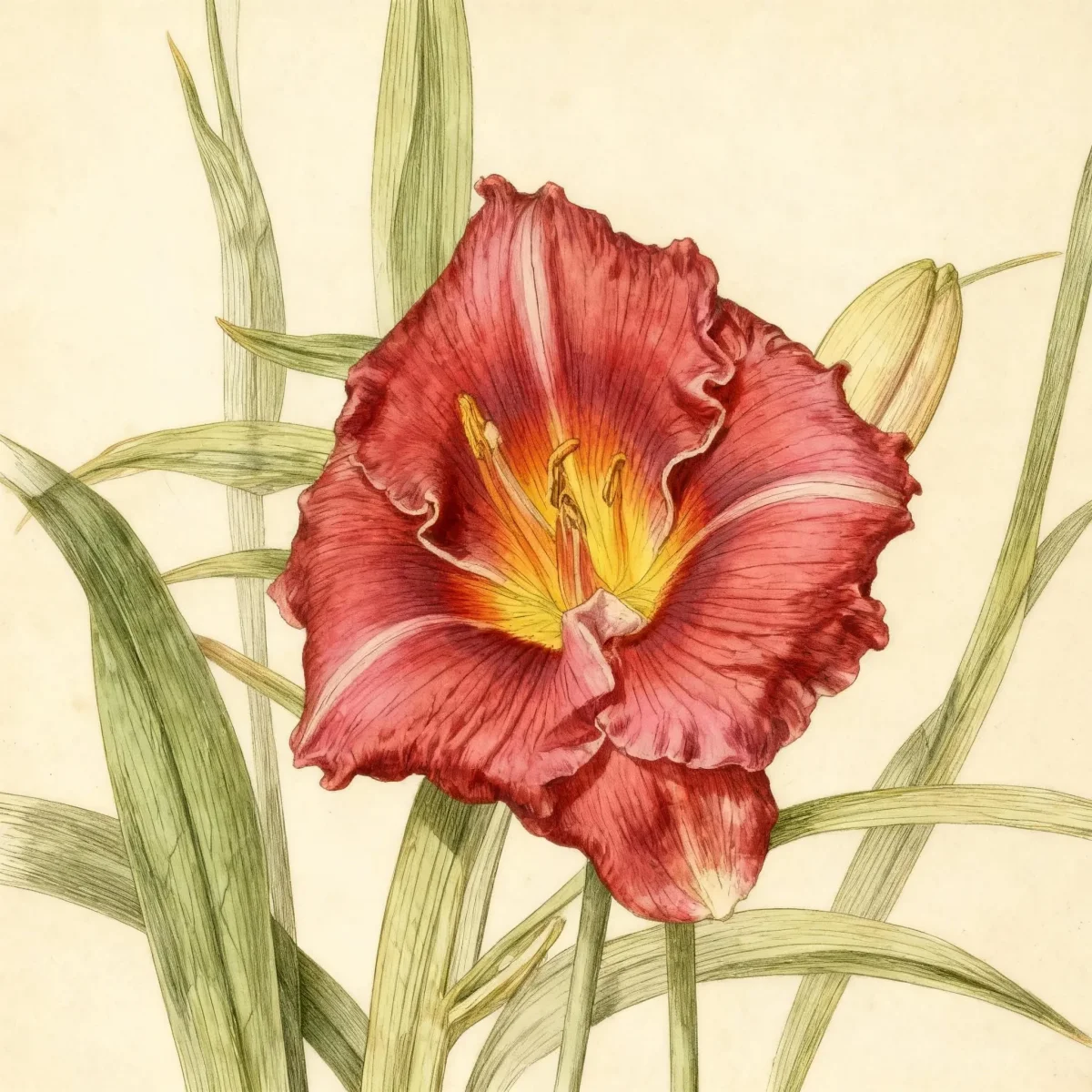
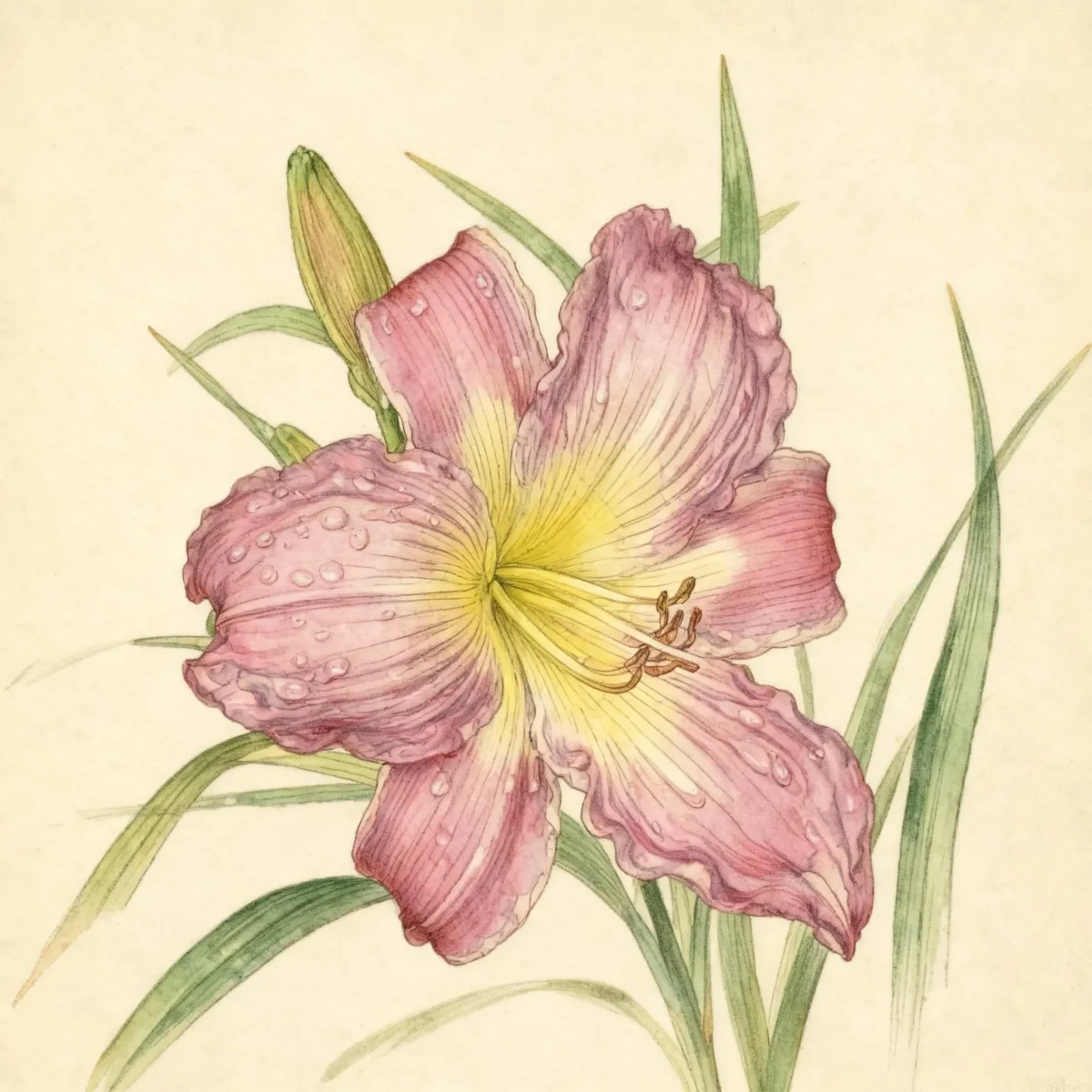
Daylily (Hemerocallis 'Christmas Is')
Hemerocallis 'Christmas Is' is a low-maintenance Daylily with striking 4.5" Christmas red flowers, hardy in Zones 3-9.
Scroll down to discover growing tips, care requirements, companion plants, and more
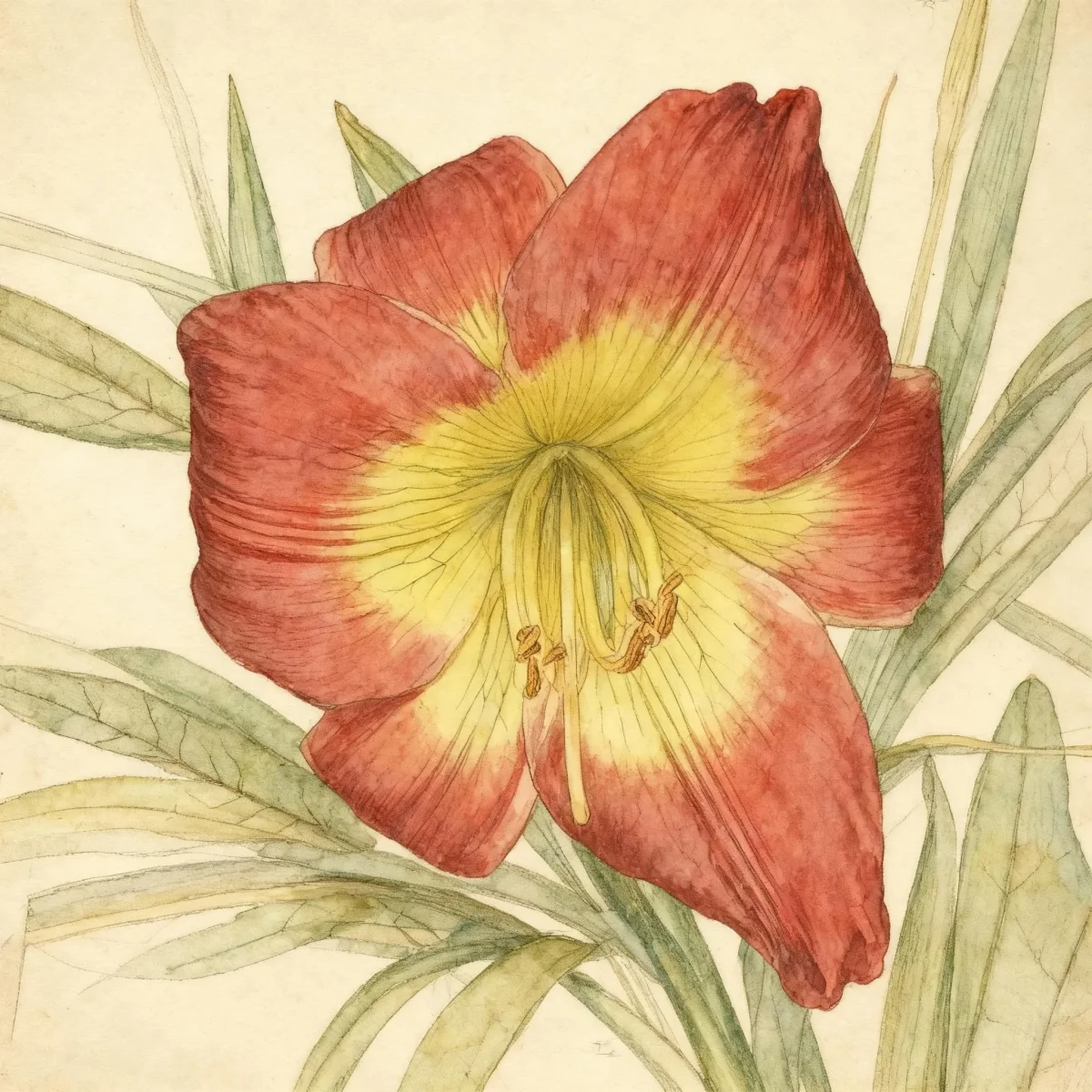
Complete Plant Information
Overview
The Hemerocallis ‘Christmas Is’, commonly recognized as a classic Daylily, provides spectacular floral color without demanding excessive effort from the gardener. This specific cultivar is valued for its vivid Christmas red blooms accented by a bright lime-chartreuse throat, presenting a bold, tropical look even in temperate gardens. As an herbaceous perennial, this Daylily returns reliably year after year, offering substantial visual impact across the spring and early summer landscape.
Hemerocallis ‘Christmas Is’ is inherently adaptable, thriving across a broad range of US hardiness zones from 3 through 9. While it performs admirably in average soils, providing deep, fertile loam alongside consistent moisture will result in the most vigorous clumps and the best flower display from this evergreen Daylily. Its relative ease of care makes it a staple for both novice and experienced gardeners looking for dependable, long-blooming color.
Mature plants form neat clumps of arching, grass-like foliage, typically reaching 2 to 2.5 feet tall. Beyond its striking coloration, the resilience of this Daylily—including its tolerance to heat, humidity, and various environmental stresses—cements its status as one of the most popular flowering perennials grown today. Hemerocallis ‘Christmas Is’ is a worthwhile investment for vibrant, low-fuss perennial borders.
Fast Facts
- Plant Family: Asphodelaceae
- Plant Type: Herbaceous perennial
- Hardiness Zones: USDA Zones 3-9
- Size at Maturity:
- Height: 2-2.5 ft
- Spread: 1.5-2 ft
- Bloom Time: May to July
- Bloom Description: Red with a green throat
- Sun Exposure: Full sun to part shade
- Water Needs: Medium
- Maintenance Level: Low
How to Grow
Planting your Hemerocallis ‘Christmas Is’ should be done when soil is workable, either in the spring or fall. While Daylilies are famous for tolerating wide soil variations, they achieve peak performance when placed in deep, fertile loams that drain well. Ensure they receive ample sunlight—full sun fosters the most blooms, though they tolerate light afternoon shade.
Consistent moisture is crucial, especially during dry spells, to keep the foliage attractive throughout the summer heat and humidity that this cultivar handles well. Deadheading spent flowers daily is recommended for optimal landscape neatness and to encourage the production of new buds. After the main blooming period concludes, remove the old flower scapes close to the base.
For long-term health and vigor, plan to divide dense clumps of Hemerocallis ‘Christmas Is’ every three to four years. Spring division is often preferred in colder zones, while fall division works well elsewhere. Remember that this is a winter-dormant type; it requires the chilling period in cooler climates for optimal flowering and should generally be avoided in warmer Zone 9 gardens if robust blooming is the priority.
Landscape Uses
The robust constitution and vivid coloring of Hemerocallis ‘Christmas Is’ make it an extremely versatile choice in perennial landscaping. These daylilies excel as bold edging along walkways or driveways, providing a distinct line of color that contrasts beautifully with lower-growing groundcovers. They are also perfectly suited for mass plantings, transforming large, sunny slopes into carpets of reliable red blooms.
For a classic, cottage-garden aesthetic, utilize this Daylily in mixed borders where its strong vertical lines contrast with softer, mounding annuals and perennials. Because the foliage persists, it helps anchor the mid-border structure late into the season. The 1985 AHS Award of Merit confirms the exceptional quality this cultivar brings to any garden design.
Standout Features
Flower Qualities
- Showy
Noteworthy Characteristics
Hemerocallis is a genus famous for developing thousands of hybrids, culminating in over 60,000 registered cultivars noted for their vast color palette, though blue remains absent. Individual flowers of Hemerocallis ‘Christmas Is’ are about 4.5 inches in diameter, displaying rich Christmas red petals surrounding a distinct lime-chartreuse throat, blooming atop leafless scapes. The genus name reflects the ephemeral beauty of the flower, which lasts only a single day, though successive blooms give the plant a long flowering season.
Tolerances
- Rabbit
- Erosion
- Air Pollution
Potential Problems
Daylilies are remarkably tough, exhibiting low maintenance and few serious pest issues. The primary challenges often involve minor insect activity during the growing season. Mites, aphids, and thrips can occasionally make an appearance, usually on stressed plants or during hot, dry weather. A strong spray of water or the introduction of beneficial insects usually controls these small populations.
Fungal issues, specifically Daylily rust, can become problematic in areas with high humidity and poor air circulation. To manage rust, ensure proper spacing for good airflow between clumps of Hemerocallis ‘Christmas Is’ and avoid overhead watering late in the day, which keeps foliage wet overnight. Promptly removing any affected foliage can limit the spread.
Fortunately, rabbits generally leave this Daylily variety alone, contributing to its low-stress profile in the garden. Remember that diligent deadheading keeps the plant tidy and directs energy towards future bloom production rather than setting seed.
Frequently Asked Questions
What hardiness zones is Daylily suitable for?
The Hemerocallis ‘Christmas Is’ Daylily is excellently adapted for growth across USDA Zones 3 through 9.
How large does Hemerocallis ‘Christmas Is’ grow?
Mature plants of this Daylily cultivar typically reach a height between 2 and 2.5 feet, with a spread of 1.5 to 2 feet.
When does Hemerocallis ‘Christmas Is’ bloom?
This Daylily variety puts on its striking display of red flowers with a green throat primarily from May to July.
What sun exposure does Daylily need?
For optimal performance and maximum flower count, Hemerocallis ‘Christmas Is’ requires full sun exposure, though it tolerates partial shade.|
Conclusion
Hemerocallis ‘Christmas Is’ stands out as a superior landscape performer, delivering low-maintenance reliability paired with high-impact, deeply colored blooms redolent of the holidays. This exceptionally adaptable Daylily thrives in a wide range of conditions, making it a dependable choice for borders and mass plantings across various climates. Before planting, confirm that your conditions fall within USDA Zones 3-9 and plan for spring planting in colder regions for the best results this season from your new Daylily addition.
Companion Planting
Choosing appropriate neighbors for your Hemerocallis ‘Christmas Is’ ensures a cohesive and healthy border throughout the season. Since Daylilies prefer medium moisture and full sun, pair them with other sun-loving perennials that have similar watering needs but offer contrasting textures. Good companions include Russian Sage (Perovskia atriplicifolia), which provides airy height and silvery foliage, or Coneflowers (Echinacea), which bloom later, extending the garden’s visual interest after the main Daylily flush fades.
Avoid planting varieties that require extremely dry conditions close to your Daylily, as excessive drought stress could impact the foliage quality. Conversely, placing them beside plants needing consistently boggy soil will lead to root rot. The grass-like foliage of the Daylily also serves as an excellent foil for broad-leaved plants like Hostas (if placed in partial shade) or Peonies, breaking up the masses of color when the Hemerocallis ‘Christmas Is’ is not in bloom.
Seasonal Care Calendar
Early Spring: As new growth emerges on the Hemerocallis ‘Christmas Is’, remove any old, dead foliage remaining from the previous year. This cleanup improves air circulation and removes potential overwintering sites for pests. Apply a balanced, slow-release fertilizer lightly around the base of the clumps, taking care not to bury the crown.
Summer (Post-Bloom): Consistent monitoring for spent flowers is key during the May-to-July bloom period. Deadheading spent individual flowers daily keeps the plant looking crisp. When an entire scape (flowering stem) is finished, cut it back to the foliage line. Continue medium watering throughout dry spells to maintain leaf health.
Fall/Late Season: If you plan to divide the clump, fall is acceptable in milder climates; otherwise, wait until early spring. Allow the foliage to die back naturally; even semi-evergreen types benefit from holding onto some leaf matter until a hard frost occurs. Winter preparation is minimal for Zone 3-9 hardy Daylilies, as they appreciate a cold dormancy period.