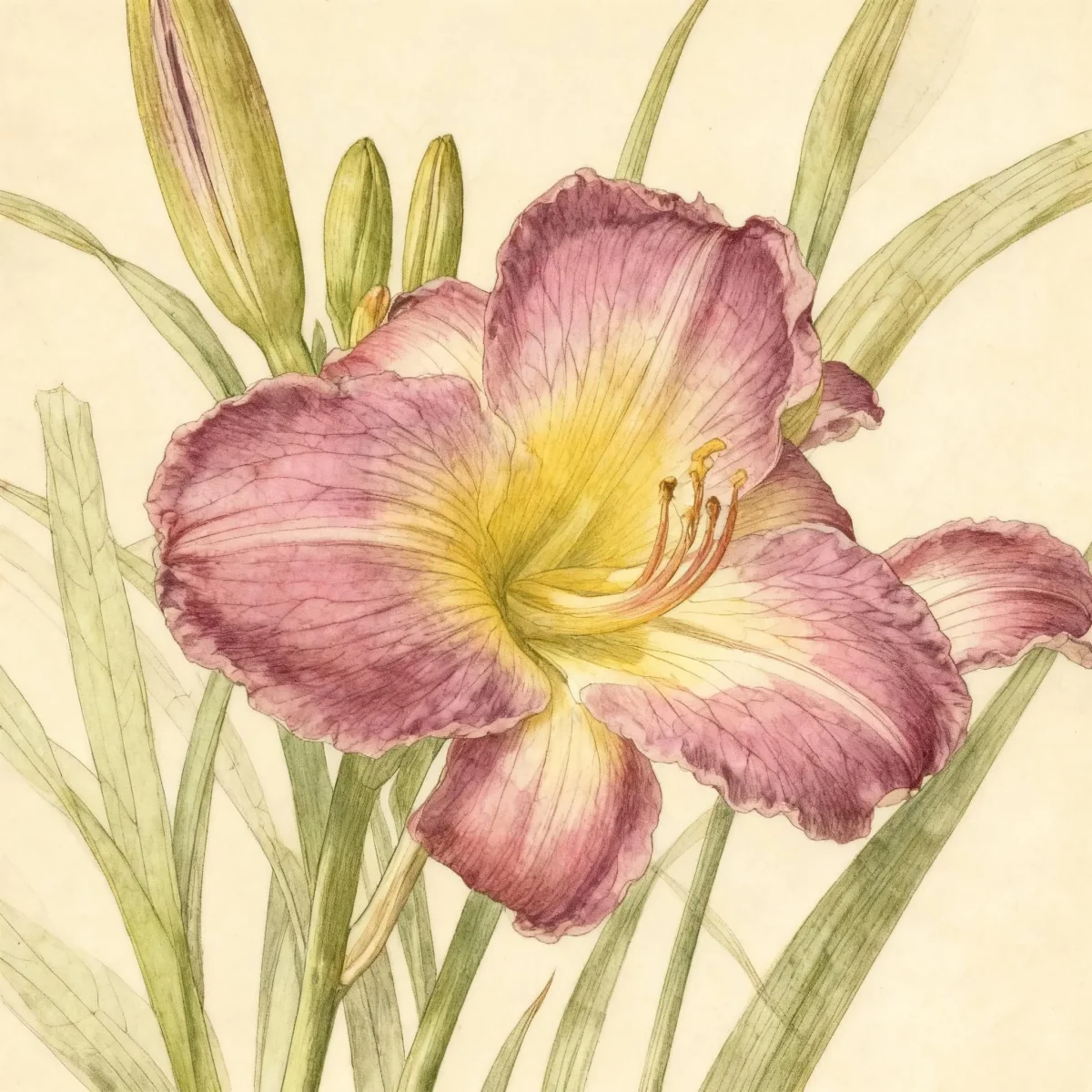
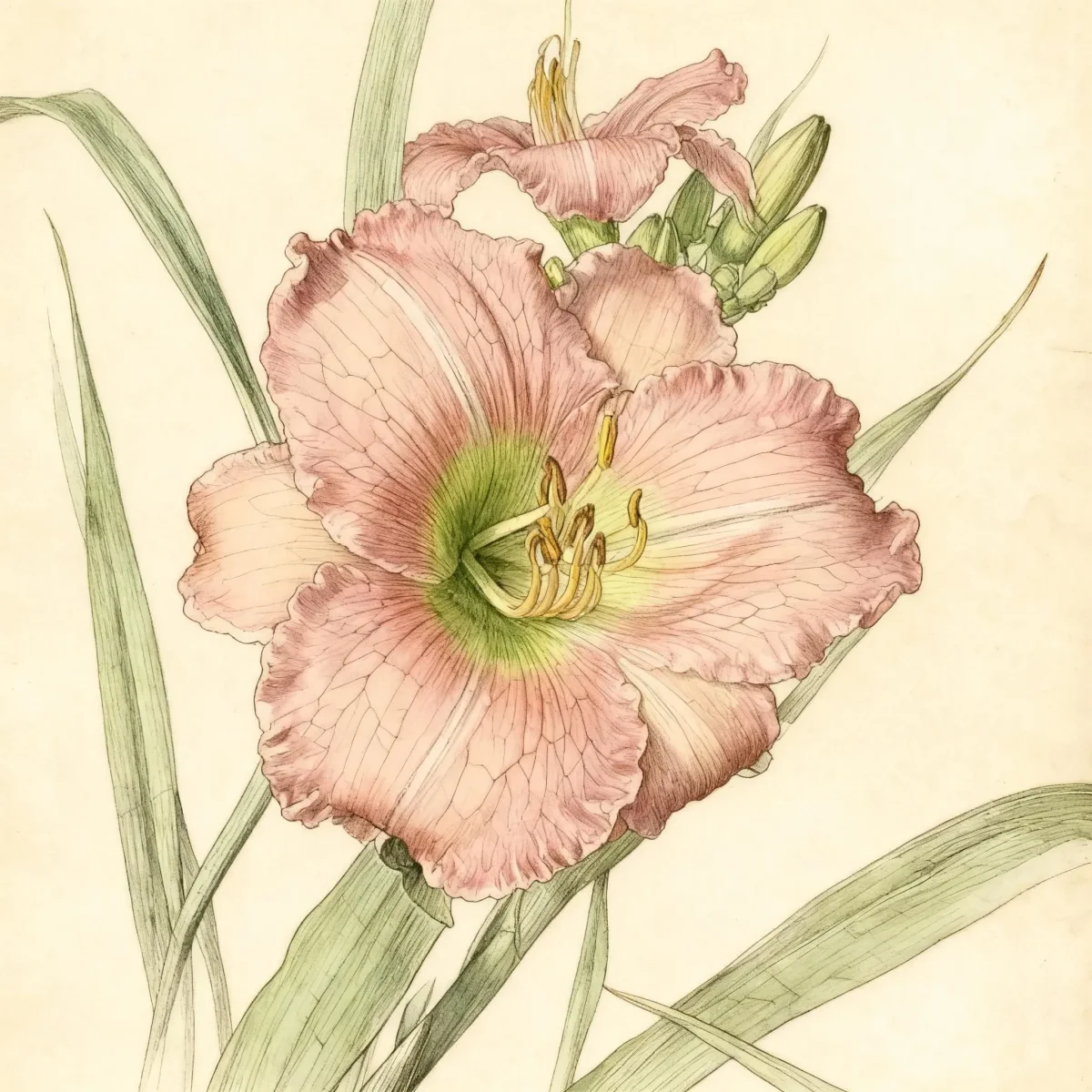
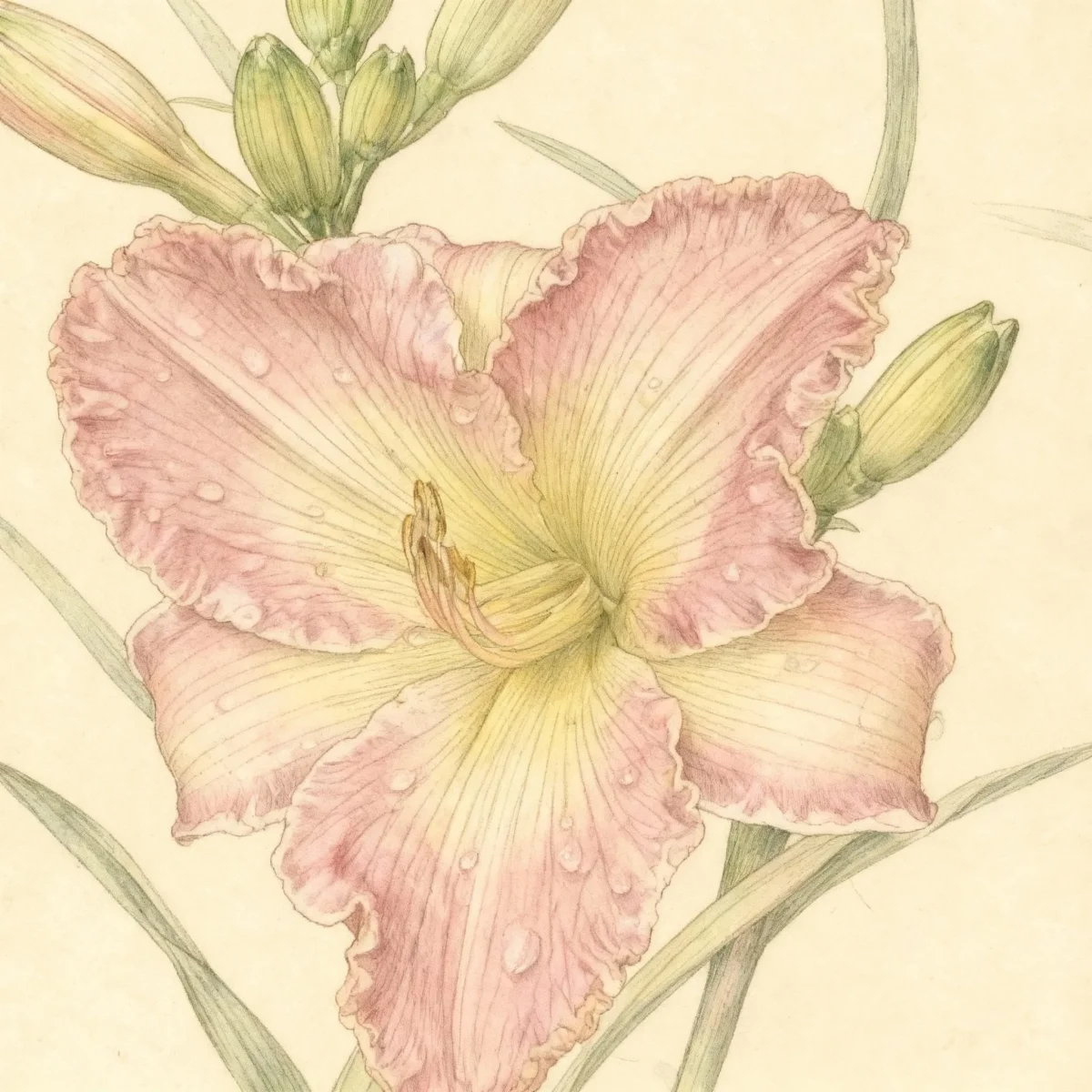
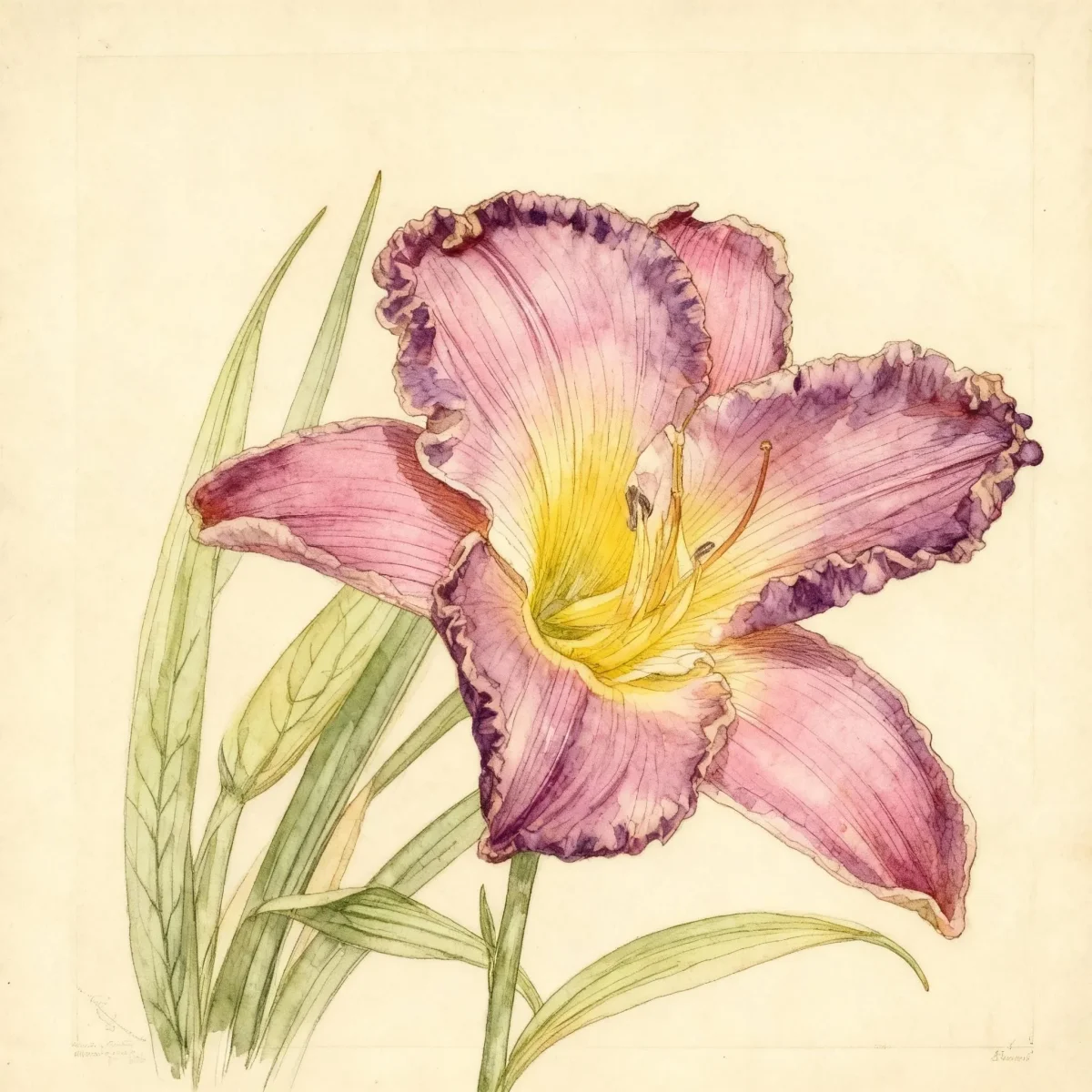
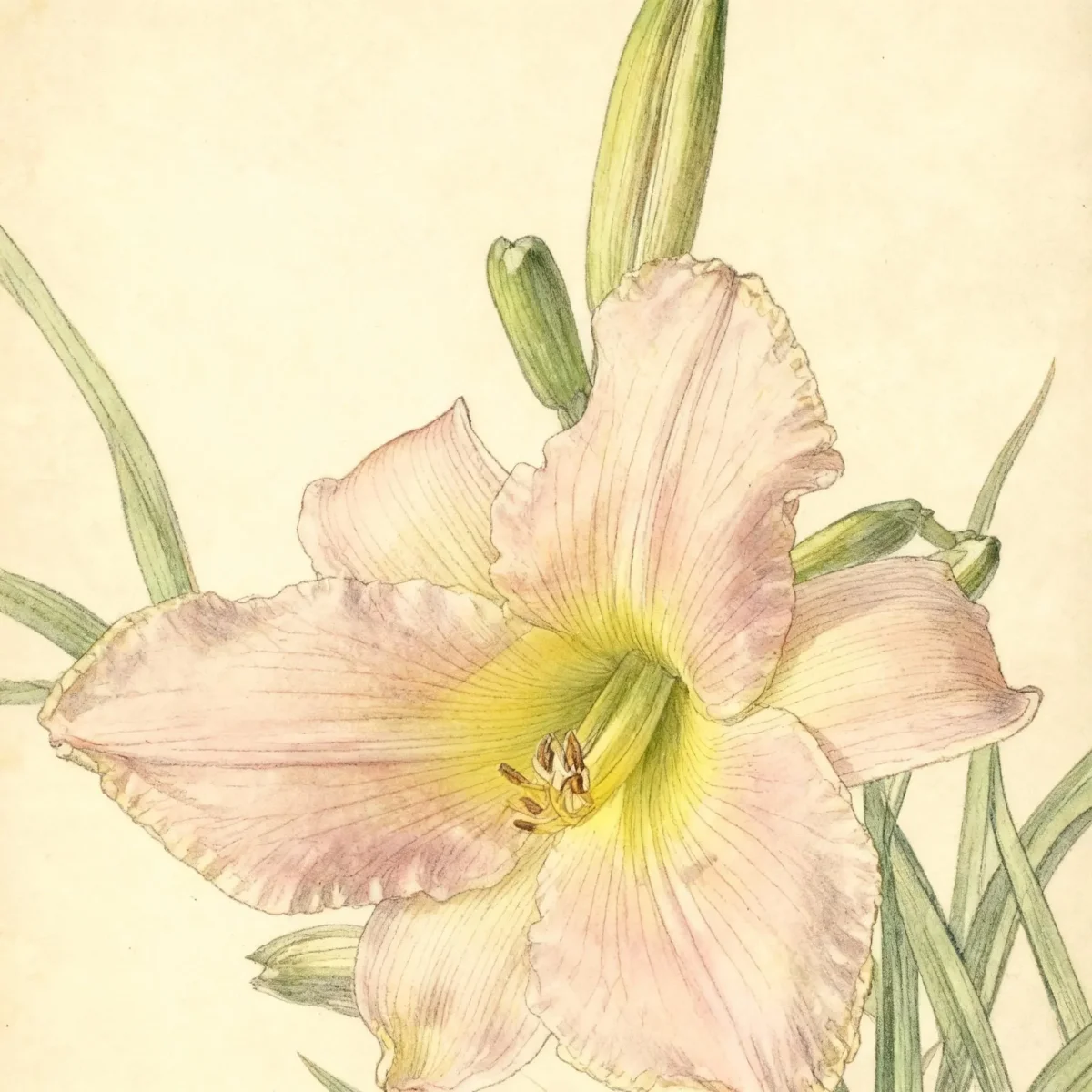
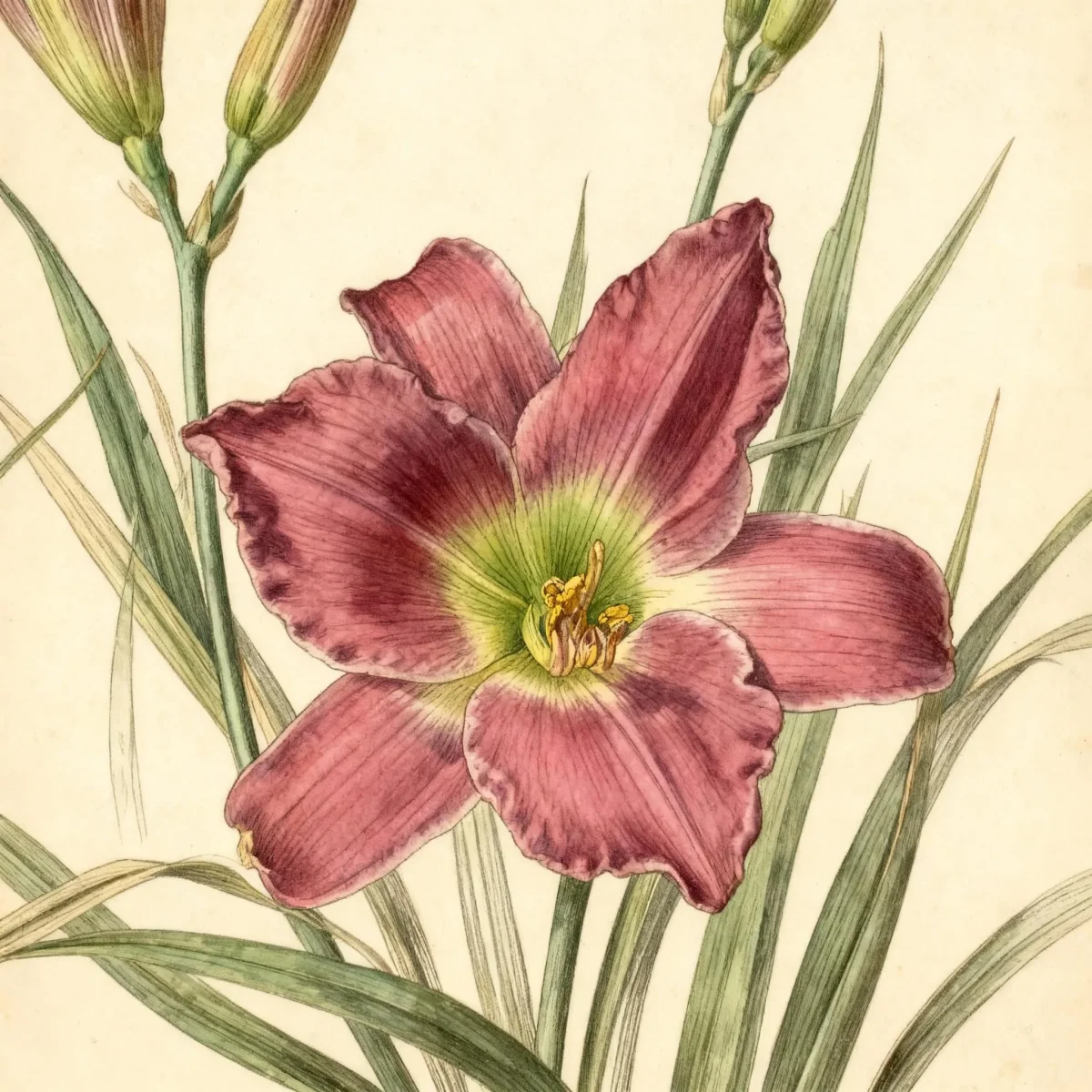
Tetraploid daylily (Hemerocallis 'Crown Royal')
Hemerocallis 'Crown Royal' is a stunning Tetraploid daylily boasting royal purple flowers from May to July.
Scroll down to discover growing tips, care requirements, companion plants, and more
Complete Plant Information
Overview
Hemerocallis ‘Crown Royal’ is a spectacular herbaceous perennial prized for its rich, saturated coloring that brings depth to the garden. This specific cultivar is a highly desirable Tetraploid daylily, known for creating robust clumps of foliage topped by generously sized, richly colored blooms. Gardeners appreciate this plant for its stunning visual impact and relatively easy care requirements throughout the growing season.
The distinctive appeal of Hemerocallis ‘Crown Royal’ centers on its flower display: deep royal purple petals accented with crisp white edges, surrounding a contrasting darker purple eye and a bright yellow-green throat. Flowering commences in May and often continues through July, providing excellent, consistent color that signals true summer enjoyment. As a low-maintenance variety, this Tetraploid daylily establishes quickly and offers reliable performance in a wide range of climates.
Beyond its aesthetic beauty, this daylily offers practical benefits, tolerating heat and humidity well provided it receives adequate moisture during dry spells. Its 2 to 2.5-foot height makes Hemerocallis ‘Crown Royal’ an excellent structural element in perennial beds or along sunny borders, offering gardeners reliable seasonal beauty with minimal fuss.
Fast Facts
- Plant Family: Asphodelaceae
- Plant Type: Herbaceous perennial
- Hardiness Zones: USDA Zones 3-9
- Size at Maturity:
- Height: 2-2.5 ft
- Spread: 1.5-2 ft
- Bloom Time: May to July
- Bloom Description: Royal purple with white edges, darker purple eye and yellow-green throat
- Sun Exposure: Full sun to part shade
- Water Needs: Medium
- Maintenance Level: Low
How to Grow
Planting Hemerocallis ‘Crown Royal’ is best achieved in spring or fall, ensuring the fibrous roots are settled before extreme weather hits. Seek out locations receiving full sun or light afternoon shade, as this maximizes bloom production. Daylilies perform well across various soils but thrive best in deep, fertile loams with consistently medium moisture and excellent drainage.
Ongoing care for this Tetraploid daylily focuses on simple maintenance tasks. Deadhead spent flowers daily if you desire neatness; this encourages more prolific blooming. Once the flowering season ends, remove the entire spent flower scape cleanly. Although tolerant of summer heat, be sure to water deeply during extended dry periods to keep the foliage looking lush and attractive.
For optimal long-term performance, especially in colder regions, plan to divide the clumps of Hemerocallis ‘Crown Royal’ every three to four years. Spring division is generally preferred in very cold climates, such as Zone 3 regions. Remember that hybrid daylilies, including this cultivar, will not breed true from seed, making division the only way to propagate identical plants.
Landscape Uses
Hemerocallis ‘Crown Royal’ excels as an easy-to-grow herbaceous perennial, making it invaluable for large landscape projects where low maintenance is key. Its sturdy habit lends itself perfectly to defining borders, providing a striking, dark-colored line of color against lighter-toned spring bloomers or silvery foliage companions.
Mass planting is highly effective with this cultivar, as the foliage merges to create dense sweeps of green texture punctuated by the deep purple flowers between May and July. It also works well interspersed in cottage garden designs or used as robust edging along walkways where the 2-foot height won’t obscure smaller plants.
Consider pairing the deep tones of this bold Tetraploid daylily with contrasting textures or colors, such as softer pastels, creamy whites, or variegated foliage plants that thrive in similar sun conditions. The resilience of the foliage also makes it a good choice for stabilizing mild erosion on slopes while providing seasonal color.
Standout Features
Flower Qualities
- Showy
Noteworthy Characteristics
Hemerocallis is a genus of herbaceous perennials widely known as daylilies, originating in Asia and central Europe, with modern garden specimens being almost entirely complex hybrids developed by intensive breeding efforts. Each individual flower typically lasts only one day, which is the source of the common name, but plants produce a high volume of blooms successively, ensuring a long overall flowering period. The specialized cultivar, Hemerocallis ‘Crown Royal’, features classic 6-inch diameter blooms in royal purple with strong white edges, contrasting dark eyes, and yellow-green throats, appearing on scapes that stand about 28 inches tall.
Tolerances
- Rabbit
- Erosion
- Air Pollution
Potential Problems
Daylilies are renowned for being adaptable and generally resistant to most pests and diseases, but vigilance can prevent minor issues. Periodically monitor foliage for mites, thrips, or aphids, which can usually be managed with horticultural oils or forceful sprays of water. Daylily rust poses a specific threat in certain humid regions and requires diligent monitoring of the foliage. On the positive side, rabbits tend to find the foliage unpalatable, offering a natural form of protection for this species.
Frequently Asked Questions
What hardiness zones is Tetraploid daylily ‘Crown Royal’ suitable for?
Hemerocallis ‘Crown Royal’ performs reliably across a broad range, thriving in USDA Zones 3 through 9.
How large does Hemerocallis ‘Crown Royal’ grow?
This cultivar typically reaches a height between 2 and 2.5 feet and spreads to about 1.5 to 2 feet wide at maturity.
What sun exposure does Hemerocallis ‘Crown Royal’ need?
For the most prolific display of royal purple blooms, this daylily requires full sun, though it will tolerate partial shade.
When does the Tetraploid daylily ‘Crown Royal’ bloom?
The blooms appear early in the season, usually starting in May and continuing into July, featuring its signature royal purple coloration.
Conclusion
Hemerocallis ‘Crown Royal’ remains a top choice for gardeners seeking reliable bursts of intense color coupled with very low maintenance requirements. Its stunning royal purple flowers make this Tetraploid daylily an indispensable feature in any perennial border or mass planting scheme. Check your local USDA zone compatibility and plan to incorporate this beautiful cultivar into your garden beds next planting season for guaranteed summer color.
Companion Planting
Choosing appropriate partners enhances the display of Hemerocallis ‘Crown Royal’ throughout the growing season. Because this daylily occupies the mid to back layer of a border, pair it with shorter, early-season bloomers whose foliage fades neatly, such as bearded iris or peonies, whose spent foliage will cover the area as the daylily finishes its primary flush.
For summer contrast, select companions that appreciate similar moisture and sun levels but offer different textures or colors. Silver-leaved plants, like Lamb’s Ears (Stachys byzantina), provide a striking foil to the dark purple blooms. Alternatively, consider pairing it with plants that bloom later, such as tall coneflowers (Echinacea) or Sedums, to ensure continuous visual interest after the daylily cycle concludes.
Seasonal Care Calendar
Spring Cleanup (Early Spring): As dormancy breaks, remove any remaining winter debris around the base of your Hemerocallis ‘Crown Royal’ clumps. This is the ideal time to divide overcrowded plants, typically every 3-4 years, ensuring the division occurs before new active growth gets too tall.
Summer Maintenance (June - August): Focus on deadheading spent flowers daily to encourage maximum repeat blooming and maintain a tidy appearance. If summer heat is intense, apply deep watering to maintain medium soil moisture, especially as the foliage begins to look stressed.
Fall/Winter Prep (Late Fall): In colder zones (3-6), allow the foliage to die back naturally; however, if the foliage remains unsightly, you may cut it back to several inches above the crown after the first hard frost. This plant requires a cold period to ensure strong dormancy and good performance the following year.