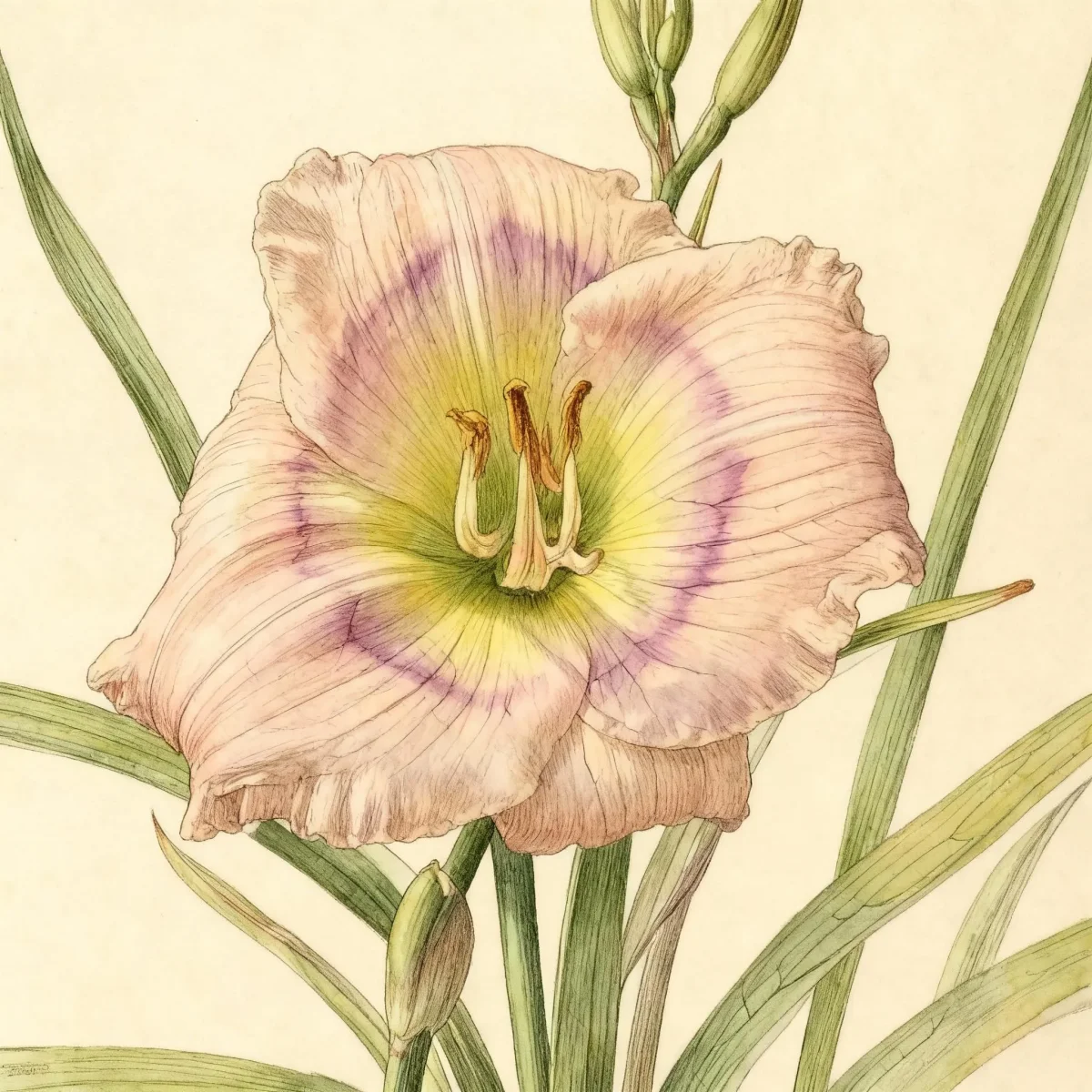
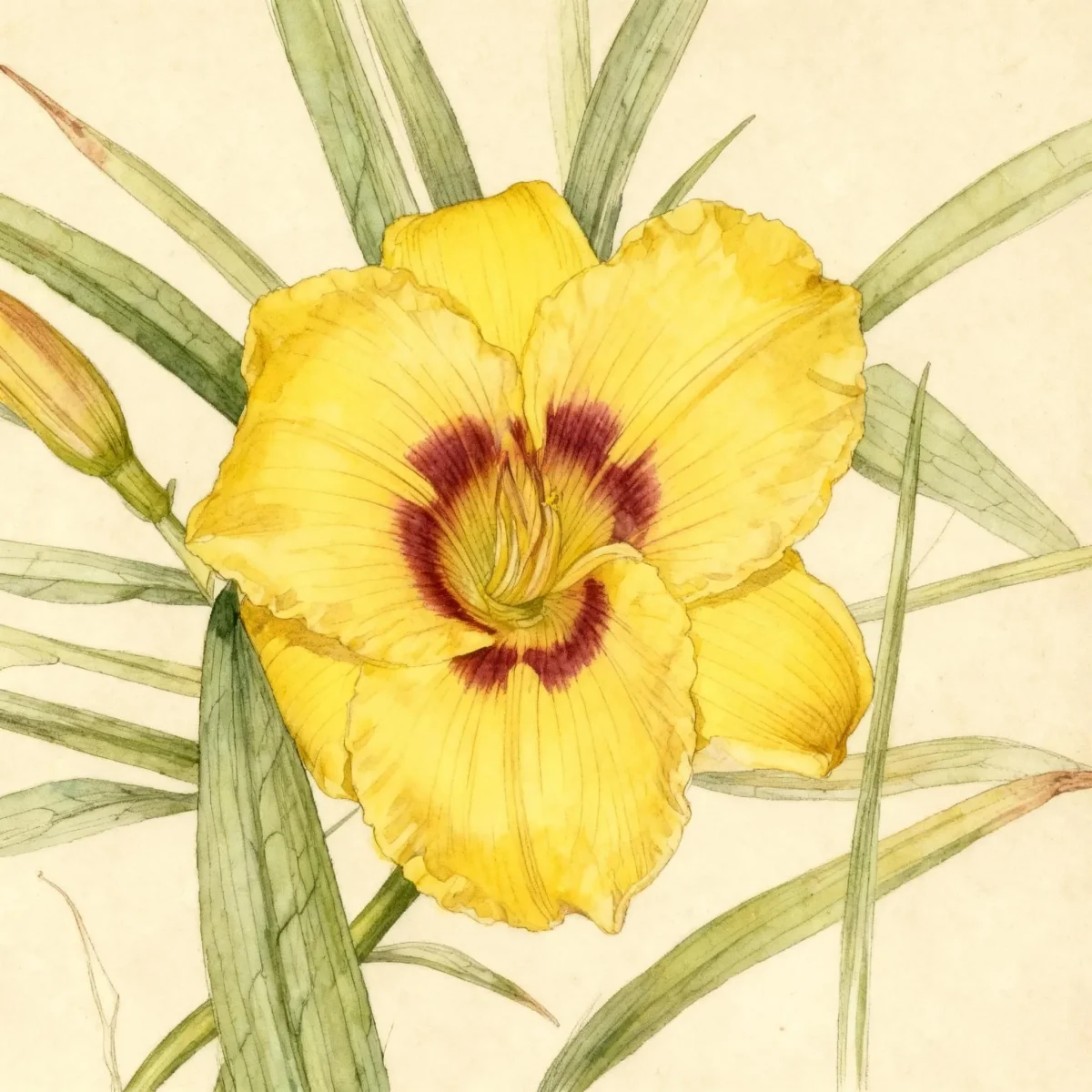
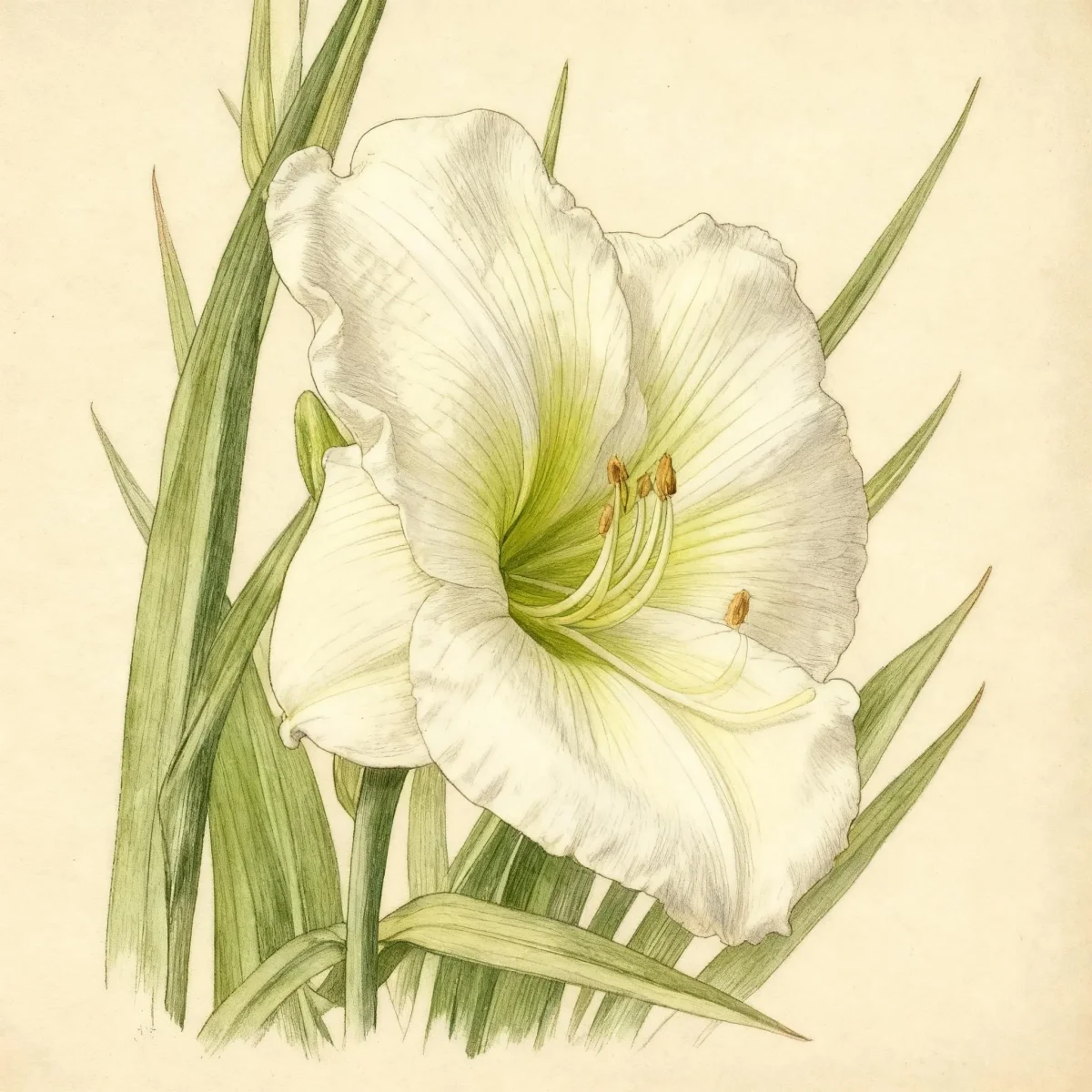
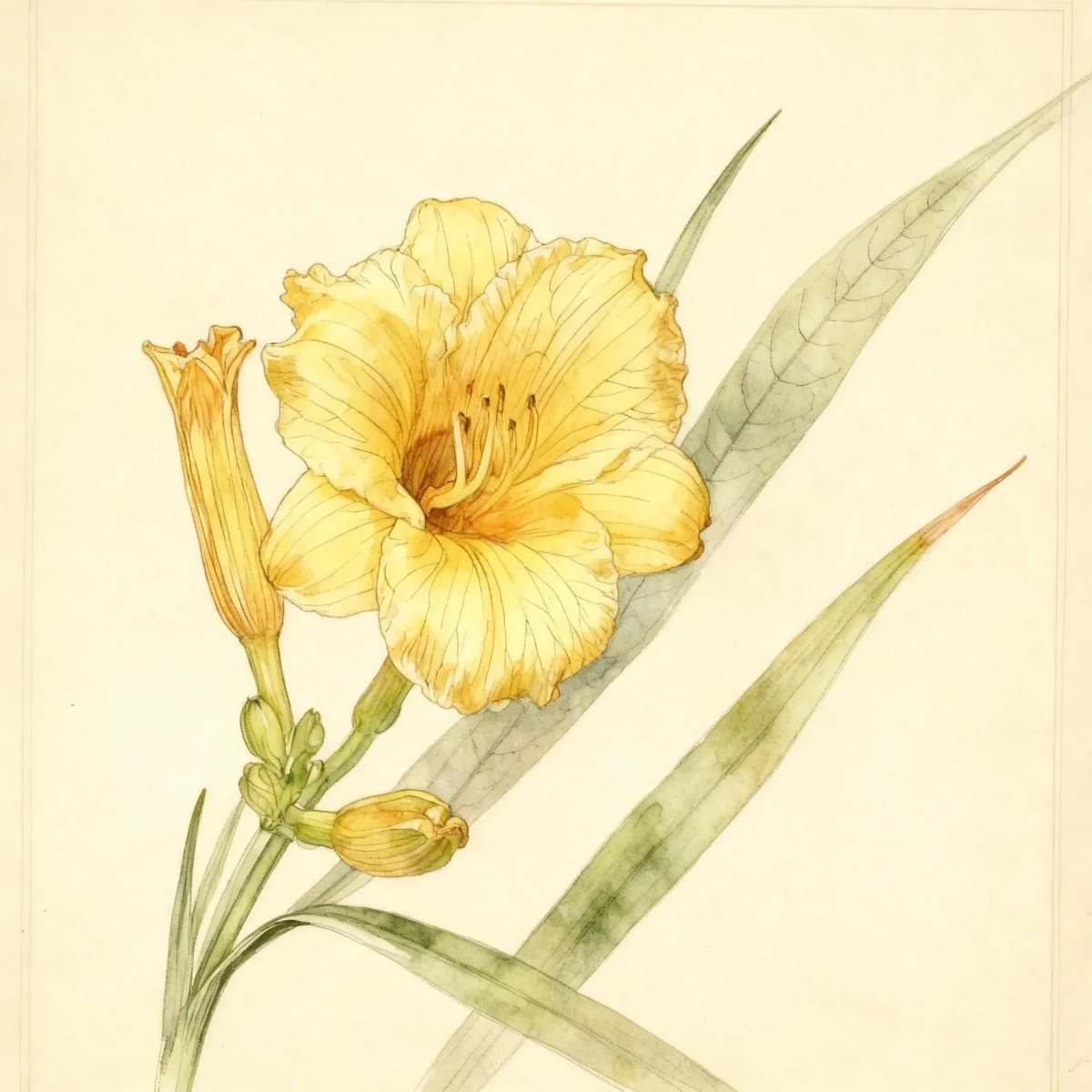
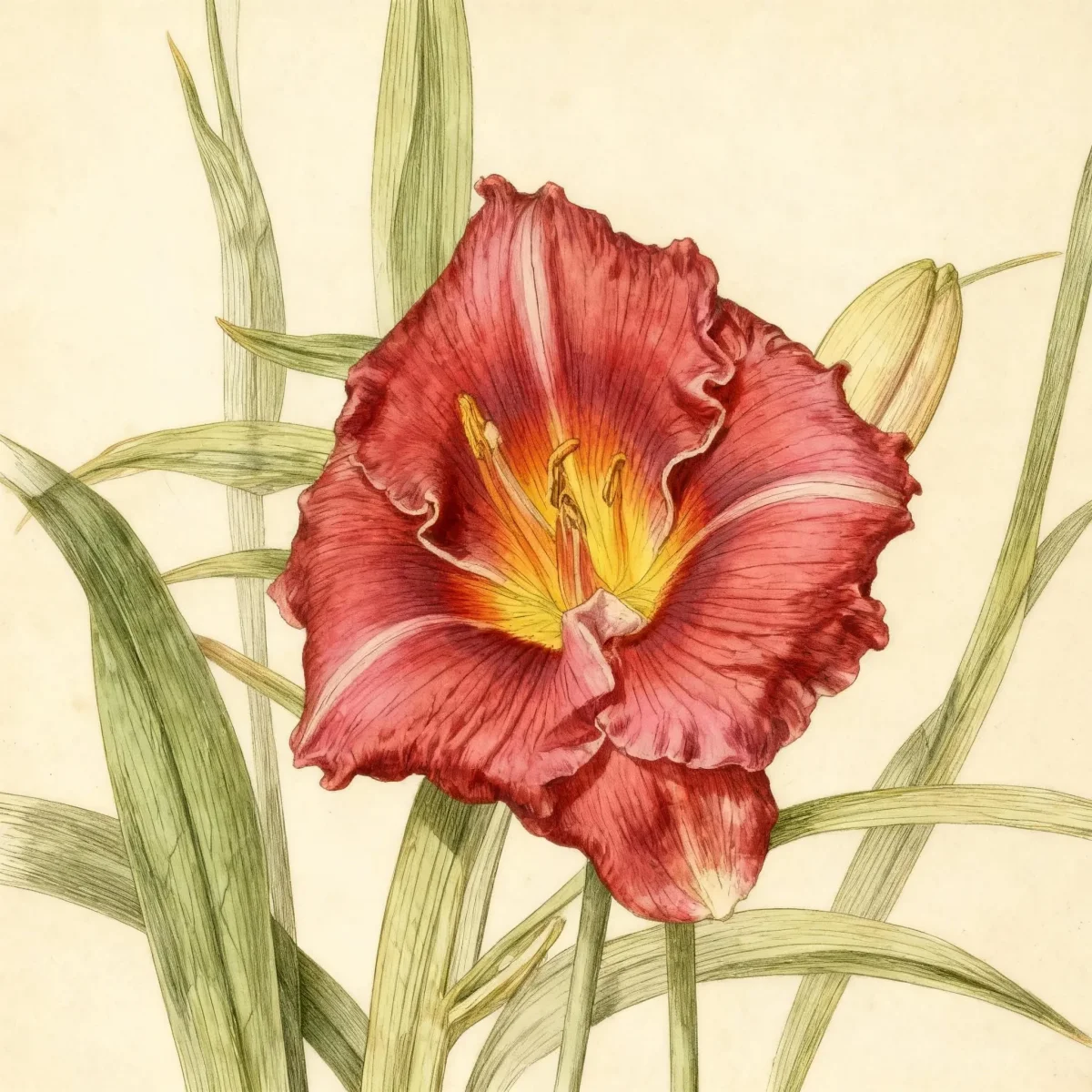
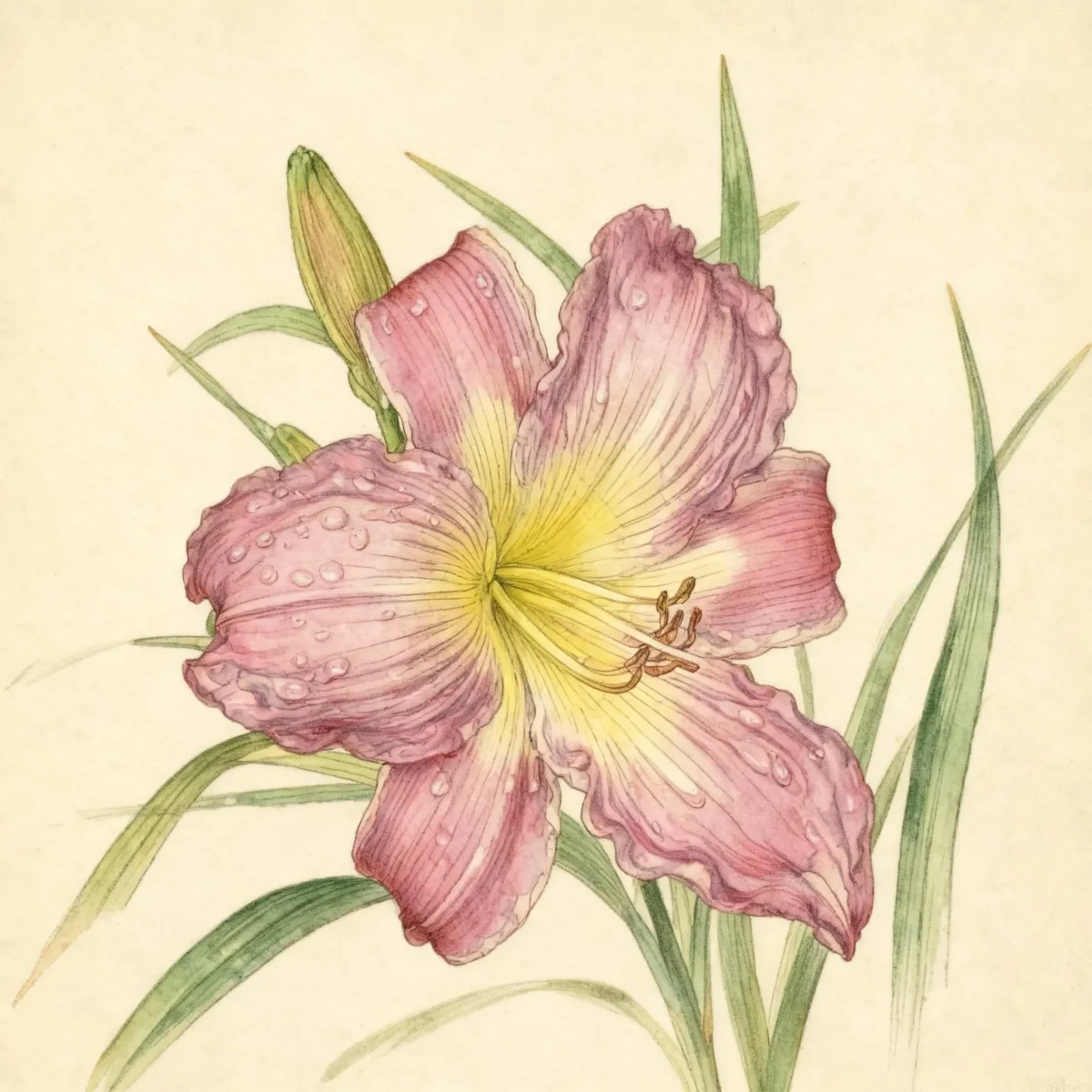
Daylily (Hemerocallis 'Double Doodah')
Hemerocallis 'Double Doodah' is a low-maintenance Daylily producing apricot blooms. Hardy in Zones 3-9.
Scroll down to discover growing tips, care requirements, companion plants, and more
Complete Plant Information
Overview
Hemerocallis ‘Double Doodah’ is a highly adaptable and cherished diploid Daylily, prized by gardeners for its reliable mid-season blooms of apricot color accented by a delicate lavender eye. As a classic herbaceous perennial, it offers significant visual impact without demanding excessive upkeep, fitting well into busy gardening schedules. This cultivar is an excellent feature plant, contributing rich color and texture to summer borders.
This Daylily thrives across a wide temperature spectrum, making it suitable for USDA Zones 3 through 9, providing long-term satisfaction where many other perennials might struggle. Its structural, grass-like clump of foliage offers consistent visual mass, even when not actively flowering, while the relatively low height (1.5 to 2 feet) makes it manageable for edge plantings or mid-border placement.
Gardeners seeking reliable performance and beautiful, if fleeting, individual blossoms will appreciate Hemerocallis ‘Double Doodah’. Its ability to tolerate heat, humidity, and various soil types—provided drainage is adequate—underscores why the Daylily remains one of the most popular perennial genera worldwide. Proper division every few years ensures vigorous flowering for years to come.
Fast Facts
- Plant Family: Asphodelaceae
- Plant Type: Herbaceous perennial
- Hardiness Zones: USDA Zones 3-9
- Size at Maturity:
- Height: 1.5-2 ft
- Spread: 1.5-2 ft
- Bloom Time: June to July
- Bloom Description: Apricot with lavender eye
- Sun Exposure: Full sun to part shade
- Water Needs: Medium
- Maintenance Level: Low
How to Grow
Planting Hemerocallis ‘Double Doodah’ is best done in spring or fall, although spring is preferred in the coldest regions like those around St. Louis. Select a location that receives full sun to light afternoon shade, ensuring the soil is well-drained. While Daylilies are adaptable, they perform best when planted in deep, fertile loams with medium moisture retention. Ensure the crown (the point where roots meet the leaves) is planted level with the soil surface.
Routine care for this Daylily is minimal. Deadhead spent flowers daily to maintain neatness and remove the entire spent scape once blooming is complete late in the season. While Daylilies tolerate heat well, provide a deep watering during extended dry spells to keep the foliage looking fresh and prevent stress. Fertilization is rarely necessary if the soil is already fertile; excessive nitrogen can lead to lush foliage but fewer blooms.
Hemerocallis ‘Double Doodah,’ being a winter-dormant type, requires a cold period and is generally not recommended for the warmest parts of Zone 9 and higher unless efforts are made to provide artificial dormancy. To maximize blooming performance, plan to divide the dense clumps every three to four years. This division, best carried out in spring in cold climates, rejuvenates the plants and prevents overcrowding. Note that saving seeds from hybrid daylilies will not produce plants true to the parent cultivar.
Landscape Uses
The aesthetic versatility of the Daylily makes Hemerocallis ‘Double Doodah’ an excellent choice for diverse landscape designs. Their clumping habit and sword-like foliage create excellent structure along borders, providing a defined edge along walkways or driveways. They are frequently used for mass plantings over large areas where their consistent color pops uniformly throughout the season.
Due to their relatively compact mature size, these Daylilies are effective for softening the hard lines of foundational plantings or as transition plants between taller shrubs and low groundcovers. Many gardeners utilize them in mixed perennial beds, pairing them with plants that share similar sun and water needs, such as salvias, coneflowers, or ornamental grasses. In mass plantings, they create stunning drifts of apricot color that are easy to maintain.
Historically, Daylilies were often relegated to utilitarian sight lines, but modern cultivars like Hemerocallis ‘Double Doodah’ are now centerpieces. Even the smaller varieties excel in rock gardens or used as accents near water features, provided drainage remains excellent.
Standout Features
Flower Qualities
- Showy
Noteworthy Characteristics
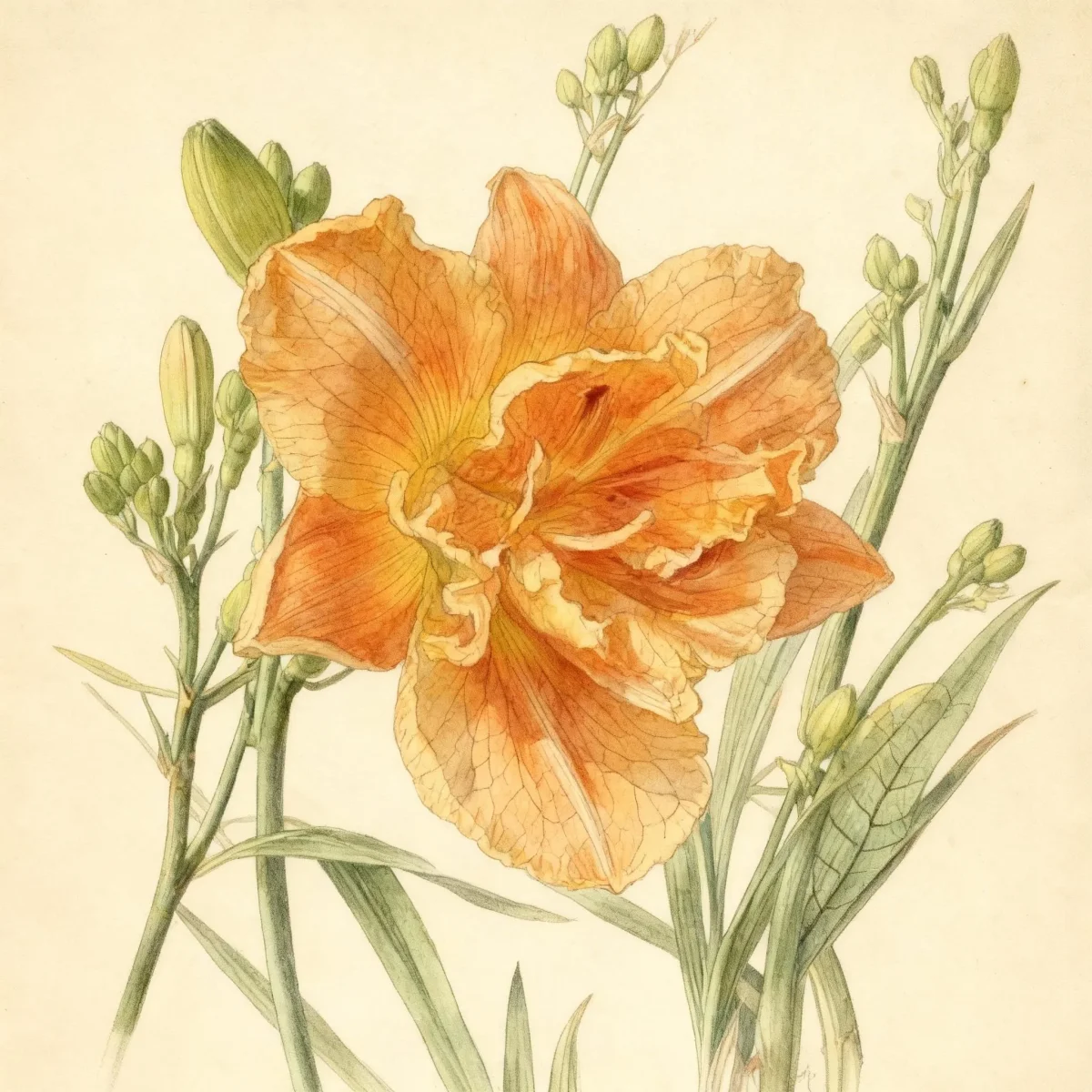
Hemerocallis is a genus of herbaceous perennials commonly known as daylilies, stemming from Asian and European origins, with modern garden forms being almost exclusively hybrids developed by dedicated hybridizers. Each individual flower lasts only one day—hence the name—but the successional blooming ensures the plant remains colorful for an extended period. Hemerocallis ‘Double Doodah’ is a diploid cultivar noted specifically for its 3.5-inch apricot flowers accented by lavender eye zones, blooming reliably atop narrow, arching foliage.
Tolerances
- Rabbit
- Erosion
- Air Pollution
Potential Problems
Daylilies are celebrated for being extremely adaptable and enjoying a relatively pest-free existence, which contributes to the low maintenance level of Hemerocallis ‘Double Doodah’. If pests do appear, the most common intruders are occasional mites, aphids, or thrips, which usually do not cause permanent damage. In humid climates, Daylily rust can occasionally become an aesthetic concern, requiring minor fungicidal treatment if it persists. Proactive care, such as ensuring excellent air circulation and avoiding overhead watering, helps minimize fungal issues. Rabbits generally find the foliage unappetizing.
Frequently Asked Questions
What hardiness zones is Daylily suitable for?
Hemerocallis ‘Double Doodah’ grows well in USDA Zones 3 through 9.
How large does Daylily grow?
This cultivar typically reaches a height between 1.5 and 2 feet, with a spread of 1.5 to 2 feet at maturity.
What sun exposure does Hemerocallis ‘Double Doodah’ need?
It performs best when situated in a spot that receives full sun to moderate part shade conditions.
When does Daylily bloom?
The bloom time for Hemerocallis ‘Double Doodah’ is generally June through July, featuring its signature apricot with lavender eye coloration.
Conclusion
Hemerocallis ‘Double Doodah’ offers gardeners reliability, vibrant mid-season color, and exceptional ease of care, cementing its status as a garden favorite. Whether used for its structure in borders or its namesake beauty as a Daylily, this cultivar simplifies summer perennial maintenance. Before planting, ensure your site falls within USDA Zones 3-9 and confirm soil drainage is adequate for optimal performance of your new plants.
Companion Planting
Choosing companions carefully enhances the aesthetic appeal of Hemerocallis ‘Double Doodah’ while ensuring cultural needs match. Since Daylilies prefer medium moisture and fertile soil, pairing them with sturdy companions that perform similarly prevents maintenance mismatches. Consider planting them alongside Siberian Iris or Peonies; these plants bloom slightly earlier or later, providing sequential interest in the same area while sharing similar preferences for sun and division timing.
For textural contrast, grasses or plants with fine foliage work excellently. Russian Sage (Perovskia atriplicifolia) or ornamental grasses offer height and movement that counter the solid, arching blades of the Daylily foliage, creating a dynamic border display throughout the summer months.
Propagation Tips
While hybrid daylilies like Hemerocallis ‘Double Doodah’ will not grow true to type from seed, propagation is easily achieved through division. This process is crucial for maintaining vigor, as dense clumps become choked over time, leading to fewer flowers. The best time for division is early spring, especially in colder climates, allowing the plant to establish new roots before summer heat sets in.
To divide, carefully dig up the entire clump using a garden fork, keeping intact as much of the root ball as possible. Next, use a sharp shovel or spade to slice the clump into smaller sections, ensuring each division has several fans (leaf growth points) attached to a healthy root mass. Replant these divisions immediately at the correct depth, ensuring the crown sits right at the soil line.
Design Ideas for Apricot Blooms
The apricot color of Hemerocallis ‘Double Doodah’ is softer yet highly visible, making it versatile for various garden styles. In cottage gardens, allow them to weave through taller flowering shrubs, letting the Daylily foliage provide a green skirt below. Their mid-height stature (1.5-2 ft) makes them perfect for the front-to-middle transition zone in a mixed border, ensuring they are visible but do not obscure shorter foreground plants.
For contemporary designs, use Daylilies in large, repeating blocks of color. Planting a sweep of Hemerocallis ‘Double Doodah’ alongside deep purple salvias or silver-leafed artemisias maximizes the visual pop of the apricot hue. These bold drifts create restful, unified color masses that read well from a distance.
Seasonal Care Calendar
Spring cleanup is essential for dormant Daylilies. Once new growth begins to emerge after the last hard freeze, cut back any old, dead foliage from the previous year to allow fresh leaves room to grow and improve air circulation. Summer features monitoring moisture; while maintenance is low, deep watering during dry spells ensures the foliage of the Hemerocallis ‘Double Doodah’ remains attractive. In autumn, clean up spent scapes and foliage as the plant naturally goes dormant, preparing it for winter.