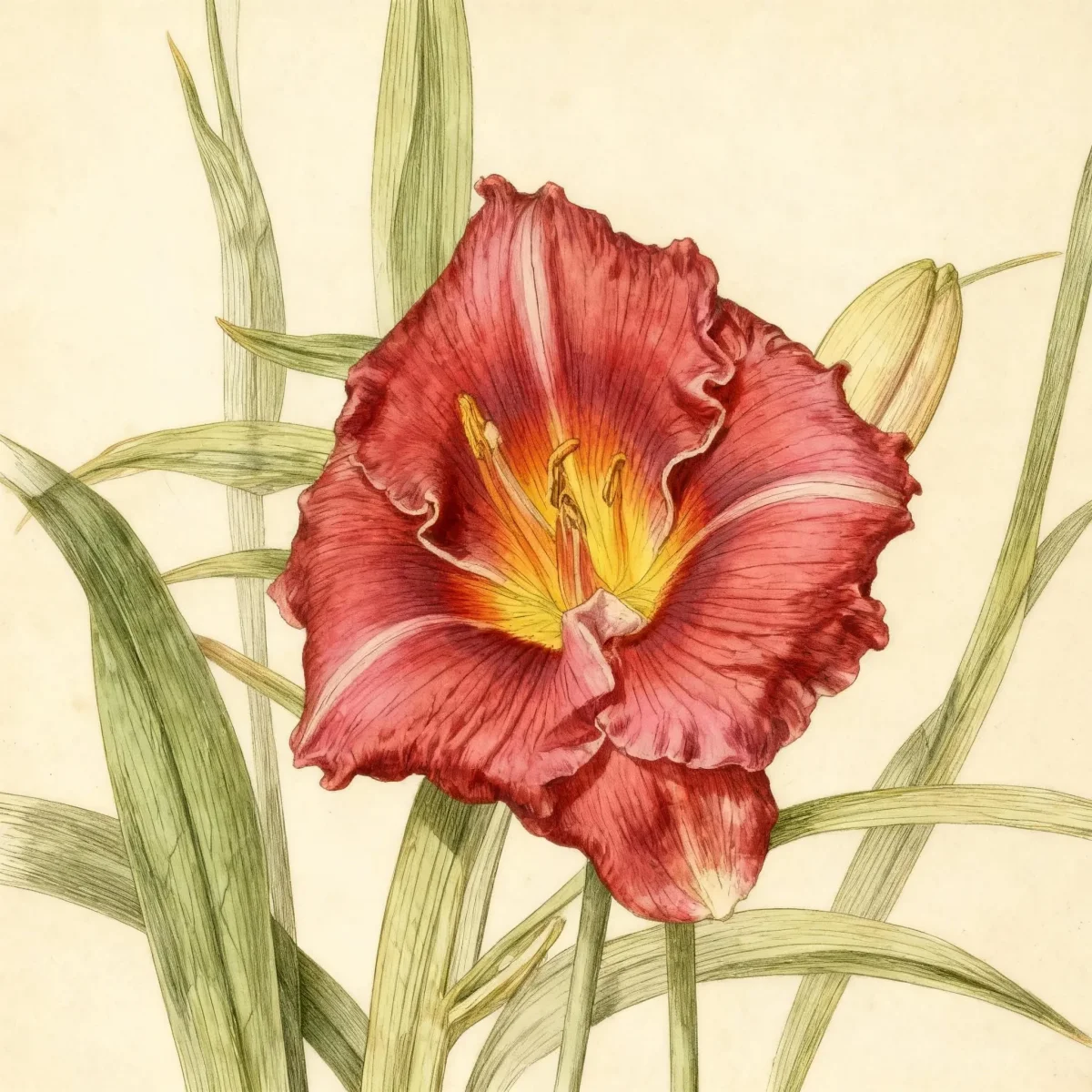
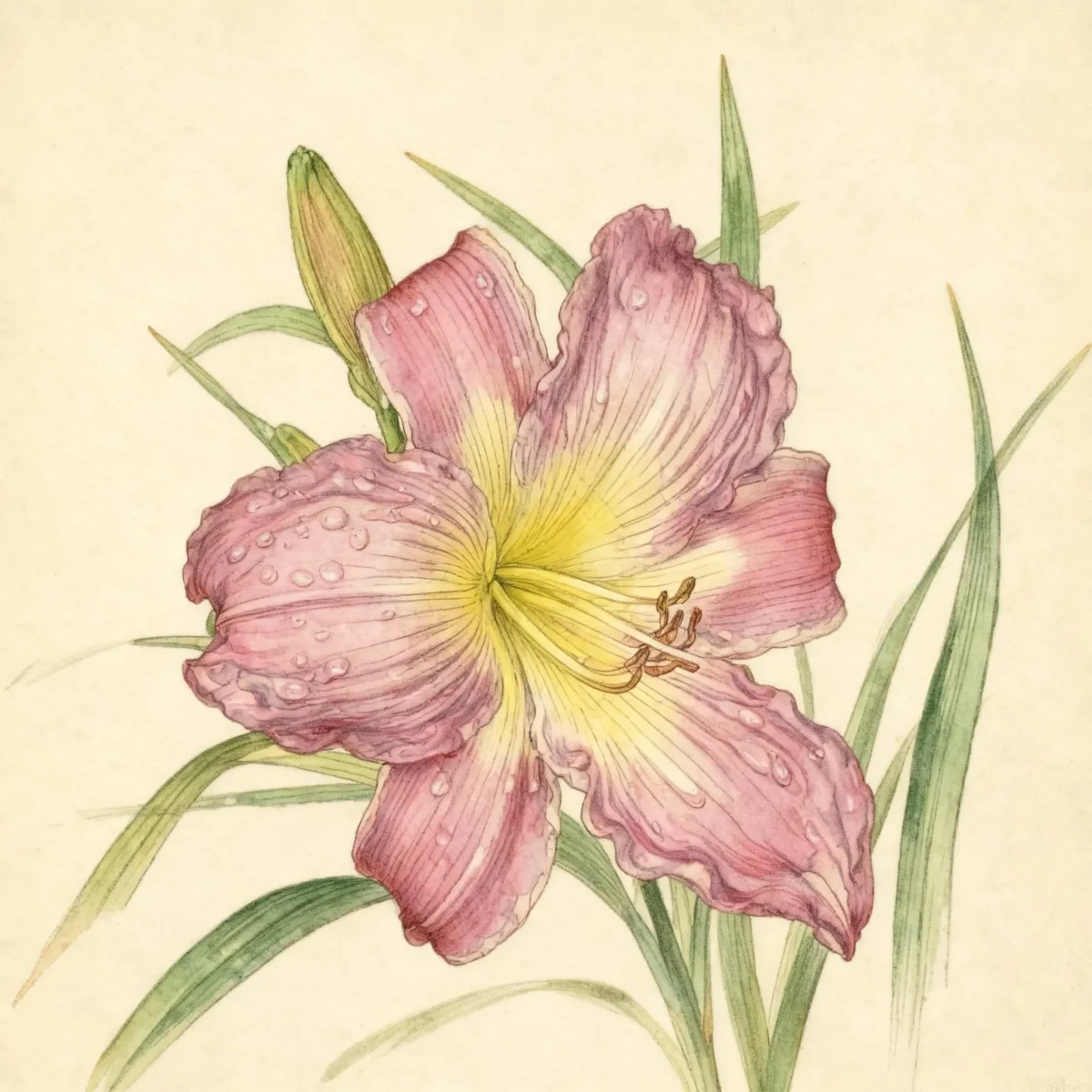
Daylily (Hemerocallis 'Eenie Weenie')
Hemerocallis 'Eenie Weenie' is a dwarf Daylily offering prolific May-July blooms. Low maintenance, rabbit resistant.
Scroll down to discover growing tips, care requirements, companion plants, and more
Complete Plant Information
Overview
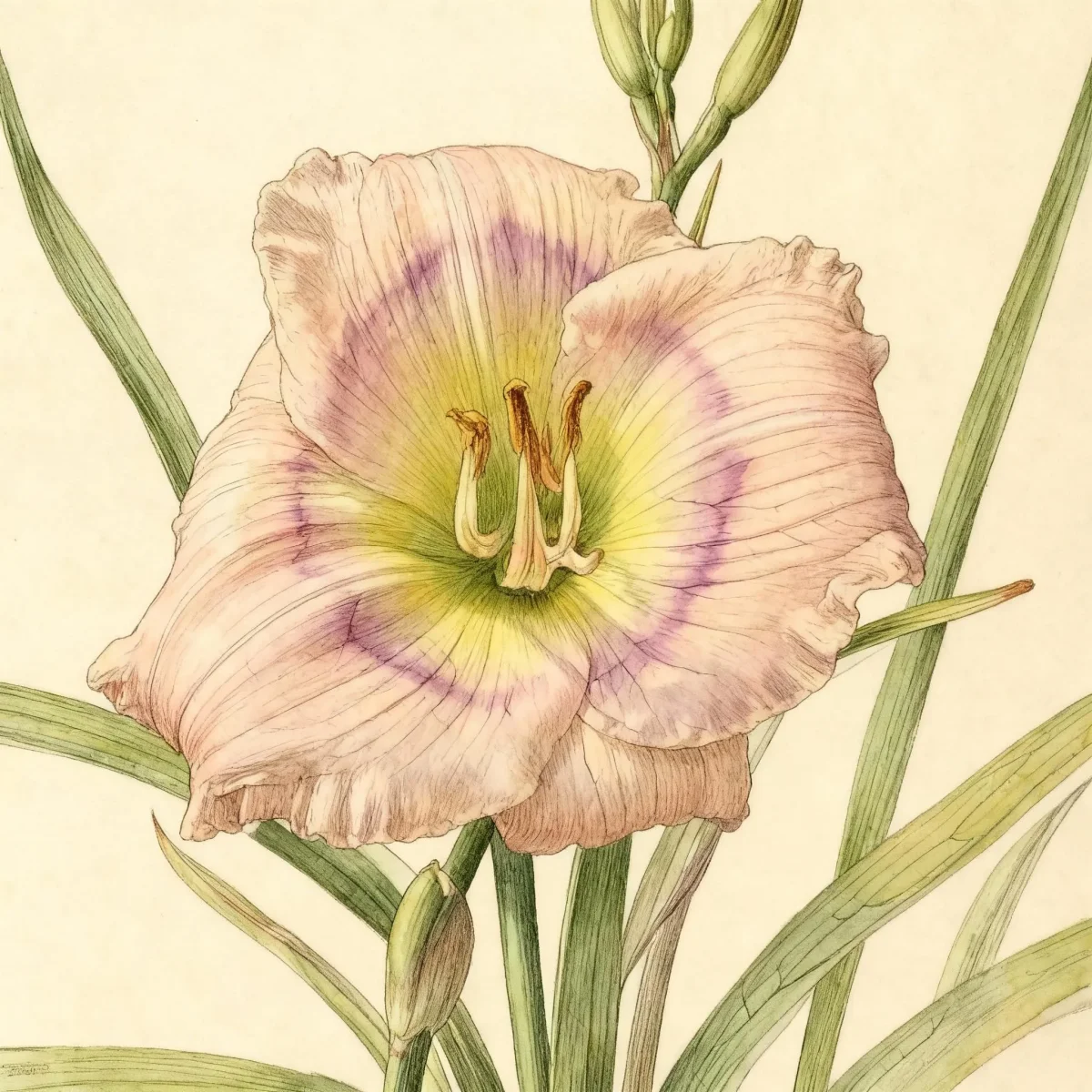
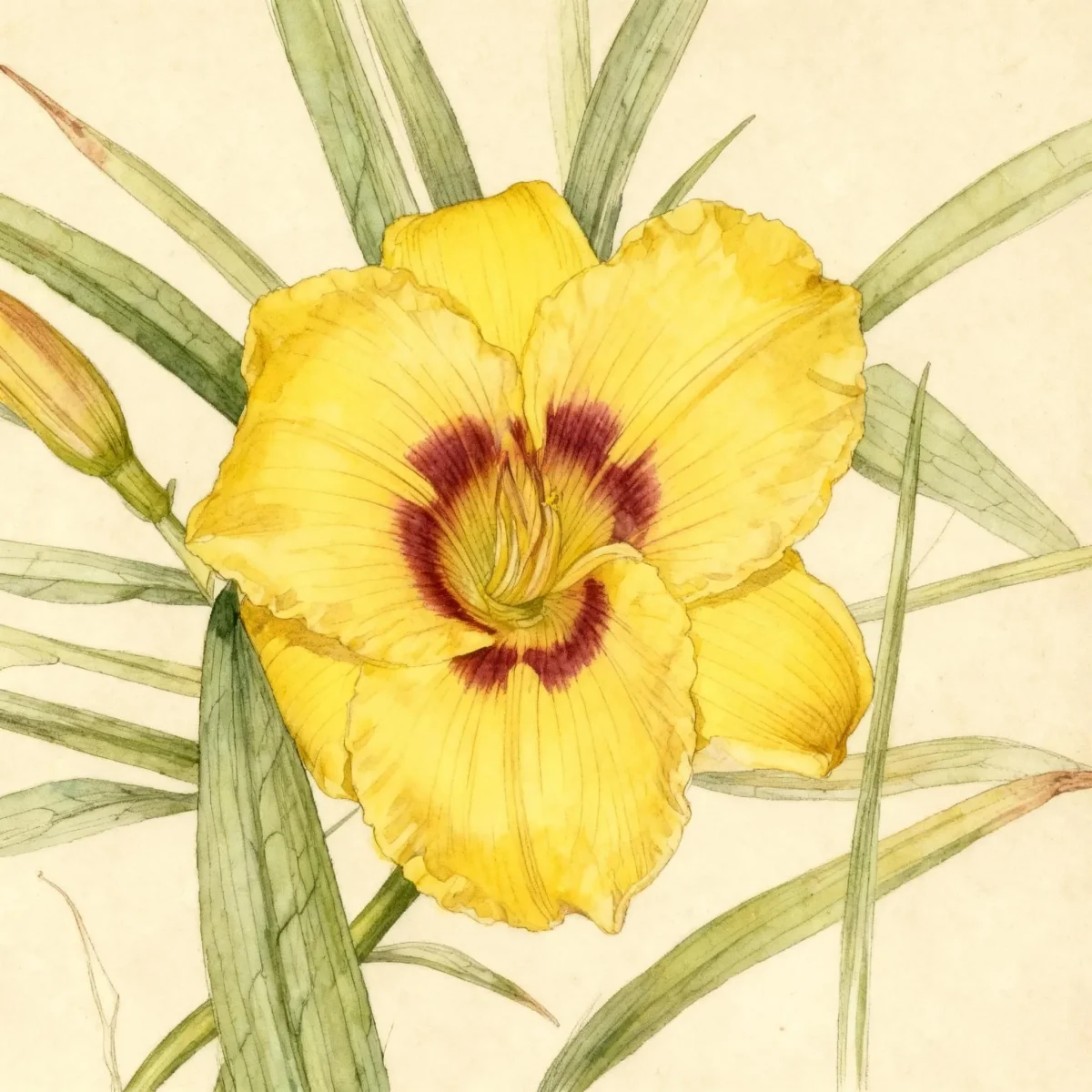
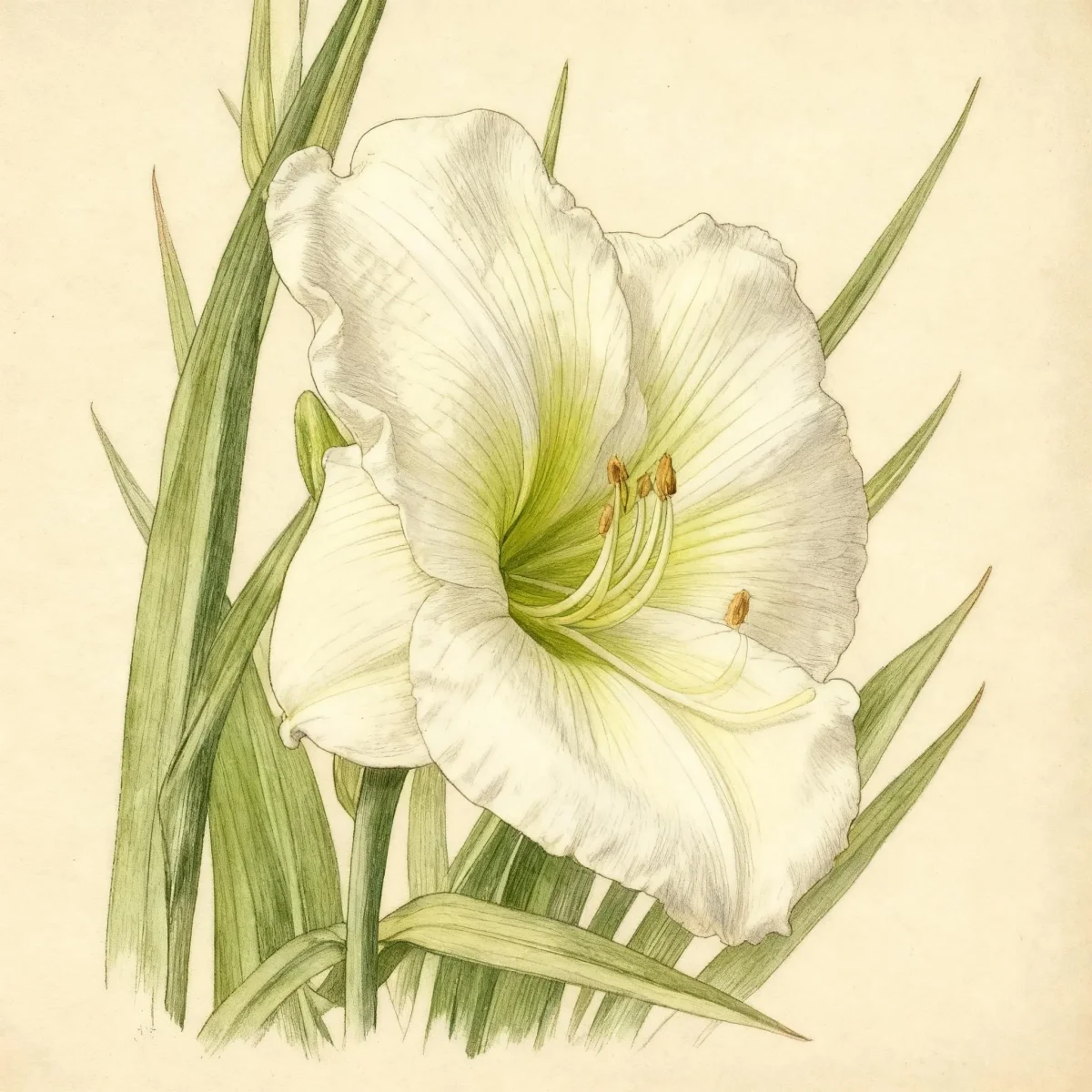
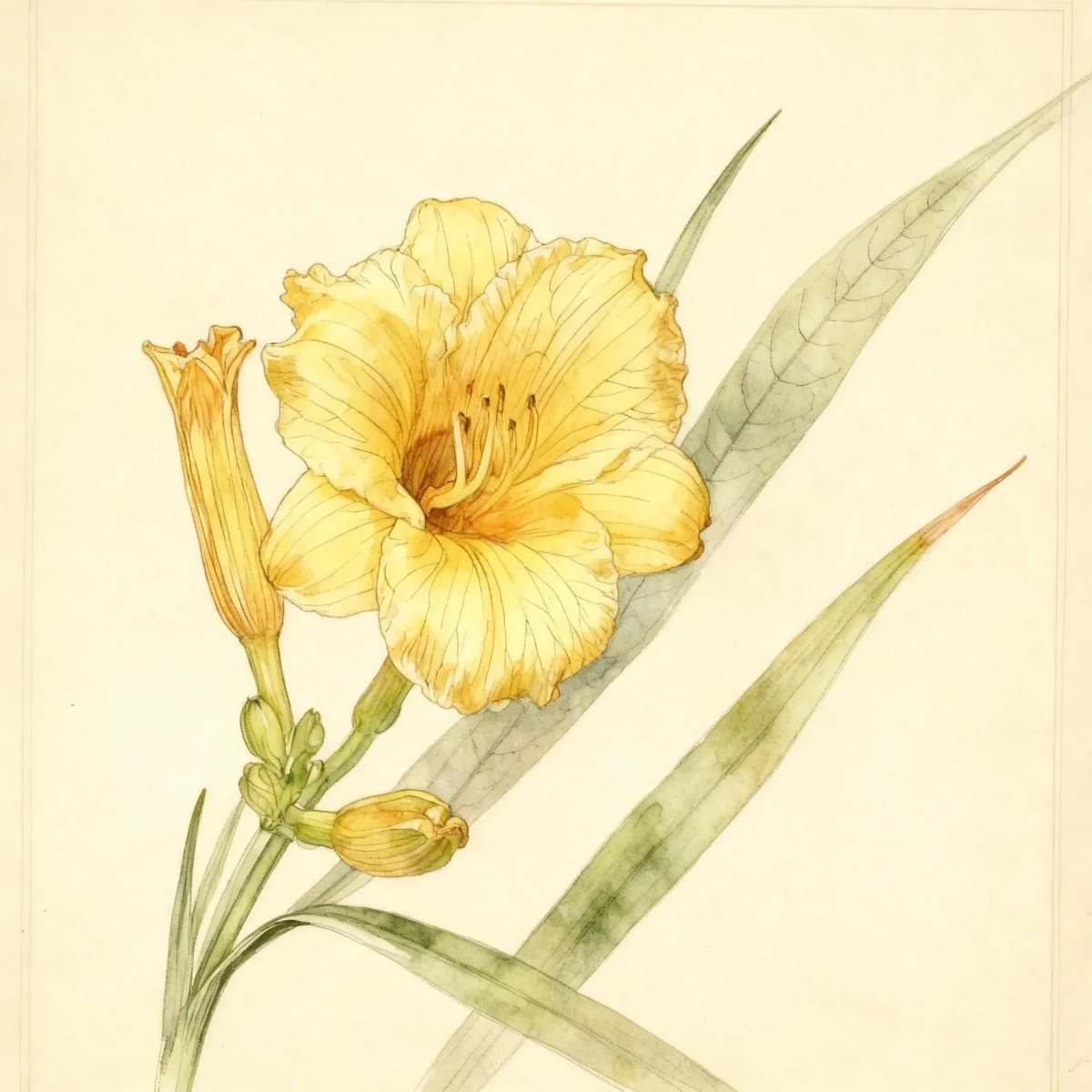
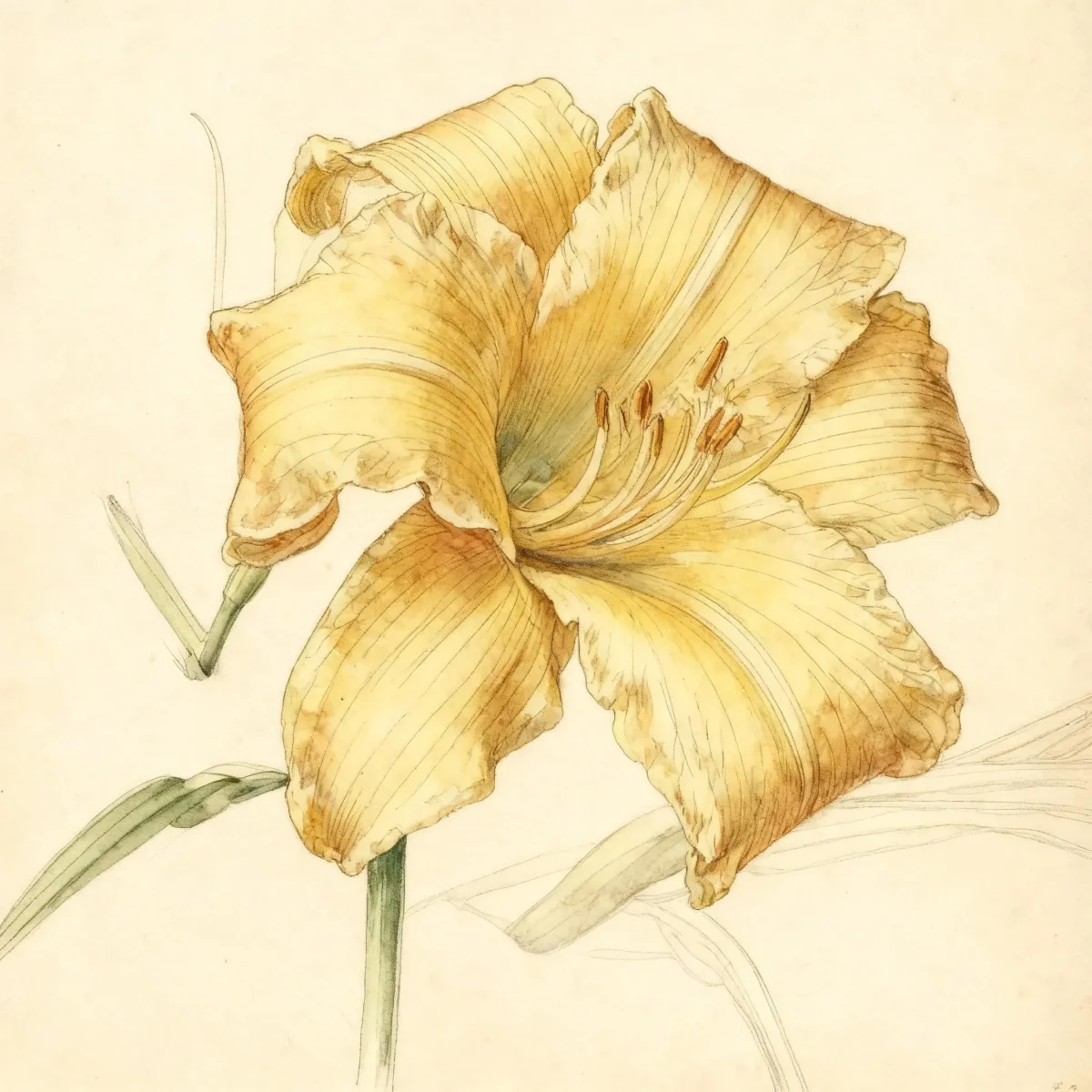
Hemerocallis ‘Eenie Weenie’ is a highly prized miniature Daylily, celebrated by gardeners for its compact size and reliable performance across many climates. This variety forms dense clumps of arching, blade-like foliage, crowned by cheerful, bright yellow flowers featuring distinctive green throats. As a dwarf cultivar, Hemerocallis ‘Eenie Weenie’ offers maximum impact in small spaces without the sprawling habit sometimes associated with larger Daylily types.
This herbaceous perennial is noted for its low maintenance needs and exceptional adaptability, thriving in conditions ranging from full sun to partial shade once established. Growers appreciate its resistance to common garden pests like rabbits, making it a resilient addition to borders or foundation plantings.
The extended bloom period, running from May through July, ensures lasting color, and its repeat blooming capability provides successive flushes of beauty throughout the season. Planting this Daylily guarantees a dependable source of vibrant color that requires minimal fuss from the dedicated gardener.
Fast Facts
- Plant Family: Asphodelaceae
- Plant Type: Herbaceous perennial
- Hardiness Zones: USDA Zones 3-9
- Size at Maturity:
- Height: 0.75-1 ft
- Spread: 0.75-1 ft
- Bloom Time: May to July
- Bloom Description: Yellow with a green throat
- Sun Exposure: Full sun to part shade
- Water Needs: Medium
- Maintenance Level: Low
How to Grow
This Daylily thrives when planted in average, medium-moisture, well-drained soils, although it shows a preference for deep, fertile loams for peak performance. Schedule planting for either spring or fall, ensuring that the crown sits just at or slightly below the soil surface. Hemerocallis ‘Eenie Weenie’ handles summer heat and humidity well, but deep watering during extended dry spells keeps the foliage looking its best.
Maintenance for this cultivar is straightforward. Deadhead spent flowers daily to maintain a neat appearance and remove the entire flower stalk (scape) once blooming ceases for the season. Hybrid daylilies like this one will not grow true to type if propagated by seed, meaning division is the primary method of asexual reproduction.
Divide clumps every three to four years, preferably in the spring in colder areas, to refresh vigor and prevent overcrowding. As a potentially dormant type, this Daylily enjoys the cold winter period necessary for robust blooming, though foliage may need cutting back if it remains semi-evergreen in warmer zones.
Landscape Uses
Hemerocallis ‘Eenie Weenie’ is exceptionally versatile due to its small stature, making it an excellent choice for edging garden beds or defining pathways where larger plants would overwhelm the space. Its dense clumping habit lends itself perfectly to mass plantings, creating drifts of continuous yellow color across slopes or large areas. Because it is classified as a dwarf miniature, this Daylily excels in rock gardens, where its low profile complements stone textures beautifully.
Consider using this Daylily to soften the transition between larger shrubs and the lawn, or plant it in repeating clusters along a border for a formal, structured look. Its tough nature also means it pairs well with other low-maintenance perennials that share similar sun and water requirements, such as certain Sedums or low-growing ornamental grasses.
Standout Features
Flower Qualities
- Showy
Noteworthy Characteristics
Hemerocallis is a genus commonly known for hybridizers creating thousands of new cultivars with varied colors and patterns, though each individual flower typically opens for only one day. ‘Eenie Weenie’ is specifically noted as a dwarf miniature that repeats blooming, featuring delicate 1.75-inch light yellow blooms contrasted by vibrant green throats, borne on leafless stems above attractive linear foliage. The genus name aptly reflects this temporal beauty, deriving from Greek words meaning ‘day’ and ‘beauty.‘
Tolerances
- Rabbit
- Erosion
- Air Pollution
Potential Problems
Daylilies are renowned for being exceptionally adaptable and generally pest-free plants, which contributes to their low maintenance rating. However, occasional foliage pests such as mites, aphids, or thrips may present themselves, usually treatable with horticultural oils or insecticidal soap focused on the affected areas. In some humid or specific geographic regions, Daylily rust fungus can become noticeable on the leaves, requiring good air circulation and potentially specific fungicide treatments if severe. Rabbits are typically deterred by the foliage, leaving this Daylily as a preferred option over more susceptible ornamentals.
Frequently Asked Questions
What hardiness zones is Daylily suitable for?
Hemerocallis ‘Eenie Weenie’ is suitable for USDA Zones 3 through 9, providing excellent adaptability across a wide climatic range.
How large does Hemerocallis ‘Eenie Weenie’ grow?
This dwarf cultivar typically achieves a mature height between 0.75 and 1 foot tall, with a corresponding spread of 0.75 to 1 foot wide.
When does Daylily bloom?
This Daylily variety blooms primarily from May into July, offering repeat flowering throughout that period with bright yellow blossoms.
What sun exposure does Daylily need?
Daylilies perform best when situated where they receive full sun, though they will tolerate partial shade conditions.
Conclusion
Hemerocallis ‘Eenie Weenie’ remains a staple in modern gardening due to its compact size, drought tolerance, and reliable production of sunny yellow flowers. Integrating this dwarf Daylily into your landscape offers enduring beauty with minimal upkeep. Check your local USDA zone compatibility and plan your planting for spring to enjoy this cheerful perennial next blooming season.
Companion Planting
For visually striking results, pair Hemerocallis ‘Eenie Weenie’ with companions that contrast its texture or bloom time. Since this Daylily enjoys full sun to part shade and medium moisture, consider low-growing, drought-tolerant plants like Lamb’s Ears (Stachys byzantina) for soft, silvery foliage contrast near borders. Alternatively, pairing it with ornamental grasses, such as Blue Fescue (Festuca glauca), provides fine, upright texture alongside the broad Daylily leaves, unifying the planting scheme as both thrive with good drainage.
Seasonal Care Calendar Week-by-Week
Spring prep involves cutting back any old or dead foliage left over from winter dormancy, making way for new growth. Once new shoots appear, a light application of balanced fertilizer can support heavy spring and summer blooming. During the peak bloom time from May to July, make it a habit to deadhead spent flowers daily; this directs energy back into new buds rather than seed production and keeps the landscape tidy. As summer heat intensifies, ensure consistent medium watering, especially if rain is scarce, paying attention to deep watering rather than frequent shallow sprinkles to encourage deep root development in your Daylily clumps.