Daylily (Hemerocallis 'English Pixie')
Hemerocallis 'English Pixie' is a low-maintenance Daylily with petite yellow blooms, perfect for zones 3-9.
Scroll down to discover growing tips, care requirements, companion plants, and more
Complete Plant Information
Overview
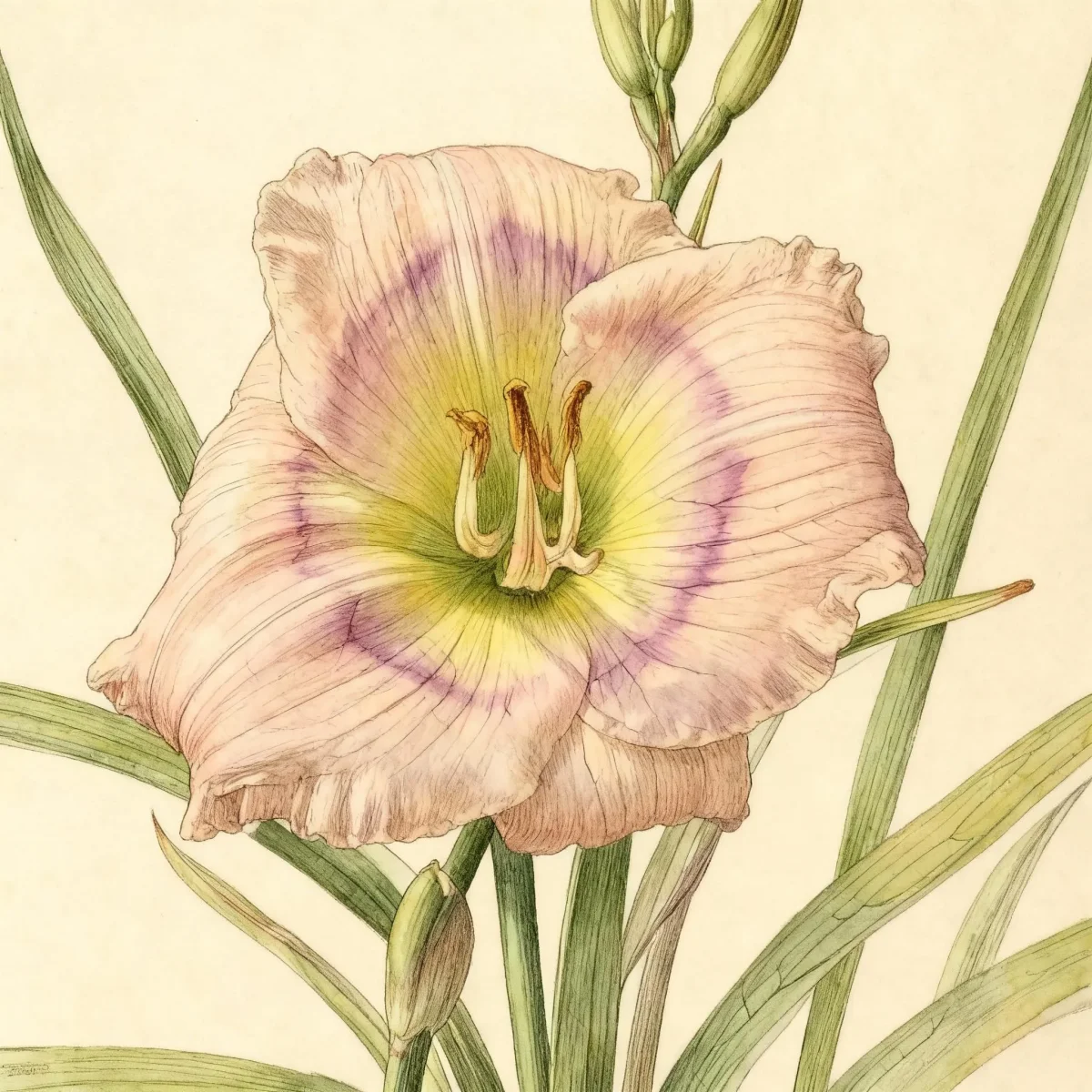
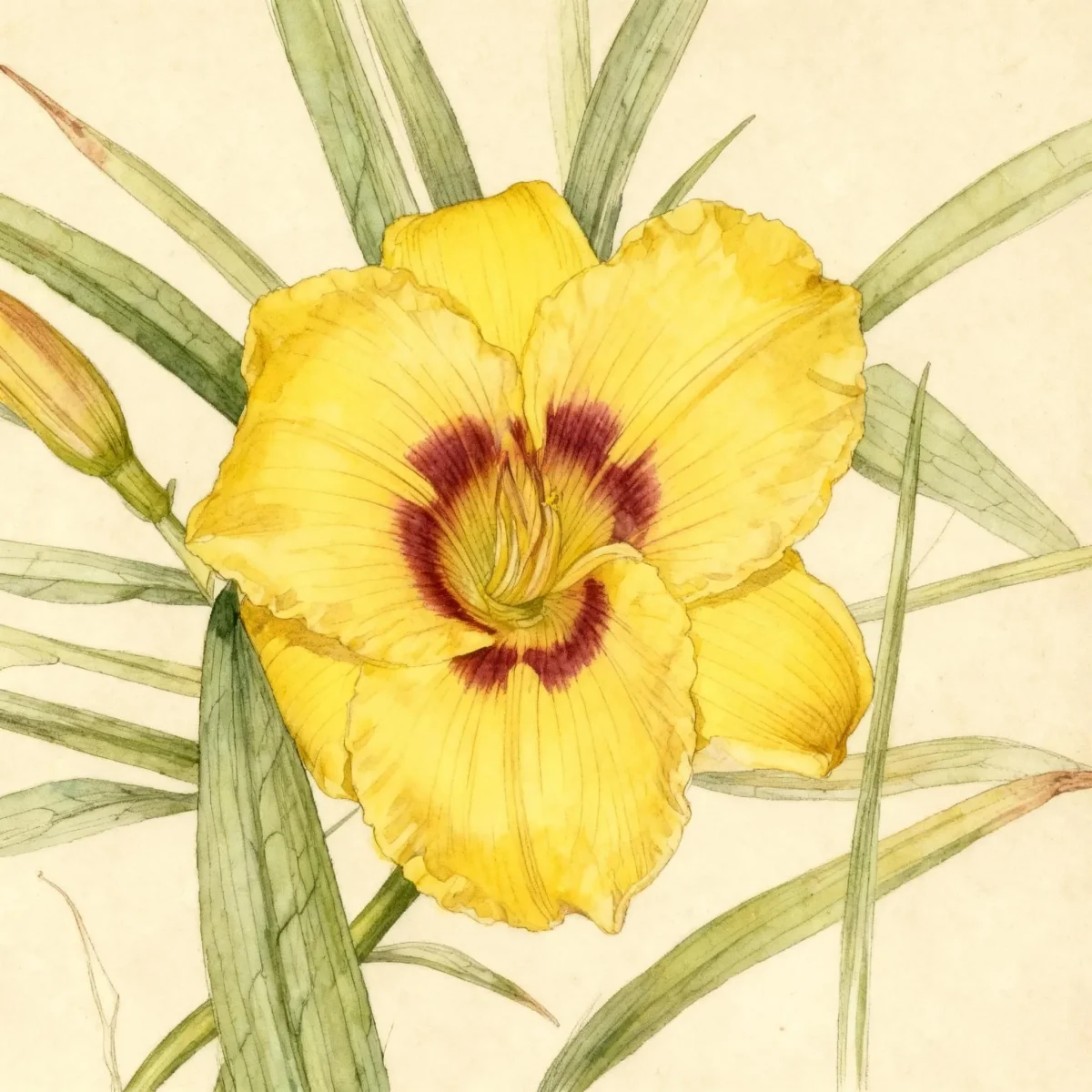
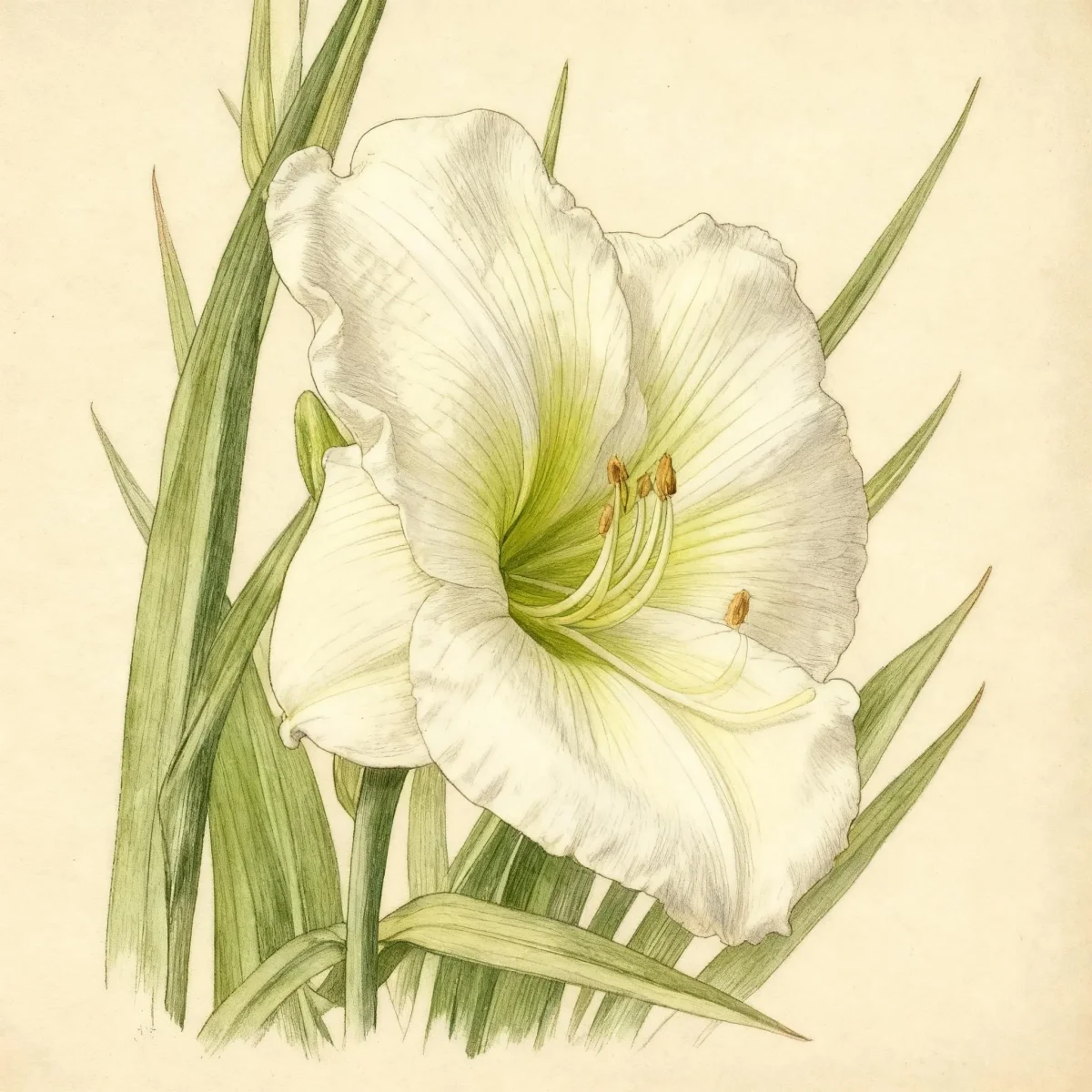
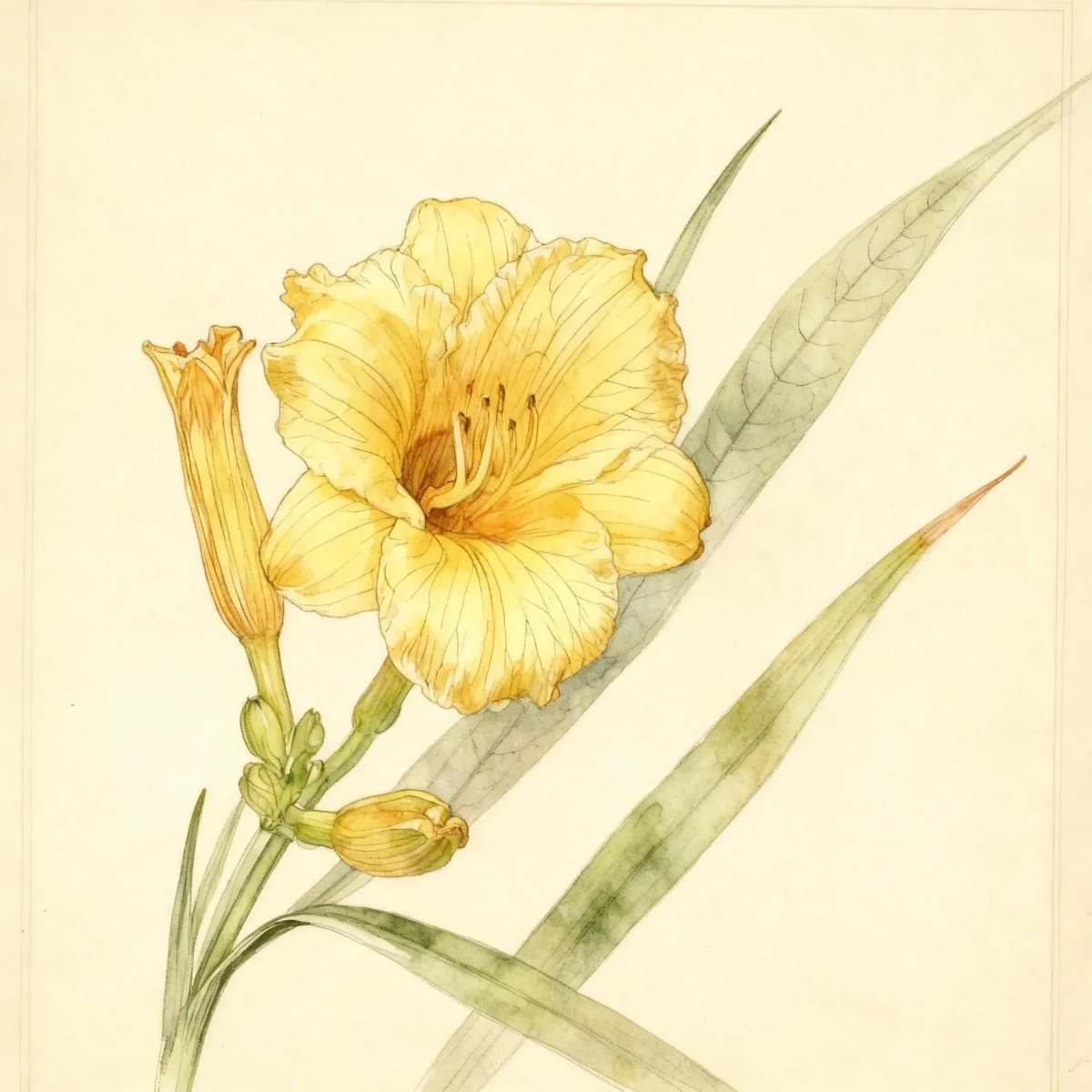
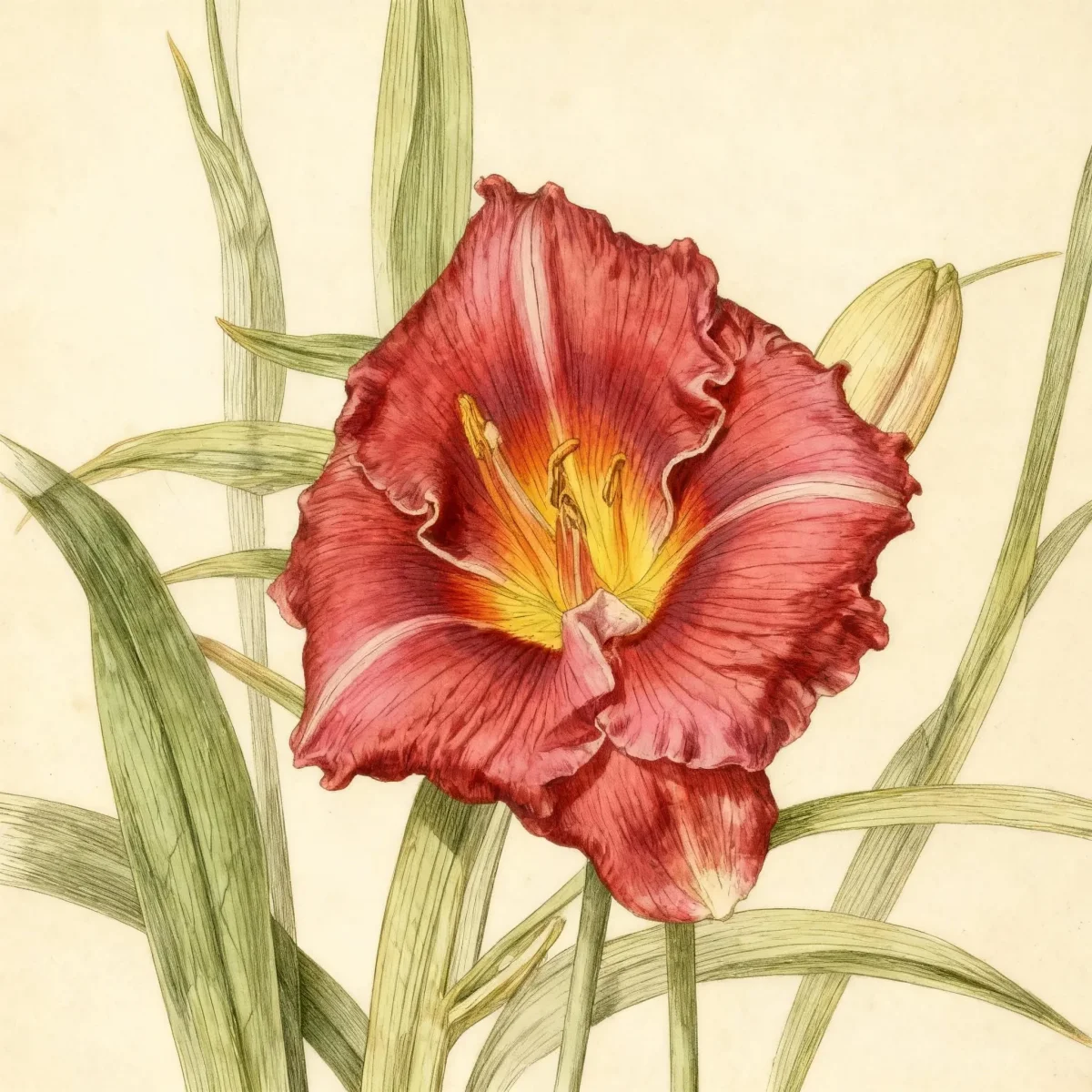
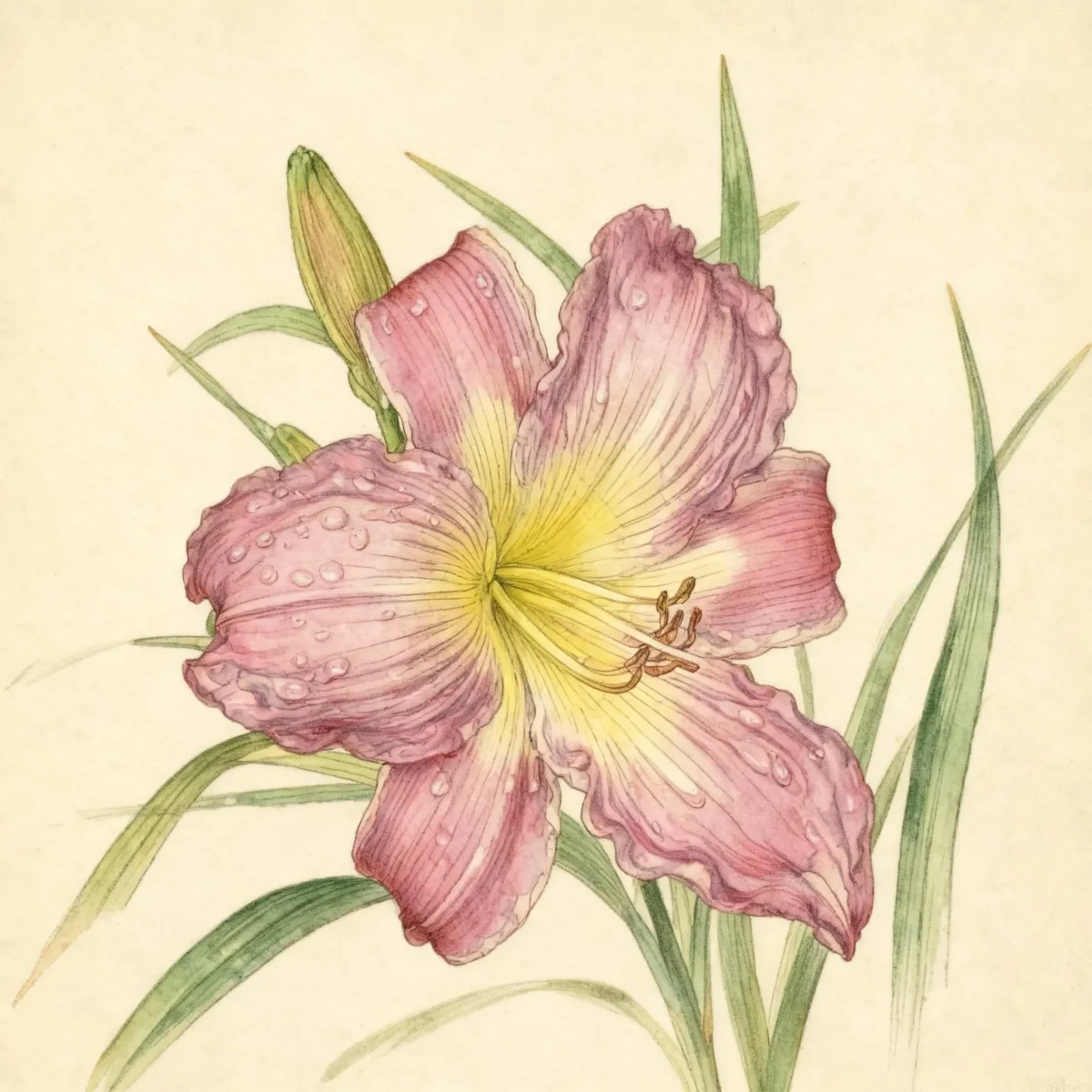
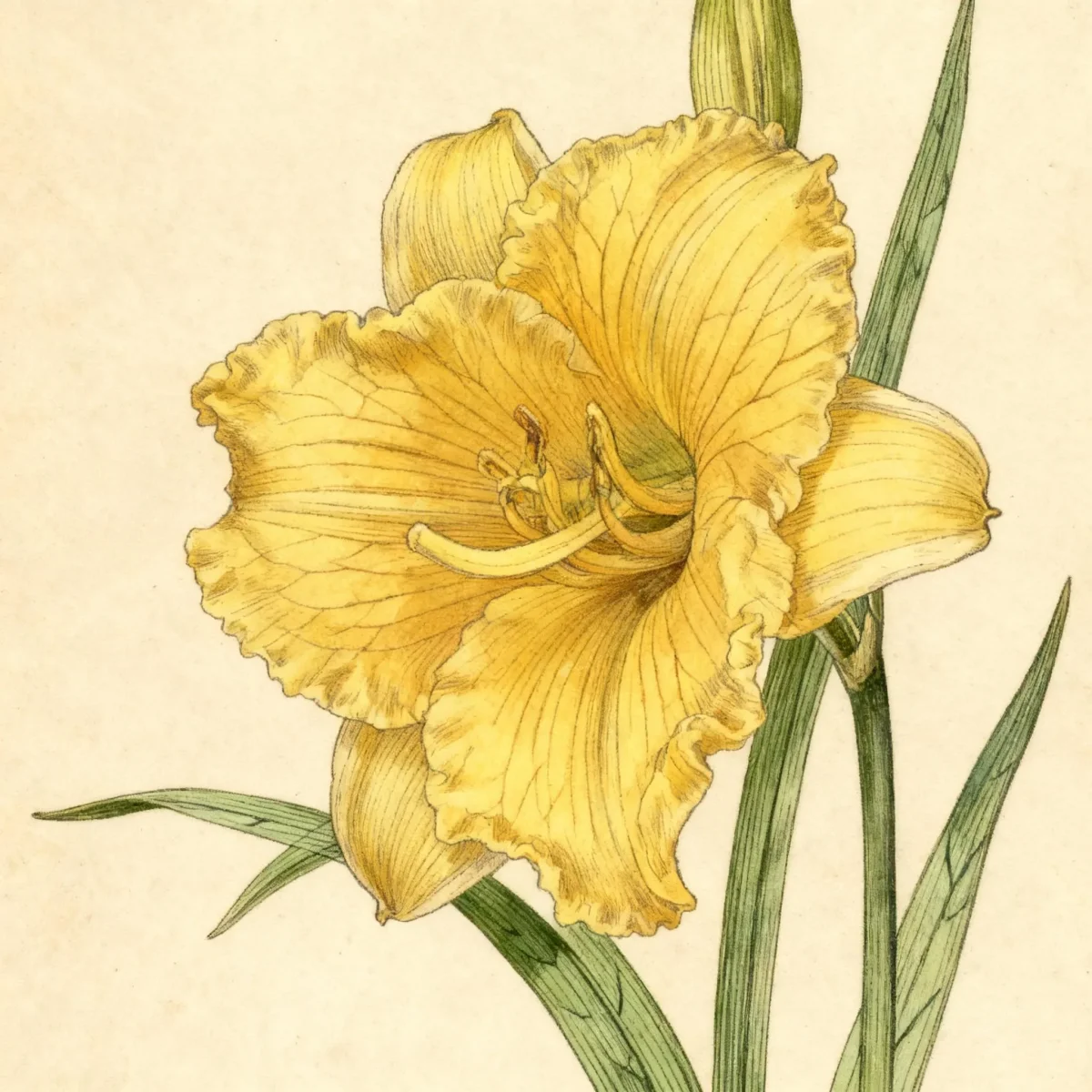
Hemerocallis ‘English Pixie’ is a delightful, compact cultivar cherished for its cheerful, petite yellow flowers accented by a bright lime green throat. As a classic Daylily, it offers extraordinary reliability and is valued for its vibrant mid-season color display, making it an indispensable perennial for consistent garden performance. This particular variety provides vertical interest without overwhelming smaller garden spaces, standing between 1 and 1.5 feet tall.
This herbaceous perennial thrives across a wide range of conditions, generally requiring only medium water and low maintenance once established. The genus Hemerocallis has captivated hybridizers for decades, resulting in the immense diversity seen today, yet reliable, easy-to-grow types like Hemerocallis ‘English Pixie’ remain gardener favorites. Planting this Daylily ensures season-long visual appeal backed by exceptional hardiness.
Fast Facts
- Plant Family: Asphodelaceae
- Plant Type: Herbaceous perennial
- Hardiness Zones: USDA Zones 3-9
- Size at Maturity:
- Height: 1-1.5 ft
- Spread: 0.75-1 ft
- Bloom Time: June to July
- Bloom Description: Yellow with lime green throat
- Sun Exposure: Full sun to part shade
- Water Needs: Medium
- Maintenance Level: Low
How to Grow
Planting Hemerocallis ‘English Pixie’ is best achieved in the spring or fall, ensuring the fibrous roots establish well before extreme summer heat or deep winter freezes. These Daylilies perform excellently in average, medium moisture, well-drained soils, although they signal their preference by achieving the best results in deep, fertile loams. Ensure the crown of the Daylily is situated right at the soil line; burying the crown can hinder blooming performance significantly.
Care for this variety is generally straightforward. Deadheading spent flowers daily keeps the plant neat, and removing the entire spent scape shortly after flowering ceases helps direct energy back into root and foliage development. While tolerant of heat and humidity, provide deep watering during extended dry spells to maintain the attractive, grass-like foliage. Since this is a winter-dormant cultivar, a reliable cold period is essential for the best bloom display if you are gardening in the cooler end of its zone range (Zones 3-6).
For optimal health and vigor, plan to divide your clumps of Hemerocallis ‘English Pixie’ every three to four years, ideally in the spring, especially in colder climates. Remember that hybrid Daylilies will not reliably reproduce true to type from seed, so division is the necessary method for maintaining this specific cultivar.
Landscape Uses
The compact size of Hemerocallis ‘English Pixie’ makes it exceptionally versatile in landscape design. It excels when used for defined edging along walkways or garden beds where larger, floppy daylily varieties might obscure sightlines. Furthermore, its low maintenance and tolerance for erosion make it an excellent choice for mass plantings on slopes or banks where you need dependable, year-round green foliage interrupted by cheerful yellow blooms in early summer.
As a dwarf cultivar, this specific Daylily is superb for rocking gardens or along the front edge of mixed perennial borders, providing a consistent, bright accent. Consider pairing Hemerocallis ‘English Pixie’ with later-blooming perennials like Rudbeckia or tall grasses, allowing the Daylily foliage to fill in the space once its flowers are finished, ensuring continuous texture until fall cleanup.
Standout Features
Flower Qualities
- Showy
Noteworthy Characteristics
Hemerocallis is a genus widely known as the Daylily, native primarily to Asia, featuring massive modern hybridization efforts that result in over 60,000 registered cultivars. Each individual flower typically lasts only a single day, but plants produce numerous buds successively, extending the overall bloom period. Hemerocallis ‘English Pixie’ is noteworthy as a small-flowered, diploid cultivar, featuring flowers smaller than the average Daylily, rising on stems to about 18 inches.
Tolerances
- Rabbit
- Erosion
- Air Pollution
Potential Problems
Daylilies are renowned for being extremely adaptable and generally one of the easiest perennials to maintain, suffering few major issues. Occasionally, pests such as mites, aphids, or thrips may target the blooms or fresh foliage, usually manageable with horticultural oil or insecticidal soap applications. In humid regions, Daylily rust fungus can sometimes appear on the foliage, requiring good air circulation and careful watering practices to minimize spread. Rabbits generally dislike browsing on Daylily foliage, offering a natural defense benefit.
Frequently Asked Questions
What hardiness zones is Daylily suitable for?
Hemerocallis ‘English Pixie’ is hardy across USDA Zones 3 through 9, offering wide adaptability for North American gardeners.
How large does Hemerocallis ‘English Pixie’ grow?
This Daylily reaches a mature height between 1 and 1.5 feet, with a spread of 0.75 to 1 foot wide.
When does Daylily bloom?
This cultivar typically produces its blooms from June into July, featuring distinct yellow flowers with a lime green throat.
What sun exposure does Hemerocallis ‘English Pixie’ need?
For the best performance and maximum bloom count, Hemerocallis ‘English Pixie’ should be sited in conditions ranging from full sun to light, part shade.
Conclusion
The Hemerocallis ‘English Pixie’ offers gardeners a robust, low-fuss perennial that delivers reliable summer color without demanding extensive upkeep. Its diminutive size and resilience make it a fantastic foundational plant for mixed borders or small-space gardening. Before planting your Daylily, confirm that your local USDA zone falls between 3 and 9 and choose a site with sufficient sun exposure to enjoy the best display from this classic cultivar.
Companion Planting
Choosing appropriate companions ensures ecological balance and sustained garden aesthetics throughout the season. Since Daylilies prefer well-drained soil and mid-range moisture, they pair well with companions that share similar needs but bloom at different times. Consider planting later-flowering Salvias or ornamental grasses near your Hemerocallis ‘English Pixie’. These combinations prevent the Daylily foliage from becoming a bare focal point once the June-July bloom period concludes.
Seasonal Care Calendar
Spring is the optimal time to clean up the previous year’s foliage and apply a balanced, slow-release fertilizer if your soil is lean. Post-emergence growth on this Daylily is vigorous, quickly covering emerging spring bulbs. Summer is dedicated primarily to deadheading spent flowers on Hemerocallis ‘English Pixie’ to encourage reblooming cycles where possible. In autumn, there is little required; simply allow the foliage to die back naturally, which aids the plant in building energy reserves for its winter dormancy, crucial for zones 3-8.