Daylily (Hemerocallis 'Erin Prairie')
Hemerocallis 'Erin Prairie' is a low-maintenance Daylily offering greenish gold flowers from June to July in zones 3-9.
Scroll down to discover growing tips, care requirements, companion plants, and more
Complete Plant Information
Overview
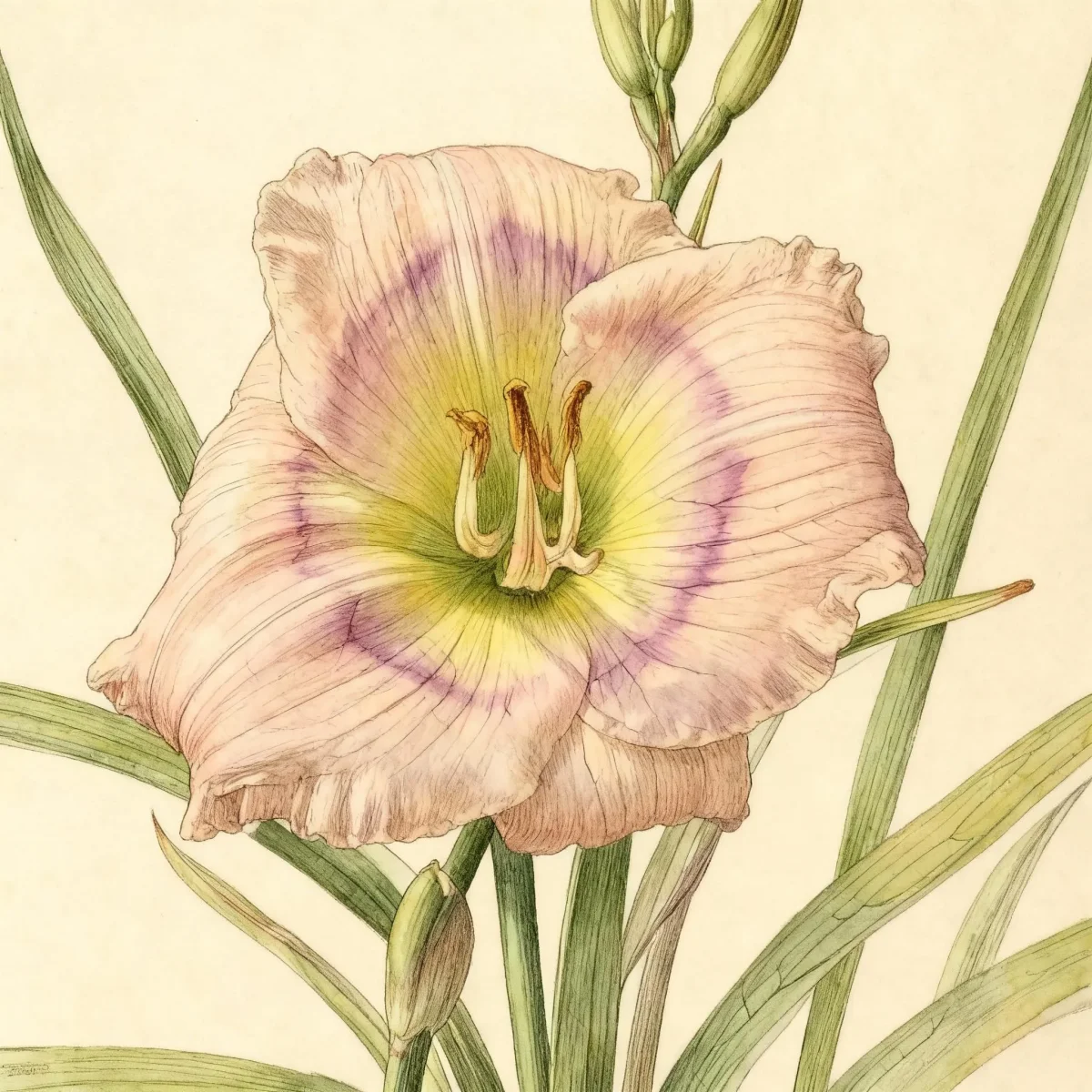
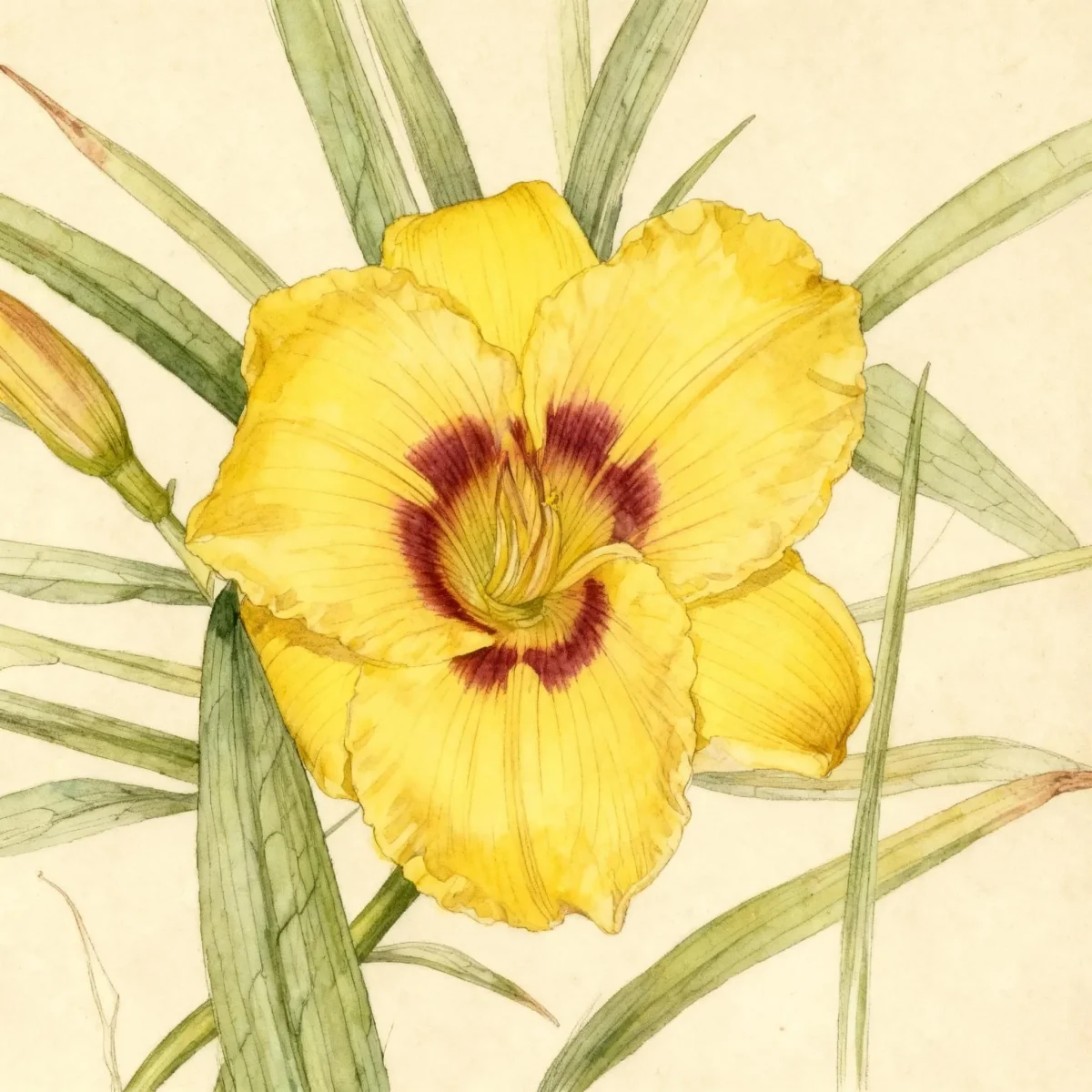
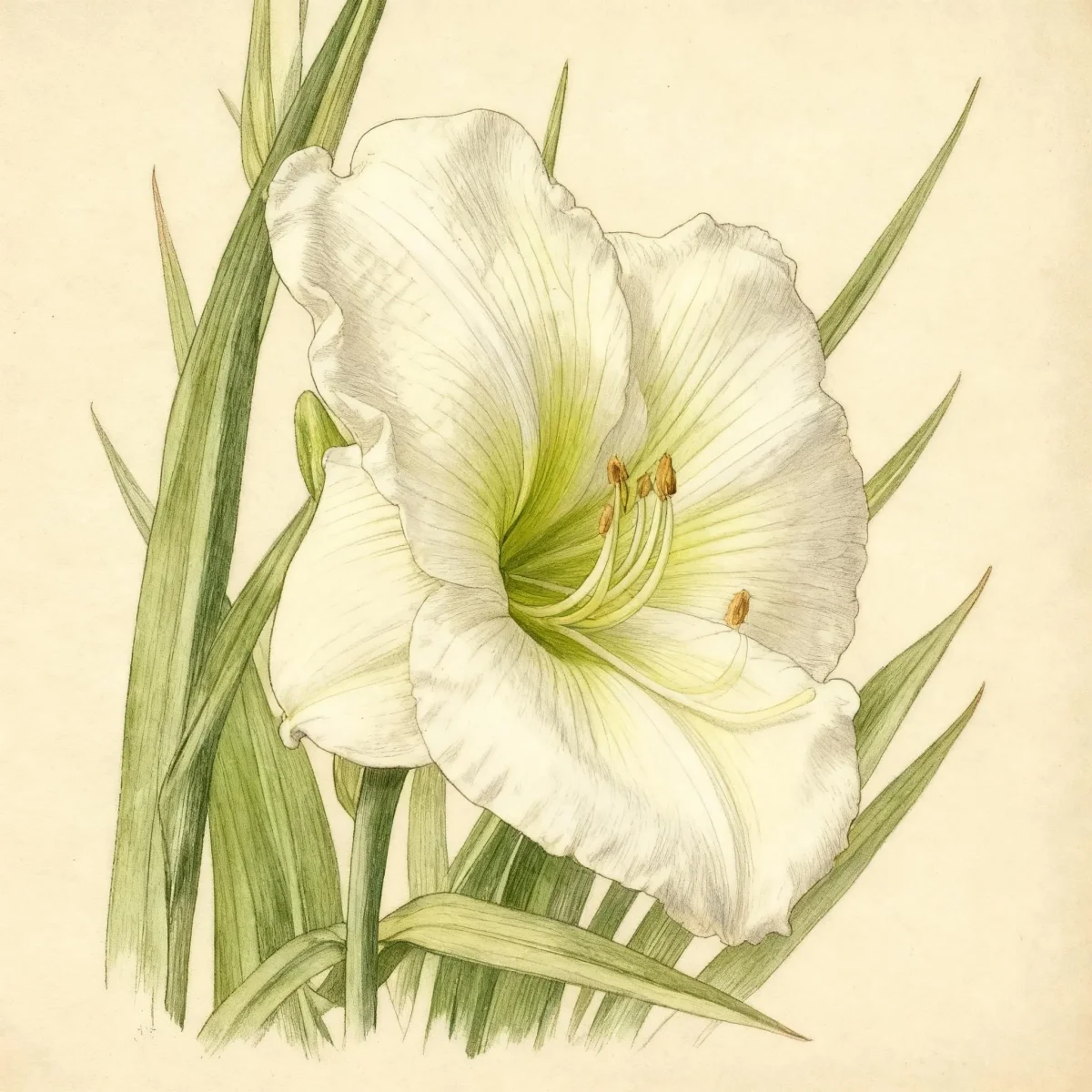
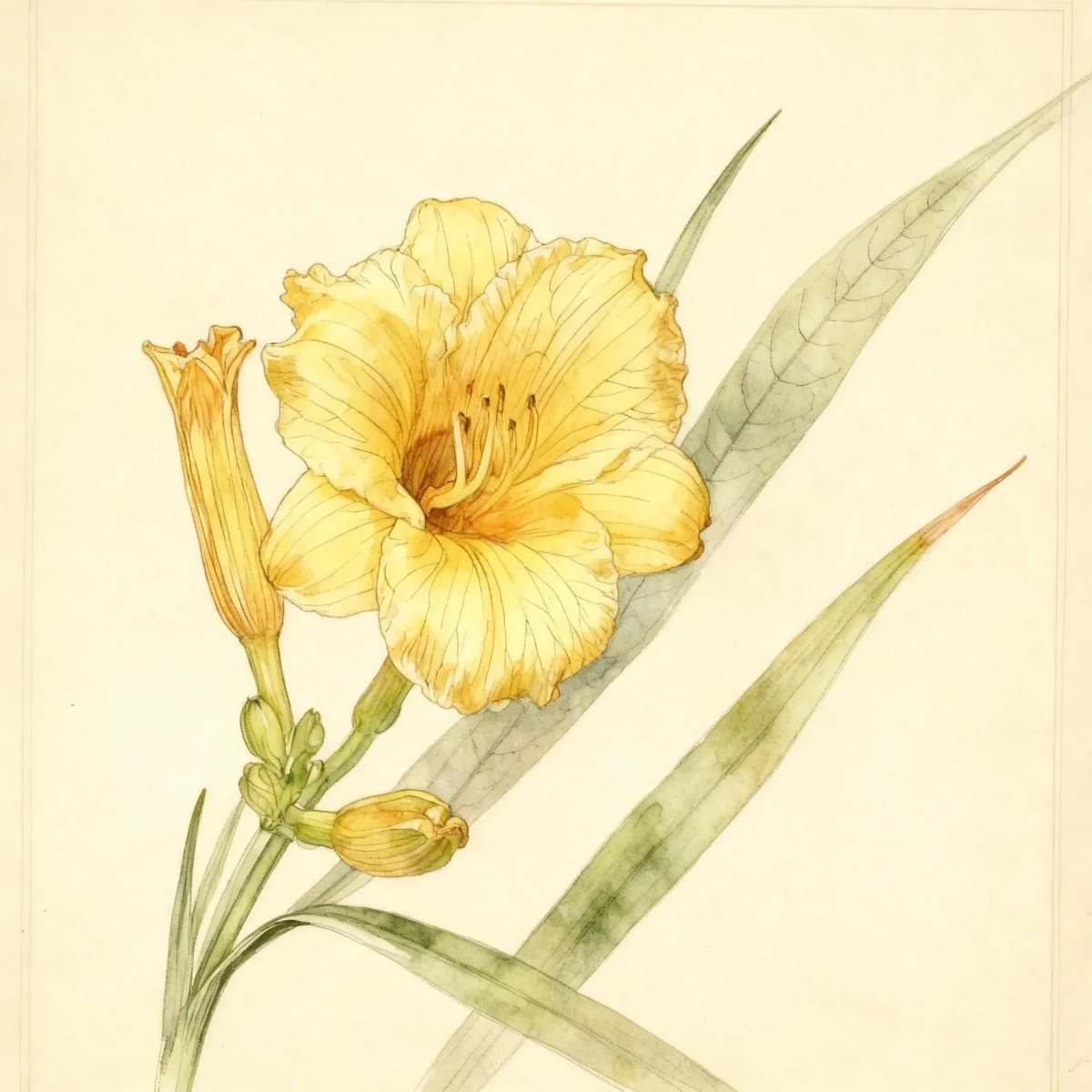
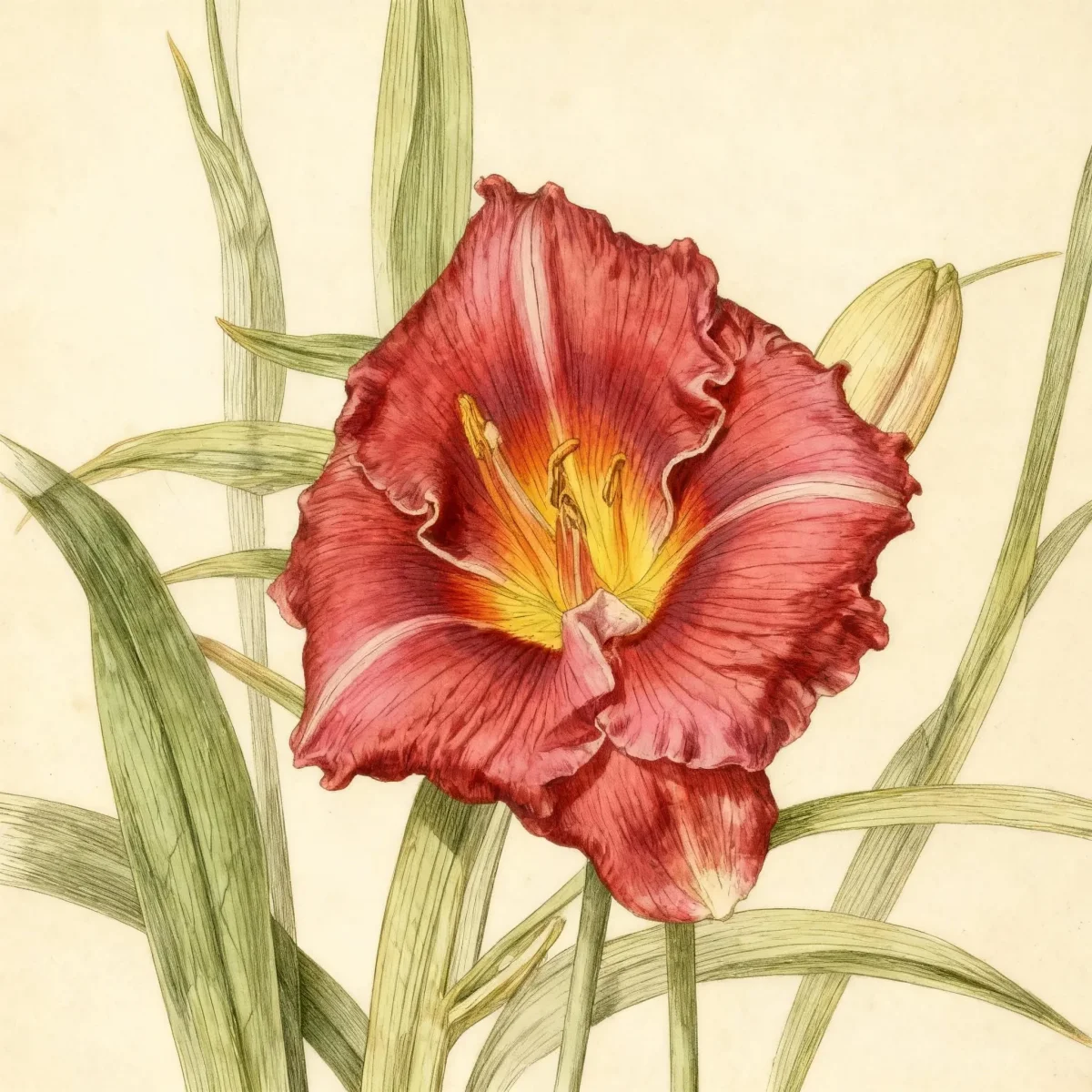
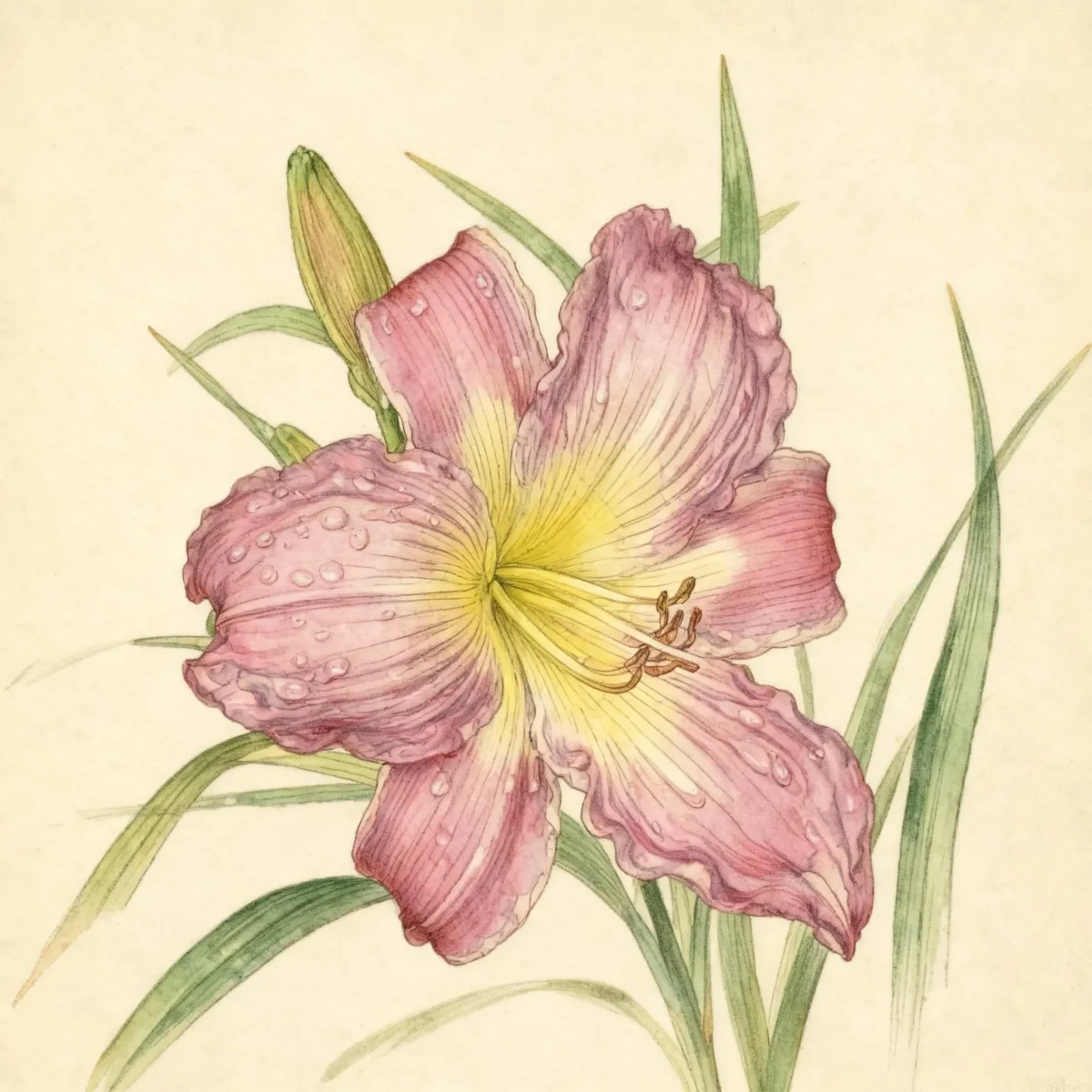
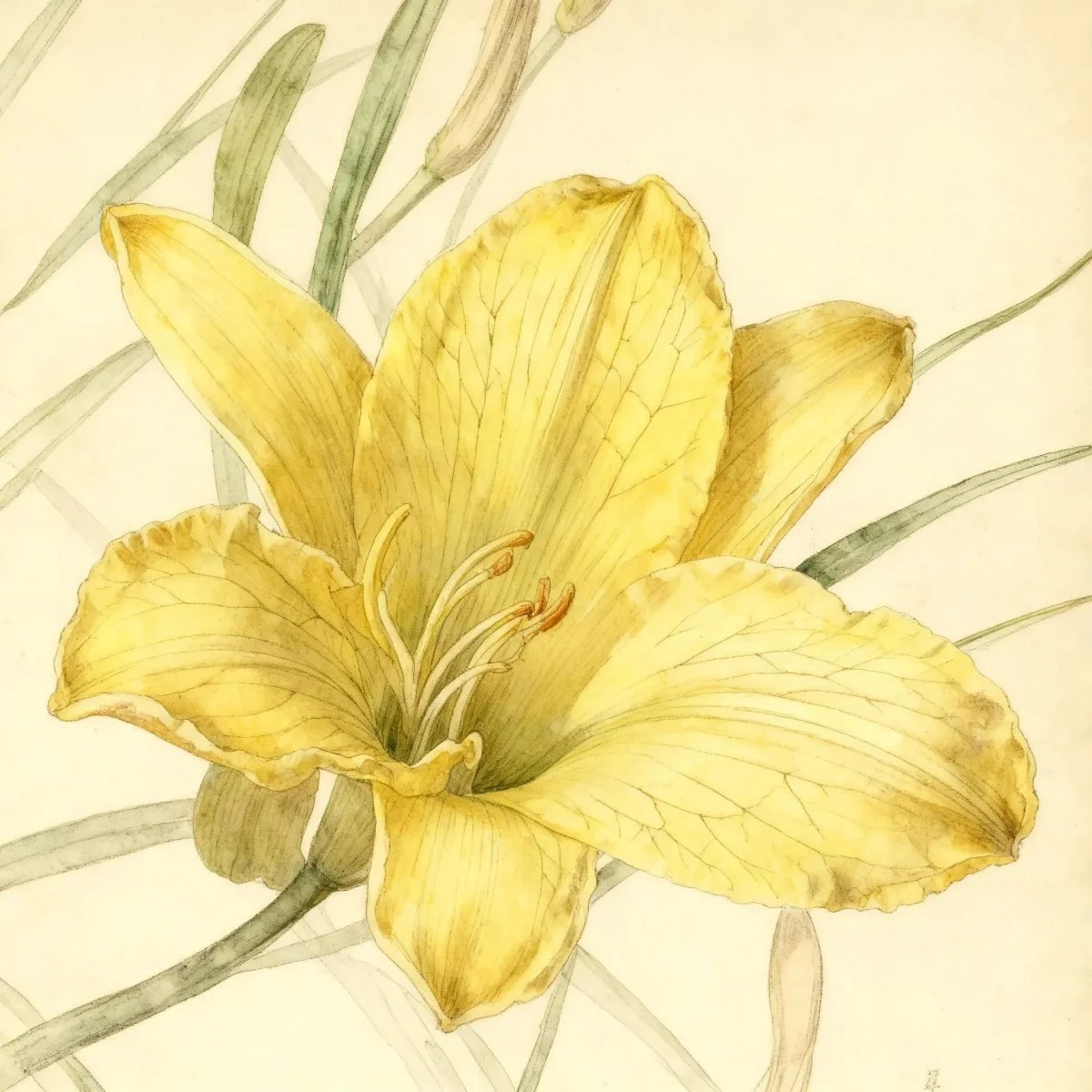
Hemerocallis ‘Erin Prairie’ is a highly valued herbaceous perennial, widely known as a Daylily, prized for its ease of growth and attractive summer blooms. This specific cultivar produces striking 6.5” diameter flowers characterized by a greenish gold self color accented by a grass green throat. As a low-maintenance favorite, the Daylily provides substantial aesthetic contributions to the garden with minimal fuss, making it suitable for gardeners of all experience levels.
The plant forms a natural clump of arching, linear foliage, providing attractive texture even when not in bloom. Hemerocallis ‘Erin Prairie’ thrives across a broad range of climates, suitable for USDA Hardiness Zones 3 through 9. Its robust nature means it handles average soils well, though deep, fertile loams encourage the best flowering performance.
Gardeners appreciate this Daylily for its reliable summer color display, offering significant visual impact in borders or mass plantings. Providing medium water needs and tolerating full sun to light shade, Hemerocallis ‘Erin Prairie’ establishes itself as a reliable structural plant capable of enriching perennial landscapes.
Fast Facts
- Plant Family: Asphodelaceae
- Plant Type: Herbaceous perennial
- Hardiness Zones: USDA Zones 3-9
- Size at Maturity:
- Height: 2-2.5 ft
- Spread: 2-2.5 ft
- Bloom Time: June to July
- Bloom Description: Greenish gold self with grass green throat
- Sun Exposure: Full sun to part shade
- Water Needs: Medium
- Maintenance Level: Low
How to Grow
The Daylily, including selections like Hemerocallis ‘Erin Prairie’, is exceptionally easy to establish. Plant during the spring or fall in average, medium moisture, well-drained soils. While these plants tolerate various soil types, they achieve superior results when sited in deep, fertile loams where roots can become established easily.
Routine care keeps the Daylily looking its best. Deadheading spent flowers daily maintains neatness, and you should remove the entire scape once blooming is finished. Although tolerant of heat and humidity, deep watering during dry spells is crucial to keep the foliage attractive throughout the season.
Daylilies generally require division every three to four years for optimal performance; perform this in the spring in colder climates, or fall in milder regions. Since hybrid daylilies do not come true from seed, division is the standard propagation method for maintaining the exact characteristics of Hemerocallis ‘Erin Prairie’.
Landscape Uses
The dependable stature and extended bloom time make this Daylily an excellent workhorse for landscape design. Hemerocallis ‘Erin Prairie’ performs beautifully when used as an edging plant along walkways or driveways, softening hard lines with its grassy foliage and bright flowers. They are perfect for mass planting over large areas, creating broad bands of consistent color through midsummer.
When used in borders, these medium-sized perennials provide excellent mid-layer structure, pairing well with earlier blooming spring bulbs or later blooming fall perennials. Although the species itself isn’t commonly grown in rock gardens, its manageable size allows for use with taller background shrubs, providing relief from hotter colors with its greenish gold hue.
Standout Features
Flower Qualities
- Showy
Noteworthy Characteristics
Hemerocallis is a genus of about 15 species of herbaceous perennials commonly known as daylilies, with most modern garden plants being hybrids developed by dedicated hybridizers. Each distinct flower typically lasts only one day, giving rise to the common name, but the successive production of buds ensures a long overall flowering period. Hemerocallis ‘Erin Prairie’ is specifically noted for its 6.5” diameter, greenish gold flowers with distinctive grass green throats borne aloft on sturdy, naked stems.
Tolerances
- Rabbit
- Erosion
- Air Pollution
Potential Problems
Daylilies are generally adaptable and relatively pest-free, but watch for occasional minor issues. Mites, aphids, and thrips can sometimes colonize the foliage or developing buds. Daylily rust, a fungal disease, can become problematic in humid regions, requiring cultural adjustments or fungicide application if severe.
The strongest defense against pests and disease is proper site selection and maintenance. Ensure good air circulation through proper spacing, and avoid overhead watering late in the day to keep foliage dry. If rust appears, promptly remove and destroy infected leaves, ensuring the plant remains healthy enough to withstand the process.
Frequently Asked Questions
What hardiness zones is Daylily suitable for?
Hemerocallis ‘Erin Prairie’ is reliably hardy in USDA Zones 3 through 9.
How large does Hemerocallis ‘Erin Prairie’ grow?
This Daylily typically reaches a mature height between 2 to 2.5 feet tall and spreads approximately 2 to 2.5 feet wide.
When does Daylily bloom?
The primary bloom time for this cultivar is from June into July, featuring lovely greenish gold self flowers with grass green throats.
What sun exposure does Daylily need?
This plant prefers full sun but adapts well to partial shade conditions, maintaining good vigor in both environments.
Conclusion
Hemerocallis ‘Erin Prairie’ offers exceptional value as a low-maintenance, reliably blooming perennial perfect for sunny borders. The consistent, attractive color palette provided by this Daylily ensures summer garden interest without demanding constant attention. Be sure to check your local USDA zone compatibility before planning your perennial beds, and enjoy the reliable beauty of this Daylily cultivar.
Companion Planting
Selecting good companions for Hemerocallis ‘Erin Prairie’ relies on matching its need for medium moisture and full to partial sun exposure. Plants that tolerate similar conditions and offer contrasting foliage textures work especially well. Consider pairing the upright, arching blades of the Daylily with the mounding, textured leaves of Lamb’s Ears (Stachys byzantina) or the fine, airy foliage of ornamental grasses.
For complementary color, plants that bloom before or after the Daylily’s June-July peak are ideal for extending garden interest. Early summer blooms from white or blue salvias will look stunning next to the greenish gold of Hemerocallis ‘Erin Prairie’. Ensure companions do not overcrowd the base, which could impede air circulation—a key factor in preventing fungal issues in Daylilies.
Seasonal Care Calendar
Spring preparation involves cutting back any remaining dead foliage from winter dormancy. As new growth emerges, a balanced, slow-release fertilizer applied around the crown can support vigorous summer flowering. Focus on establishing deep watering habits early in the season, especially if spring has been dry, to ensure the Daylily is hydrated before summer heat sets in.
During the summer blooming period, diligent deadheading of spent blooms on Hemerocallis ‘Erin Prairie’ is recommended to encourage subsequent flower production and maintain plant tidiness. If you notice signs of drought stress (wilted foliage), provide a slow, deep soaking at the base of the plant.
In the fall, clean up any remaining spent scapes and foliage as the plants begin to go dormant, particularly in colder zones where winter dormancy is required. Avoid heavy fertilization late in the season, allowing the Daylily to prepare naturally for its winter rest period.