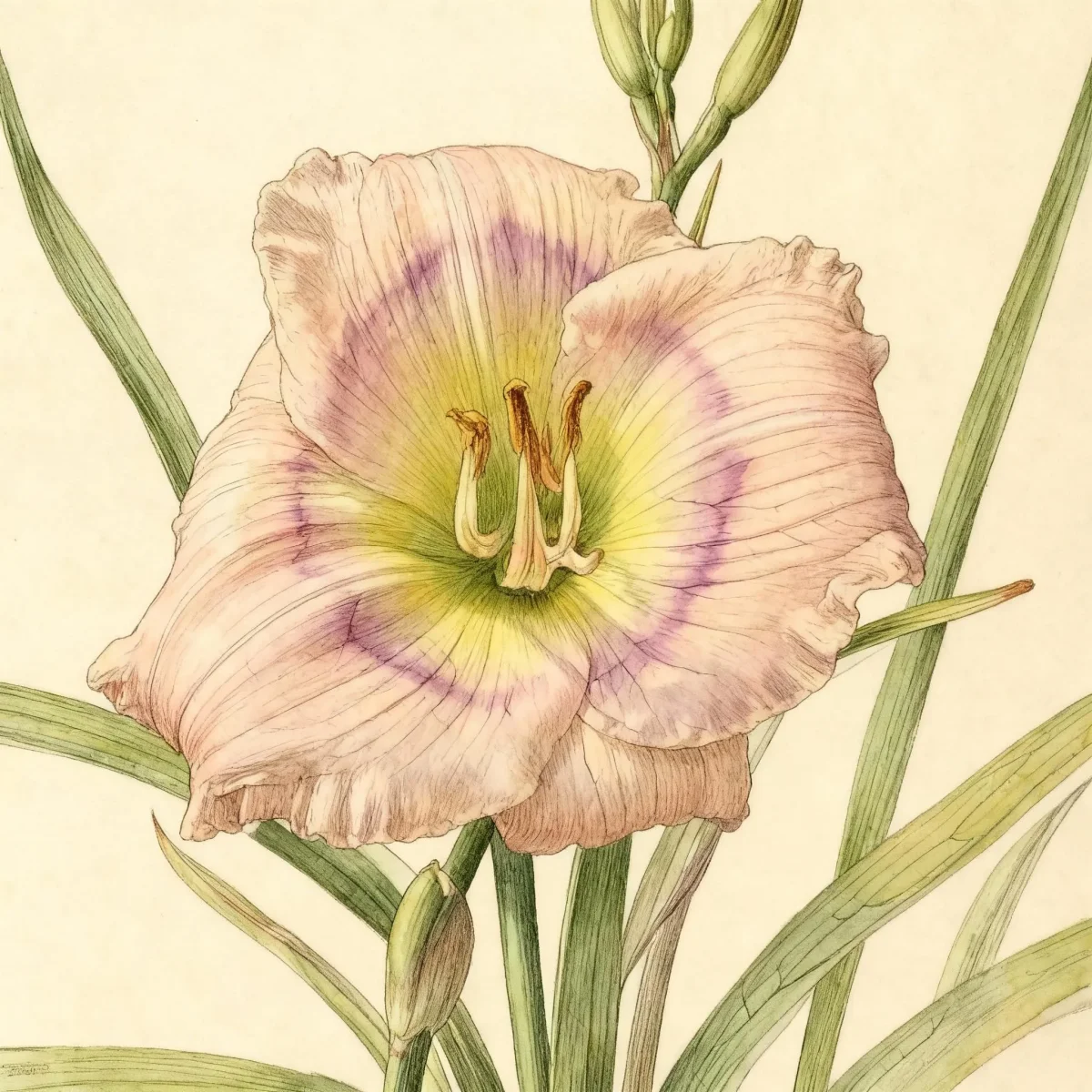
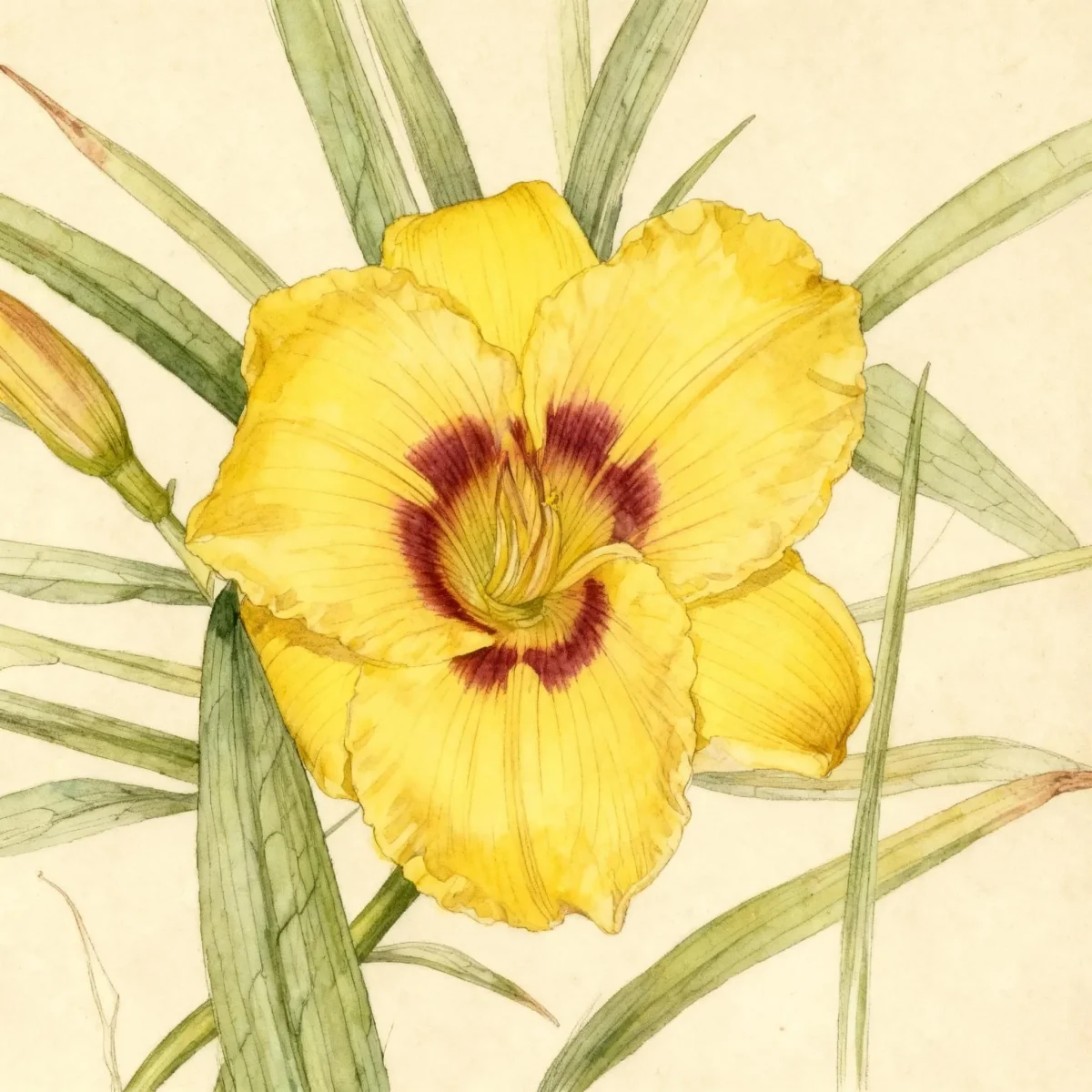
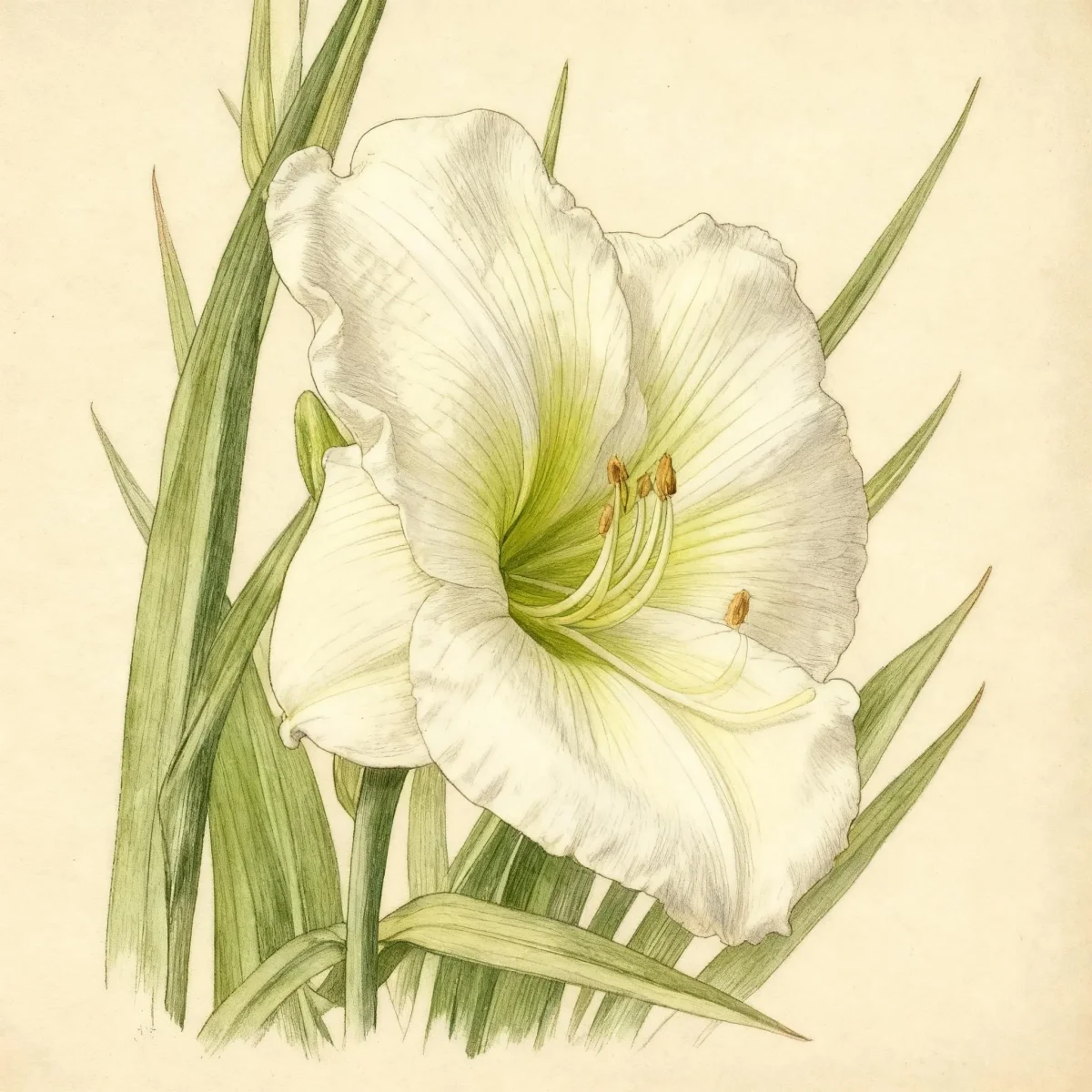
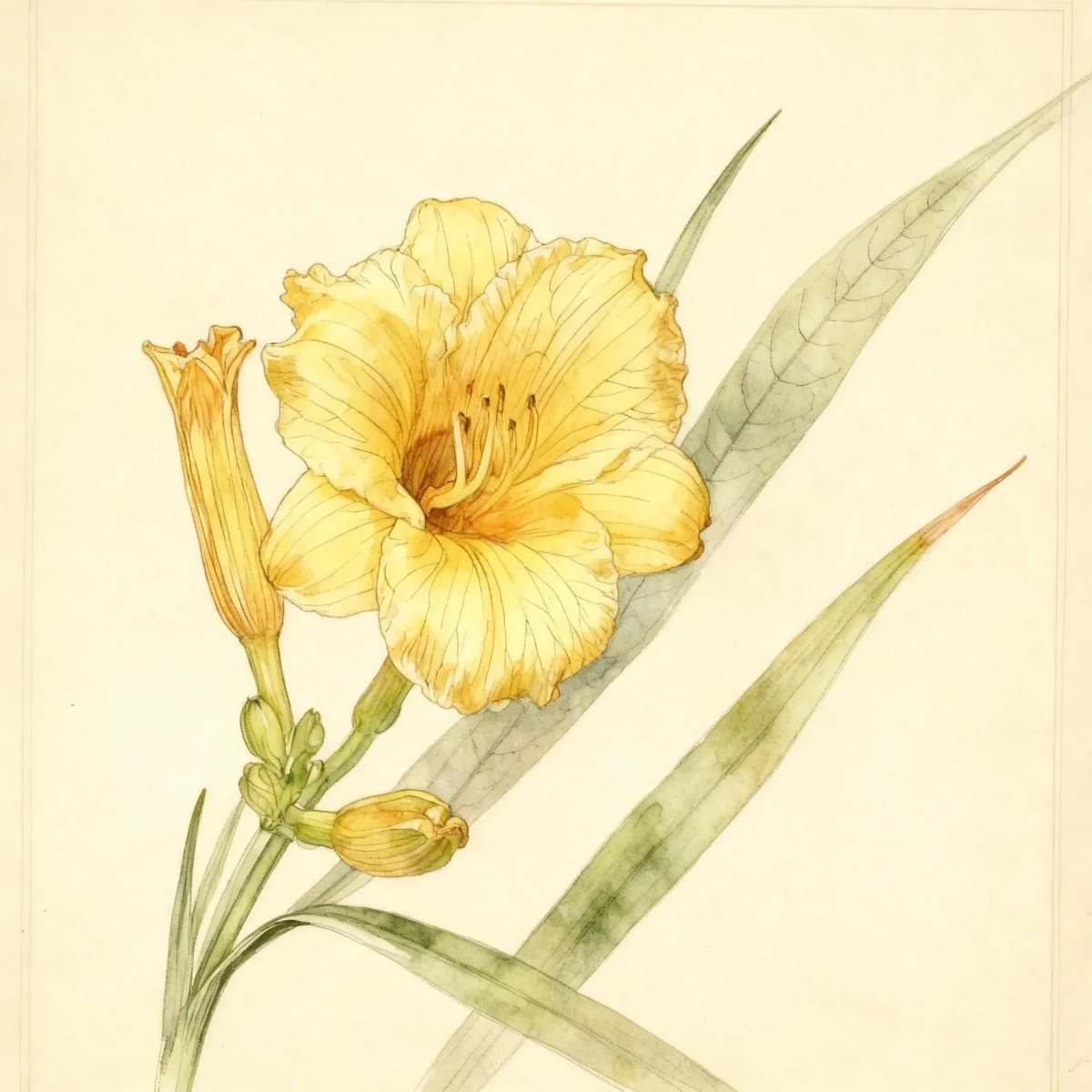
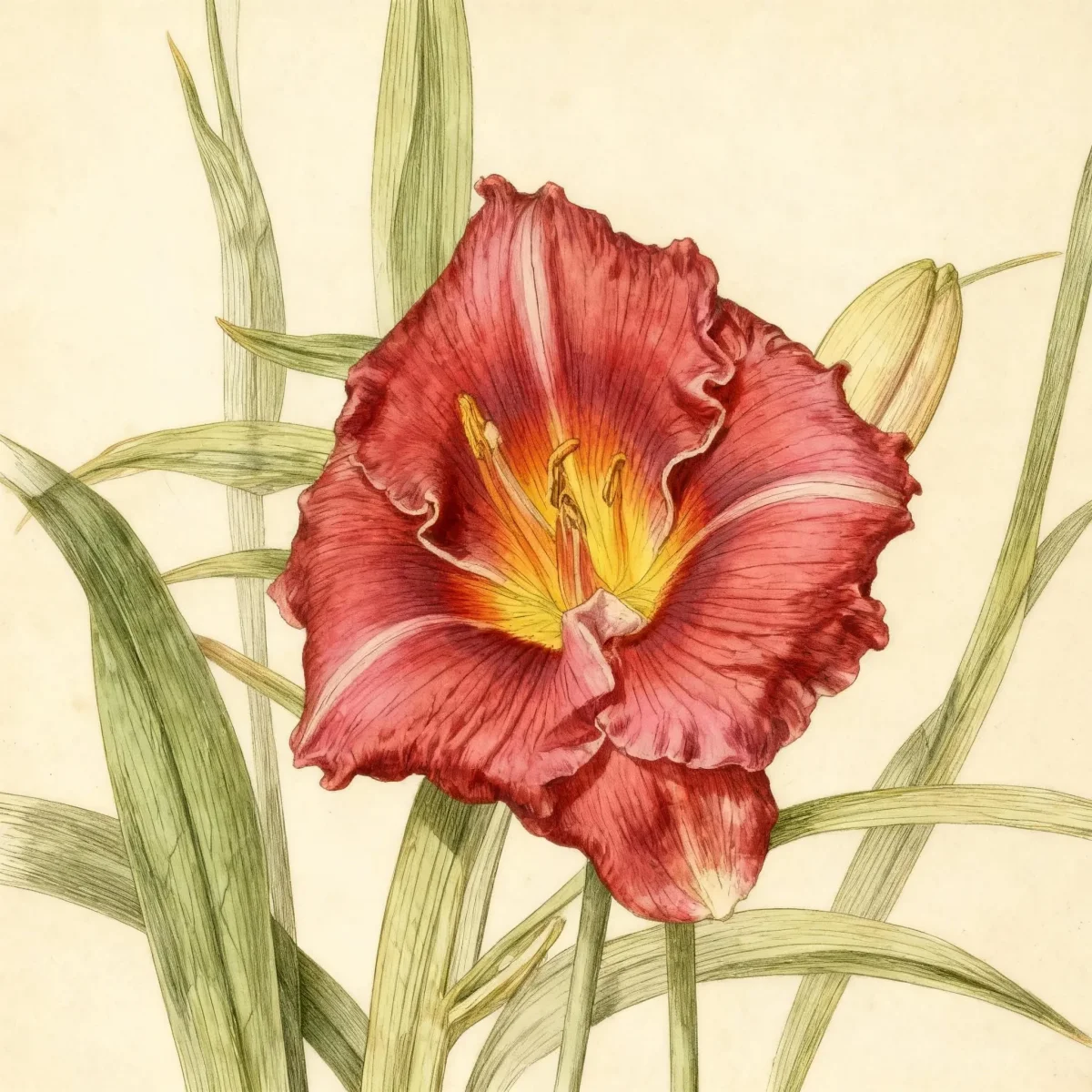
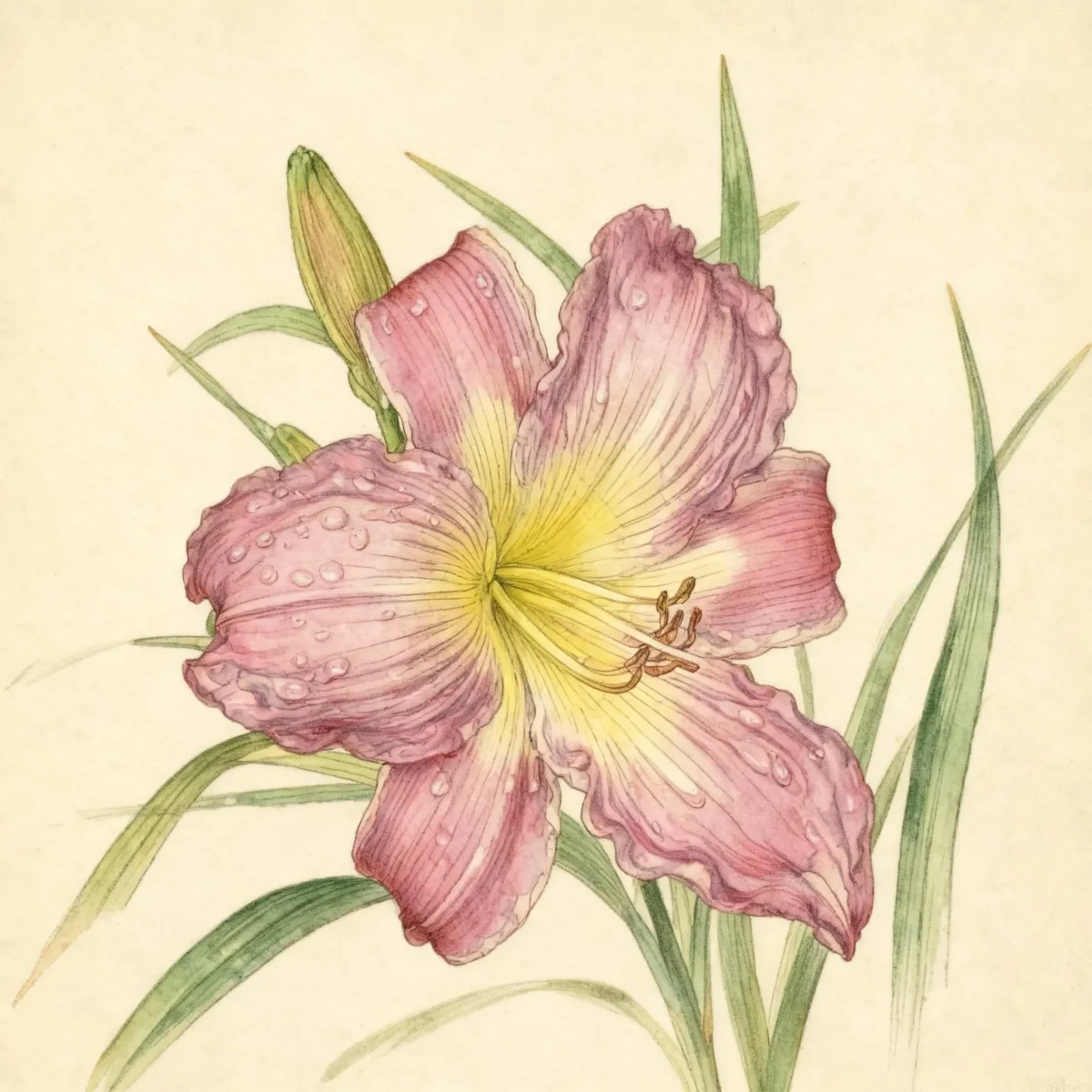
Daylily (Hemerocallis 'Everblooming Doll')
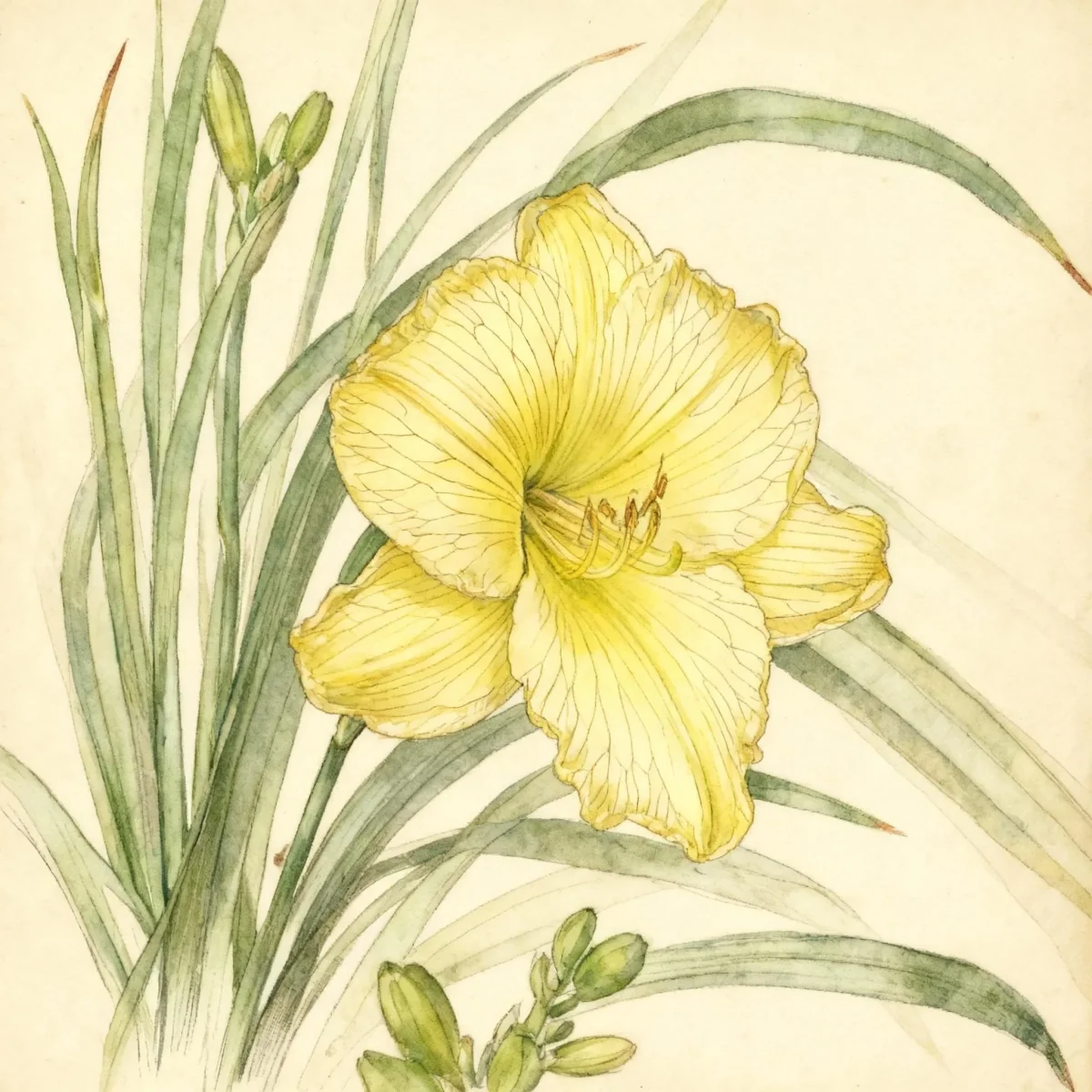
Hemerocallis 'Everblooming Doll' is a low-maintenance Daylily featuring sunshine yellow blooms through summer.
Scroll down to discover growing tips, care requirements, companion plants, and more
Complete Plant Information
Overview
Hemerocallis ‘Everblooming Doll’ is a celebrated diploid hybrid Daylily prized for its sunshine yellow flowers and extended bloom period. This herbaceous perennial provides reliable, cheerful color, making the Hemerocallis genus a staple in gardens across temperate regions. It offers a practical aesthetic benefit, remaining attractive even through summer heat and humidity.
As a low-maintenance option, the Daylily thrives in a wide variety of conditions, provided it receives adequate moisture. The variety ‘Everblooming Doll’ is specifically noted for blooming early in the season followed by a welcome repeat performance, ensuring continuous visual interest across the mid-summer months of May to July.
For gardeners seeking reliable structure and resilient color, Hemerocallis ‘Everblooming Doll’ fits perfectly into mixed borders or mass plantings. Its upright, arching foliage provides texture even when the plant is not in bloom, contributing to overall garden structure with minimal fuss.
Fast Facts
- Plant Family: Asphodelaceae
- Plant Type: Herbaceous perennial
- Hardiness Zones: USDA Zones 3-9
- Size at Maturity:
- Height: 1.5-2 ft
- Spread: 1.5-2 ft
- Bloom Time: May to July
- Bloom Description: Yellow
- Sun Exposure: Full sun to part shade
- Water Needs: Medium
- Maintenance Level: Low
How to Grow
Planting Hemerocallis ‘Everblooming Doll’ is best done in spring or fall in average, well-drained soil. While Daylilies tolerate many soil types, they perform optimally in deep, fertile loams. Ensure the crown of the plant is situated just at or slightly below the soil surface for best results. This variety adapts well to locations receiving full sun to bright part shade.
Routine care for this Daylily is simple. Deadhead spent flowers daily to maintain neatness, and remove the entire flower stalks (scapes) once blooming concludes for the season. While tolerant of dry spells, plants appreciate deep watering during extended periods of heat to keep the foliage looking lush. Minimal fertilization is usually required unless the soil is extremely poor.
To maintain vigor and ensure the best possible display of blooms, plan to divide clumps of Hemerocallis every three to four years. This division should ideally take place in the fall or, preferably in colder zones, the spring. Remember that hybrid daylilies, including ‘Everblooming Doll’, will not breed true if grown from seed, so division is the standard propagation method.
Landscape Uses
The versatility of Hemerocallis ‘Everblooming Doll’ makes it a superb choice for various landscape applications. As an easy-to-grow herbaceous perennial, it excels when used along garden borders where its 1.5 to 2-foot height provides a neat middle layer. Daylilies are also perfect for edging pathways or lining walkways where their clumping habit defines the space cleanly.
For larger projects, these Daylilies function wonderfully when massed over large areas, creating broad swaths of consistent yellow color throughout the summer. Because this cultivar maintains a tidy, arching foliage clump rising from basal growth, it avoids the sprawling habit of some other perennials. Dwarf cultivars, such as this one often falls into, are especially well-suited for integrating into rock gardens, adding soft contrasting texture against stone elements.
Standout Features
Flower Qualities
- Showy
Noteworthy Characteristics
Hemerocallis is a genus widely known as daylilies, consisting of herbaceous perennials native primarily to Asia. Hybridizers have extensively developed over 60,000 cultivars, resulting in a vast array of colors and forms, though true blue remains elusive in the spectrum. Hemerocallis ‘Everblooming Doll’ is a specific diploid cultivar featuring 3.5-inch sunshine yellow flowers that open for a single day but are replaced quickly by subsequent blooms during its early season rebloom cycle.
Tolerances
- Rabbit
- Erosion
- Air Pollution
Potential Problems
Daylilies are renowned for being extremely adaptable and generally pest-free, contributing to their low maintenance appeal. Occasionally, minor issues can arise from pests like spider mites, aphids, or thrips, which can usually be managed with horticultural oil or insecticidal soap if they become numerous. A more significant concern in humid climates can be Daylily rust, a fungal issue requiring fungicide application if it appears. Rabbits generally tend to avoid consuming the foliage of this Daylily.
Frequently Asked Questions
What hardiness zones is Daylily suitable for?
Hemerocallis ‘Everblooming Doll’ is resilient and suitable for USDA Zones 3 through 9.
How large does Daylily grow?
This cultivar typically reaches a height between 1.5 and 2 feet, with a similar spread of 1.5 to 2 feet, forming a dense clump of foliage.
When does Daylily bloom?
This variety provides cheerful yellow blooms starting in May and often continues its display through July, frequently offering a repeat bloom cycle.
What sun exposure does Hemerocallis ‘Everblooming Doll’ need?
Hemerocallis ‘Everblooming Doll’ performs best when situated in an area receiving full sun to light part shade conditions.
Conclusion
The Hemerocallis ‘Everblooming Doll’ Daylily offers gardeners a fantastic combination of reliability, vibrant yellow color, and low maintenance effort throughout the growing season. Its tolerance for diverse conditions and its reblooming habit solidify its place as an indispensable perennial. Before planting, confirm your soil drainage is adequate, and plant your new Hemerocallis ‘Everblooming Doll’ during the spring or fall for the best establishment.
Compact Borders and Mass Plantings
The moderate size of Hemerocallis ‘Everblooming Doll’—maturing at 1.5 to 2 feet tall—makes it an ideal component for defining planting beds without overwhelming smaller specimens. Use them at the front of borders where they can be appreciated up close, or plant them in drifts of five or more to create a striking mass effect that highlights their yellow flowers during their peak bloom time.
For edging applications near walkways or driveways, they provide a soft barrier that is far superior to stiff, formal hedging. Since the foliage remains relatively clean, these Daylilies pair well with spring-blooming bulbs that fade before the main flush of color erupts from this excellent cultivar.
Companion Planting Suggestions
As Daylilies prefer medium moisture and well-drained soil, successful companion planting involves choosing neighbors with similar sun and water needs. Consider pairing Hemerocallis ‘Everblooming Doll’ with late-blooming perennials like Coneflowers (Echinacea) or Russian Sage (Perovskia) to extend the garden’s interest into late summer after the Daylily’s bloom cycle finishes.
Plants with contrasting foliage texture, such as ornamental grasses or plants with silver or dark purple leaves, create excellent visual depth against the upright, arching blades of the Daylily. Ensure companions do not overly crowd the base, as good air circulation helps keep the foliage of all Daylilies healthy.