Hosta (Hosta 'Guacamole')
Hosta 'Guacamole' offers highly fragrant, chartreuse-gold foliage with dark green margins, ideal for shady woodlands.
Scroll down to discover growing tips, care requirements, companion plants, and more
Complete Plant Information
Overview
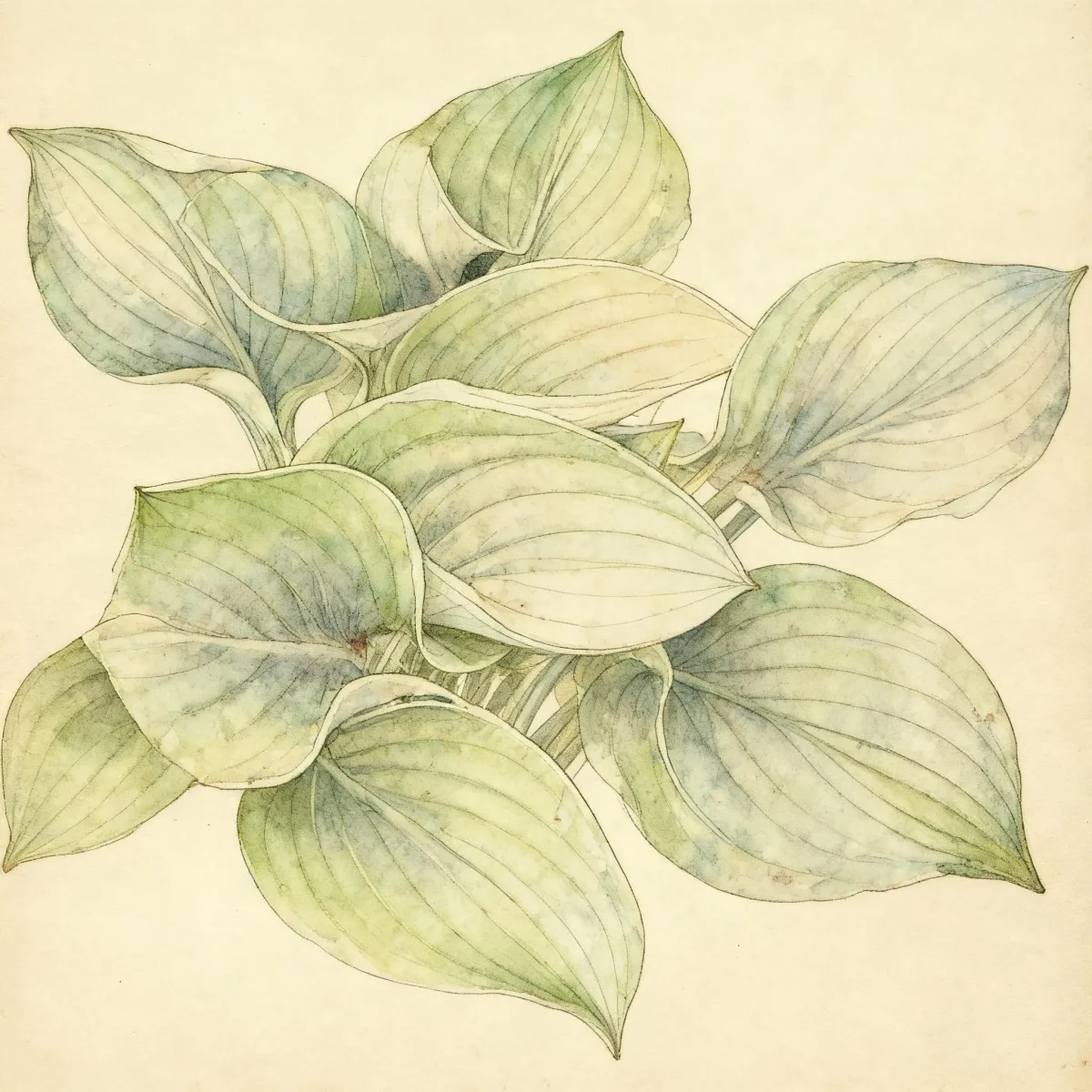
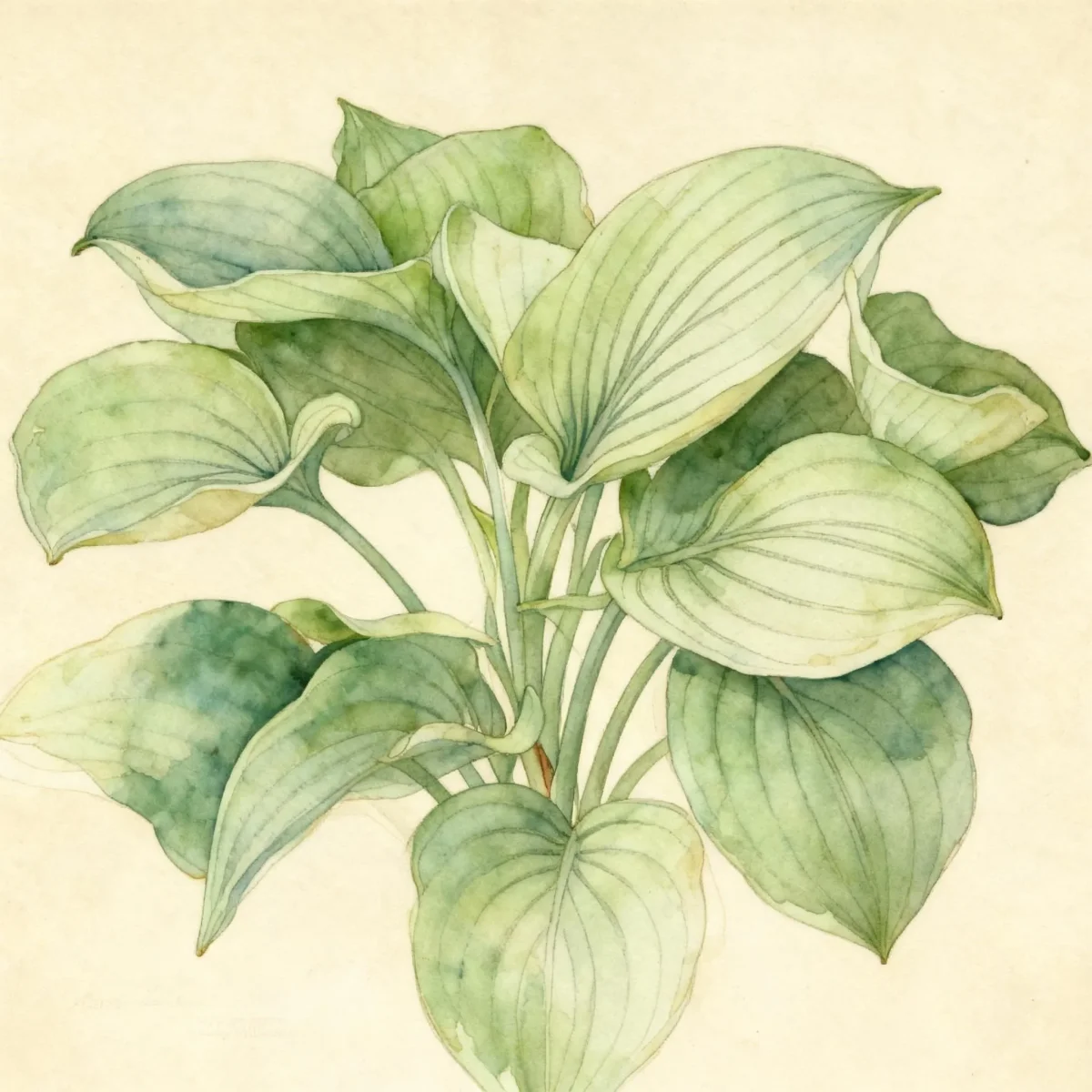
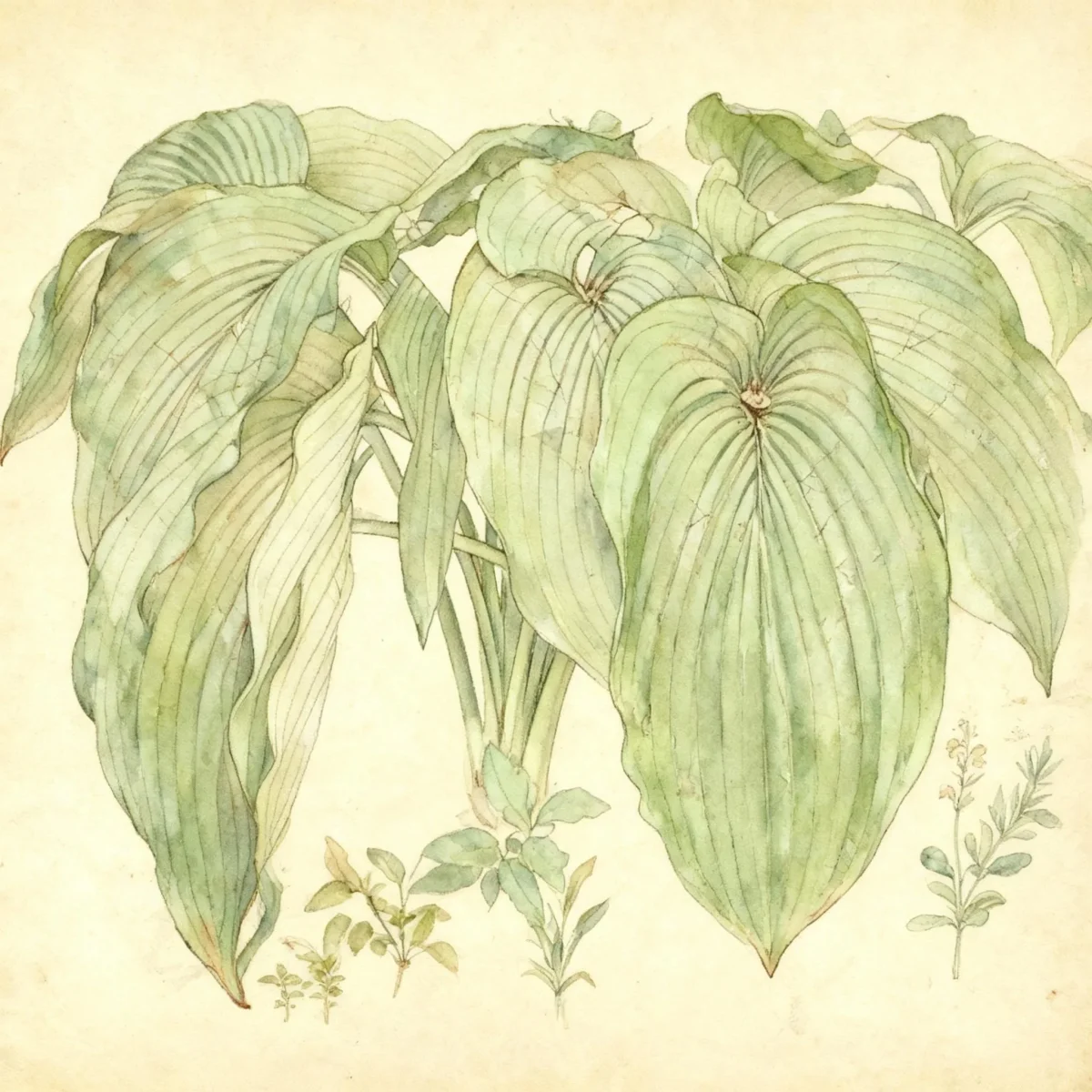
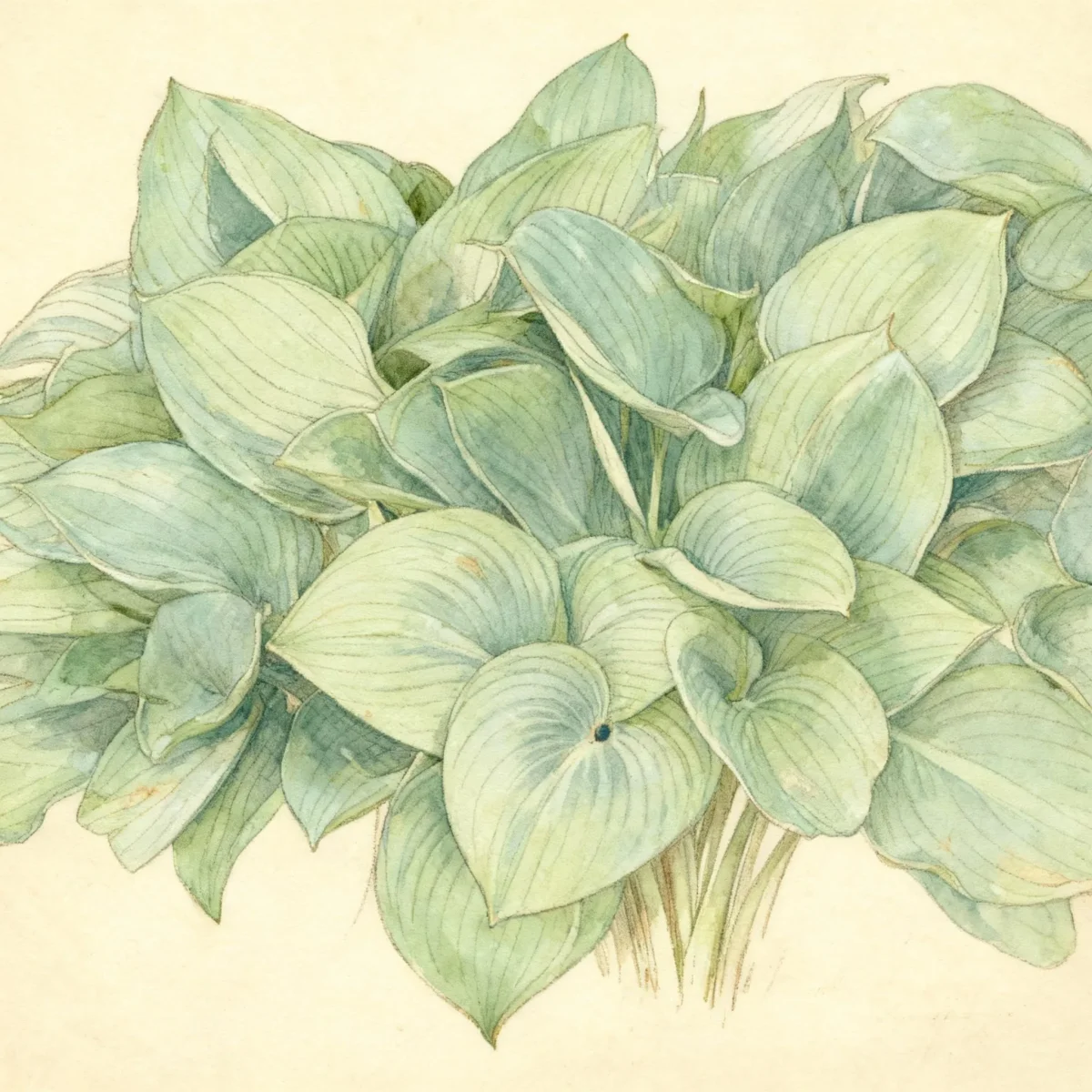
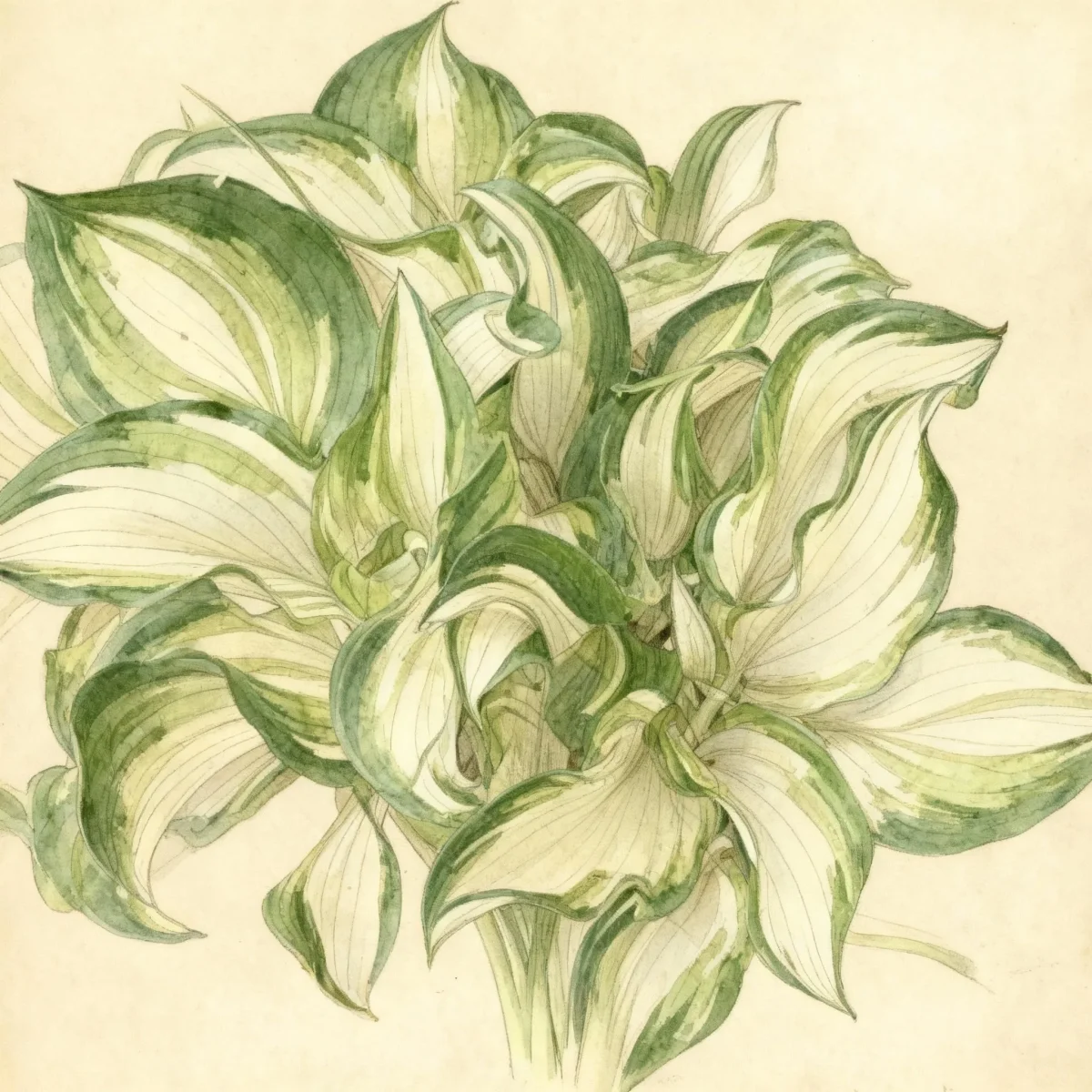
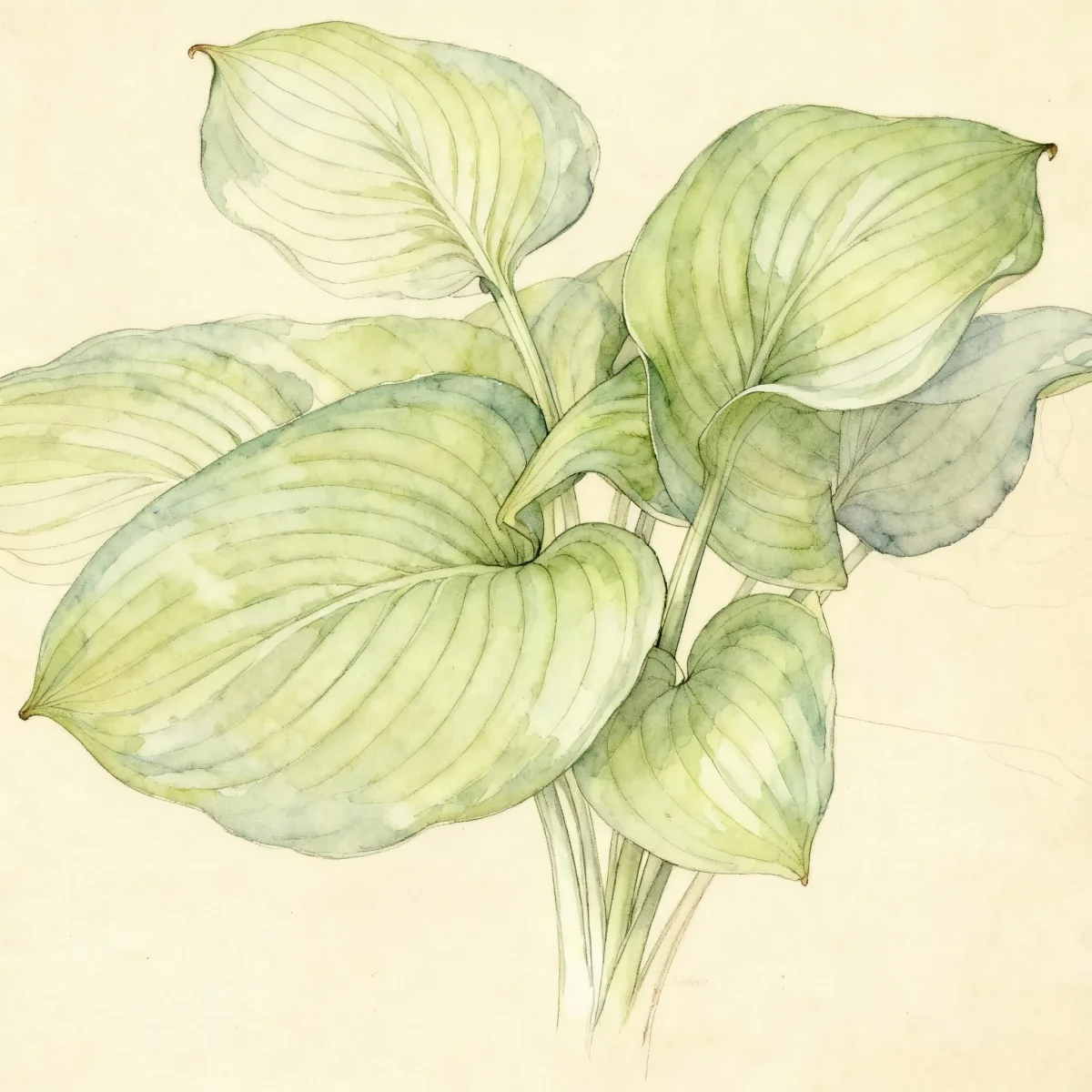
Hosta ‘Guacamole’ is a superb specimen prized primarily for its striking, convex, wide oval foliage displaying a vibrant chartreuse-gold coloration beautifully trimmed with irregular, darker bluish-green margins. This medium-sized Hosta cultivar imparts a lush, mounding texture to shaded garden areas, making it an indispensable perennial for gardeners seeking low-maintenance drama. Its aesthetic appeal is further enhanced by highly fragrant, almost white flowers that emerge on tall scapes during mid-summer.
This Hosta thrives when sited in part shade, benefiting from morning sun or dappled light conditions, and requires consistent moisture to achieve its best size and coloration. Belonging to the highly popular Hosta genus, ‘Guacamole’ maintains its low-maintenance profile while offering superior visual impact compared to many other shade-lovers. It is an excellent choice for anchoring borders or filling woodland garden settings.
Fast Facts
- Plant Family: Asparagaceae
- Plant Type: Herbaceous perennial
- Hardiness Zones: USDA Zones 3-8
- Size at Maturity:
- Height: 1-1.5 ft
- Spread: 3-4 ft
- Bloom Time: July to August
- Bloom Description: White
- Sun Exposure: Part shade to full shade
- Water Needs: Medium
- Maintenance Level: Low
How to Grow
Planting Hosta ‘Guacamole’ should occur in well-drained soil that is organically rich and consistently moist. While established plants can exhibit some tolerance for dry shade, ensure regular watering, especially during establishment and hot, dry periods, as consistent moisture is key to achieving the best leaf quality. Ideal placement is in part shade, protected from the harshest afternoon sun which can scorch the lighter leaf sections.
Watering should be directed straight to the soil beneath the leaves to help prevent powdery mildew and to keep the foliage clean. As Hostas are generally regarded as low-maintenance, extensive fertilizing is rarely necessary. Divide clumps as needed, typically in the early spring before the new leaves unfurl, or in the autumn to refresh crowded patches. Always select a site sheltered from strong winds which can physically damage the broad leaves of the Hosta ‘Guacamole’.
Landscape Uses
Hostas are the foundation of nearly every successful shade garden, serving primarily to add architectural interest and textural contrast where flowers struggle to bloom. Hosta ‘Guacamole’ is particularly effective when massed or planted in groups to create a continuous, bright river of color beneath taller trees or along shady pathways. Its strong, wide leaves make it an excellent background plant, contrasting beautifully against finer textured ferns or darker green groundcovers.
Consider using this variety along shady borders or within woodland garden designs where its chartreuse-gold and green marbling can capture and reflect low light levels. While the flowers are fragrant, the main function of this plant in landscape design is foliage presentation, making it versatile for placement where summer blooms are secondary to year-round leaf structure.
Standout Features
Flower Qualities
- Showy
- Fragrant
Noteworthy Characteristics
‘Guacamole’ is distinguished as a medium Hosta sport of ‘Fragrant Bouquet,’ developing into a mound up to 18” tall but spreading widely over time. Its foliage is glossy chartreuse-gold with darker green margins, showing distinctive deep veining, while the funnel-shaped flowers are highly fragrant. The genus Hosta is favored globally, though native to eastern Asia, primarily valued for its spectacular ornamental leaves.
Tolerances
- Heavy Shade
- Black Walnut
Potential Problems
The most immediate threat to enjoying pristine Hosta foliage is damage from slugs and snails, which commonly chew jagged holes visible shortly after emergence. Control these pests proactively using baits or physical barriers applied early in the season before populations boom. Monitor the leaves for signs of foliar nematodes, which cause interveinal browning. While root rot and leaf spots are possible, ensure good soil drainage to mitigate these fungal risks. Plants infected with viruses like HVX should be immediately identified and destroyed to prevent spread within your Hosta collection.
Frequently Asked Questions
What hardiness zones is Hosta suitable for?
Hosta ‘Guacamole’ is reliably hardy in USDA Zones 3 through 8, offering a broad range of suitability across North America.
How large does Hosta ‘Guacamole’ grow?
This variety typically reaches a height between 1 and 1.5 feet, spreading out to occupy an area between 3 and 4 feet wide at maturity.
What sun exposure does Hosta ‘Guacamole’ need?
This plant prefers part shade but tolerates full shade, doing best when protected from intense, direct afternoon sun exposure.
When does Hosta ‘Guacamole’ bloom?
The blooms appear from July through August, offering funnel-shaped, white flowers noted for their very pleasant fragrance.
Conclusion
Hosta ‘Guacamole’ remains a standout variety in the world of shade gardening, delivering substantial visual impact through its large, colorful, and fragrant foliage. By providing consistent moisture and appropriate shelter from harsh sun, gardeners in Zones 3-8 can achieve a low-maintenance, high-reward specimen. Plan your spring planting now to ensure your garden benefits from glorious Hostas like ‘Guacamole’ all season long.
Companion Planting
When designing a rich, shaded border, pair Hosta ‘Guacamole’ with plants that offer contrasting textures. Delicate ferns, such as Japanese Painted Fern (Athyrium niponicum), provide a feathery counterpoint to the bold, convex leaves of the Hosta. Consider woodland phlox (Phlox divaricata) for early spring color, or Astilbe, which shares similar moisture and shade requirements while offering vertical plumes of color that contrast nicely with the mounding foliage habit.
Design Ideas for Foliage Contrast
The unique chartreuse hue of Hosta ‘Guacamole’ makes it an exceptional light source in deep shade compositions. Use it near a dark stone pathway or against evergreen shrubs to maximize its glow in low light. For a truly dramatic effect, mass several ‘Guacamole’ plants together, allowing their wide, overlapping mounds to form a collective carpet of undulating color throughout the summer months. Its defined margins help maintain visual structure even when other perennials have finished flowering.