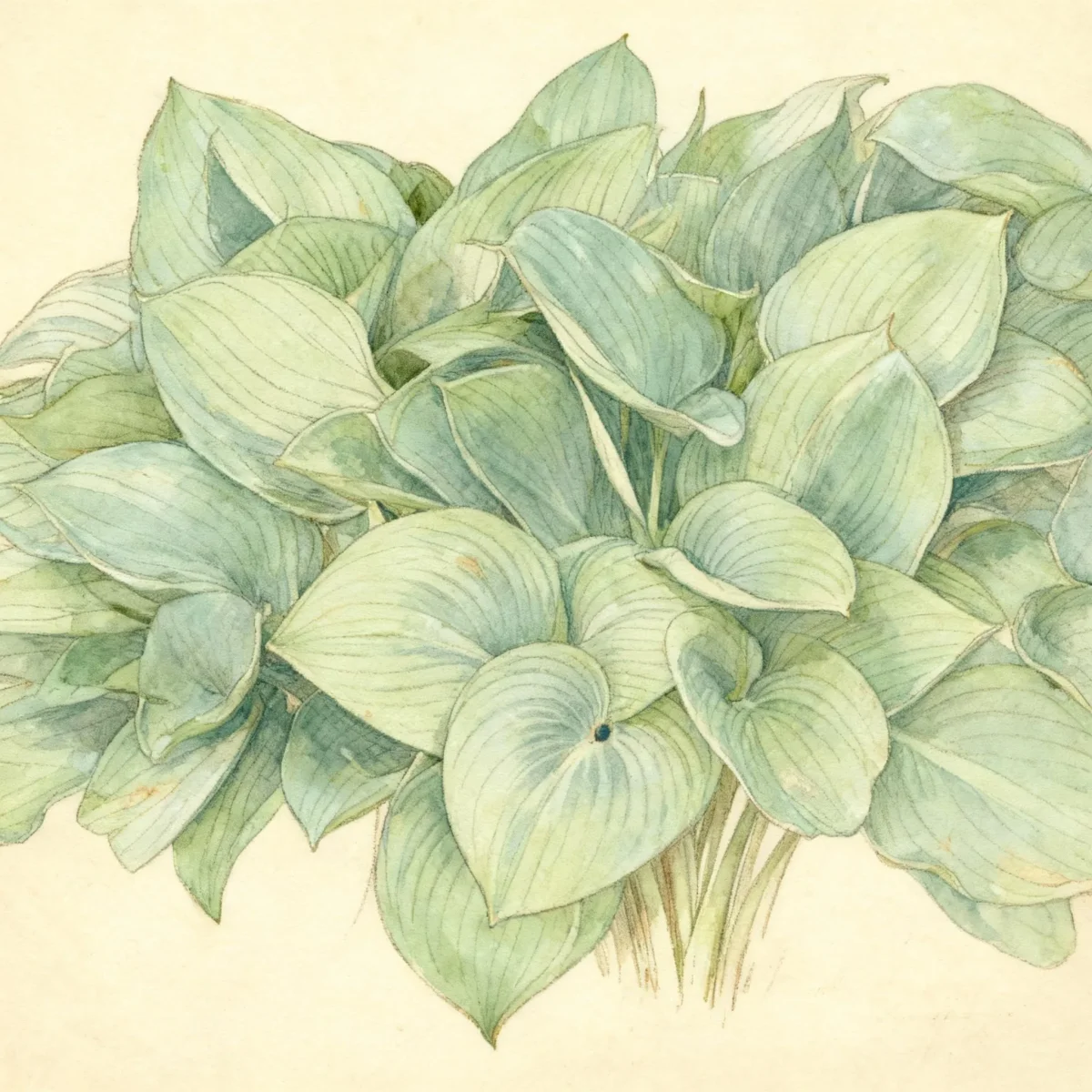
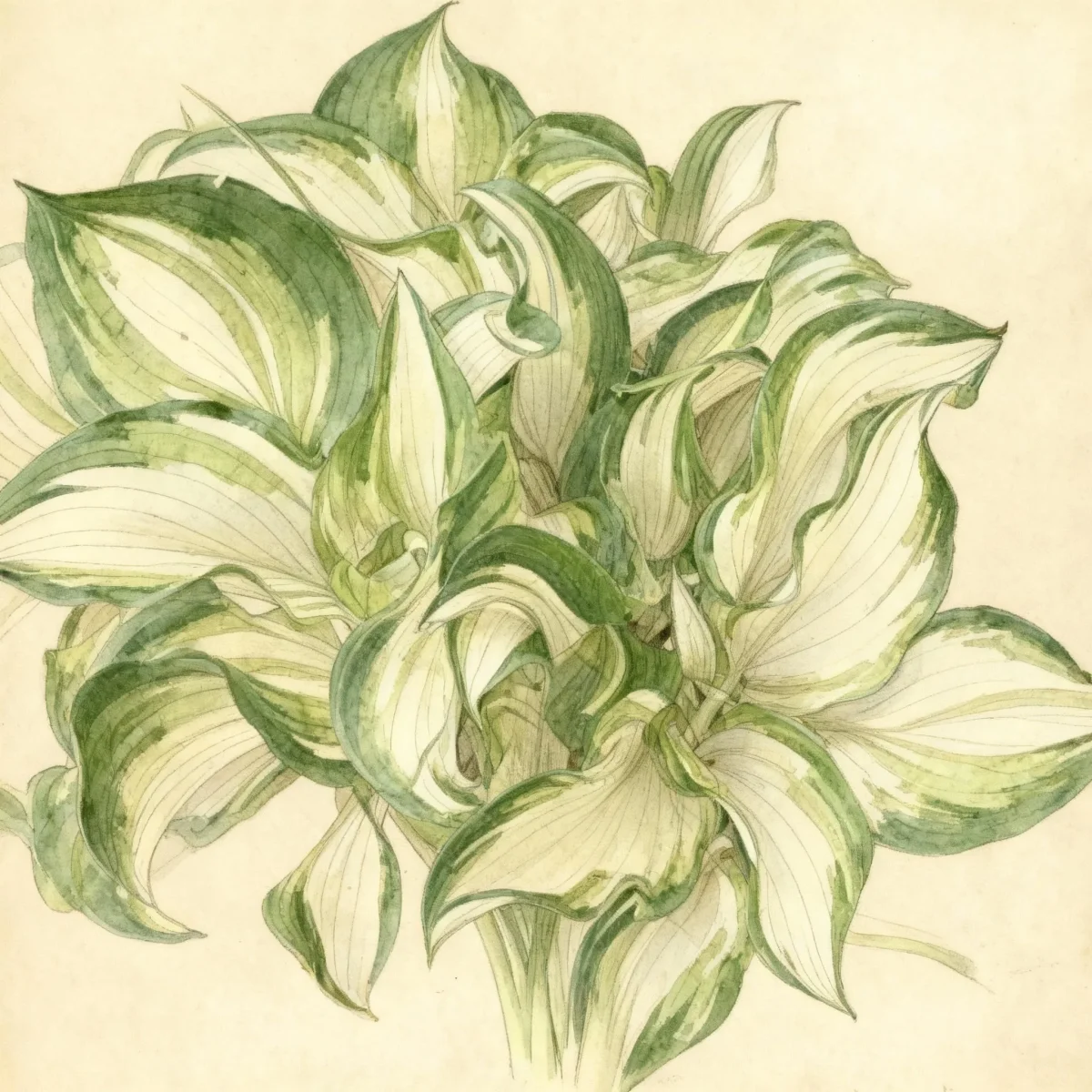
Hosta (Hosta 'Hadspen Blue')
Hosta 'Hadspen Blue' is a medium, low-maintenance perennial prized for its thick, powdery, grayish-blue foliage in shaded gardens.
Scroll down to discover growing tips, care requirements, companion plants, and more
Complete Plant Information
Overview
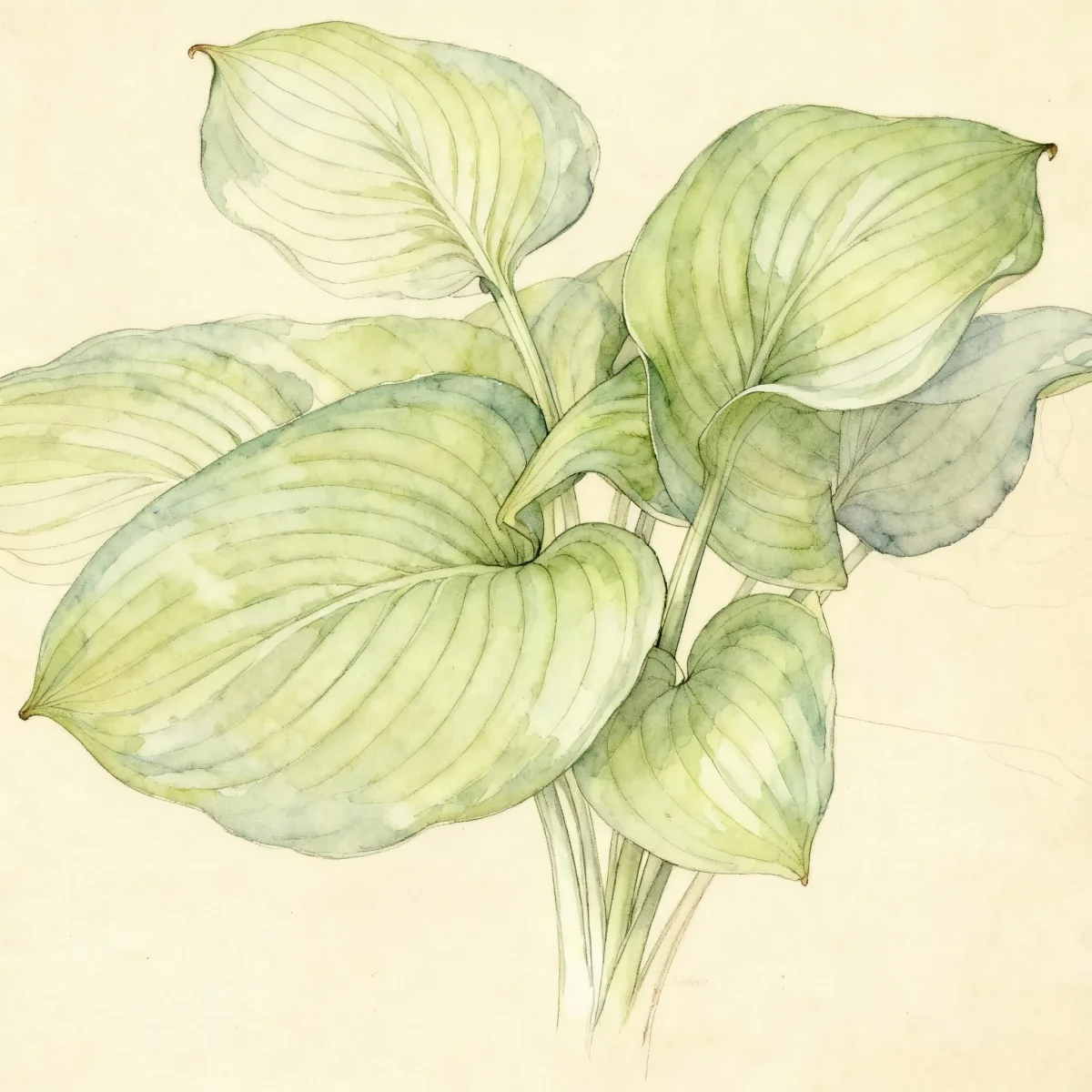
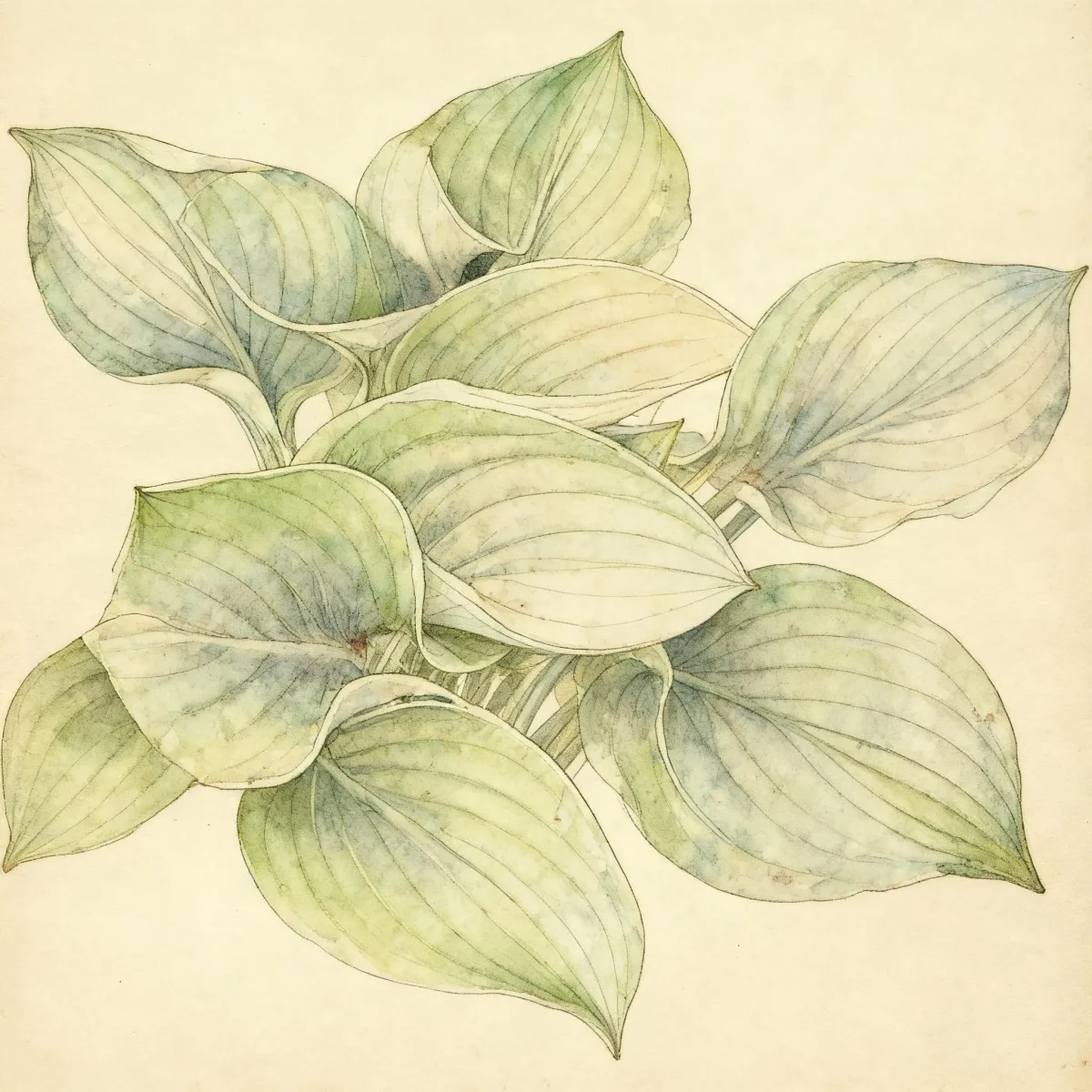
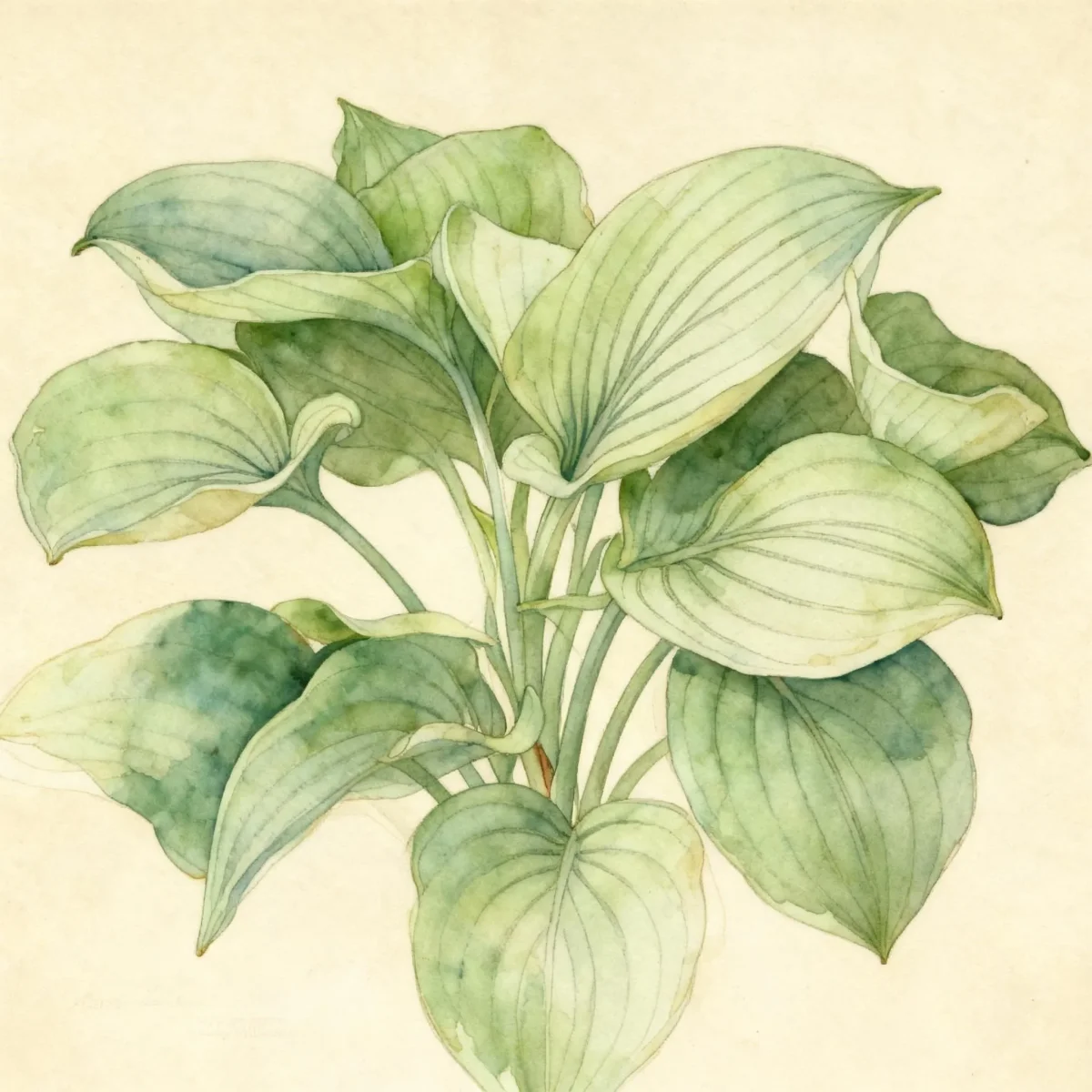
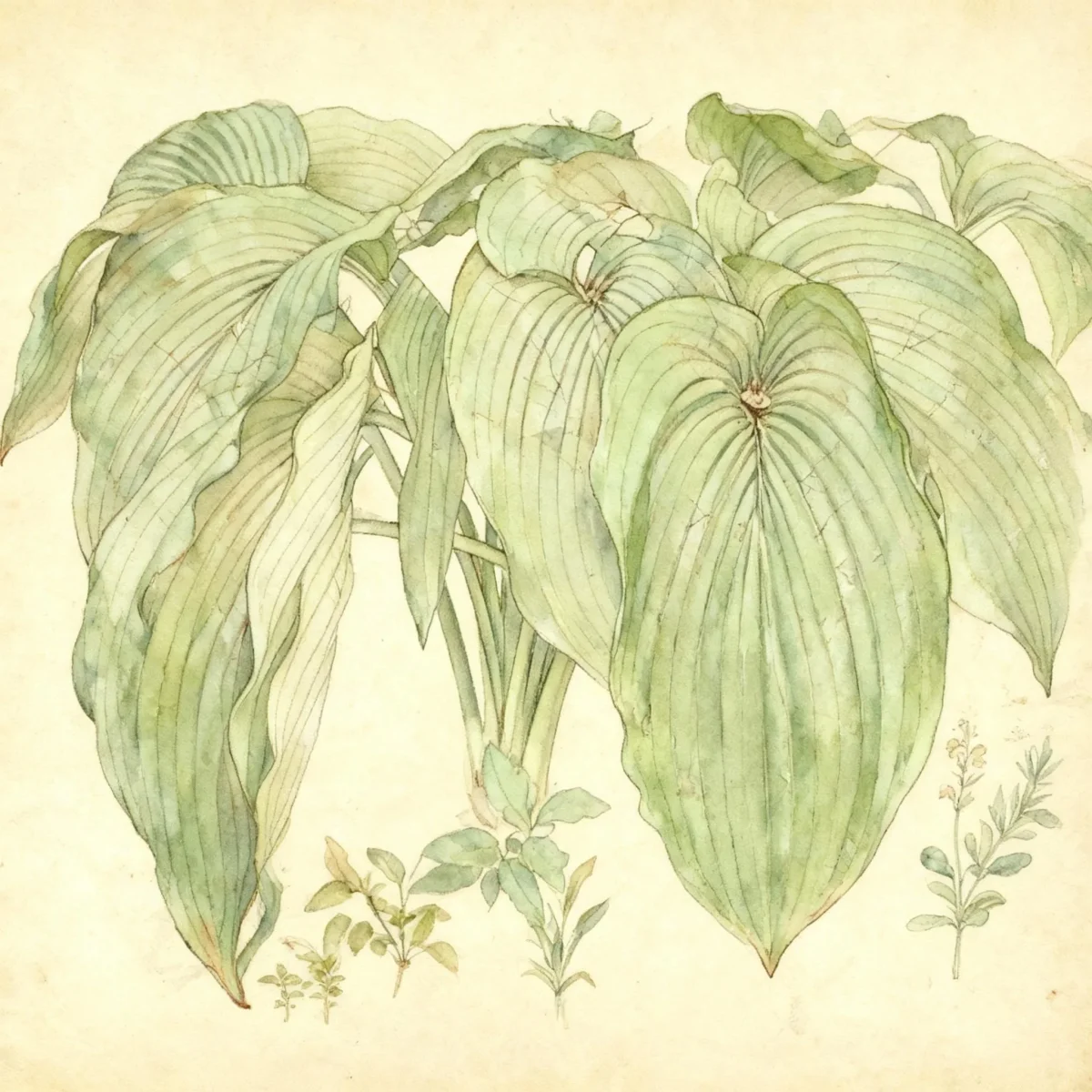
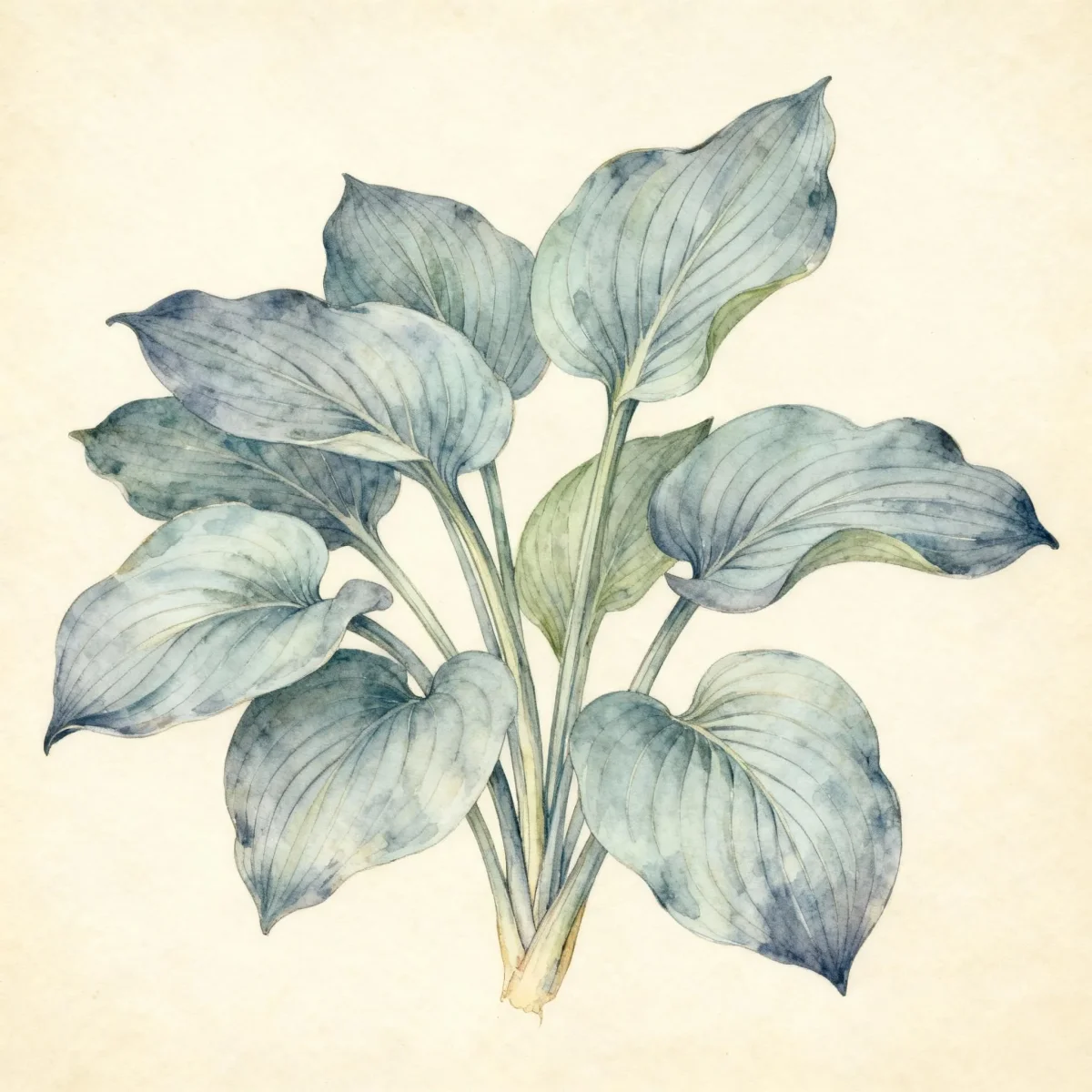
Hosta ‘Hadspen Blue’ is cherished by gardeners as a premier choice for infusing texture and cool color into deep shade areas. This specific Hosta cultivar is recognized for its thick, heavily-textured leaves coated in a distinct powdery, grayish-blue bloom, offering superb aesthetic value where many other desirable plants struggle. Its mounding habit forms an attractive, rounded silhouette, making it a highly reliable foundation plant for woodland settings or shady borders.
As a rhizomatous, clump-forming perennial, this Hosta variety establishes readily and requires relatively low maintenance once situated properly. Gardeners benefit from year-round visual interest as the foliage provides structure long before and after the mid-summer lavender-gray blooms appear. Cultivating Hosta ‘Hadspen Blue’ ensures a dependable, high-quality display in the challenging light conditions of the understory.
Fast Facts
- Plant Family: Asparagaceae
- Plant Type: Herbaceous perennial
- Hardiness Zones: USDA Zones 3-8
- Size at Maturity:
- Height: 0.75-1.5 ft
- Spread: 1-2 ft
- Bloom Time: July to August
- Bloom Description: Lavender-gray to off-white
- Sun Exposure: Part shade to full shade
- Water Needs: Medium
- Maintenance Level: Low
How to Grow
Plant Hosta ‘Hadspen Blue’ in locations that receive part shade to full shade, capitalizing on dappled morning sunlight for the best color retention. These perennials thrive in organically rich, well-drained soils. Ensure the planting site has consistently moist conditions; while established plants tolerate some dry shade, never allow the soil to totally dry out, as consistent moisture is key to achieving the plant’s full size and visual quality.
Watering should be directed toward the base of the plant, beneath the dense foliage, to minimize fungal issues on the leaves. Hostas are generally considered low-maintenance and rarely require added fertilization if the soil is rich. Dividing established clumps is best performed in early spring before the leafy growth emerges, or alternatively, in the autumn.
Protecting the foliage of Hosta ‘Hadspen Blue’ from strong winds is recommended to prevent physical tearing or abrasion. Because this beautiful Hosta prefers uniform soil moisture, avoid planting it directly under downspouts or in areas prone to rapid drainage unless supplement watering is guaranteed.
Landscape Uses
Hostas are the undisputed backbone of nearly every successful shade garden design. Hosta ‘Hadspen Blue’, with its distinct cool-toned foliage, excels when massed together to create sweeping drifts of color beneath mature trees or along the north side of structures. It serves perfectly as a unifying background element where flowering perennials may struggle for light.
The dense, mounding habit of this Hosta makes it effective for softening hardscape edges or lining shady borders. Consider pairing Hosta ‘Hadspen Blue’ with contrasting textures, such as fine-bladed ferns or broad-leaved Hellebores, to maximize the visual impact of the blue leaves against green surroundings. These plants also perform admirably in large containers strategically placed on shaded patios.
Standout Features
Noteworthy Characteristics
Hosta is a genus of rhizomatous, clump-forming, herbaceous perennials primarily valued for their ornamental foliage, native to East Asian woodlands. ‘Hadspen Blue’ is specifically known for its medium size, yielding a mound up to 14 inches tall and 24 inches wide, featuring thick, cordate leaves with a distinctive powdery, grayish-blue coating. Bell-shaped, lavender-gray to off-white flowers bloom atop leafless scapes rising about 18 inches tall during mid-summer.
Tolerances
- Heavy Shade
- Black Walnut
Potential Problems
The most significant threat to the appearance of Hosta ‘Hadspen Blue’ comes from mollusks. Slugs and snails are highly attracted to the foliage, resulting in unsightly jagged feeding marks that can rapidly destroy the aesthetic value of the leaves if not managed proactively. Monitor the undersides of leaves and surrounding mulch regularly, especially during damp evenings, applying deterrents as necessary.
Other potential issues include foliar nematodes, which cause interveinal browning, and viral infections like Hosta Virus X, which require immediate removal and destruction of the entire plant to prevent spread. Furthermore, due to their position low to the ground, the leaves can be significantly damaged by unexpected hail storms, and they serve as a favored food source for deer and rabbits.
Frequently Asked Questions
What hardiness zones is Hosta ‘Hadspen Blue’ suitable for?
Hosta ‘Hadspen Blue’ performs reliably across USDA Hardiness Zones 3 through 8.
How large does Hosta ‘Hadspen Blue’ grow?
This cultivar typically reaches a mature height between 0.75 and 1.5 feet tall with a spread ranging from 1 to 2 feet wide.
What sun exposure does Hosta ‘Hadspen Blue’ need?
It thrives best in part shade conditions, though it can tolerate full shade, preferring protection from intense afternoon sun.
When does Hosta ‘Hadspen Blue’ bloom?
The lovely lavender-gray to off-white flowers appear during the peak summer months, specifically from July through August.
Conclusion
Hosta ‘Hadspen Blue’ offers exceptional value to the garden designer seeking reliable, cool-toned texture for shaded environments. Its dense, blue mound ensures structural integrity throughout the growing season, making this Hosta mandatory for difficult spots. Before planting, confirm your site offers the necessary medium moisture and protection, then enjoy the low maintenance required for this exceptional specimen.
Companion Planting in Shade
When designing a planting scheme around Hosta ‘Hadspen Blue’, select companions that contrast texturally or provide seasonal color that offsets the mid-summer blue foliage. Ferns, such as Japanese Painted Fern or Autumn Fern, offer a delicate, feathery texture that beautifully complements the broad leaves of the Hosta. If you wish to add flowering elements, consider Tiarella (Foamflower) which blooms earlier in spring, enhancing the entrance to the growing season before the Hosta reaches its peak.
Consider ground covers like Sweet Woodruff (Galium odoratum) which spreads well in similar conditions and offers small white flowers, preventing the soil around the base of the Hosta mounds from becoming bare or weedy. Pairing these shade lovers culturally ensures all plants share the need for moist, rich soil beneath the canopy.
Seasonal Care Calendar
Early spring is the ideal moment to assess and perform maintenance on your Hosta ‘Hadspen Blue’. Clear away any winter debris but leave the plant undisturbed until the new growth begins pushing through the soil; dividing is easiest at this stage if needed. Focus watering efforts during dry spells in summer, ensuring water reaches the root zone rather than wetting the foliage excessively. In autumn, simply allow the foliage to die back naturally; avoid cutting it back until the leaves turn yellow or brown, as this allows the Hosta to store energy for winter survival.