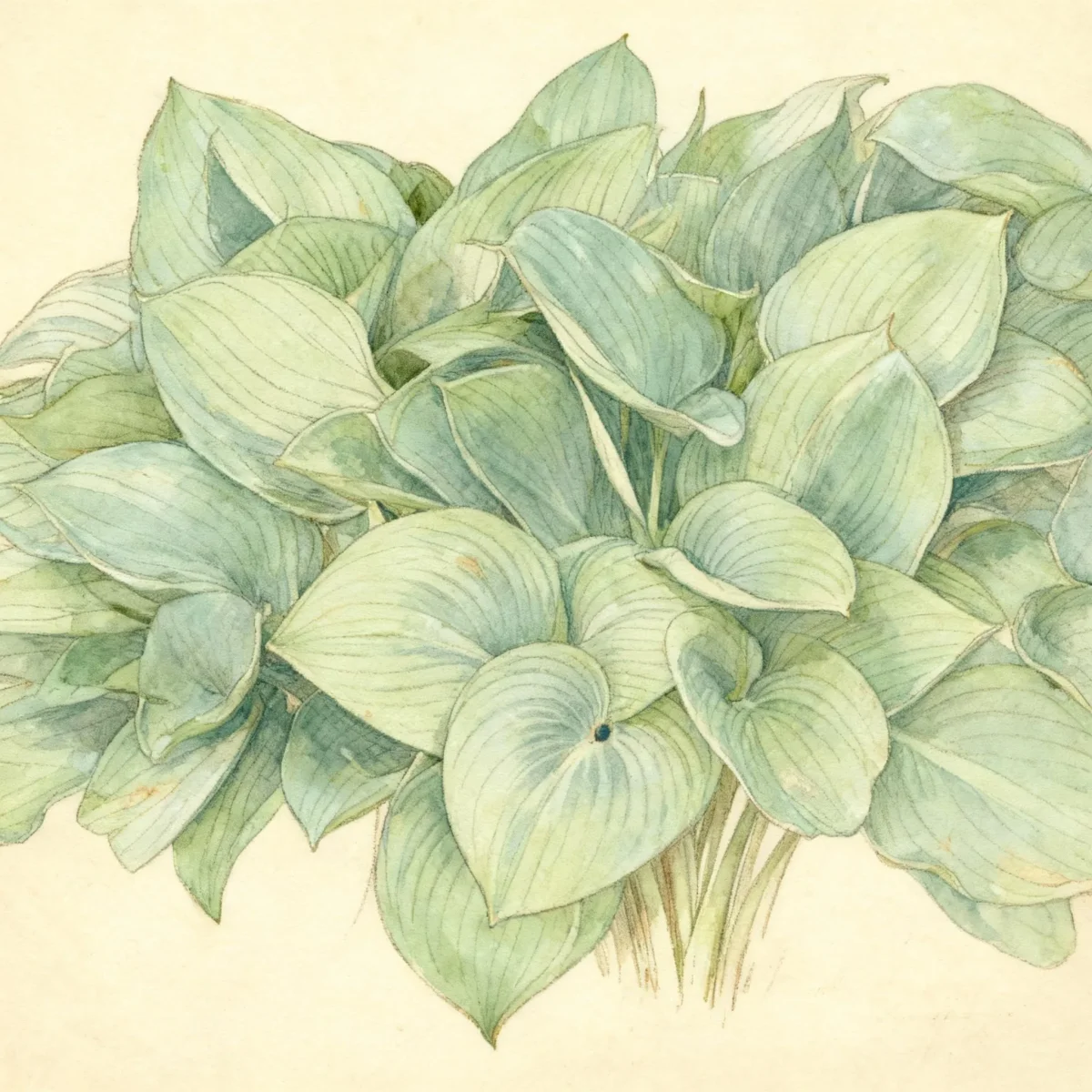
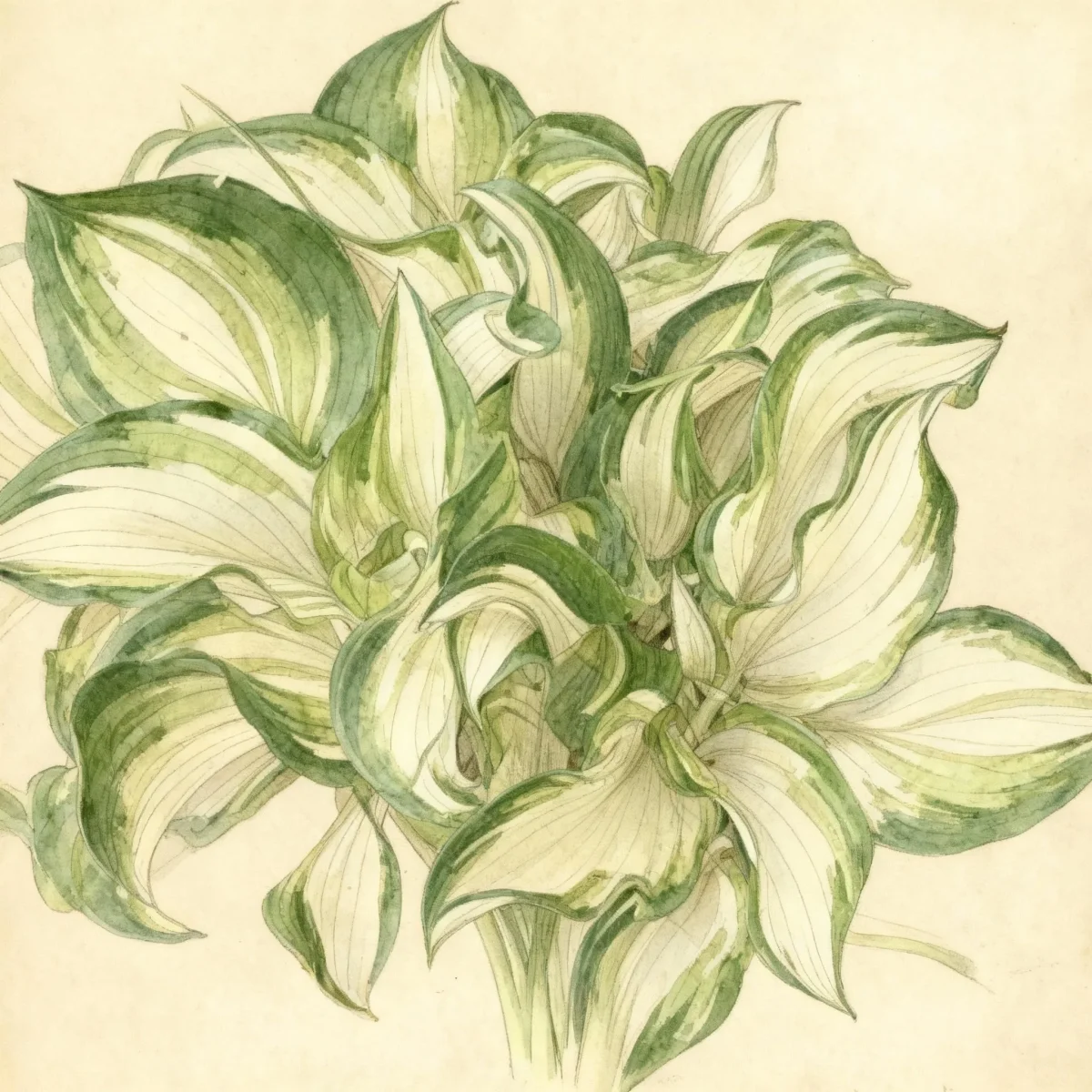
Hosta (Hosta (Tardiana Group) 'Harmony')
Hosta (Tardiana Group) 'Harmony' is a dependable, low-maintenance perennial known for its compact blue-green foliage and showy white flowers.
Scroll down to discover growing tips, care requirements, companion plants, and more
Complete Plant Information
Overview
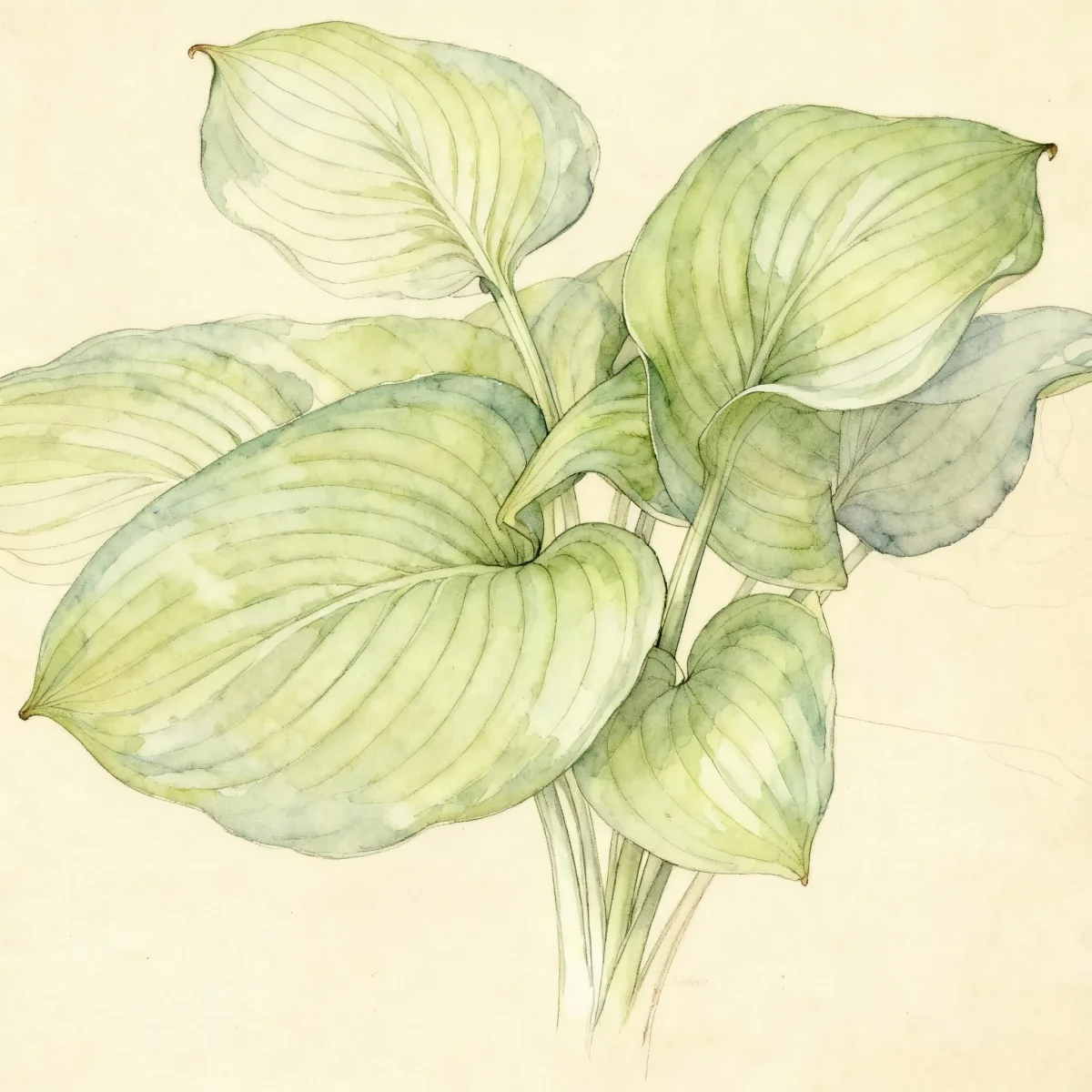
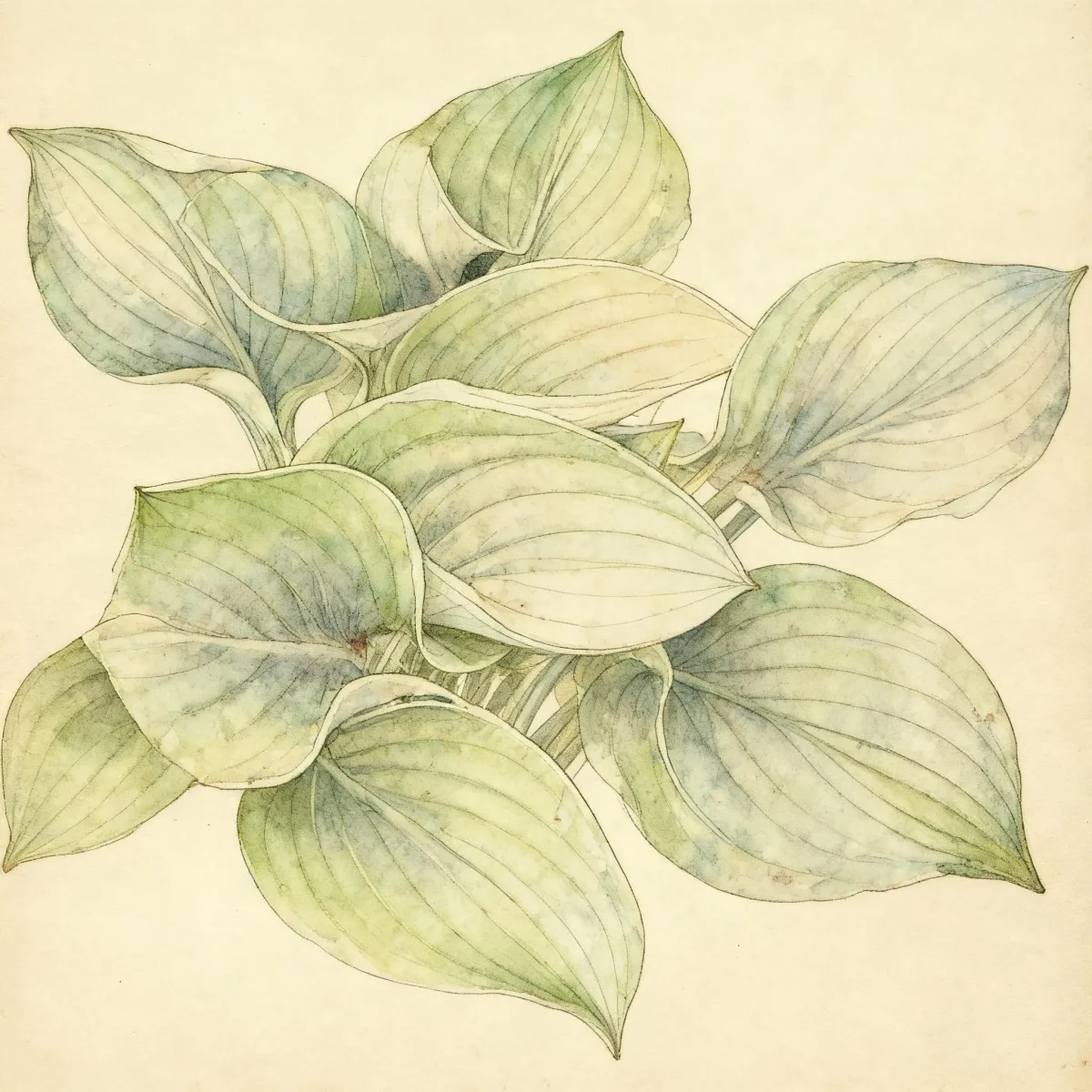
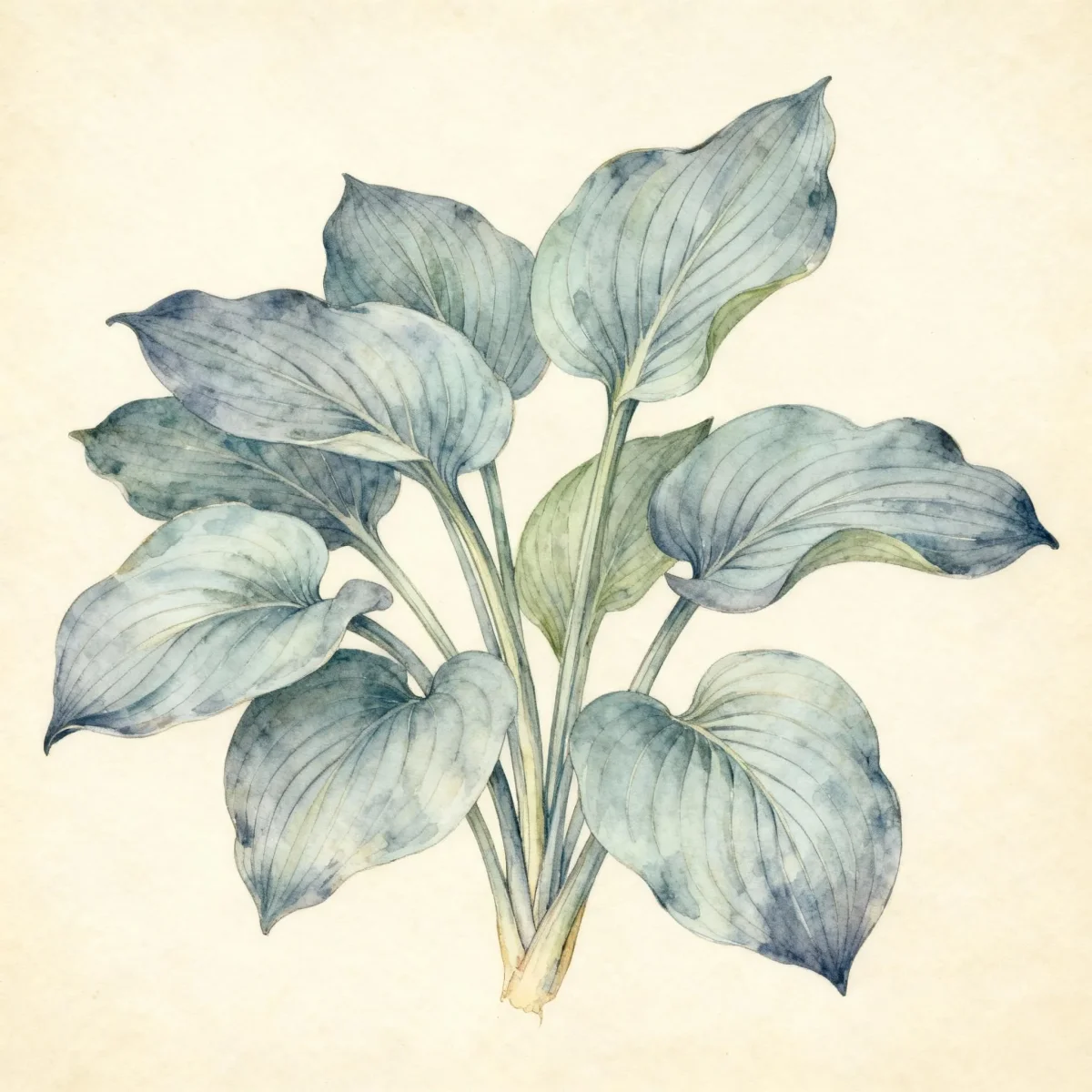
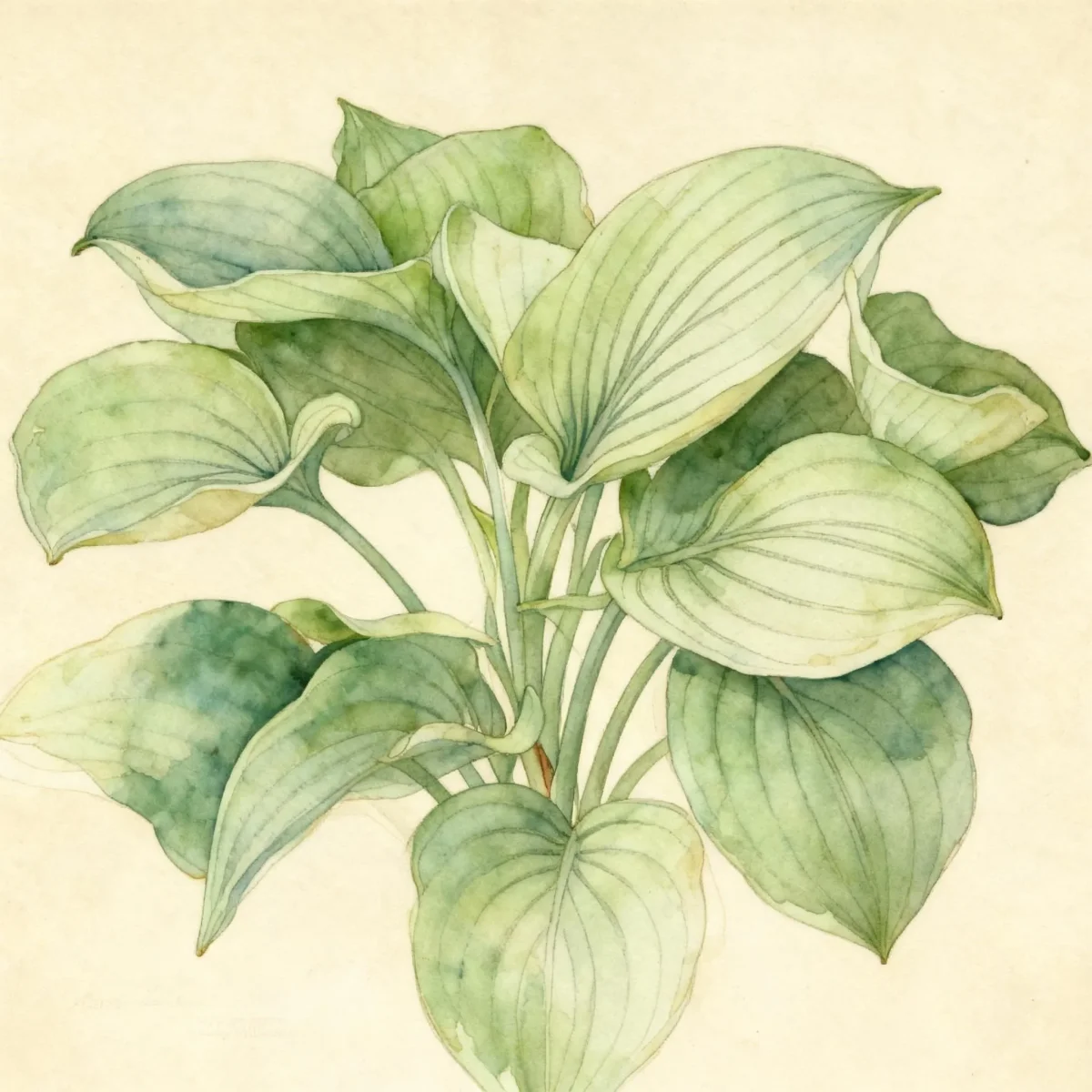
Hosta (Tardiana Group) ‘Harmony’ is prized by gardeners primarily for its dense, ornamental foliage that forms a neat, compact mound. This specific Hosta cultivar features flat, heart-shaped leaves colored in attractive blue-green tones, offering essential contrast in shady garden settings. It belongs to the Tardiana Group, known for robust performance and relatively smaller stature compared to some larger varieties.
This versatile herbaceous perennial is a backbone plant for shaded areas, contributing texture and color with very little effort required from the gardener. Beyond its foliage excellence, Hosta (Tardiana Group) ‘Harmony’ produces racemes of delicate, bell-shaped white flowers during early summer, enhancing its ornamental appeal. Its dense growth habit also proves functional, helping to suppress unwanted weed growth beneath the canopy.
As a dependable perennial, the main appeal of Hosta lies in its aesthetic contribution to woodland or shade gardens where few other ornamental plants thrive. Understanding its cultural needs, particularly regarding moisture and light, ensures this Hosta reaches its full potential as a low-maintenance landscape anchor.
Fast Facts
- Plant Family: Asparagaceae
- Plant Type: Herbaceous perennial
- Hardiness Zones: USDA Zones 3-8
- Size at Maturity:
- Height: 0.5-0.75 ft
- Spread: 0.5-0.75 ft
- Bloom Time: June to July
- Bloom Description: White
- Sun Exposure: Part shade to full shade
- Water Needs: Medium
- Maintenance Level: Low
How to Grow
The Hosta (Tardiana Group) ‘Harmony’ thrives best when planted in soil that is organically rich, well-drained, and kept consistently moist. The ideal location provides part shade, often translating to conditions receiving some dappled sunlight or gentle morning sun; however, this variety tolerates heavy shade well. When establishing new plants, ensure the location offers protection from strong winds that can damage the foliage.
Consistent moisture is crucial for achieving the best size and leaf quality in your Hosta. While established plants may show some tolerance for dry shade, especially those varieties with thicker leaves, the soil should never be allowed to completely dry out. When watering, direct the moisture straight to the soil base beneath the leaves rather than overhead watering.
Maintenance for Hosta is generally low. Division of overcrowded clumps can be easily achieved either in the autumn or, ideally, in the early spring before the new leaves fully unfurl. Regular division helps rejuvenate the plants and allows for easy propagation if you wish to spread this lovely Hosta throughout your garden space.
Landscape Uses
Hostas are fundamental to garden design in shady environments, acting as textural anchors and groundcovers where turf will not grow. This small hosta, Hosta (Tardiana Group) ‘Harmony’, is particularly effective when massed together or planted in bold groupings along shady borders or in woodland garden settings. Its compact size also makes it suitable for use in containers where it can brighten darker corners.
The dense foliage of this Hosta effectively crowds out many common garden weeds, significantly reducing the weeding burden around foundation plantings or under large trees. Look to companion plants that share similar needs for moisture and shade, such as ornamental grasses, ferns, or bleeding hearts, to create rich, layered scenes that emphasize texture.
Because Hosta (Tardiana Group) ‘Harmony’ provides reliable texture and color from spring until frost, it serves perfectly as edging material near pathways or beneath taller shrubs, providing consistent visual interest throughout the growing season.
Standout Features
Flower Qualities
- Showy
- Good Cut
Noteworthy Characteristics
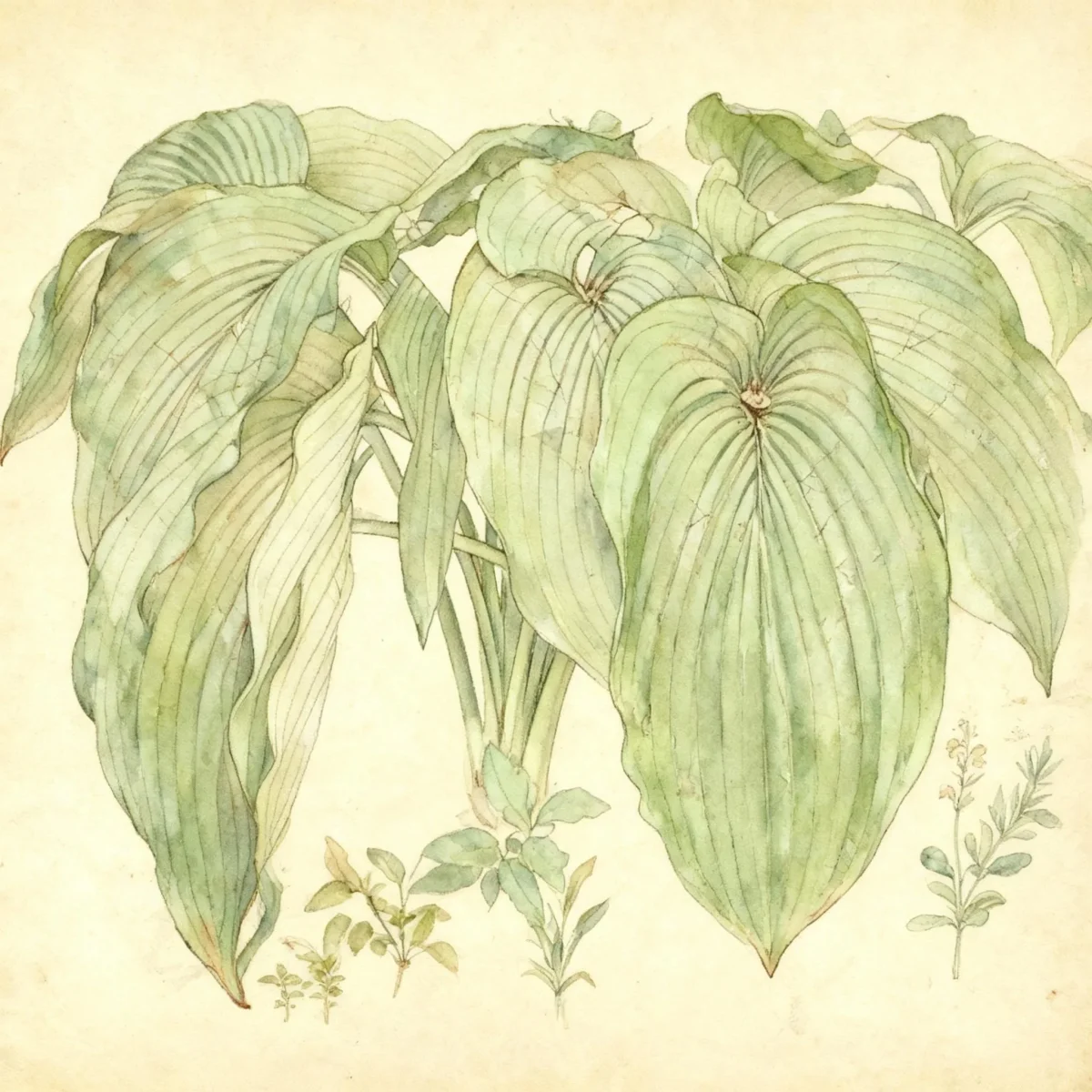
Hosta is a genus celebrated for its ornamental foliage, featuring densely packed, conspicuously-veined basal leaves rising from a central crown. The Tardiana Group, to which ‘Harmony’ belongs, consists of hybrids typically under 18 inches tall with characteristic blue-green leaves. ‘Harmony’ specifically offers a compact mound topped by racemes of bell-shaped white flowers, proving itself a dependable perennial requiring minimal management.
Tolerances
- Heavy Shade
- Black Walnut
Potential Problems
The primary aesthetic challenge for nearly all Hostas, including Hosta (Tardiana Group) ‘Harmony’, is infestation by slugs and snails. These pests feed aggressively on the foliage, creating jagged holes that quickly mar the appearance; immediate intervention is necessary to prevent serious damage. Management often involves setting out beer traps, applying slug baits containing iron phosphate, or manually removing pests in early morning or evening.
Gardeners should also be vigilant for foliar nematodes, which cause unsightly interveinal browning on the leaves, and less frequently, issues like leaf spots or crown rot, usually related to overly wet soil conditions. Infected plants showing signs of viral diseases, like HVX, must be immediately destroyed to protect healthy specimens. Additionally, deer frequently find Hosta foliage highly palatable, so protection from wildlife may be necessary in certain regions.
Companion Planting
When designing a shade garden around Hosta (Tardiana Group) ‘Harmony’, companion plants should complement the color and texture variations found in the Hosta foliage. Ferns, such as Japanese Painted Ferns or Autumn Ferns, pair exquisitely, as their delicate, airy fronds contrast beautifully with the dense, matte texture of the blue-green Hosta leaves.
Consider plants that bloom at slightly different times to ensure continuous visual interest once the white flowers of the Hosta fade. Astilbes offer plumes of color typically later in summer, and Hellebores provide very early spring blooms before the Hosta emerges fully. All these companions enjoy the part shade to full shade environments where this Hosta excels.
Seasonal Care Calendar
Spring preparation for your Hosta involves clearing away any lingering winter debris and monitoring closely for the first emergence of the tight leaf spirals. This is the optimal time for dividing older clumps if necessary; ensure soil moisture is consistent as new growth begins. In summer, the focus shifts entirely to moisture management, ensuring plants receive medium water, especially during dry spells, to maintain that signature blue coloration.
As autumn approaches, the foliage will naturally begin to yellow and die back; this material can then be cut down near the ground before winter sets in. Hosta (Tardiana Group) ‘Harmony’ is quite resilient in cold weather surviving into Zone 3, usually requiring no special winter protection unless excessively exposed to wildlife pressure.
Conclusion
Hosta (Tardiana Group) ‘Harmony’ is an indispensable element for enriching shaded landscapes, lauded for its reliable structure, attractive blue-green leaf color, and low-maintenance nature. This specific Hosta cultivar fits perfectly into small areas while offering high aesthetic value, proving that the genus Hosta remains dominant in woodland design. Before planting, confirm your site offers medium moisture and lies within USDA Zones 3-8 to ensure many seasons of enjoyment from this versatile perennial.