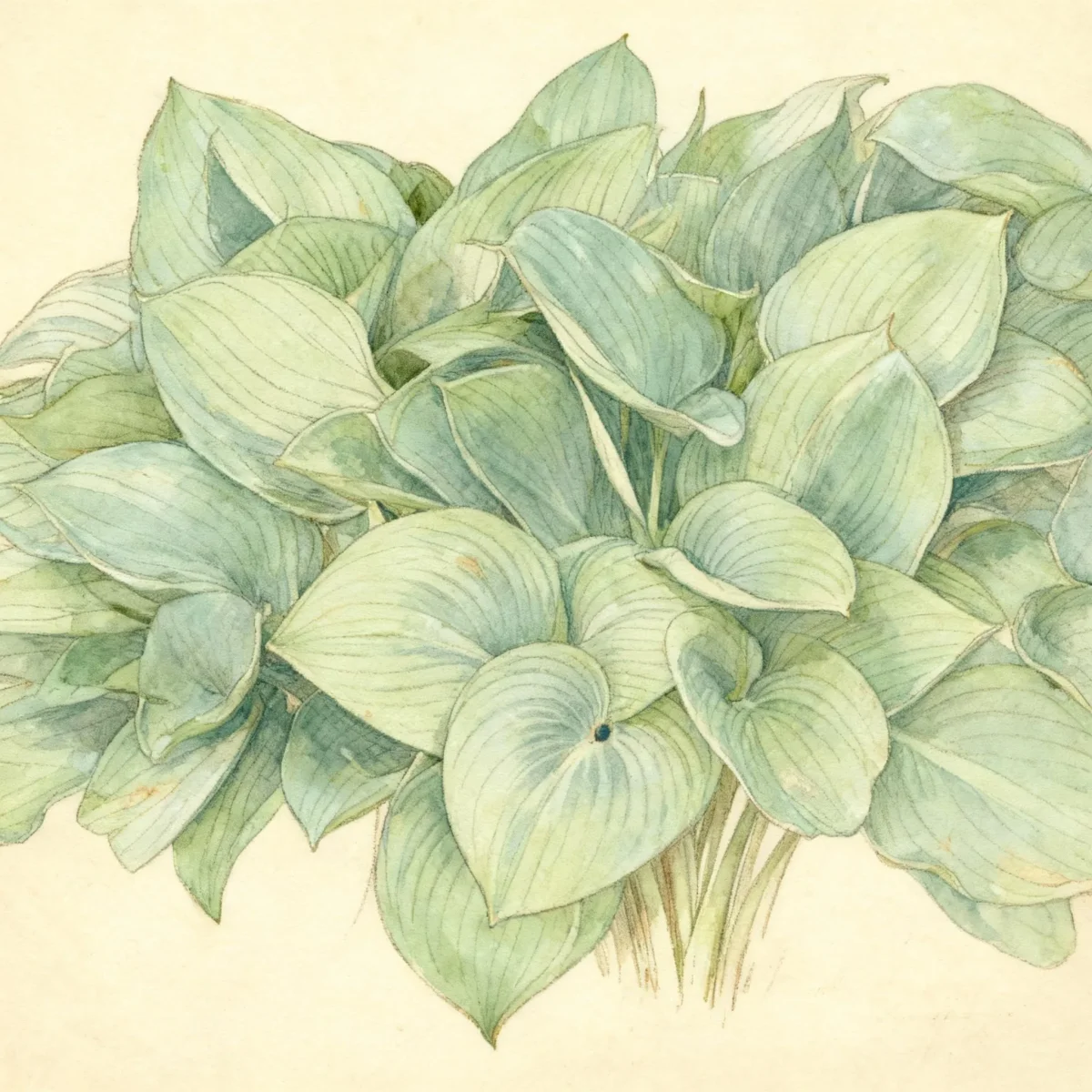
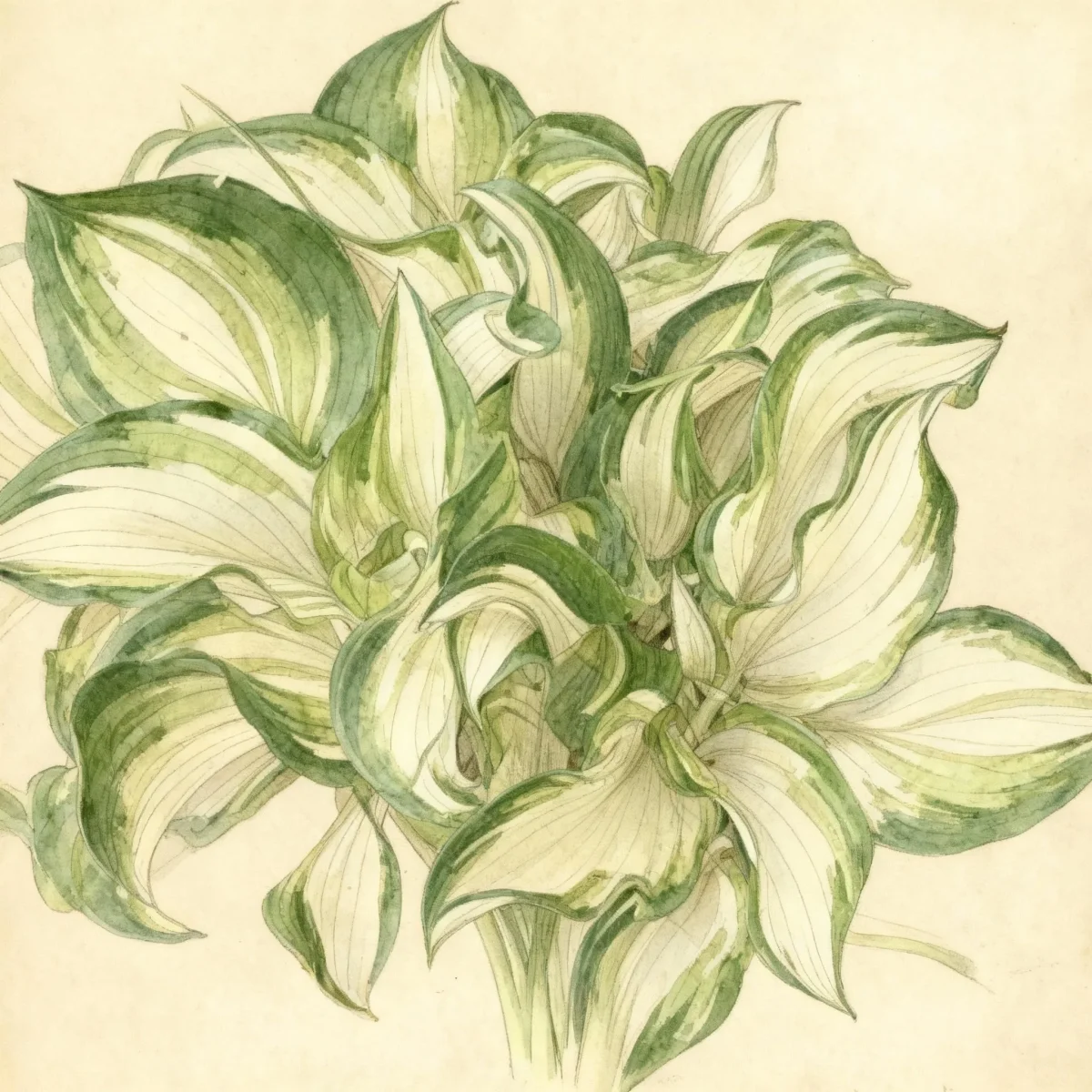
Hosta (Hosta 'Jade Cascade')
Hosta 'Jade Cascade' offers giant, arching, light green foliage perfect for deep shade gardens. Low maintenance Hosta.
Scroll down to discover growing tips, care requirements, companion plants, and more
Complete Plant Information
Overview
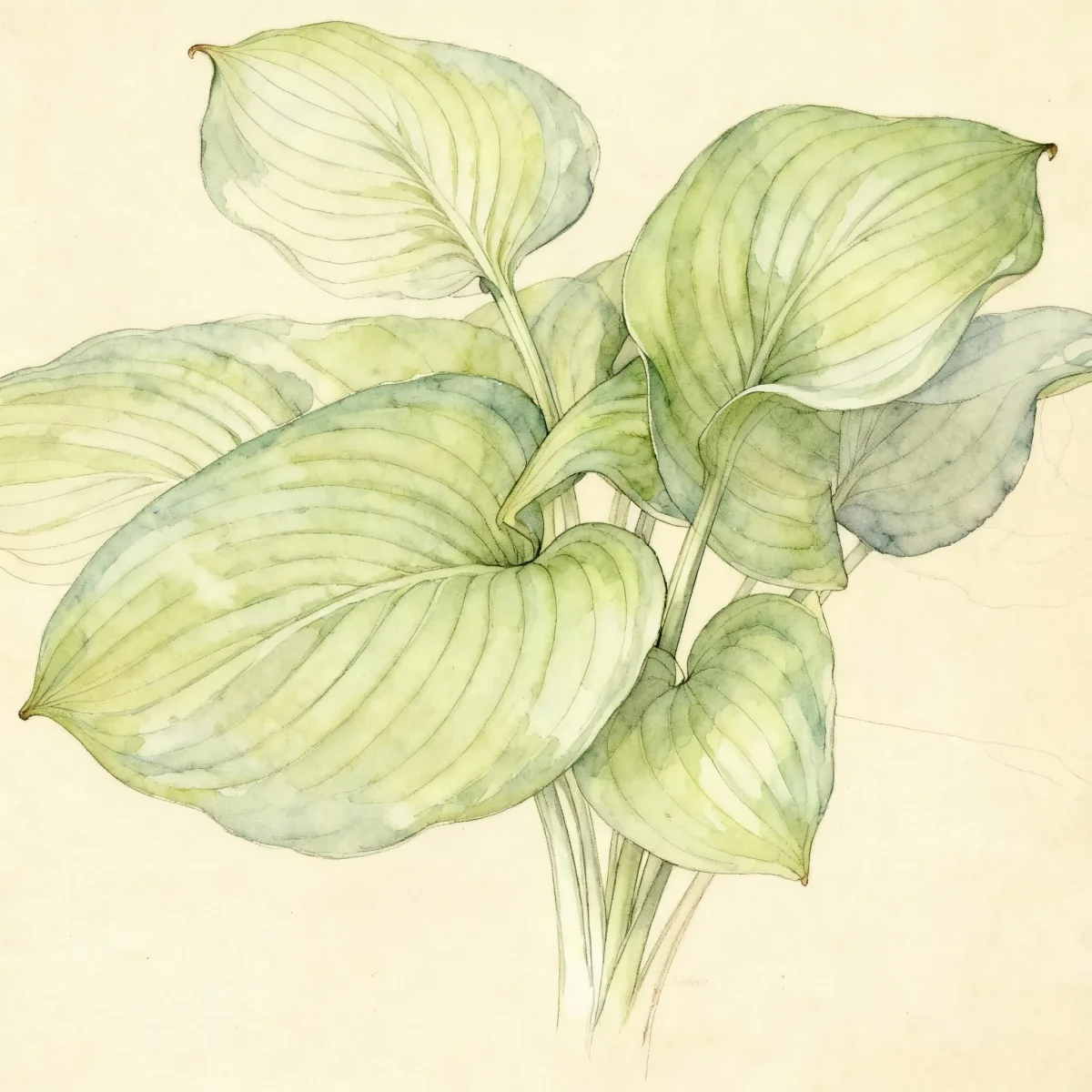
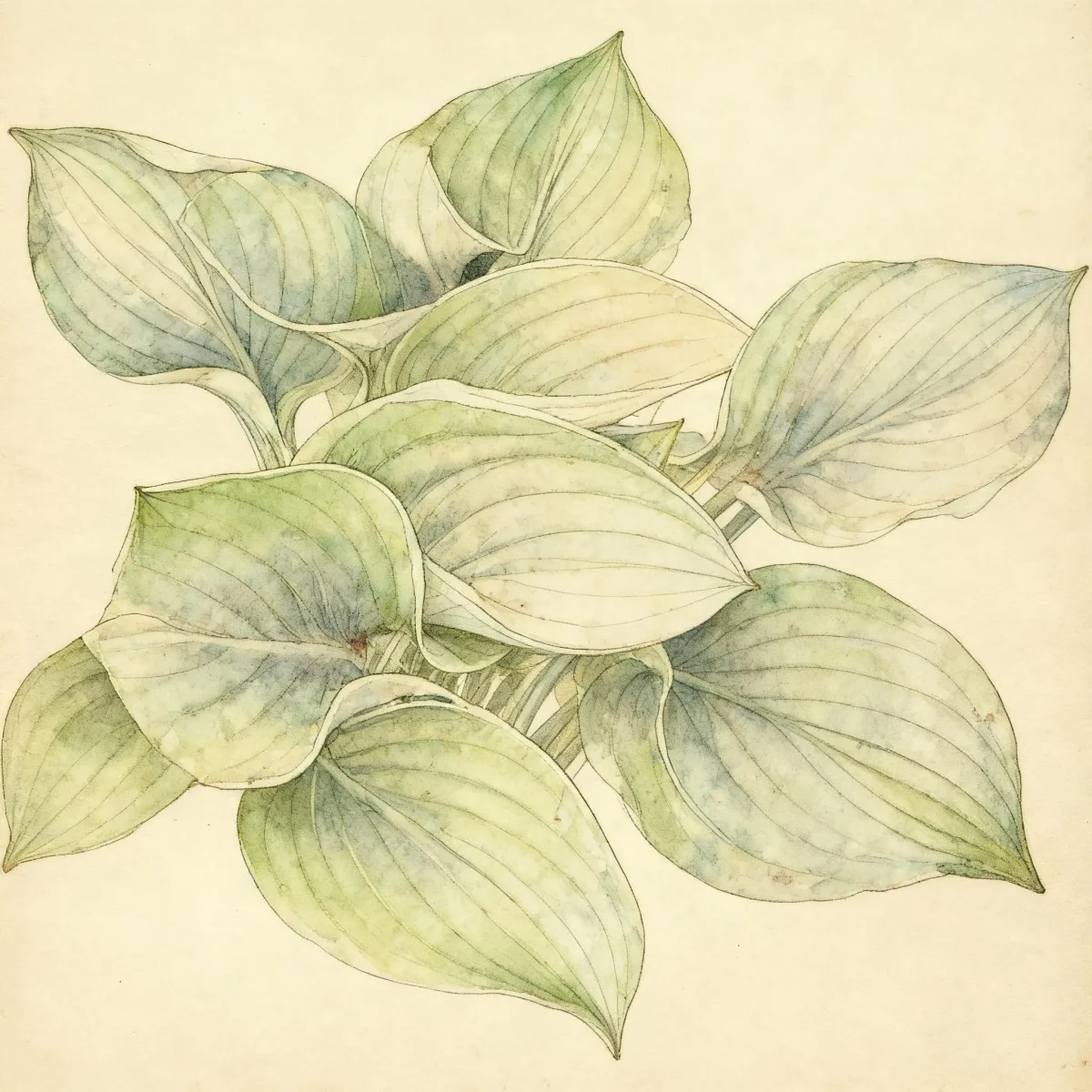
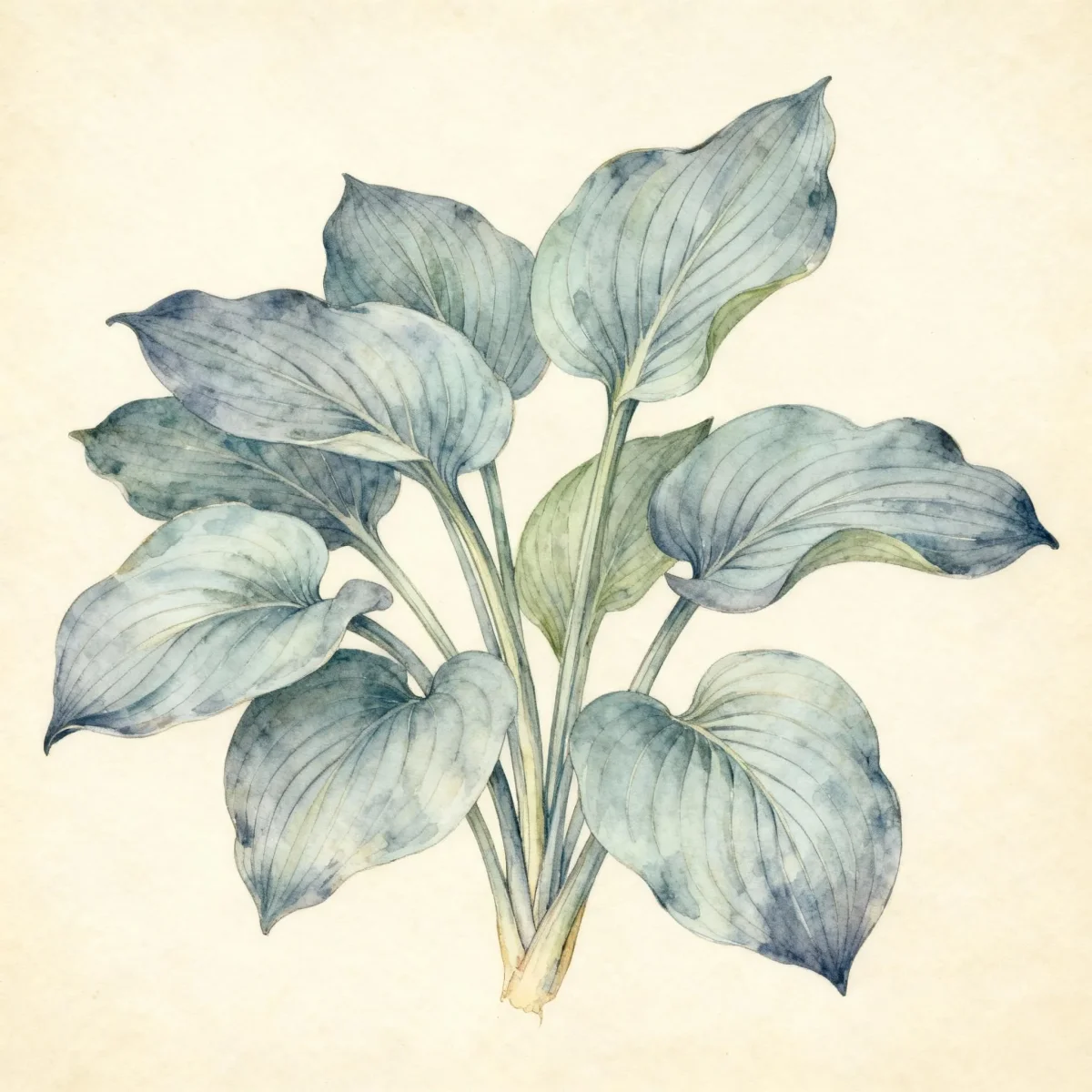
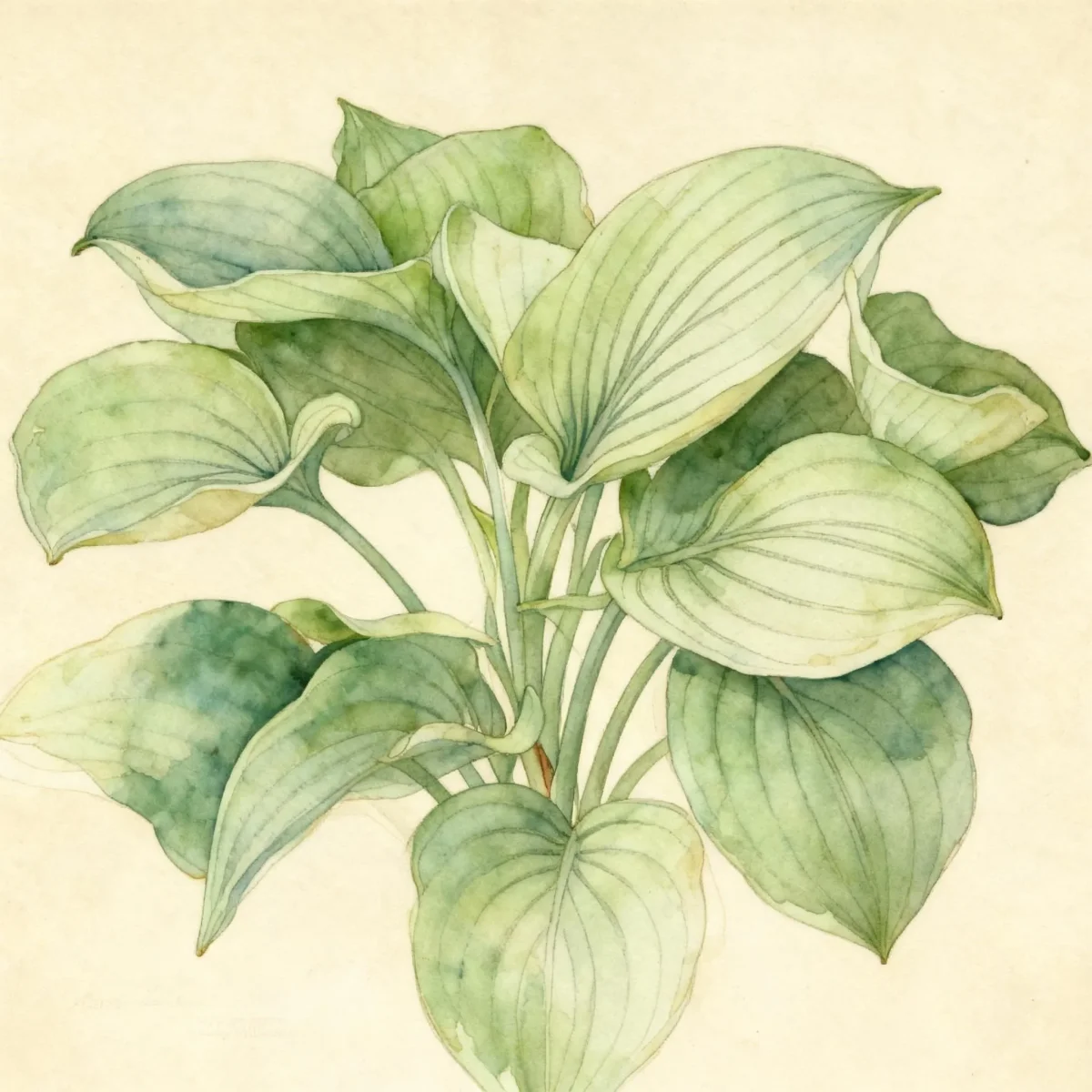
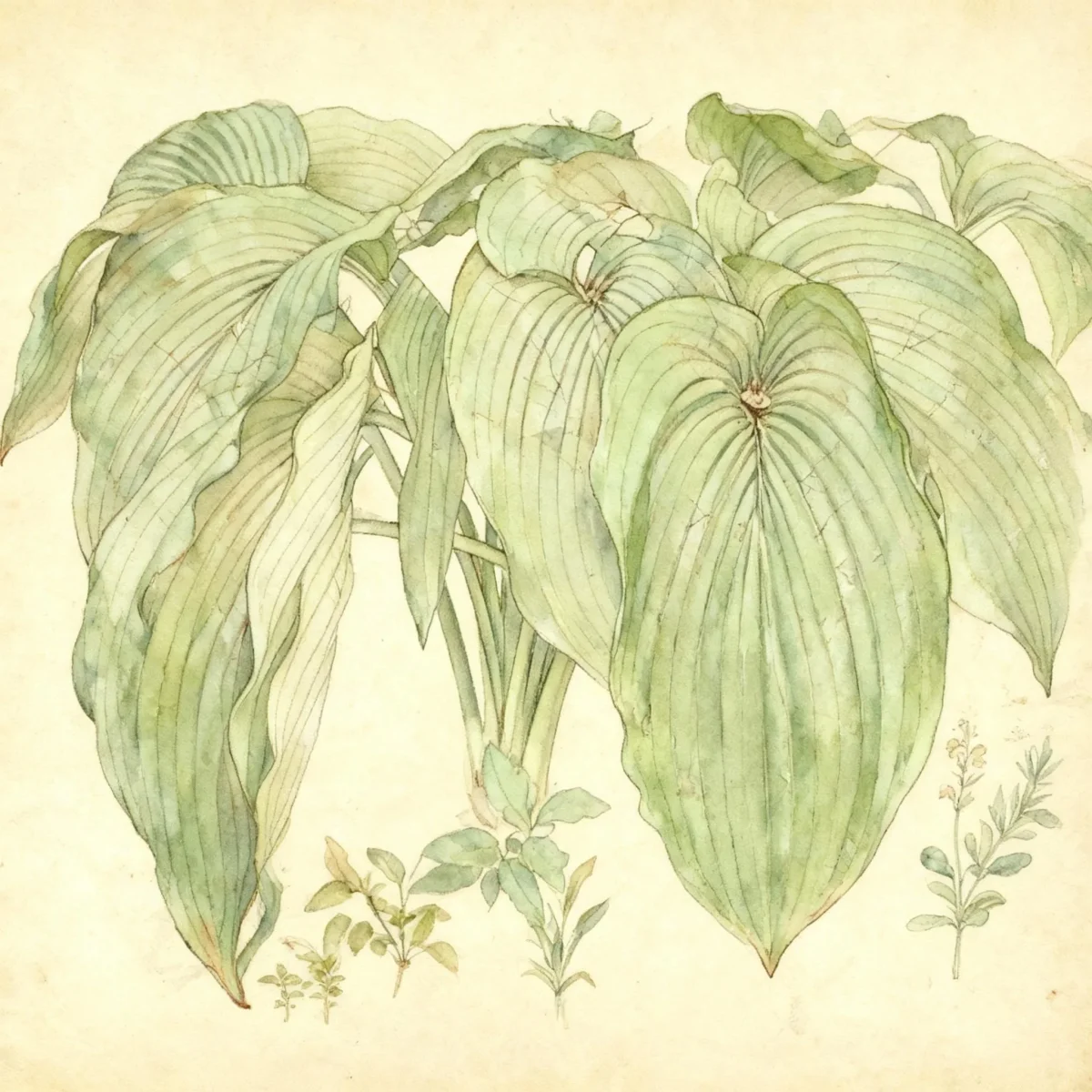
Hosta ‘Jade Cascade’ is celebrated by gardeners for its dramatic, cascading mound of foliage, making it a superb specimen plant in shady landscapes. This specific Hosta cultivar is noted for its large, glossy, light green leaves that arch outward, living up to its ‘Cascade’ designation, creating an impressive structure. As a staple in shade gardens, this herbaceous perennial offers exceptional ornamental value with minimal effort required for its upkeep.
The Hosta genus, thriving primarily in woodland settings, presents cultivars like Hosta ‘Jade Cascade’ that transform dark corners into lush, low-maintenance retreats. Plants should be grown in consistently moist conditions to maintain that premium foliage quality that gardeners seek.
Its value lies primarily in its texture and sheer size, providing a strong grounding element where flowering plants often struggle due to lack of light. Planting Hosta ‘Jade Cascade’ ensures season-long visual interest in deeply shaded borders or woodlands.
Fast Facts
- Plant Family: Asparagaceae
- Plant Type: Herbaceous perennial
- Hardiness Zones: USDA Zones 3-8
- Size at Maturity:
- Height: 2-3 ft
- Spread: 3-5 ft
- Bloom Time: July to August
- Bloom Description: Pale lavender
- Sun Exposure: Part shade to full shade
- Water Needs: Medium
- Maintenance Level: Low
How to Grow
Establish your Hosta successfully by planting in spring or autumn in locations protected from harsh winds. Hosta ‘Jade Cascade’ thrives in evenly moist, organically rich, and well-drained soils. While it prefers dappled shade or morning sun, ensure consistent moisture, especially when the plant is establishing or attaining its full size, which demands unwavering hydration.
Maintenance for this Hosta is generally low. Water deeply and regularly, applying moisture directly to the soil beneath the vast leaves rather than overhead. Although established plants show some tolerance for dry shade—especially those with thicker leaves—never allow the soil to completely dry out for best results.
Dividing plants is an effective way to propagate or manage size; perform this task either in early spring before leaves unfurl, which is easiest, or in the autumn. This low-maintenance perennial rarely requires seasonal pruning beyond removing any winter-damaged foliage in spring.
Landscape Uses
Hostas are a mainstay of shade gardens, and the massive foliage display of Hosta ‘Jade Cascade’ makes it an excellent focal point or specimen. While the pale lavender flowers add seasonal grace, the primary appeal centers on the large, arching, ornamental quality of the leaves. They are very effective when grouped together or massed to create a sea of green texture in dim areas.
Consider using this striking Hosta in shady borders or integrating it into woodland garden designs, where its size can anchor surrounding, smaller shade-loving perennials. Providing broad textural contrast against ferns or delicate groundcovers elevates the overall design impact of the shaded area.
This Hosta serves exceptionally well as a background plant due to its height and wide spread, effectively masking the bare lower stems of taller shrubs planted behind it. Its capacity to withstand heavy shade makes site selection less restrictive than that of sun-loving perennials.
Flower Qualities
- Showy
Noteworthy Characteristics
Hosta is a genus primarily grown for its ornamental foliage, featuring dense, basal leaves of every imaginable shape, size, and color arising from a rhizomatous crown. ‘Jade Cascade’ is specifically noted as a giant, clump-forming Hosta, typically mounding to 30 inches tall and spreading widely to 60 inches, with glossy, deeply-veined, light-green leaves up to 18 inches long. Funnel-shaped, pale-lavender flowers bloom on scapes rising high above the cascading foliage mound in mid to late summer.
Tolerances
- Heavy Shade
- Black Walnut
Potential Problems
Slugs and snails represent the most significant threat to Hosta foliage, feeding voraciously to chew jagged holes, which can rapidly degrade the appearance of Hosta ‘Jade Cascade’. Management requires vigilance; apply baits or use physical barriers early in the season before damage becomes extensive.
Be vigilant for foliar nematodes, which cause unsightly interveinal browning on the leaves, and promptly address any spotting or signs of crown rot, noting that soil drainage is key to preventing rot issues. Furthermore, infected plants displaying Hosta Virus X (HVX) must be destroyed immediately to prevent spread, and be aware that deer and rabbits frequently find the leaves highly palatable.
Frequently Asked Questions
What hardiness zones is Hosta suitable for?
Hosta ‘Jade Cascade’ is suitable for USDA Hardiness Zones 3 through 8.
How large does Hosta ‘Jade Cascade’ grow?
This variety typically reaches a height between 2 and 3 feet and spreads between 3 and 5 feet wide, forming a large, arching mound.
What sun exposure does Hosta need?
This Hosta variety prefers part shade to full shade conditions for optimal growth and foliage retention.
When does Hosta bloom?
Hosta ‘Jade Cascade’ produces its pale lavender, funnel-shaped flowers from July through August.
Conclusion
Hosta ‘Jade Cascade’ remains a superlative choice for adding impressive scale and texture to any shaded garden space through its voluminous, light-green, arching leaves. This low-maintenance Hosta provides dramatic architectural interest where few other plants can thrive. Before purchasing, confirm your site offers the required medium moisture levels and protection from deer to ensure your Hosta ‘Jade Cascade’ establishes beautifully.
Companion Planting
When designing around Hosta ‘Jade Cascade’, select companions that share a love for moist, well-drained soil and protection from intense sun exposure. Ferns, such as Japanese Painted Ferns or Autumn Ferns, offer excellent textural contrast with their delicate fronds against the bold, broad leaves of the Hosta.
Consider using shade-tolerant groundcovers like wild ginger (Asarum) or Tiarella (Foamflower) to suppress weeds around the base of the Hosta mound while maintaining a unified, lush understory. For spots receiving a little more morning sun, Astilbe provides vertical spires of color that complement the mounding habits of this Hosta cultivar nicely.
Since Hosta is primarily valued for foliage texture, pair it with plants offering different leaf forms but similar cultural needs, ensuring the entire composition remains vibrant throughout the growing season, even when the pale lavender flowers are absent.
Propagation Tips
The primary method for increasing Hosta ‘Jade Cascade’ stock is division, capitalizing on the plant’s rhizomatous crown structure. This is best performed in early spring before the new shoots fully emerge, as the crown is most accessible and the disturbance causes minimal disruption to established foliage.
Carefully dig up the entire clump, ensuring a portion of the root system remains attached to each division. Use a sharp, sterile tool, perhaps a spade or strong knife, to clearly separate the crown into sections, making sure each new piece has both roots and a healthy set of emerging leaves or growth buds.
Replant the divisions immediately into prepared, moist soil at the same depth they were previously growing, water thoroughly, and protect them from foot traffic or intense afternoon sun during their initial establishment period. Consistent moisture is critical for encouraging quick root regeneration in newly divided Hosta specimens.