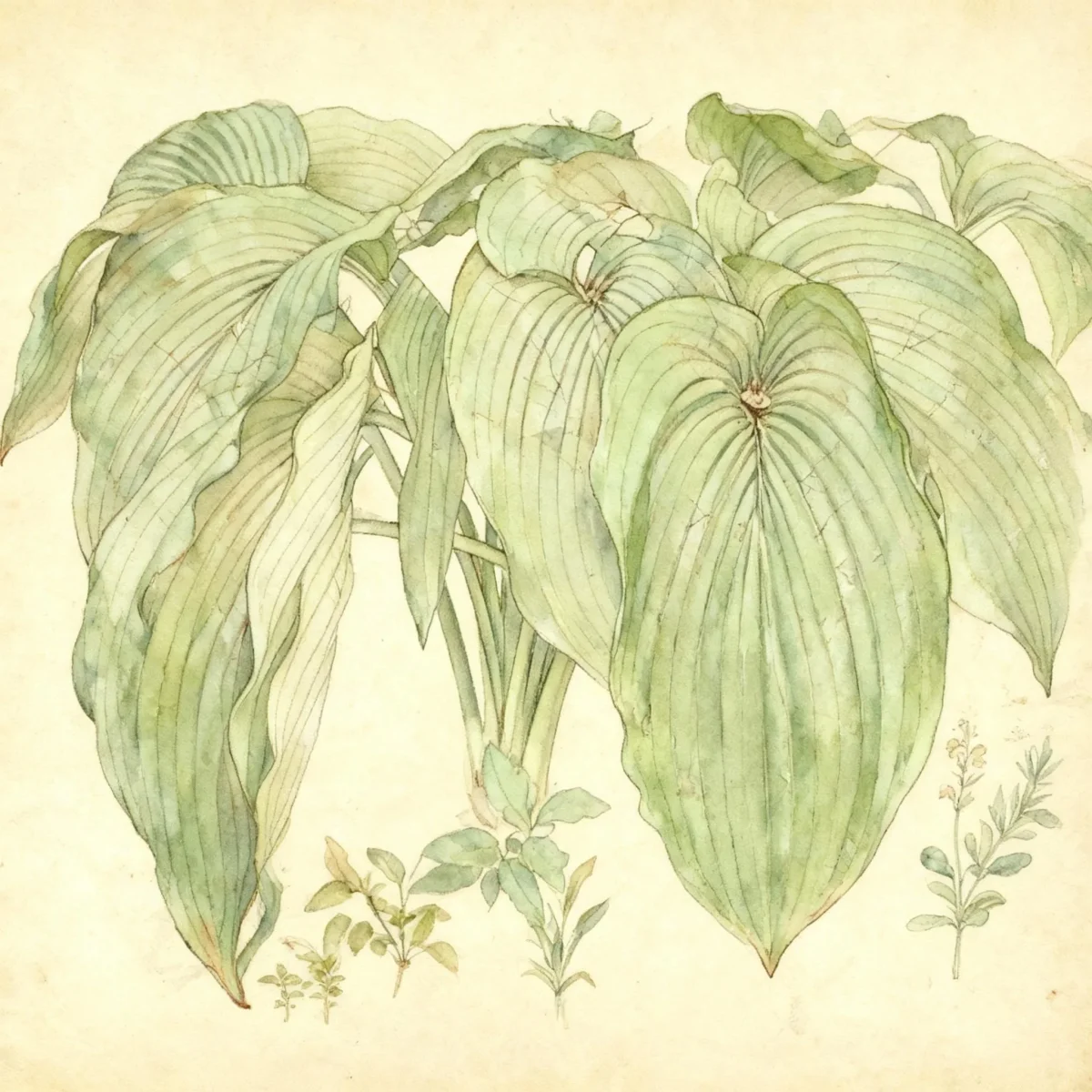
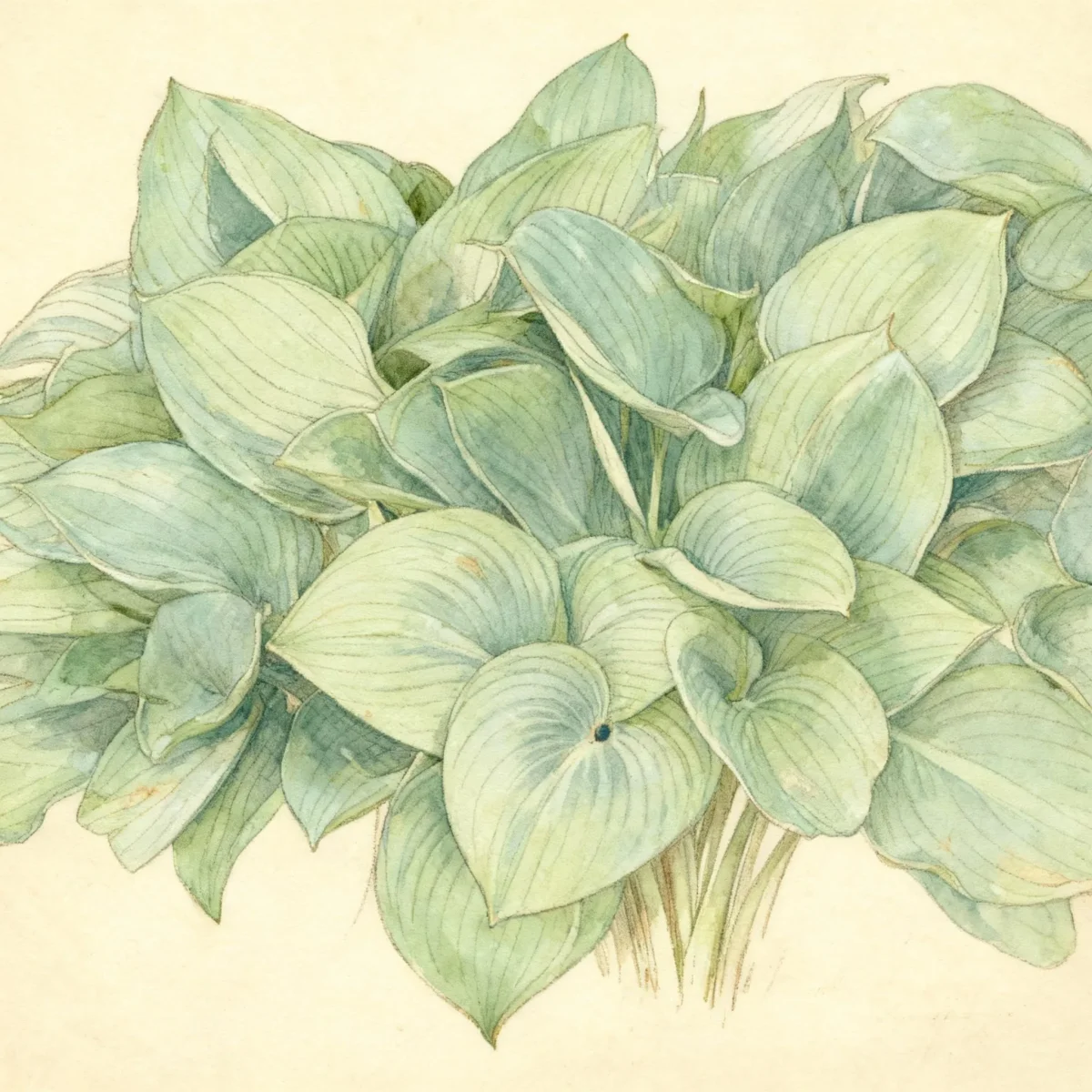
Hosta (Hosta 'Lemon Lime')
Hosta 'Lemon Lime' is a low-maintenance herbaceous perennial prized for its chartreuse foliage and purple-striped summer blooms in partial shade.
Scroll down to discover growing tips, care requirements, companion plants, and more
Complete Plant Information
Overview
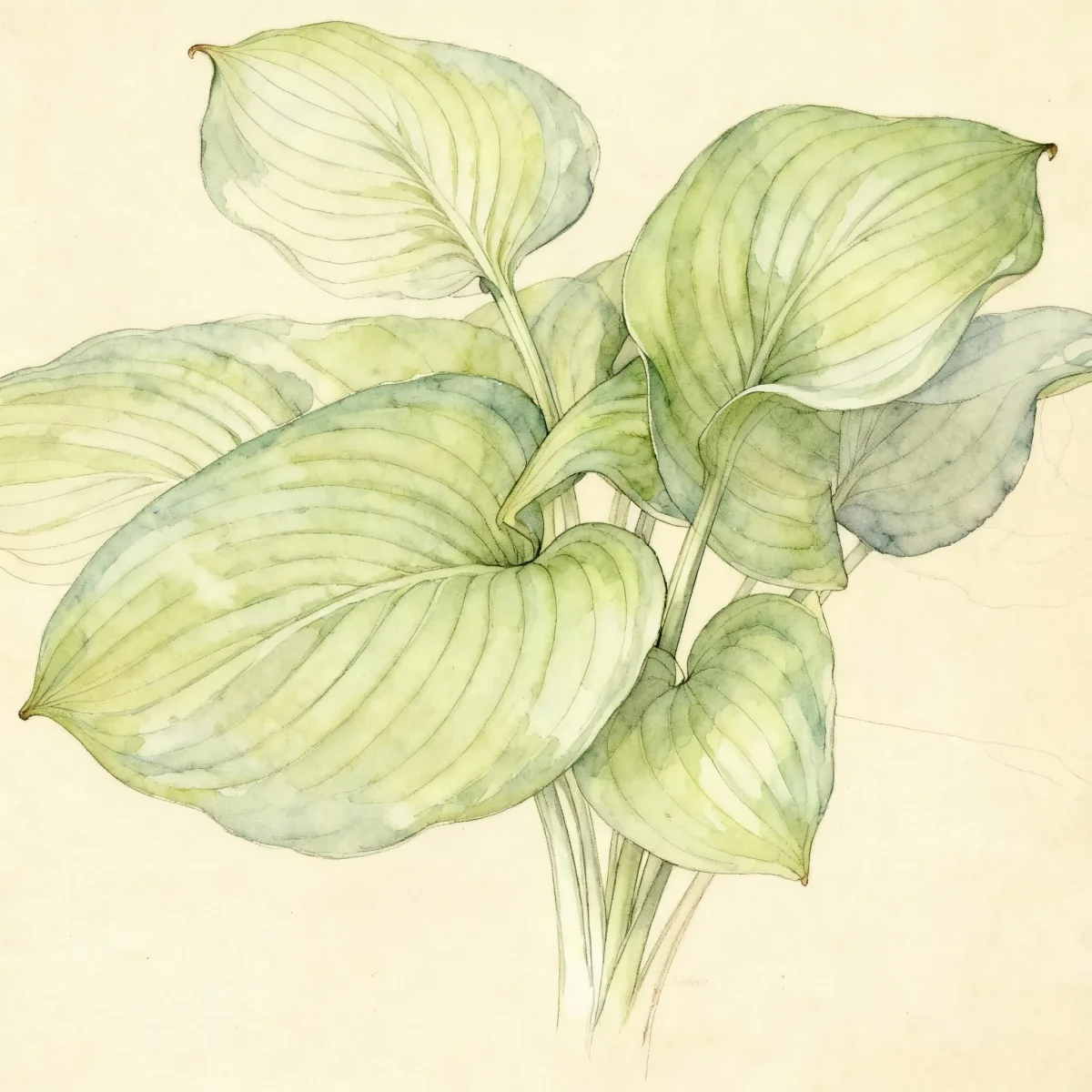
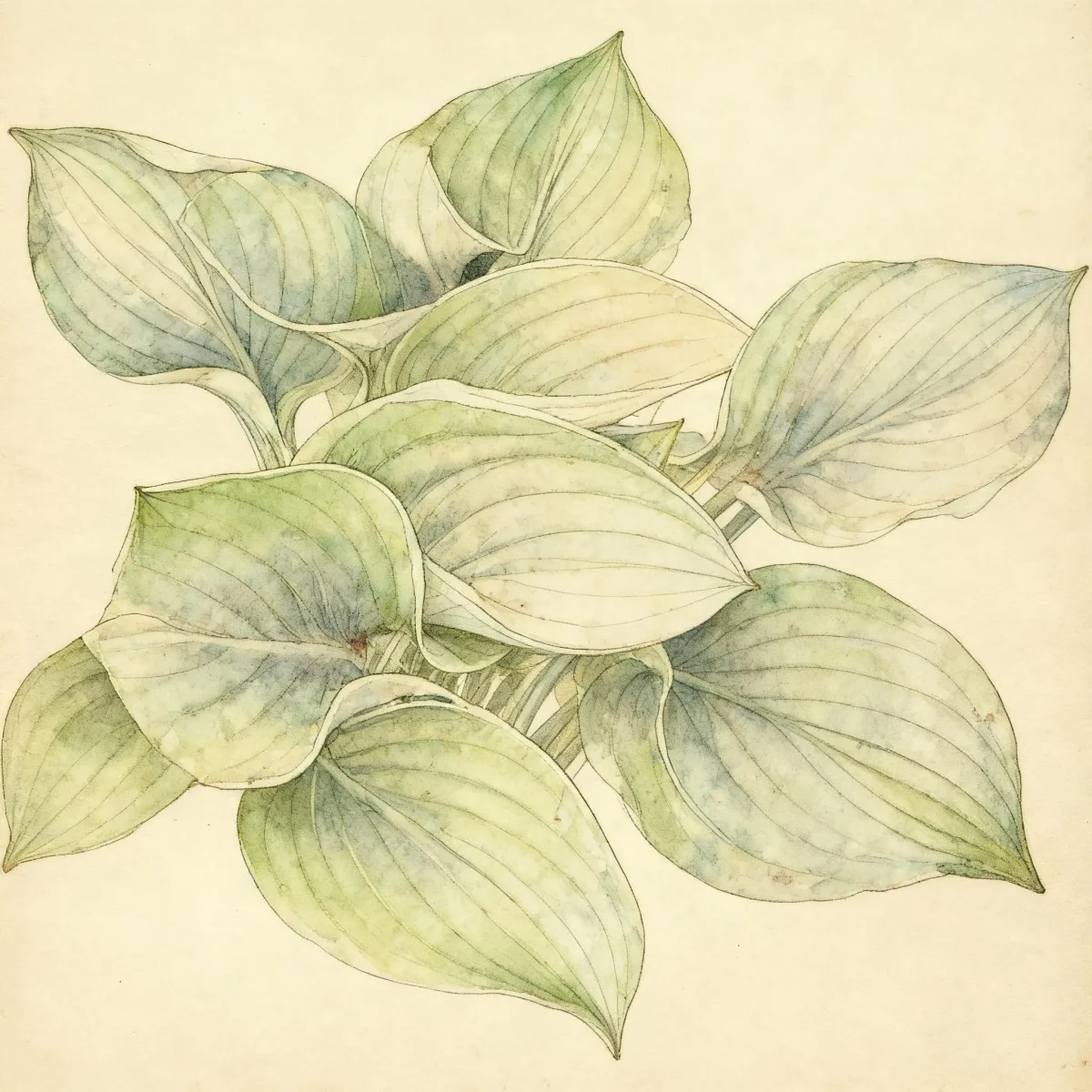
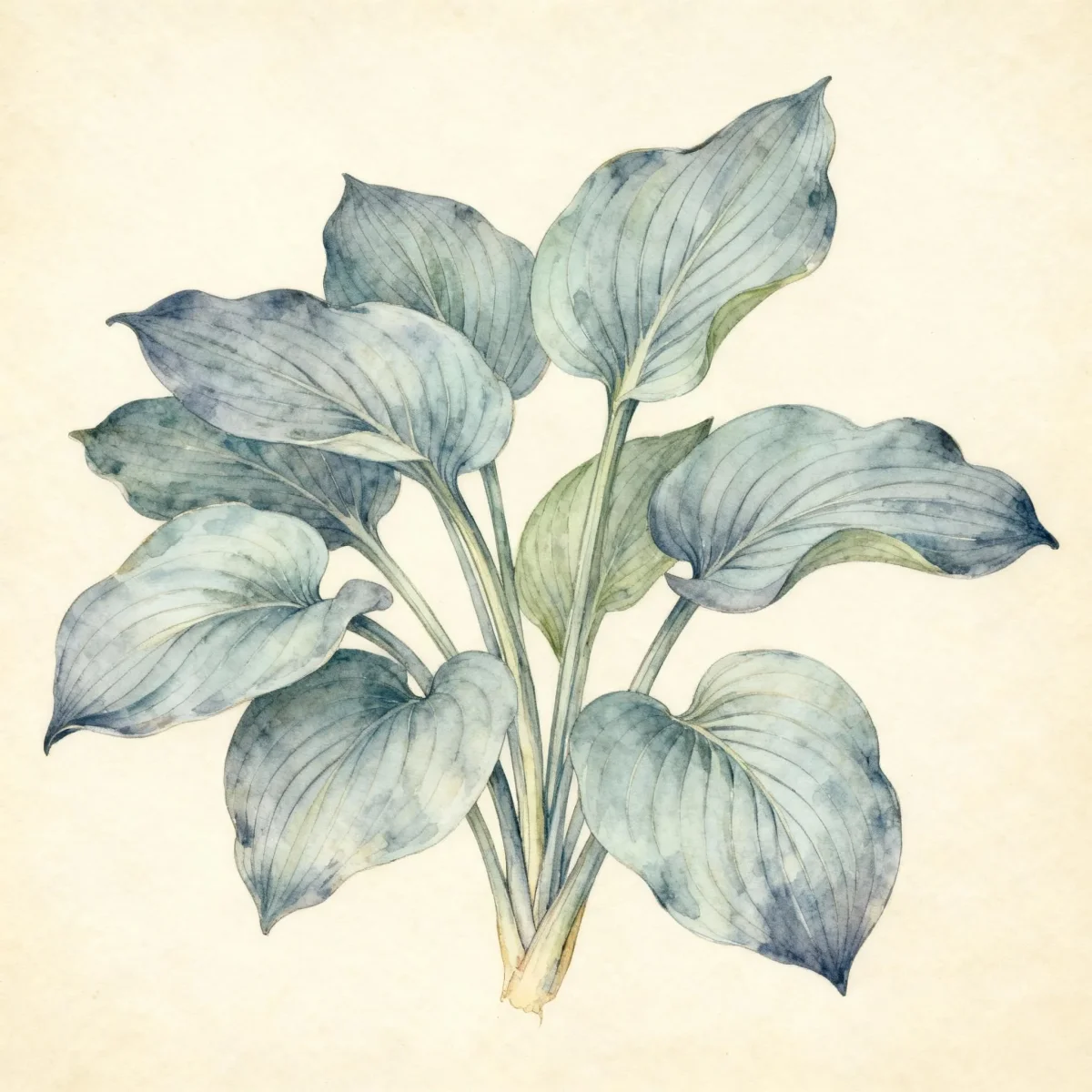
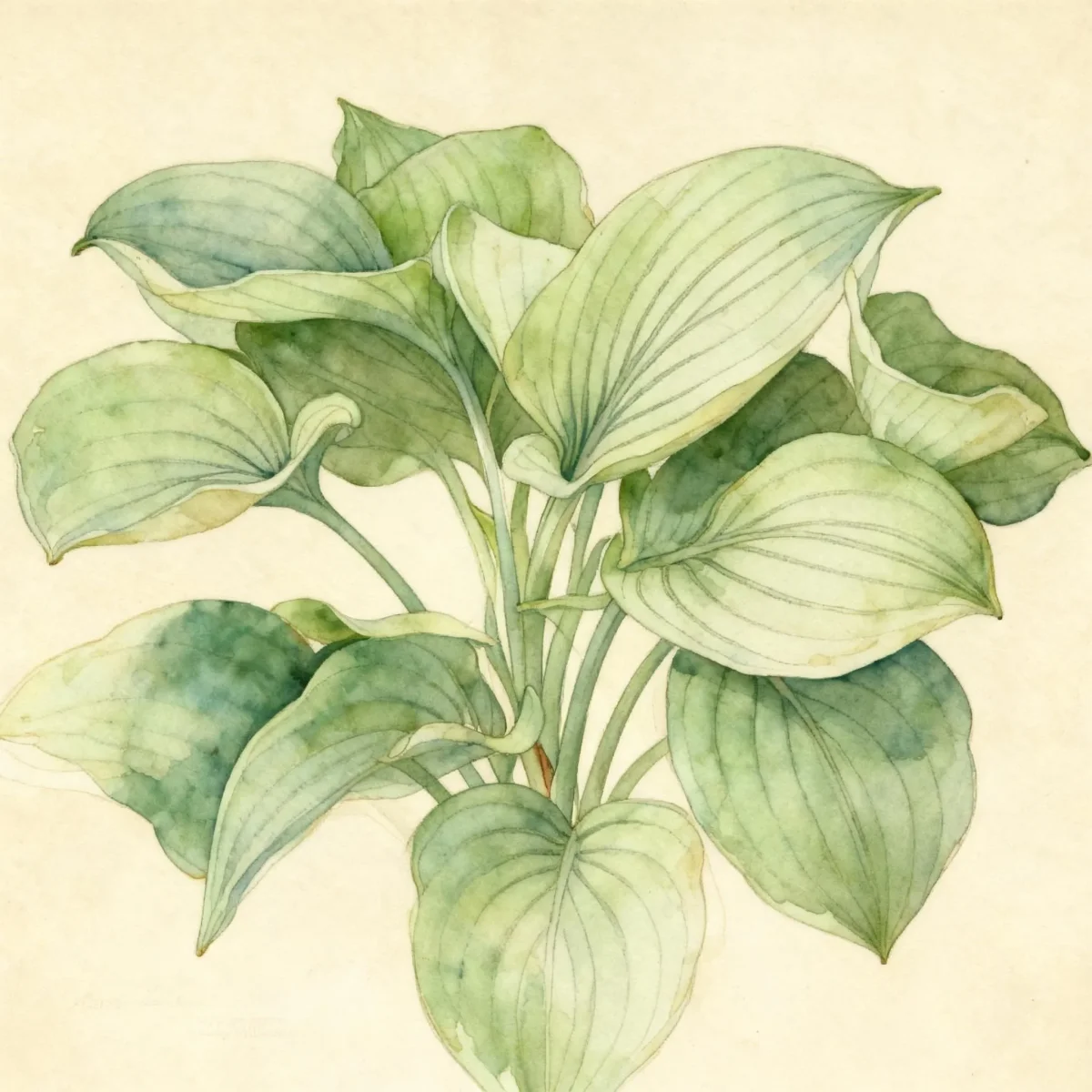
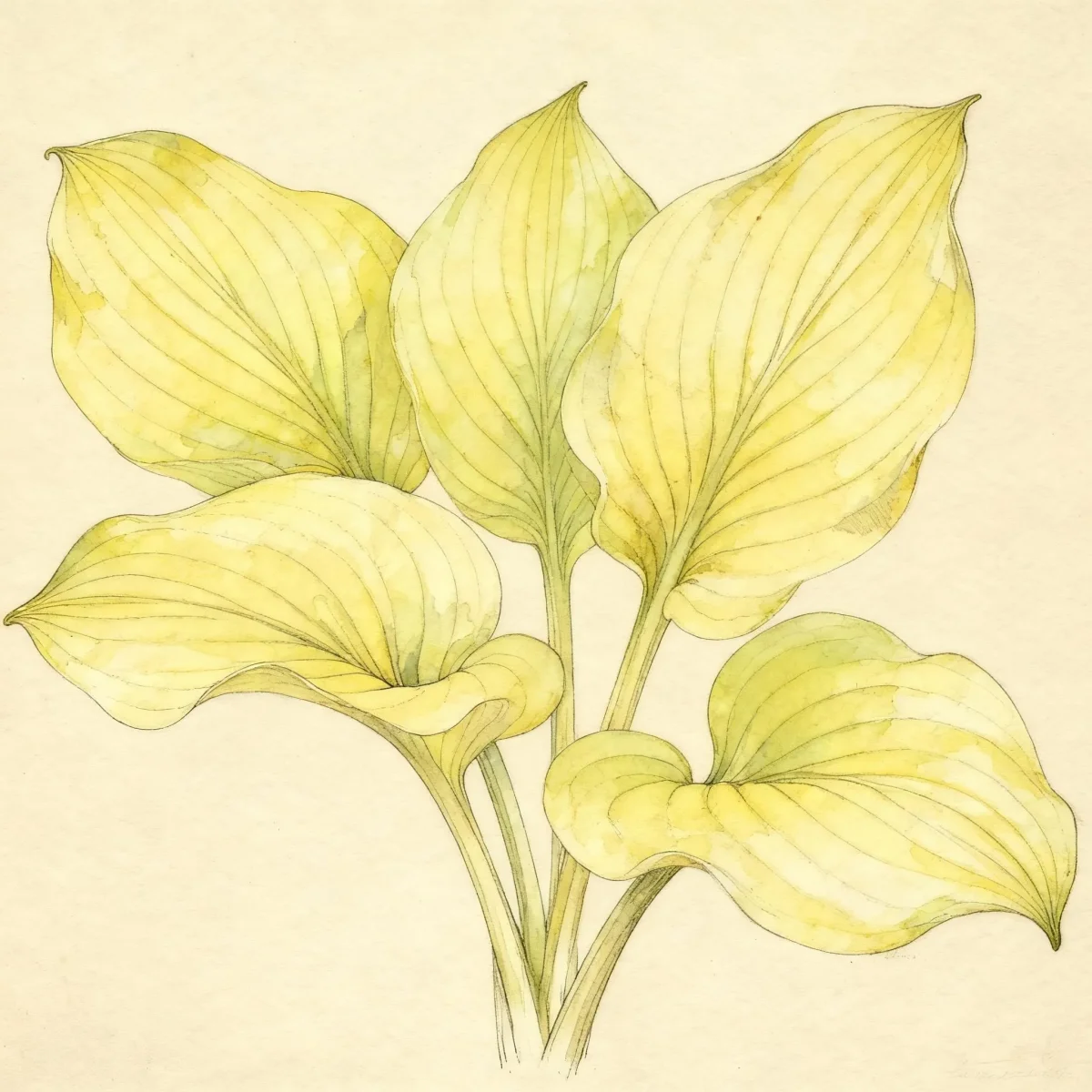
Hosta ‘Lemon Lime’ is a highly valued herbaceous perennial, celebrated primarily for its striking ornamental foliage. This variety contributes a vibrant mound of flat, lance-shaped leaves that emerge in a brilliant chartreuse color, offering essential contrast in shady garden settings. The Hosta genus is renowned for its low-maintenance nature and adaptability to deep shade areas where few other plants thrive.
As a dependable shade dweller, the Hosta ‘Lemon Lime’ develops into a neat mound, typically reaching under one foot tall and wide. Adding seasonal interest, it produces delicate racemes of bell-shaped flowers, subtly striped with purple, blooming reliably throughout early to mid-summer. Its strong, dense foliage naturally helps suppress weed growth, making it a practical choice for gardeners seeking both beauty and reduced upkeep under the canopy.
Fast Facts
- Plant Family: Asparagaceae
- Plant Type: Herbaceous perennial
- Hardiness Zones: USDA Zones 3-8
- Size at Maturity:
- Height: 0.75-1 ft
- Spread: 1-1.5 ft
- Bloom Time: June to July
- Bloom Description: Purple-striped
- Sun Exposure: Part shade to full shade
- Water Needs: Medium
- Maintenance Level: Low
How to Grow
Plant Hosta ‘Lemon Lime’ during spring or autumn in locations shielded from harsh afternoon sun. Ideal culture requires organically rich, well-drained soil with consistent moisture retention. While established plants tolerate some dry shade, achieving optimal size and the best color requires commitment to regular watering, especially during dry spells.
Watering should always be directed to the soil beneath the leaves to keep the foliage dry, which minimizes the risk of fungal spots. Hostas generally require minimal fertilization, benefiting most from an annual top-dressing of compost applied in the spring. No extensive pruning is necessary; simply snip off old flower stalks if desired, or leave them for their aesthetic appeal.
Divide Hosta clumps every few years as they mature, typically in early spring before the leaves emerge, or in the fall. Always ensure the division site is protected from excessive wind exposure to prevent tearing the leaves as they unfurl. Because Hostas are naturally low-maintenance, focusing on soil health and consistent moisture is the key to success.
Landscape Uses
Hostas are the undisputed mainstays of shade gardens, transforming dark corners into visually appealing areas. Hosta ‘Lemon Lime’ is exceptionally effective when massed or planted in groups to create a vivid drift of chartreuse color that brightens deep borders. Their dense foliage makes them excellent background plants, providing a solid base against taller shrubs or understory trees.
Designers frequently use this Hosta variety to define shady borders or to line woodland paths, capitalizing on its ability to thrive where turf struggles. The bright color of Hosta ‘Lemon Lime’ pairs beautifully with deep green or variegated foliage from ferns or Brunnera, creating dynamic texture and color contrast throughout the growing season.
Standout Features
Flower Qualities
- Showy
- Good Cut
Noteworthy Characteristics
Hosta is a genus of about 70 species of shade-loving, rhizomatous, clump-forming, herbaceous perennials which are native to woodlands in Japan, Korea, China and eastern Russia, primarily grown for their ornamental foliage. Hosta ‘Lemon Lime’ features a mound of flat, lance-shaped, chartreuse leaves that provide excellent color and texture contrast in the landscape. This dependable perennial forms dense foliage that crowds out most garden weeds, offering a dependable, low-care solution for shady spaces.
Tolerances
- Heavy Shade
- Black Walnut
Potential Problems
Slugs and snails pose the most significant threat to Hosta foliage, often resulting in jagged holes that quickly compromise the plant’s aesthetic appeal. Inspect leaves regularly, especially when conditions are moist and mild, and manage pests actively using bait or physical barriers to prevent major damage. Be vigilant for foliar nematodes, which cause unsightly interveinal browning on the leaves.
Less common issues include leaf spots and crown rot, usually resulting from overly wet conditions or poor drainage. If viral diseases like Hosta Virus X are suspected, immediately remove and destroy infected plants to prevent spread. Additionally, be aware that deer and rabbits frequently find Hosta leaves highly palatable, often consuming them voraciously.
Frequently Asked Questions
What hardiness zones is Hosta suitable for?
Hosta ‘Lemon Lime’ thrives across a wide range, suitable for USDA Zones 3 through 8.
How large does Hosta ‘Lemon Lime’ grow?
This variety generally reaches a height between 0.75 and 1 foot tall, spreading outward to occupy a space of 1 to 1.5 feet wide.
What sun exposure does Hosta ‘Lemon Lime’ need?
This specific Hosta prefers part shade, benefiting from morning sun or dappled light conditions, and handles full shade well.
When does Hosta ‘Lemon Lime’ bloom?
The blooms appear from June to July, displaying small, bell-shaped flowers that are characteristically purple-striped.
Conclusion
Hosta ‘Lemon Lime’ remains an indispensable perennial, primarily valued for bringing vibrant, low-maintenance chartreuse color into dimly lit garden areas. Its adaptability and dense habit ensure a clean look throughout the season, making it a backbone element for any shade garden design. Before planting, always confirm your local USDA hardiness zone compatibility and prepare the soil with ample organic matter to ensure your Hosta performs beautifully for years to come.
Companion Planting
When designing a shade garden around your Hosta ‘Lemon Lime’, consider planting companions that contrast stylistically or texturally. Ferns, with their delicate, feathery fronds, offer a perfect counterpoint to the broad leaves of the Hosta. Hostas pair well with broadleaf groundcovers like Vinca minor, or early spring bloomers like woodland phlox, ensuring continuous interest as Hosta leaves emerge later in the season.
Deep green foliage plants, such as Hellebores (Lenten Rose) or various woodland sedges, create excellent visual depth alongside the bright chartreuse tones of Hosta ‘Lemon Lime’. Since all these plants share a love for consistent moisture and filtered light, their cultural needs align perfectly for harmonious growth beneath deciduous trees.
Design Ideas for Deep Shade
For formal or structured shade gardens, mass planting Hosta ‘Lemon Lime’ in uniform drifts provides a spectacular, glowing effect that brightens deep shadows. Use the uniform mound shape as an edging element along a shady walkway, ensuring visitors notice the bright foliage before reaching the destination. The consistent height of this cultivar simplifies design planning, as little shearing or aggressive pruning is required.
In a more naturalistic or woodland garden setting, allow Hosta ‘Lemon Lime’ to intermingle with shade-tolerant grasses or mossy stones. Its ability to tolerate heavy shade means it can be tucked under mature oak or maple trees where other flowering perennials struggle, proving its versatility as a foundational structural plant.