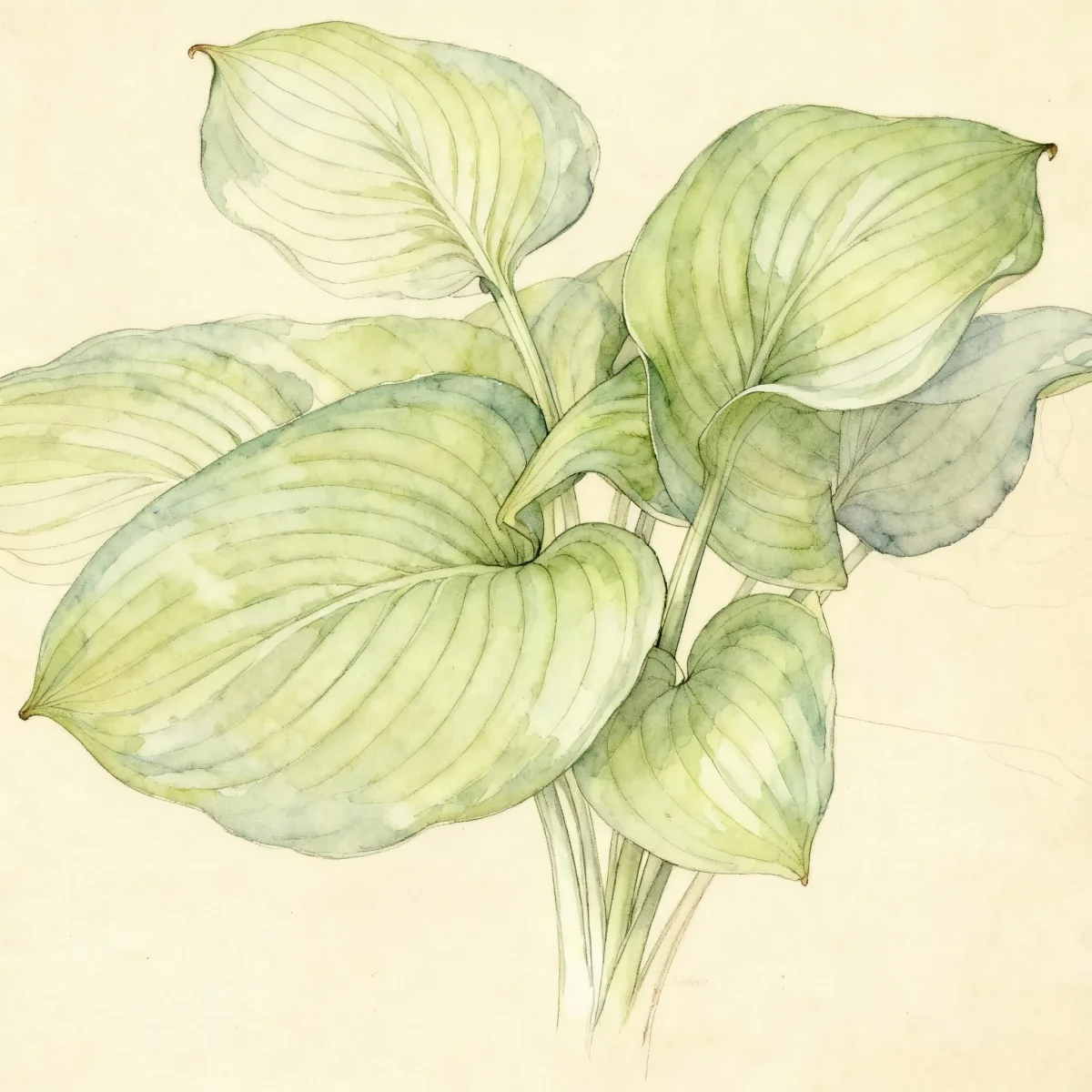
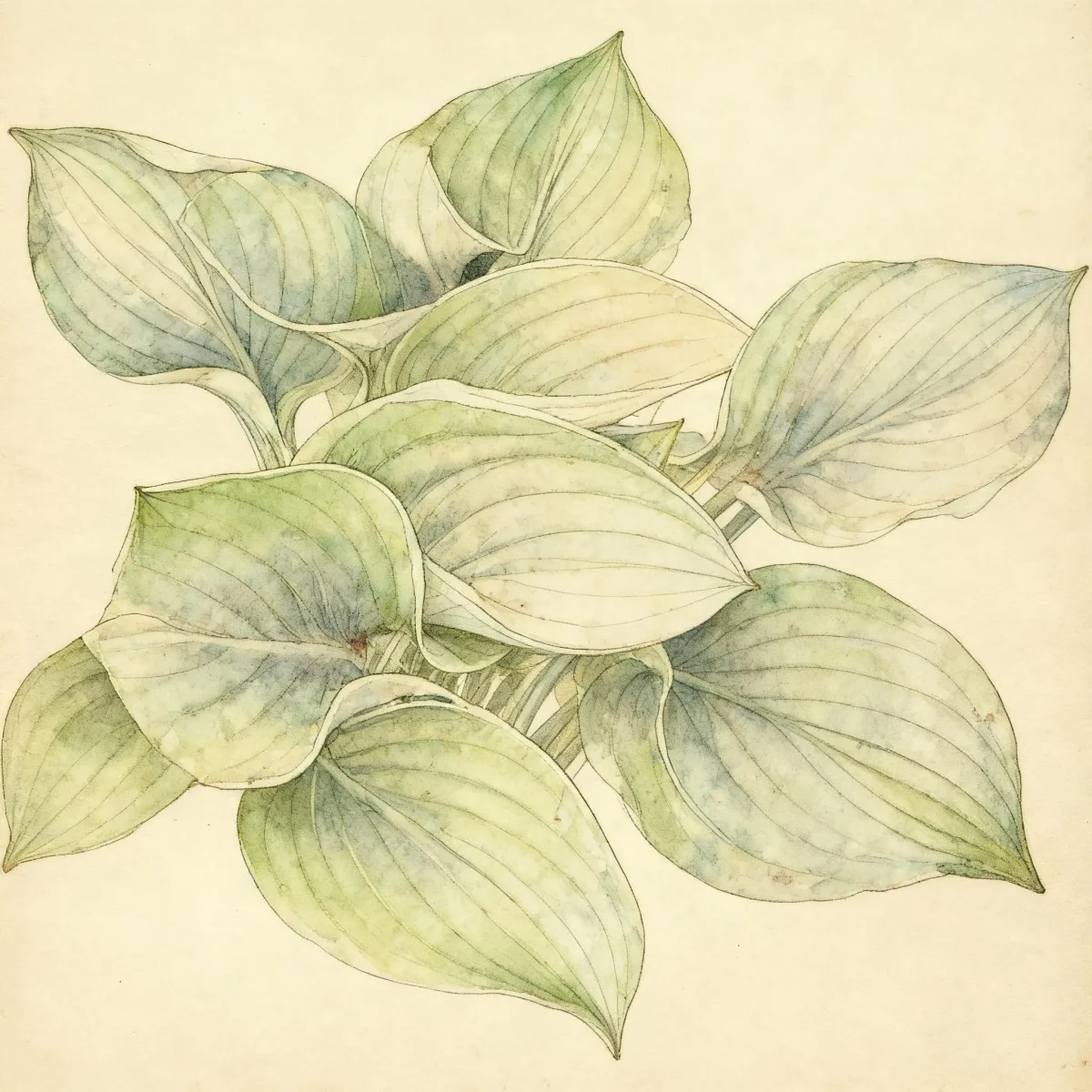
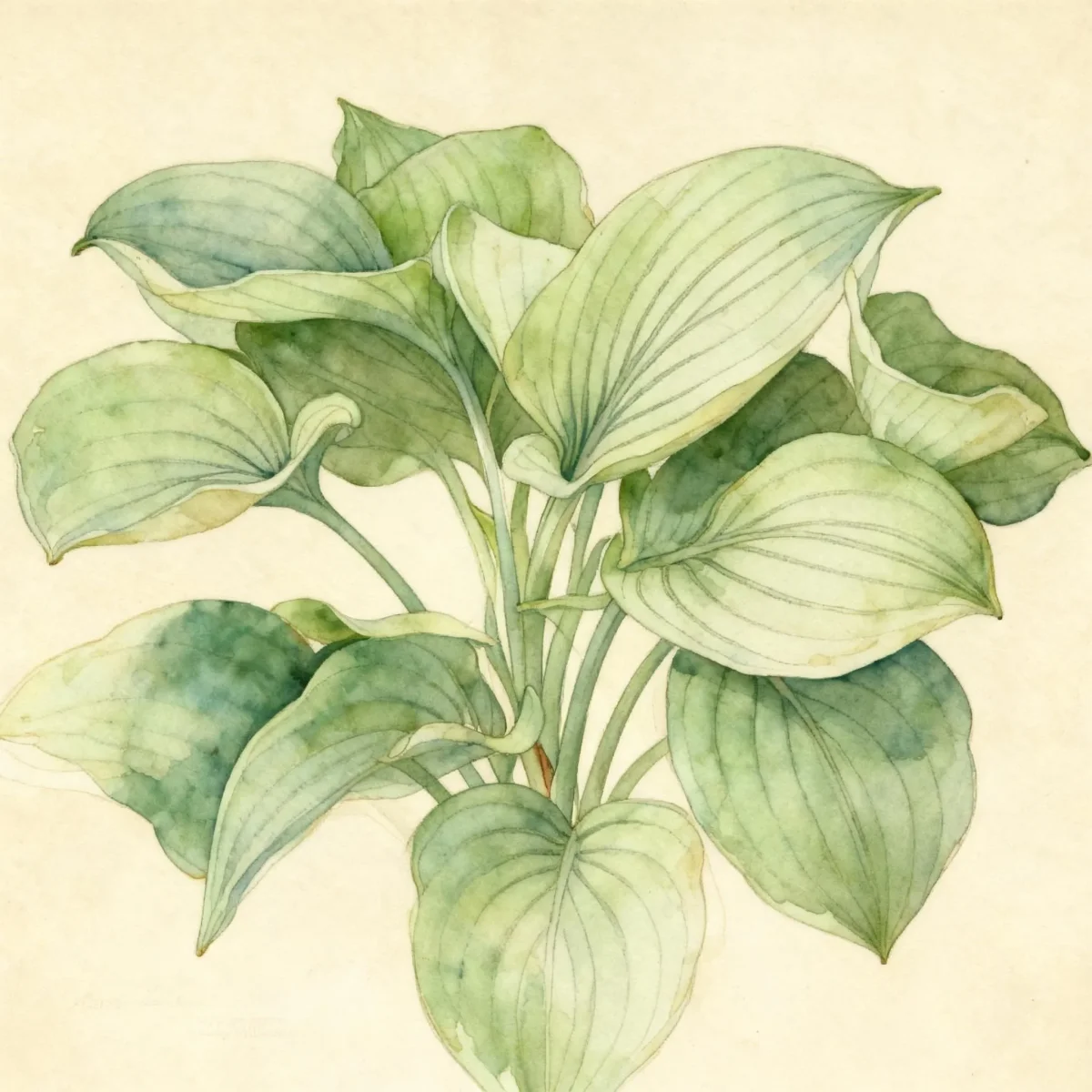
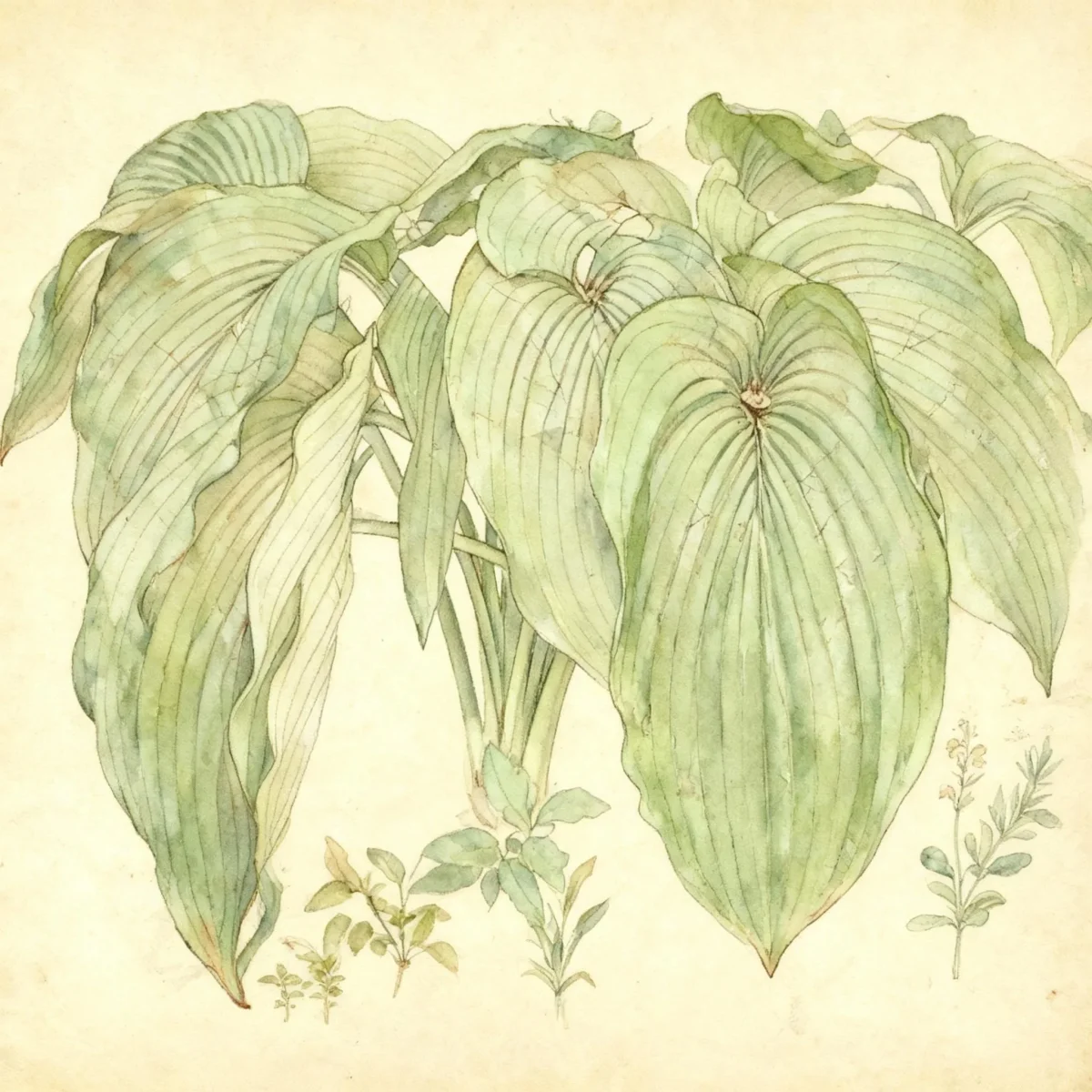
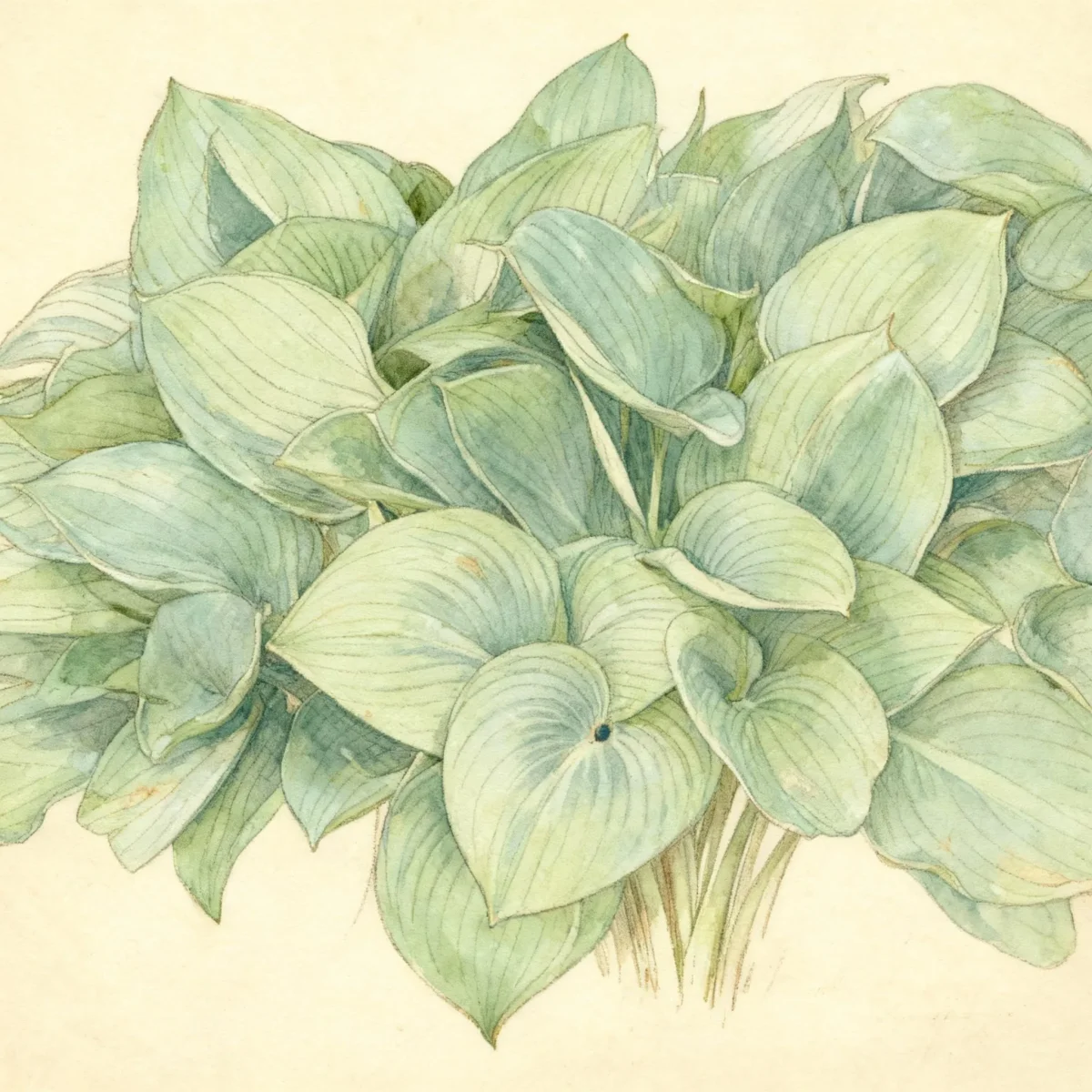
Hosta (Hosta 'Little Aurora')
The Hosta 'Little Aurora' is a dependable low-maintenance perennial, valued for its metallic gold, cupped foliage in shade gardens.
Scroll down to discover growing tips, care requirements, companion plants, and more
Complete Plant Information
Overview
Hosta ‘Little Aurora’ is a highly sought-after cultivar appreciated by gardeners primarily for its stunning, compact foliage display suitable for shaded areas of the landscape. This herbaceous perennial forms an attractive, rounded mound defined by cupped, puckered, heart-shaped leaves featuring a distinct gold color and metallic sheen. As a quintessential shade plant, the Hosta genus thrives where many flowering plants struggle, providing texture and contrast with minimal effort.
This specific variety, Hosta ‘Little Aurora’, reaches a modest size, making it excellent for edging or small-scale plantings in woodlands or shady borders. It exhibits low maintenance needs once established, rewarding the gardener with reliable performance through the summer months until it produces delicate white flowers tinged with lavender.
Gardeners value the Hosta for its versatility in creating layered interest in dark corners, utilizing its dense mounds to suppress weeds effectively. The foliage of Hosta ‘Little Aurora’ ensures garden color and structure even before the summer bloom period.
Fast Facts
- Plant Family: Asparagaceae
- Plant Type: Herbaceous perennial
- Hardiness Zones: USDA Zones 3-8
- Size at Maturity:
- Height: 0.5-0.75 ft
- Spread: 0.75-1 ft
- Bloom Time: June to July
- Bloom Description: White with lavender tinge
- Sun Exposure: Part shade to full shade
- Water Needs: Medium
- Maintenance Level: Low
How to Grow
Planting Hosta ‘Little Aurora’ is best achieved in spring or early fall, ensuring the site offers evenly moist, organically rich, and well-drained soil. While this Hosta performs well in part shade—benefiting from morning sun or deeply dappled conditions—it tolerates heavy shade exceptionally well. When planting, remember that providing consistent moisture is crucial for achieving the fullest size and best leaf quality.
Maintenance for established plants is generally low. Water should be consistently applied directly to the soil beneath the foliage, especially during dry spells, though older clumps with thick leaves offer some drought tolerance once deeply rooted. Dividing clumps is easily managed in early spring before the new leaves emerge, which allows you to refresh aging plants or increase your stock of Hosta ‘Little Aurora’. Always place the plant where it is protected from harsh winds that can fray the delicate leaf margins.
This dependable perennial provides excellent ground coverage, though regular vigilance against common pests is necessary for maintaining pristine foliage appearance throughout the growing season. Avoid overly dry conditions, as consistent moisture is key to optimal performance for this variety of Hosta.
Landscape Uses
Hostas are the undisputed staples of shade gardens, providing essential aesthetic value where little else thrives. Hosta ‘Little Aurora’ works beautifully when massed together to create large swaths of glowing gold color nestled under mature deciduous trees or along the north side of structures. Its compact size also makes the Hosta cultivar ideal for defining shady borders or lining woodland paths.
Due to its vibrant foliage acting as a focal point, this Hosta performs as an excellent specimen plant in partially shaded containers or complements larger, darker-leafed companions like Japanese painted ferns or Astilbe. The strong architectural shape of the mound offers fantastic contrast against fine-textured plants, giving your shaded border depth and visual flow. Utilizing Hosta ‘Little Aurora’ in groups ensures excellent textural continuity throughout the summer view.
Standout Features
Flower Qualities
- Showy
- Good Cut
Noteworthy Characteristics
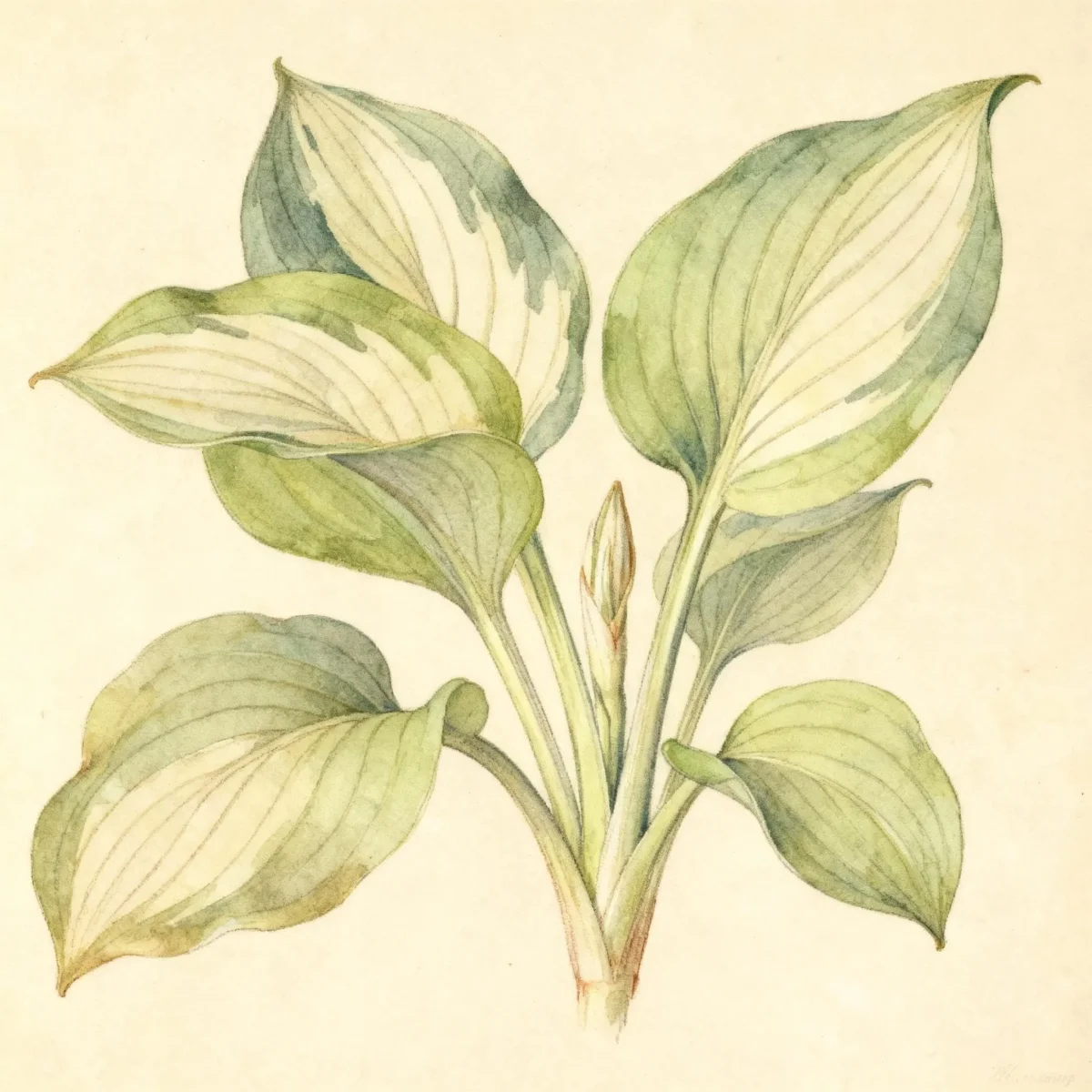
Hosta is a genus of about 70 species of shade-loving, rhizomatous, clump-forming, herbaceous perennials which are native to open woodlands, woodland margins and glades in Japan, Korea, China and eastern Russia. Hostas are primarily grown for their ornamental foliage. Stalked, conspicuously-veined, often dense, basal leaves in a variety of shapes, sizes, colors and textures rise up from a central rhizomatous crown to form a rounded to spreading mound of foliage. ‘Little Aurora’ features a mound of cupped, puckered, heart-shaped, gold leaves with a metallic sheen, with racemes of bell-shaped, pale lavender flowers on 12” scapes. Dense foliage crowds out most garden weeds.
Tolerances
- Heavy Shade
- Black Walnut
Potential Problems
The primary threat to the ornamental quality of Hosta foliage, including that of Hosta ‘Little Aurora’, comes from slugs and snails. These pests consume leaves, leaving behind unsightly jagged holes which can rapidly degrade the appearance of the mound. Management requires proactive scouting and the use of baits, traps, or protective barriers applied early in the season.
Less frequent issues include foliar nematodes, which cause browning between the leaf veins, and fungal leaf spots. Immediately remove and destroy any plant suspected of carrying Hosta Virus X (HVX) or other soil-borne viruses to prevent spread. Additionally, be aware that tender leaves are highly susceptible to bruising from hail, and deer or rabbits often find both Hosta and Hosta ‘Little Aurora’ delicious.
Frequently Asked Questions
What hardiness zones is Hosta suitable for?
Hosta ‘Little Aurora’ thrives across a wide range, suitable for USDA Zones 3 through 8.
How large does Hosta ‘Little Aurora’ grow?
This variety typically reaches a mature height between 0.5 and 0.75 feet, spreading to about 0.75 to 1 foot wide.
What sun exposure does Hosta need?
This Hosta prefers part shade to full shade, needing protection from intense afternoon sun to maintain the best leaf color and structure.
When does Hosta bloom?
Hosta ‘Little Aurora’ generally blooms from June to July, showcasing white flowers that carry a slight lavender tinge.
Conclusion
Hosta ‘Little Aurora’ remains a top choice for gardeners seeking reliable, low-effort elegance in shaded environments, distinguished by its metallic gold, cupped foliage. This versatile Hosta offers superior texture and color contrast for woodland settings or shaded borders. Ensure you check your local hardiness zone compatibility before planning your spring planting schedule for this exceptional perennial.
Companion Planting in Shade
Selecting appropriate companions can dramatically enhance the visual appeal of Hosta ‘Little Aurora’ by playing off its texture and mounding habit. Consider pairing it with plants that offer contrasting leaf shapes, such as fine-textured ferns like Japanese Painted Ferns, or plants with very large, dark green leaves for depth. Tall-bladed, upright ornamental grasses that tolerate shade can provide vertical contrast against the horizontal spread of the Hosta mound.
For continuous seasonal color beneath the canopy, integrate woodland ephemerals like Bleeding Hearts (Dicentra spectabilis) or Hellebores, which bloom early before the Hosta fully develops its canopy. These companions share the Hosta’s need for consistent moisture and shelter from harsh midday sun, creating an integrated, low-maintenance shade garden ecosystem.
Seasonal Care Calendar
Spring preparation for Hosta begins as soon as the ground thaws, focusing on dividing any overcrowded clumps of Hosta ‘Little Aurora’ and incorporating compost to enrich the soil. This is the best time to apply slow-release granular fertilizer if desired, though healthy soil often negates this need. Summer care centers entirely on diligent watering, ensuring the soil remains evenly moist, especially during peak heat, and monitoring for the first signs of slug or snail activity.
As autumn approaches, the foliage of Hosta will naturally begin to die back; allow the leaves to remain until they yellow completely, as this maximizes nutrient storage in the crown. In colder regions (Zones 3-5), a light layer of mulch can assist in protecting the root system during the deepest freezes after the ground has frozen solid, but winter protection is usually minimal for this hardy Hosta cultivar.