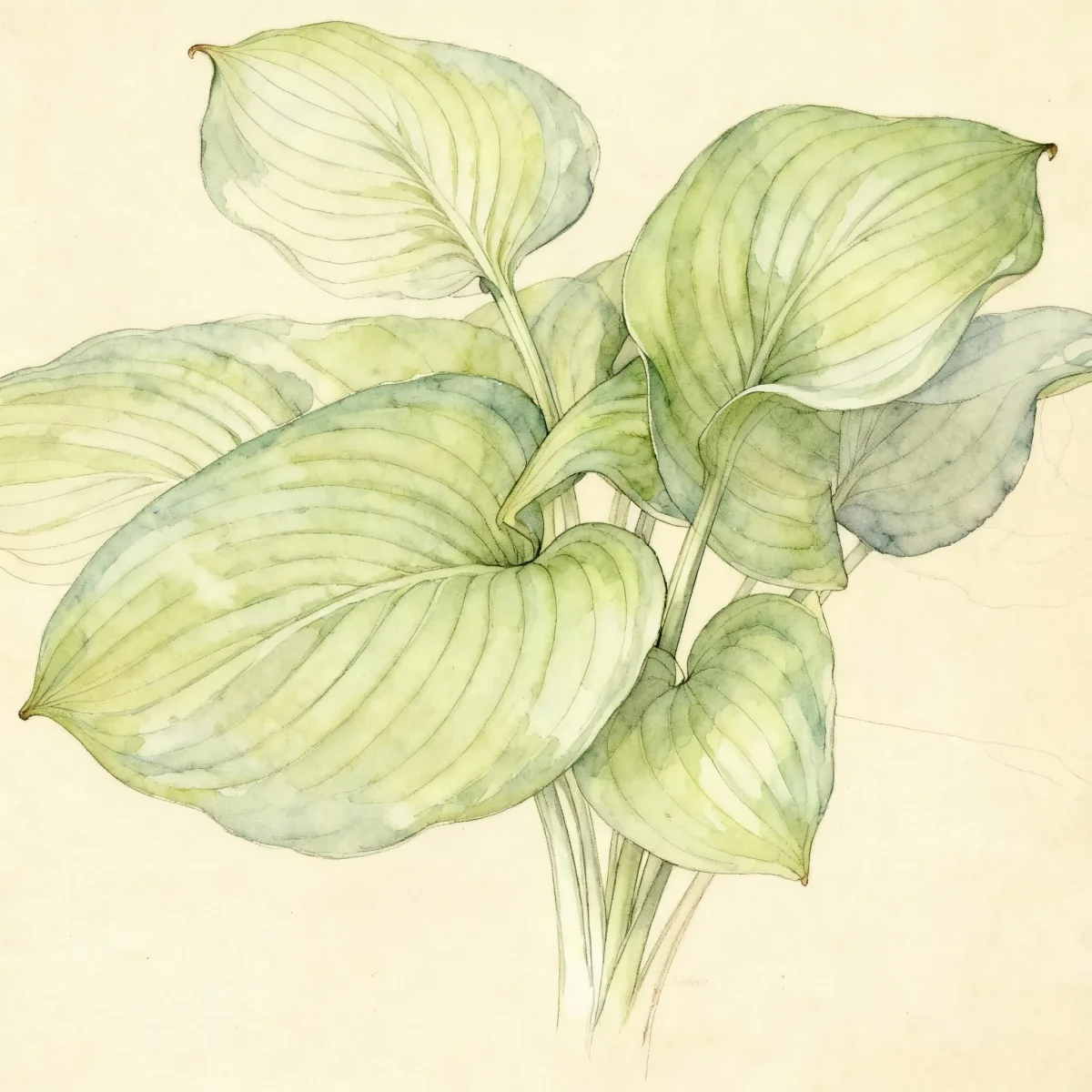
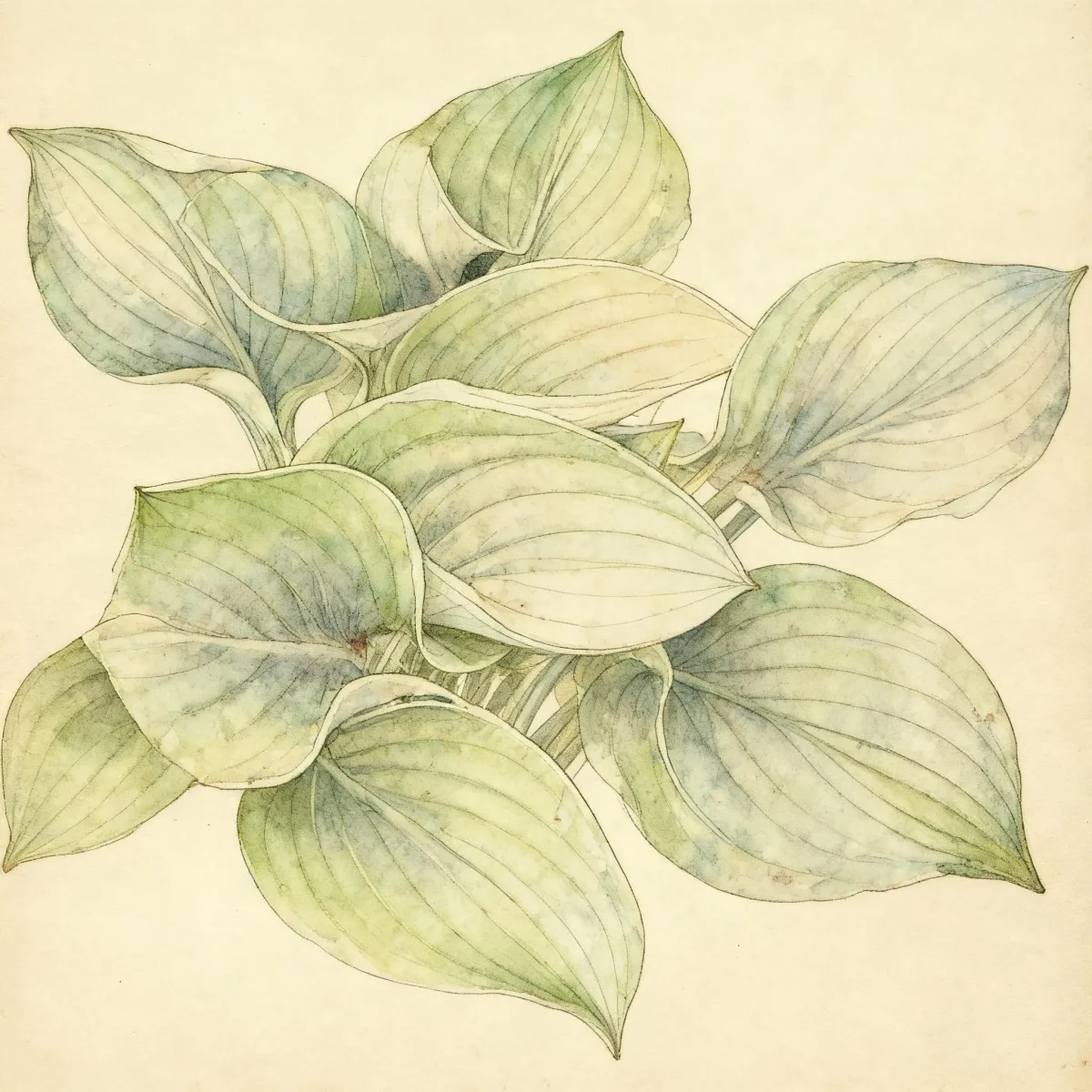
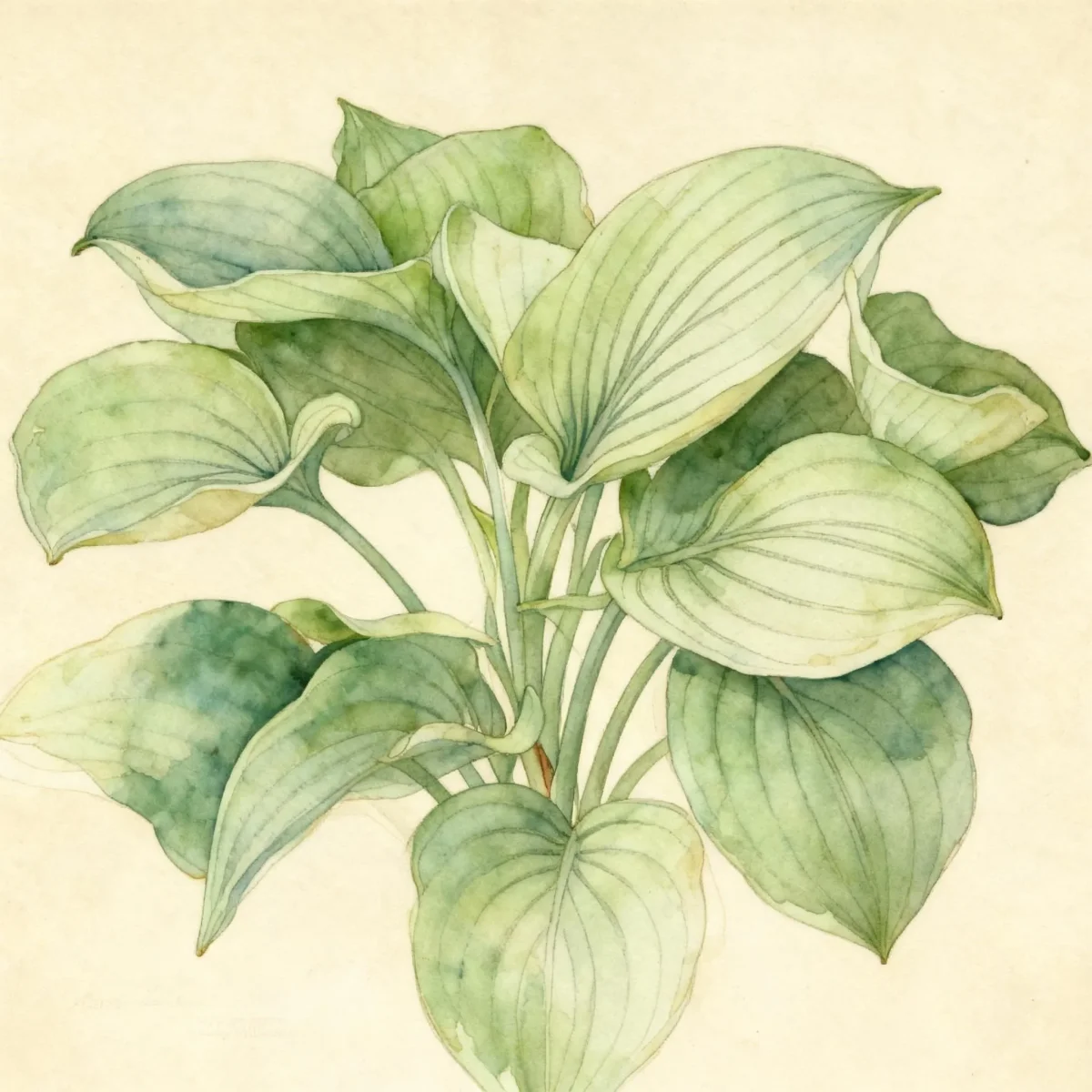
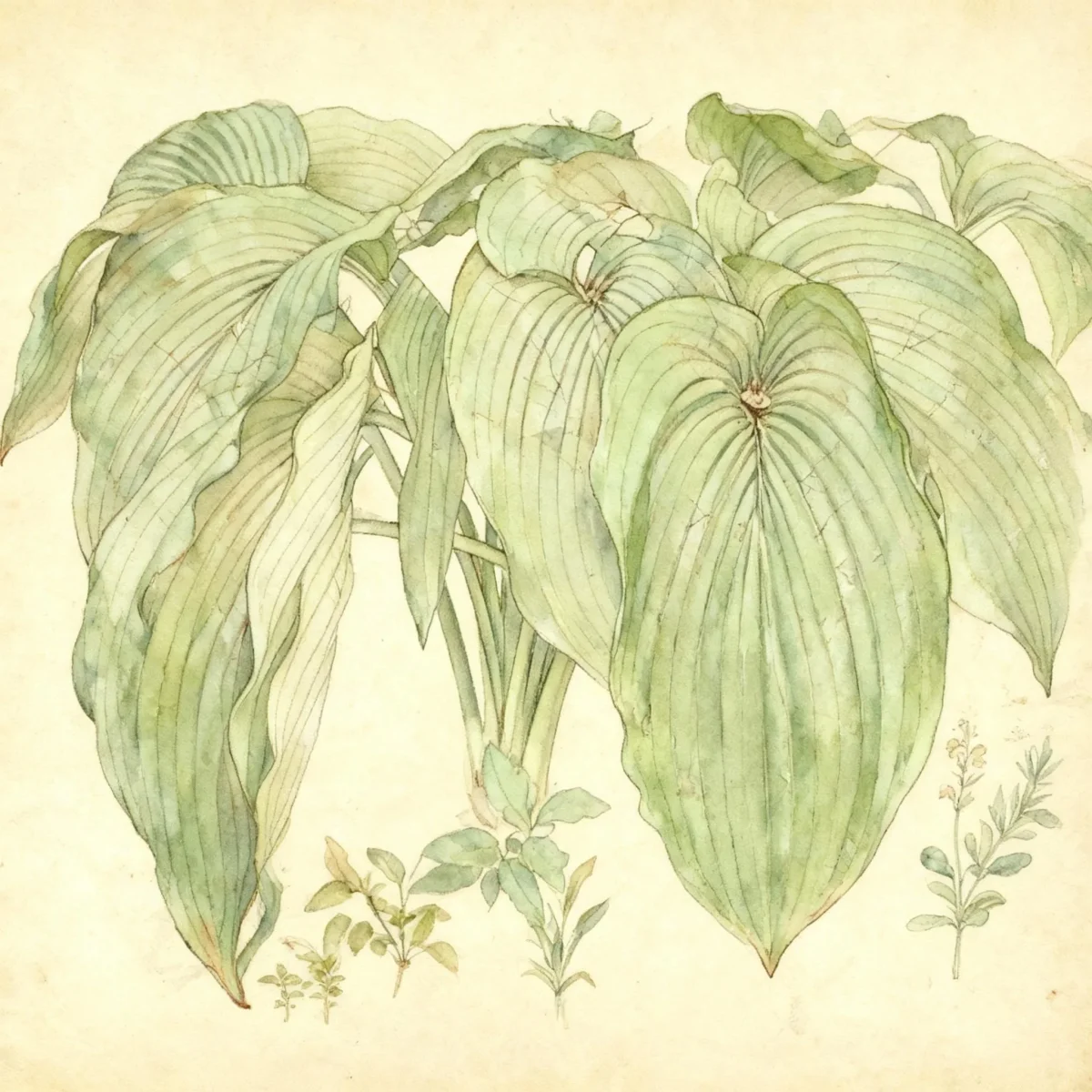
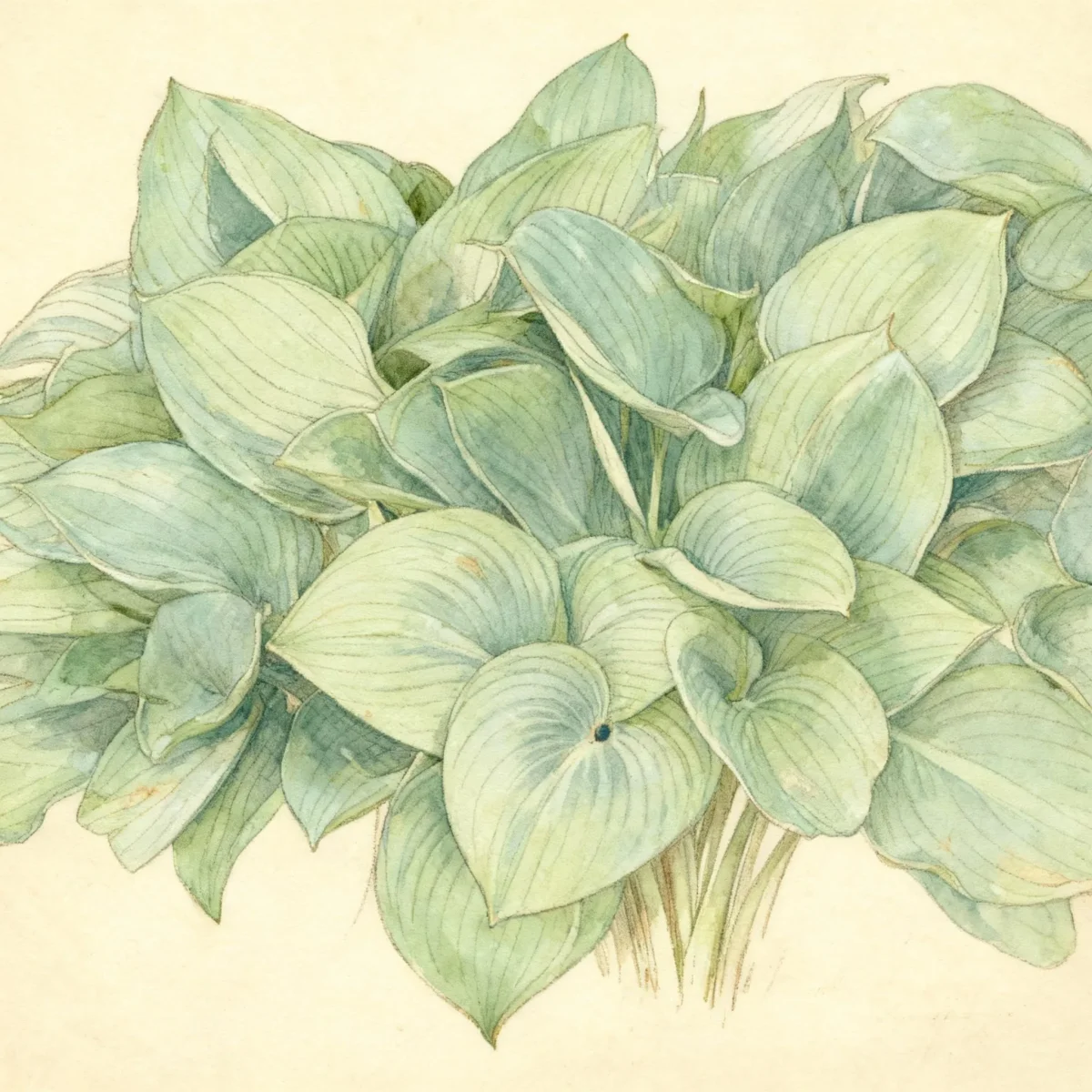
Hosta (Hosta 'Piedmont Gold')
Hosta 'Piedmont Gold' is a large, golden-leaved perennial perfect for lightening deep shade. Grow this low-maintenance Hosta in USDA Zones 3-8.
Scroll down to discover growing tips, care requirements, companion plants, and more
Complete Plant Information
Overview
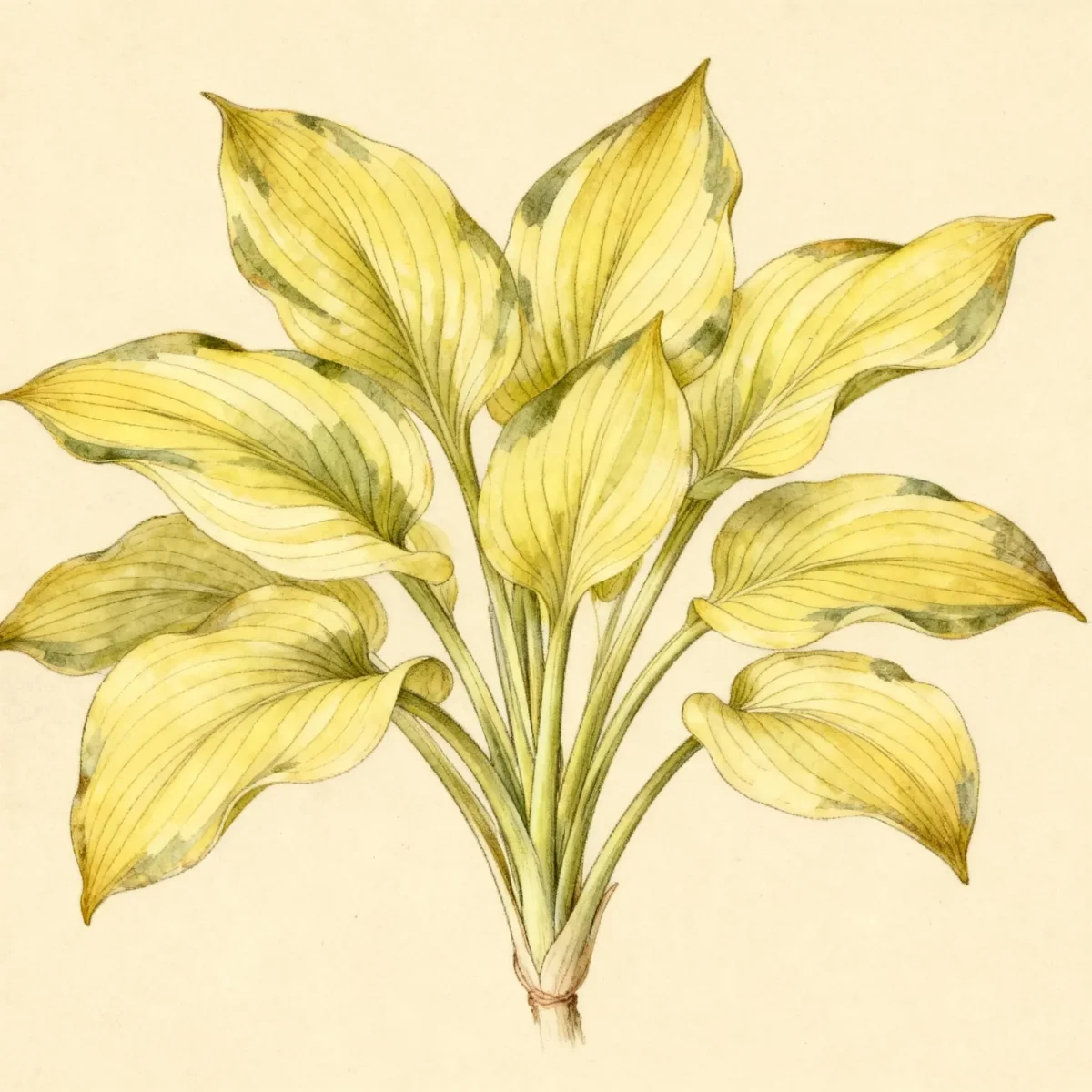
Hosta ‘Piedmont Gold’ is highly valued in the landscape for its bold, golden-yellow foliage, which brightens even the darkest garden corners. This large, clump-forming Hosta provides a vibrant contrast against darker green shade perennials. It establishes easily into a rounded mound, typically reaching 2 feet tall and spreading up to 3 feet wide.
As a classic member of the Hosta genus, ‘Piedmont Gold’ thrives under the canopy where few other plants establish well. It is prized primarily for its long-lasting ornamental leaves, though it also produces attractive spikes of pale lavender flowers in mid to late summer. This perennial is generally considered low-maintenance and reliable for consistent performance year after year.
Fast Facts
- Plant Family: Asparagaceae
- Plant Type: Herbaceous perennial
- Hardiness Zones: USDA Zones 3-8
- Size at Maturity:
- Height: 1-2 ft
- Spread: 2-3 ft
- Bloom Time: July to August
- Bloom Description: Pale lavender to white
- Sun Exposure: Part shade to full shade
- Water Needs: Medium
- Maintenance Level: Low
How to Grow
The key to successfully growing Hosta ‘Piedmont Gold’ is consistent moisture and quality soil. Plant in spring or autumn in locations well-protected from harsh winds. Ensure the soil is organically rich and well-drained, as soggy conditions should be avoided. Part shade, receiving some dappled sunlight or morning sun, yields the best color development for this golden Hosta.
Watering should be consistently monitored to keep the soil evenly moist, especially when the plant is establishing its full size and quality form. Apply water directly to the soil beneath the leaves to minimize foliage spotting. While established plants can tolerate some dry shade—especially due to their thicker leaves—never let the root zone dry out completely, as medium water needs must be met.
Maintenance for Hosta ‘Piedmont Gold’ is generally minimal. Divide the clumps as needed during spring, preferably before the foliage fully unfurls. Cleanup involves cutting back the spent flower scapes and removing any senescing foliage in the fall, though Hostas are considered low-maintenance perennials even without extensive seasonal pruning.
Landscape Uses
Hostas are the undisputed mainstays of shade gardens, prized almost entirely for their ornamental foliage excellence, including varieties like Hosta ‘Piedmont Gold’. The bright, golden-yellow leaves of ‘Piedmont Gold’ serve as a high-impact focal point or an excellent contrast plant in dark woodland settings or on the north side of buildings.
These perennials look fantastic when massed together or planted in simple groups, creating substantial mounds of color that define shady borders. They function perfectly as a low background plant beneath taller shrubs, or used to line shady pathways where their bright color can guide the eye. Pair them with ferns or deep-green groundcovers to maximize the visual punch of the yellow foliage.
Standout Features
Flower Qualities
- Showy
Noteworthy Characteristics
Hosta is a genus celebrated for its rhizomatous, clump-forming, herbaceous perennials, primarily grown for their ornamental foliage ranging in shape, size, and color. Hosta ‘Piedmont Gold’ specifically features thick, broad-oval leaves that emerge chartreuse in spring before maturing to a rich golden yellow, topped by pale lavender or nearly white flowers in mid to late summer. Registered in 1982, this large cultivar helps substantially lighten dense, shaded landscape areas.
Tolerances
- Heavy Shade
- Black Walnut
Potential Problems
Slugs and snails pose the most significant threat to Hosta foliage, often chewing jagged holes that rapidly degrade the aesthetic appeal. To manage this, apply preventative baits or barriers early in the growing season, checking especially after rainy periods. Watch for foliar nematodes, which cause undesirable interveinal browning on the leaves; infected plants should be removed immediately. Deer and rabbits are also known to eat the leaves voraciously, requiring physical deterrents in areas where these animals are prevalent.
Frequently Asked Questions
What hardiness zones is Hosta ‘Piedmont Gold’ suitable for?
Hosta ‘Piedmont Gold’ is reliably hardy in USDA Zones 3 through 8.
How large does Hosta ‘Piedmont Gold’ grow?
This Hosta typically reaches a height between 1 and 2 feet and spreads to a width of 2 to 3 feet at maturity.
What sun exposure does Hosta ‘Piedmont Gold’ need?
This plant requires part shade to full shade conditions to thrive.
When does Hosta ‘Piedmont Gold’ bloom?
Flowering generally occurs from July to August, producing pale lavender to white blooms.
Conclusion
Hosta ‘Piedmont Gold’ offers superior performance due to its low maintenance needs and ability to inject vibrant yellow color into deep-shade environments. This spectacular Hosta ensures that even the darkest spots in your garden retain visual interest. Before planting, confirm that your location falls within USDA Zones 3-8 and prepare soil that holds consistent moisture.
Companion Planting
Companion plants for Hosta ‘Piedmont Gold’ should share its cultural preference for moist, rich soil shaded from intense afternoon sun. Traditional partners include various ferns, such as Japanese Painted Ferns (Athyrium niponicum) or Ostrich Ferns (Matteuccia struthiopteris), as their contrasting textures highlight the broad leaves of the Hosta. Consider pairing it with shade-tolerant woodland wildflowers or fine-textured shade grasses to enhance the composition.
Seasonal Care Calendar
During early spring, focus on removing any debris from around the crown and dividing any overly crowded clumps of Hosta ‘Piedmont Gold’ before new shoots emerge. Throughout the primary growing season (late spring through summer), ensure consistent medium watering, especially during dry spells, paying close attention to midday heat. In late fall, after frost has caused the foliage to die back, you can trim the dead leaves down to the ground to maintain cleanliness for when new chartreuse growth signals the return of this beautiful Hosta next year.