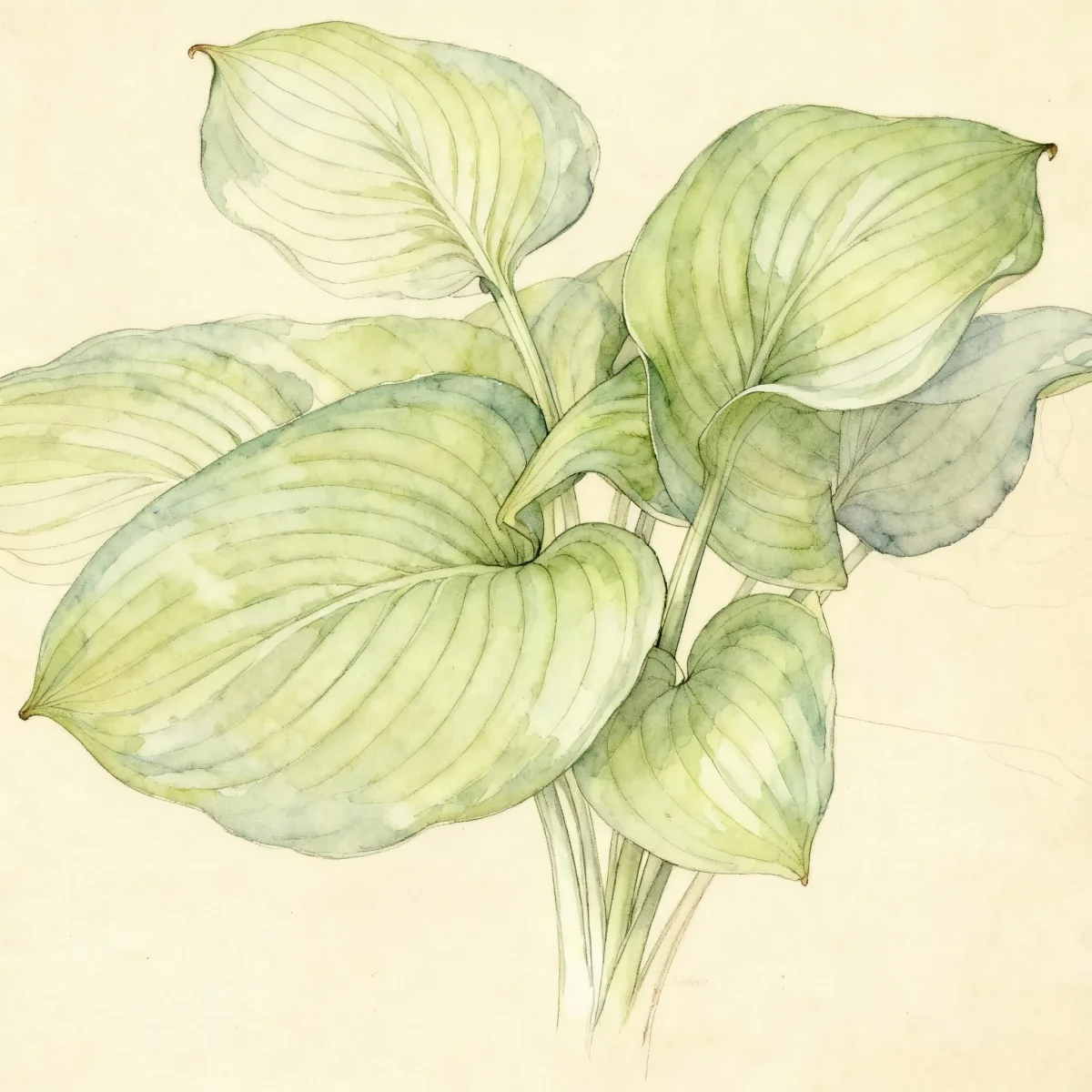
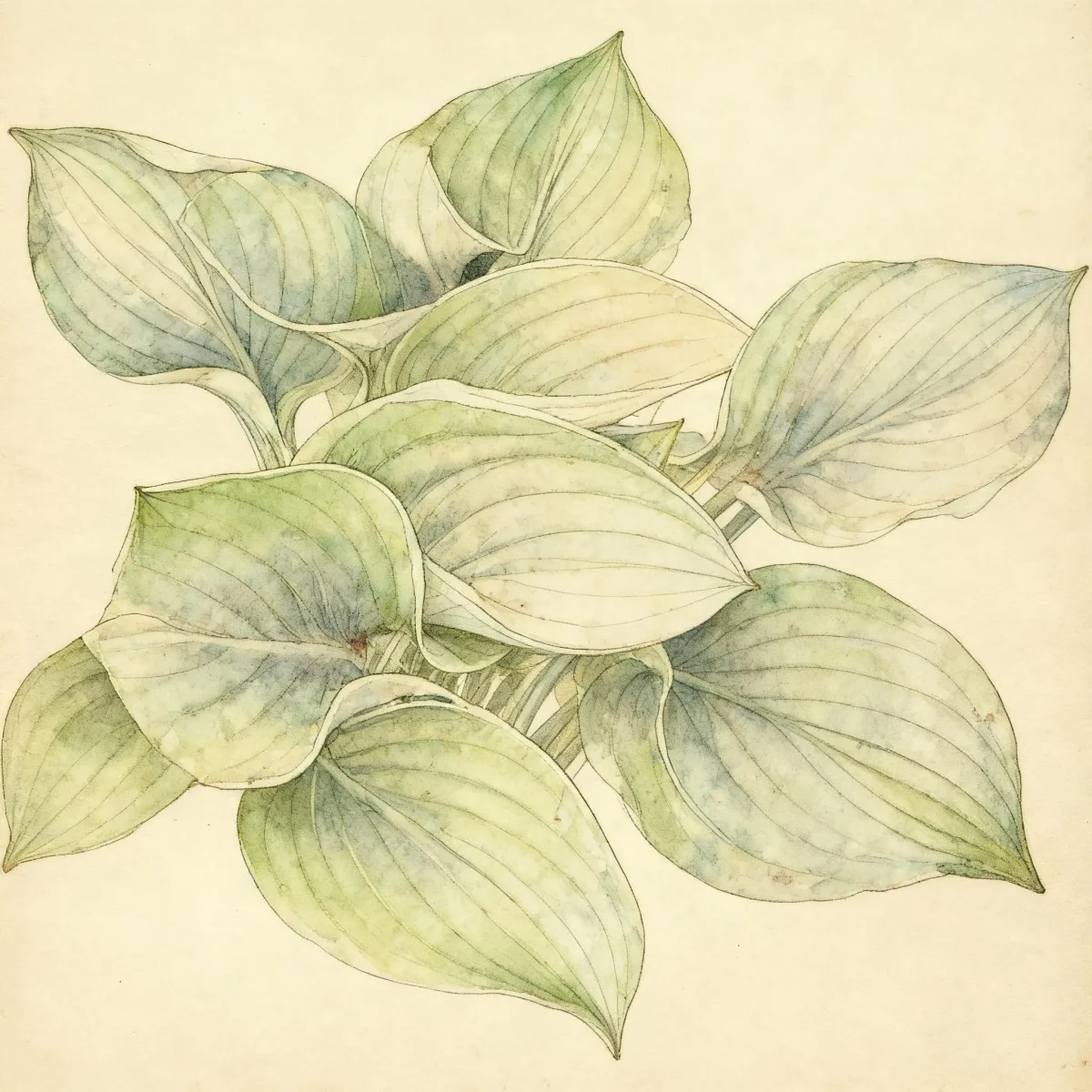
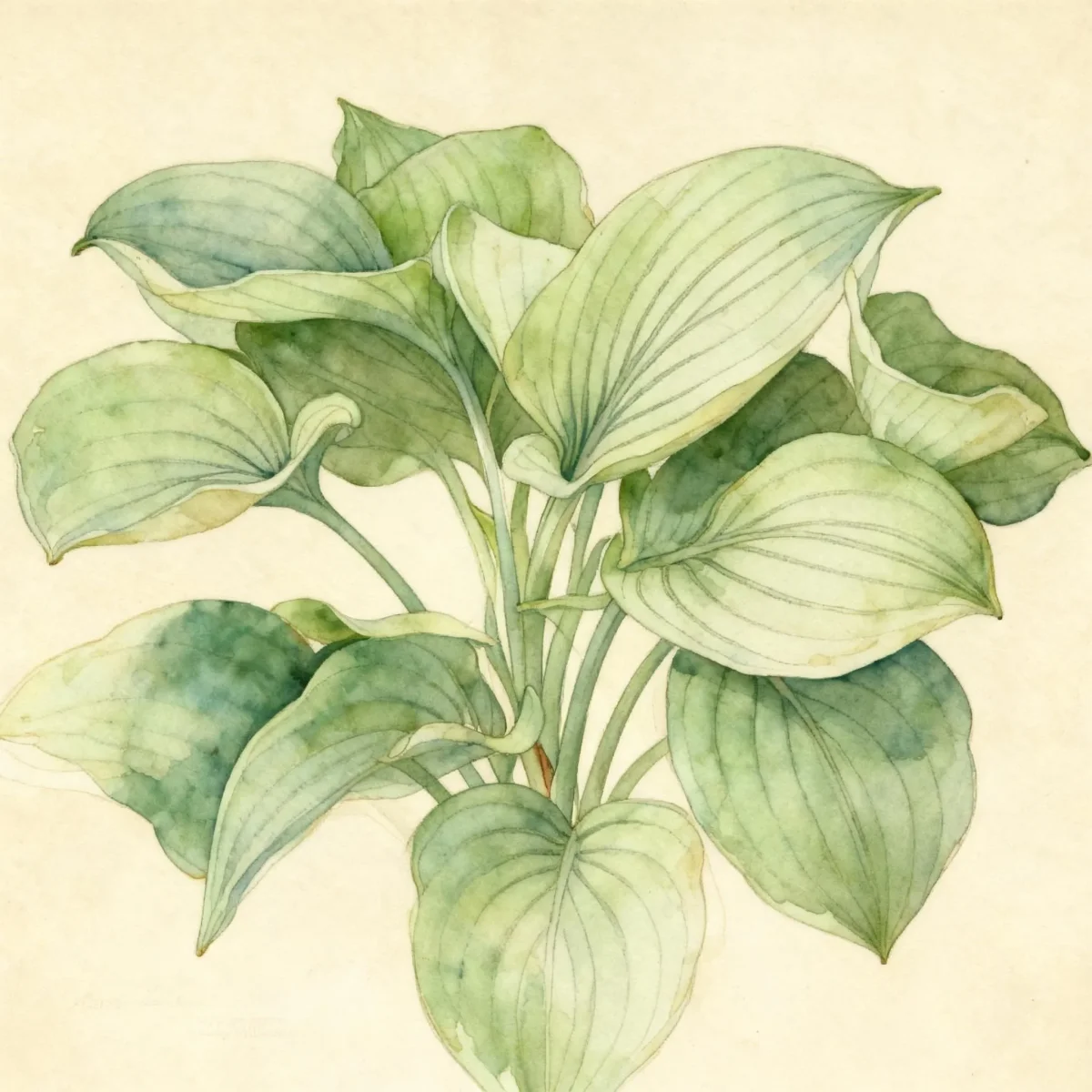
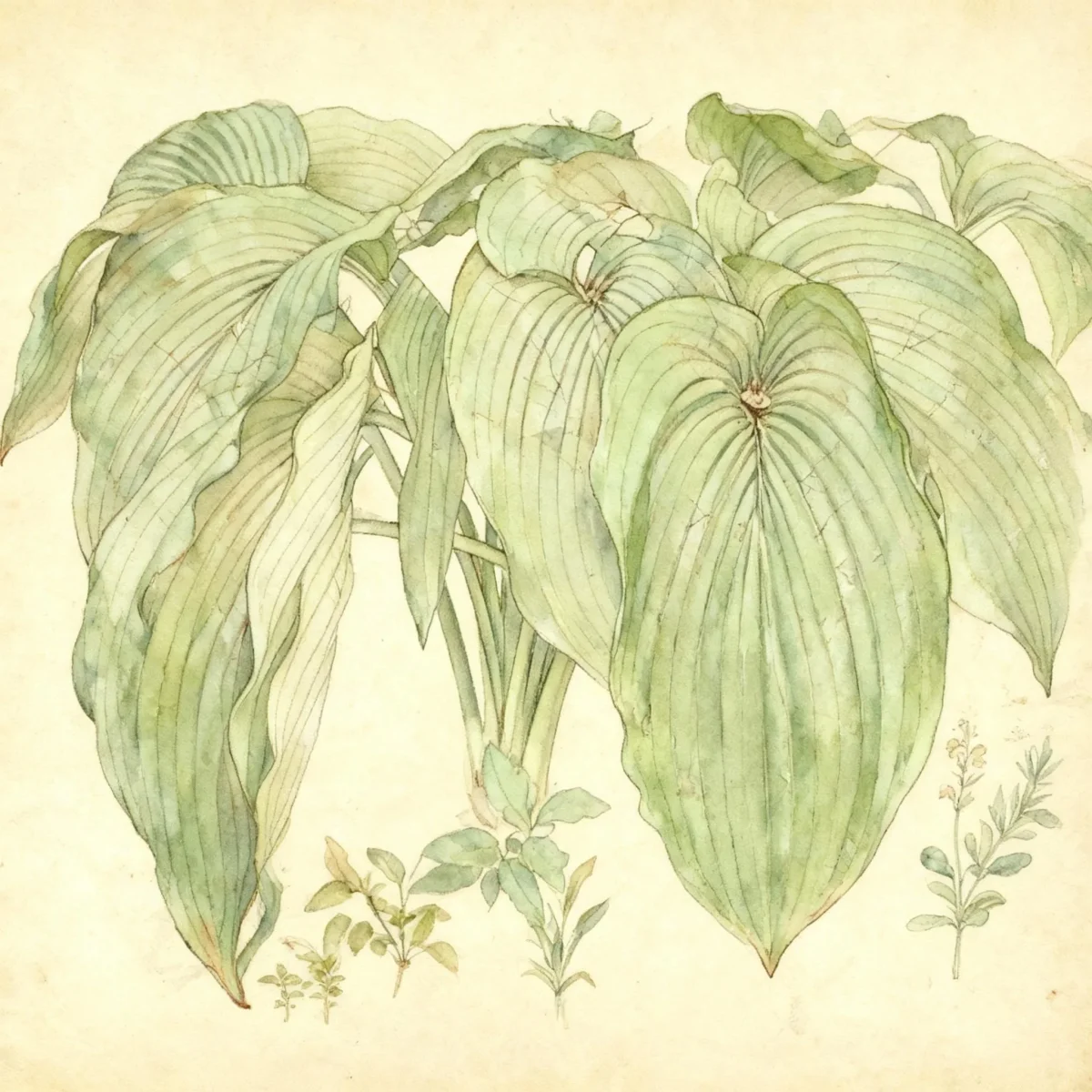
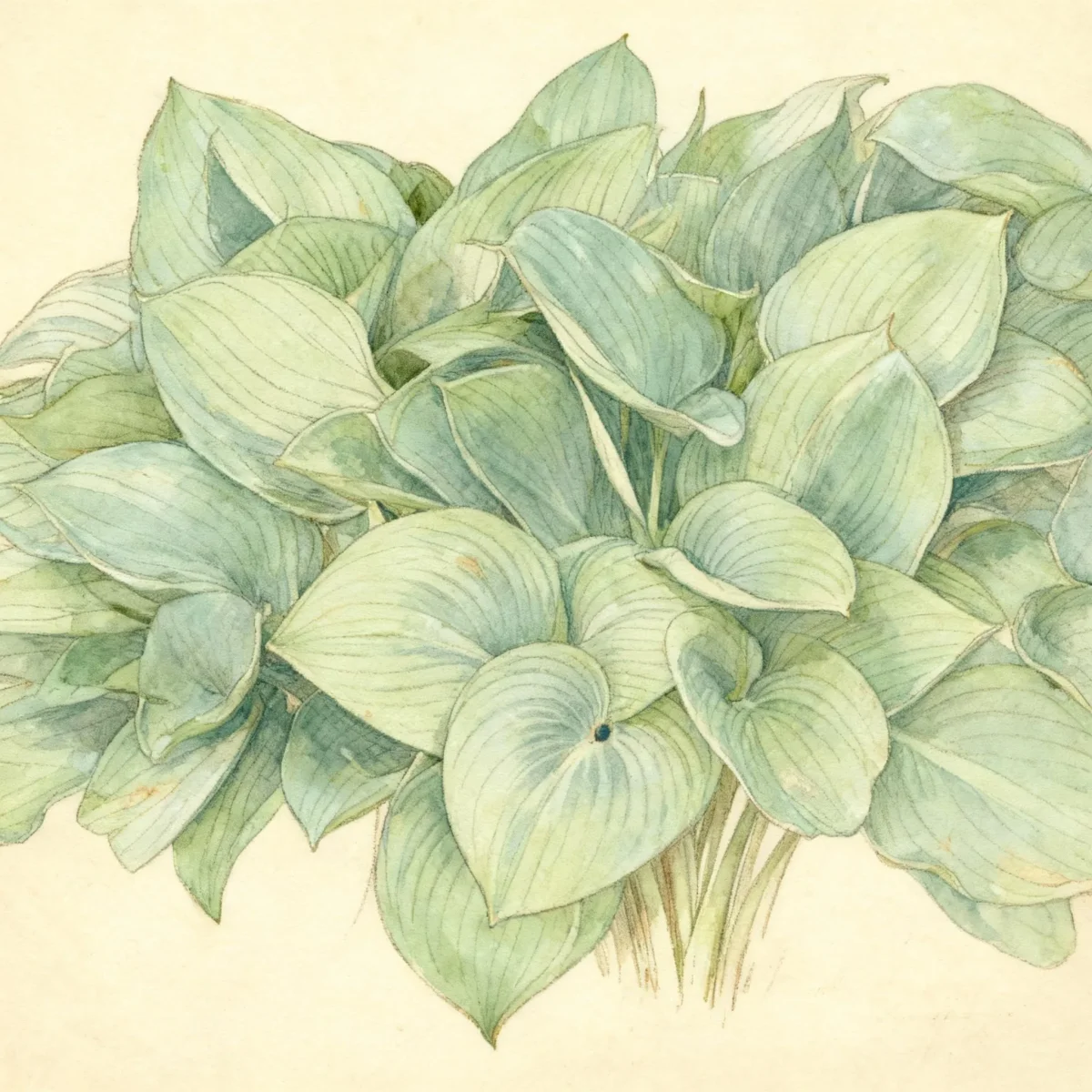
Hosta (Hosta 'Pizzazz')
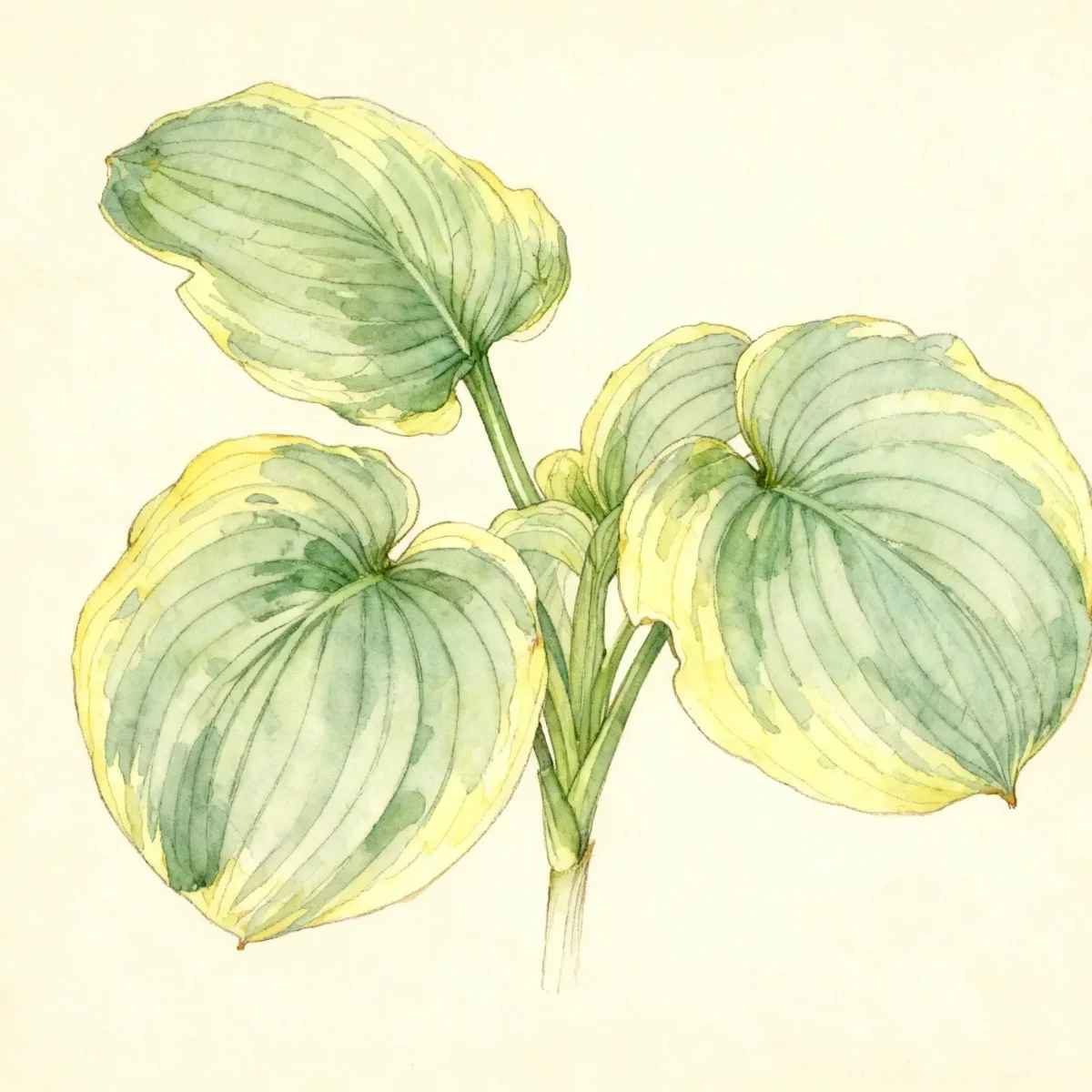
Hosta 'Pizzazz' features striking, thick, heart-shaped blue-green leaves with irregular yellow margins, perfect for deep shade.
Scroll down to discover growing tips, care requirements, companion plants, and more
Complete Plant Information
Overview
Hosta ‘Pizzazz’ is celebrated in the garden primarily for its exceptionally textured and multi-toned foliage, rather than its flowers. This herbaceous perennial forms a substantial, rounded mound of thick, heart-shaped leaves displaying a deep blue-green center dramatically outlined by irregular yellow margins that fade toward creamy white as the season progresses. As a durable Hosta, this cultivar thrives in the challenging darker corners of the landscape where few plants succeed.
This variety showcases the ornamental excellence for which the genus Hosta is famous, providing strong structural contrast even in deep shade. Hosta ‘Pizzazz’ establishes easily, offering low-maintenance coverage that brightens dim areas from spring until frost. Its resilience and unique leaf structure make it an indispensable anchor plant for woodland and shade gardens.
Fast Facts
- Plant Family: Asparagaceae
- Plant Type: Herbaceous perennial
- Hardiness Zones: USDA Zones 3-8
- Size at Maturity:
- Height: 1.5-2 ft
- Spread: 2-4 ft
- Bloom Time: July to August
- Bloom Description: White
- Sun Exposure: Part shade to full shade
- Water Needs: Medium
- Maintenance Level: Low
How to Grow
Begin by planting Hosta ‘Pizzazz’ in the spring or early fall. These plants flourish best when situated in locations receiving part shade, ideally benefitting from morning sun or dappled conditions throughout the day. They require evenly moist, organically rich, well-drained soils to achieve their most magnificent size and foliage quality.
Maintain consistent moisture, especially during establishment. Water should be directed toward the soil beneath the leaves, avoiding overhead watering when possible. While thick-leaved varieties like Hosta ‘Pizzazz’ display some tolerance for dry shade once established, allowing the soil to completely dry out will compromise the plant’s appearance. Hosta are generally considered low-maintenance perennials.
Divide clumps in early spring before the new leaves unfurl, or in autumn if necessary. To ensure the best foliage, plant Hosta ‘Pizzazz’ in sheltered spots protected from strong winds, which can damage the large leaves.
Landscape Uses
Hostas are a true mainstay for gardeners cultivating shade gardens or woodland settings. Hosta ‘Pizzazz’ serves exceptionally well when massed or planted in supportive groups, forming a dense ground cover that effectively suppresses weeds. Its strong texture and contrasting margins make it an excellent visual anchor.
Use Hosta ‘Pizzazz’ to define shady borders or as a textural background plant within a mixed perennial bed located under larger trees. The plant’s ability to naturalize means it can create sweeping drifts of cool color and texture, contrasting beautifully with fine-textured ferns or brightly colored spring bulbs that die back before the Hosta fully emerges.
Standout Features
Flower Qualities
- Showy
Noteworthy Characteristics
Hosta is a genus of about 70 species of shade-loving, rhizomatous, clump-forming, herbaceous perennials which are native to open woodlands, woodland margins and glades in Japan, Korea, China and eastern Russia. ‘Pizzazz’ typically grows in a rounded mound to 21” tall and to 49” wide, featuring broad, cupped, heart-shaped, blue-green leaves with distinctive corrugated, puckered texture. The irregular yellow margins fade to creamy white as the season progresses, topped by bell-shaped nearly white flowers on upright scapes in mid to late summer.
Tolerances
- Heavy Shade
- Black Walnut
Potential Problems
The most common threat to Hosta ‘Pizzazz’ foliage is damage from slugs and snails, which readily chew jagged holes in the leaves. Inspect plants frequently and employ control measures early to prevent widespread defoliation. Watch for foliar nematodes, which cause interveinal browning; infected material should be removed immediately.
Less frequent issues include leaf spots or crown rot, usually related to overly wet or poorly draining conditions. Furthermore, deer and rabbits commonly find Hosta leaves appetizing. Protecting new growth with barriers or repellent treatments may be necessary in areas with active wildlife.
Frequently Asked Questions
What hardiness zones is Hosta ‘Pizzazz’ suitable for?
Hosta ‘Pizzazz’ is reliably hardy across USDA Zones 3 through 8.
How large does Hosta ‘Pizzazz’ grow?
This cultivar typically reaches a mature height between 1.5 and 2 feet tall, spreading to a width of 2 to 4 feet wide.
What sun exposure does Hosta ‘Pizzazz’ need?
This variety prefers part shade conditions but adapts well to growing successfully in full shade, though optimal performance is seen with some morning light.
When does Hosta ‘Pizzazz’ bloom?
The flowers appear from July into August, presenting as nearly white, bell-shaped blooms atop tall scapes.
Conclusion
Hosta ‘Pizzazz’ stands out as a premium choice for any shady garden area, delivering high ornamental impact through its heavily textured, striking blue-green and yellow foliage. By ensuring consistent moisture and selecting the appropriate part shade location, you can rely on this low-maintenance Hosta to provide consistent structure and color. Verify that USDA Zones 3-8 align with your location before planning your planting this spring or fall.
Companion Planting
When designing a shade garden around Hosta ‘Pizzazz’, consider materials that provide textural contrast. Plants with airy, fine foliage complement the thick, corrugated leaves beautifully. Ferns, like Japanese Painted Fern or Autumn Fern, thrive in similar partial shade and medium moisture conditions, enhancing the woodland feel.
For seasonal color, pair Hosta ‘Pizzazz’ with spring-flowering bulbs such as snowdrops or daffodils, whose foliage dies back before the Hosta reaches its full size. Another effective pairing is with Astilbe, which offers plumes of contrasting color and prefers the rich, moist soil that benefits your Hosta ‘Pizzazz’ cultvar.
Seasonal Care Calendar
In early spring, focus on cleanup by removing any lingering dead foliage from the previous season, which also helps deter slugs from taking up residence. As the foliage begins to emerge, apply a balanced, slow-release fertilizer, lightly worked into the top inch of soil around the plant base.
Summer care revolves around consistent watering, ensuring the soil remains evenly moist, especially during dry spells. Monitor the foliage closely for pest damage, particularly slugs, and address infestations proactively. Late summer blooming provides a nice late-season show for this popular genus.
As dormancy approaches in the fall, cut back the spent flower stalks. In colder regions (Zones 3-5), apply a layer of mulch after the ground freezes to help insulate the crown and protect against winter heaving.