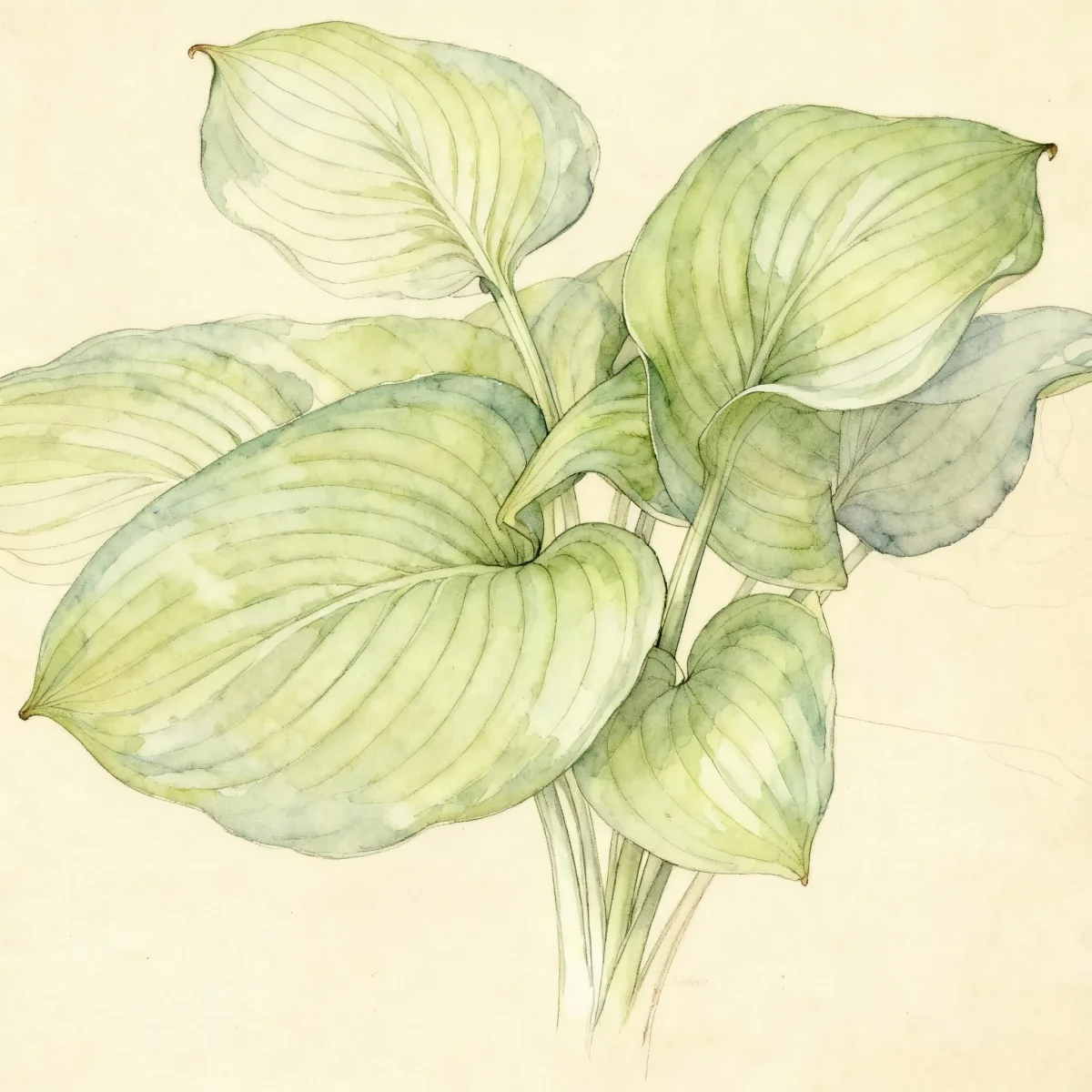
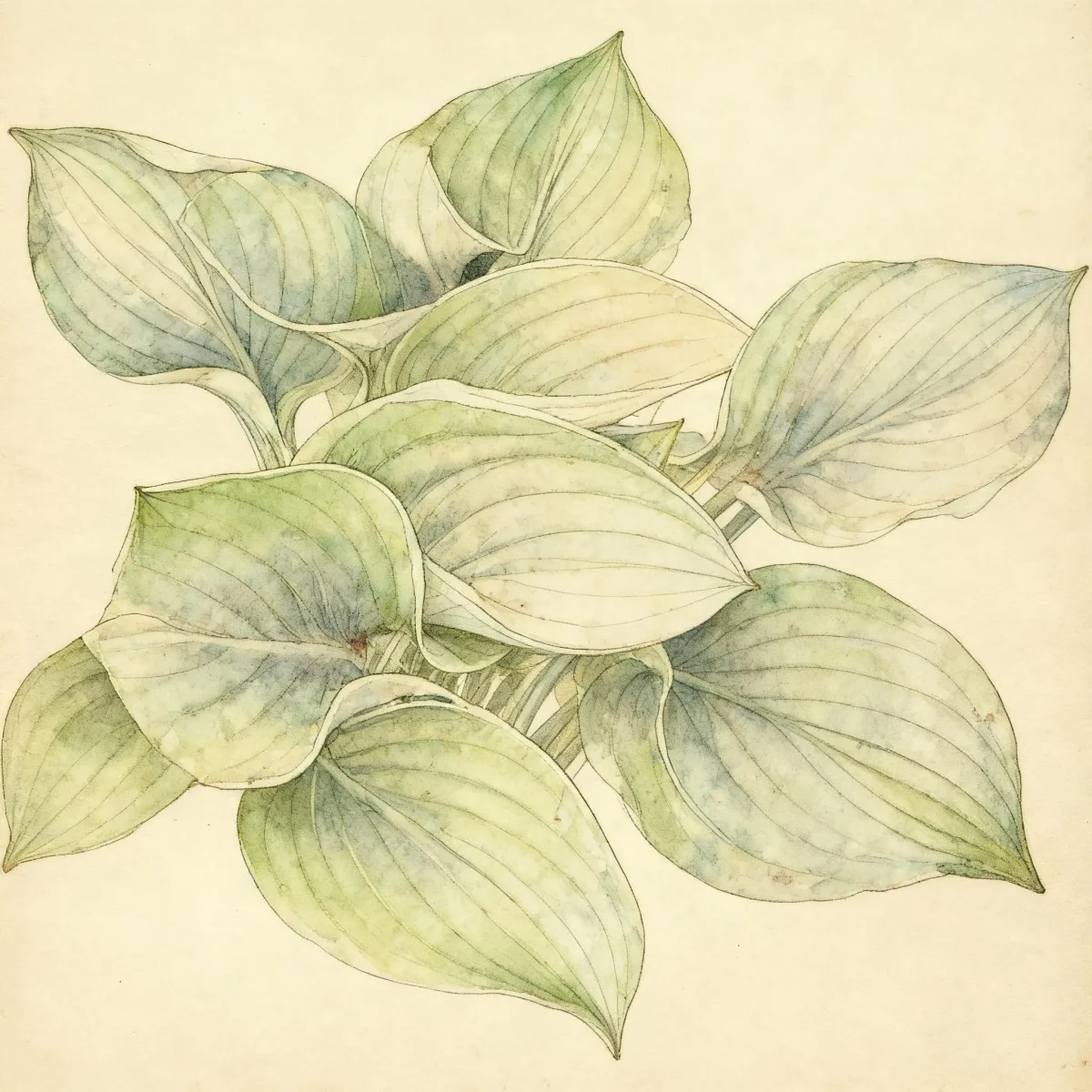
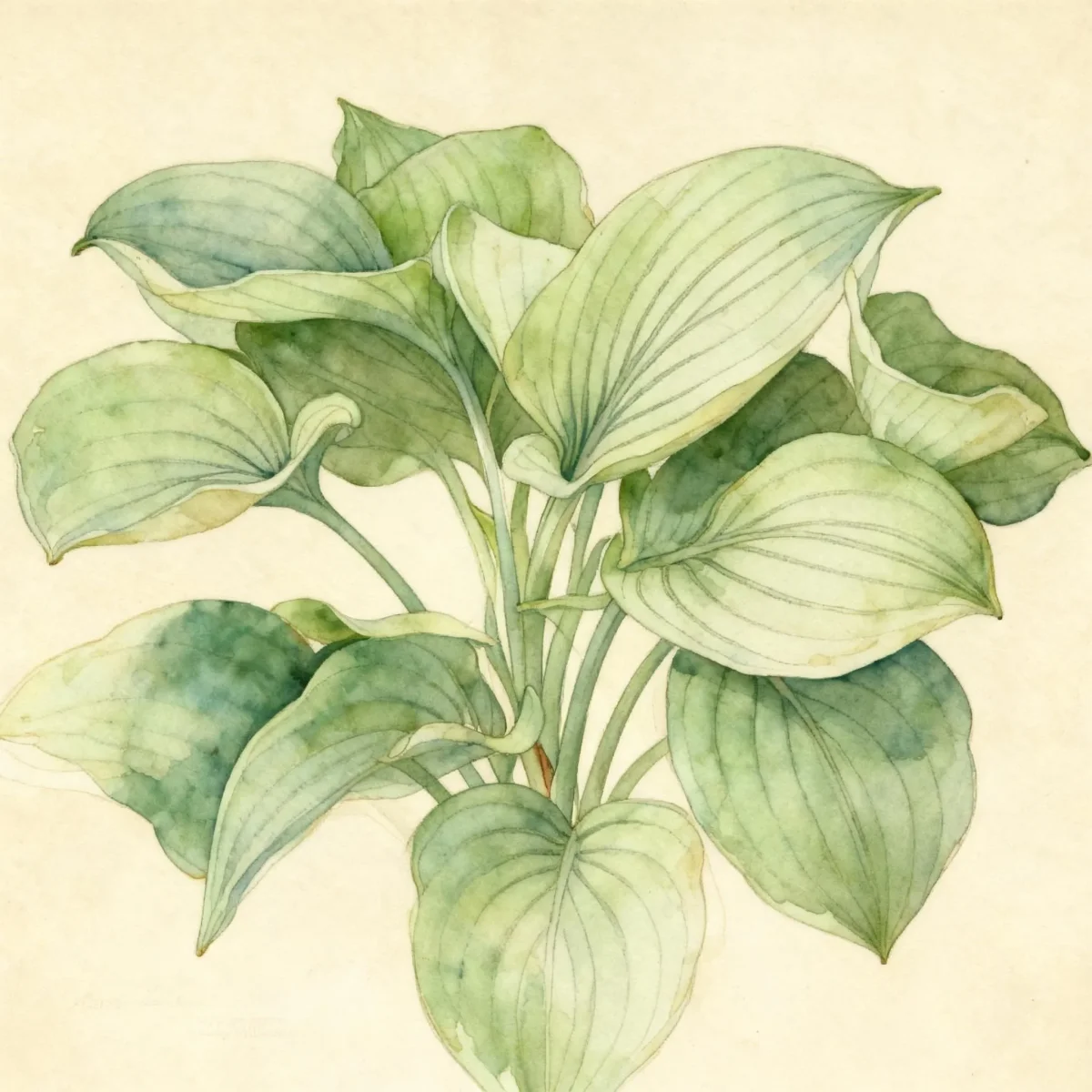
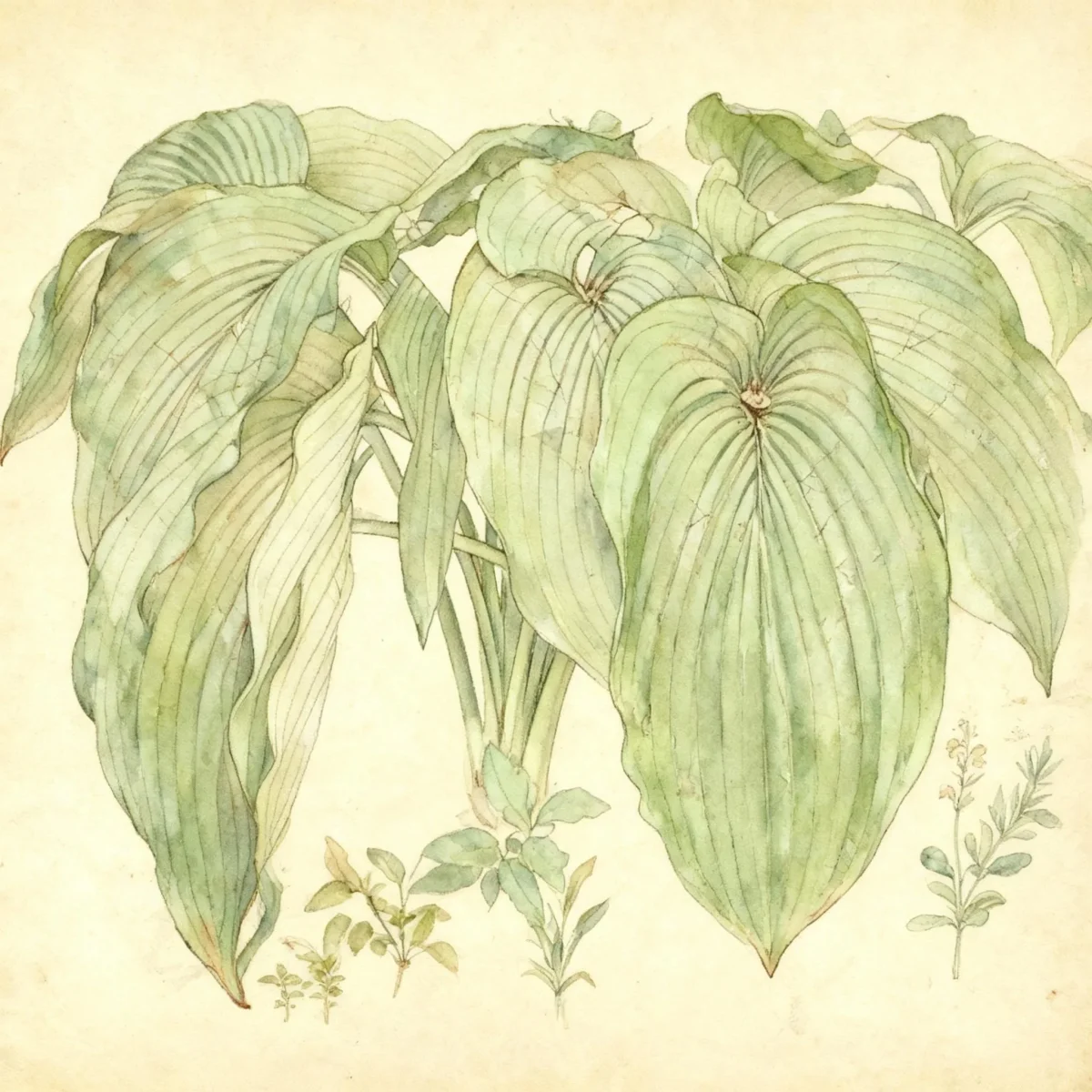
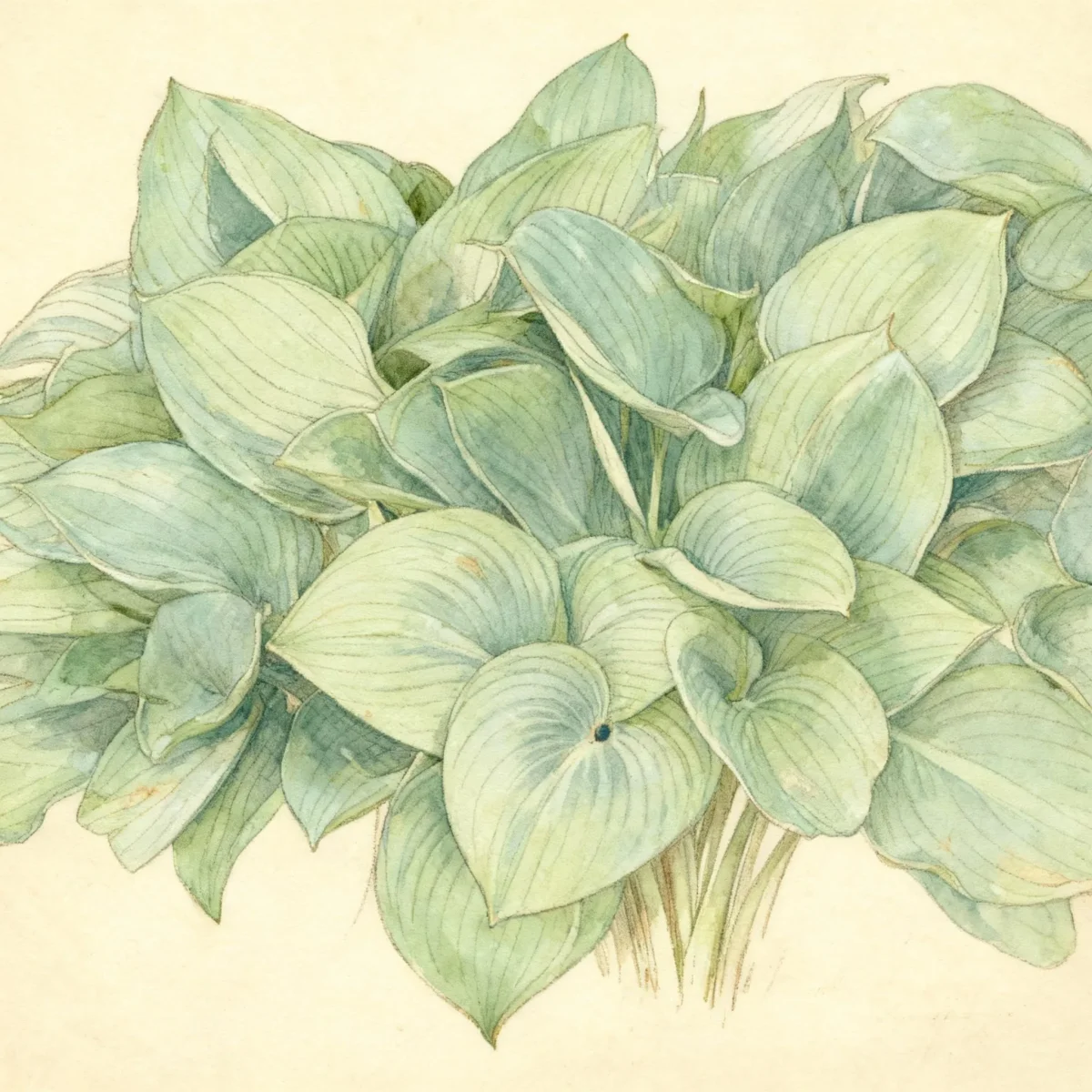
Hosta (Hosta 'Purple Lady Finger')
Hosta 'Purple Lady Finger' is a low-maintenance herbaceous perennial prized for its dark purple flowers and lance-shaped, medium green foliage.
Scroll down to discover growing tips, care requirements, companion plants, and more
Complete Plant Information
Overview
Hosta ‘Purple Lady Finger’ is a dependable and highly versatile perennial, primarily sought after for the contrasting texture and form of its foliage set against its dark purple summer blooms. Belonging to the diverse Hosta genus, this cultivar creates an upright mound of flat, distinctly lance-shaped, medium green leaves that effectively provide color and contrast in shaded garden areas. As an easy-to-manage herbaceous perennial, Hosta ‘Purple Lady Finger’ establishes quickly and requires relatively little horticultural intervention once situated correctly.
The appeal of this Hosta variety lies in its ability to thrive where many flowering plants fail, offering reliable structure in deep shade. Its dense basal leaves naturally help crowd out common garden weeds, adding functional value alongside its ornamental qualities. Gardeners appreciate the Hosta for its resilience and its ability to form neat, spreading mounds that suit both formal borders and naturalistic woodland plantings.
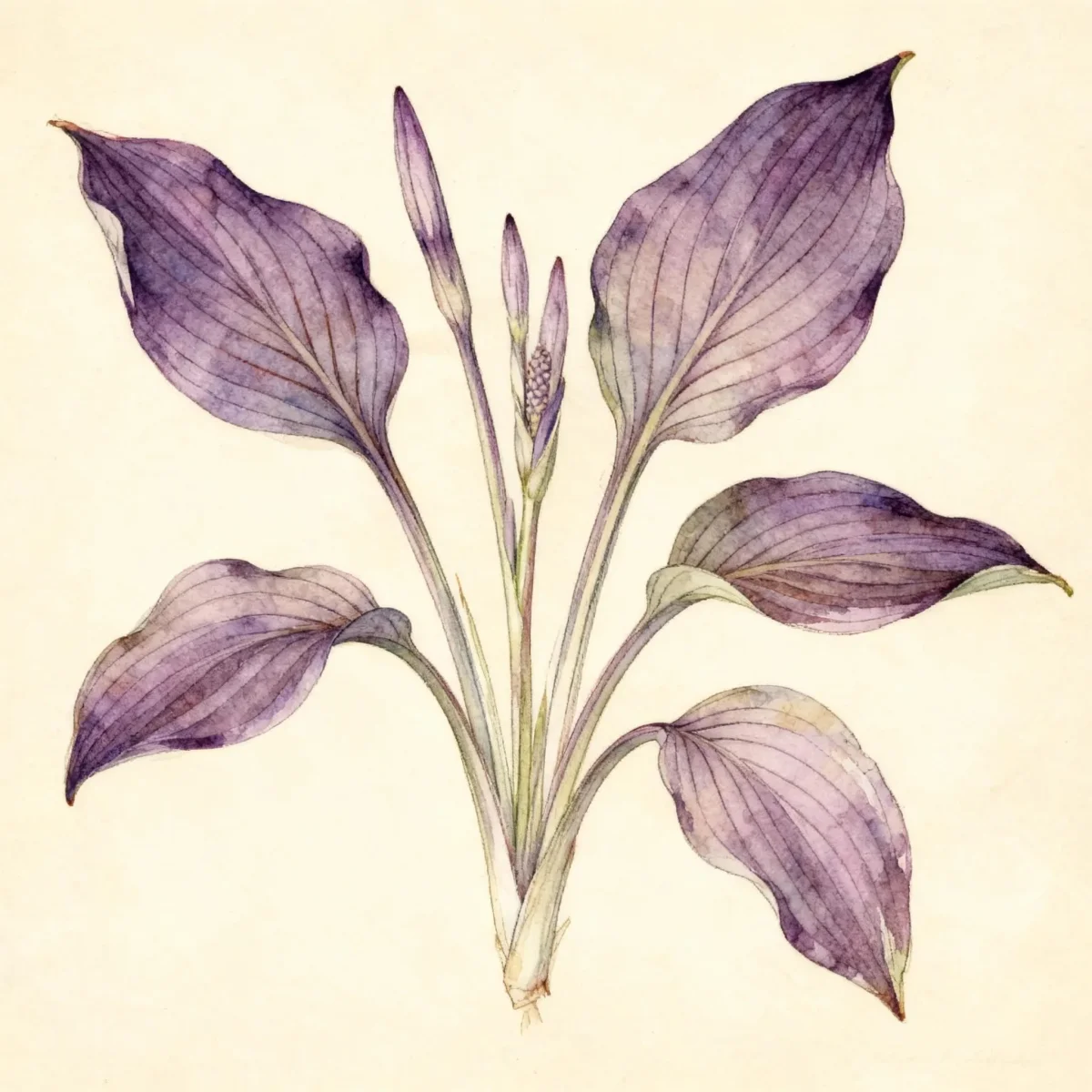
This specific Hosta produces racemes of funnel-shaped, dark purple flowers rising atop 20-inch scapes during the peak early summer months. It embodies the genus’s primary purpose—ornamental excellence through foliage—while still contributing lovely color when in bloom. Consider integrating Hosta ‘Purple Lady Finger’ into your landscape plans for reliable, low-maintenance performance under the canopy.
Fast Facts
- Plant Family: Asparagaceae
- Plant Type: Herbaceous perennial
- Hardiness Zones: USDA Zones 3-8
- Size at Maturity:
- Height: 1-1.5 ft
- Spread: 1.5-2 ft
- Bloom Time: June to July
- Bloom Description: Purple
- Sun Exposure: Part shade to full shade
- Water Needs: Medium
- Maintenance Level: Low
How to Grow
Planting Hosta ‘Purple Lady Finger’ should occur in the spring after the danger of hard frost has passed or in early autumn. Select a location that offers protection from strong winds, ensuring the soil is organically rich, well-drained, and consistently moist. While these perennials are often noted for their tolerance for dry shade once established (especially thick-leaved types), achieving the best size and quality requires regular moisture. Water application is most effective when directed straight to the soil below the leaves, minimizing foliage wetness.
Maintenance for this Hosta is generally low. Consistent moisture is crucial, especially through dry spells, but ensure adequate drainage to prevent crowns from rotting. Fertilization is rarely necessary if the soil is rich in organic matter. Divide clumps as needed, which is simplest to do in early spring just before the foliage begins to emerge, or alternatively in the autumn.
These plants perform best when sited in part shade, welcoming some morning sun or dappled light throughout the day. Full shade is acceptable, but too little light can reduce vigor and bloom quality. As a genuinely low-maintenance perennial, Hosta provides excellent visual impact with minimal ongoing cultural demands beyond providing sufficient water.
Landscape Uses
Hostas are the undisputed mainstays of shade gardens, valued far more for their extraordinary foliage than for their flowers. Hosta ‘Purple Lady Finger’ excels in providing upright structure and fine texture in shady borders or woodland settings where lawns struggle. Due to its consistent, mounding habit, it works exceptionally well when massed together for a strong visual impact or used sparingly as an edging plant along pathways.
Very effective when grouped artistically, this Hosta offers excellent contrast against groundcovers or plants with contrasting leaf colors, such as bright chartreuse Hakonechloa or ferns. They serve as a superb background plant, allowing smaller, finer-textured shade companions to shine in the foreground. The presence of dark purple flowers in summer adds an unexpected vertical element and modest floral display above the rich green foliage mound.
Standout Features
Flower Qualities
- Showy
- Good Cut
Noteworthy Characteristics
Hosta is primarily grown for its ornamental foliage, featuring stalked, conspicuously-veined leaves of many shapes and colors rising from a central crown. Bell or funnel-shaped flowers appear in summer atop scapes that rise above the foliage mound. ‘Purple Lady Finger’ specifically features flat, lance-shaped leaves and dark purple flowers, offering dependable, low-care performance while its dense foliage naturally crowds out many garden weeds.
Tolerances
- Heavy Shade
- Black Walnut
Potential Problems
The primary threat to Hosta ‘Purple Lady Finger’ comes from mollusks; slugs and snails are strongly attracted to the foliage. They consume leaf tissue, leaving jagged holes which can quickly disfigure the appearance of the leaves if the infestation is left unchecked. Management often involves physical barriers, routine scouting, pellets, or sprays applied early in the season.
Foliar nematodes are a less common but serious issue, causing interveinal browning on the leaves. Other superficial fungal issues like leaf spot or crown rot can occur, usually when conditions are too persistently wet or poorly drained. Finally, be aware that deer and rabbits frequently find Hosta leaves palatable and may consume them voraciously.
Frequently Asked Questions
What hardiness zones is Hosta ‘Purple Lady Finger’ suitable for?
Hosta ‘Purple Lady Finger’ thrives across a wide range, being suitable for USDA Zones 3 through 8.
How large does Hosta ‘Purple Lady Finger’ grow?
This cultivar typically reaches a mature height between 1 and 1.5 feet tall, with a spread ranging from 1.5 to 2 feet wide.
What sun exposure does Hosta ‘Purple Lady Finger’ need?
This Hosta variety prefers part shade to full shade conditions for optimal growth and foliage health.
When does Hosta ‘Purple Lady Finger’ bloom?
The characteristic purple flowers appear atop scapes mostly during the early summer months, specifically from June through July.
Conclusion
Hosta ‘Purple Lady Finger’ remains an essential, low-maintenance anchor for shaded landscapes, delivering reliable structure through its lance-shaped green leaves and offering handsome bursts of dark purple color in mid-summer. Ensuring consistent moisture management is the key to maximizing the beauty of this versatile Hosta. Before planting, confirm that USDA Zones 3-8 align with your local hardiness parameters to guarantee long-term success.
Companion Planting in Shade
Since Hosta ‘Purple Lady Finger’ prefers medium moisture and rich soil in part to full shade, choosing companions with similar needs ensures garden harmony. Pair it with shade-tolerant, fine-textured plants like ferns (e.g., Japanese Painted Ferns) to contrast the Hosta’s broader, flatter leaf shape. Brunnera macrophylla, with its silvery foliage, offers excellent visual contrast right next to the deep green leaves of the Hosta.
Another excellent grouping strategy involves pairing Hosta with woodland bloomers that emerge earlier in the season before the Hosta is fully mature. Bulbs like snowdrops or scilla provide early spring color, fading away just as Hosta ‘Purple Lady Finger’ emerges to take center stage. This layered approach keeps the shady border interesting from early April through the end of summer.
Seasonal Care Calendar for Hosta
Spring preparation involves gently clearing away any winter debris from around the crowns and applying a fresh layer of compost or mulch—avoid piling mulch directly against the emerging shoots. This is also the optimal time for dividing overcrowded clumps of Hosta. Summer care focuses almost entirely on maintaining consistent soil moisture, especially during dry periods, as heavy watering directly at the base is preferred over overhead sprays.
In the late summer and early fall, the foliage may start to look tired or ragged due to age or pest damage. It is completely acceptable to trim back tired foliage at this point to tidy the garden for the autumn months. Keep an eye out for late-season slug activity, particularly after summer rains. Before the first hard freeze, the foliage will naturally die back and can be cut down completely, preparing the Hosta for winter dormancy.