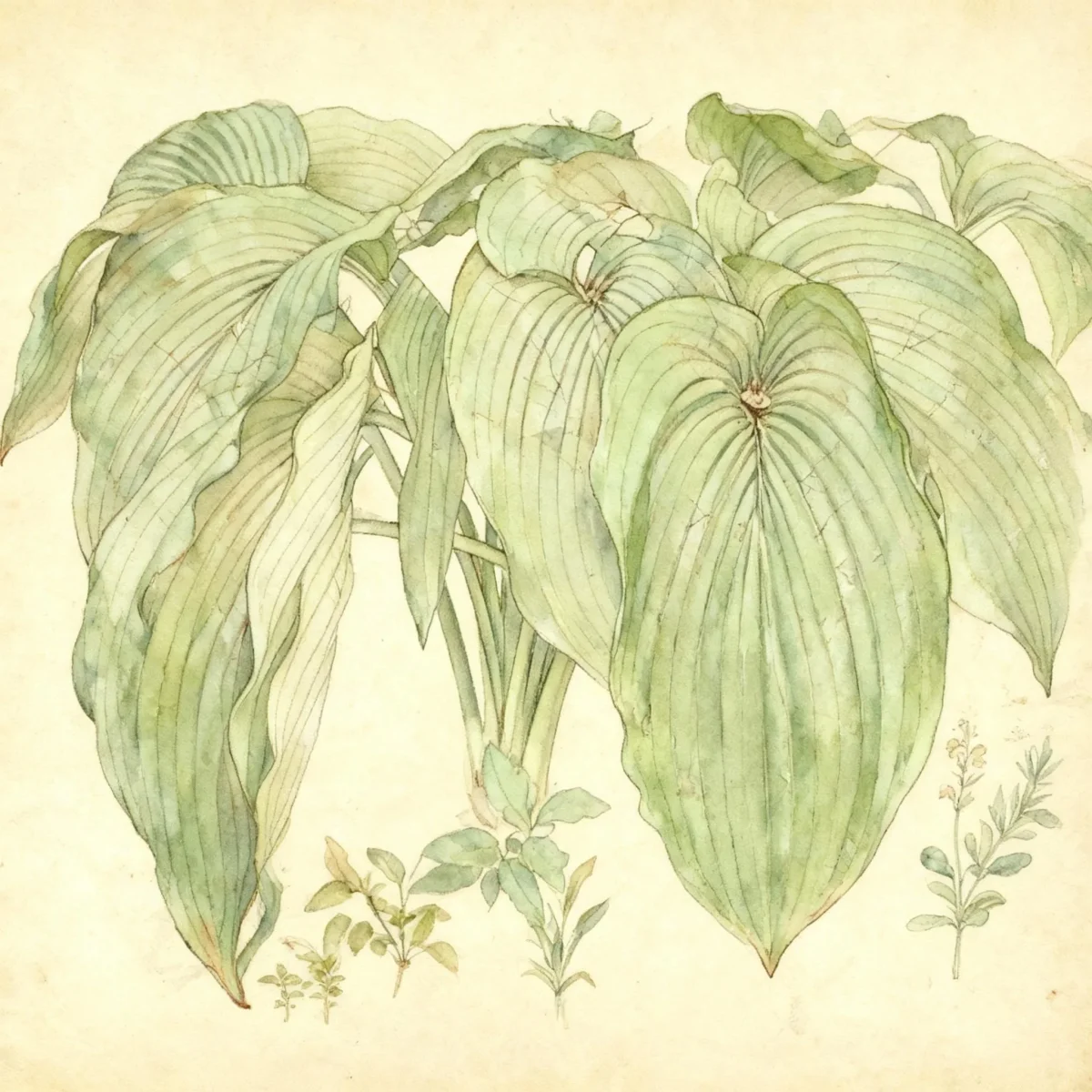
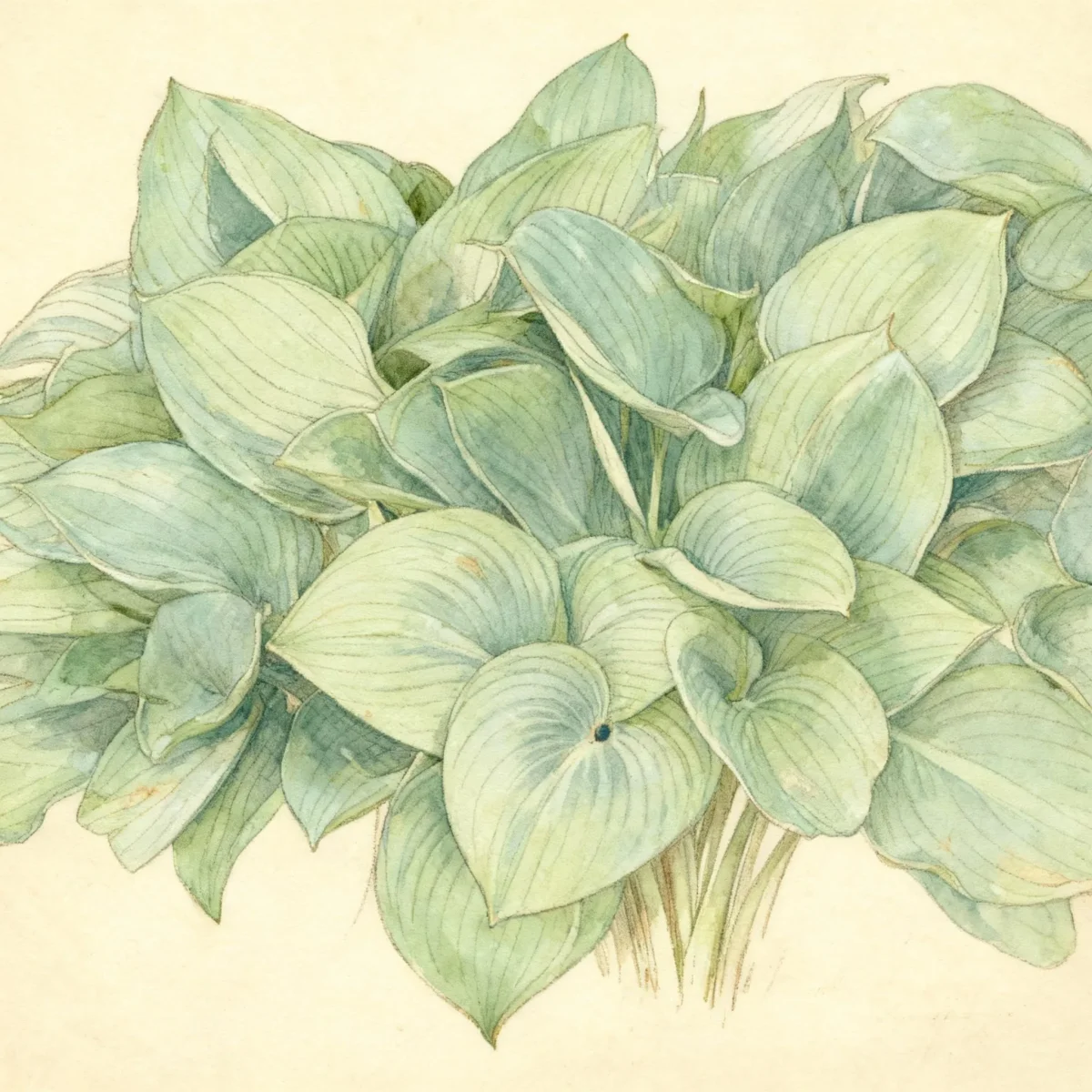
Hosta (Hosta 'Raspberry Sorbet')
Hosta 'Raspberry Sorbet' is a low-maintenance herbaceous perennial offering glossy dark green foliage and lovely lavender blooms in mid-summer.
Scroll down to discover growing tips, care requirements, companion plants, and more
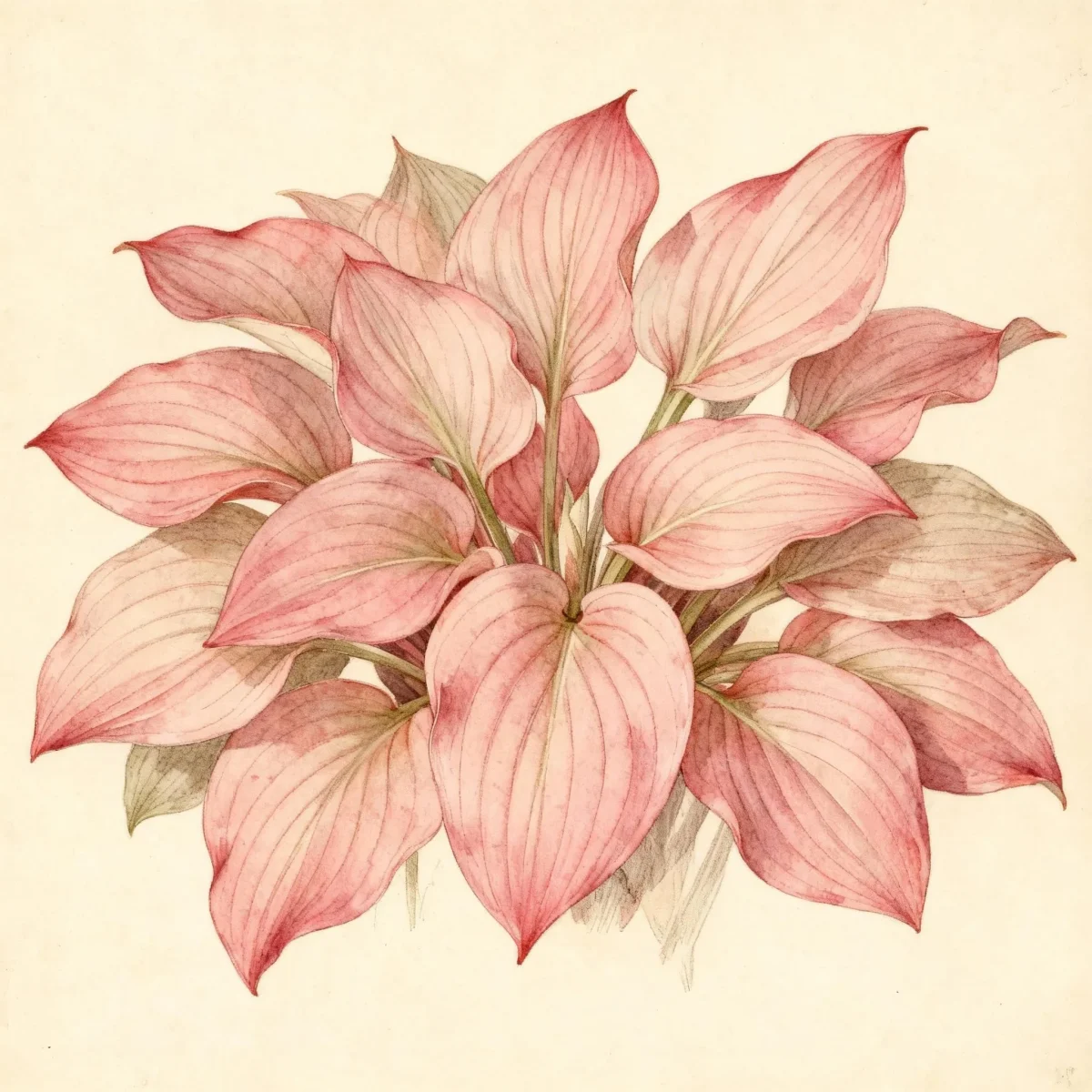
Complete Plant Information
Overview
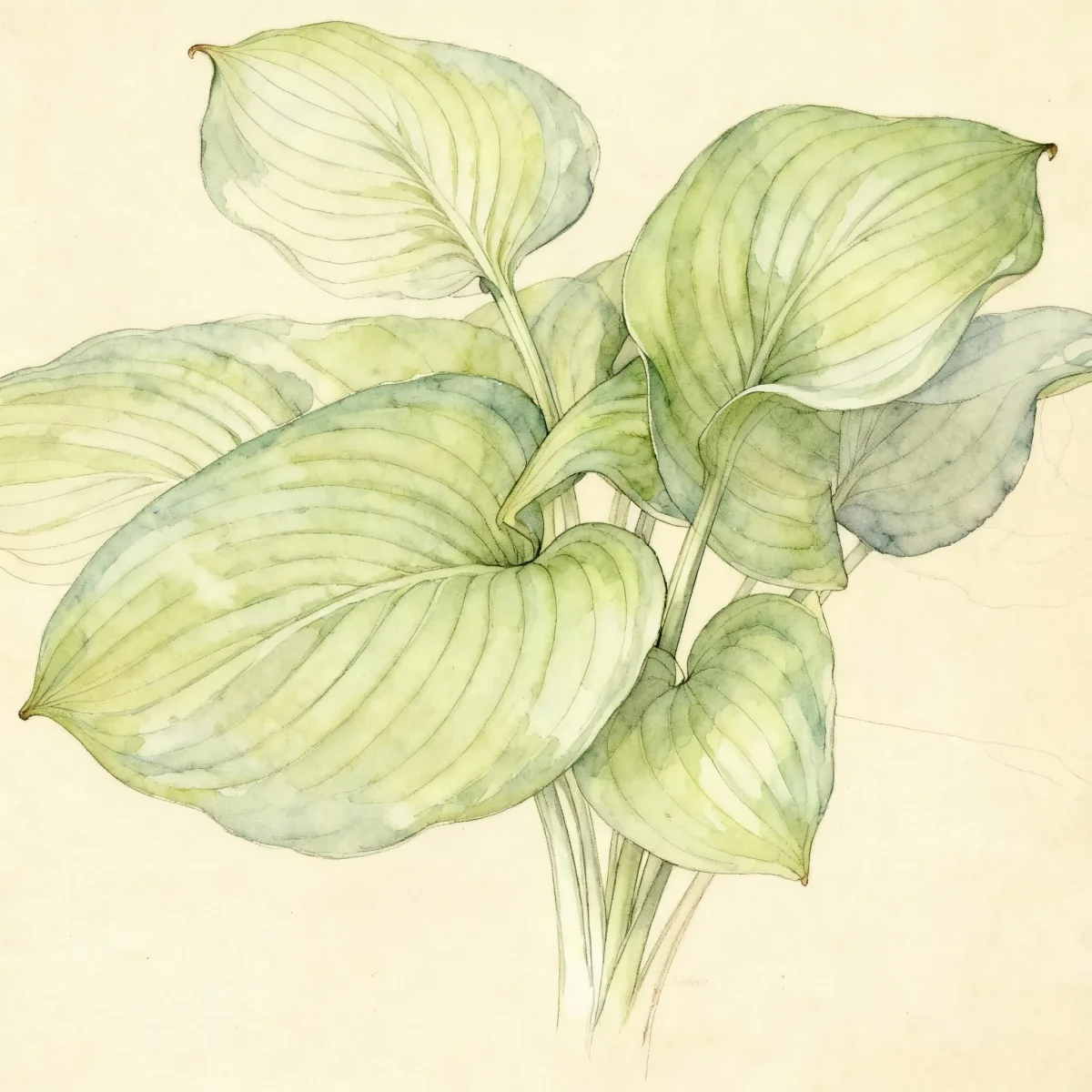
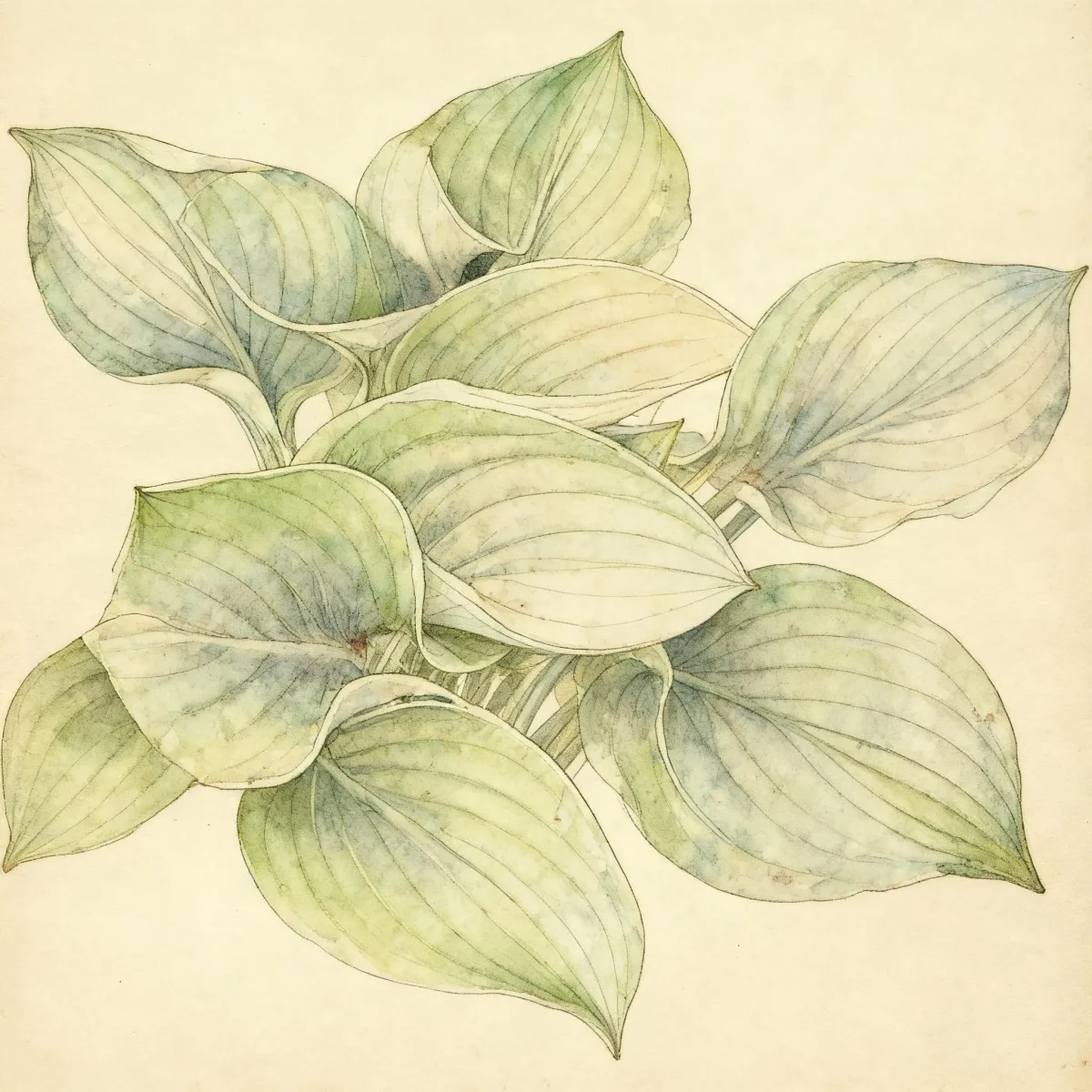
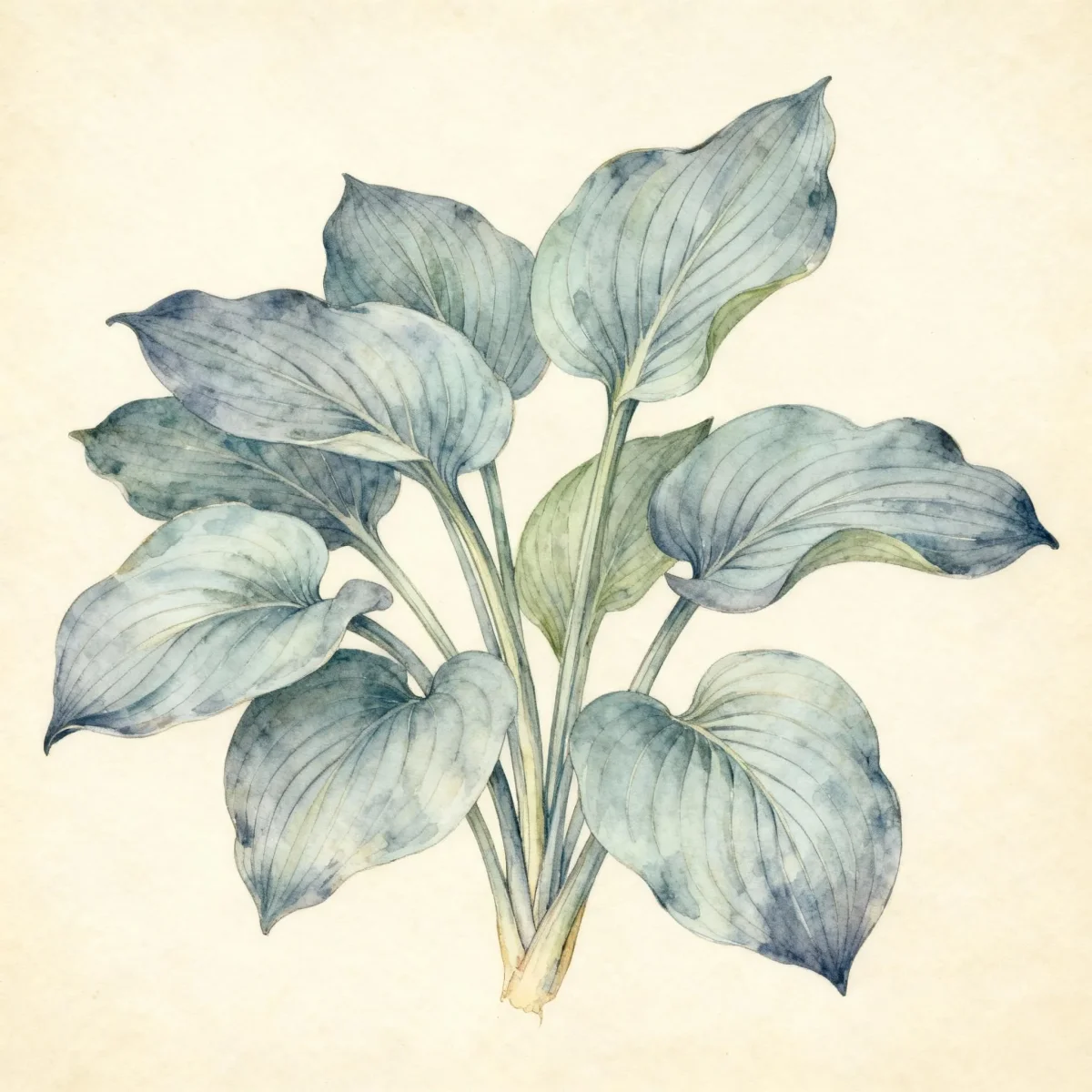
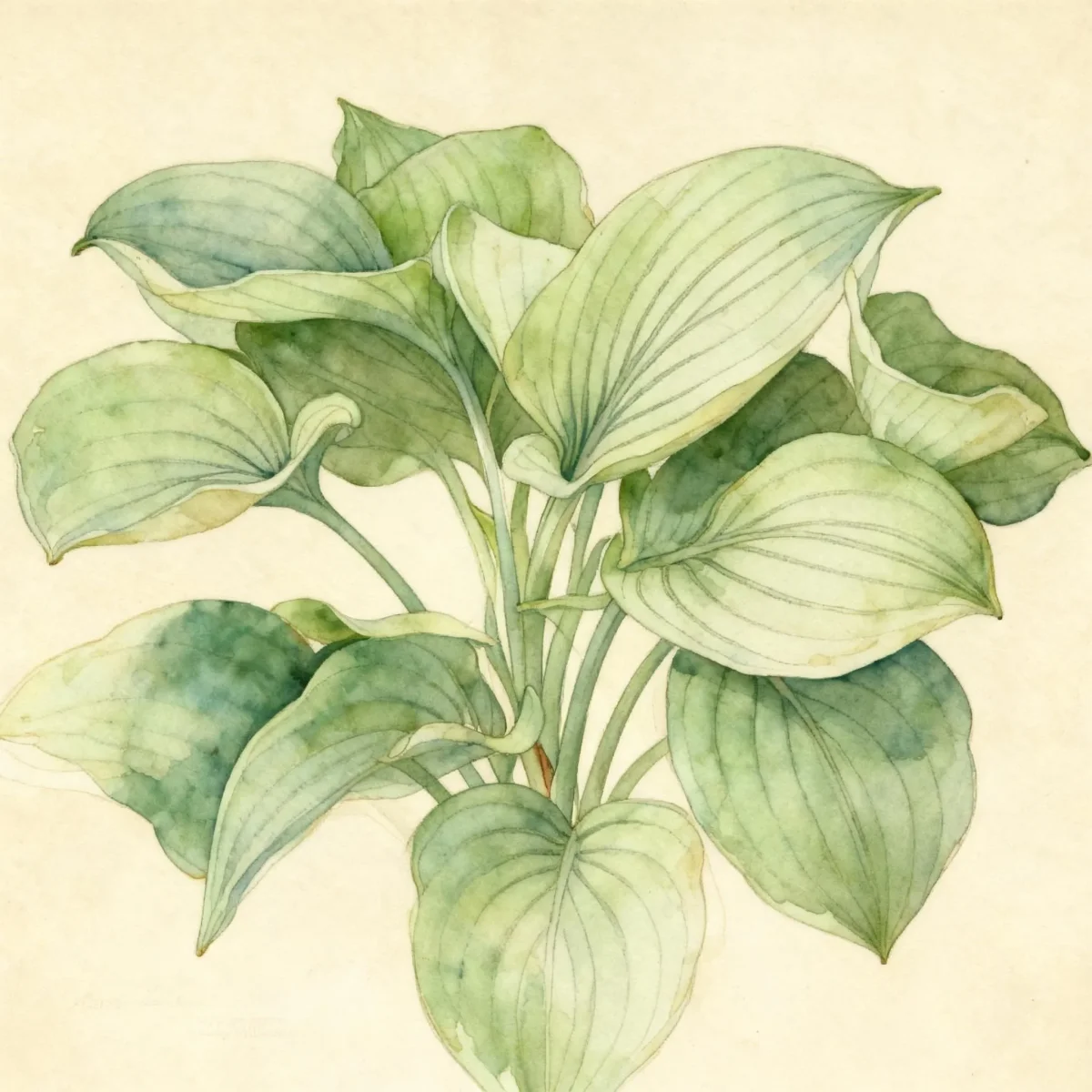
Hosta ‘Raspberry Sorbet’ is celebrated as a versatile, dependable, and low-maintenance member of the Hosta genus, primarily cherished for its exquisite foliage. This variety features a dense, rounded mound composed of flat, lance-shaped leaves displaying a glossy, deep green color, perfectly offsetting the summer flower display. As a shade-loving, herbaceous perennial, Hosta ‘Raspberry Sorbet’ offers essential texture and contrast in shaded areas where few other plants thrive.
This popular Hosta variety matures to a petite size, reaching only half a foot in height, making it excellent for borders and edging. It produces charming racemes of funnel-shaped, lavender flowers atop reddish-purple 10-inch scapes during July and August. The inherent beauty of Hosta foliage means that even after the blooms fade, the plant continues to provide substantial visual interest, helping to crowd out unwanted garden weeds effectively.
Gardeners rely on Hosta ‘Raspberry Sorbet’ to bring structure and cool-toned elegance to woodland or deeply shaded settings. Its ability to tolerate heavy shade and challenging conditions, such as proximity to Black Walnut roots, further cements its status as an indispensable foundation plant for shaded landscapes.
Fast Facts
- Plant Family: Asparagaceae
- Plant Type: Herbaceous perennial
- Hardiness Zones: USDA Zones 3-8
- Size at Maturity:
- Height: 0.25-0.5 ft
- Spread: 0.75-1 ft
- Bloom Time: July to August
- Bloom Description: Lavender
- Sun Exposure: Part shade to full shade
- Water Needs: Medium
- Maintenance Level: Low
How to Grow
The best time to establish your Hosta ‘Raspberry Sorbet’ is typically in the spring or autumn when conditions are cooler. These plants require organically rich, well-drained soil and thrive best when situated in part shade, perhaps receiving gentle morning sun or dappled light throughout the day. Consistent moisture is key; while established plants show some tolerance for dry shade, Hosta quality and size are best maintained with even watering applied directly to the soil beneath the foliage.
Maintenance for Hosta is generally low, but protection from wind is recommended to preserve the leaf integrity. Divide clumps as needed, ideally in early spring before the foliage emerges, or in the autumn. This division process helps refresh the plant and manage its spread over time. Because dense foliage helps suppress weeds, minimal weeding is usually required once the Hosta mound fully develops.
Avoid letting the soil dry out completely, as this stresses the plants. While Hosta ‘Raspberry Sorbet’ is known for its hardiness, ensure that planting locations are protected, especially from severe hail, which can shred the leaves. Successful cultivation hinges on providing consistent moisture and consistent shade conditions.
Landscape Uses
Hostas are fundamental anchor plants for any garden space lacking direct sunlight. Hosta ‘Raspberry Sorbet’, with its tidy mound and glossy texture, is superb when massed to create a uniform carpet of green, effectively blanketing shady ground. They function beautifully as edging along woodland paths or defining the borders of shade gardens.
Due to their uniform growth habit, they serve as excellent organizational elements, contrasting well against plants with finer textures or variegated leaves. Consider pairing Hosta ‘Raspberry Sorbet’ with other shade-tolerant beauties like Astilbe for spikes of color or Ferns for delicate, airy contrast. They also work well as background elements where their foliage provides a rich, dark backdrop for lighter-colored shade bloomers.
Standout Features
Flower Qualities
- Showy
- Good Cut
Noteworthy Characteristics
Hosta is a genus primarily grown for its ornamental foliage, featuring conspicuously-veined, basal leaves that form aesthetically pleasing mounds. Hosta ‘Raspberry Sorbet’ specifically shows off dark green leaves topped by lavender, funnel-shaped flowers on notable reddish-purple scapes. This dependable perennial offers superb color, texture, and density, making it invaluable for weed suppression in shady sites.
Tolerances
- Heavy Shade
- Black Walnut
Potential Problems
The primary challenge for Hosta ‘Raspberry Sorbet’ comes from common garden pests, most notably slugs and snails. These mollusks are attracted to the foliage, leaving behind unsightly, jagged chew marks which can rapidly degrade the aesthetic appeal of your Hosta. Inspect plants regularly, especially after rain, and apply appropriate baits or traps early to manage populations effectively before serious damage occurs.
Foliar nematodes present a less common but serious threat, causing interveinal browning across the leaves; infected material must be promptly removed and destroyed. Furthermore, certain viruses, like Hosta Virus X, can infect the plant, necessitating immediate removal to prevent spread. While they are naturally resilient, keep an eye out for deer and rabbits, as they often find the leaves a desirable, if unauthorized, snack.
Frequently Asked Questions
What hardiness zones is Hosta ‘Raspberry Sorbet’ suitable for?
Hosta ‘Raspberry Sorbet’ performs reliably across USDA hardiness zones 3 through 8.
How large does Hosta ‘Raspberry Sorbet’ grow?
This compact variety typically achieves a height between 0.25 and 0.5 feet, with a spread ranging from 0.75 to 1 foot wide.
When does Hosta ‘Raspberry Sorbet’ bloom?
You can expect the lavender, funnel-shaped flowers of Hosta ‘Raspberry Sorbet’ to appear during the mid-summer months of July and August.
What sun exposure does Hosta need?
Hosta varieties, including Hosta ‘Raspberry Sorbet’, thrive best in conditions ranging from part shade to full shade.
Conclusion
Hosta ‘Raspberry Sorbet’ stands out as a vital, low-maintenance perennial providing rich texture and reliable summer blooms for the shaded garden. Its glossy, dark foliage offers strong contrast against woodland plantings, making this Hosta a true landscape staple. Before planting, confirm that your intended location meets its high moisture needs and falls within USDA Zones 3-8 for the best results with your Hosta ‘Raspberry Sorbet’.
Companion Planting in Shade
When designing a shaded border featuring Hosta ‘Raspberry Sorbet’, selecting companions that offer different textures and bloom times ensures year-round interest. Consider pairing the bold, broad leaves of the Hosta with the fine, airy foliage of Japanese Forest Grass (Hakonechloa macra) for textural contrast. Ferns, such as the Japanese Painted Fern, also make excellent partners, as their silvery hues complement the deep green of the Hosta foliage beautifully.
Because many companion shade plants flower earlier in the spring than the Hosta, you can layer your beds for continuous bloom cycles. Think about early bloomers like Bleeding Hearts (Dicentra spectabilis) or spring ephemerals that fade gracefully as the Hosta mounds fill out their summer presence. Always ensure companions share the medium water needs of the Hosta.
Seasonal Care Calendar
Spring is the critical time for Hosta maintenance; divide any overcrowded clumps now before leaf emergence, and apply a slow-release fertilizer lightly around the base of the plant if needed, though heavy feeding is rarely necessary. Summer care should focus almost entirely on consistent watering, especially during dry spells, ensuring water reaches the root zone beneath the leaves to support the lush growth of Hosta ‘Raspberry Sorbet’.
As autumn approaches, allow the foliage to naturally die back; resist the temptation to cut it down prematurely, as the leaves are vital for storing energy in the rhizome for winter survival. Winter preparation is minimal for Hosta varieties hardy into Zone 3; mulch lightly in extremely cold regions, but otherwise, the plant requires no special winter protection, remaining dormant until spring revitalization.