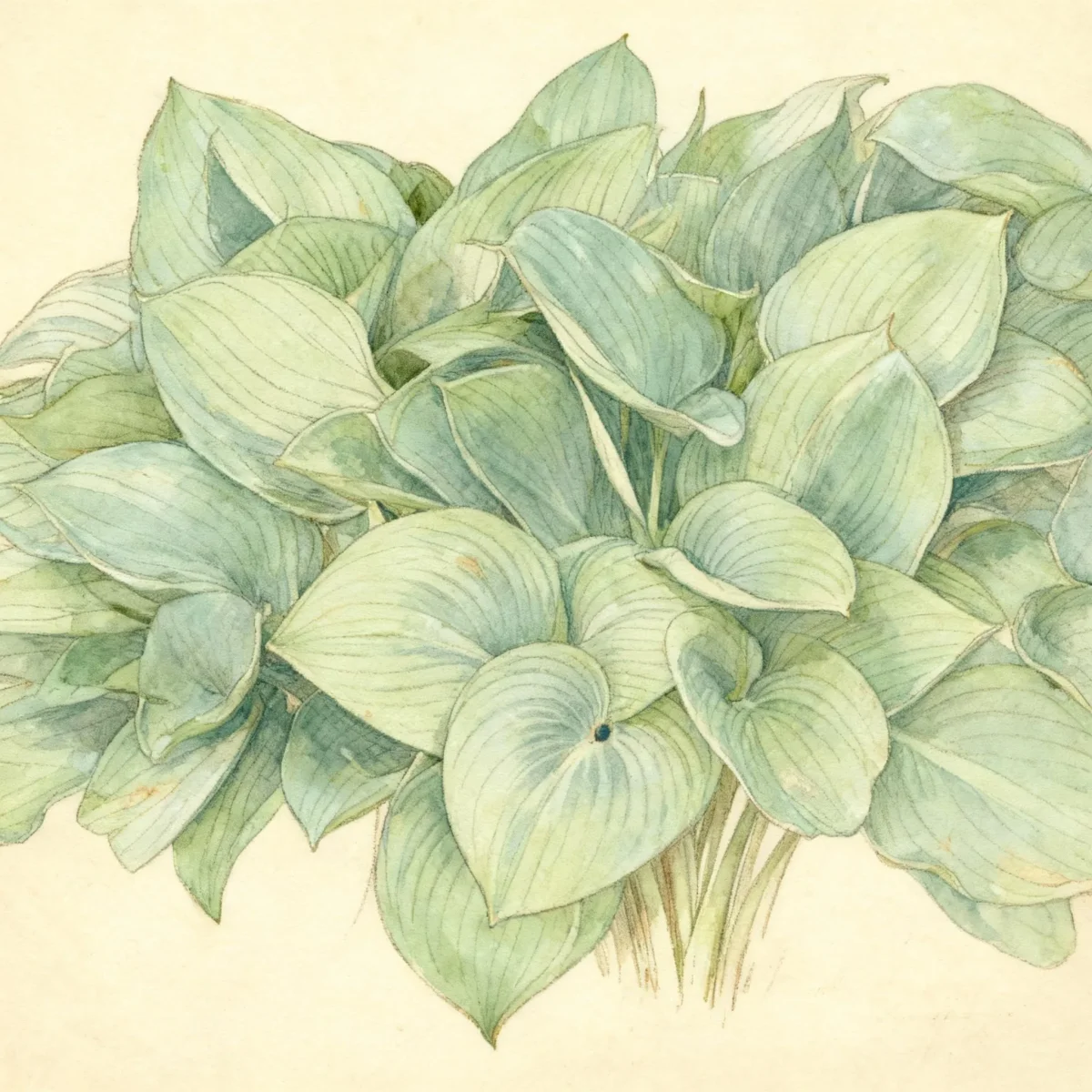
Hosta (Hosta 'Royal Standard')
Hosta 'Royal Standard' is a large, low-maintenance perennial prized for fragrant white blooms and dramatic green foliage in deep shade.
Scroll down to discover growing tips, care requirements, companion plants, and more
Complete Plant Information
Overview
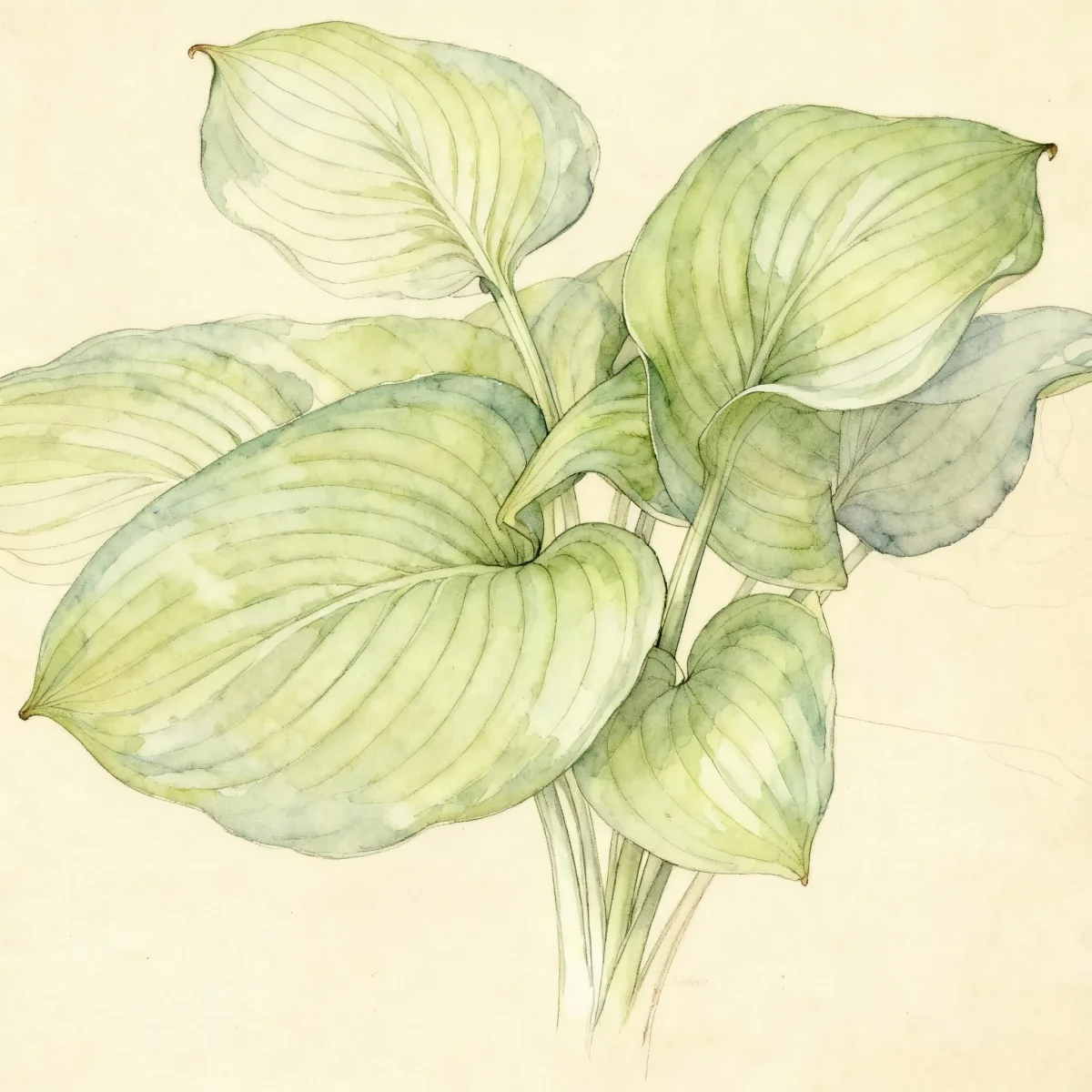
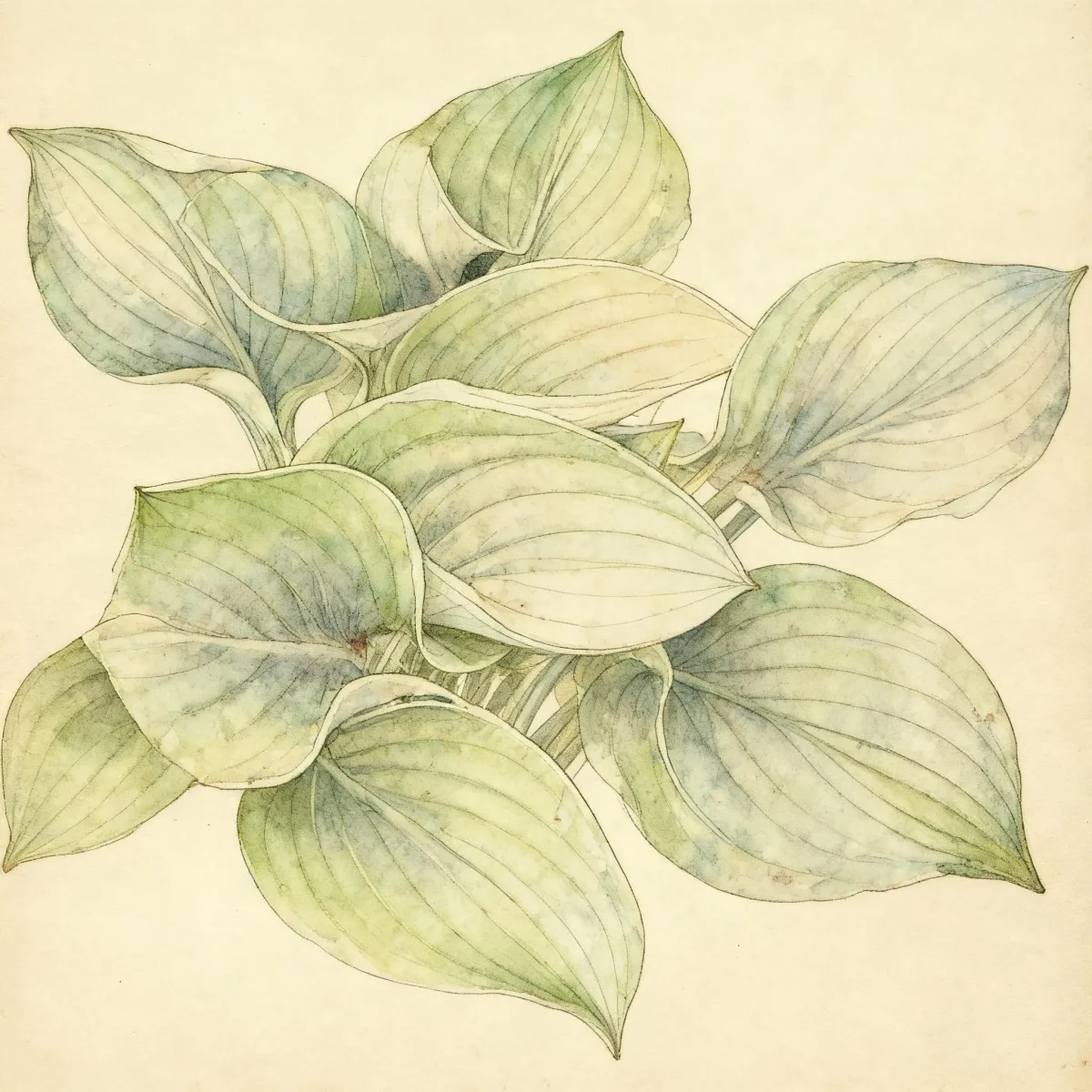
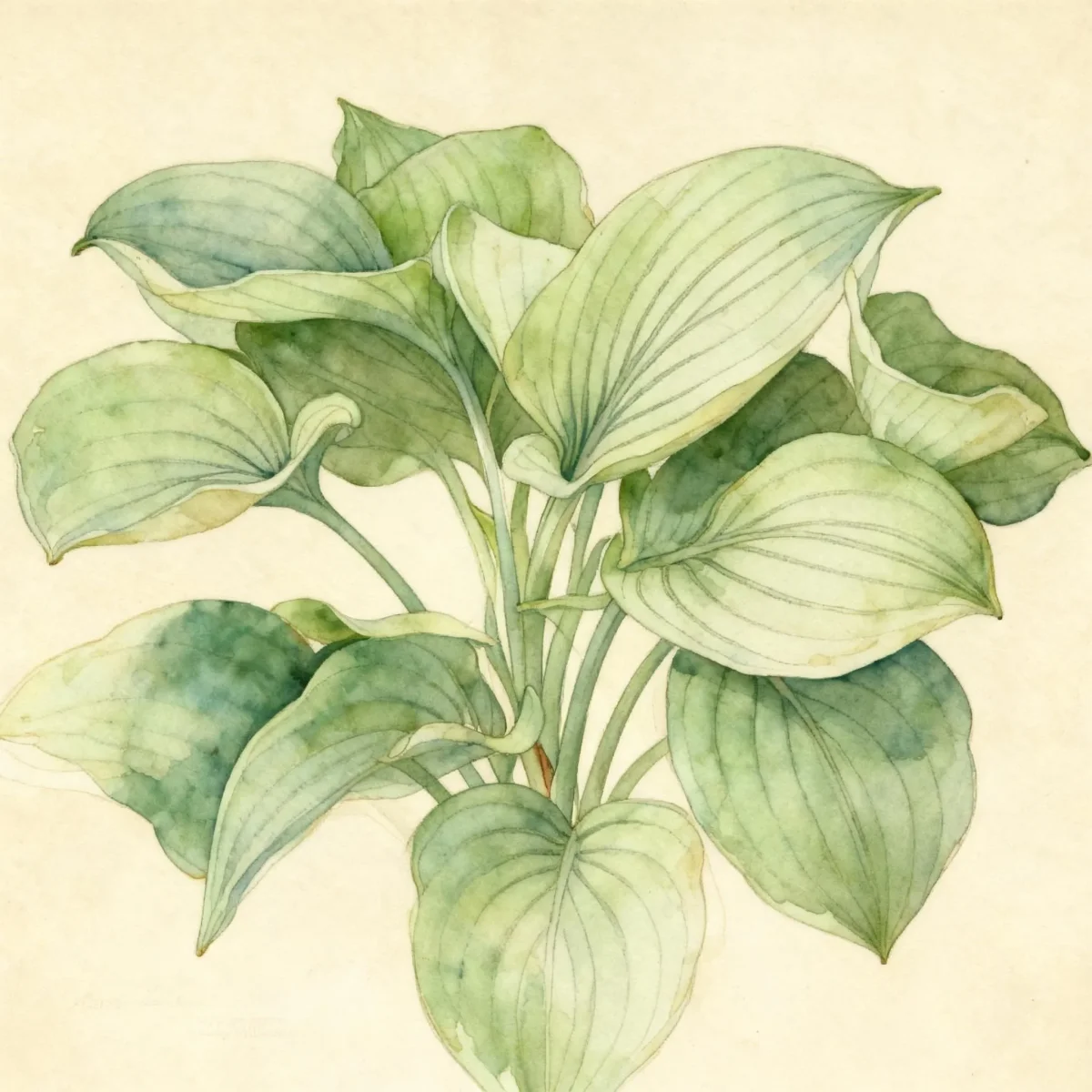
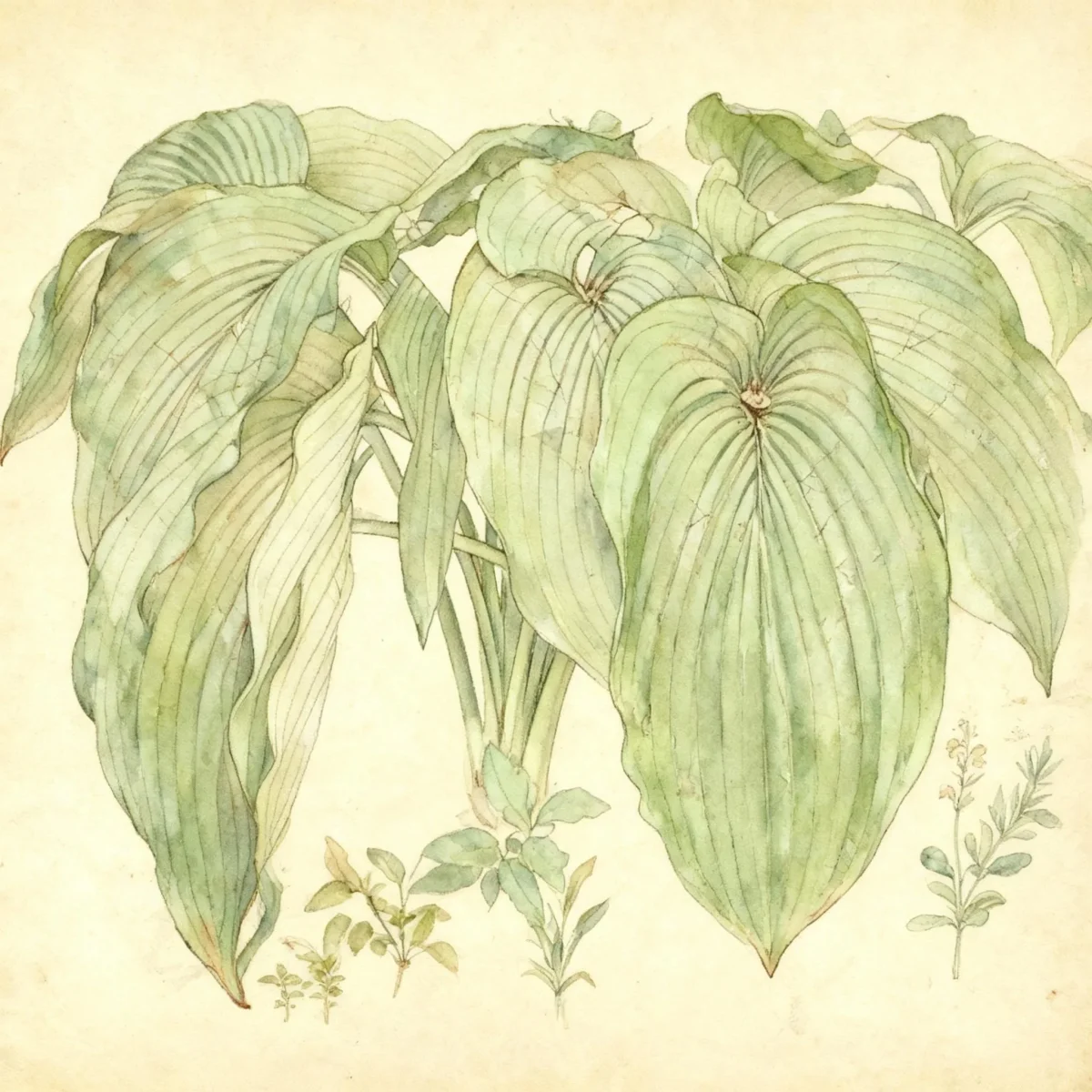
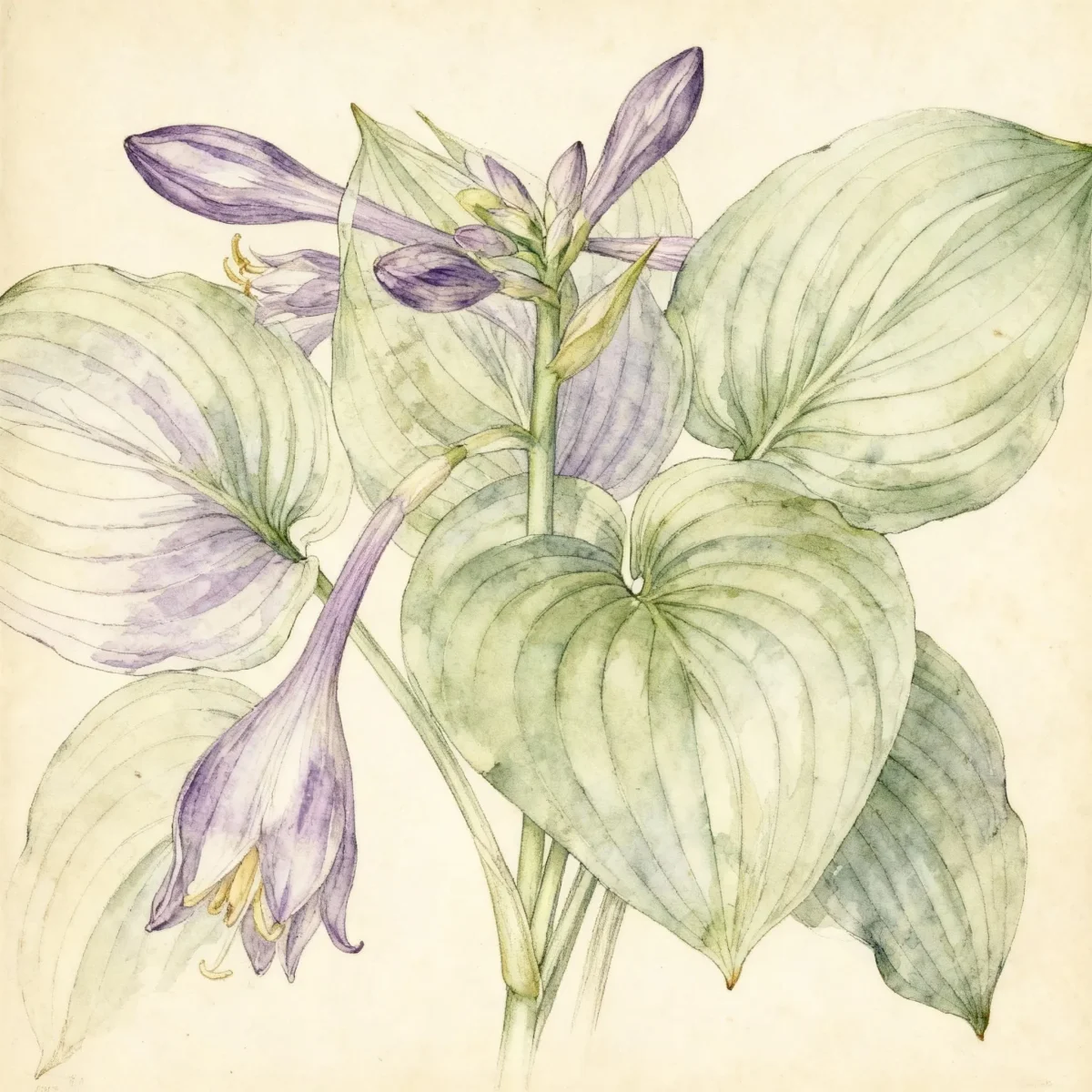
Hosta ‘Royal Standard’ is a celebrated variety within the Hosta genus, primarily cultivated for its impressive, highly ornamental foliage that thrives where few other plants flourish. This large cultivar forms a substantial mound, presenting bright, medium-green, oval leaves with a distinct satiny sheen, making it a backbone plant for shady borders. While valued for its leaves, Hosta ‘Royal Standard’ also produces highly fragrant, funnel-shaped white flowers in late summer, adding significant sensory appeal to dark garden corners.
This herbaceous perennial is celebrated for being low maintenance and exceptionally robust once established, provided its basic cultural needs regarding moisture and shade are met. It successfully handles heavy shade conditions and even exhibits tolerance toward black walnut roots, expanding its usefulness in challenging landscapes. Growing Hosta ‘Royal Standard’ provides reliable structure and vibrant texture that transforms dull, shaded areas into lush retreats.
The genus Hosta itself is renowned globally for its variety, but ‘Royal Standard’ stands out due to its size and the intensely attractive late-season fragrance of its blooms. Gardeners rely on the consistent performance of Hosta varieties like ‘Royal Standard’ to anchor woodland and shade garden designs year after year.
Fast Facts
- Plant Family: Asparagaceae
- Plant Type: Herbaceous perennial
- Hardiness Zones: USDA Zones 3-8
- Size at Maturity:
- Height: 1.5-2 ft
- Spread: 3-5 ft
- Bloom Time: July to August
- Bloom Description: White
- Sun Exposure: Part shade to full shade
- Water Needs: Medium
- Maintenance Level: Low
How to Grow
Hosta ‘Royal Standard’ performs best when planted in spring or autumn in locations that receive part shade, ideally morning sun dappled through trees. Soil preparation is crucial; ensure the location offers organically rich, well-drained soil, as Hosta dislikes soggy conditions. Consistent moisture is key to achieving the full size and best appearance of this Hosta cultivar.
Watering should be consistent, aiming medium moisture levels, and it is always best to apply water directly to the soil beneath the foliage rather than overhead. While established plants show some drought tolerance, especially in deep shade, never allow the soil to fully dry out for extended periods. This variety is generally low maintenance, requiring little in the way of regular feeding or pruning, though dividing plants every few years in early spring helps rejuvenate them.
To ensure your Hosta remains healthy, plant it in spots protected from strong winds, which can physically damage the large leaves. Division, which is easiest done before the leaves fully emerge in early spring, keeps the clumps vigorous and is the primary method of propagation for Hosta ‘Royal Standard’. Given its low-maintenance nature, much of the care revolves around preemptively managing pests.
Landscape Uses
Hostas, including the vigorous Hosta ‘Royal Standard’, are the undisputed backbone of any successful shade garden design. They excel when massed or planted in large groups, providing a dense, uniform groundcover that suppresses weeds and offers textural contrast against fine-leaved woodland plants. This specific Hosta cultivar works exceptionally well as a bold, rounded background plant along woodland garden borders or within structure plantings where consistent deep shade prevails.
Due to their substantial foliage, Hostas frame woodland paths beautifully or can be used effectively to define transitions between sunny areas and deeper shade. Consider pairing Hosta ‘Royal Standard’ with shade-loving ferns, bleeding hearts, or astilbes to create layered interest throughout the growing season. Their large mounds of medium green foliage provide a restful, solid base year-round until dormancy.
Standout Features
Flower Qualities
- Showy
- Fragrant
Noteworthy Characteristics
Hosta is characterized by its rhizomatous, clump-forming habit, producing dense basal leaves in a wide variety of shapes and textures native primarily to eastern Asia. The genus is mainly grown for its ornamental foliage, though bell or funnel-shaped flowers bloom atop tall scapes in summer. Specifically, ‘Royal Standard’ is a large Hosta resulting from a cross of H. Plantaginea and H. Sieboldiana, featuring narrow, oval, bright green leaves and highly fragrant white flowers blooming late summer into fall.
Tolerances
- Heavy Shade
- Black Walnut
Potential Problems
Slugs and snails pose the most significant and frequent threat to Hosta foliage, resulting in jagged holes that quickly mar the appearance of plants like Hosta ‘Royal Standard’. Inspect the undersides of leaves and surrounding mulch regularly, employing baits or manual removal, especially during moist weather. Foliar nematodes can cause interveinal browning, and viral diseases like HVX require immediate destruction of infected specimens to prevent spread. Additionally, be prepared for deer and rabbits, which often find this lush foliage a desirable snack.
Frequently Asked Questions
What hardiness zones is Hosta suitable for?
Hosta ‘Royal Standard’ is reliably hardy across USDA Zones 3 through 8.
How large does Hosta ‘Royal Standard’ grow?
This is a large Hosta, typically reaching heights between 1.5 and 2 feet, with a mature spread spanning from 3 to 5 feet wide.
What sun exposure does Hosta ‘Royal Standard’ need?
This variety prefers part shade to full shade conditions; consistent moisture and avoiding harsh afternoon sun help maintain leaf quality.
When does Hosta ‘Royal Standard’ bloom?
It produces its wonderfully fragrant white flowers atop tall scapes from July through August.
Conclusion
Hosta ‘Royal Standard’ remains an indispensable choice for gardeners seeking reliable texture and structure in dimly lit areas, complemented by its late-season perfume. Its combination of low maintenance, tolerance for shade, and attractive foliage ensures that the Hosta genus continues to dominate the woodland garden category. Before planting, confirm your chosen location offers medium, consistent moisture and adequate protection from wind to ensure a magnificent display from your Hosta ‘Royal Standard’ specimen.
Companion Planting
For shade gardens featuring Hosta ‘Royal Standard’, selecting companions that offer textural contrast or complementary bloom times is highly effective. Consider pairing the bold, medium-green leaves of this Hosta with fine-textured plants like Japanese Forest Grass (Hakonechloa macra), which flows nicely around the hosta mounds. Shade-tolerant bulbs, such as snowdrops or spring ephemerals, can bloom brightly before the Hosta foliage fully emerges, filling the space during early spring before ‘Royal Standard’ expands to its mature, impressive size.
Seasonal Care Calendar
Spring is the ideal time for dividing older Hosta clumps of Hosta ‘Royal Standard’ just as new shoots begin to emerge from the soil; this action maximizes vigor for the coming season. During summer, focus on consistent watering, ensuring the base of the plant receives deep, thorough soaking when the topsoil dries, especially during heat waves. In the autumn, allow the foliage to die back naturally; leave the dead matter in place over winter to protect the crown, removing it only in early spring before new growth starts.