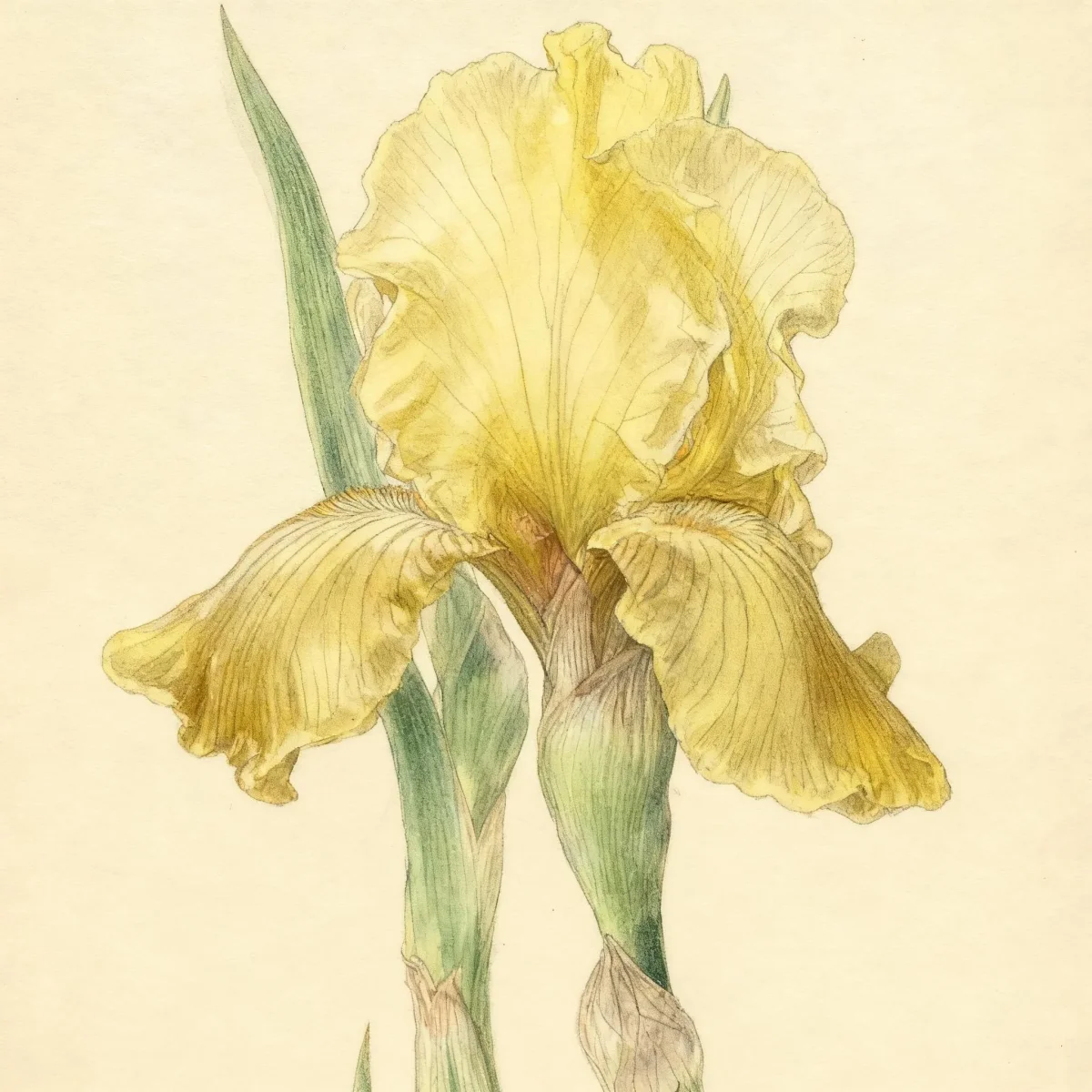
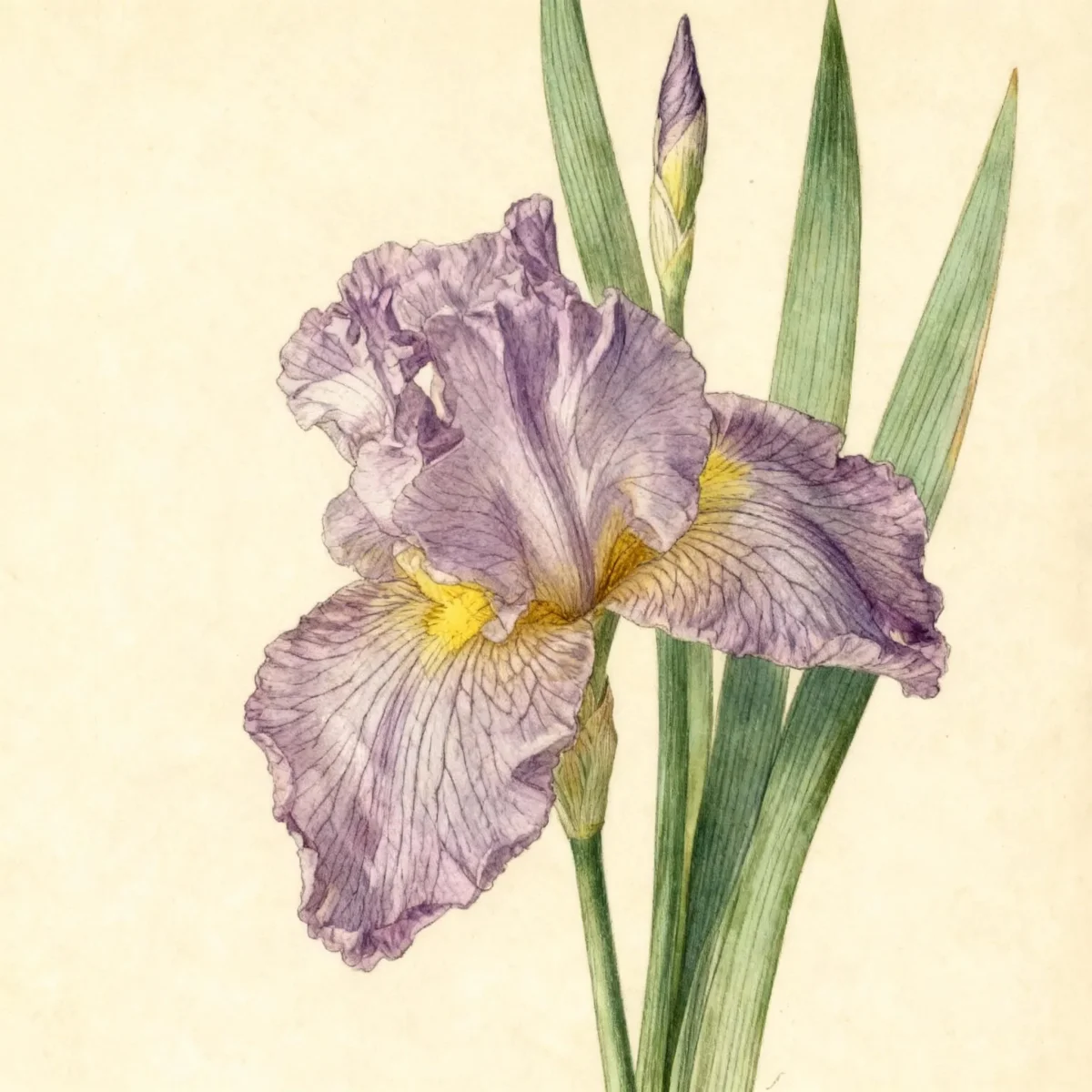
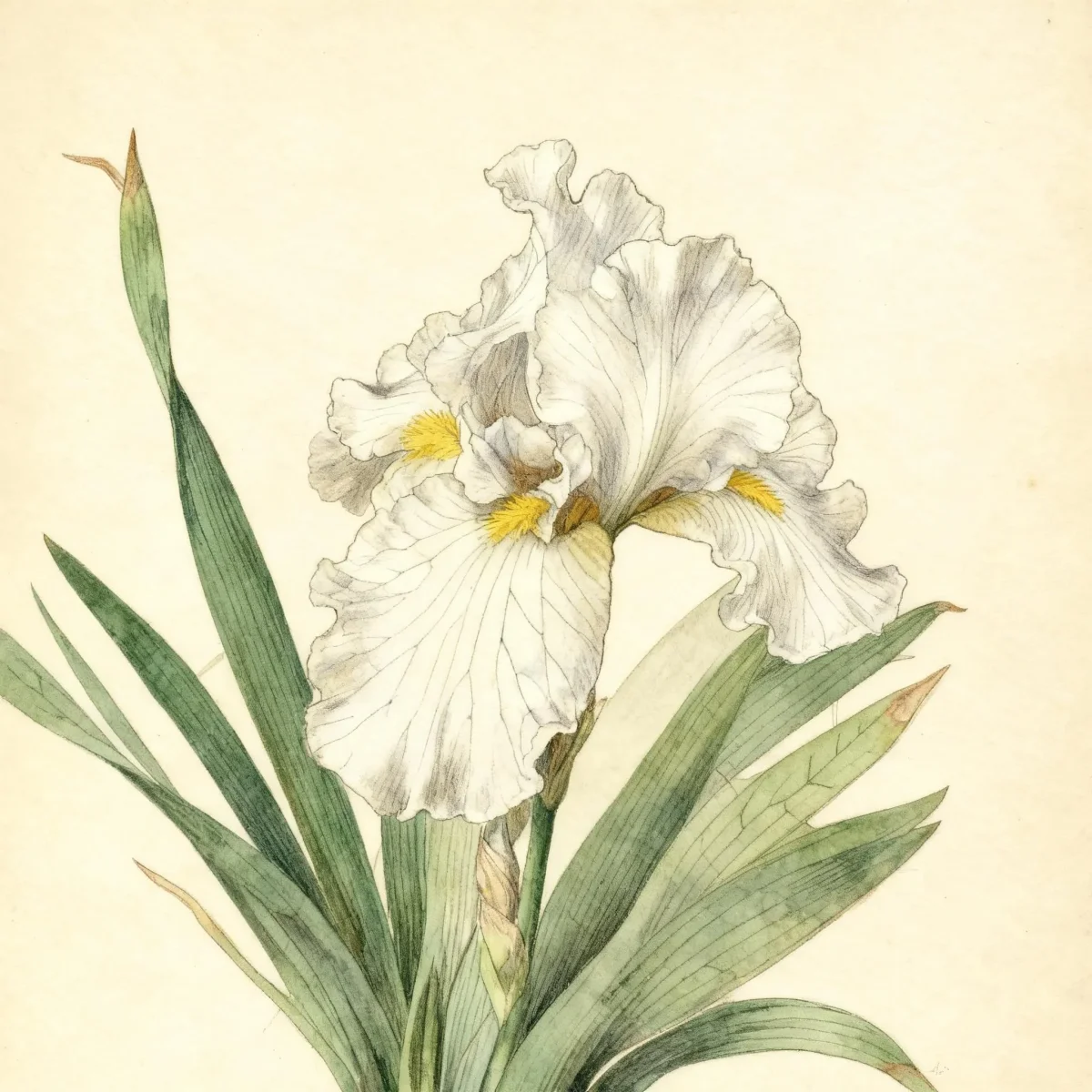
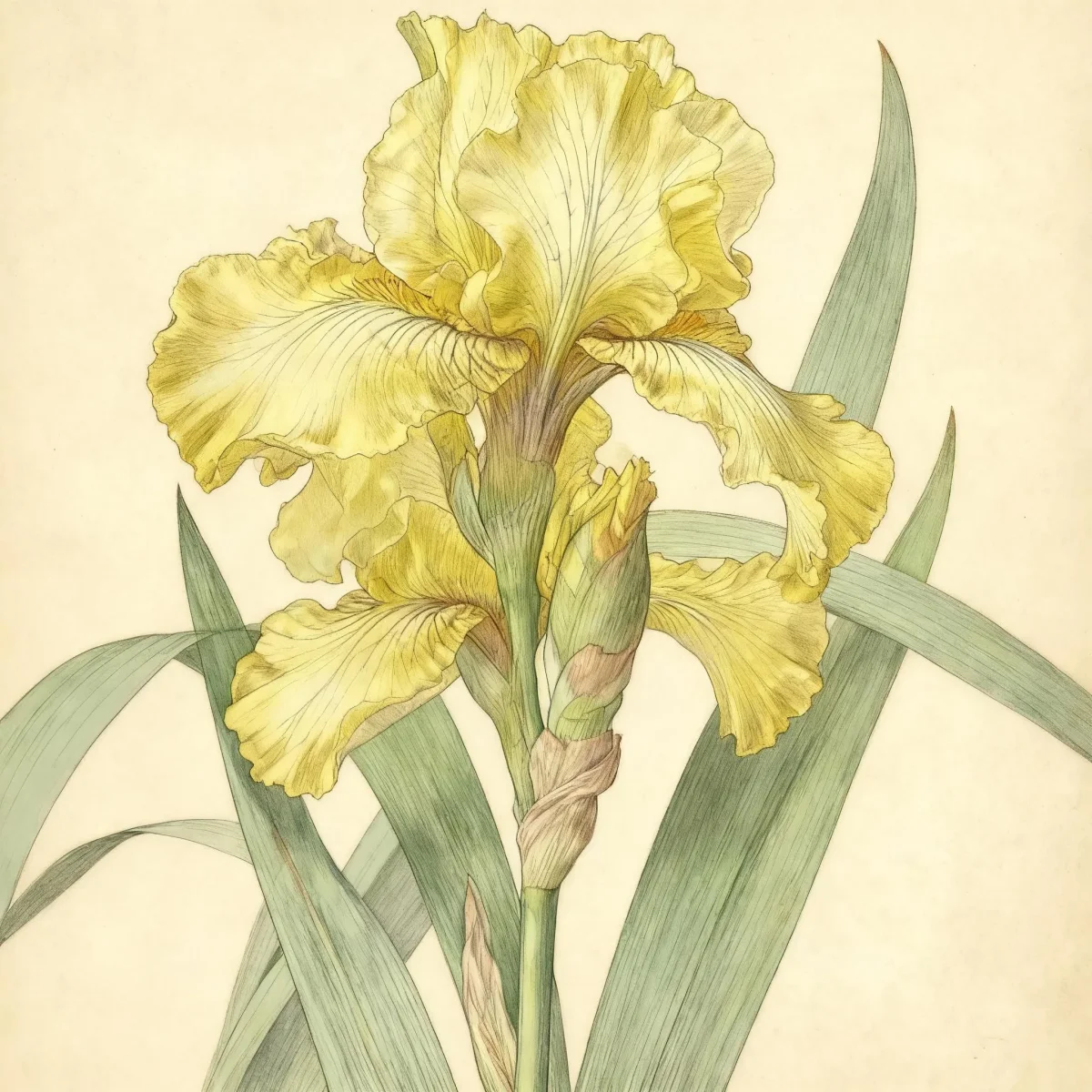
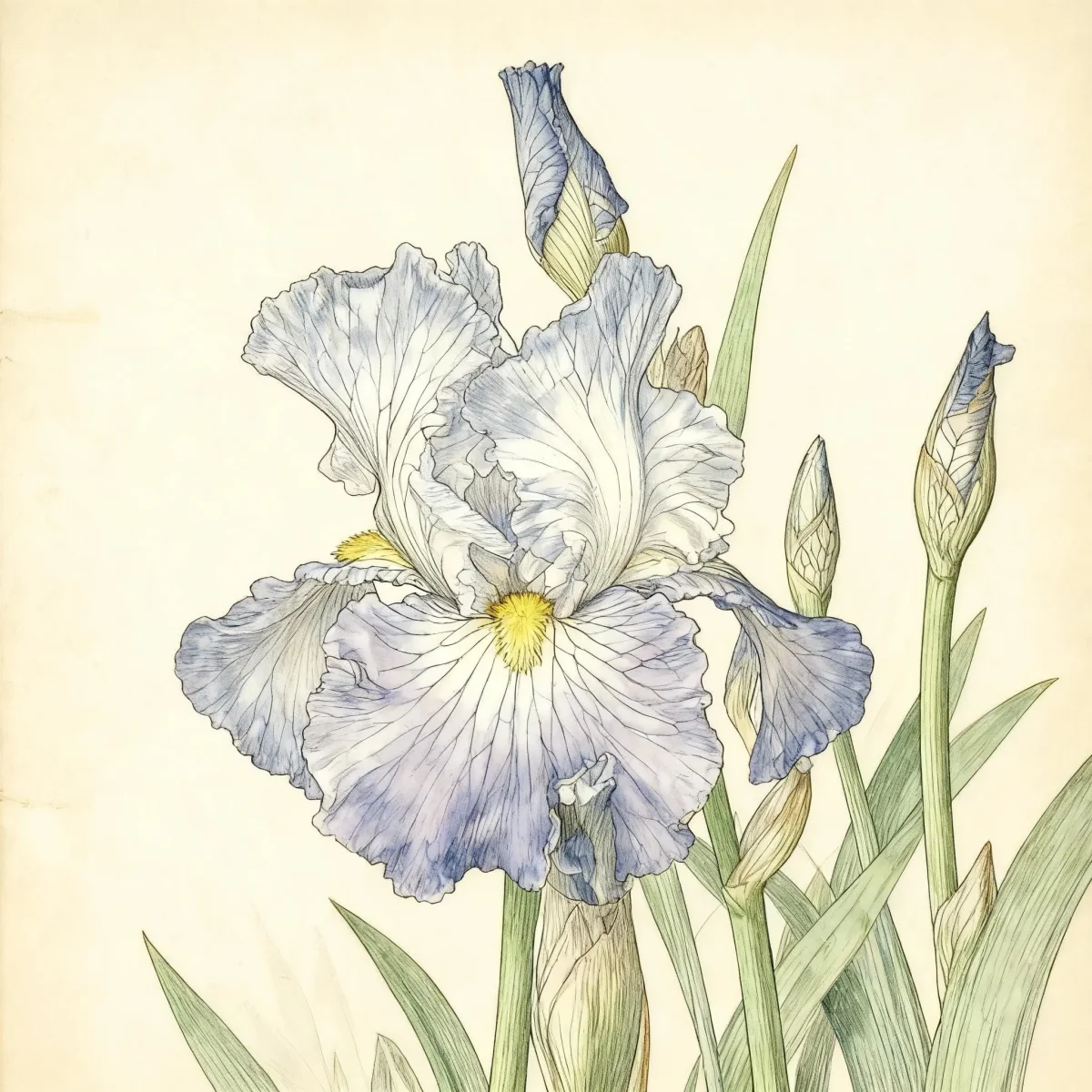
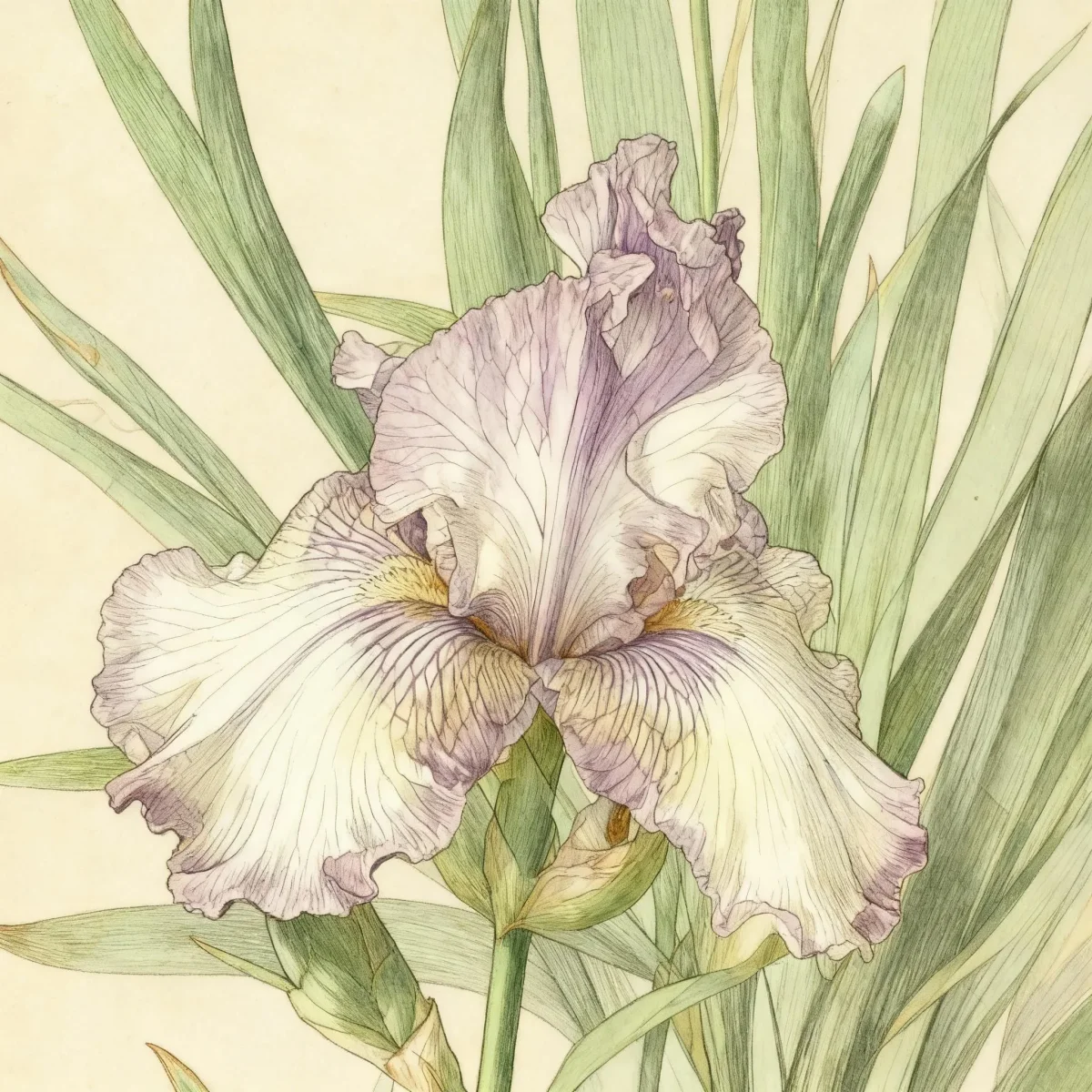
Tall bearded reblooming iris (Iris 'Autumn Tryst')
Iris 'Autumn Tryst' is a Tall bearded reblooming iris offering spring and fall flowers. Zones 3-10. White with rosy-lavender edges.
Scroll down to discover growing tips, care requirements, companion plants, and more
Complete Plant Information
Overview
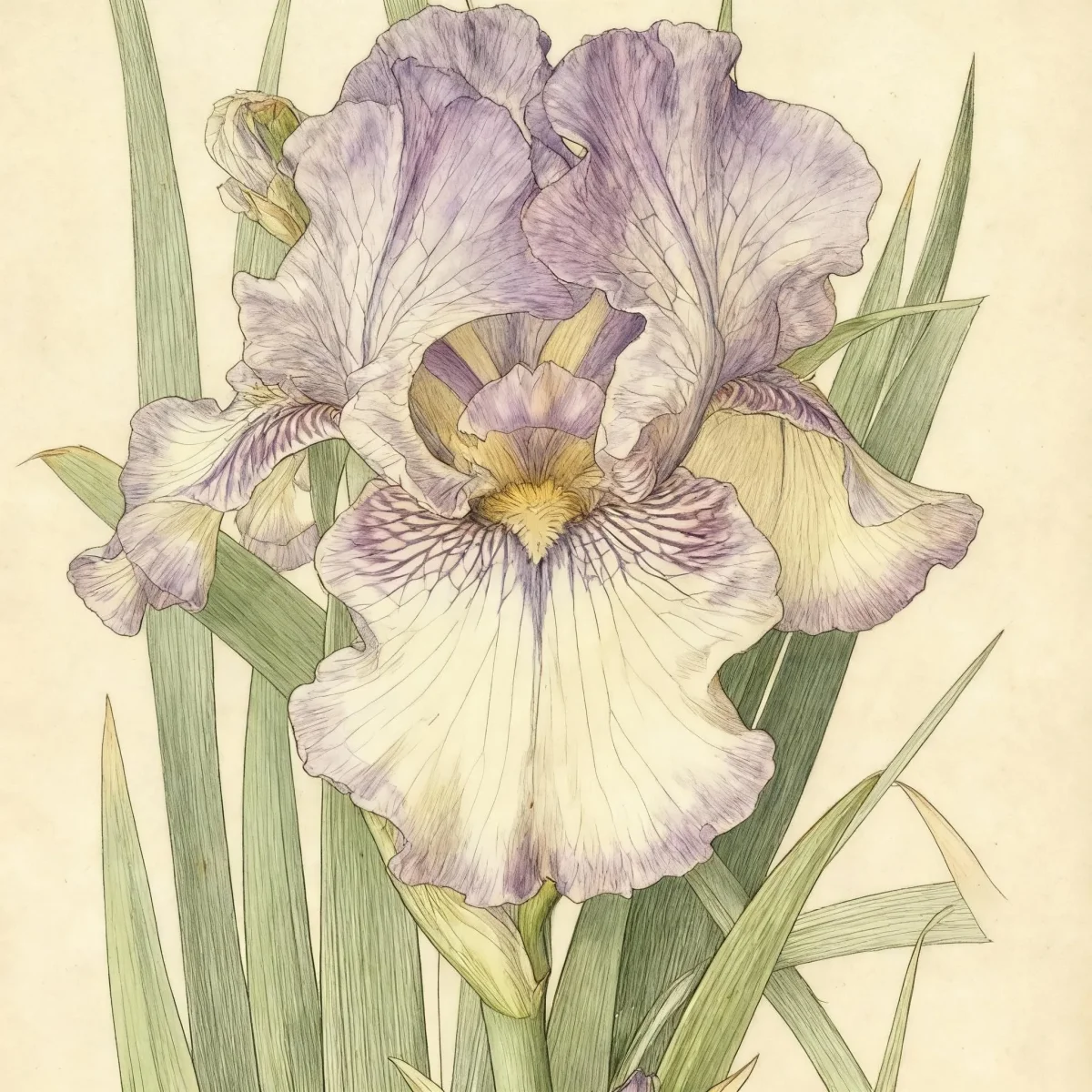
Iris ‘Autumn Tryst’ stands out in the garden as a sought-after Tall bearded reblooming iris, valued for its ability to provide multiple displays of color throughout the growing season. This reblooming characteristic, where a second flush of blooms appears in late summer or fall, extends the enjoyment beyond the typical spring show. The specific coloration of Iris ‘Autumn Tryst’ features elegant white standards and falls dramatically edged with rosy-lavender, making a sophisticated statement.
As a rhizomatous perennial, Iris ‘Autumn Tryst’ forms neat clumps over time, requiring specific planting techniques to ensure rhizome health and maximize rebloom potential. Gardeners should aim for full sun and well-drained soil, as proper drainage is crucial for preventing common rot issues associated with iris cultivation.
This Tall bearded reblooming iris provides reliable stature in mixed borders, ensuring vertical interest long after the first flush of bloom fades. By adhering to specific cultural practices, particularly regarding fertilizer timing and moisture management, gardeners can encourage the prolific flowering associated with this resilient hybrid.
Fast Facts
- Plant Family: Iridaceae
- Plant Type: Herbaceous perennial
- Hardiness Zones: USDA Zones 3-10
- Size at Maturity:
- Height: 2.5-3 ft
- Spread: 1-2 ft
- Bloom Time: May
- Bloom Description: White with rosy-lavender edges
- Sun Exposure: Full sun
- Water Needs: Medium
- Maintenance Level: Medium
How to Grow
Planting rhizomes for Iris ‘Autumn Tryst’ should occur from late July through October, depending heavily on your climate; aim for late summer in colder regions and later in milder areas. Success hinges on excellent drainage; plant rhizomes shallowly on a baseball-sized mound of soil, ensuring about one-third of the rhizome sits exposed above the soil line with roots spread horizontally below. Spacing rhizomes 12 to 20 inches apart will allow for proper air circulation and minimize future overcrowding.
Care for this Tall bearded reblooming iris requires consistent attention to moisture, especially when moving from the spring bloom period through the end of the second bloom cycle in late summer or fall. Apply fertilizer in early spring and again in early July, a technique essential for encouraging the rebloom cycle that defines this iris type. While they have some drought tolerance once established, consistent medium moisture supports better performance.
If you notice the clump becoming overcrowded after a few years, plan to lift, divide, and replant the rhizomes in late summer, typically August. Always keep the iris bed meticulously weed-free, as competition hinders flowering. In areas prone to heavy rainfall or with poor clay soil, planting on slopes or raised beds promotes the fast drainage needed to discourage rhizome rot.
Landscape Uses
Tall bearded reblooming iris varieties, including Iris ‘Autumn Tryst’, shine when grouped or massed in locations receiving maximum sun exposure. Their height (up to 3 feet) makes them ideal for structuring the middle or back sections of perennial beds and borders, providing strong vertical accents against lower-growing companions. They also work well along foundation plantings where structure is desired year-round.
When designing plantings, pair Iris ‘Autumn Tryst’ with perennials that have contrasting foliage textures or bloom times that will carry the garden interest forward after the second bloom period ends. Consider companions like lavender, coneflowers, or ornamental grasses that thrive in similar sunny, well-drained conditions.
The dramatic flower presentation, featuring upright standards and pendant falls, ensures that Iris ‘Autumn Tryst’ acts as a focal point. Massing several rhizomes together enhances the visual impact of the spring flush and ensures a more substantial rebloom opportunity later in the season.
Standout Features
Flower Qualities
- Showy
- Fragrant
Noteworthy Characteristics
Tall Bearded Iris is a rhizomatous iris Group whose numerous hybrid cultivars grow to heights above 27.5” tall featuring two or more branches and 7 or more blossoms per stem with flowers spreading to more than 5” wide. Iris ‘Autumn Tryst’ typically reaches 34 inches tall and is noted for producing both a primary spring bloom and a secondary set of flowers from late summer into fall. The classic bearded name refers to the visible, bushy growth near the center of each pendulous fall segment.
Tolerances
- Deer
Potential Problems
Iris ‘Autumn Tryst’ can be susceptible to several common iris ailments, including leaf spot, bacterial soft rot, crown rot, and rhizome rot, particularly if drainage is poor. Pests like slugs, snails, aphids, thrips, and the damaging iris borer also pose threats. Effective management relies heavily on diligent cultural practices rather than reliance solely on chemicals.
Sanitation is key for disease and insect control; promptly remove and destroy any diseased foliage or damaged rhizomes during the growing season. After the fall frost, perform a thorough clean-up of all debris from the bed to remove overwintering pest eggs and fungal spores.
Failure to flower or sparse blooming is often a cultural fix: ensure rhizomes were not planted too deeply, that the plant receives sufficient sunlight, and that the clump has not become severely overcrowded, necessitating timely division. Over-fertilization is another common cause of lush foliage but few blooms.
Frequently Asked Questions
What hardiness zones is Tall bearded reblooming iris suitable for?
Iris ‘Autumn Tryst’ is highly adaptable, thriving in USDA Zones 3-10.
How large does Tall bearded reblooming iris grow?
At maturity, this variety typically reaches a height between 2.5 and 3 feet, with a spread of 1 to 2 feet.
What sun exposure does Iris ‘Autumn Tryst’ need?
This Tall bearded reblooming iris requires full sun for the best performance and strongest reblooming potential.
When does Iris ‘Autumn Tryst’ bloom?
The primary bloom time for Iris ‘Autumn Tryst’ is May, offering white flowers edged with rosy-lavender, with the potential for repeat blooms later in the season.
Conclusion
Iris ‘Autumn Tryst’ offers exceptional garden value through its dramatic flower structure and sought-after reblooming nature, ensuring color carries over from spring deep into the fall months. Maximizing the performance of this Tall bearded reblooming iris depends on providing sharp drainage and timely fertilization. Before planting, confirm your local USDA hardiness zone and plan your rhizome planting dates for late summer or early fall success.
Seasonal Care Calendar
The gardening calendar for Iris ‘Autumn Tryst’ is dictated by its dual bloom cycles. Start the season in early spring with a balanced fertilizer application to encourage the first major flush of flowers. As the main blooms fade in early summer, deadhead the spent scapes but leave foliage intact to gather energy for the secondary bloom.
A crucial task for August is applying the second round of fertilizer, timed after the initial May bloom to spur winter rhizome development for fall reblooming. If the clump has thickened excessively, late summer (August) is the ideal time to lift and divide any overcrowded sections to maintain vigor and prevent rot.
Winter preparation involves aggressive cleanup in the fall after the final frost. Removing all old foliage and debris is the most effective preventative measure against common pests like iris borers and fungal diseases, ensuring a clean start for the next growing season.
Companion Planting
When designing a perennial bed featuring Iris ‘Autumn Tryst’, select companions that tolerate similar full sun and appreciate the excellent drainage required by bearded iris. Plants that offer late-season structure or contrasting foliage textures will beautifully complement the iris’s upright sword-like leaves.
Good companions often include various ornamental grasses, which provide movement and softening elements around the structured iris fans. Look toward plants like Salvia, Catmint (Nepeta), or hardy Geraniums, whose lower growth habit won’t shade the rhizomes while still offering continuous color when the iris is not in bloom.
Because Iris ‘Autumn Tryst’ needs consistent moisture during its active growing and reblooming period, avoid pairing it with extremely drought-tolerant succulents or Mediterranean herbs that might struggle with the slightly higher water needs of a well-fed reblooming iris.