Intermediate iris (Iris 'Az Ap')
Iris 'Az Ap' is a striking Intermediate iris boasting cobalt blue flowers, perfect for zones 3-8. Reliable and drought-tolerant.
Scroll down to discover growing tips, care requirements, companion plants, and more
Complete Plant Information
Overview
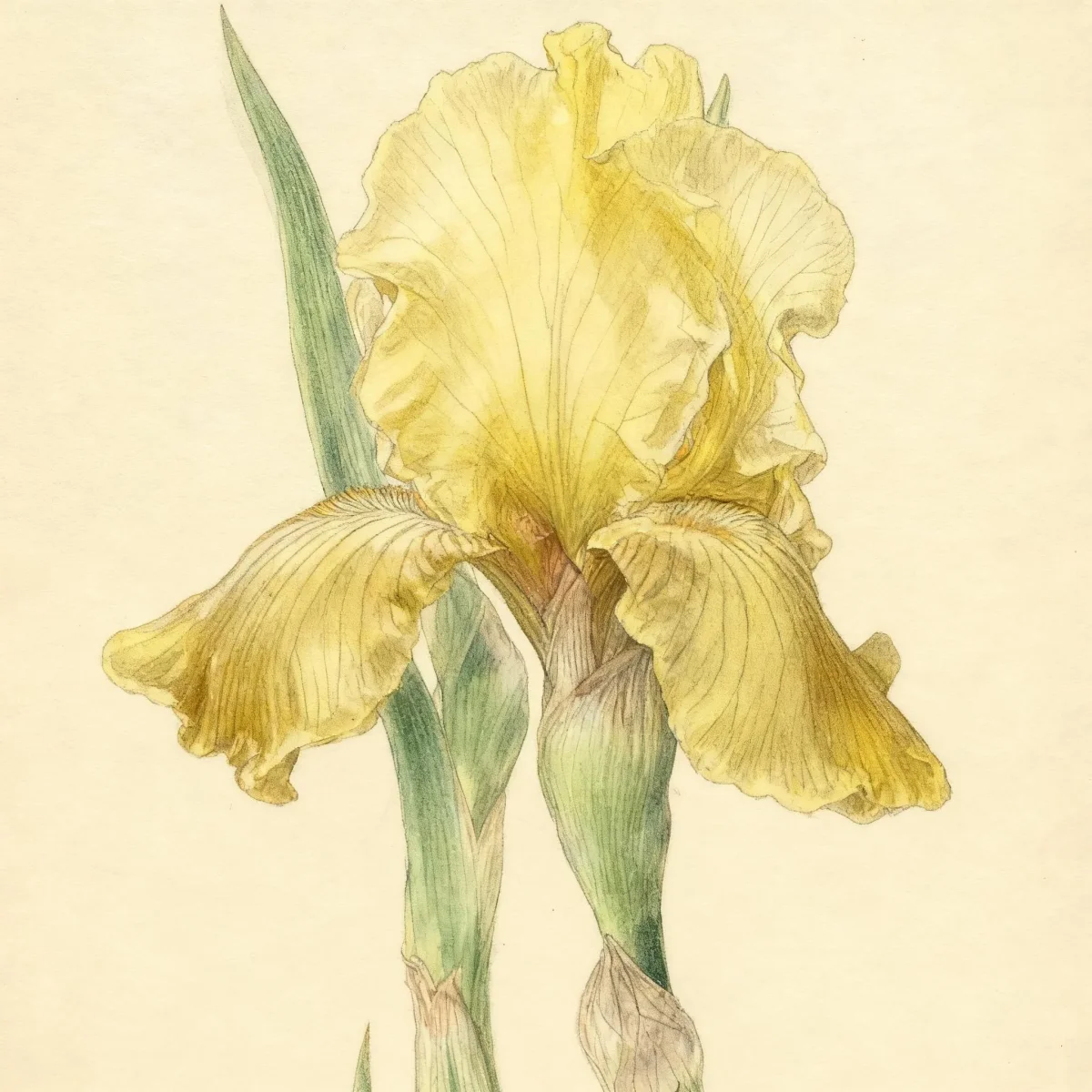
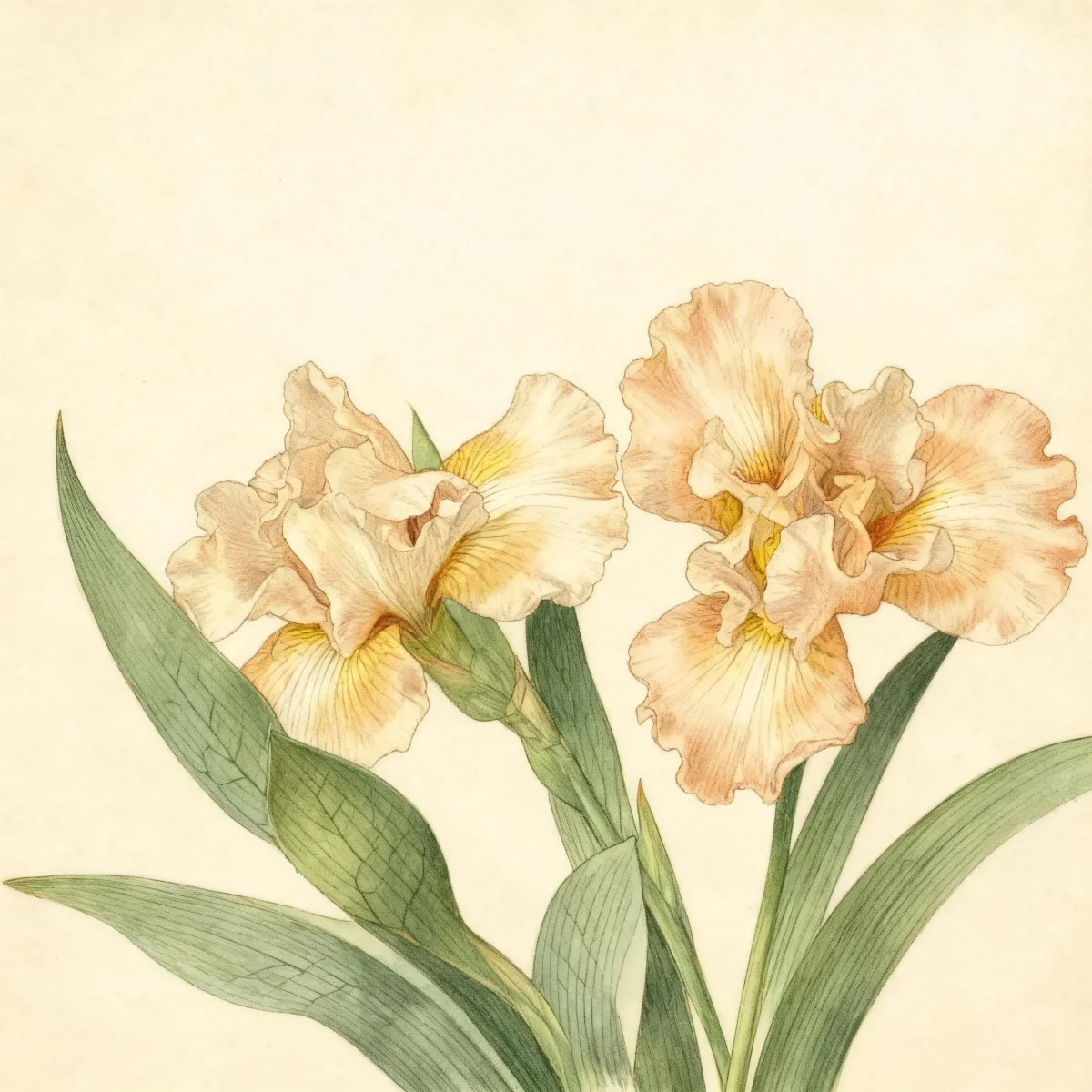
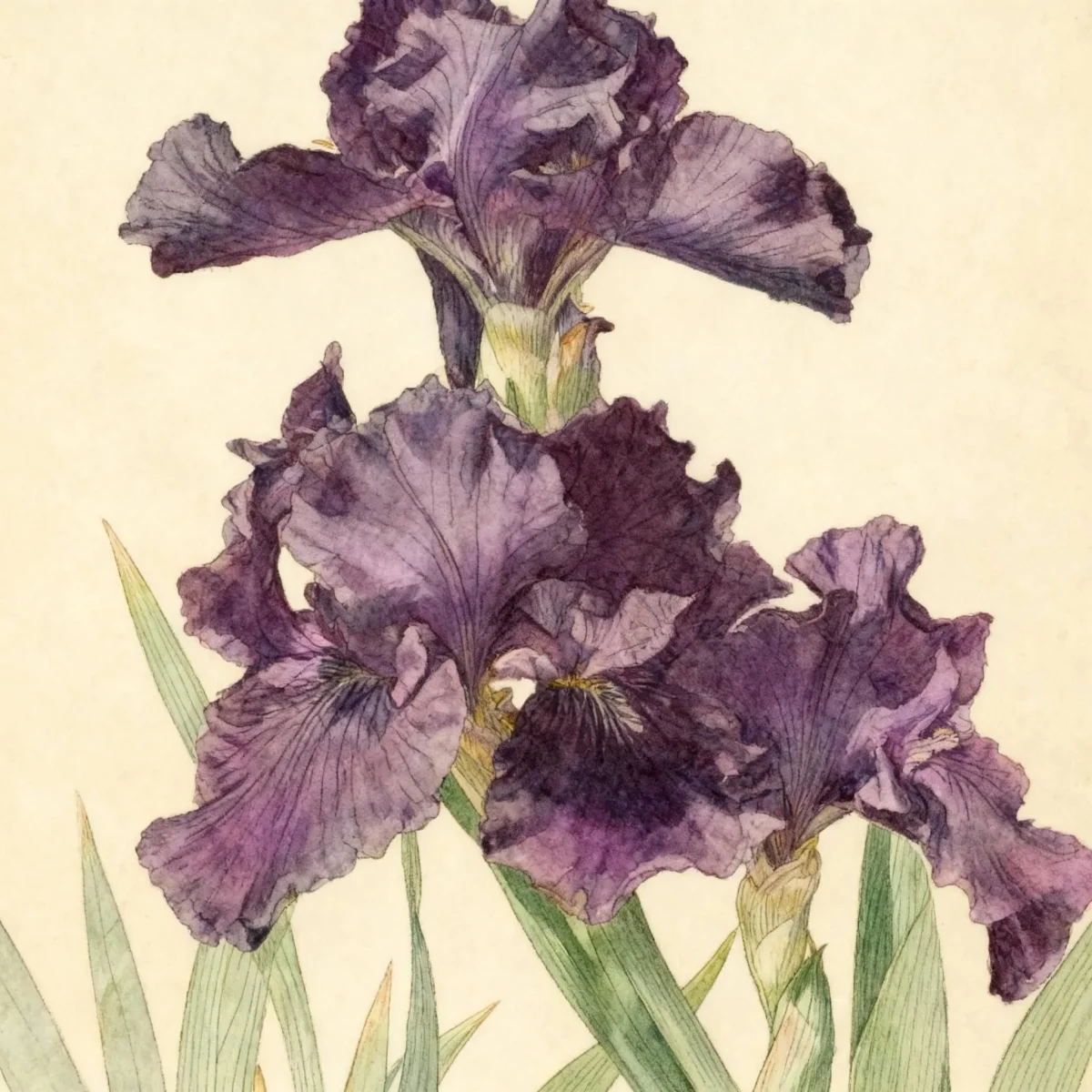
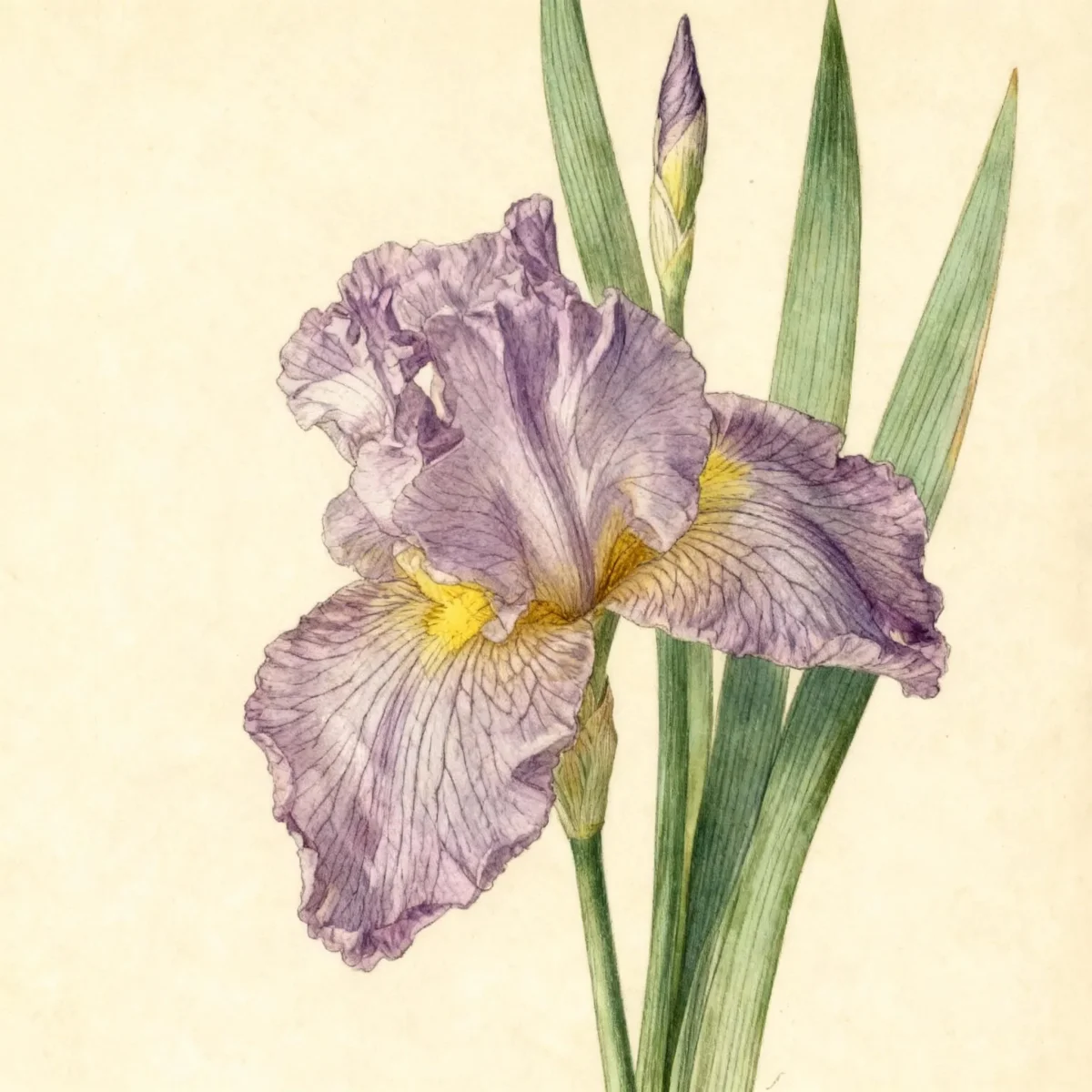
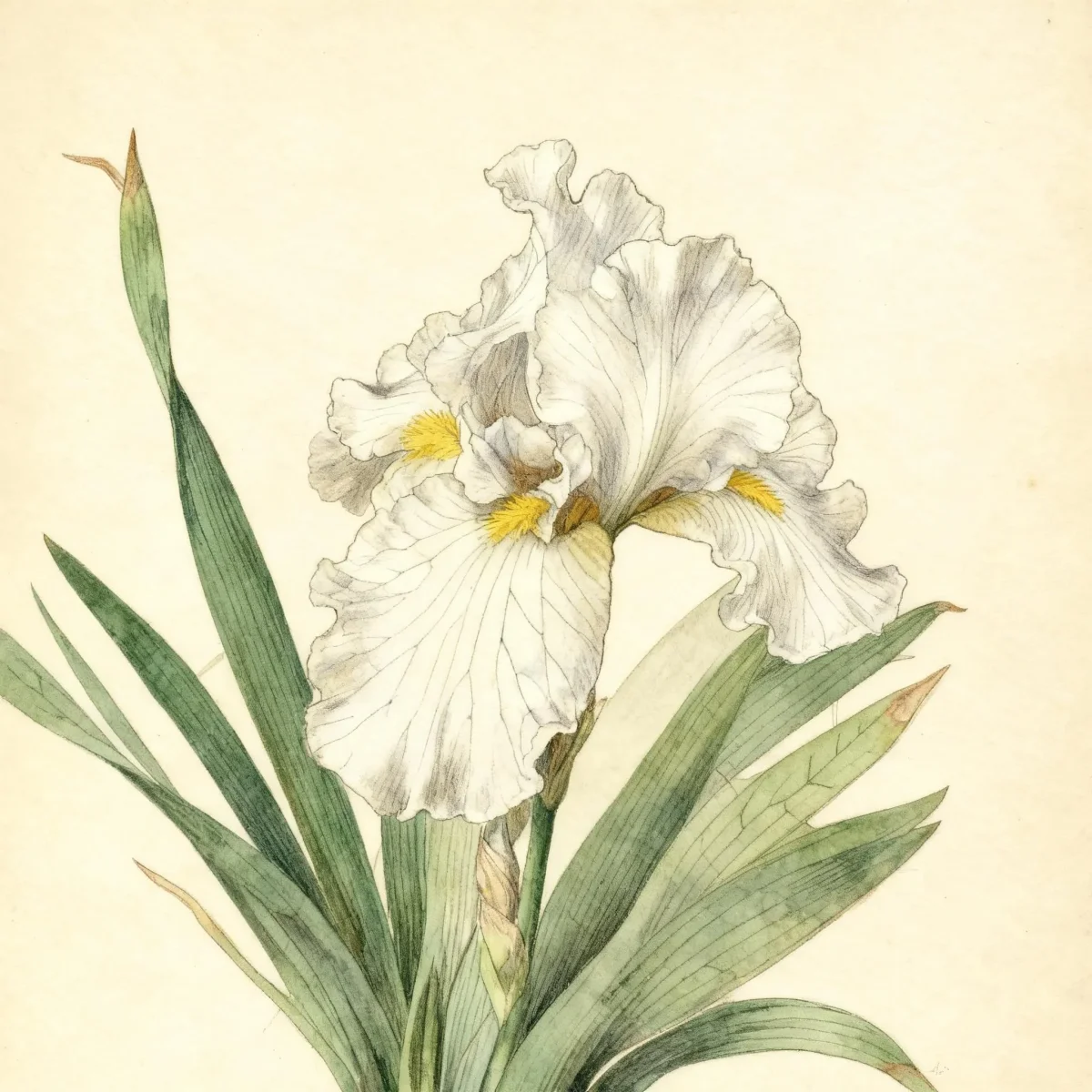
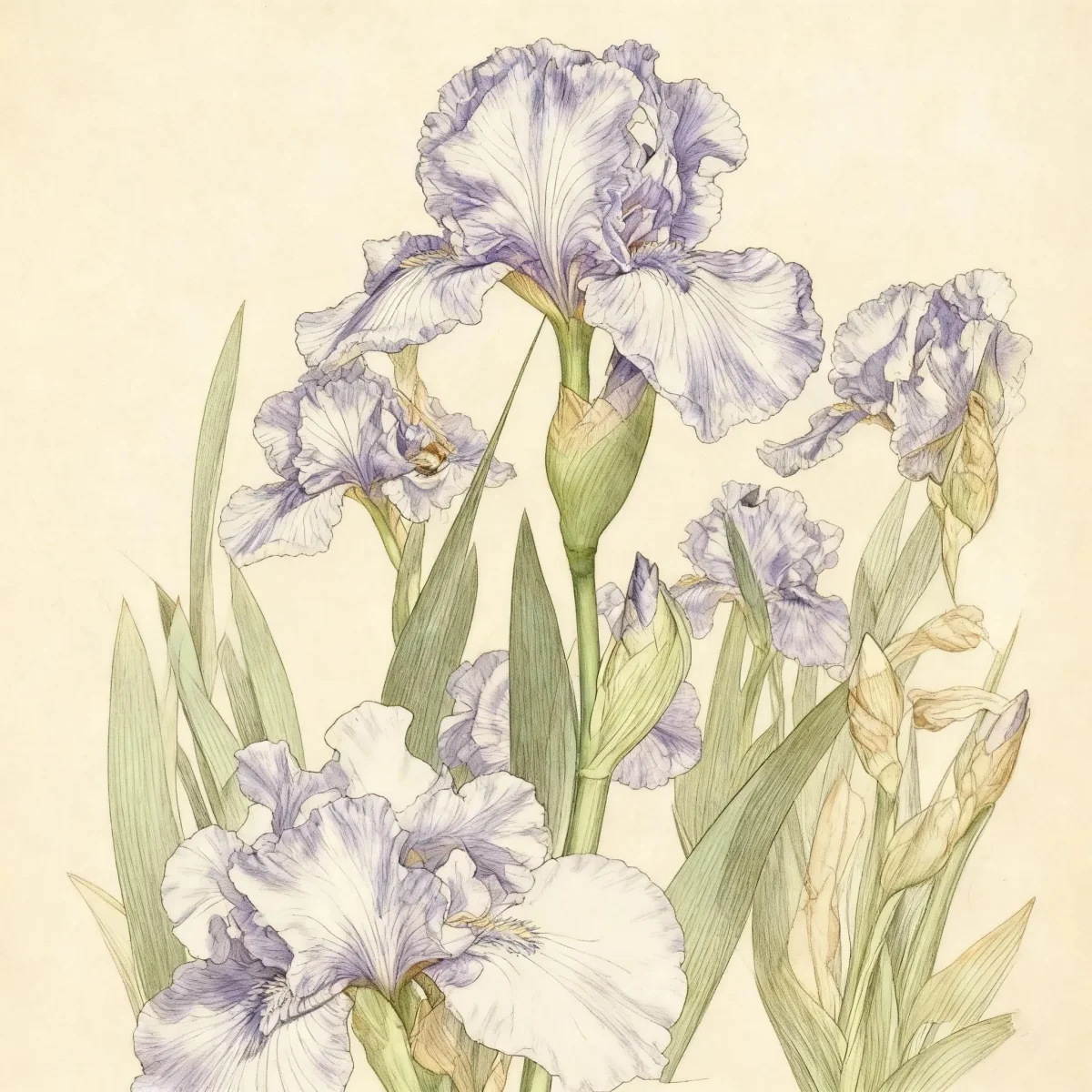
Iris ‘Az Ap’ is a highly valued herbaceous perennial, categorized as an Intermediate iris, bridging the bloom gap between shorter dwarfs and taller types. Its principal appeal lies in its rich coloration: striking cobalt blue standards and falls accented by bright gentian blue beards. This reliably hardy rhizomatous iris forms neat clumps suitable for integrating into mixed borders where its mid-season display provides crucial color.
As an Intermediate iris, Iris ‘Az Ap’ offers substantial color impact despite maintaining a moderate stature, typically reaching 1.5 to 2 feet tall. It requires full sun exposure for optimal flowering, though it can tolerate a touch of afternoon shade in the fiercest summer heat. Gardeners appreciate this cultivar for its performance in well-drained settings, thriving where its rhizomes can remain dry and airy.
Beyond its aesthetic contribution, Iris ‘Az Ap’ carries moderate but manageable maintenance requirements. Once established, it shows good drought tolerance, making it a sensible choice for perennial beds where moisture consistency is sometimes variable. Planning the planting time correctly in late summer or early fall is key to ensuring the spectacular May bloom of this beautiful Intermediate iris.
Fast Facts
- Plant Family: Iridaceae
- Plant Type: Herbaceous perennial
- Hardiness Zones: USDA Zones 3-8
- Size at Maturity:
- Height: 1.5-2 ft
- Spread: 1-1.5 ft
- Bloom Time: May
- Bloom Description: Cobalt blue with gentian blue beards
- Sun Exposure: Full sun
- Water Needs: Medium
- Maintenance Level: Medium
How to Grow
For successful cultivation of Iris ‘Az Ap’, focus intensely on drainage during planting. Plant rhizomes from late July through October, depending on your climate; gardeners in cold winter regions should aim for July to early September planting. Prepare the site with average, well-drained soil in a location receiving full sun. If your soil is heavy clay or drainage is poor, planting rhizomes on slopes or in raised beds is highly recommended to prevent rhizome rot, a common iris affliction.
When positioning the rhizomes, space them 12 to 20 inches apart. Plant them shallowly, creating a small mound of soil; ensure about one-third of the rhizome sits exposed above the soil line, with the roots spread horizontally underneath to anchor the plant. Consistent moisture is beneficial from spring until about six weeks after flowering concludes, though Iris ‘Az Ap’ demonstrates some drought tolerance once fully settled into the garden environment.
Mid-summer care centers on cleanliness. Keep the iris bed meticulously weed-free, as weeds compete heavily and can harbor pests. If the clump becomes overcrowded, typically after a few years, lift, divide, and replant the rhizomes in late summer (August). Avoid excessive moisture, especially around the rhizomes during dormancy, to safeguard against fungal issues.
Landscape Uses
Intermediate irises like Iris ‘Az Ap’ are versatile workhorses in sunny landscape compositions. They excel when grouped or massed, offering carpets of vibrant cobalt color that draw the eye along pathways or along foundation plantings. Their 1.5 to 2-foot stature makes them ideal middle-ground plants in perennial borders, providing a visual connection between low groundcovers and taller background specimens.
Iris ‘Az Ap’ blends beautifully with early-summer bloomers that share similar sun and water requirements, such as alliums, bearded irises finishing their bloom cycle, or lower-growing salvias. For a classic cottage garden look, interplant them with peonies or early-blooming daylilies. The strong vertical lines of the leaves offer excellent architectural contrast against mounding shrubs.
Mass plantings of this specific Intermediate iris create a dramatic, unified splash of blue that transforms the spring garden. Ensure that the chosen location allows for the excellent drainage this variety demands to maximize the lifespan and performance of Iris ‘Az Ap’ year after year.
Standout Features
Flower Qualities
- Showy
Noteworthy Characteristics
Intermediate Bearded Iris cultivars are characterized by their rhizomes and bloom timing, flowering between the dwarfs and the tall bearded types. Iris ‘Az Ap’ specifically stands about 22 inches tall, displaying flowers up to 5 inches wide with upright standards and pendant falls, distinguished by a prominent bushy beard. This specific cultivar, registered in 1993, features beautiful cobalt blue coloring throughout, resulting from hybridizing efforts involving many historic parents.
Tolerances
- Deer
- Drought
Potential Problems
Gardeners growing Iris ‘Az Ap’ must remain vigilant against several common soil-borne diseases, including leaf spot, root rot, bacterial soft rot, and crown rot, which thrive in overly wet conditions. Mosaic viruses can also occasionally appear in iris plantings. Be proactive regarding pests; watch for slugs, snails, aphids, whiteflies, and thrips.
The most significant pest threat to many iris varieties, including this Intermediate iris, is the iris borer. Where borers are established, management is crucial to prevent significant damage to foliage and rhizomes. If pests are identified, use appropriate cultural controls—like immediate removal of pest-infested leaves—or selective treatments as necessary.
Good cultural practice is the best prevention. Ensuring excellent soil drainage, as discussed in the cultivation section, is the primary action against fungal and bacterial rots. Promptly removing any dying foliage in the fall also reduces overwintering sites for pests and pathogens.
Frequently Asked Questions
What hardiness zones is Intermediate iris suitable for?
Iris ‘Az Ap’ is adapted for USDA Hardiness Zones 3 through 8, offering reliable perennial performance across a wide range of climates.
How large does Iris ‘Az Ap’ grow?
This Intermediate iris generally reaches a height between 1.5 and 2 feet, with a spread ranging from 1 to 1.5 feet at maturity.
What sun exposure does Iris ‘Az Ap’ need?
This variety requires full sun for the best bloom production, although it can survive with some partial afternoon shade, especially in the hottest parts of zones 7 and 8.
When does Iris ‘Az Ap’ bloom?
You can expect the cobalt blue flowers of this Iris ‘Az Ap’ to appear in May, marking the peak of its display.
Conclusion
Iris ‘Az Ap’ offers dedicated blue color in the mid-spring garden, filling the critical gap between early and late-blooming irises. Its attractive stature, combined with noted drought tolerance and deer resistance, makes this Intermediate iris a worthwhile addition to sunlit perennial borders. Check your local hardiness zone compatibility and plan to plant its rhizomes in late summer or early fall for a spectacular display next season.
Companion Planting
Selecting companions that enjoy the same sun exposure and prefer slightly drying out after blooming is ideal for the Intermediate iris. Consider pairing Iris ‘Az Ap’ with spring-blooming bulbs like Daffodils (Narcissus) or early Alliums, which finish their cycle as the iris ramps up. Dry-loving perennials such as certain Sedums or Siberian Irises (which tolerate slightly more moisture) can fill the space once the iris bloom wanes, maintaining border interest without overly competing for nutrients or light in its primary growing season.
Propagation Tips
The primary method for propagating Iris ‘Az Ap’ is rhizome division, which serves the dual purpose of rejuvenation and multiplication. This Intermediate iris is rhizomatous, meaning it spreads horizontally via fleshy stems just beneath the soil surface. Division should occur in late summer, usually August, after the flowering period has completely ended and the plant begins to enter dormancy. Use a clean garden fork to carefully lift the mature clump, separate the new rhizomes (ensuring each segment has a fan of leaves attached for energy reserves), and replant immediately according to the specified shallow planting depth. This keeps the iris bed vigorous and prevents overcrowding.