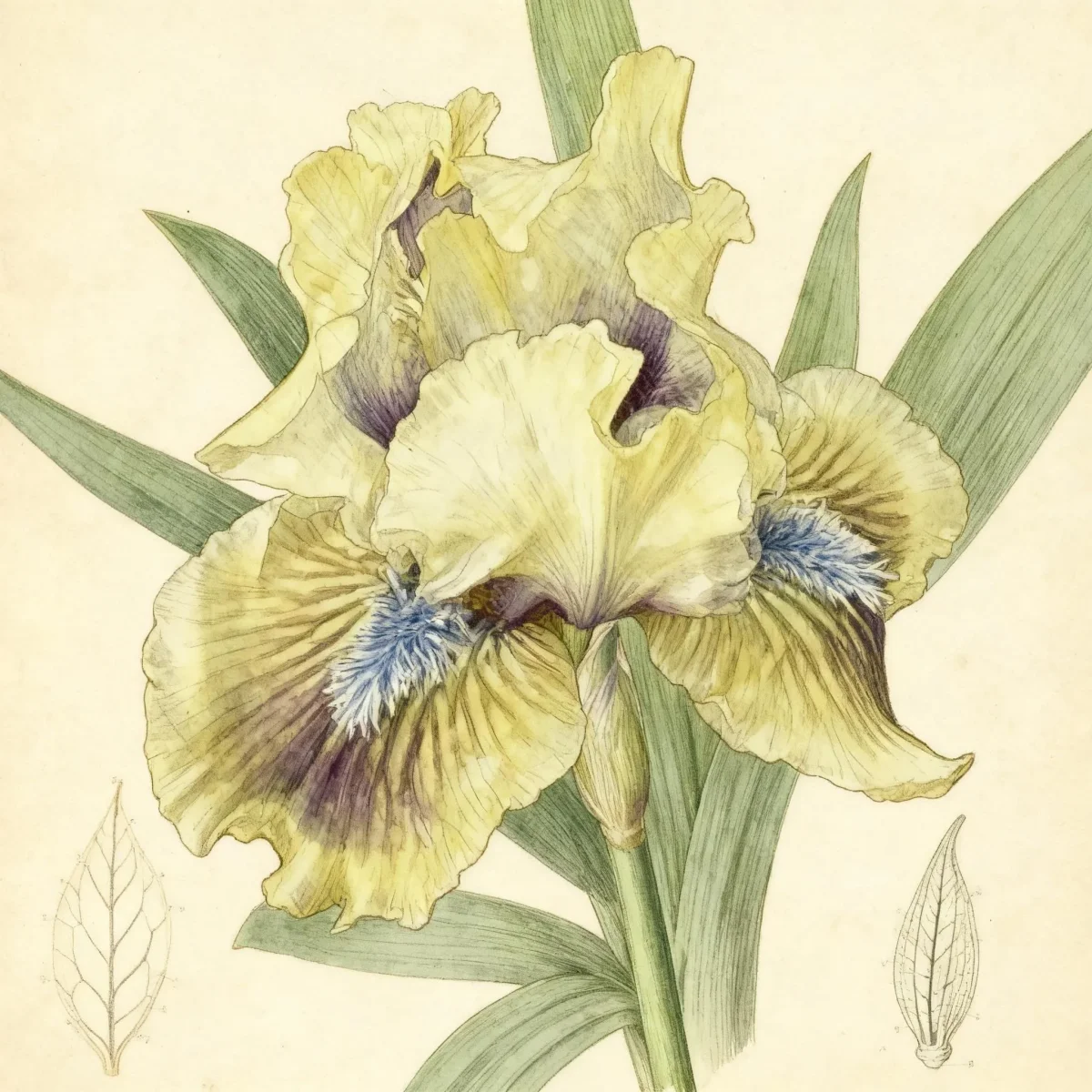
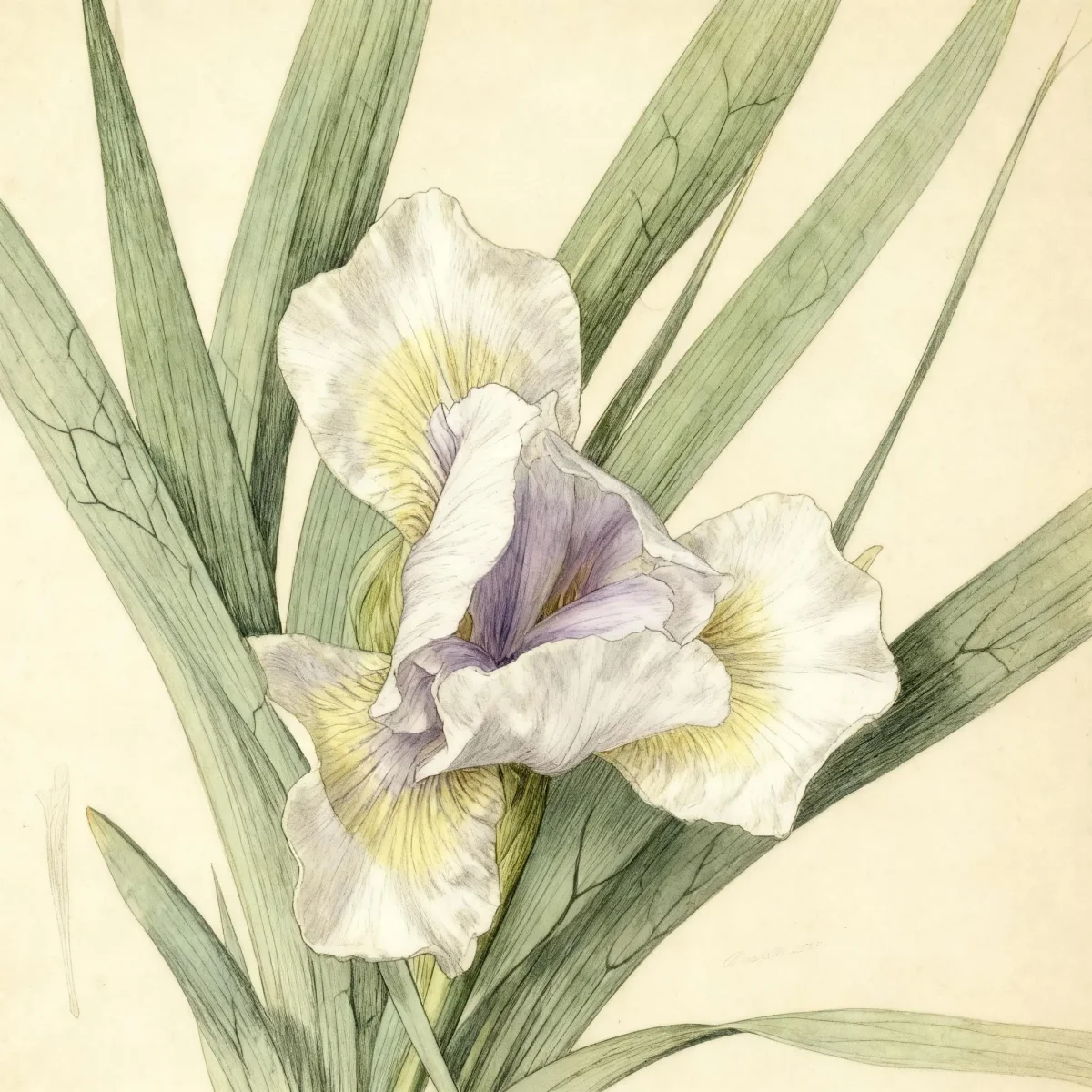
Standard dwarf bearded iris (Iris 'Ballet Lesson')
Iris 'Ballet Lesson' is a charming standard dwarf bearded iris featuring peachy pink blooms in May. Ideal for spring borders.
Scroll down to discover growing tips, care requirements, companion plants, and more
Complete Plant Information
Overview
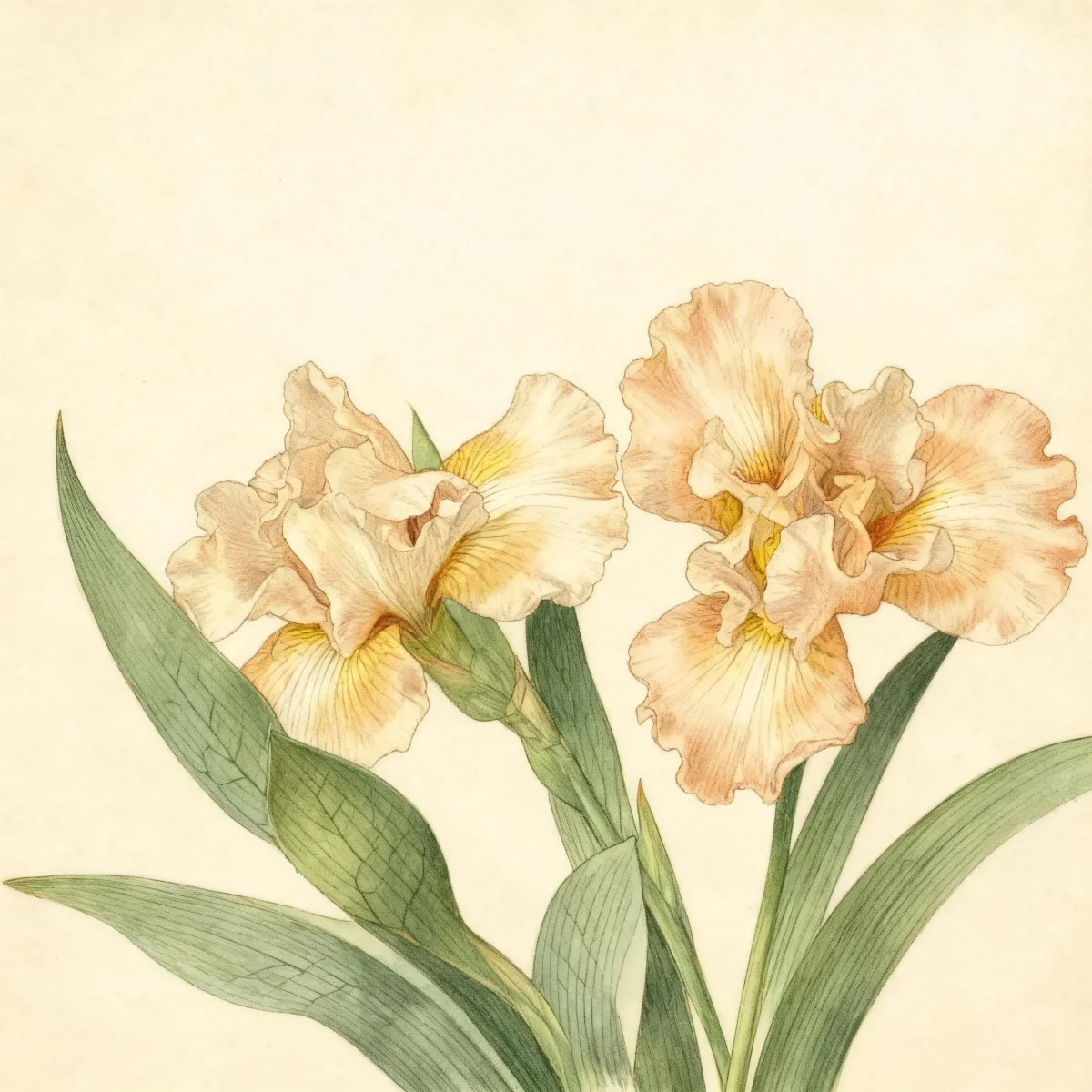
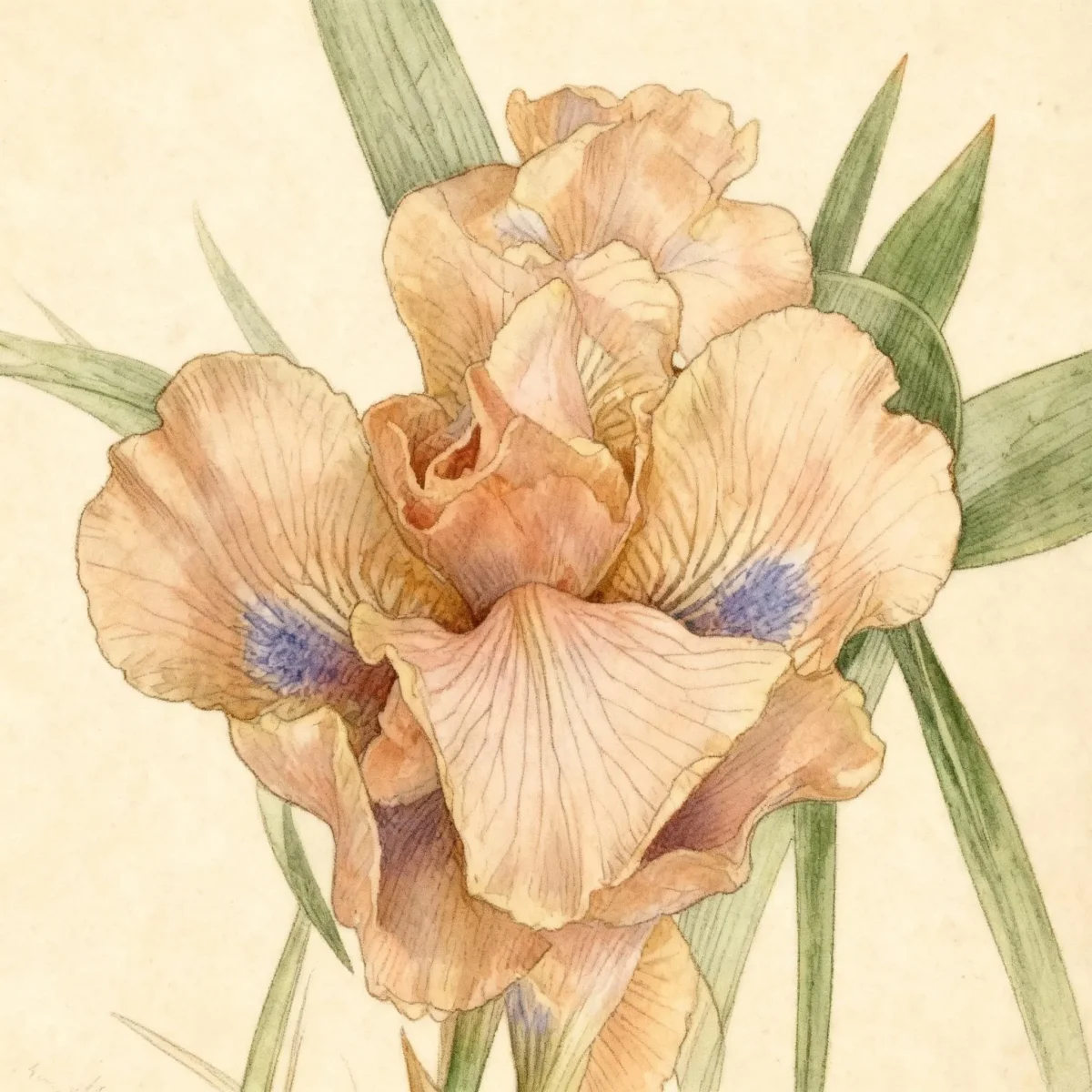
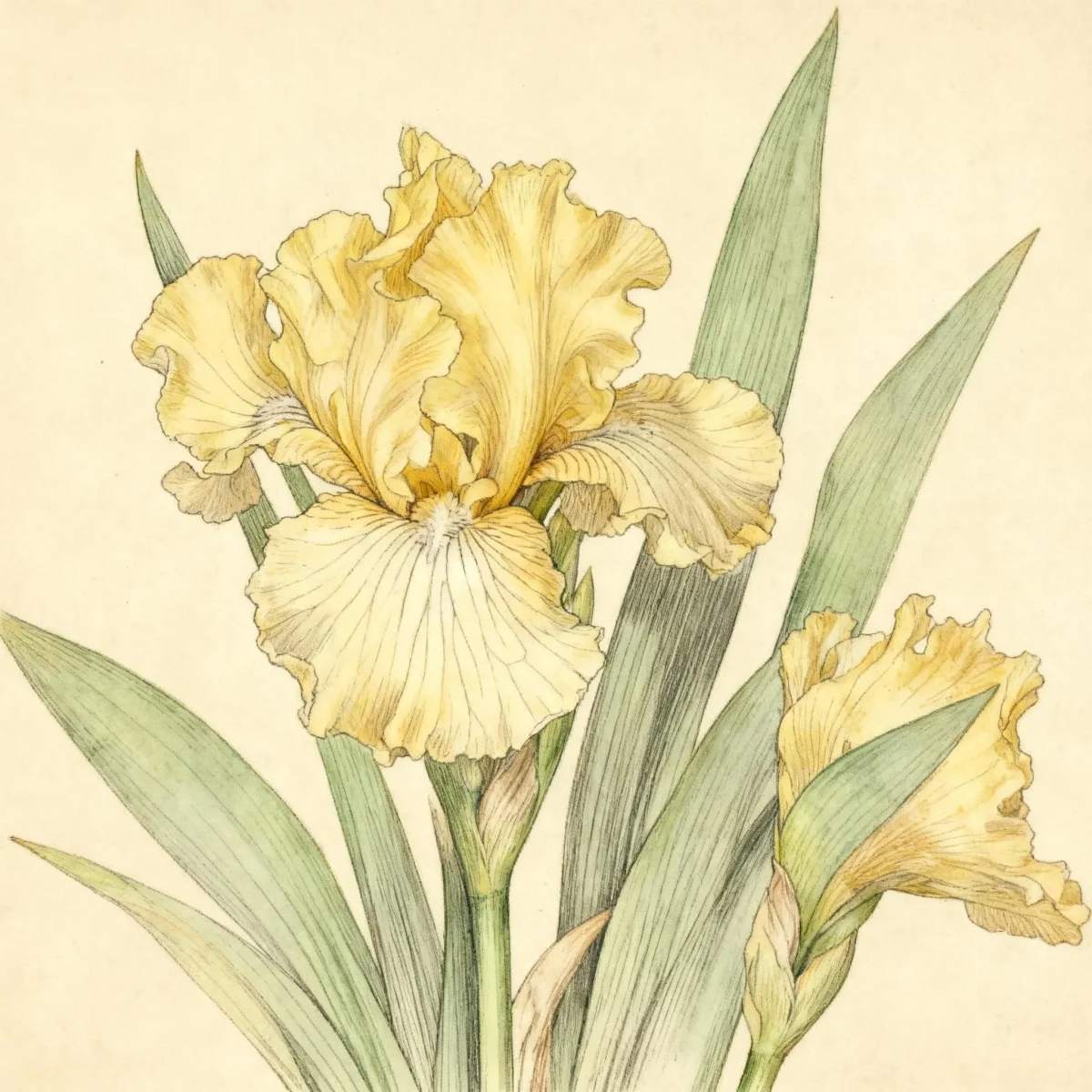
Iris ‘Ballet Lesson’ offers reliable color and structure to the perennial garden as a classic Standard dwarf bearded iris. Distinguished by its lovely peachy pink flowers, this cultivar brings early season interest when many other perennials are just emerging. It forms neat clumps of narrow, erect green foliage, typical of a mature bearded iris.
Growing to less than a foot tall, Iris ‘Ballet Lesson’ is perfectly scaled for the front of borders or rock gardens, providing structure without overwhelming smaller neighbors. Gardeners appreciate the medium maintenance needs combined with strong tolerances once established in the correct conditions.
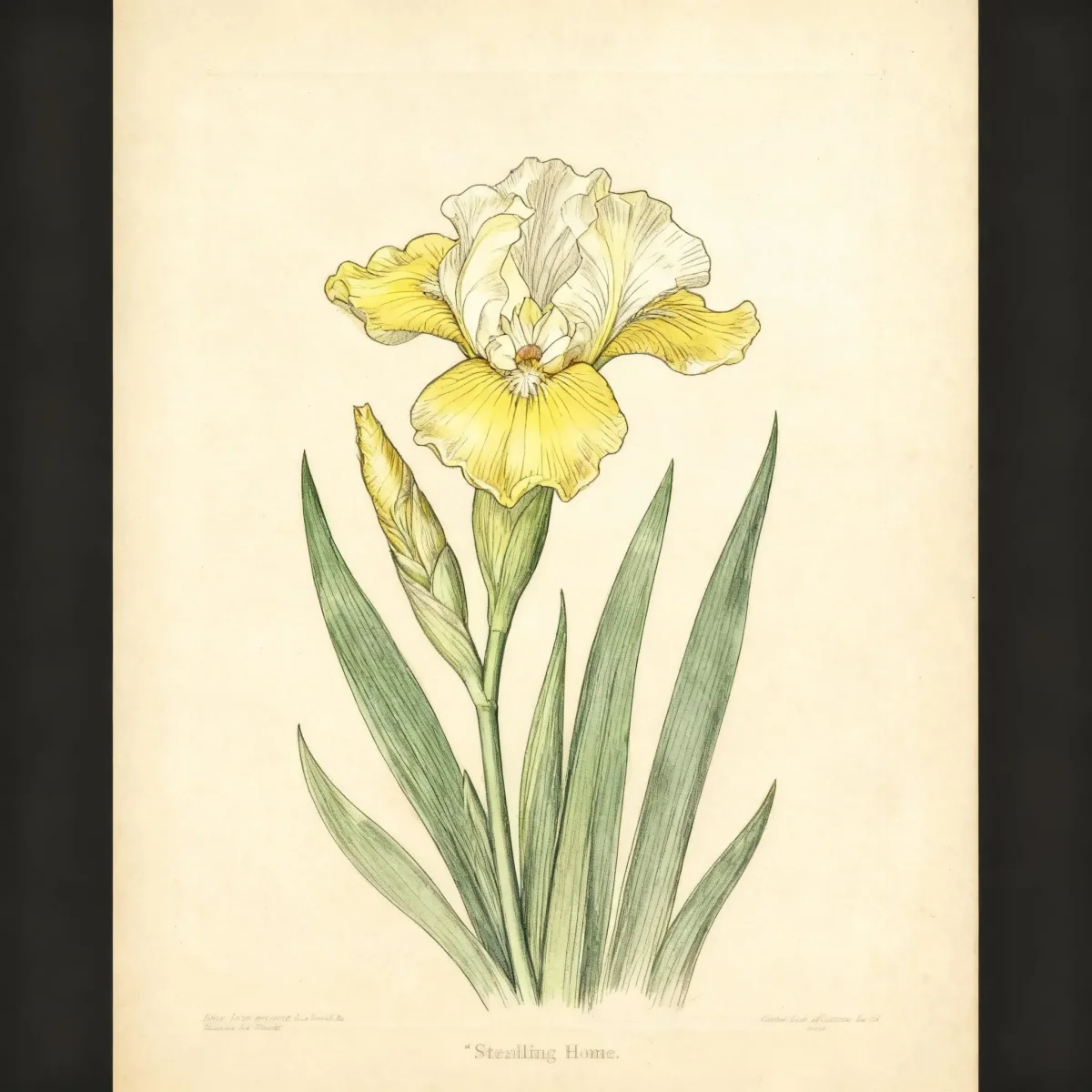
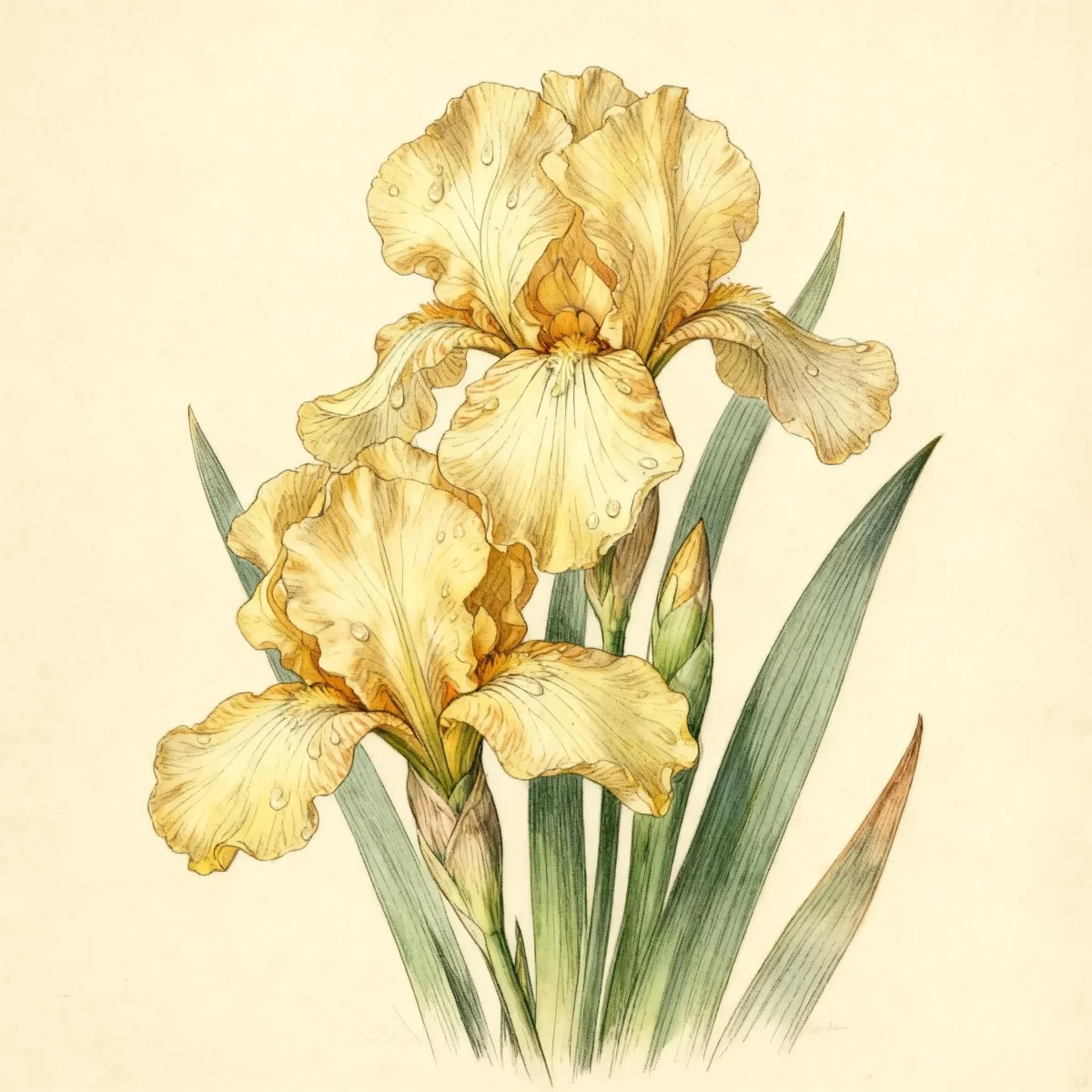
The beauty of the bearded iris genus is captured well here; the “beard,” a fuzzy band on the lower petals (falls), is intensely colored, drawing the eye to the 4-inch blooms. Utilize Iris ‘Ballet Lesson’ where consistent spring moisture can be provided until six weeks after flowering concludes.
Fast Facts
- Plant Family: Iridaceae
- Plant Type: Herbaceous perennial
- Hardiness Zones: USDA Zones 3-8
- Size at Maturity:
- Height: 0.75-1 ft
- Spread: 0.75-1 ft
- Bloom Time: May
- Bloom Description: Peachy pink
- Sun Exposure: Full sun
- Water Needs: Medium
- Maintenance Level: Medium
How to Grow
Cultivating Iris ‘Ballet Lesson’ requires attention to drainage, which is paramount for the health of the rhizome structure. Plant these Standard dwarf bearded iris varieties in average, well-drained soils receiving full sun; while they tolerate some partial afternoon shade, full sun ensures the best bloom performance. If your soil is heavy clay or receives high rainfall, amend heavily or plant on slopes or raised beds to actively prevent rhizome rot.
Planting rhizomes is typically done from late July through October, depending heavily on your local climate—sooner in cold regions, later in milder areas. Space the rhizomes about 12 to 20 inches apart. Plant each rhizome superficially: create a small mound, spread the roots horizontally, and bury only the lower third of the rhizome, ensuring the top remains exposed to the air.
Water should be consistent during the spring growth phase and for about six weeks following the May bloom of Iris ‘Ballet Lesson’. While young plants need regular attention, they gain some drought tolerance established specimens. Control weeds regularly, but avoid disturbing the shallowly planted rhizomes. If the clump becomes overcrowded over the years, lift it using a garden fork in late summer (August) to divide and reset the plants.
Landscape Uses
The compact nature of Iris ‘Ballet Lesson’ makes it an excellent choice for defining the edges of garden beds. As a Standard dwarf bearded iris, it pairs beautifully with spring bulbs or emerging summer perennials that enjoy similar sun and drainage needs. Grouping or massing these plants creates a dramatic, consistent sweep of peachy pink color early in the season.
Consider using Iris ‘Ballet Lesson’ along walkways or in rock gardens where excellent drainage is naturally achieved. Their upright, linear foliage provides structure even when not in bloom. They also perform well when tucked into large containers, provided the potting medium is light and drains swiftly.
Standout Features
Flower Qualities
- Showy
Noteworthy Characteristics
Standard Dwarf Bearded Iris is a rhizomatous iris whose numerous hybrid cultivars grow to 8-16” tall. Flowers bloom in May-June (St. Louis). Each flower grows up to 4” wide and features upright standards and pendant falls. This specific cultivar, ‘Ballet Lesson’, typically reaches 9-12” tall, displaying standards and falls in peachy pink tones, highlighted by a white beard tipped with pink on the falls. Registered in 1992, this hybrid showcases the best traits of fine iris breeding.
Tolerances
- Deer
- Drought
Potential Problems
Gardeners should monitor for several fungal and insect issues common to the genus. Fungal diseases include leaf spot, potentially bacterial soft rot, crown rot, and iris rust. To mitigate these risks, ensure superior drainage, especially for Iris ‘Ballet Lesson’, and avoid overhead summer watering.
Pests that may target these perennials include slugs, snails, aphids, thrips, and leaf miners. The most damaging pest in endemic areas is the iris borer, whose larvae tunnel through the foliage and rhizomes. Immediate removal of infested leaves and timely treatment for borers are essential preventative steps.
Frequently Asked Questions
What hardiness zones is Iris ‘Ballet Lesson’ suitable for?
This attractive Standard dwarf bearded iris is suitable for USDA Hardiness Zones 3 through 8. Ensure adequate drainage if growing near the warmer limits of Zone 8.
How large does Iris ‘Ballet Lesson’ grow?
Iris ‘Ballet Lesson’ typically reaches a mature height of between 0.75 to 1 foot tall, with a similar spread of 0.75 to 1 foot wide.
What sun exposure does Iris ‘Ballet Lesson’ need?
This variety performs best when situated in full sun to achieve optimal flowering, though it can tolerate slight afternoon shade in very hot climates.
When does Iris ‘Ballet Lesson’ bloom?
You can look forward to the peachy pink blooms of this iris appearing in May.
Conclusion
Iris ‘Ballet Lesson’ remains a valuable addition for early season color, providing reliable height and striking flower color for the perennial border. The neat habits of this Standard dwarf bearded iris make it a low-fuss performer when drainage needs are met. Before planting, confirm your soil conditions and plan your division schedule to ensure decades of enjoyment from this delightful cultivar.
Companion Planting
When designing a border featuring Iris ‘Ballet Lesson’, select companions that mature slightly later or have contrasting foliage textures. Low-growing creeping thyme or sedums make excellent, drought-tolerant groundcovers near the clumps, as they do not compete aggressively with the shallow rhizomes. Similarly, pairing the upright leaves with the mounding habits of ornamental grasses or later-blooming Alliums provides interesting textural contrast once the spring iris bloom subsides.
Seasonal Care Calendar
Spring care focuses on clean-up and bloom support. As the leaves emerge, use a balanced, low-nitrogen fertilizer around the base, avoiding direct contact with the rhizome itself. Keep the area routinely weeded, being careful not to dig deeply near the growth crown. After flowering in May, promptly deadhead spent blooms but leave the foliage intact until it naturally yellows, as the leaves are vital for storing energy in the rhizome for the next season.