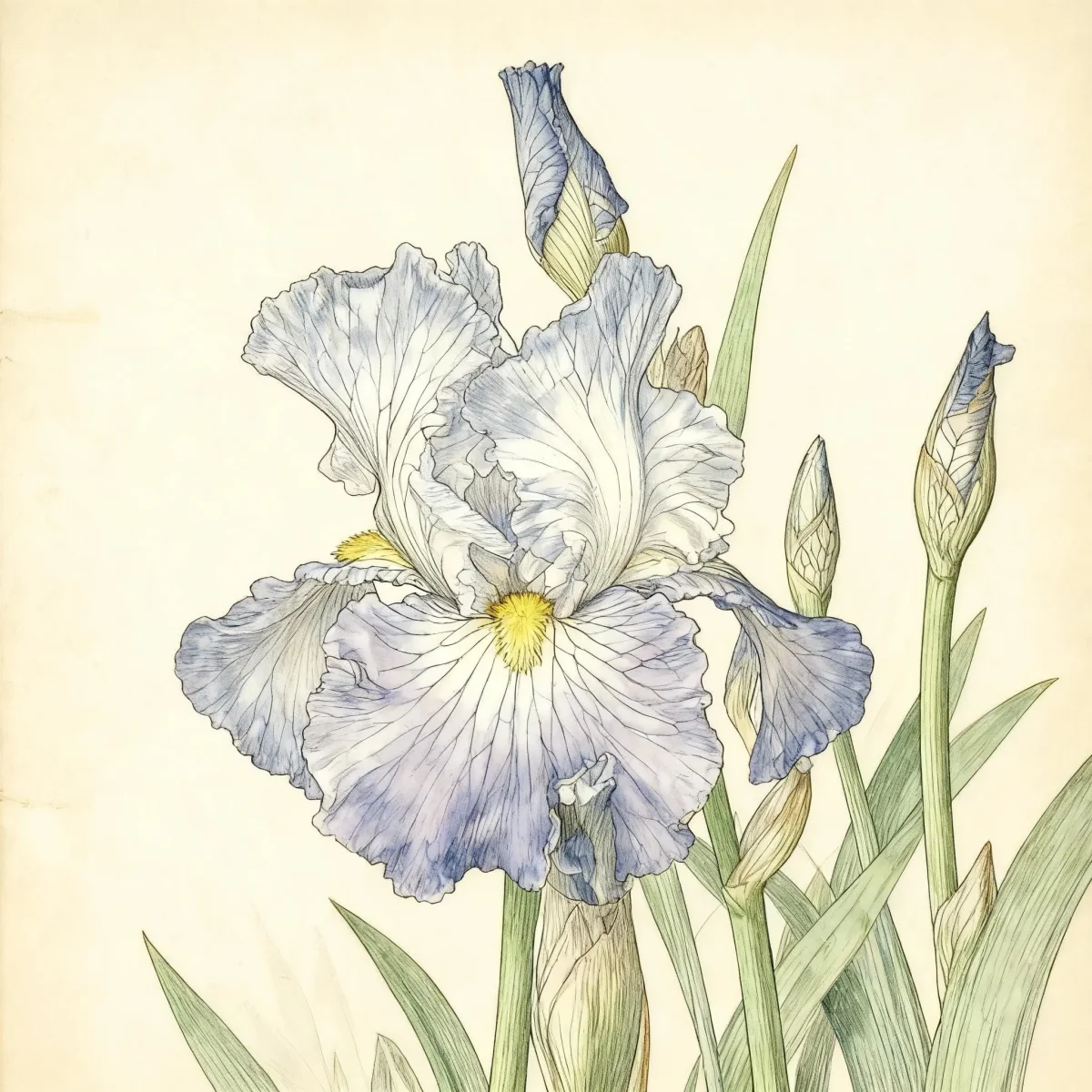
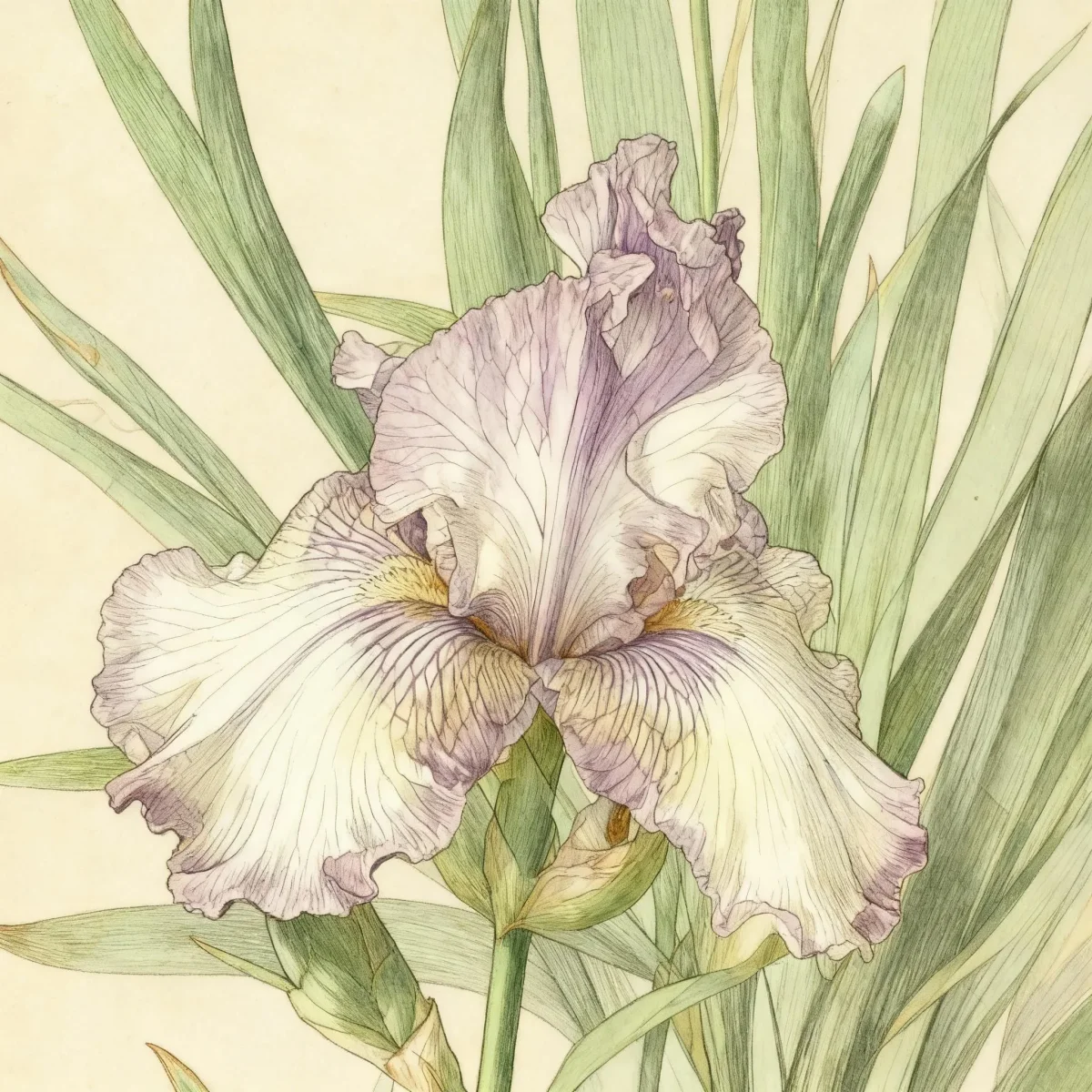
Tall bearded reblooming iris (Iris 'Buckwheat')
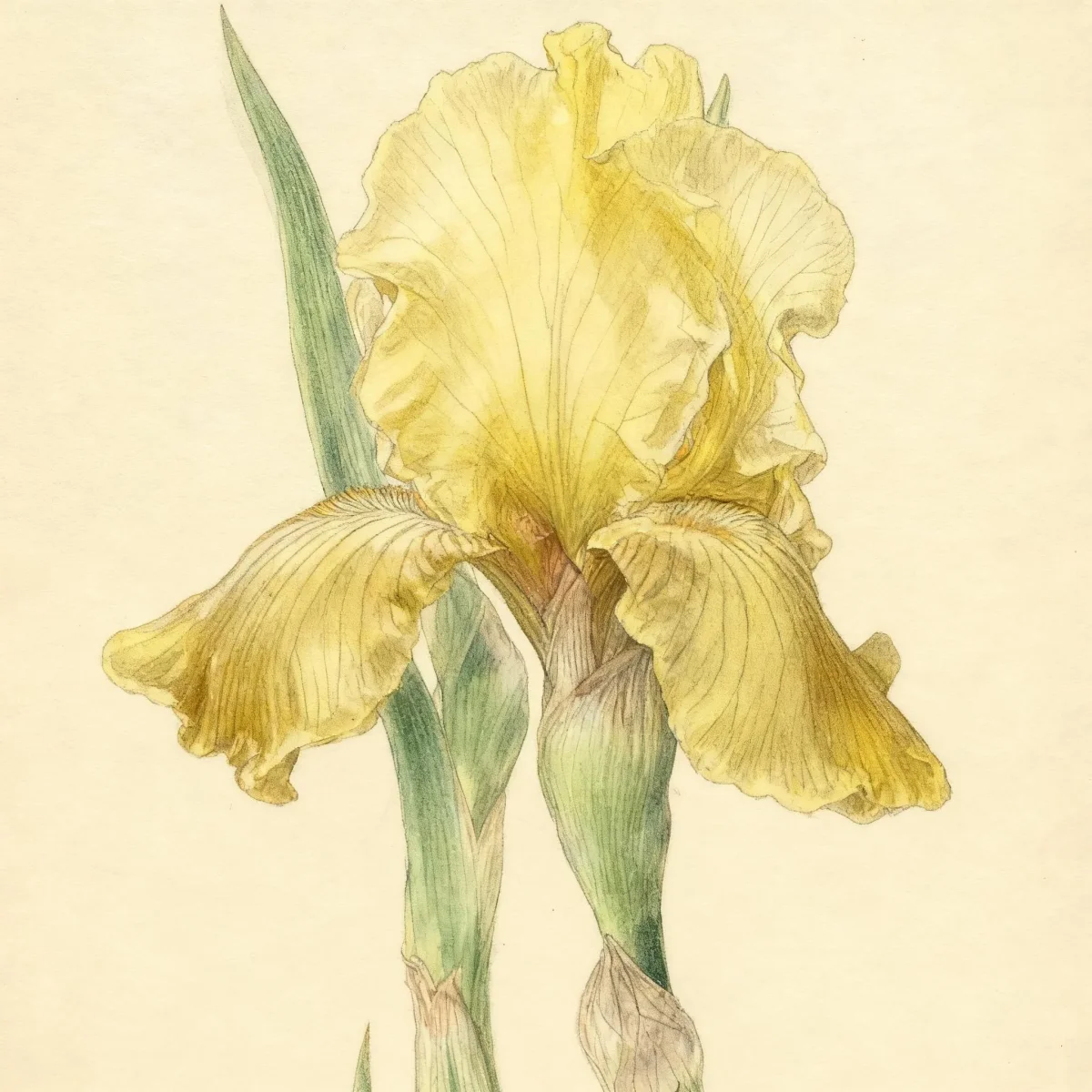
Iris 'Buckwheat' is a showy Tall bearded reblooming iris known for its yellow blooms and deer resistance. Zones 3-10.
Scroll down to discover growing tips, care requirements, companion plants, and more
Complete Plant Information
Overview
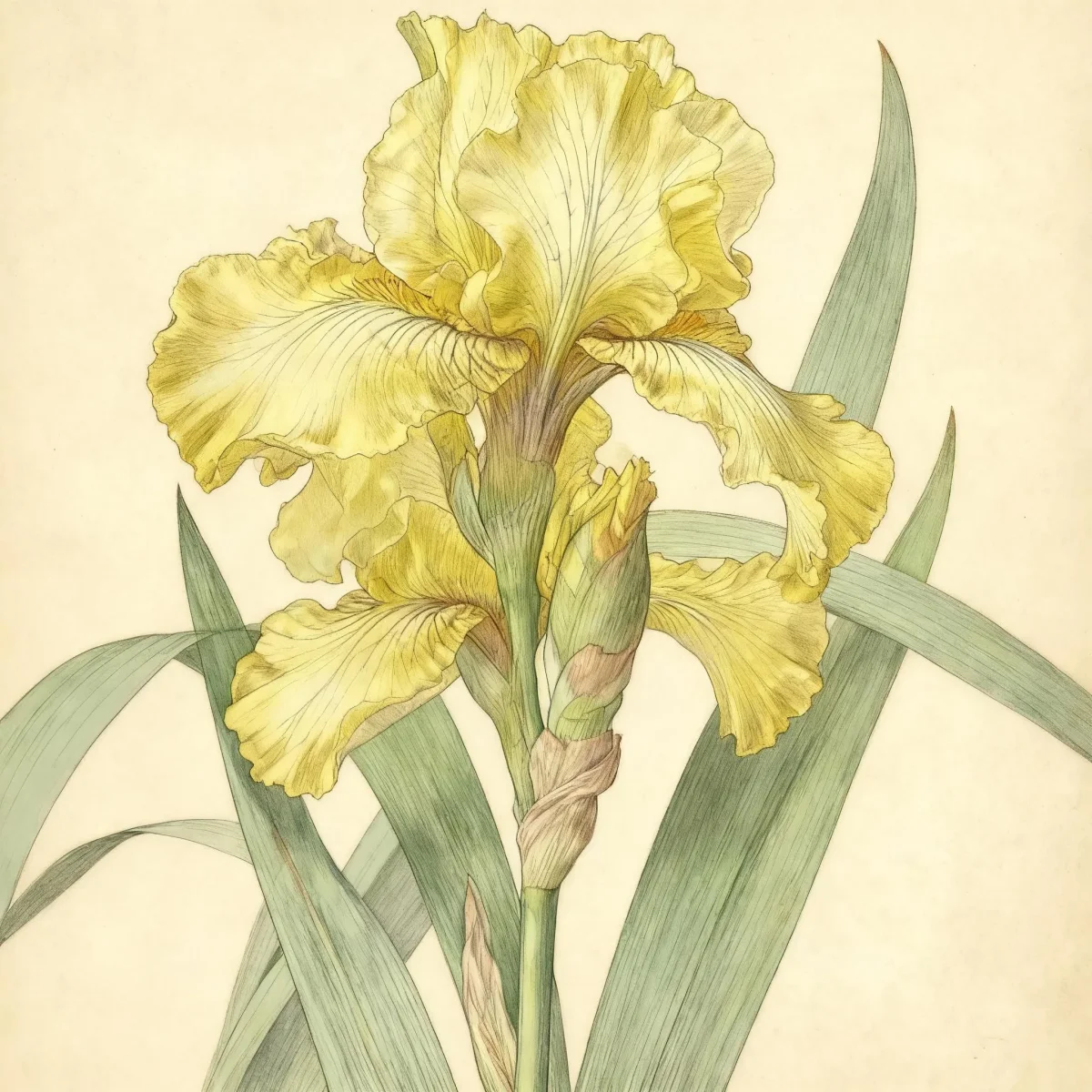
Iris ‘Buckwheat’ offers gardeners a delightful reblooming opportunity within the classic Tall bearded iris division. This hybrid, often referred to simply as Tall bearded reblooming iris, stands out for its dependable stature and cheerful yellow coloration, lightly tinged with greenish-tan on the falls. As a remontant variety, it provides extended garden interest beyond the main spring flush.
Growing robustly between 2.5 and 3 feet tall, Iris ‘Buckwheat’ establishes slowly spreading rhizomes, making it a long-lived fixture in sunny perennial borders. Its ability to bounce back from initial blooms, coupled with its notable drought tolerance once settled, makes it a dependable choice for gardeners seeking high visual impact with moderate upkeep.
The attractive, sword-shaped foliage provides strong vertical accents throughout the season, complementing the showy, fragrant spring flowers. Gardeners should prioritize excellent drainage to ensure the health of the rhizomes, maximizing the chances of those sought-after secondary blooms from this specific Tall bearded reblooming iris cultivar.
Fast Facts
- Plant Family: Iridaceae
- Plant Type: Herbaceous perennial
- Hardiness Zones: USDA Zones 3-10
- Size at Maturity:
- Height: 2.5-3 ft
- Spread: 1-2 ft
- Bloom Time: May
- Bloom Description: Yellow with greenish-tan tinge on falls
- Sun Exposure: Full sun
- Water Needs: Medium
- Maintenance Level: Medium
How to Grow
Successful cultivation of Iris ‘Buckwheat’ begins with proper planting technique. Plant rhizomes in average, medium moisture, well-drained soils, ensuring they receive full sun exposure for best performance, though they tolerate a bit of afternoon shade in very hot climates. Planting windows depend on location: late July through early September for cold winters, or September through October for mild winters. Site the rhizomes shallowly, spacing them 12-20 inches apart, ensuring one-third of the rhizome is exposed above the soil mound, with roots spread horizontally beneath.
Consistent moisture is crucial from spring until about six weeks after the main flowering period concludes, supporting the energy needed for rebloom. While established plants exhibit some drought tolerance, richer performance is achieved with adequate water supply. Avoid excessive moisture, especially in clay soils or heavy rainfall areas; plant on slopes or in raised beds to guarantee excellent drainage and prevent rhizome rot.
For this Tall bearded reblooming iris, targeted feeding is key to encouraging repeat flowering. Apply fertilizer in early spring and again in early July following the initial bloom cycle. Keep the beds meticulously weed-free, as competing growth can deplete resources. If clumps become overcrowded over time, plan to lift, divide, and replant the rhizomes in late summer (around August).
Landscape Uses
Iris ‘Buckwheat’ shines when massed or grouped, providing bold drifts of color along the edges of perennial beds or nestled near structural foundations. Their 3-foot height makes them excellent middle layers in mixed borders, allowing shorter spring ephemerals to bloom ahead of them and taller background plants to frame their display.
These upright perennials look magnificent paired with plants that appreciate similar sun and drainage needs, such as ornamental grasses or spiky drought-tolerant companions like Russian Sage. The striking yellow bloom of Iris ‘Buckwheat’ acts as a warm focal point, especially effective against cool-toned foliage from companion plants.
When designing with this reblooming variety, consider the structure provided by the sword-like leaves when flowers are absent. Mass plantings near walking paths allow visitors to easily appreciate the slight fragrance and the fuzzy yellow beard characteristic of this specific Tall bearded reblooming iris.
Standout Features
Flower Qualities
- Showy
- Fragrant
Noteworthy Characteristics
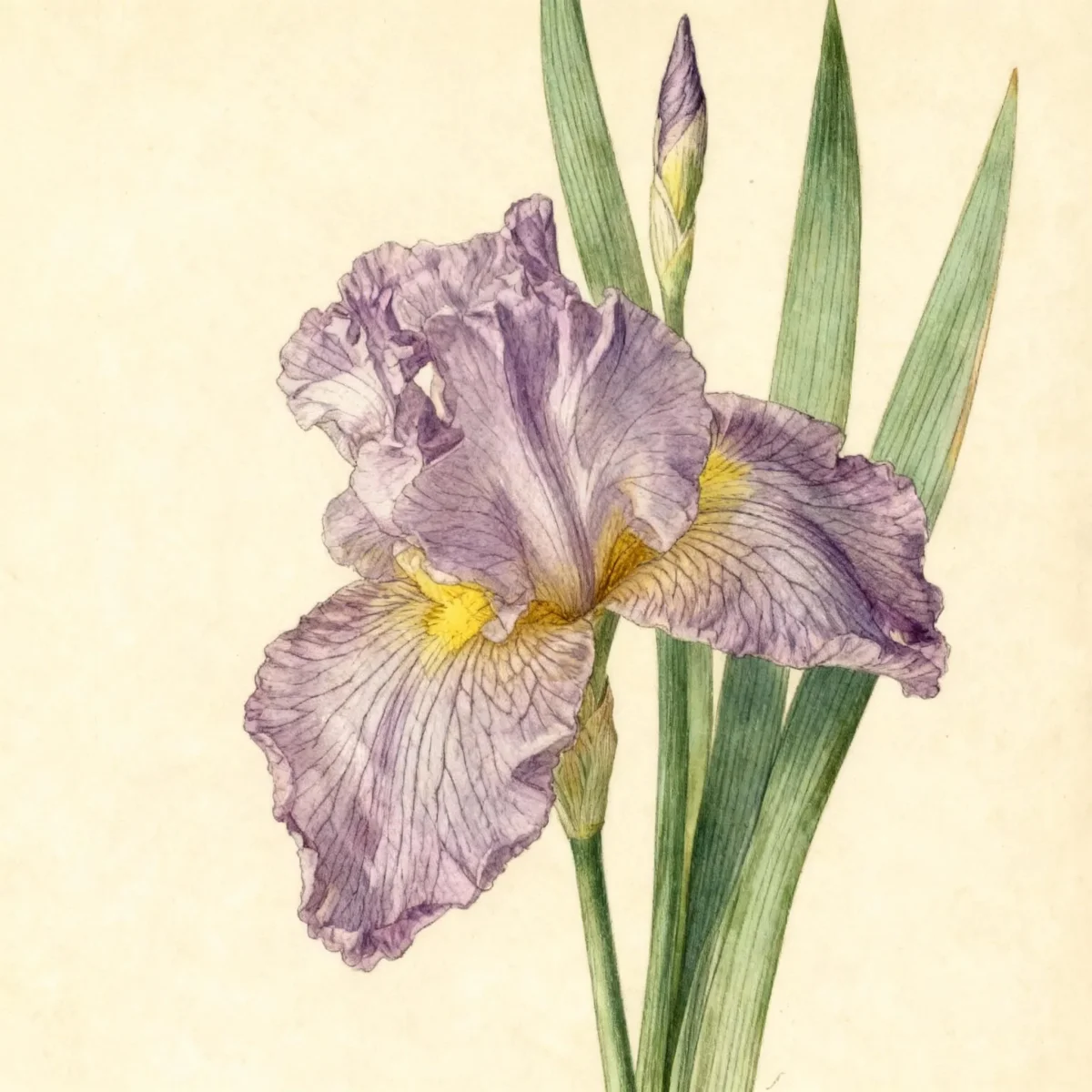
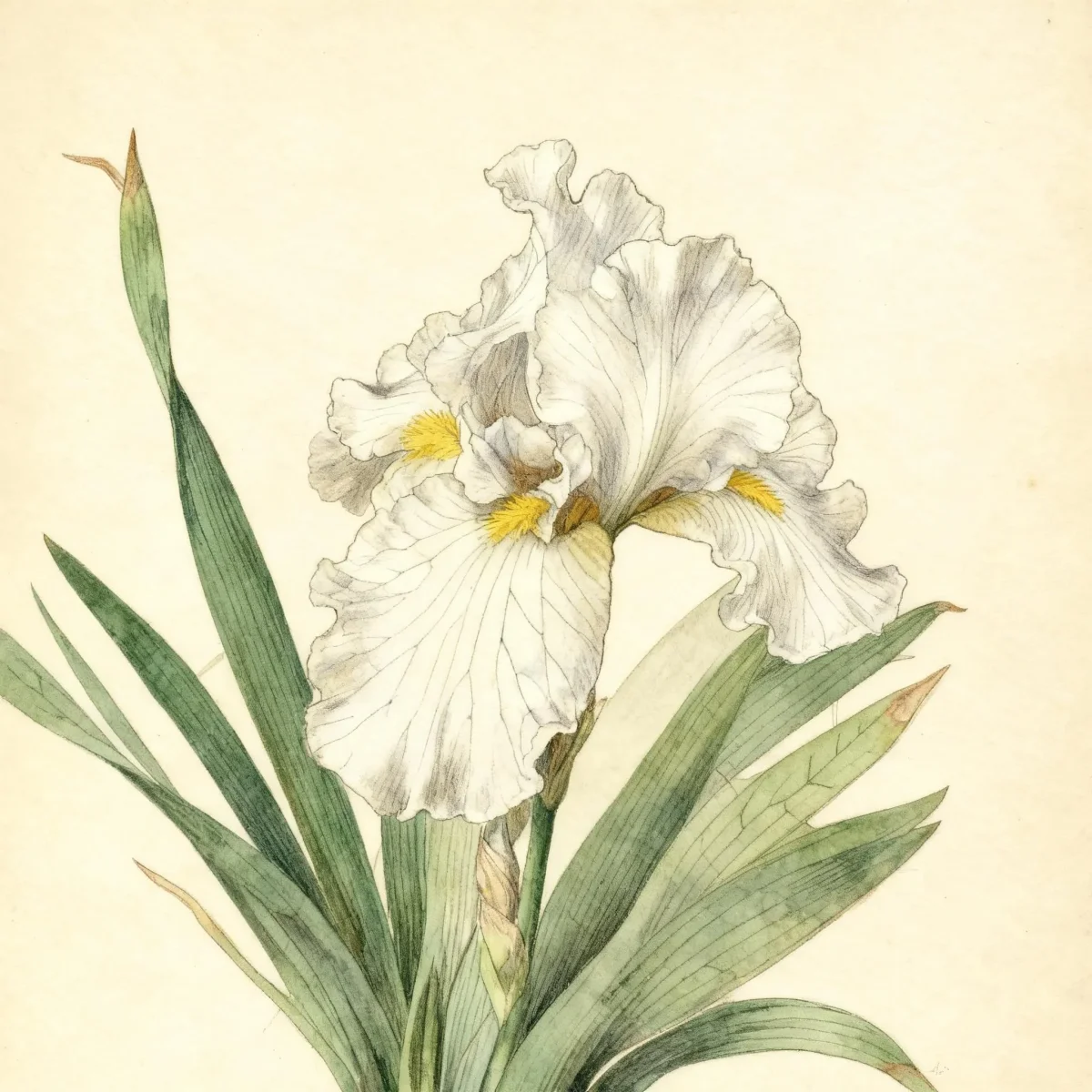
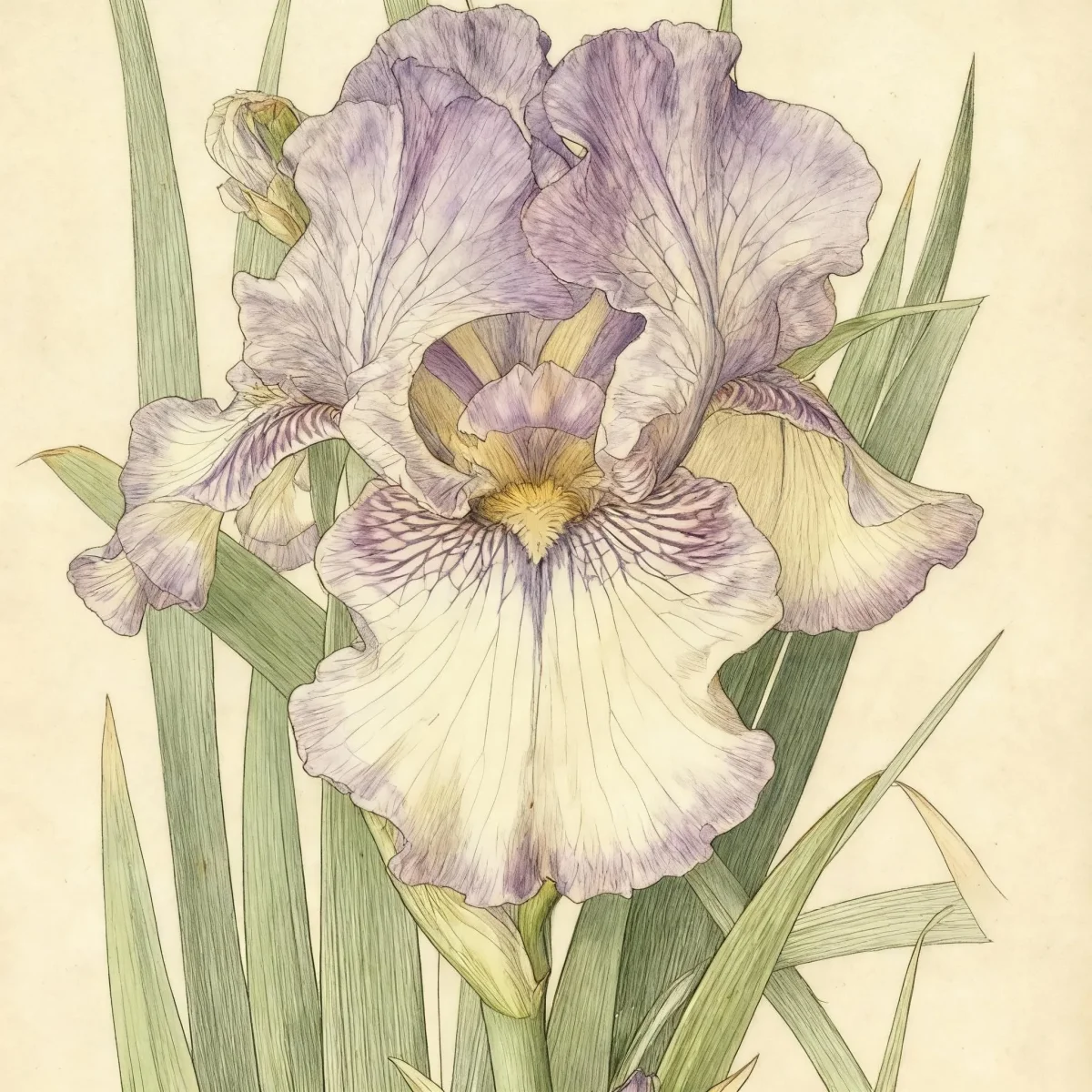
Tall Bearded Iris forms a rhizomatous group known for tall stems bearing multiple blossoms over 5 inches wide, featuring upright standards and pendant falls. ‘Buckwheat’ specifically reaches about 36 inches, presenting light yellow standards and medium yellow falls with a greenish-tan wash, accented by a yellow beard. While bred to rebloom, successful reblooming depends heavily on climate, soil health, and consistent cultural care, meaning flowers may not appear every year.
Tolerances
- Deer
- Drought
Potential Problems
Iris ‘Buckwheat’ can be susceptible to several fungal and pest issues if cultural requirements are ignored. Watch for leaf spot, bacterial soft rot, crown rot, and root rot, which are often exacerbated by poor drainage. Pests like slugs, snails, aphids, thrips, and the damaging iris borer require vigilance.
The most important control measure is excellent sanitation. Promptly remove and destroy any diseased foliage or rhizomes, especially those showing signs of borer damage. A thorough annual cleanup of all debris in the bed after the first hard frost aids significantly in minimizing overwintering pests and pathogens.
Failure to flower, or sparse reblooming, in this Tall bearded reblooming iris is commonly attributed to planting rhizomes too deeply, excessive shade, over-fertilization, or overcrowding requiring division. Addressing these cultural points is vital before assuming a fungal issue is present.
Frequently Asked Questions
What hardiness zones is Tall bearded reblooming iris suitable for?
Iris ‘Buckwheat’ is suitable for USDA Zones 3-10, offering wide adaptability across many climates.
How large does Iris ‘Buckwheat’ grow?
This variety typically reaches a height between 2.5 and 3 feet tall, with a spread of 1 to 2 feet.
What sun exposure does Iris ‘Buckwheat’ need?
This iris requires full sun for the best performance, though it can tolerate some part afternoon shade, particularly where summer heat is intense.
When does Tall bearded reblooming iris bloom?
The primary bloom time for this variety is listed as May, offering yellow flowers with a distinctive greenish-tan tinge on the falls.
Conclusion
Iris ‘Buckwheat’ is a valuable landscape addition, delivering the classic height and structure of Tall Bearded Irises combined with the potential for extended color via its reblooming nature, along with excellent deer and drought resistance. To ensure a successful display, review your site conditions, paying special attention to soil drainage and summer watering schedules for this fantastic Tall bearded reblooming iris.
Companion Planting
When establishing Iris ‘Buckwheat’, select companion plants that share its need for full sun and excellent drainage. Consider pairing it with other drought-tolerant structural perennials that won’t crowd the rhizomes. Good matches include Russian Sage (Perovskia atriplicifolia) or various ornamental salvias, whose dry climate preferences align well with the needs of the Iris.
Avoid overcrowding at the base of the plant, as this restricts air movement and encourages rot. Companions should have a finer texture to contrast with the stiff, sword-like leaves of the iris. Low-growing sedums or creeping thyme can serve as living mulch around the periphery of the grouping, suppressing weeds without inhibiting necessary air circulation around the rhizomes.
Propagation Tips
The primary method for propagating Iris ‘Buckwheat’ is vegetative division of the rhizomes, which is critical for maintaining vigor and bloom density. This process should ideally be undertaken in late summer (August) after the spring bloom season has completely finished and the plant is starting to go dormant.
Use a sharp, clean garden fork to carefully lift the entire clump, disturbing the soil as little as possible. Separate the rhizomes, ensuring each section you replant contains a healthy fan of leaves and a measurable piece of the thick, fleshy root structure. Discard any overly old, punky, or diseased sections to maintain plant health moving forward.
When replanting, follow the specific guide for Iris ‘Buckwheat’: plant shallowly on a small mound of soil about 12 to 20 inches apart, ensuring the growing end (leafy part) faces forward and about one-third of the rhizome remains exposed to the sun to promote proper hardening and flowering cues for the following season.