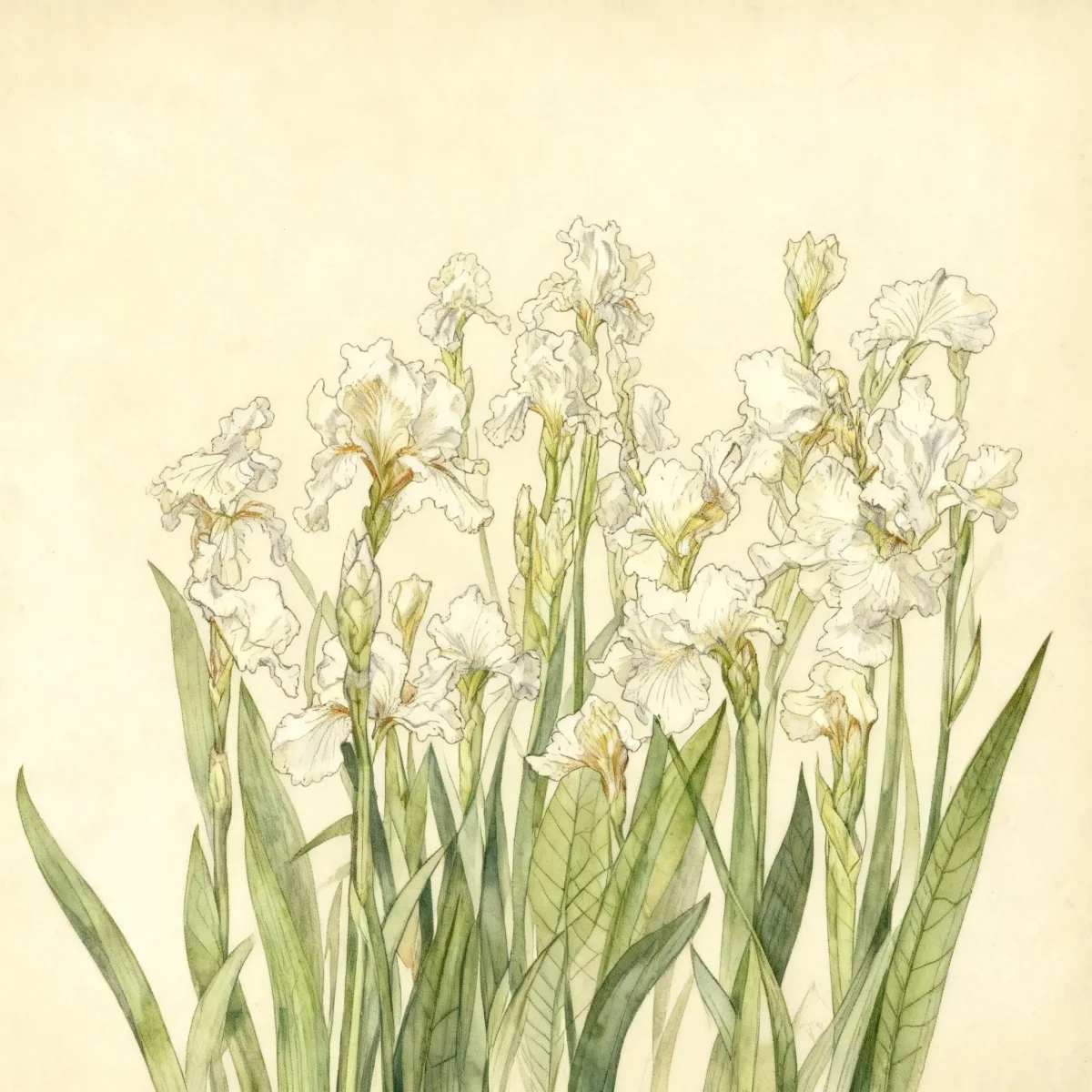
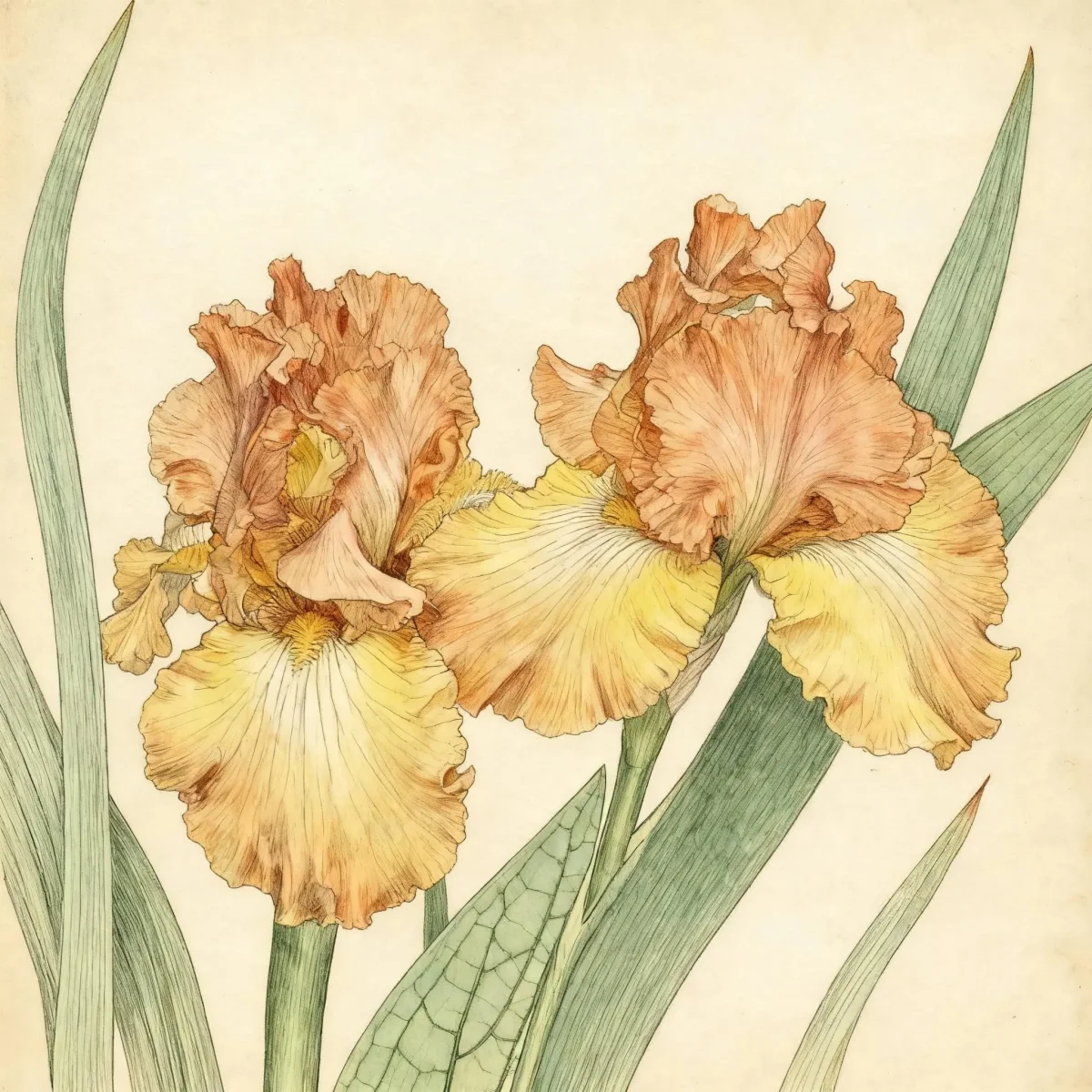
Tall bearded iris (Iris 'City Lights')
Iris 'City Lights' is a stunning Tall bearded iris, offering violet-blue blooms. Hardy in Zones 3-10 and needs full sun.
Scroll down to discover growing tips, care requirements, companion plants, and more
Complete Plant Information
Overview
Iris ‘City Lights’ is a highly desirable reblooming cultivar within the Tall bearded iris group, known for its impressive stature and reliable color display. This herbaceous perennial brings strong vertical interest to the garden with its 3-foot height and striking bicolored flowers. Gardeners value the Iris ‘City Lights’ for its extended season of interest provided by its remontant nature.
As a Tall bearded iris, it features the classic structure—upright standards and pendant falls dusted with a distinctive beard—making it a centerpiece in sunny borders. Successful cultivation hinges on ensuring thorough drainage, especially when planting the rhizomes in late summer or fall.
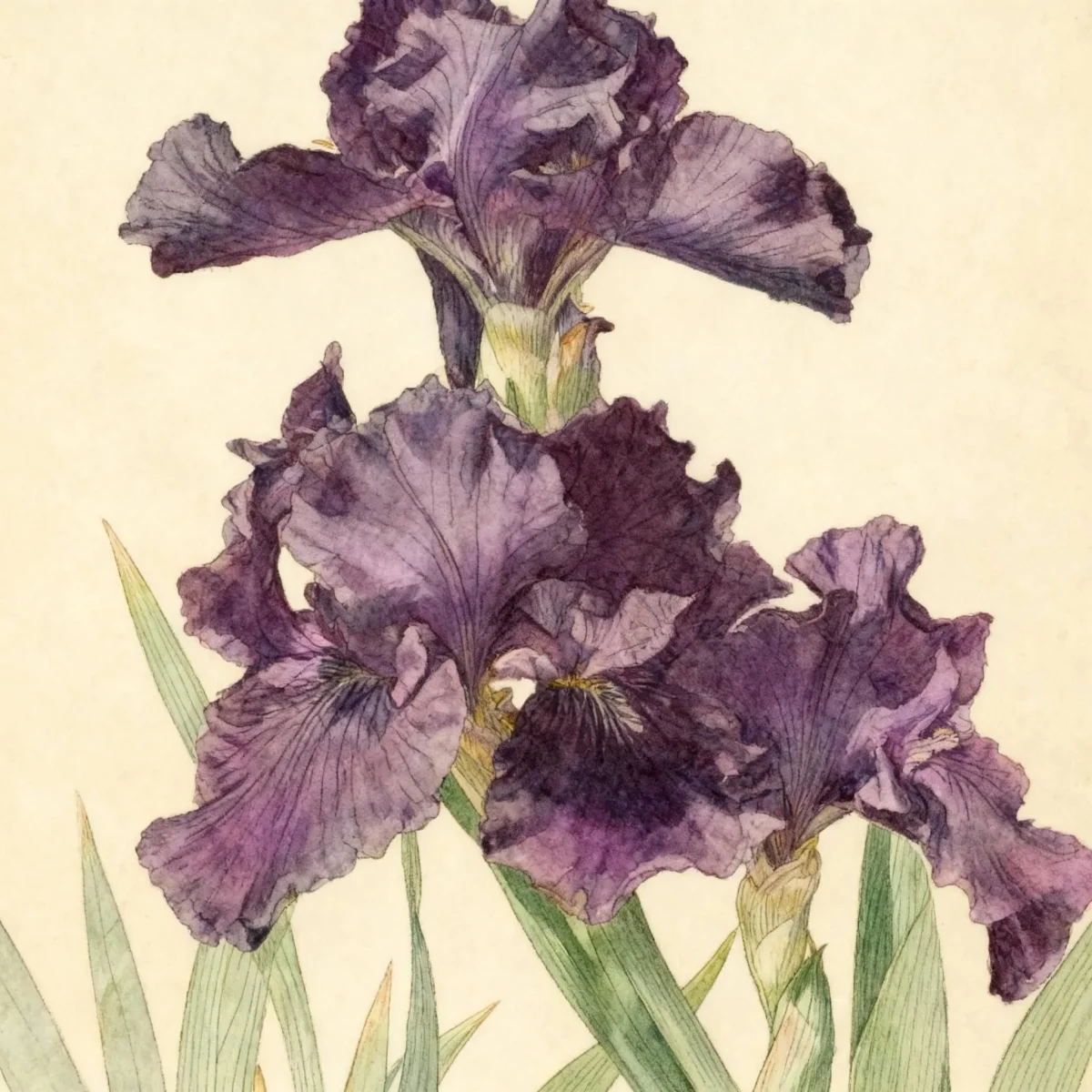
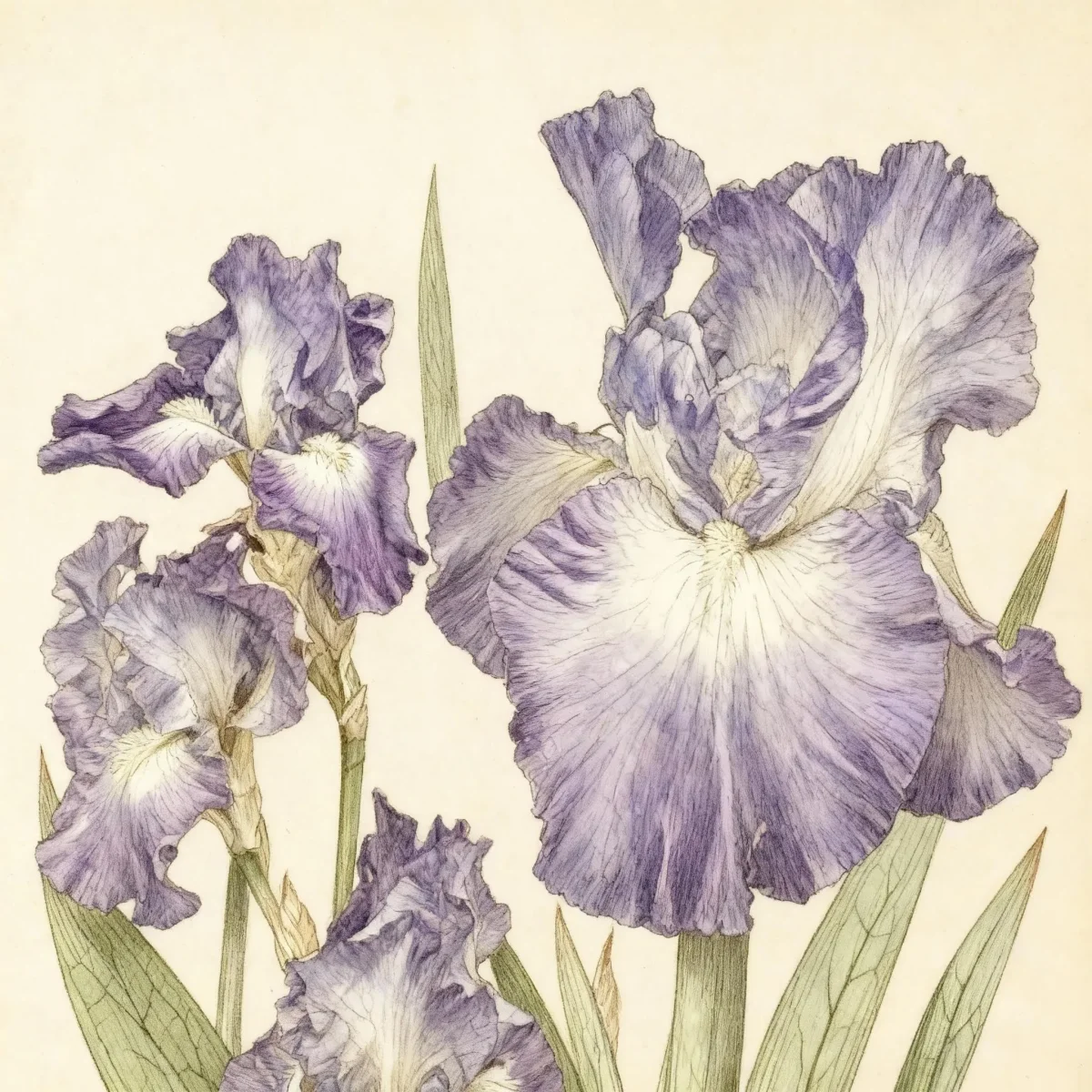
This specific iris offers significant aesthetic impact, combining rich violet-blue tones with contrasting white centers, ensuring the Tall bearded iris provides color from late spring well into the season if rebloom occurs. Planting Iris ‘City Lights’ in drifts maximizes its dramatic potential in the landscape.
Fast Facts
- Plant Family: Iridaceae
- Plant Type: Herbaceous perennial
- Hardiness Zones: USDA Zones 3-10
- Size at Maturity:
- Height: 2.5-3 ft
- Spread: 1-2 ft
- Bloom Time: May
- Bloom Description: Violet blue with white center zones
- Sun Exposure: Full sun
- Water Needs: Medium
- Maintenance Level: Medium
How to Grow
Plant rhizomes of Iris ‘City Lights’ shallowly in well-drained soil amended for average moisture retention, setting the top third of the rhizome exposed above the soil line. For optimal performance, choose a location receiving full sun; however, this Tall bearded iris can tolerate a bit of part afternoon shade, especially helpful in very hot climates. The ideal planting window is late July through October, depending on your winter severity, spacing new rhizomes 12 to 20 inches apart.
Ensure constant moisture from spring until six weeks after the initial bloom cycle finishes to support robust growth and encourage potential rebloom. While established plants show some drought tolerance, consistent water yields the best results. Drainage is paramount; if your soil tends toward heavy clay or experiences high rainfall, plant the rhizomes on slopes or in raised beds to prevent the potentially fatal rhizome rot.
Keep the iris bed clear of weeds to reduce competition for resources. Over time, clumps of this Tall bearded iris may become crowded; if flowering diminishes, lift and divide the clump in late summer (August) using a garden fork, then replant the divisions immediately.
Landscape Uses
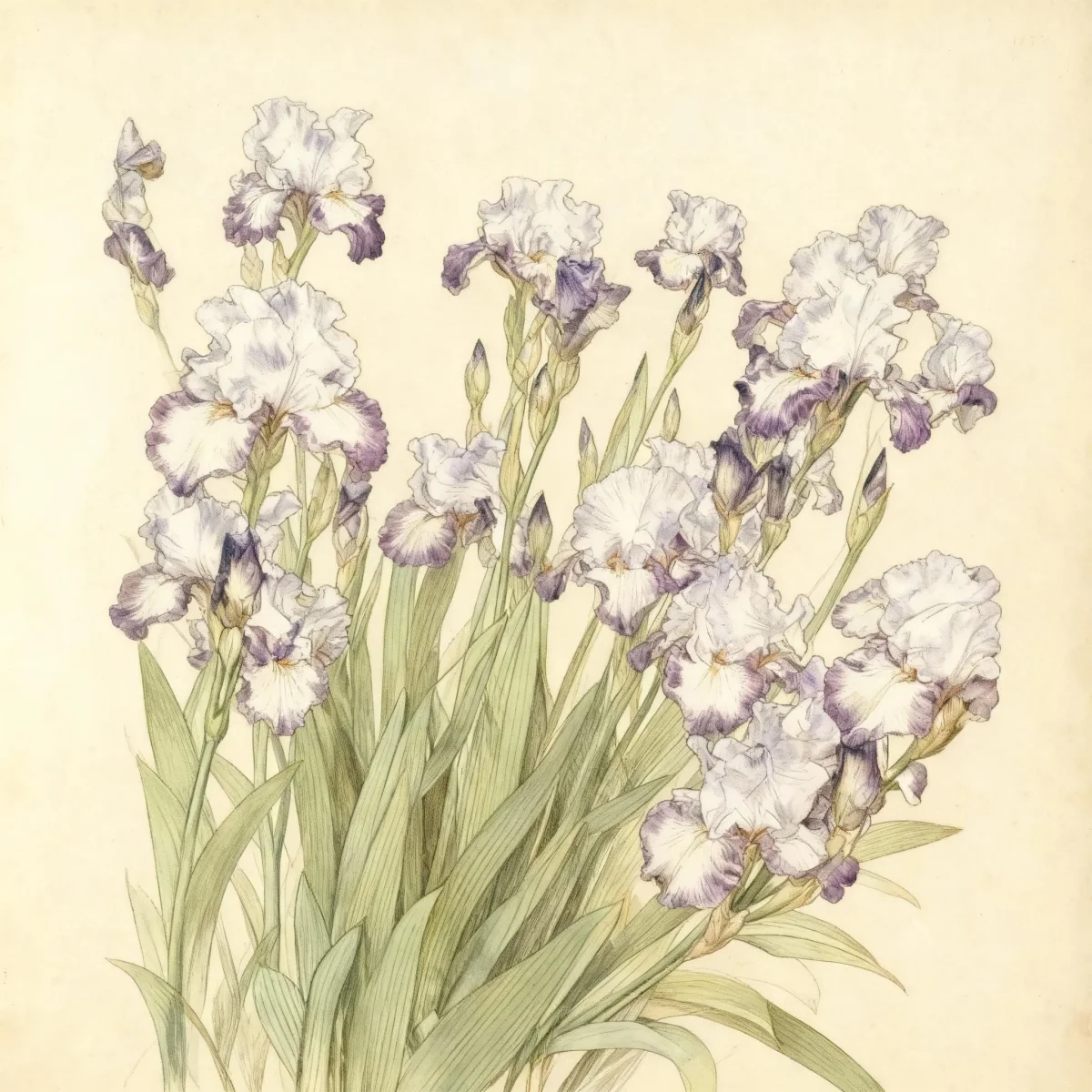
Tall bearded iris cultivars, including Iris ‘City Lights’, excel when massed or grouped in locations where their impressive height and flower quality can be fully appreciated. They are fantastic for the middle to back of perennial borders, providing strong vertical punctuation against mid-height shrubs or foundational plantings. The vibrant violet-blue color of Iris ‘City Lights’ contrasts beautifully with silver foliage or plants blooming yellow or orange in mid-season.
When designing beds, group these rhizomatous flowers near pathways or seating areas to allow closer inspection of the flower structure and to capture any slight fragrance. Because they grow well in sunny areas, pair them with sun-loving companions like Salvia, Daylilies, or ornamental grasses that share similar medium water requirements.
Standout Features
Flower Qualities
- Showy
Noteworthy Characteristics
Tall Bearded Iris cultivars like Iris ‘City Lights’ are known for having stems exceeding 27.5 inches, often branching to hold numerous blossoms over five inches wide, each featuring prominent standards and falls. Iris ‘City Lights’ specifically is a reblooming type, typically reaching 37 inches tall, showcasing violet-blue coloring with defining white zones centered on the petals and a pale yellow beard. These established plants form attractive clumps over time, characterized by upright, sword-shaped linear leaves.
Tolerances
- Deer
- Drought
Potential Problems
Iris ‘City Lights’ is generally robust but susceptible to several common iris ailments. Fungal issues like leaf spot, root rot, bacterial soft rot, and crown rot can plague the rhizomes, particularly in overly wet or poorly drained conditions. Soil moisture management is the single most critical factor in preventing these diseases.
Pests to monitor include slugs, snails, aphids, thrips, and especially iris borers, which can severely damage foliage and flowers. A rigorous sanitation schedule is the best preventative defense against both pests and diseases. This involves promptly removing and destroying any diseased foliage or rhizomes.
If your Tall bearded iris fails to bloom well, check for overly deep planting depth, excessive shade, over-fertilization, or severe overcrowding requiring division. Always conduct a thorough fall cleanup, removing all garden debris once frost has occurred.
Frequently Asked Questions
What hardiness zones is Tall bearded iris suitable for?
This plant is suitable for USDA Zones 3-10.
How large does Iris ‘City Lights’ grow?
Iris ‘City Lights’ typically reaches a height between 2.5 and 3 feet, with a spread of 1 to 2 feet.
What sun exposure does Iris ‘City Lights’ need?
This variety requires full sun exposure for the best performance and reliable flowering.
When does Tall bearded iris bloom?
This cultivar blooms in May, displaying violet blue with white center zones flowers, with potential for rebloom later in the season.
Conclusion
Iris ‘City Lights’ provides exceptional vertical structure and reliable color coverage, making this Tall bearded iris a staple for sunny perennial plantings. Its ability to slowly spread by rhizomes ensures evolving texture in your garden display. Before planting, confirm your local hardiness zone (3-10) and aim to install rhizomes during the late summer or fall window to set the stage for next season’s magnificent violet-blue show.
Companion Planting
Selecting companions for Iris ‘City Lights’ should focus on plants that thrive in full sun and require medium, consistent moisture, but do not require digging or disturbing the iris rhizomes during the growing season. Low-growing, silvery-leaved plants like Lamb’s Ears (Stachys byzantina) create an excellent textural contrast at the base of the tall stalks.
Consider pairing the iris with summer-blooming perennials such as Catmint (Nepeta) or sturdy, relatively dry-tolerant ornamental grasses. These companions help mask the sometimes untidy appearance of the iris foliage after the main spring bloom finishes, maintaining a finished look throughout the summer.
Propagation Tips
Propagation for Iris ‘City Lights’ is straightforward and relies entirely on division of the rhizomes, as this is a hybrid cultivar propagated asexually. Only divide established clumps after they have flowered well for several years and appear overcrowded, typically in late summer (August).
When dividing, use a clean, sharp tool to separate the rhizomes, ensuring each new section retains at least one healthy fan of leaves attached to a segment of the thick, fleshy rootstock. Plant these divided rhizomes individually following the specific shallow planting instructions detailed in the cultural requirements section to promote immediate root establishment.