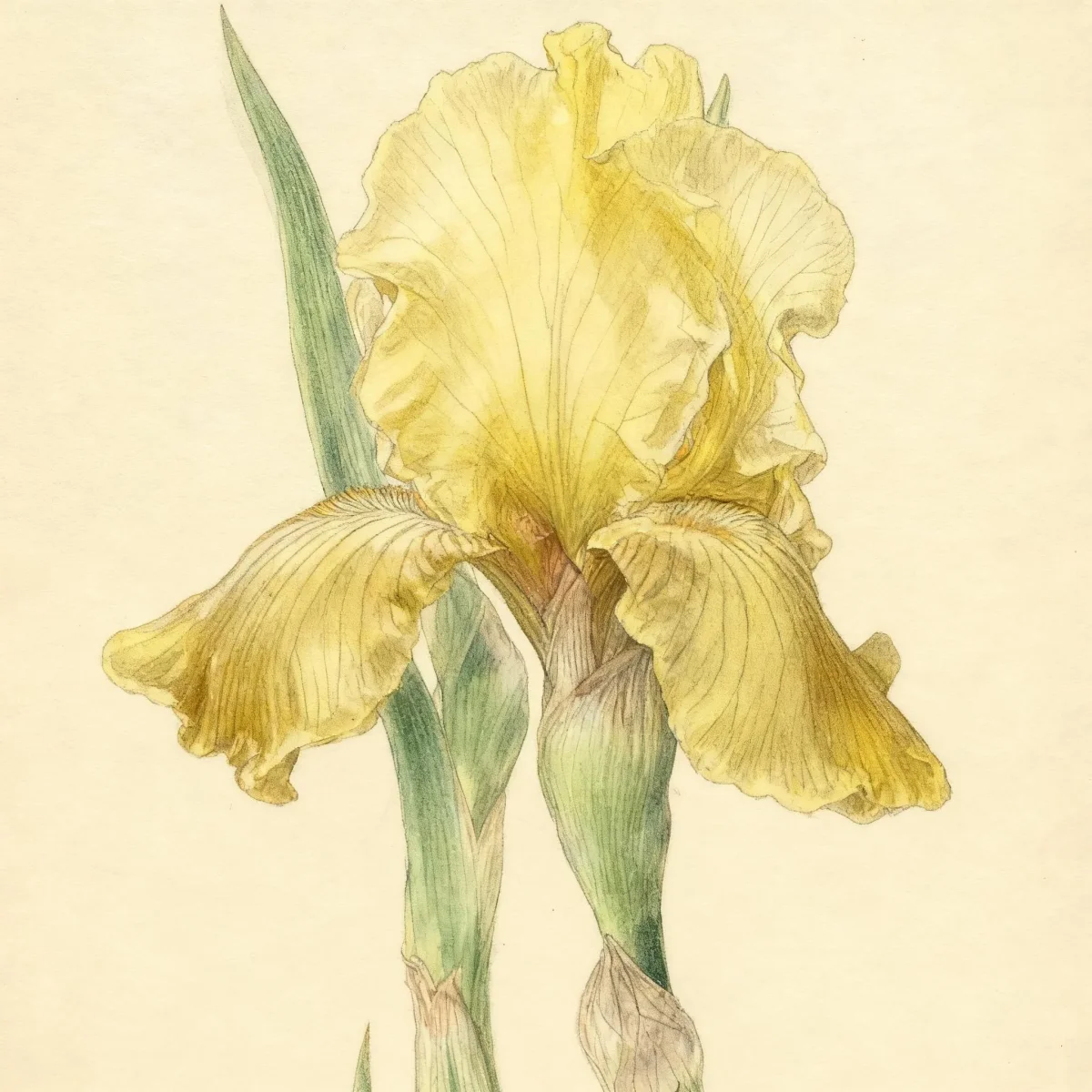
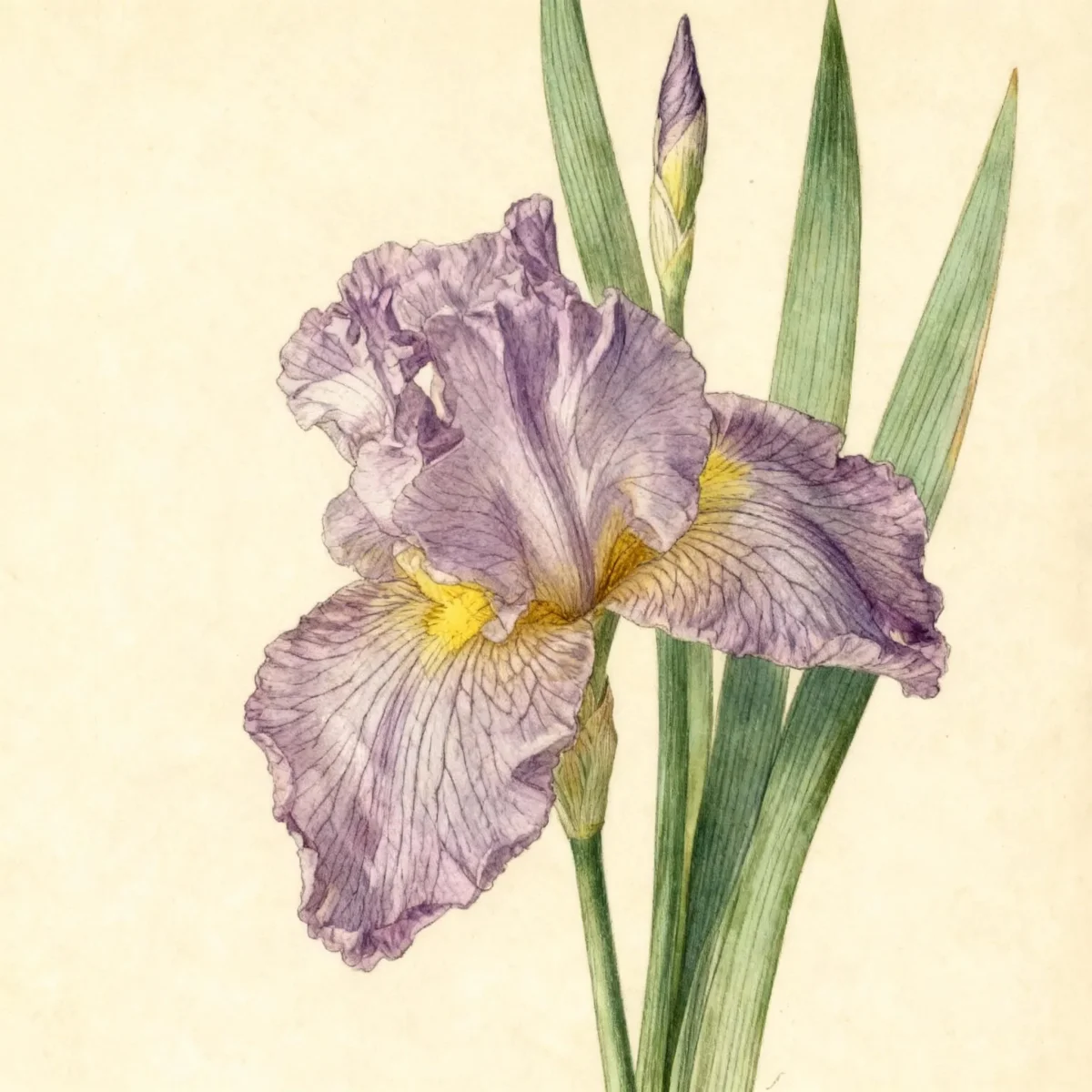
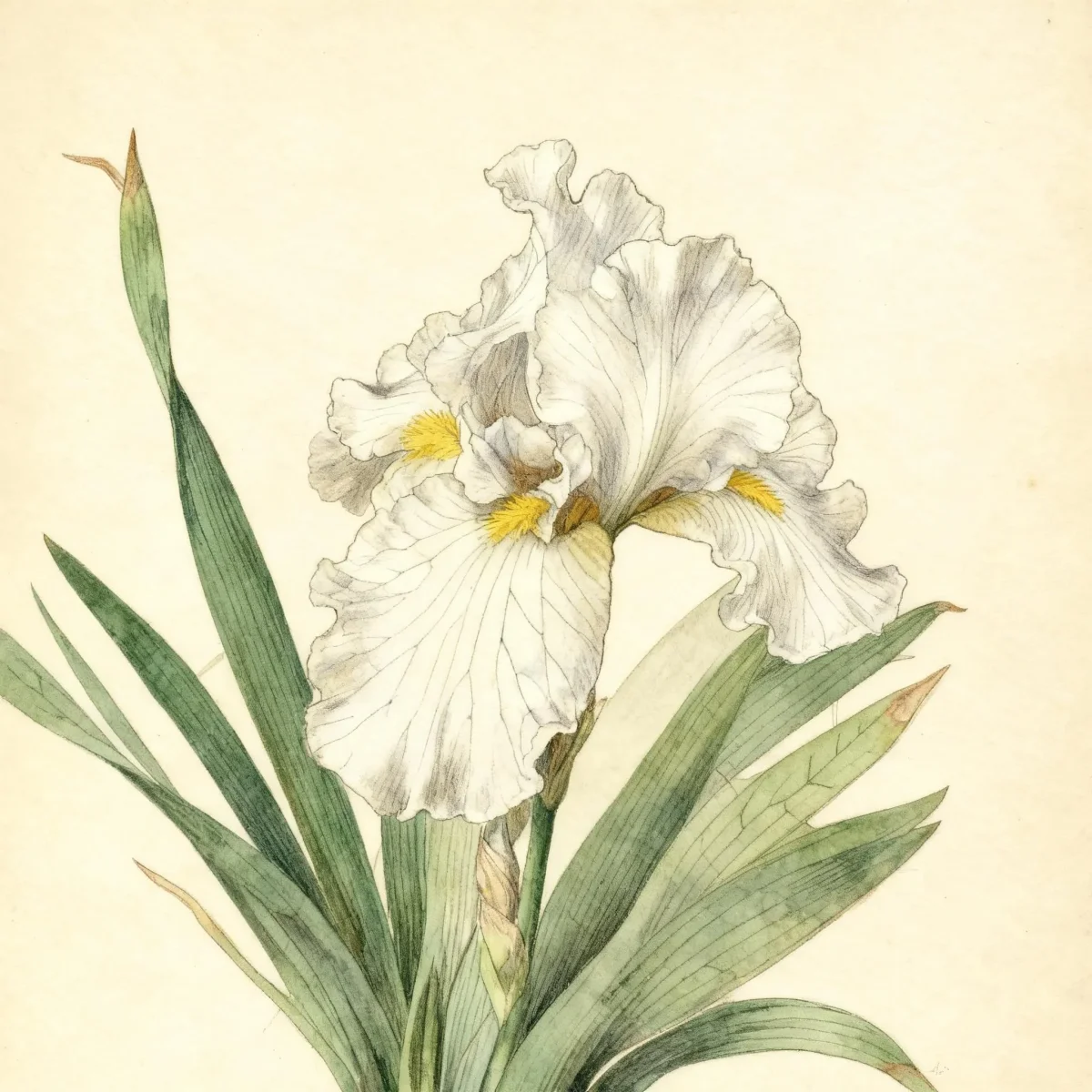
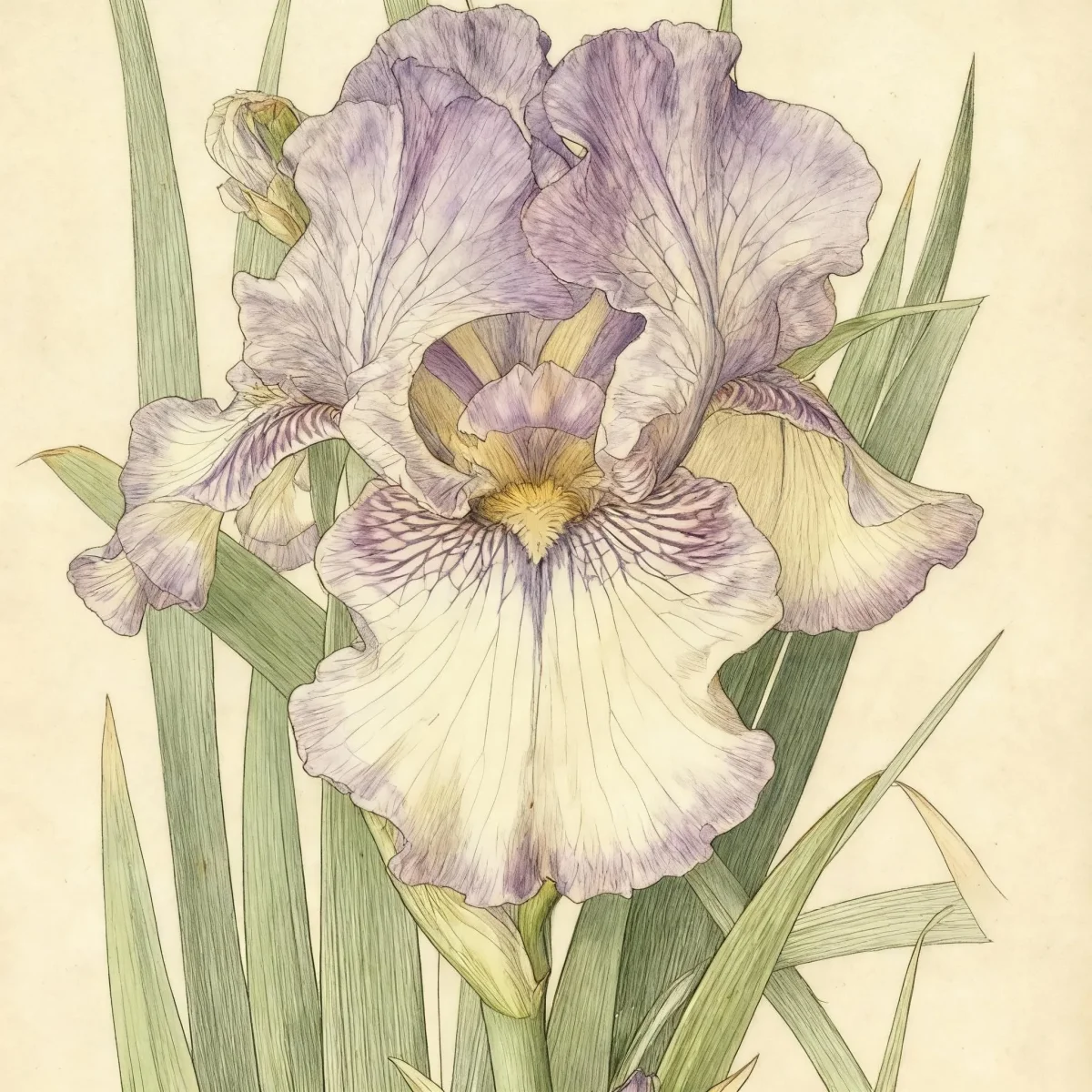
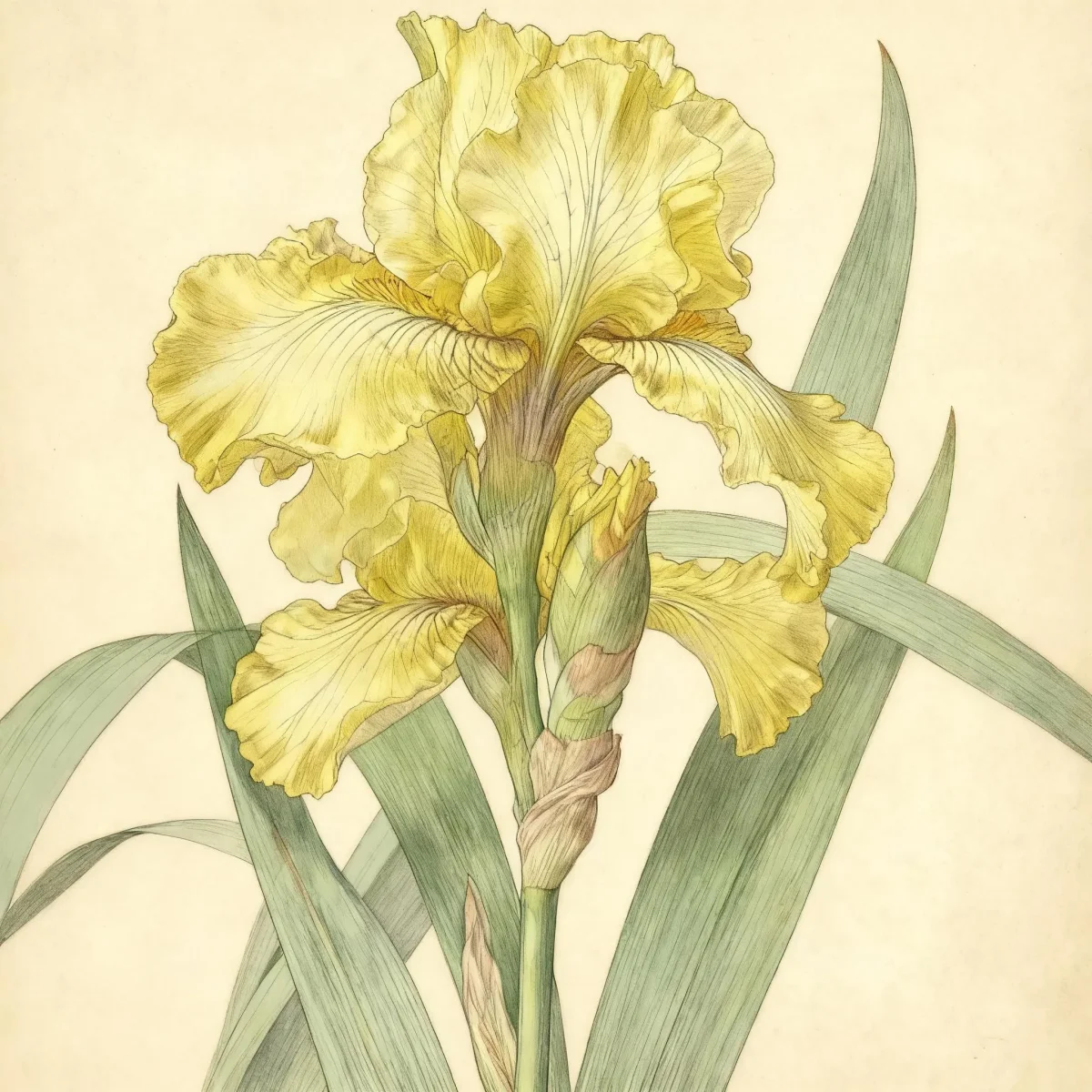
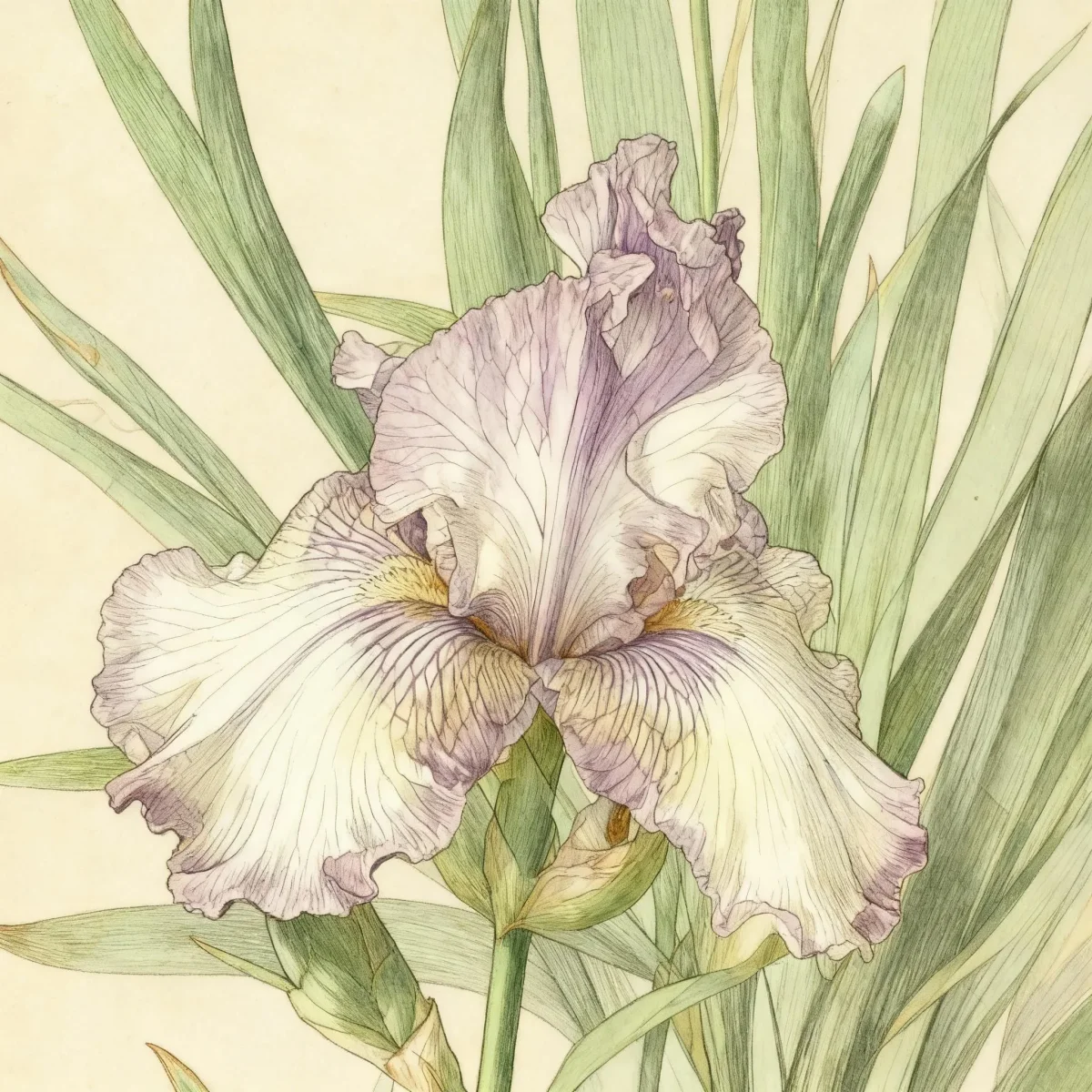
Tall bearded reblooming iris (Iris 'Clarence')
Iris 'Clarence' is a stunning Tall bearded reblooming iris with white standards and blue-violet falls, perfect for zones 3-10.
Scroll down to discover growing tips, care requirements, companion plants, and more
Complete Plant Information
Overview
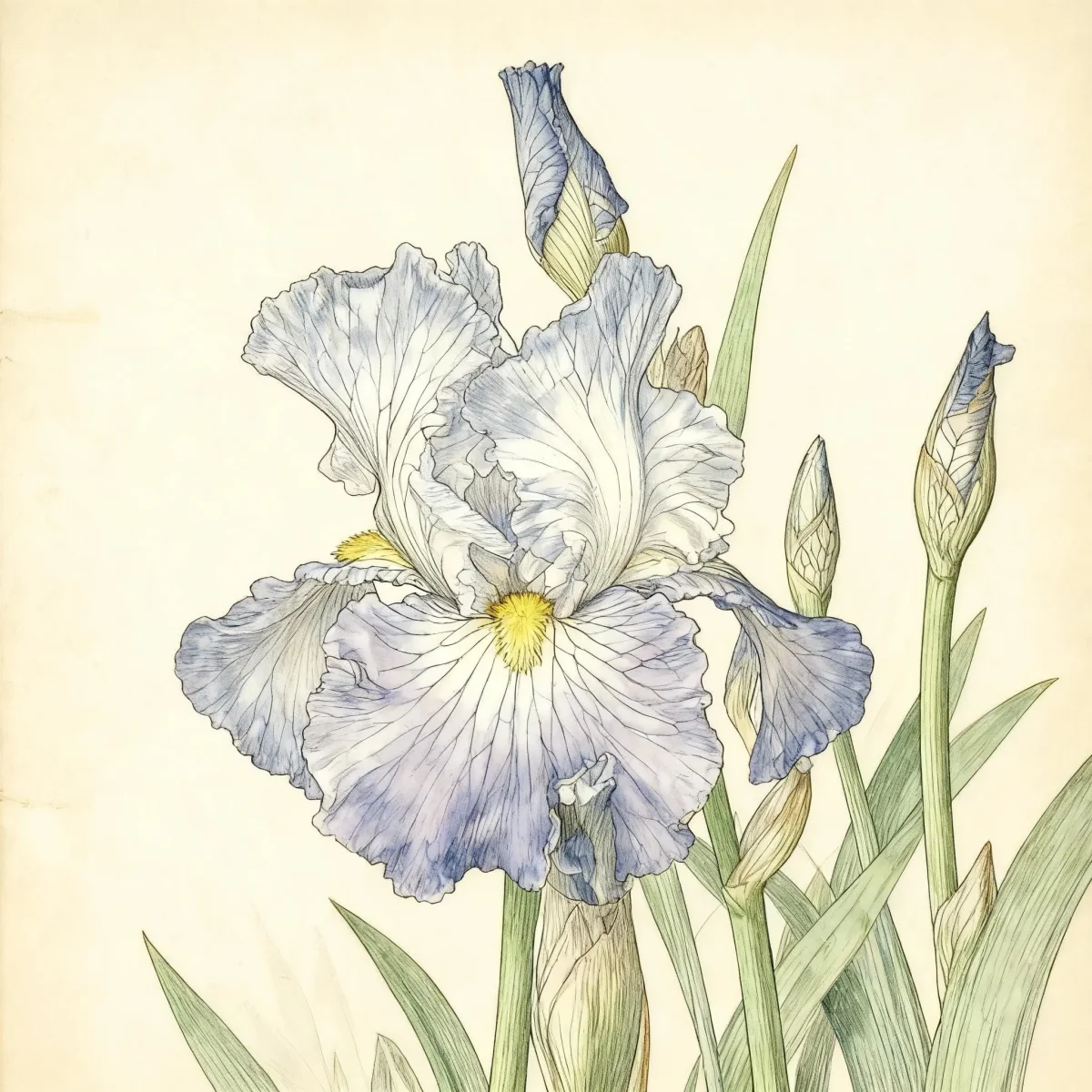
Iris ‘Clarence’ offers dedicated gardeners the joy of extended color, classifying it as a highly desirable Tall bearded reblooming iris. This cultivar is recognized for its distinctive flower structure, featuring elegant white standards contrasted beautifully against deep violet-blue falls. As a rhizomatous perennial, it reliably forms clumps in the landscape, providing structure with its erect, sword-shaped green leaves.
The appeal of this Tall bearded reblooming iris lies not just in its initial spring display, but in its potential to produce repeat blooms later in the season, dependent upon proper cultural care and favorable climate conditions. Iris ‘Clarence’ typically reaches a mature height around 3 feet, making it a mid-to-back-border star.
Cultivating Iris ‘Clarence’ successfully means prioritizing excellent drainage and providing sufficient sunlight for optimal performance. With medium water requirements once established, this Iris variety is a robust addition to sunny perennial gardens, offering both significant aesthetic impact and reliable, repeat flowering potential.
Fast Facts
- Plant Family: Iridaceae
- Plant Type: Herbaceous perennial
- Hardiness Zones: USDA Zones 3-10
- Size at Maturity:
- Height: 2.5-3 ft
- Spread: 1-2 ft
- Bloom Time: May
- Bloom Description: White (standards) and violet blue (falls)
- Sun Exposure: Full sun
- Water Needs: Medium
- Maintenance Level: Medium
How to Grow
Successful cultivation of Iris ‘Clarence’ begins with proper planting technique, ideally between late July and October, depending on your climate’s winter severity. Plant rhizomes shallowly in well-drained soils, ensuring that about one-third of the rhizome remains exposed above the soil line, supported by a small mound of earth with roots spread horizontally. Full sun exposure is crucial, although a touch of afternoon shade is acceptable in very hot climates.
Watering needs are categorized as medium; ensure consistent moisture from spring through the period where rebloom is completed in late summer or fall. Unlike some Iris types, this Tall bearded reblooming iris benefits from supplemental feeding, requiring fertilizer applications in early spring and again in early July, following the initial flush of blooms. Good drainage is paramount to prevent rhizome rot, especially in clay soils or areas with high rainfall; consider planting on slopes or in raised beds.
Annual maintenance for your Iris ‘Clarence’ clump involves diligence with weed control and recognizing when division is necessary, usually when overcrowding occurs, which is best done in late summer (August). Promptly removing all debris in the fall after the first frost aids in controlling pests and diseases that might otherwise overwinter near the crown.
Landscape Uses
The impressive vertical presence and striking bicolor flowers make Iris ‘Clarence’ ideal for foundational plantings or along sunny perennial borders where its height (2.5 to 3 feet) can be appreciated without overshadowing shorter companion plants. Grouping or massing several rhizomes together creates a significant impact when the Tall bearded reblooming iris begins its display in May.
These plants thrive when integrated into mixed perennial beds that offer varied textures throughout the season. To complement the vertical lines of Iris ‘Clarence’, pair them with mounding perennials like Peonies or lower groundcovers that do not impede air circulation around the rhizomes. Ensure the placement allows for the full sun exposure necessary to encourage robust growth and the celebrated rebloom.
Standout Features
Flower Qualities
- Showy
- Fragrant
Noteworthy Characteristics
Tall Bearded Iris cultivars, including ‘Clarence’, feature standards held upright and falls that droop downwards, often sporting a visible, bushy beard. This specific reblooming cultivar, generally reaching 35 inches high, is noted for its white-tinted standards and light blue-violet falls, which highlight its fragrant nature. Like all Tall Bearded Irises, they grow via rhizomes and form dense clumps over time, blooming profusely in the early season with the potential for secondary flowering.
Tolerances
- Deer
- Drought
Potential Problems
A variety of fungal and bacterial diseases can affect your Iris ‘Clarence’, including leaf spot, root rot, bacterial soft rot, and crown rot, alongside mosaic viruses. Furthermore, pests like slugs, snails, whiteflies, aphids, thrips, and especially iris borers, require vigilance. The single most important control measure is excellent sanitation: promptly remove and destroy any diseased or borer-infected foliage or rhizomes, and perform a thorough annual clean-up of all garden debris following the first fall frost.
Failure to bloom or sparse flowering often stems from cultural errors rather than severe disease. Confirm that rhizomes are not planted too deeply, as this is a common mistake. Ensure the plants receive sufficient sunlight, avoid over-fertilizing, and commit to dividing overcrowded clumps every few years to maintain vigor and flowering potential.
Frequently Asked Questions
What hardiness zones is Tall bearded reblooming iris suitable for?
Iris ‘Clarence’ is suited for a wide range of climates, thriving in USDA Zones 3 through 10.
How large does Iris ‘Clarence’ grow?
This variety typically matures to a height between 2.5 and 3 feet tall with a spread of 1 to 2 feet.
What sun exposure does Iris ‘Clarence’ need?
This Tall bearded reblooming iris requires full sun exposure for the best health and flowering performance.
When does Iris ‘Clarence’ bloom?
The primary bloom time for Iris ‘Clarence’ is listed as May, producing white standards and violet-blue falls.
Conclusion
Iris ‘Clarence’ provides compelling value to the garden through its significant stature, showy bicolor blooms, and the highly desirable characteristic of reblooming. By adhering to its need for precise rhizome planting depth and ensuring excellent soil drainage, you can successfully cultivate this beautiful Tall bearded reblooming iris. Check your local USDA zone compatibility and plan your late summer/early fall planting window now to enjoy this stately flower next season.
Companion Planting
Selecting appropriate companions enhances the overall health and aesthetic of your Iris ‘Clarence’ planting. Because Iris requires sharp drainage and full sun, choose neighbors that share these preferences and won’t crowd or shade the rhizomes. Good pairings include plants with contrasting textures, such as the airy clouds of Catmint (Nepeta) or the fine foliage of ornamental grasses.
Avoid plants that require heavy summer moisture, as this can exacerbate rhizome rot risks for this Tall bearded reblooming iris. Plants like Daylilies (Hemerocallis) or certain varieties of Salvia work well, as they generally prefer similar drainage profiles once established, creating a cohesive, relatively drought-tolerant sunny border.
Seasonal Care Calendar
Spring demands attention to feeding; apply fertilizer early in the growing season to encourage strong stems and the initial bloom cycle for Iris ‘Clarence’. As the spring bloom subsides, apply a second, lighter application of fertilizer in early July, which supports the plant’s energy reserves needed to develop the rebloom spikes.
Summer is crucial for observational care. Maintain good air circulation around the leafy fans and promptly address any signs of insect activity, especially borers. Keep the soil surface clear of heavy weeds, but avoid cultivating deeply near the rhizomes.
Late Summer/Early Fall is the division window. If the clump of Iris ‘Clarence’ seems crowded (flowering less vigorously), lift the rhizomes using a garden fork in August, divide the older, woody sections, and replant the healthy outer fans immediately according to proper shallow planting techniques.