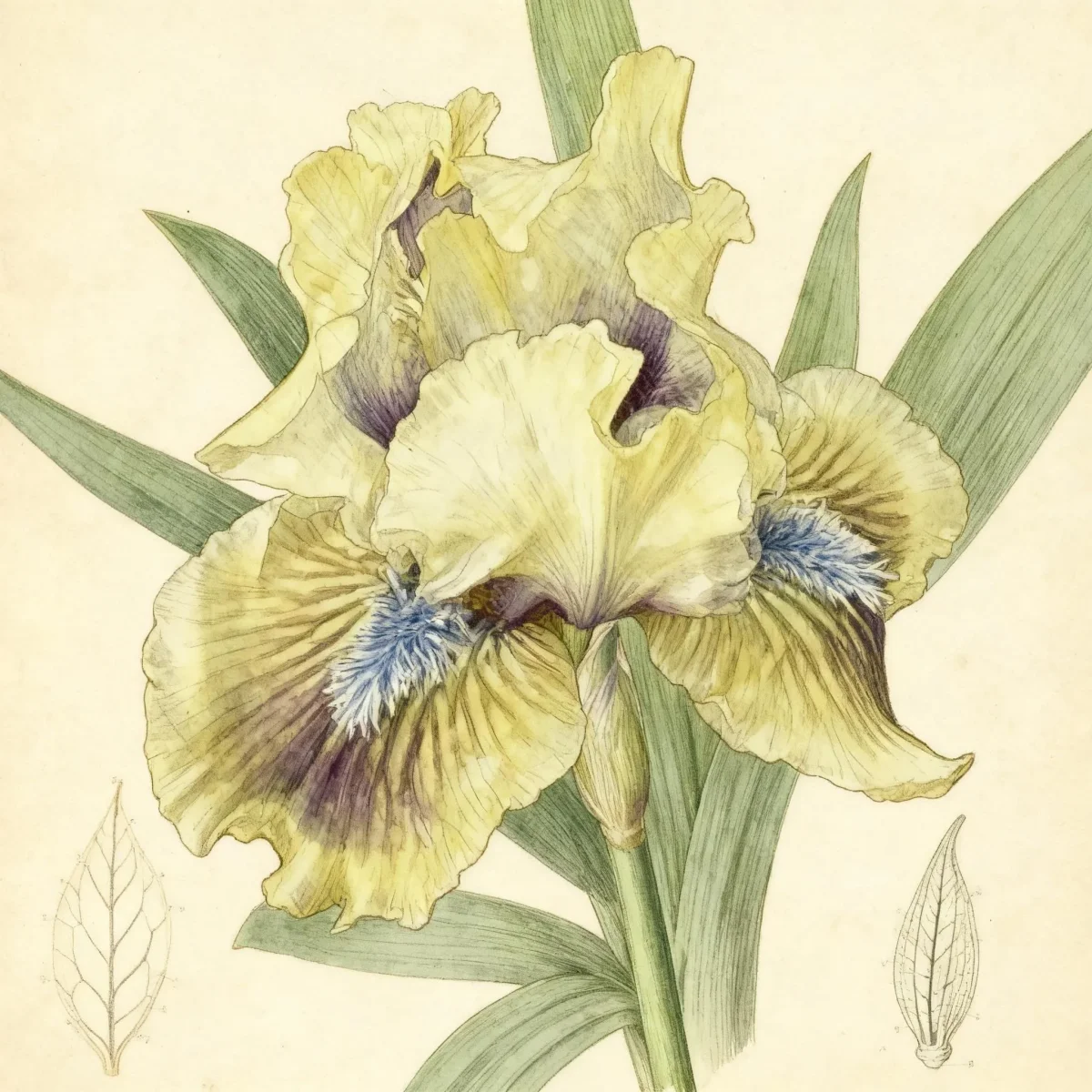
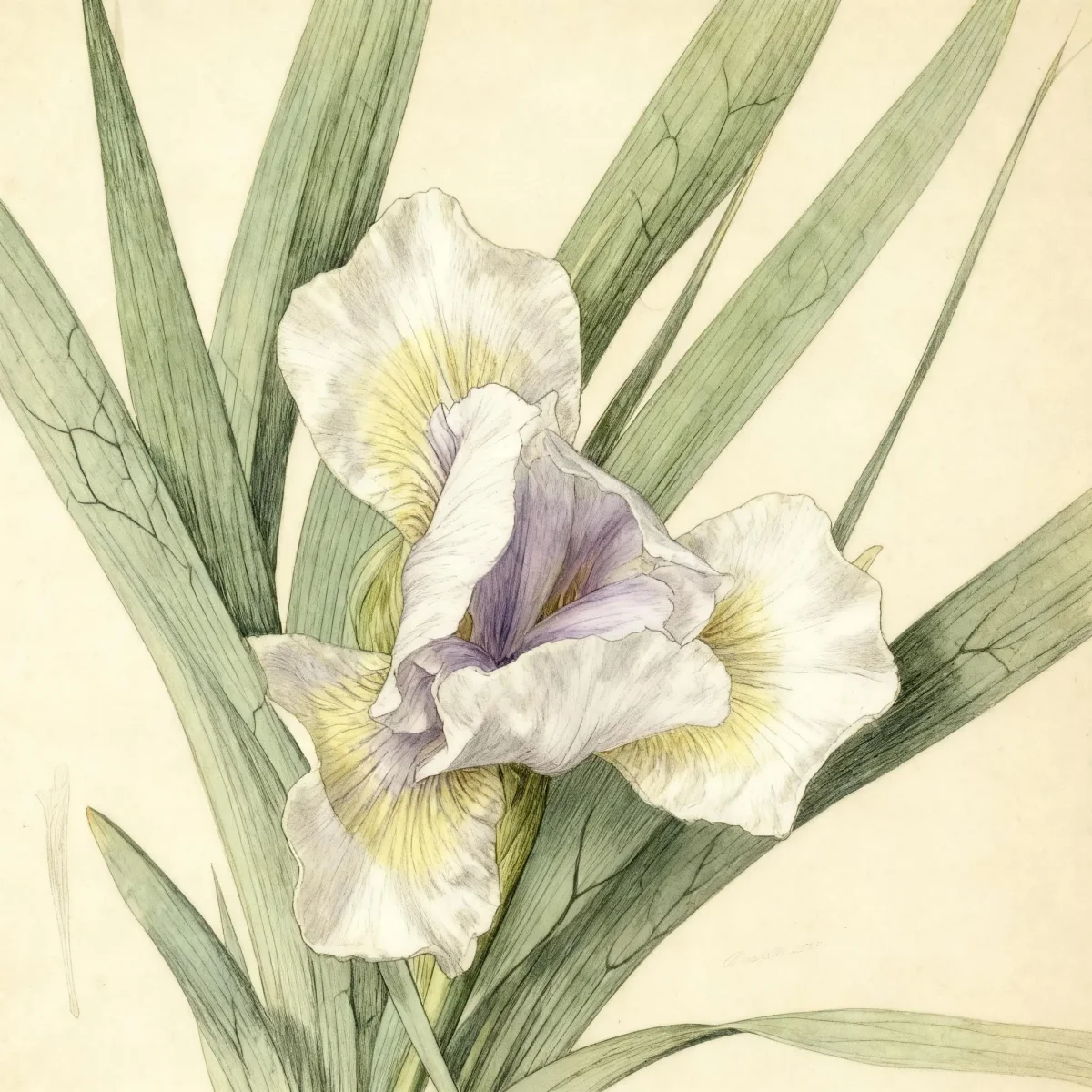
Standard dwarf bearded iris (Iris 'Cocoa Pink')
Iris 'Cocoa Pink' is a charming Standard dwarf bearded iris known for its May blooms. This perennial thrives in full sun with medium water needs.
Scroll down to discover growing tips, care requirements, companion plants, and more
Complete Plant Information
Overview
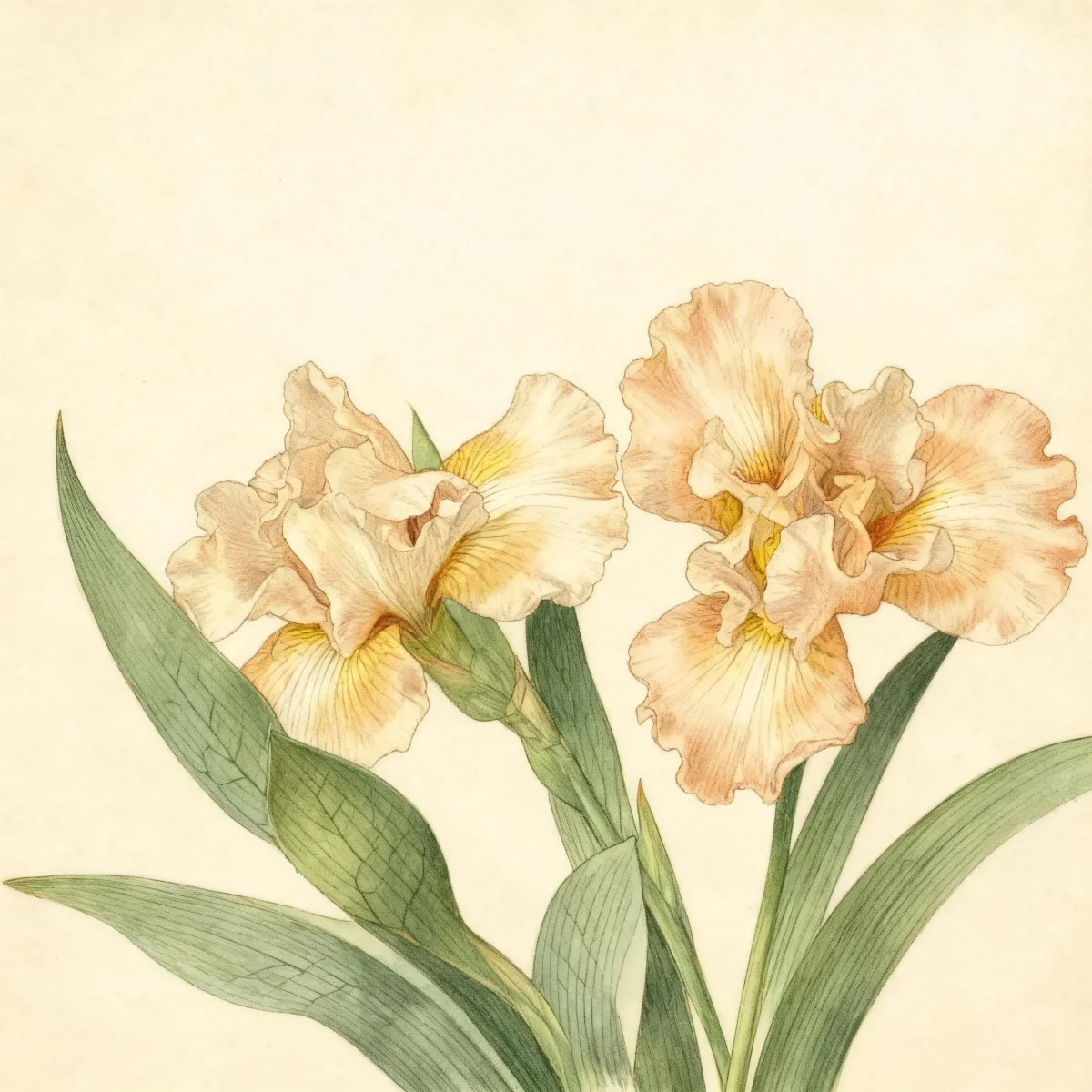
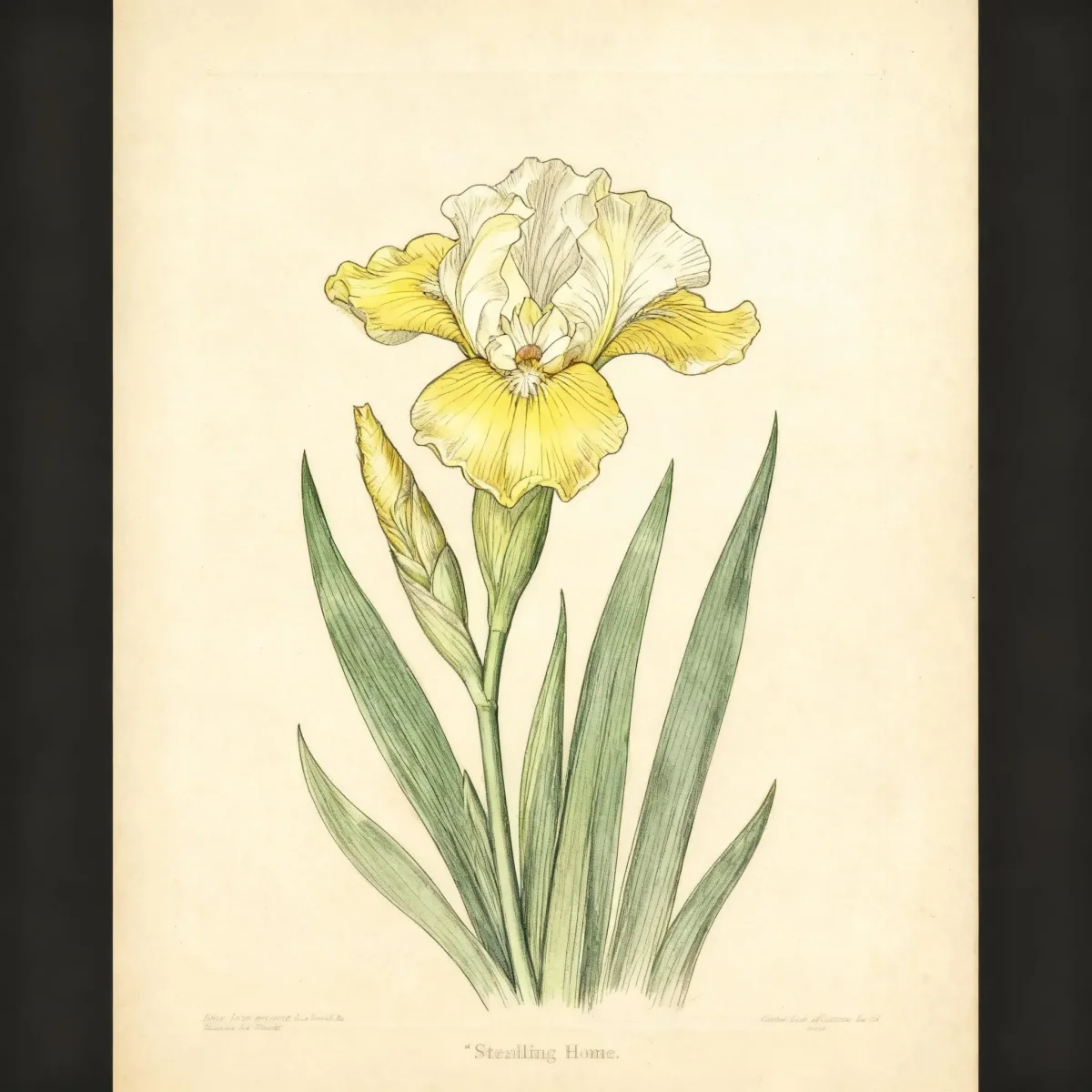
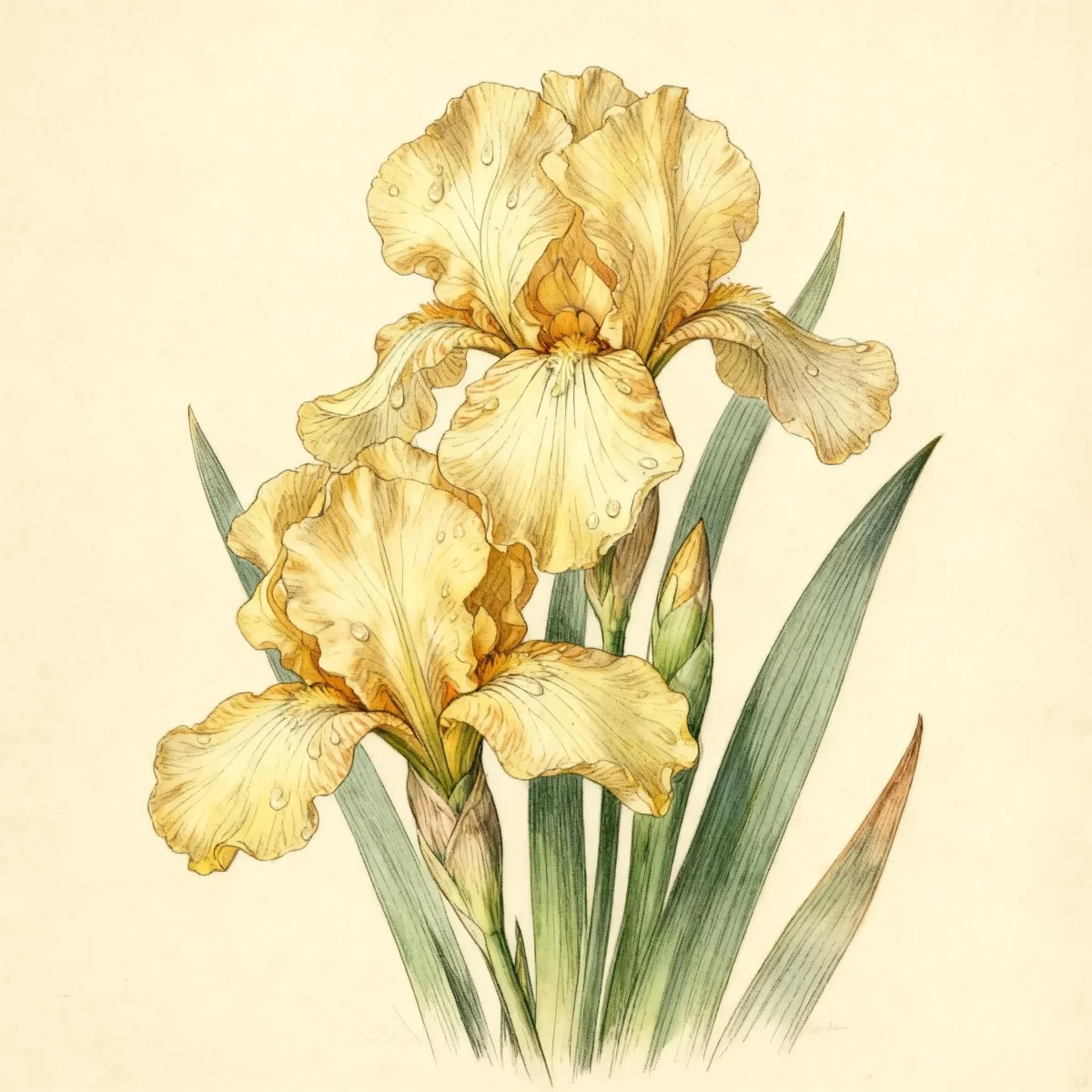
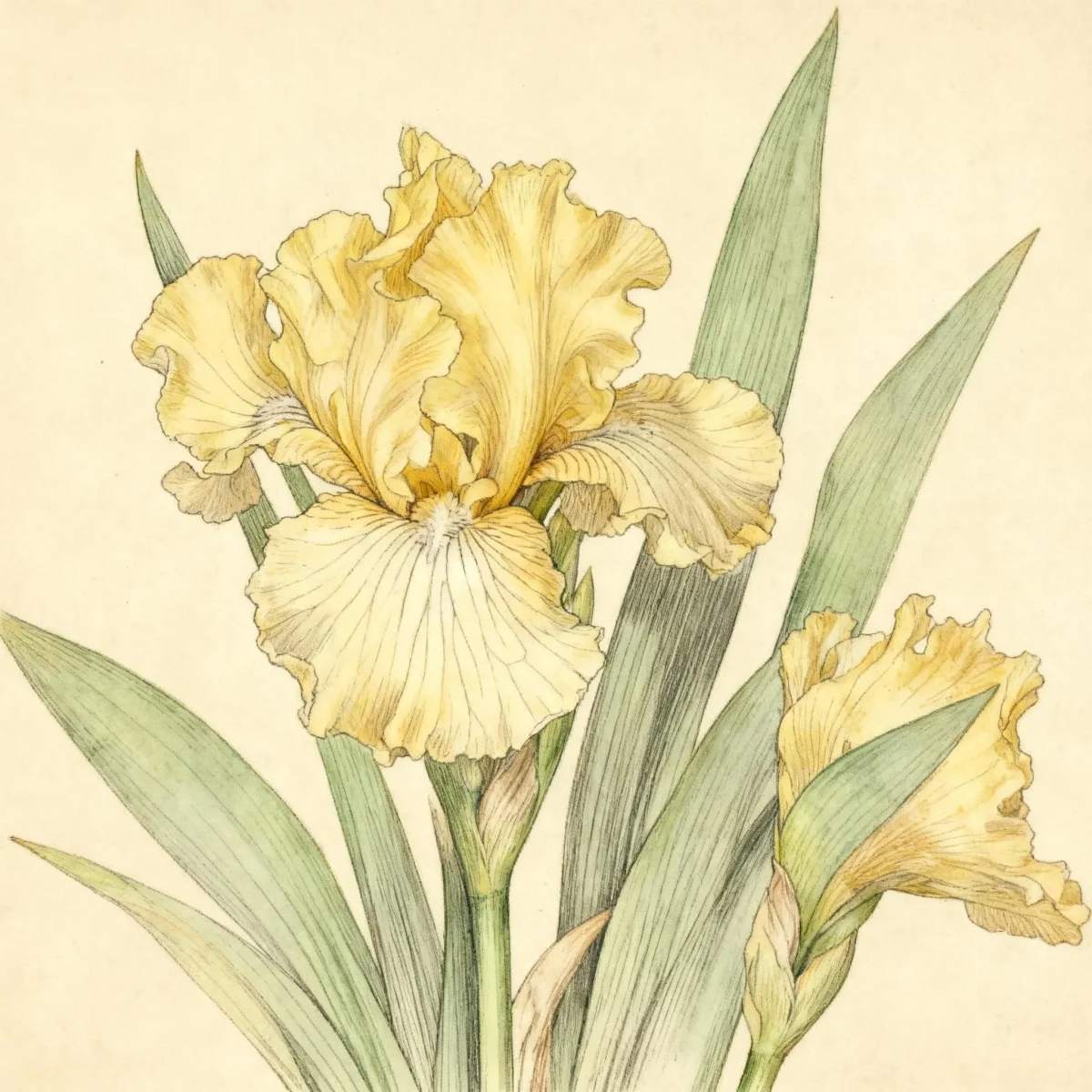
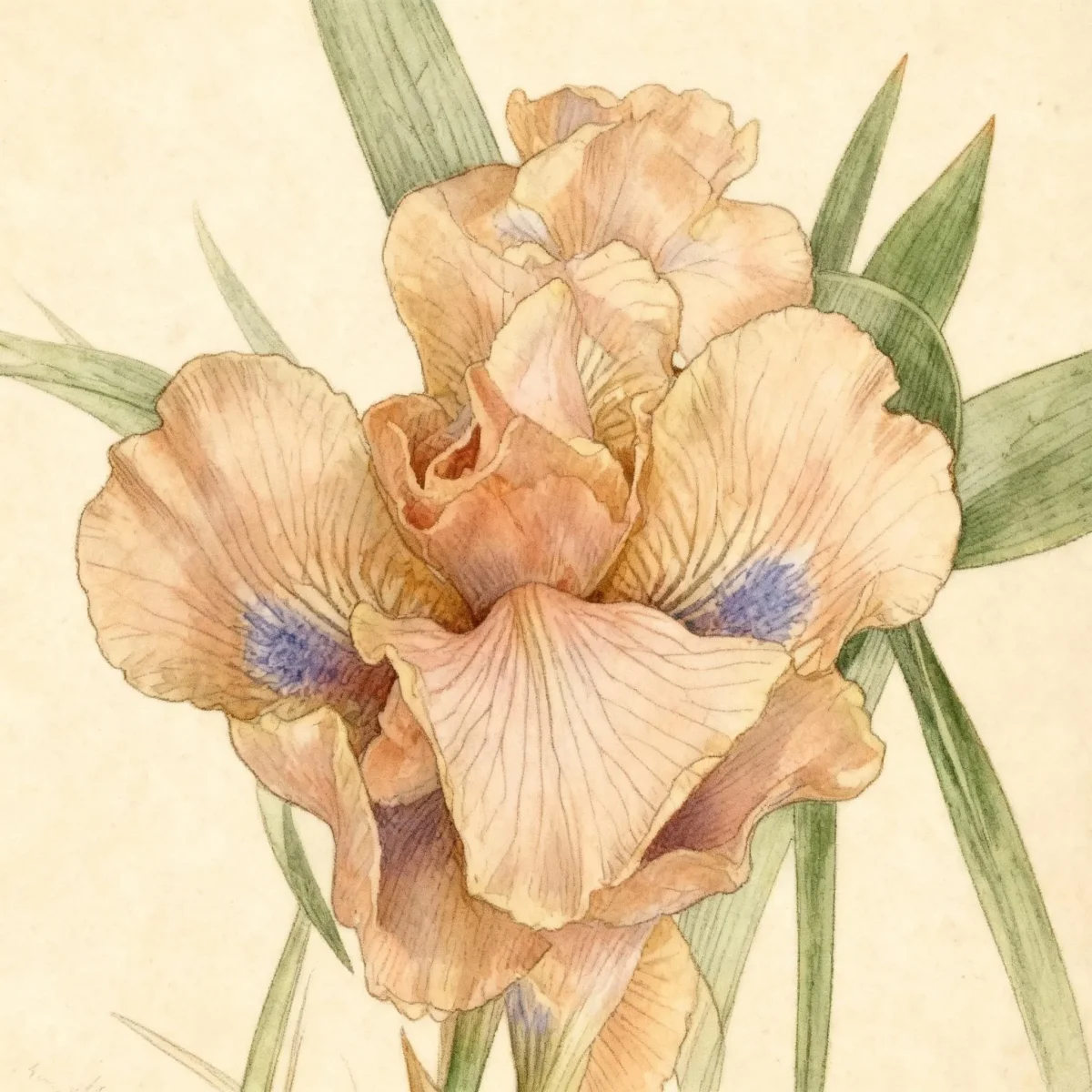
Iris ‘Cocoa Pink’ is a delightful rhizomatous iris belonging to the captivating group known as Standard dwarf bearded iris. This specific cultivar stands out due to its appealing coloration, bringing soft pink standards and cocoa pink falls accented by a blue-tangerine beard to the spring garden. As a robust herbaceous perennial, it quickly forms manageable clumps, providing reliable structure and color.
Growing to a modest height of about 12 inches, Iris ‘Cocoa Pink’ is highly valued for filling in the front of borders or brightening up sunny rock gardens. While generally requiring medium moisture, once established, this Standard dwarf bearded iris shows admirable drought tolerance, making it a practical and beautiful addition to many landscapes.
Gardeners seeking reliable spring color should consider integrating Iris ‘Cocoa Pink’. Its relatively straightforward cultural needs and classic bearded iris form ensure that springtime displays feature both structure and a unique, subtle color palette, perfect for close appreciation.
Fast Facts
- Plant Family: Iridaceae
- Plant Type: Herbaceous perennial
- Hardiness Zones: USDA Zones 3-8
- Size at Maturity:
- Height: 0.5-1 ft
- Spread: 0.5-1 ft
- Bloom Time: May
- Bloom Description: Pink
- Sun Exposure: Full sun
- Water Needs: Medium
- Maintenance Level: Medium
How to Grow
Cultivating Iris ‘Cocoa Pink’ requires attention to drainage, especially if your climate sees heavy rainfall. Plant rhizomes in average, well-drained soils that receive full sun, although some tolerance for light afternoon shade exists, particularly in very hot summers. The best performance for this Standard dwarf bearded iris is seen in light, sandy soils, but if you have clay, planting on slopes or in raised beds is crucial to prevent rhizome rot.
Timing the planting of Iris ‘Cocoa Pink’ is essential for proper establishment. Depending on your region, plant the rhizomes sometime between late July and October. Ensure they are planted shallowly, about 12-20 inches apart, positioned on a small mound of soil so that one-third of the rhizome sits exposed above the soil line, with roots spread horizontally beneath.
Maintain consistent moisture from early spring until about six weeks after flowering has finished; afterward, the plant exhibits some drought tolerance. Keep the bed clean, ensuring the area around your Iris ‘Cocoa Pink’ remains free of weeds. If clumps become overcrowded over time, the August is the ideal time to lift, divide, and replant the rhizomes to maintain vigor.
Landscape Uses
The compact nature of Iris ‘Cocoa Pink’ makes it exceptionally versatile in sunny landscape designs. These Standard dwarf bearded iris varieties are perfect for massing or grouping along sunny walks where their spring blooms can be easily admired. They create beautiful mid-height accents in mixed perennial borders, providing a strong vertical element that transitions well into summer bloomers.
Because of their manageable size, they excel in rock gardens, adding necessary jewel tones against stone textures. Furthermore, Iris ‘Cocoa Pink’ adapts well to container gardening, allowing those with limited garden space to enjoy the delicate beauty of this unique bearded iris near patios or entrances.
Standout Features
Flower Qualities
- Showy
Noteworthy Characteristics
Standard Dwarf Bearded Iris is a rhizomatous iris whose numerous hybrid cultivars grow to 8-16” tall. Iris ‘Cocoa Pink’ is a standard dwarf bearded iris that typically grows to 12” tall, featuring pink standards and cocoa pink falls with a distinctive blue-tangerine beard throat. The genus name honors the Greek goddess of the rainbow, reflecting the vast color diversity available in iris flowers.
Tolerances
- Deer
- Drought
Potential Problems
While generally hardy, Iris ‘Cocoa Pink’ can be susceptible to several fungal and pest issues if conditions are not managed carefully. Fungal diseases such as leaf spot, iris rust, bacterial soft rot, crown rot, and root rot pose risks, primarily when drainage is poor or humidity is high. Prevention means adhering strictly to planting guidelines: ensure rhizomes breathe and never allow standing water.
Insect pests commonly targeting bearded iris include common garden nuisances like slugs, snails, aphids, thrips, whiteflies, and cutworms. In some regions, the pervasive iris borer can cause significant damage, chewing through foliage stems and rhizomes. Regular scouting and prompt treatment with appropriate pesticides or organic controls are recommended.
Frequently Asked Questions
What hardiness zones is Standard dwarf bearded iris suitable for?
Iris ‘Cocoa Pink’ is well-suited for cultivation across a wide range generally considered USDA Zones 3-8.
How large does Iris ‘Cocoa Pink’ grow?
This Standard dwarf bearded iris typically reaches a height and spread between 0.5 and 1 foot mature height.
What sun exposure does Iris ‘Cocoa Pink’ need?
For optimal flowering and health, Iris ‘Cocoa Pink’ requires full sun exposure throughout the day.
When does Iris ‘Cocoa Pink’ bloom?
This variety flowers reliably during the month of May, offering blooms described as pink.
Conclusion
Iris ‘Cocoa Pink’ provides excellent structural beauty and refined coloration ideal for front-of-border planting. This reliable Standard dwarf bearded iris offers medium maintenance with high rewards during its spring bloom time. Before planting, confirm your site provides the necessary full sun and excellent drainage to fully enjoy the beauty of Iris ‘Cocoa Pink’ for years to come.
Companion Planting
When selecting companions for Iris ‘Cocoa Pink’, focus on plants that share similar sun and soil preferences but offer contrasting foliage texture or bloom times. Plants that reach their peak later in the summer provide visual interest after the bearded iris season passes. Good choices include low-growing Sedums, Russian Sage (Perovskia), or delicate ornamental grasses, as these generally tolerate the drier conditions that irises prefer once established. Avoid planting deep-rooted or overly aggressive spreaders that might compete directly with the iris rhizomes for nutrients or light.
Companion planting also helps in creating a visually dynamic border. Consider pairing the low stature of this Standard dwarf bearded iris with taller, later-blooming spikes like Salvia or Veronica. This vertical contrast makes the short, wide flower heads of Iris ‘Cocoa Pink’ stand out beautifully in May, creating layered interest as the season progresses through summer.
Designing with Dwarf Irises
Standard dwarf bearded iris varieties like Iris ‘Cocoa Pink’ are indispensable for creating defined lines and edges within a garden plan. Their neat, semi-erect foliage remains attractive even when the plant is not in bloom, serving as effective low hedging along pathways or the perimeter of a flower bed. They look spectacular when planted in drifts of odd numbers rather than sparse single specimens.
For a formally structured look, plant Iris ‘Cocoa Pink’ in rows or geometric patterns bordering a walkway, accentuating the clean lines of hardscaping. For a more naturalistic cottage feel, intersperse them loosely among spring-flowering bulbs like early tulips or daffodils, which often bloom concurrently or slightly before the iris, providing a rich tapestry of early season color leading into the main bearded iris show.