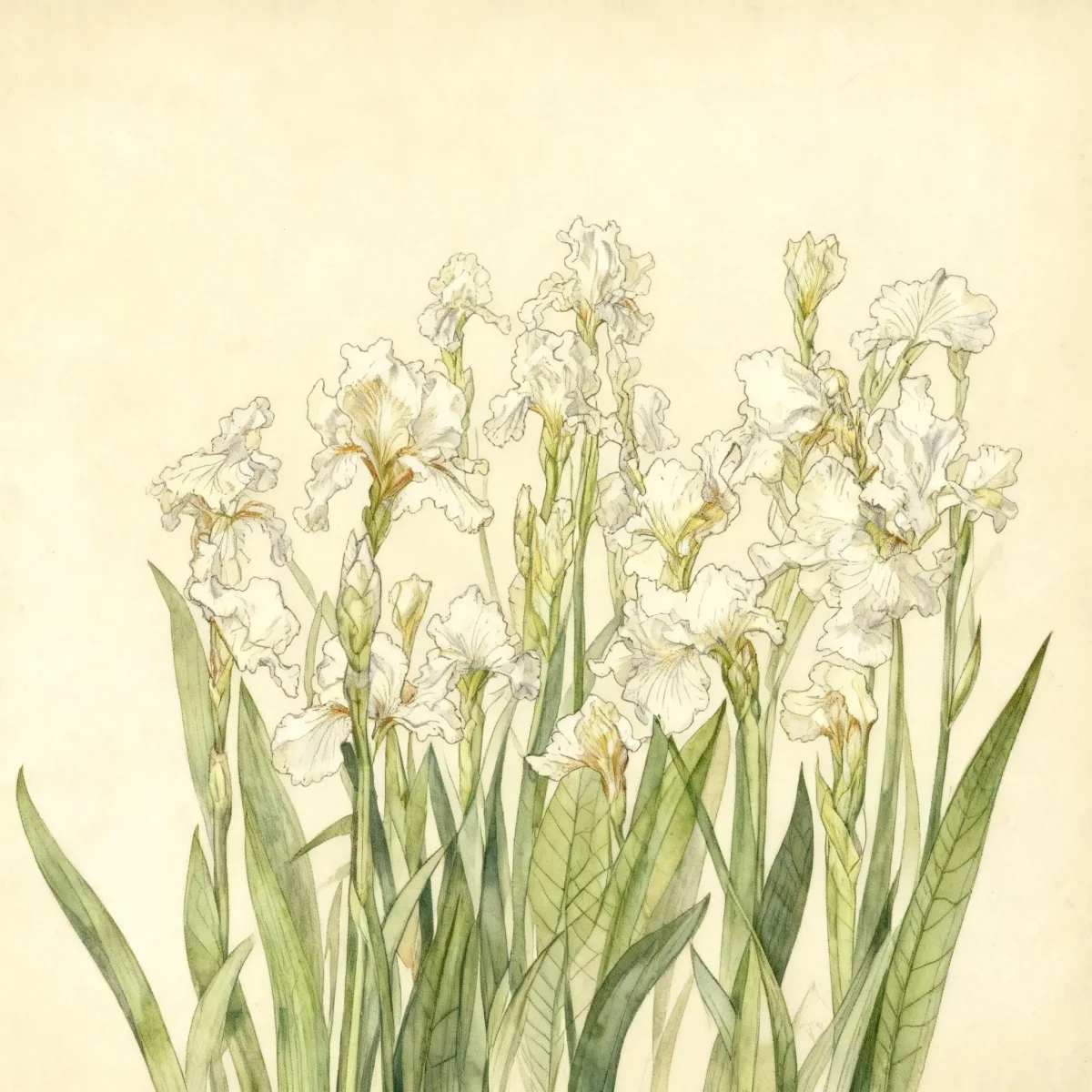
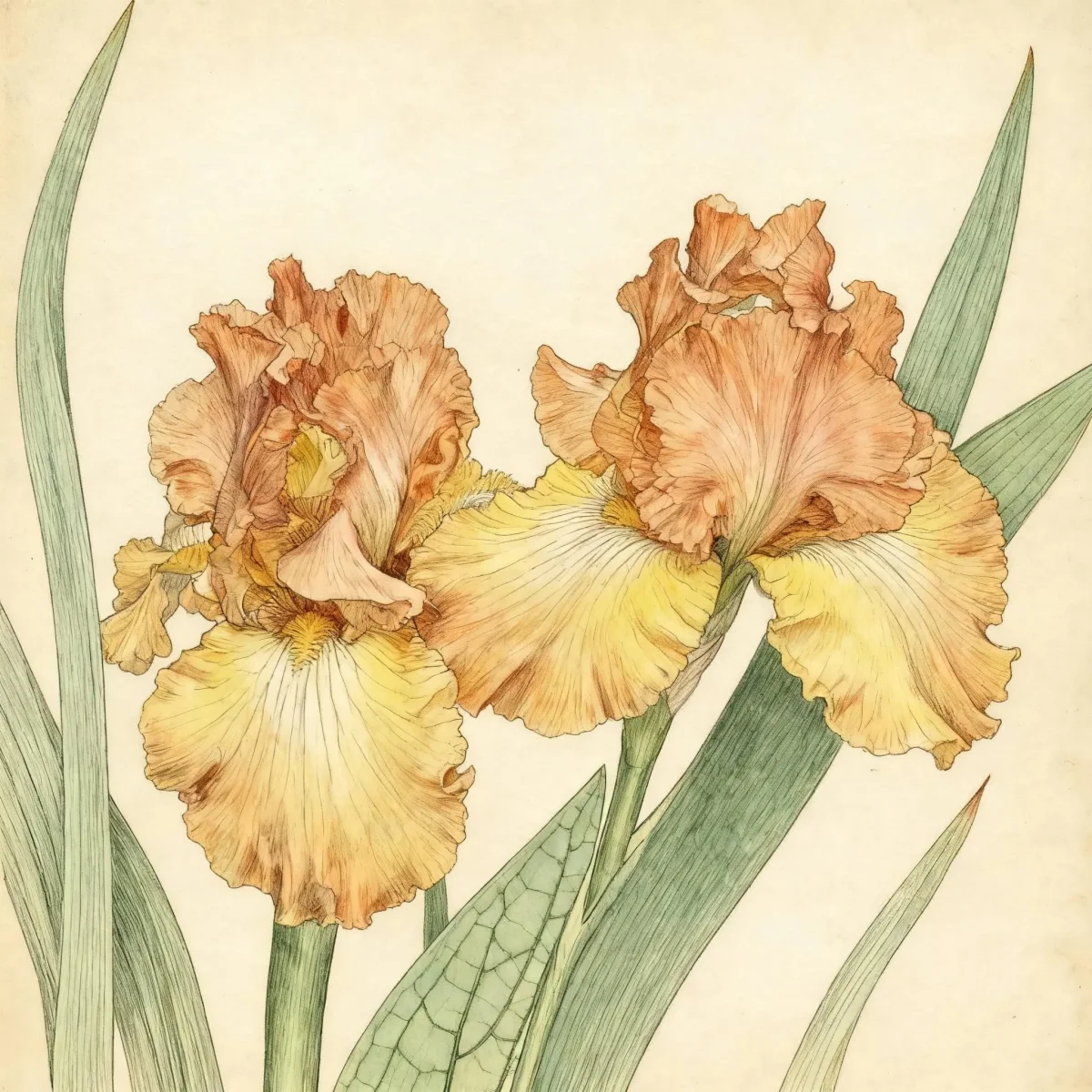
Tall bearded iris (Iris 'Eagles Flight')
Iris 'Eagles Flight' is a stunning Tall bearded iris, featuring rose blue standards and fragrant, showy blooms in full sun.
Scroll down to discover growing tips, care requirements, companion plants, and more
Complete Plant Information
Overview
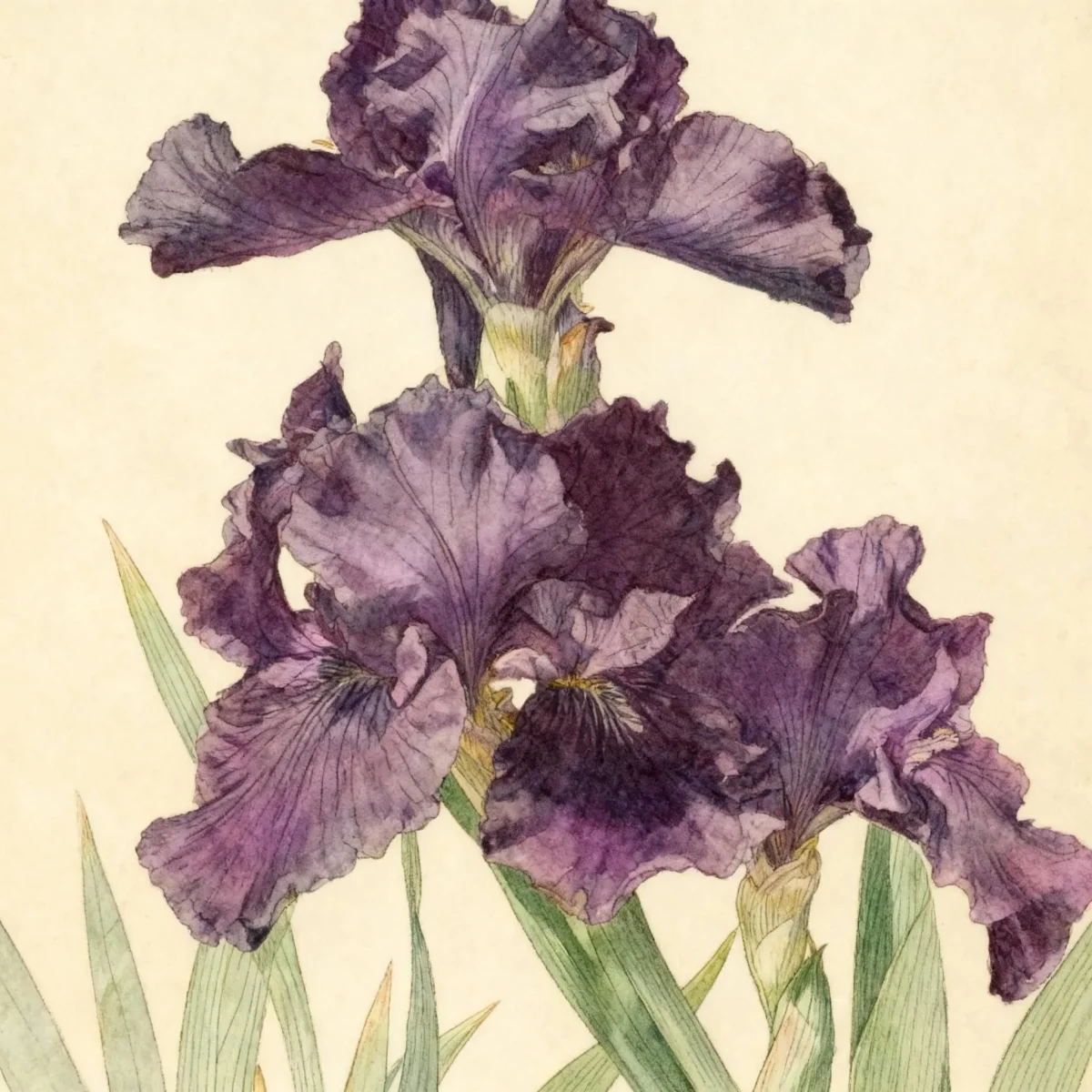
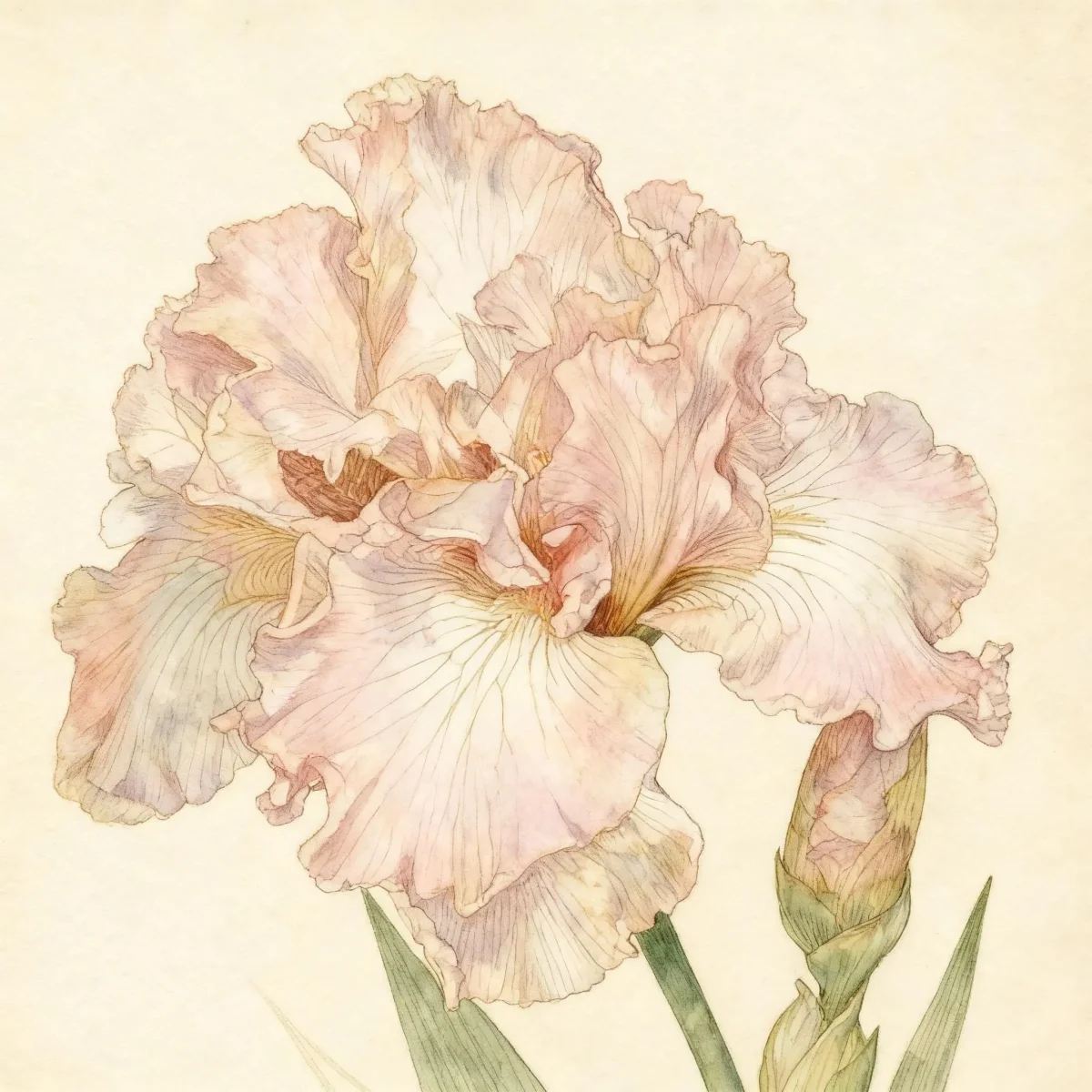
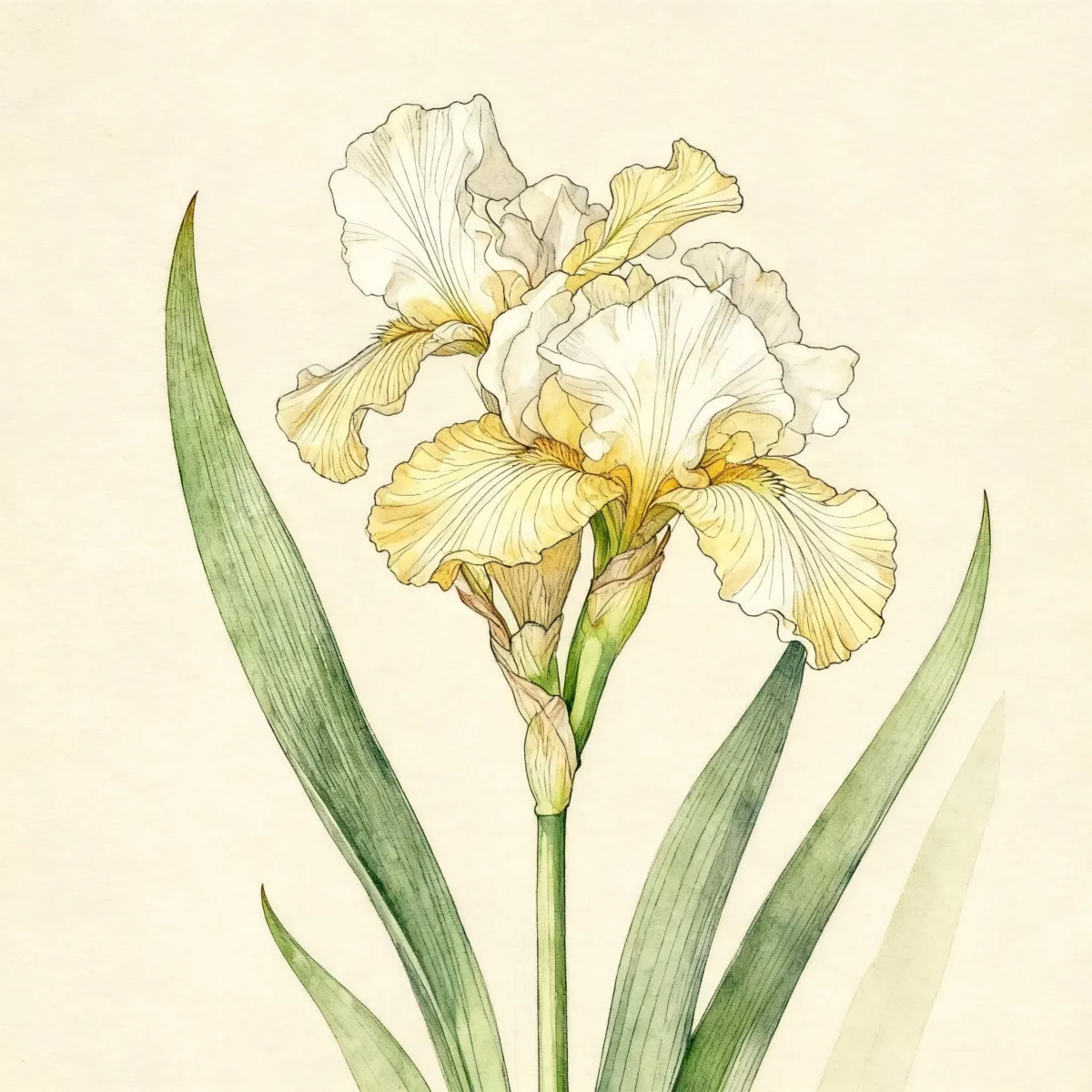
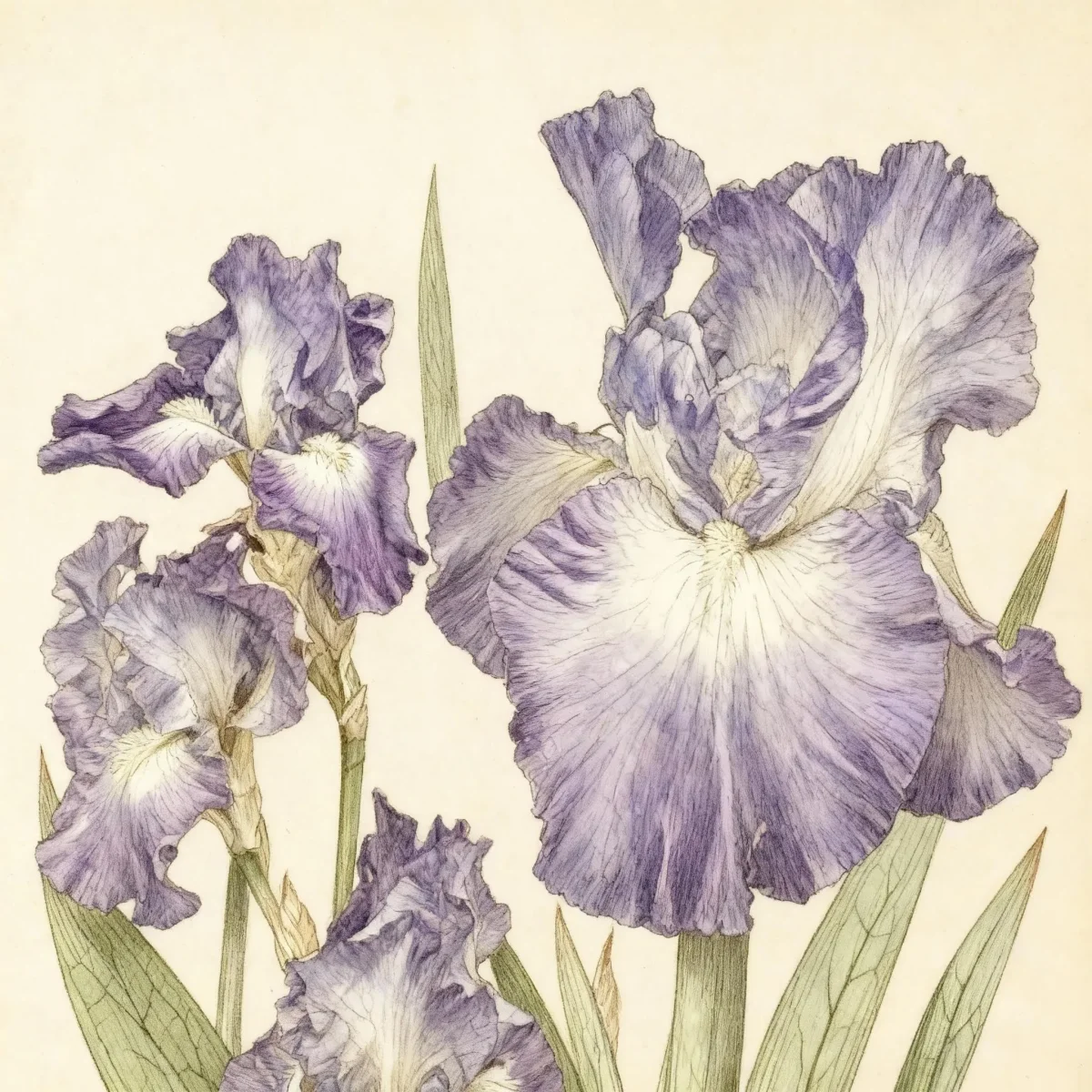
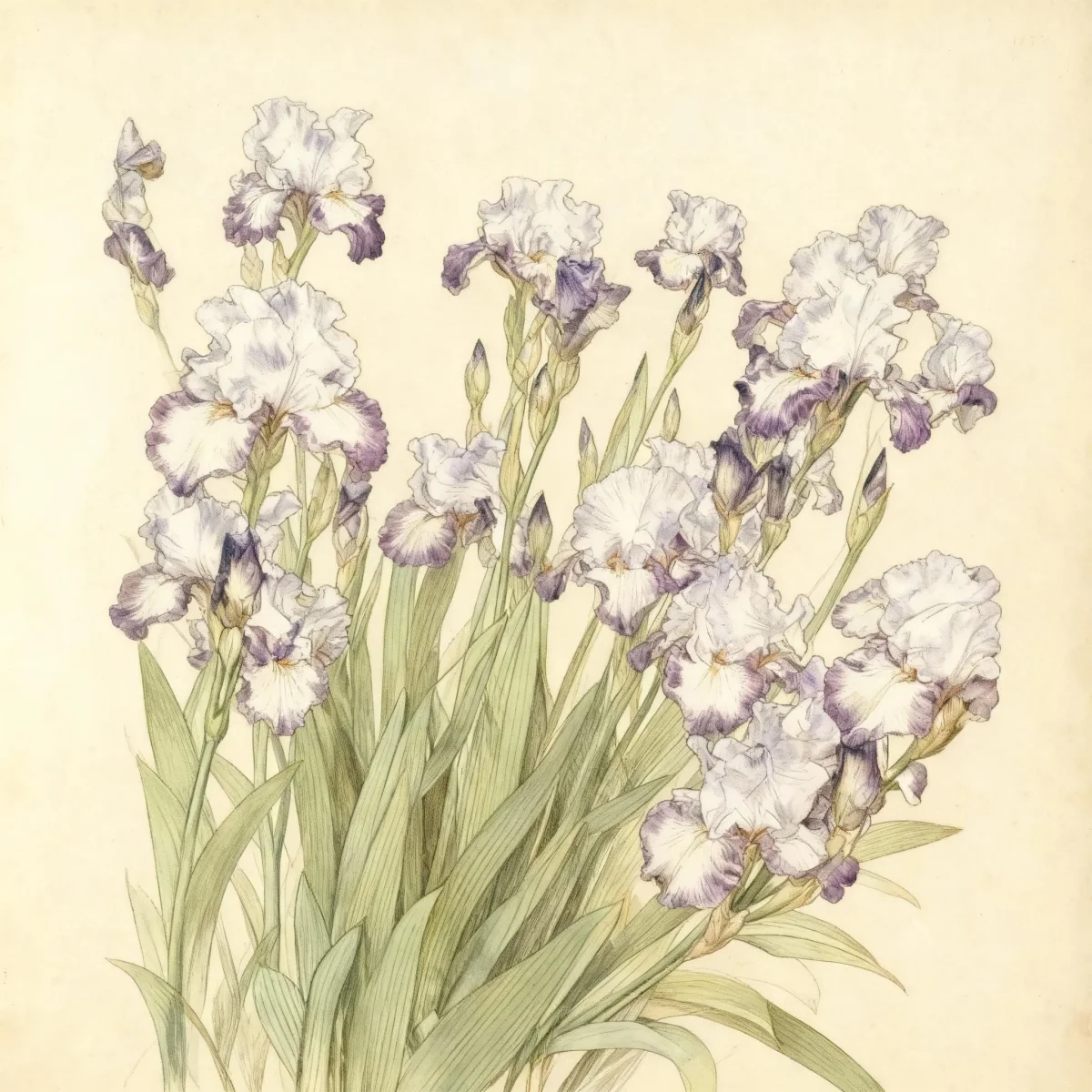
Iris ‘Eagles Flight’ presents an exceptional display as a Tall bearded iris, prized for its striking bicolored flower structure. This cultivar offers standards of rich rose blue contrasting beautifully with falls that are primarily white, edged with a notable grape margin. As a rhizomatous perennial, it forms reliable clumps, rewarding the careful gardener with early to mid-season color, often with the potential for rebloom.
Growing Iris ‘Eagles Flight’ successfully contributes robust vertical interest to sunny borders. While generally considered a medium-maintenance plant, understanding its specific needs regarding drainage and rhizome placement ensures decades of vibrant performance. It embodies the classic beauty associated with this popular garden group, named for the Greek goddess of the rainbow.
Gardeners value this Tall bearded iris not just for its unique coloration but also for its established awards, including an American Iris Society Honorable Mention (1988). Planting Iris ‘Eagles Flight’ provides reliable height and dramatic, spreading flowers perfect for cutting.
Fast Facts
- Plant Family: Iridaceae
- Plant Type: Herbaceous perennial
- Hardiness Zones: USDA Zones 3-9
- Size at Maturity:
- Height: 2.5-3 ft
- Spread: 1-2 ft
- Bloom Time: May
- Bloom Description: Rose blue (standards) and white with grape margins (falls)
- Sun Exposure: Full sun
- Water Needs: Medium
- Maintenance Level: Medium
How to Grow
Planting rhizomes of this Tall bearded iris is best done when soil temperatures begin to cool, typically from late July through October, depending on your climate zone. Success hinges on excellent drainage; plant shallowly over a small mound of soil so that one-third of the rhizome is exposed above the surface, with roots spread horizontally. Space rhizomes 12 to 20 inches apart to allow future clump expansion.
Iris ‘Eagles Flight’ thrives in full sun but tolerates light afternoon shade, especially where summers are intense. Aim for average, medium moisture conditions, ensuring consistent watering from spring until about six weeks after the main bloom concludes, especially if hoping to encourage rebloom. Light sandy soils are ideal, but incorporate grit or plant on slopes if you have heavy clay, as rhizome rot is a significant threat.
Routine maintenance involves keeping the bed meticulously weed-free, as competition can stress the clump. If Iris ‘Eagles Flight’ becomes overcrowded after several years, lift the clump in late summer (August), divide the rhizomes, and replant the healthy sections immediately.
Landscape Uses
Tall bearded iris cultivars like Iris ‘Eagles Flight’ perform best when they are grouped or massed together in locations receiving abundant sunlight. They provide exceptional middle-to-back-of-the-border structure, functioning as strong vertical accents amidst shorter perennials. Groupings maximize the visual impact of their unique standards and falls.
Consider placing this showy variety near foundations or along garden pathways where the upright foliage remains attractive even when not in bloom. While the plant possesses some drought tolerance once established, ensure companions share similar sun and water needs to maintain uniformity in the perennial border; avoid planting too close to shrubs that create heavy shade or compete aggressively for moisture.
Standout Features
Flower Qualities
- Showy
Noteworthy Characteristics
Tall Bearded Iris cultivars, including Iris ‘Eagles Flight’, are recognized for growing above 27.5 inches tall, typically bearing multiple branches and seven or more blossoms per stem. The flowers feature upright standards and pendant falls, complemented by the defining bushy beard visible at the center of the fall. This specific reblooming cultivar reaches about 35 inches tall, displaying rose blue standards and burnt orange beards, offering the chance for repeat flowering later in the season depending on regional climate.
Tolerances
- Deer
- Drought
Potential Problems
Iris ‘Eagles Flight’ may be susceptible to common iris ailments, including leaf spot, bacterial soft rot, crown rot, and mosaic viruses. Pests like slugs, snails, aphids, thrips, and the destructive iris borer also pose risks. The most crucial defense is good garden sanitation: promptly remove and destroy all dead foliage, especially in the fall after the first frost, to minimize overwintering sites for pests and disease spores.
Failure to flower or sparse blooming is often cultural, not pathological. Check that rhizomes are not planted too deep, that the plants receive sufficient full sun, and that the clump has not become overly crowded, requiring division every 3-5 years. For reblooming types like this Tall bearded iris, consistent fertilizer and water schedules are essential following the initial spring bloom.
Frequently Asked Questions
What hardiness zones is Tall bearded iris suitable for?
Iris ‘Eagles Flight’ is reliably hardy in USDA Zones 3 through 9.
How large does Tall bearded iris grow?
This variety typically reaches a height between 2.5 and 3 feet tall, with a spread of 1 to 2 feet as the clump develops.
What sun exposure does Tall bearded iris need?
This plant requires full sun exposure for the best blooming performance, though it can tolerate minimal afternoon shade in very hot climates.
When does Tall bearded iris bloom?
The primary bloom time for Iris ‘Eagles Flight’ is generally specified as May, featuring rose blue standards and white falls edged in grape.
Conclusion
Iris ‘Eagles Flight’ offers gardeners a highly desirable bloom combination, solidifying its place as a favorite Tall bearded iris variety. Its height, color contrast, and potential for rebloom make it a commanding feature in any sunny perennial landscape. Check your local hardiness zone and plan your rhizome division and planting schedule to this superb Iris ‘Eagles Flight’ for the best results next season.
Companion Planting
When planning the garden surrounding Iris ‘Eagles Flight’, select companions that share the need for full sun and well-drained, medium moisture soil. Low-growing silver or grey foliage plants, like Lamb’s Ears (Stachys byzantina), contrast nicely with the upright, linear leaves of the iris. Planting early-season bulbs that finish flowering before the iris blooms fully helps ensure visual interest remains constant without competing for underground space.
Consider pairing this variety with summer-blooming perennials such as Lavender (Lavandula) or Russian Sage (Perovskia atriplicifolia). These companions appreciate the excellent drainage critical for iris rhizomes and their contrasting textures and colors highlight the vertical elegance of the Tall bearded iris.
Design Ideas for Tall Bearded Iris
The height and structure of Iris ‘Eagles Flight’ lend themselves perfectly to informal cottage gardens or structured perennial borders. Use them mid-border where their 3-foot height acts as a transition between shorter foreground plants and taller background shrubs. Plant in odd-numbered groupings (threes or fives) rather than straight lines to achieve a more natural, impactful display of their rose blue and white coloring.
For modern landscape designs, mass planting Iris ‘Eagles Flight’ against a dark mulch or deep green background significantly enhances the visibility of the light-colored falls. Since this is a rhizomatous groundcover, allowing space for slow spreading helps the clump achieve its full, robust form over time, creating swathes of color rather than isolated specimens.