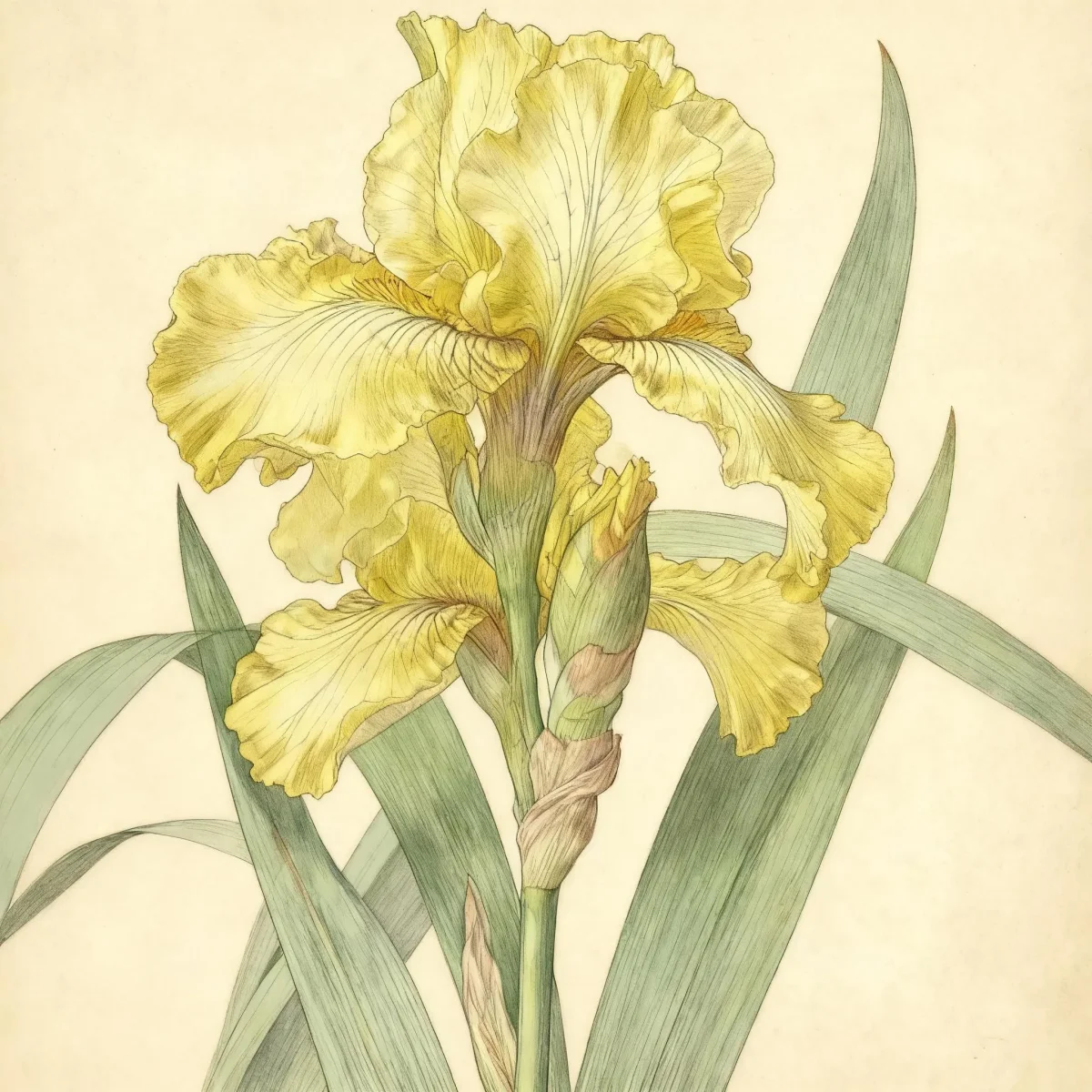
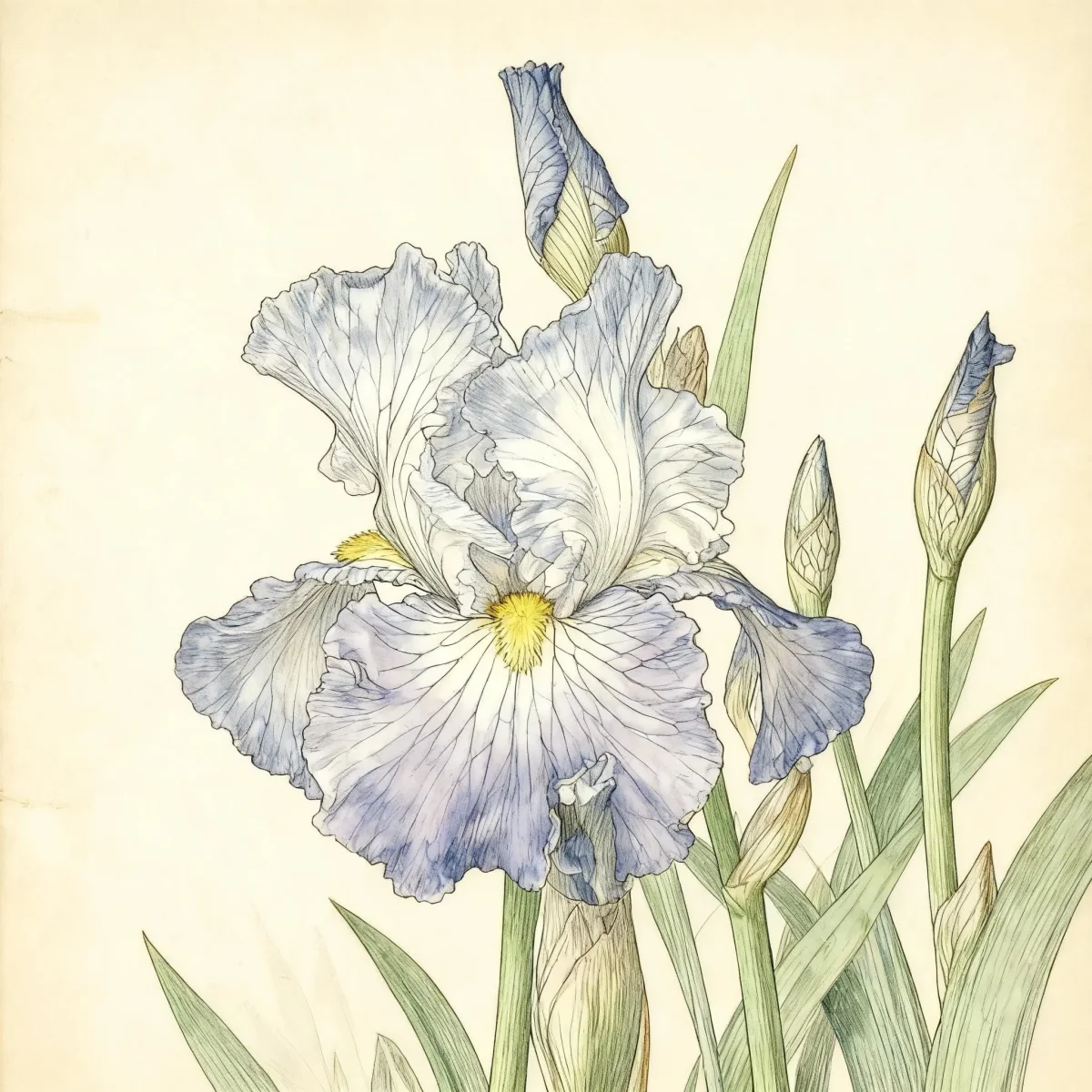
Tall bearded reblooming iris (Iris 'Happy New Year')
Iris 'Happy New Year' is a dazzling Tall bearded reblooming iris, offering May blooms in creamy violet-spotted hues. Hardy Zones 3-10.
Scroll down to discover growing tips, care requirements, companion plants, and more
Complete Plant Information
Overview
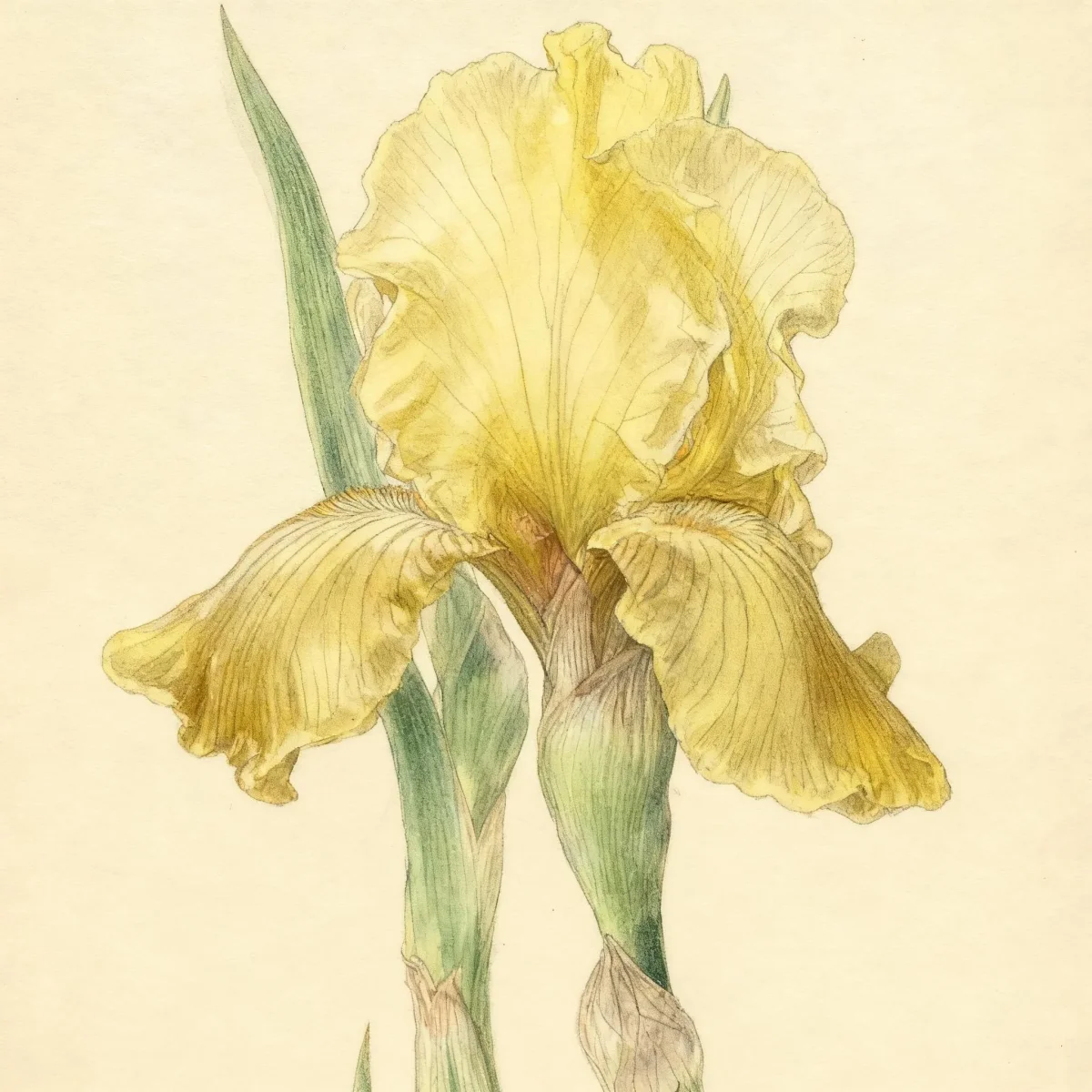
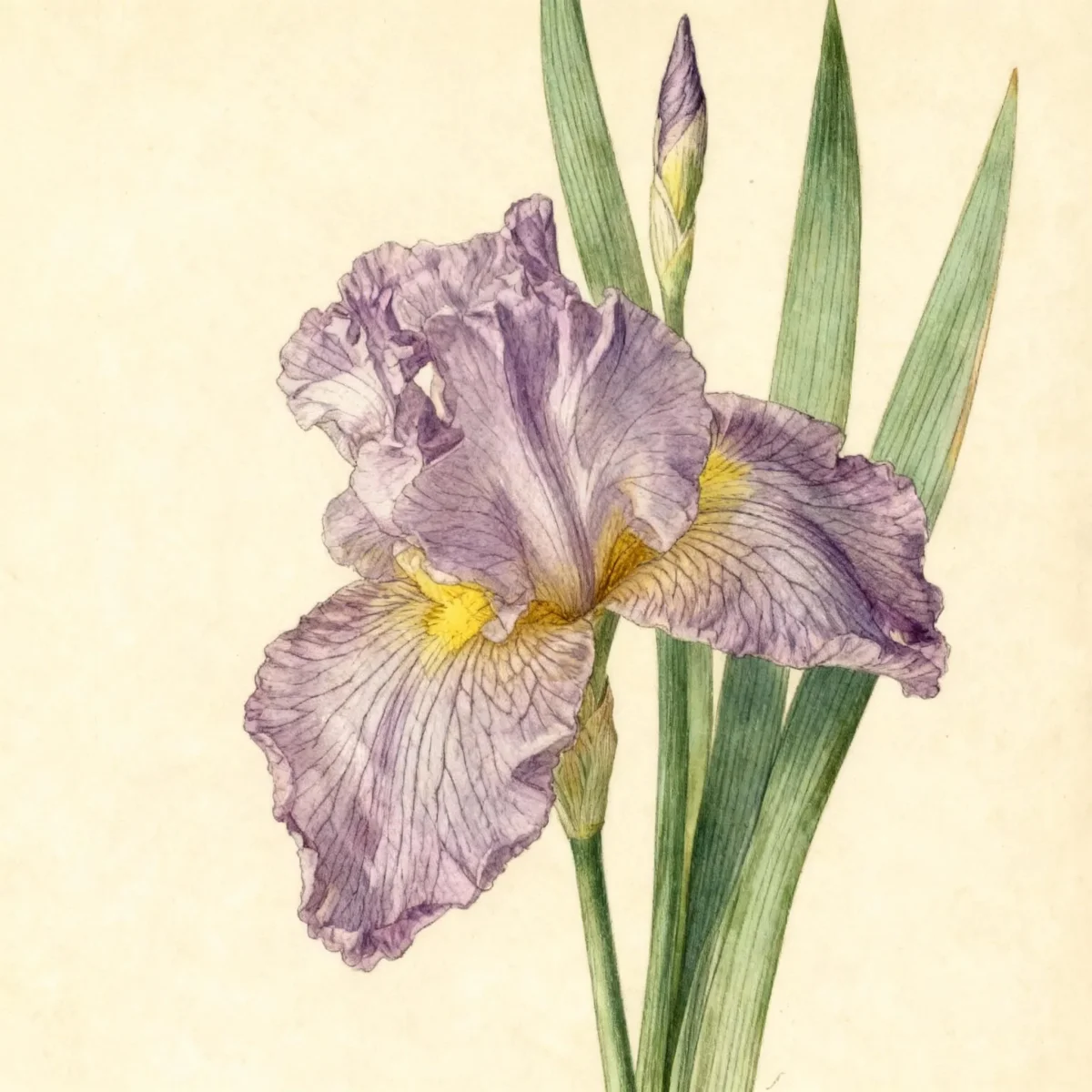
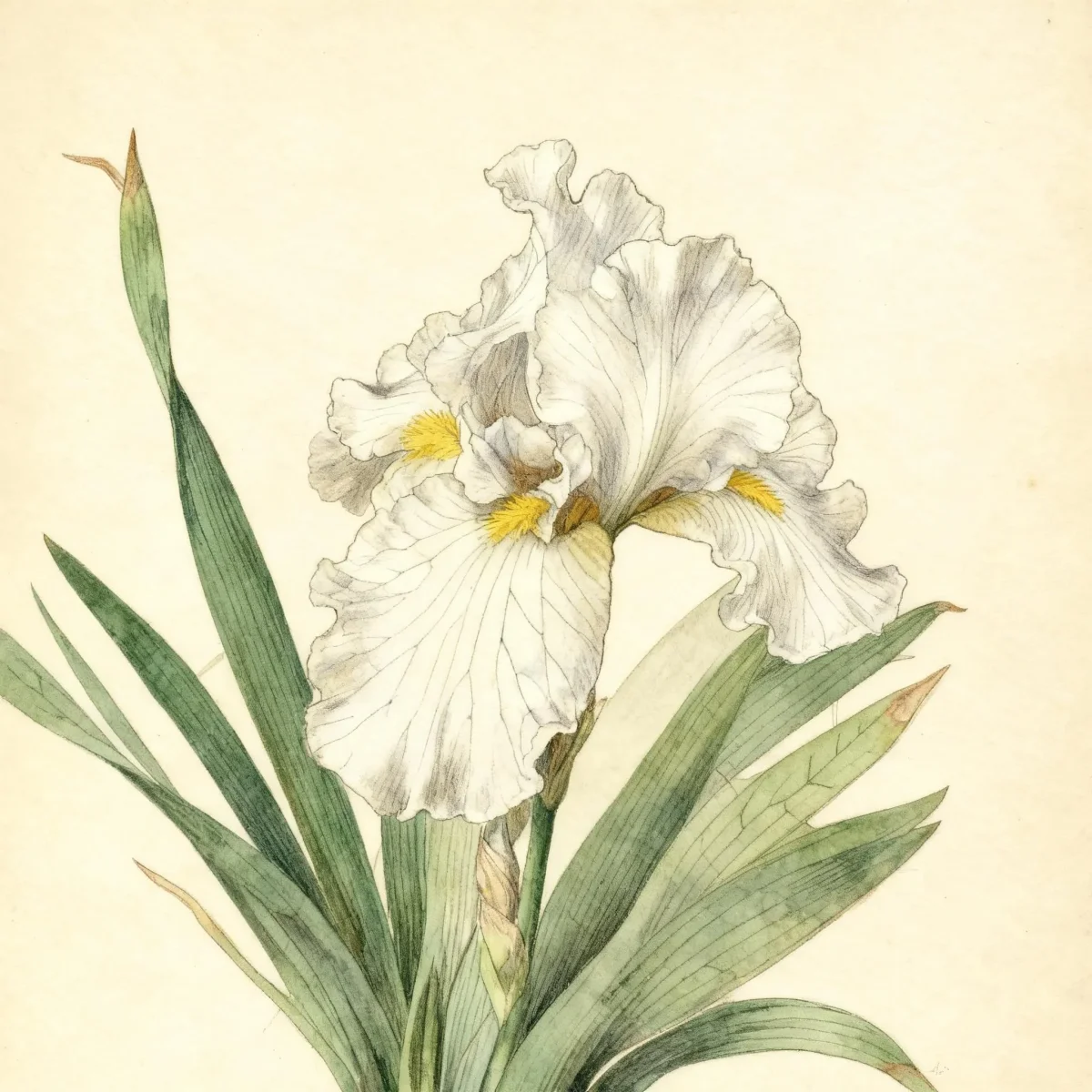
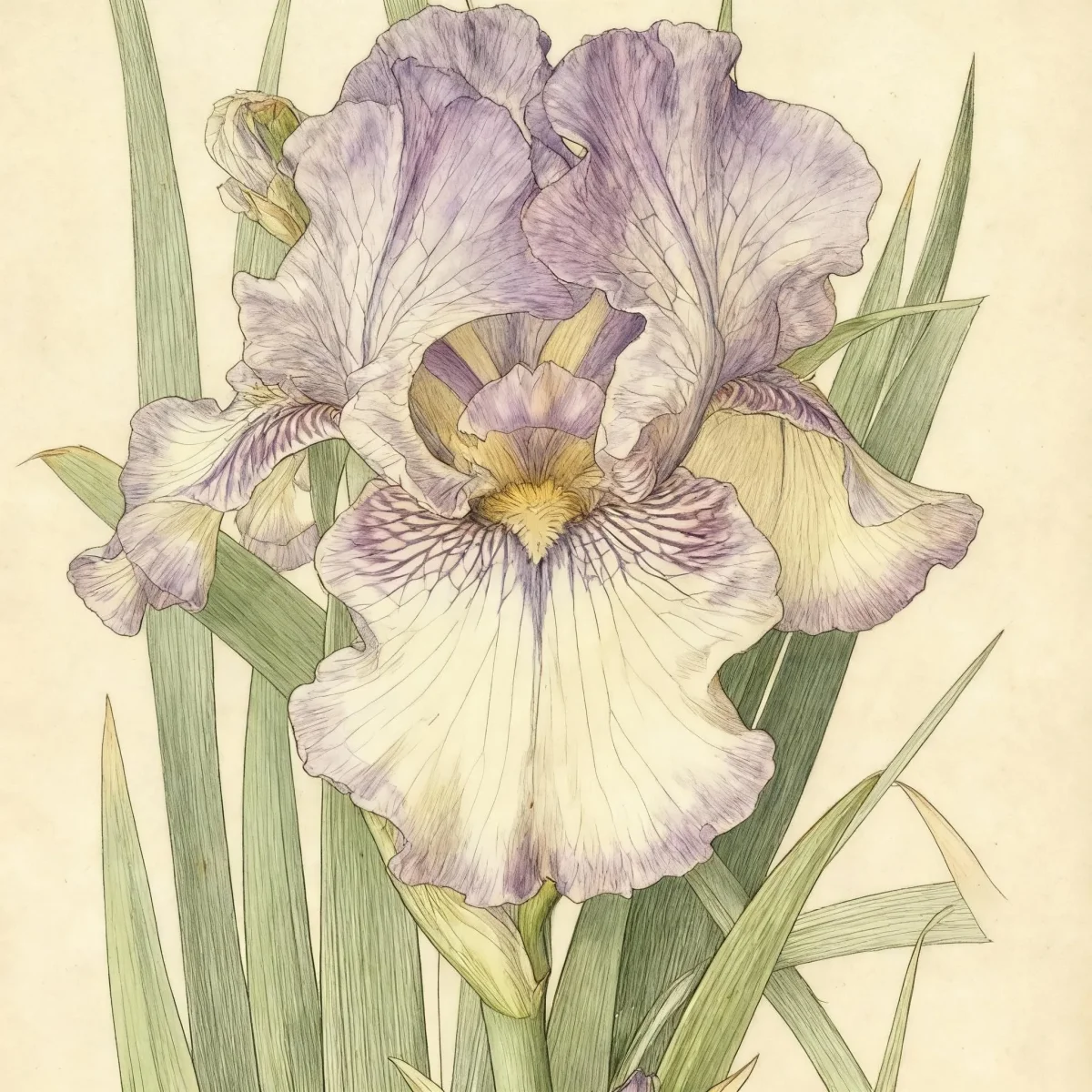
Iris ‘Happy New Year’ is a highly valued addition to the perennial garden, celebrated for its capacity to deliver repeat blooms, earning it the classification of a Tall bearded reblooming iris. This cultivar provides interest beyond the typical single spring show, offering a welcome secondary flush of flowers in the warmer months. Its striking appearance features creamy-white petals delicately spotted with violet tones, creating an ethereal display.
This herbaceous perennial forms dependable clumps, spreading slowly by underground rhizomes, making it a long-term staple that requires moderate care. Gardeners appreciate the vertical structure provided by its erect, sword-shaped leaves, which maintain visual interest even when not in bloom. Securing robust flowering from Iris ‘Happy New Year’ relies heavily on proper planting depth and ensuring optimal drainage to protect the rhizomes.
The reblooming trait of Iris ‘Happy New Year’ varies based on local climate, but when conditions are right, it extends the joy of the iris season significantly. Providing full sun and well-drained soil allows this Tall bearded reblooming iris to thrive, offering reliable performance in a wide range of temperate climates across USDA Zones 3 through 10.
Fast Facts
- Plant Family: Iridaceae
- Plant Type: Herbaceous perennial
- Hardiness Zones: USDA Zones 3-10
- Size at Maturity:
- Height: 2.5-3 ft
- Spread: 1-2 ft
- Bloom Time: May
- Bloom Description: Creamy spotted with violet
- Sun Exposure: Full sun
- Water Needs: Medium
- Maintenance Level: Medium
How to Grow
Successful cultivation of Iris ‘Happy New Year’ centers on precise rhizome planting, as depth is critical to flowering success. Plant these rhizomes shallowly in average, medium-moisture soils that drain exceptionally well, preferably receiving full sun, although partial afternoon shade is tolerable in very hot climates. When planting between late July and October (depending on winter severity), position the rhizome so that one-third remains exposed above the soil line, with roots spread horizontally beneath a small mound of soil.
During the growing season, maintain medium soil moisture, ensuring consistent watering from spring until six weeks after the main bloom cycle concludes, which supports the development of rebloom buds. This Tall bearded reblooming iris benefits from supplemental feeding; apply fertilizer in early spring and again in early July, following the initial bloom. Good drainage is paramount; if you have heavy clay or excessive rainfall, plant rhizomes on slopes or in raised beds to actively prevent rhizome rot.
Keep the iris bed immaculate by diligently removing weeds, as competition stresses the plants. Over time, clumps of Iris ‘Happy New Year’ will become overcrowded, necessitating division. If overcrowding occurs, lift the clump carefully in late summer (around August) using a garden fork, divide the rhizomes, and replant immediately following the correct shallow planting procedure.
Landscape Uses
Tall bearded reblooming iris excels when featured in groupings where its height and flower display can be fully appreciated. Iris ‘Happy New Year’ performs best when massed in traditional perennial borders, anchoring foundation plantings, or filling sunny spots within mixed flower beds. Planting in bold sweeps enhances the impact of the creamy, violet-spotted blooms in their primary May flush.
Because they prefer excellent drainage, consider pairing these irises in sunny areas near gravel paths or on slight inclines where water movement is natural. Companions should ideally share similar light and water requirements, such as ornamental grasses, coneflowers, or other summer-blooming perennials that will emerge as the iris foliage matures through mid-summer.
Standout Features
Flower Qualities
- Showy
Noteworthy Characteristics
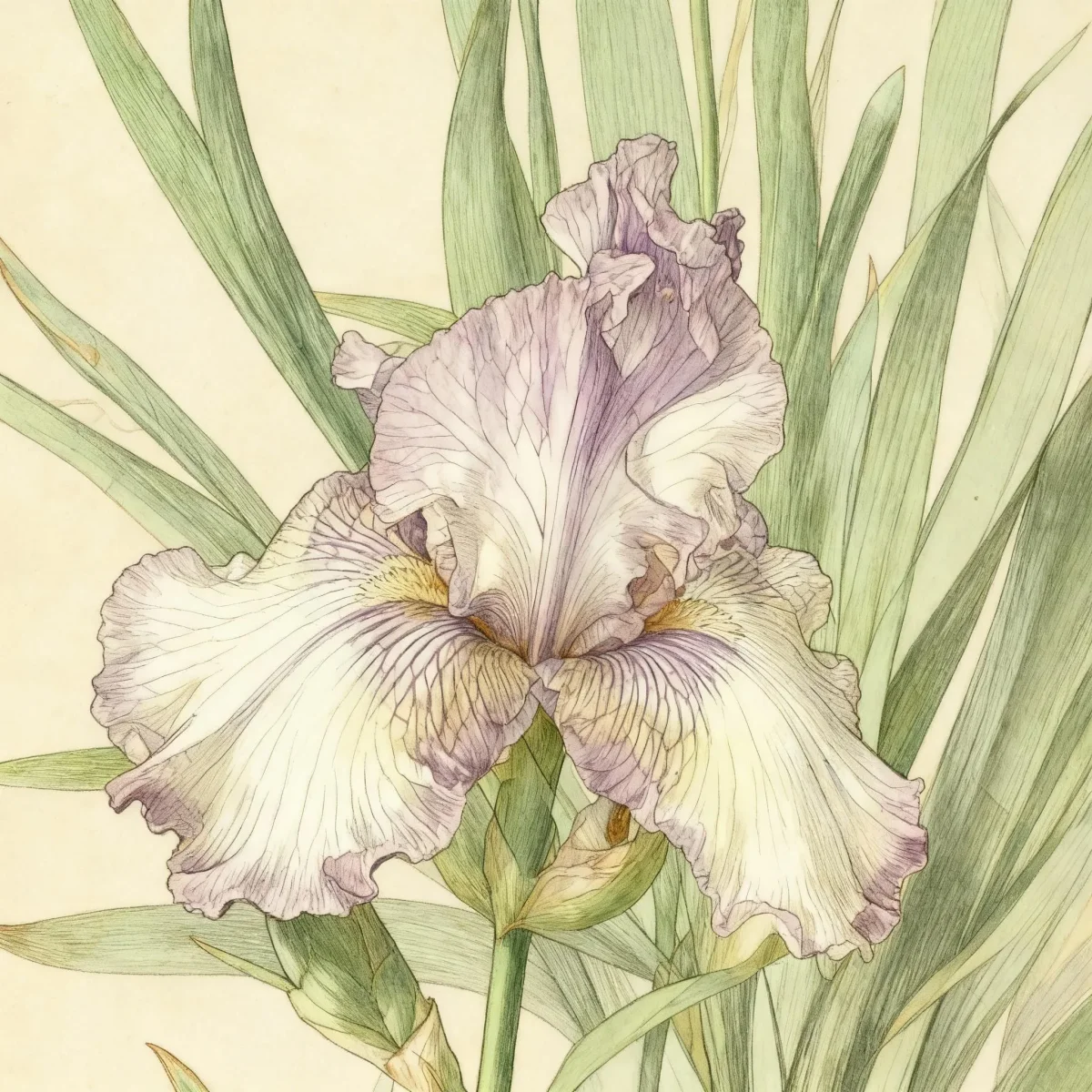
Tall Bearded Iris is a rhizomatous iris Group whose numerous hybrid cultivars grow to heights above 27.5” tall featuring two or more branches and 7 or more blossoms per stem with flowers spreading to more than 5” wide. Each flower has upright standards and pendant falls. Iris ‘Happy New Year’ is a reblooming (or remontant) tall bearded iris which typically grows to 36” tall and slowly spreads by rhizomes, displaying standards and falls that are creamy-white spotted with violet above a white beard tipped with yellow. The designation “bearded” refers to the easily visible, bushy growth in the center of each fall.
Tolerances
- Deer
- Drought
Potential Problems
The primary concerns for Iris ‘Happy New Year’ involve fungal and bacterial issues, including leaf spot, root rot, bacterial soft rot, and crown rot, alongside various mosaic viruses. Pests like slugs, snails, whiteflies, aphids, and especially iris borers can pose threats in some regions.
Prevention is the best defense for keeping your Tall bearded reblooming iris healthy. Practice excellent sanitation by promptly removing and destroying all diseased foliage or rhizomes, particularly cleaning up all garden debris in the fall after frost reduces borer activity. Ensure planting depth is correct, as planting rhizomes too deep or locating the plant in excessive shade are the most common reasons for failure to flower or sparse blooming. Overcrowding also limits flowering and should be managed through yearly division.
Frequently Asked Questions
What hardiness zones is Tall bearded reblooming iris suitable for?
Iris ‘Happy New Year’ is adaptable, thriving across USDA Hardiness Zones 3 through 10.
How large does Iris ‘Happy New Year’ grow?
This variety typically reaches a height of 2.5 to 3 feet, with a spread between 1 and 2 feet as the rhizomes establish.
What sun exposure does Iris ‘Happy New Year’ need?
This plant requires full sun for best performance, though it can tolerate minimal part afternoon shade, especially during the hottest parts of the summer.
When does Tall bearded reblooming iris bloom?
The prolific initial bloom time for this variety is stated as May, featuring creamy spotted with violet flowers, with the added potential for rebloom later in the season.
Conclusion
Iris ‘Happy New Year’ offers exceptional value by combining the grand structure of a Tall bearded variety with desirable reblooming capabilities, presenting creamy, violet-spotted flowers over an extended period. Successful cultivation of this stunning Tall bearded reblooming iris hinges on providing full sun and, critically, absolutely perfect drainage for its rhizomes. Before planting, always verify that your soil conditions meet these stringent drainage needs to ensure many years of reliable performance from your Iris ‘Happy New Year’.
Companion Planting
Selecting suitable companions for Iris ‘Happy New Year’ helps maintain a clean garden aesthetic and prevents competition for resources. Since Tall Bearded Irises prefer thorough drainage and dislike constantly wet feet, pair them with drought-tolerant perennials that bloom in mid-to-late summer, such as Russian Sage (Perovskia atriplicifolia) or yarrow (Achillea). These companions also occupy space later in the season, allowing the iris foliage to be the focus after its initial spring flush.
Avoid planting irises directly next to moisture-loving plants like hostas or astilbes, as the excess water retention around their bases can encourage rhizome rot in the iris. A sunny, well-drained perennial bed is the perfect setting for Iris ‘Happy New Year’ to showcase its structure alongside companions that appreciate similar, slightly drier soil conditions once established.
Seasonal Care Calendar
Spring preparation is key for maximizing the performance of your reblooming iris. As soon as new growth appears, lightly fertilize the Tall bearded reblooming iris clump to encourage strong spring flowering and bud initiation for the fall show. Keep beds weeded, but be cautious around the rhizomes to avoid damage.
Summer care focuses on managing the rebloom cycle. Ensure consistent humidity following the first bloom flush, applying water until rebloom has finished in late summer or fall. Immediately deadhead faded blooms, removing dead flower stalks but leaving the foliage intact to store energy for the following year’s display.
After the first hard frost signals the end of the growing season, conduct a thorough fall cleanup. Remove and destroy all spent foliage and debris from the iris bed. This essential sanitation step removes overwintering sites for pests like iris borers and fungal spores, ensuring the rhizomes of Iris ‘Happy New Year’ enter dormancy clean and healthy.