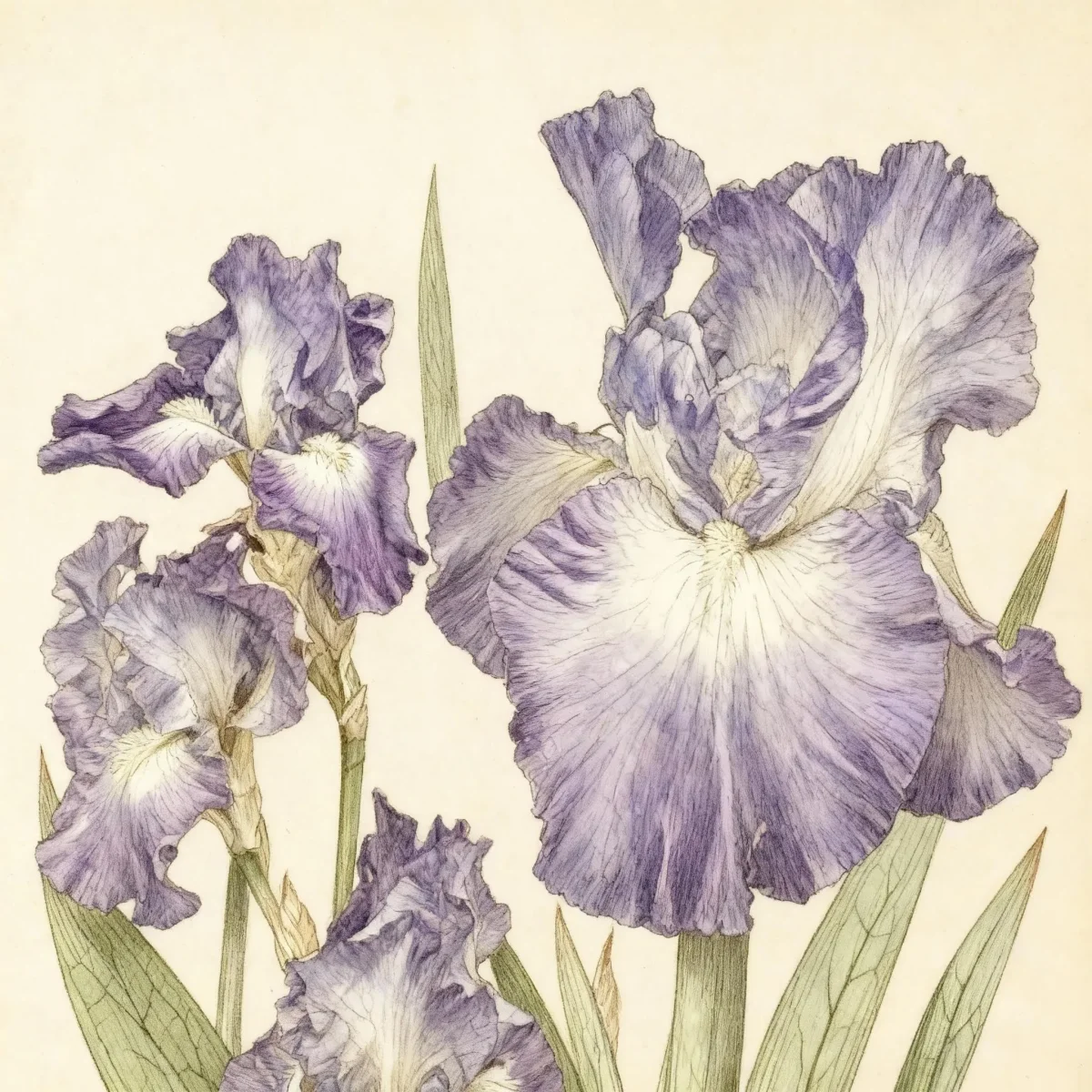
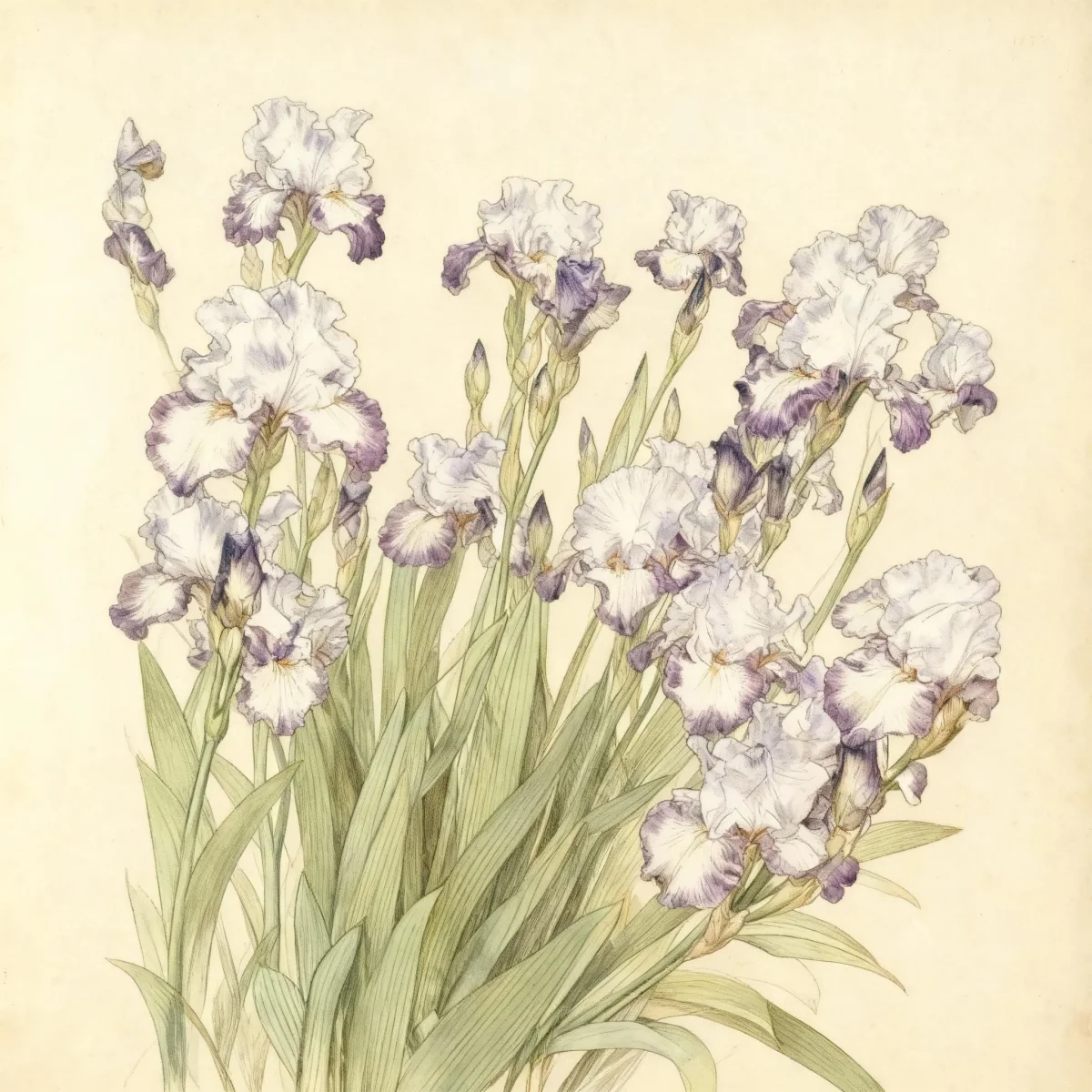
Tall bearded iris (Iris 'Immortality')
Iris 'Immortality' is a reblooming Tall bearded iris producing fragrant, showy white blooms perfect for borders. Low maintenance and drought tolerant.
Scroll down to discover growing tips, care requirements, companion plants, and more
Complete Plant Information
Overview
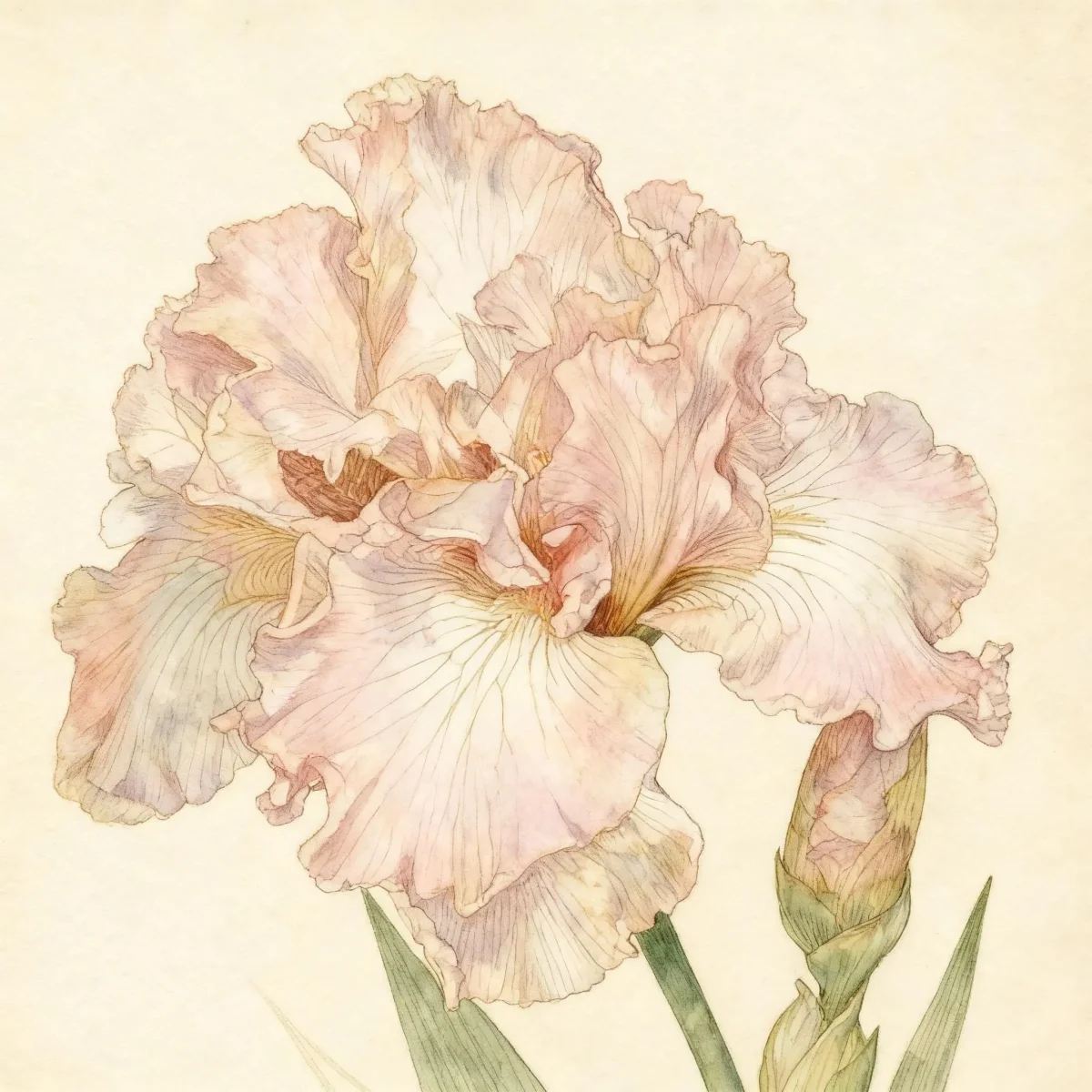
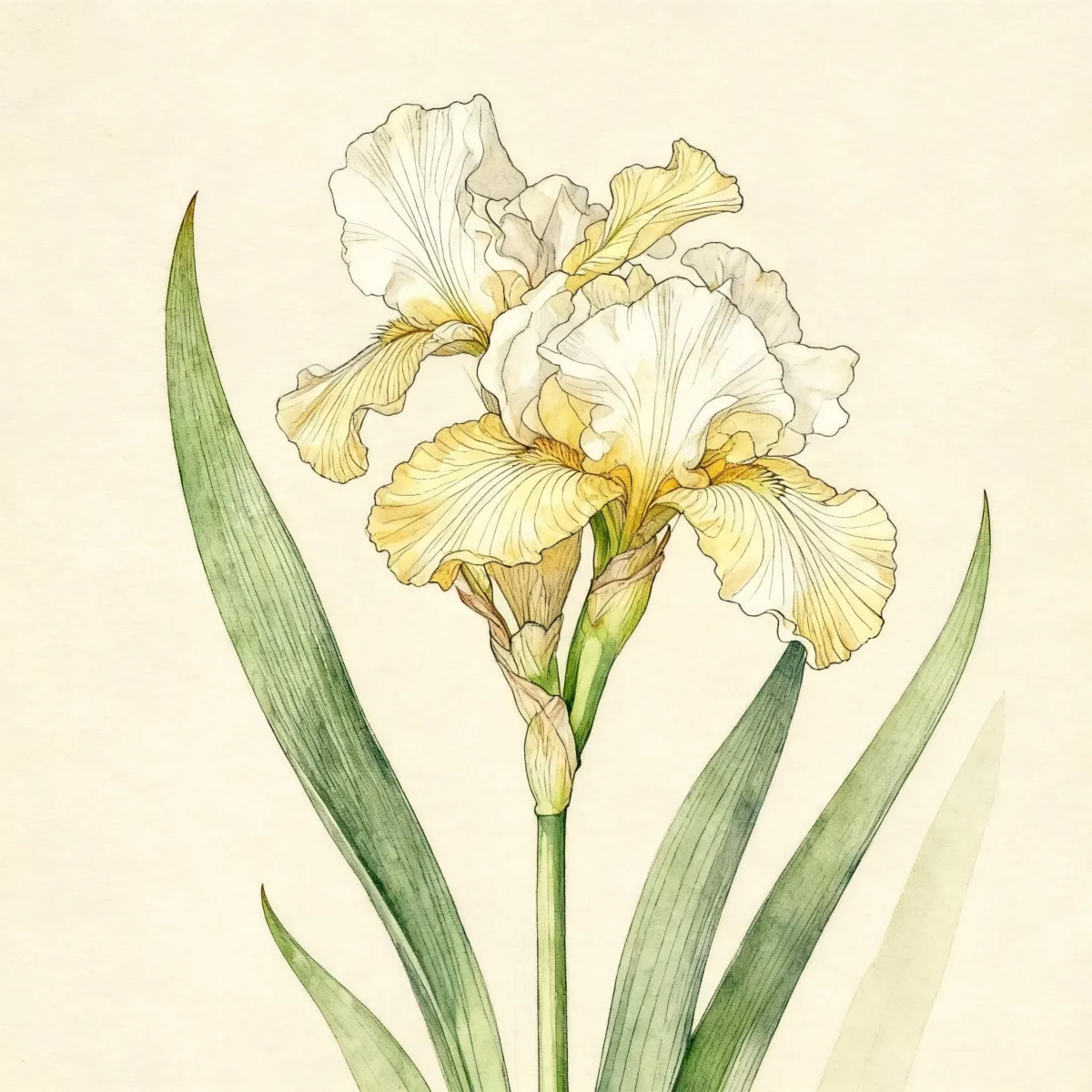
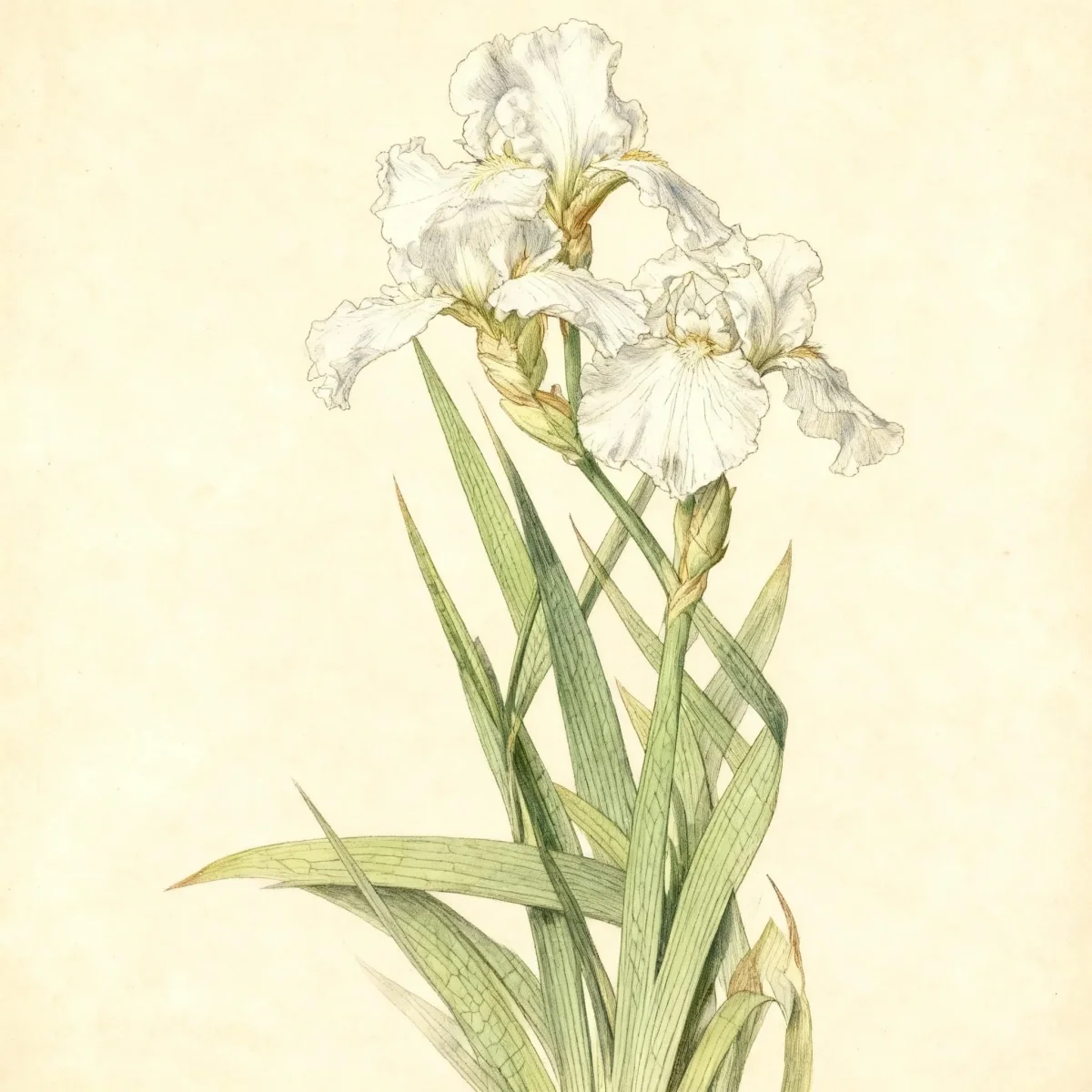
Iris ‘Immortality’ stands out in the garden landscape as a highly valued reblooming (remontant) Tall bearded iris. This cultivar delights gardeners with its pure white, ruffled blooms that carry a lovely fragrance, extending the season of interest well beyond the typical spring show. As a robust herbaceous perennial, it forms pleasing clumps over time, offering reliable structure and color.
This specific variety of Tall bearded iris is known for strong, well-branched stems supporting its showy flowers, typically reaching heights around 2.5 feet. While its main flush occurs in late spring and early summer, the potential for rebloom into late summer or fall provides exceptional garden value with minimal ongoing effort from the gardener.
The cultural needs of Iris ‘Immortality’ align well with average perennial care, benefiting from full sun and well-drained conditions. Its established drought tolerance and status as a deer-resistant plant further solidify its practical appeal throughout USDA Zones 3 through 9.
Fast Facts
- Plant Family: Iridaceae
- Plant Type: Herbaceous perennial
- Hardiness Zones: USDA Zones 3-9
- Size at Maturity:
- Height: 2.25-2.5 ft
- Spread: 1-2 ft
- Bloom Time: May to June
- Bloom Description: White
- Sun Exposure: Full sun
- Water Needs: Medium
- Maintenance Level: Low
How to Grow
Successful cultivation of Iris ‘Immortality’ hinges on excellent drainage, especially critical for preventing rhizome rot common in the Tall bearded iris group. Plant rhizomes shallowly from late July through October, ensuring about one-third of the rhizome remains exposed above the soil line, resting on a small mound of earth with roots spreading horizontally. Aim for spacing of 12 to 20 inches between plants to allow for future clumping.
Provide Iris ‘Immortality’ with average moisture, particularly from spring until six weeks after the first major bloom cycle concludes. While it exhibits drought tolerance once established, consistent watering during active growth aids in promoting strong rebloom. Performance is maximized in light, sandy soils; if you garden in heavy clay or areas with high rainfall, utilize raised beds or plant on slopes to guarantee water runoff away from the rhizomes.
For reblooming cultivars like this one, strategic feeding can encourage a second flowering period. In addition to standard early spring feeding, consider another light application of fertilizer specifically in early July, following the first major bloom set. Keep the bed weed-free, removing all debris in the fall after frost to minimize overwintering pests and diseases.
Landscape Uses
The height and structure of Iris ‘Immortality’ make it an outstanding choice for creating definition within perennial borders and along sunny foundation lines. Grouping multiple rhizomes together creates masses of brilliant white, enhancing the visual impact of this Tall bearded iris during its extended blooming season. Its clean foliage also provides structure when the flowers are not present.
Because of its deer and drought tolerance, Iris ‘Immortality’ is a resilient anchor plant, capable of blending seamlessly into cottage gardens or more contemporary, low-input landscapes. Plant it alongside companions that appreciate similar full sun conditions and well-drained soil, such as catmint or ornamental grasses, allowing the white flowers to stand out dramatically.
Standout Features
Flower Qualities
- Showy
- Fragrant
Noteworthy Characteristics
Tall Bearded Iris is a rhizomatous group whose cultivars feature blooms spreading over 5 inches wide, with upright standards and pendant falls derived from extensive hybridization. Iris ‘Immortality’ is specifically a reblooming selection introduced in 1982, showcasing fragrant, pure white flowers with ruffled petals and creamy-white beards. These plants generally form increasing clumps as they mature, offering reliable structure; note that reblooming is dependent on favorable climatic factors and excellent cultural care.
Tolerances
- Deer
- Drought
Potential Problems
The primary concerns for Iris ‘Immortality’ involve rhizome health and pests. Fungal issues like leaf spot, bacterial soft rot, and crown rot frequently arise when drainage is poor, exacerbated by excessive moisture or planting the rhizomes too deeply. Insect pests such as slugs, snails, aphids, and the destructive iris borer must be monitored, particularly mid-season.
The most effective control strategy involves preventative cultural practices. Ensure rhizomes are planted correctly—shallowly exposed—and maintain impeccable garden sanitation by removing all dead foliage in the autumn. Promptly remove and destroy any foliage or rhizomes showing signs of rot or borer infestation to prevent spread throughout the clump.
Failure of this Tall bearded iris to flower is often cultural: check for overcrowding needing division, locating the plant in too much shade, or over-fertilization, which encourages leaf growth over bloom production. Addressing these common failings will yield better results from your Iris ‘Immortality’.
Frequently Asked Questions
What hardiness zones is Tall bearded iris suitable for?
Iris ‘Immortality’, a type of Tall bearded iris, is hardy and performs best in USDA Zones 3 through 9.
How large does Iris ‘Immortality’ grow?
This reblooming variety typically develops into clumps reaching 2.25 to 2.5 feet tall, spreading out to occupy an area of 1 to 2 feet wide.
What sun exposure does Iris ‘Immortality’ need?
For optimal flowering, Iris ‘Immortality’ requires full sun, although it can manage with limited afternoon shade, particularly in very hot summer regions.
When does Iris ‘Immortality’ bloom?
The primary bloom time for this cultivar is late spring to early summer, specifically noted as May to June, with the potential for repeat blooms later in the season.
Conclusion
Iris ‘Immortality’ offers exceptional value as a reblooming Bearded Iris, providing fragrant, pure white flowers and reliable low maintenance in sunny borders. The defining characteristics of this Tall bearded iris—fragrance, white color, and remontancy—make it a must-have for season-long interest. Always verify your planting site offers superb drainage to ensure the long-term health of your Iris ‘Immortality’ rhizomes.
Companion Planting
Choosing the right neighbors enhances the appeal of Iris ‘Immortality’. Since these irises prefer sharp drainage and full sun, pair them with Mediterranean herbs like Lavender (Lavandula) or plants that thrive in drier mid-summer soil, such as Sedum or Yarrow (Achillea). The upright, stiff foliage of the Tall bearded iris contrasts well with softer, mounding groundcovers that can help shade the soil slightly without crowding the rhizomes.
Seasonal Care Calendar
Spring care focuses on encouraging the initial strong bloom. Apply a balanced fertilizer lightly in early spring as new growth emerges, ensuring not to pile it directly against the rhizome crown. Monitor actively for slugs and snails as temperatures rise. In mid-summer, after the main flower stalks fade, deadhead spent blooms but leave the foliage intact so the plant can gather energy for the crucial late-summer rebloom period.