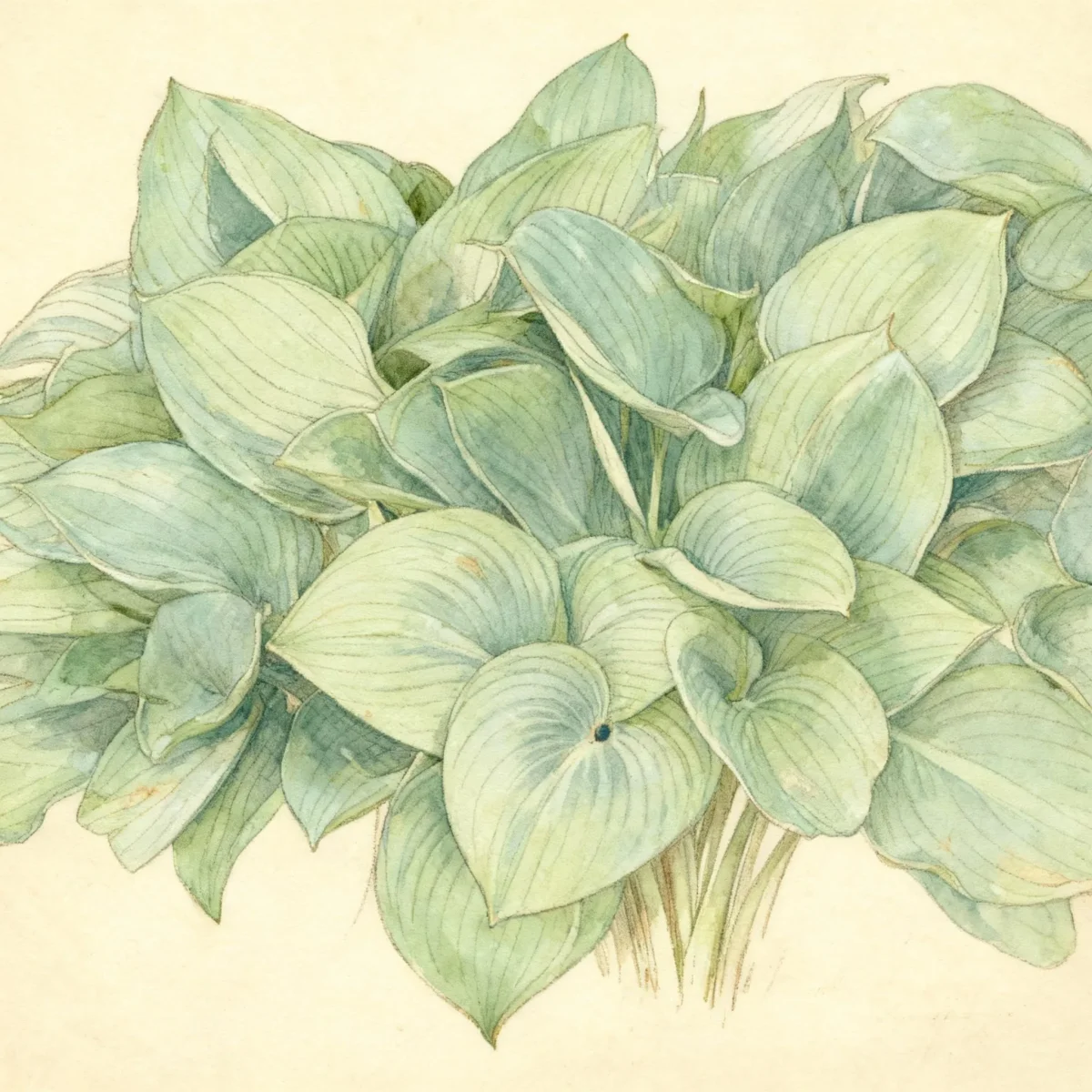
Hosta (Hosta 'Abby')
Hosta 'Abby' is a tough, handsome herbaceous perennial perfect for shady spots, offering textured dark green foliage with chartreuse margins.
Scroll down to discover growing tips, care requirements, companion plants, and more
Complete Plant Information
Overview
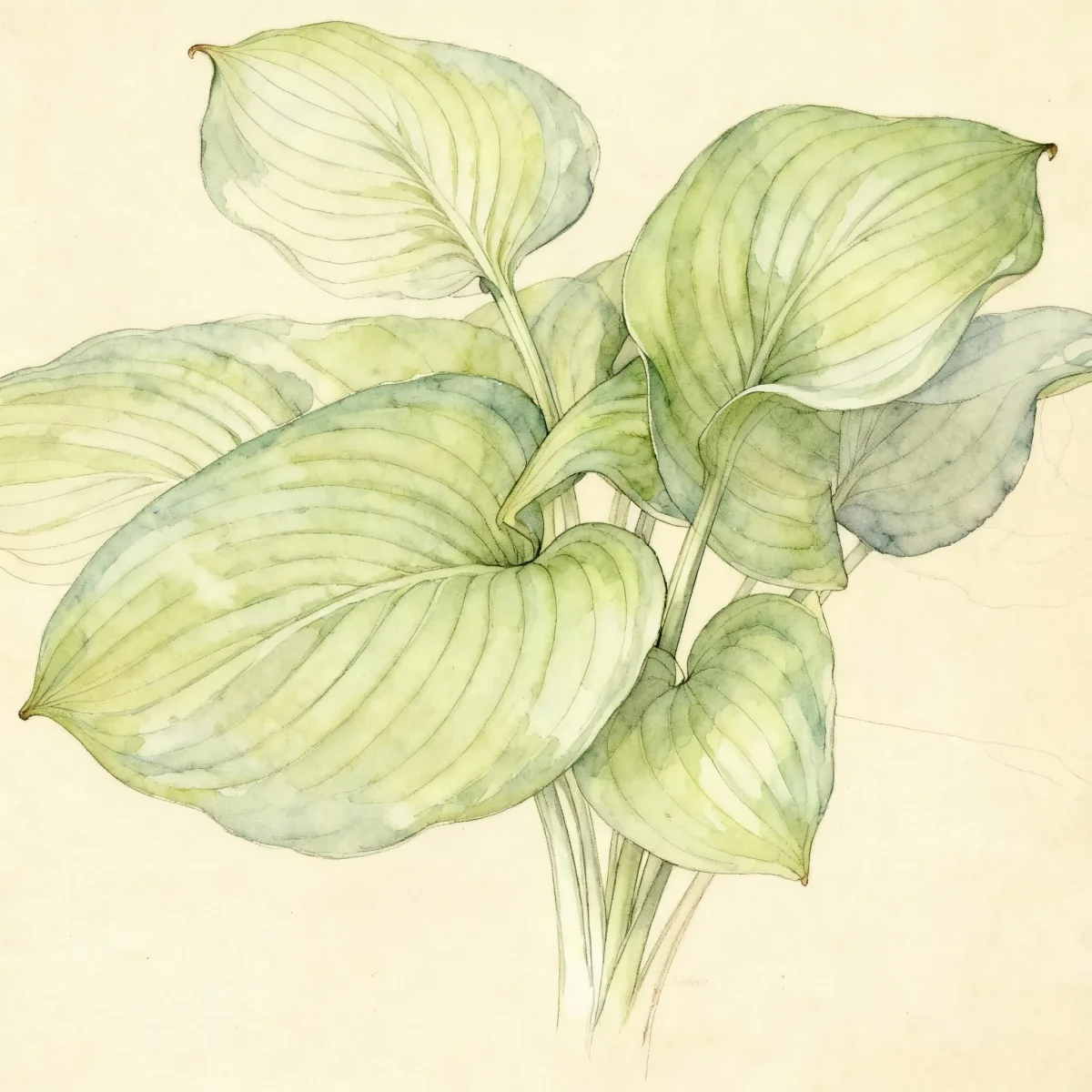
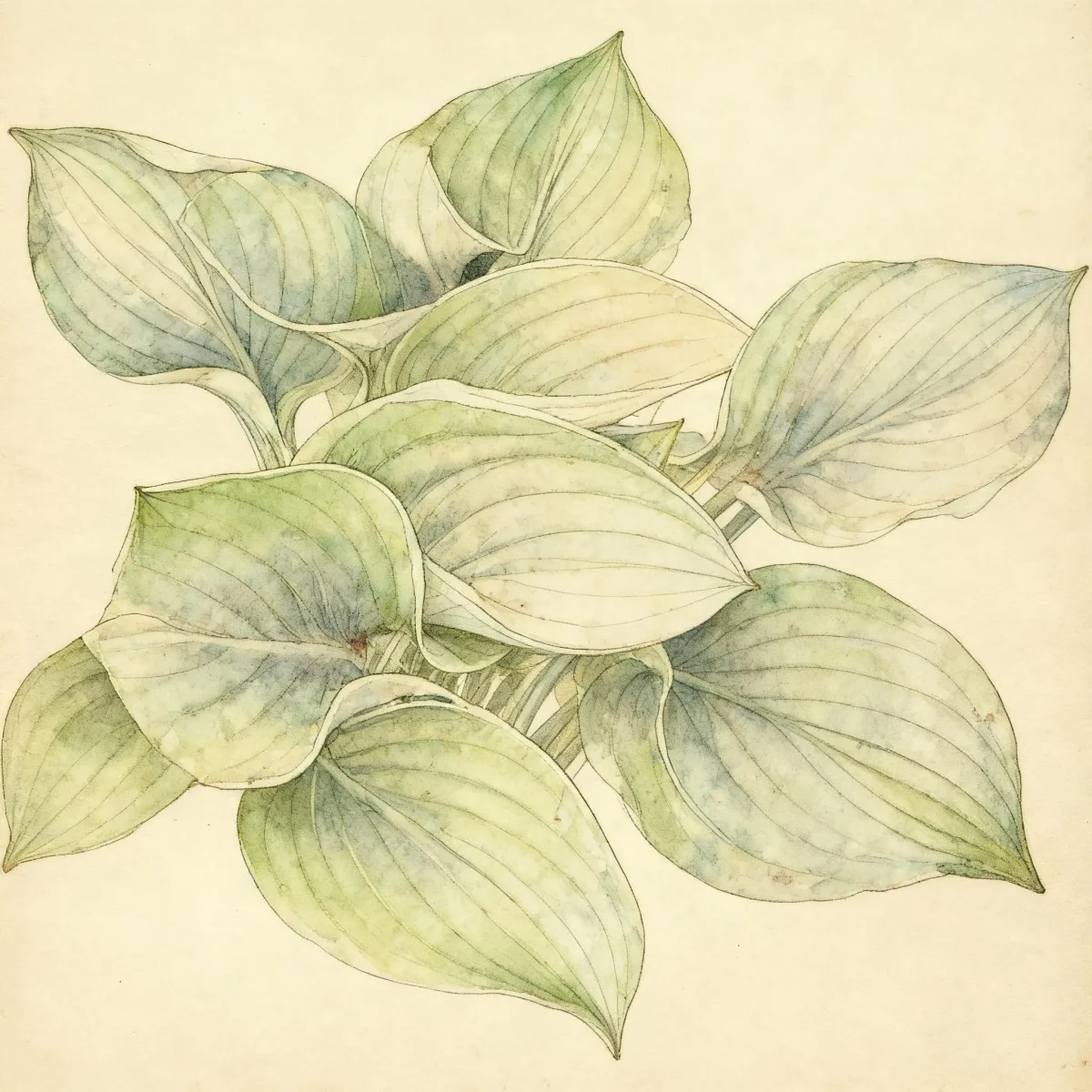
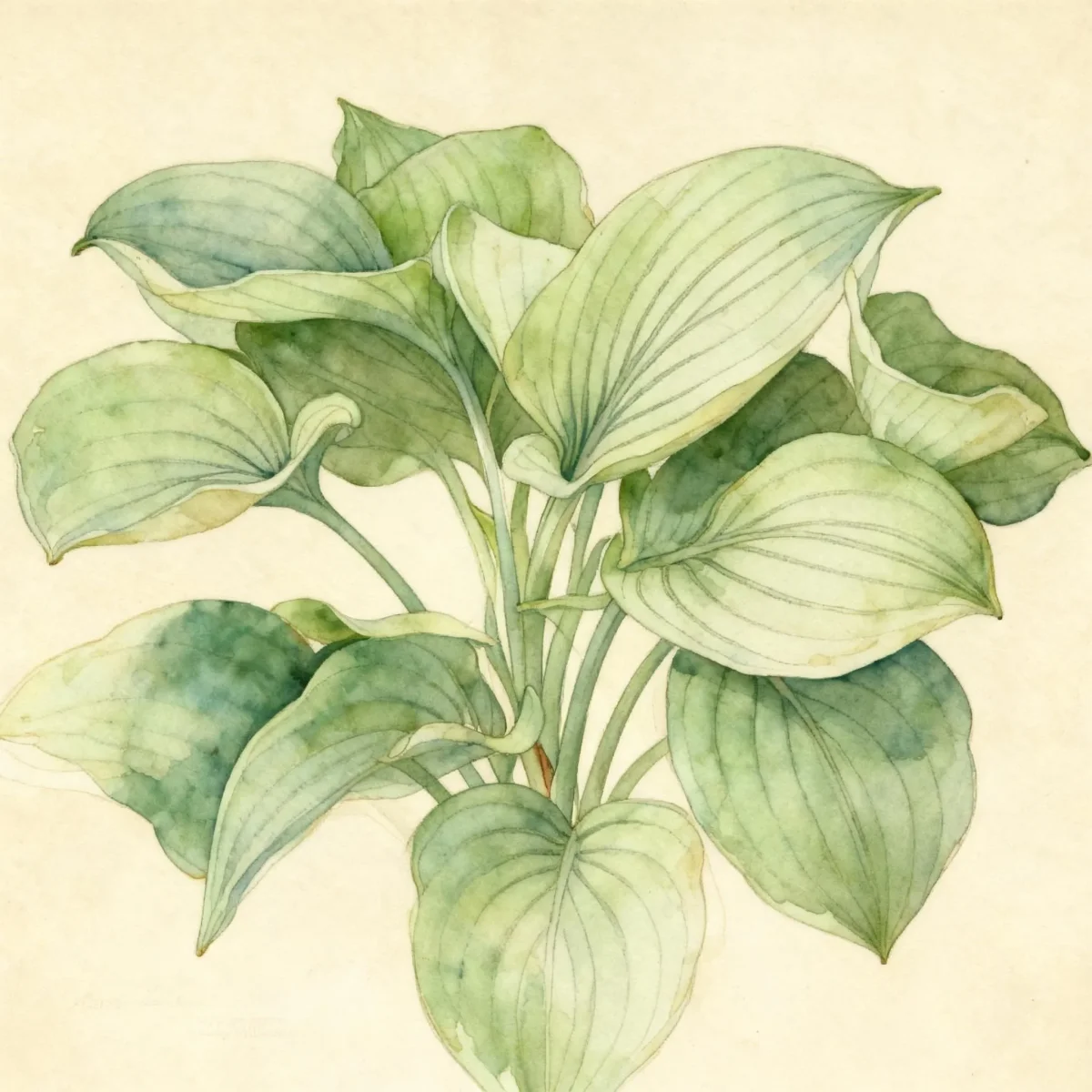
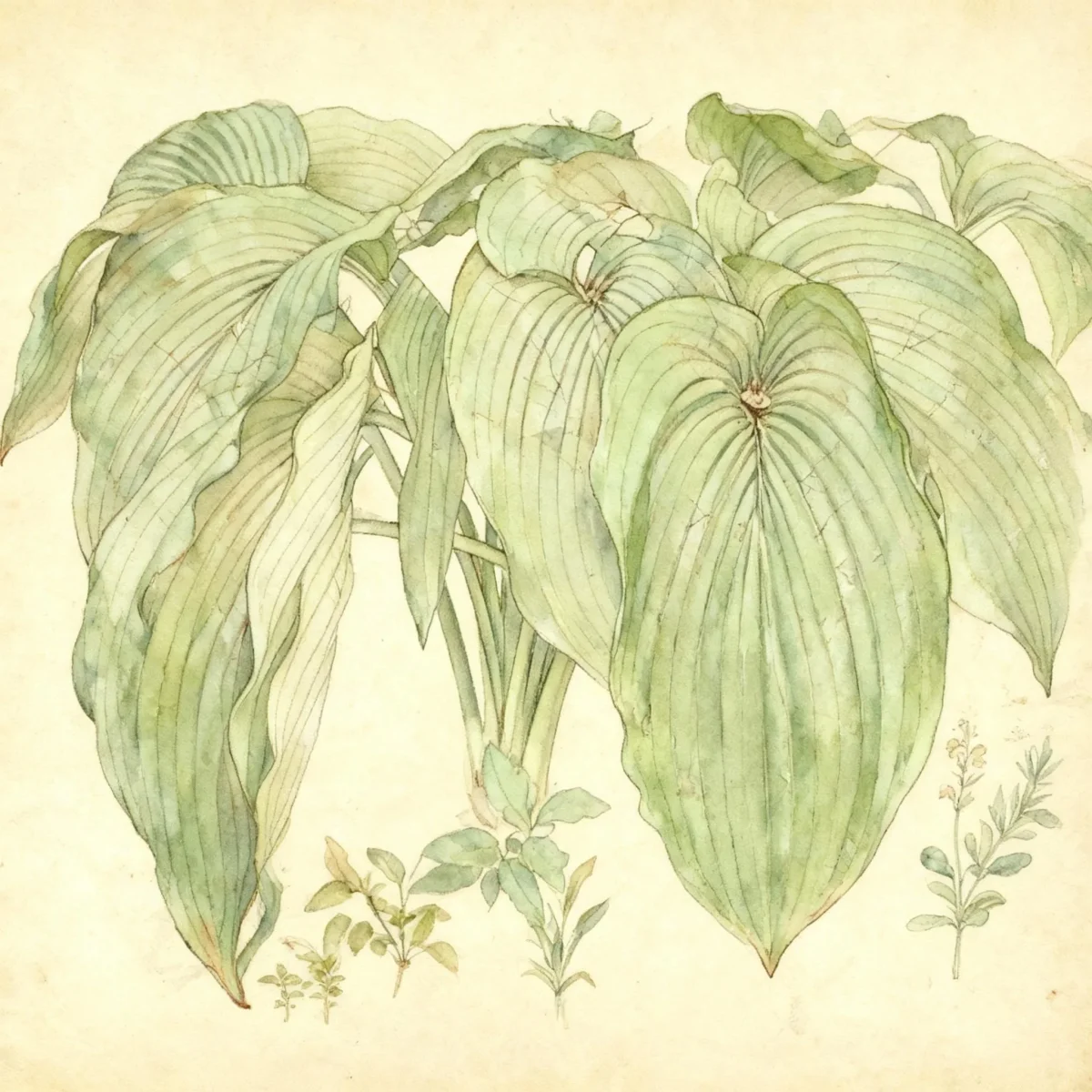
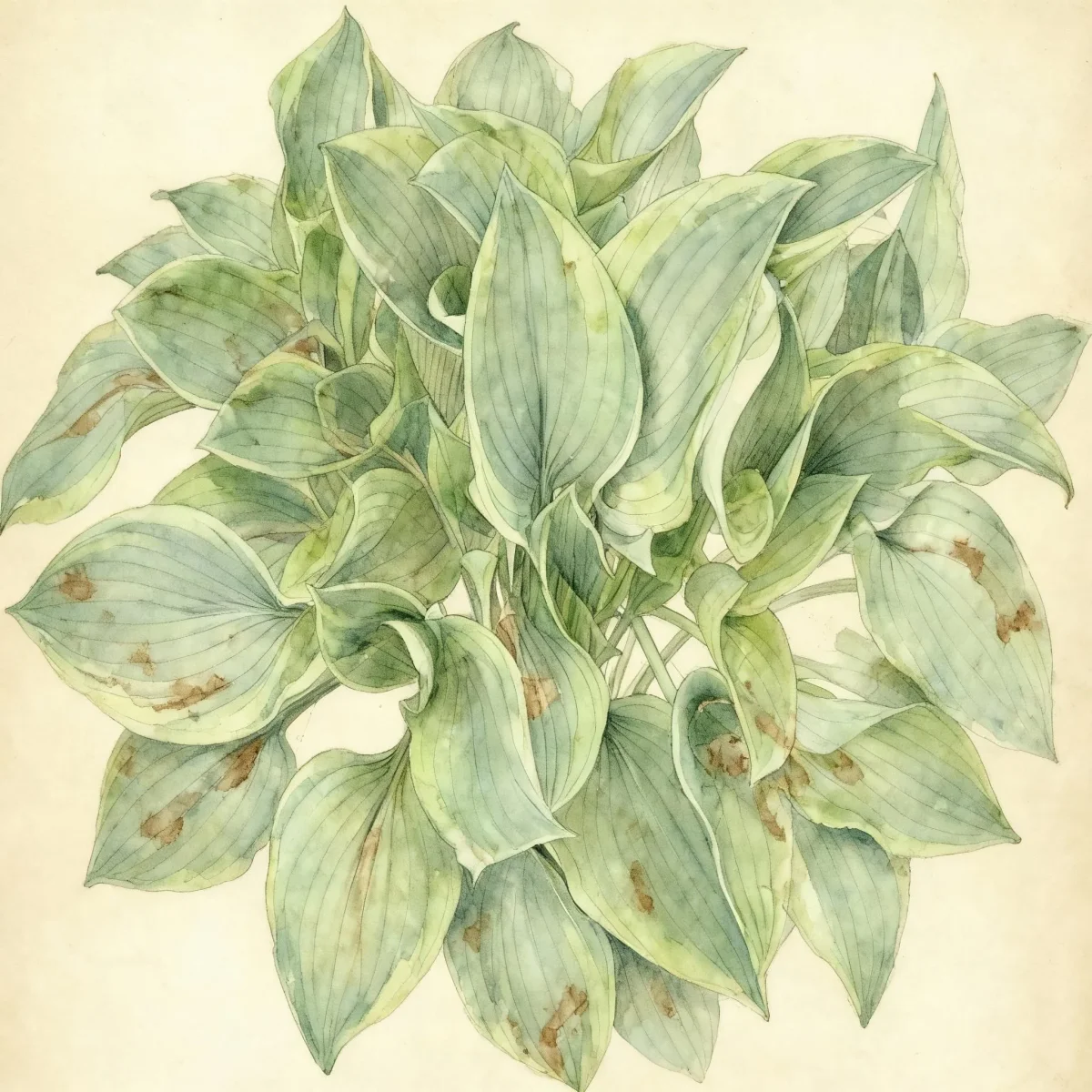
Hosta ‘Abby’ is an outstanding choice for gardeners seeking reliable, attractive foliage in deep shade. This cultivar forms a neat, small mound, valued more for its visual texture and leaf patterns than its summer blooms. The dark green leaves of Hosta ‘Abby’ are textured and broadly oval, featuring subtle, irregular chartreuse margins that brighten shadowy corners beautifully.
As a hardy herbaceous perennial, this Hosta thrives across a wide range of cold climates, making it incredibly versatile. Its tough nature contributes to its low-maintenance appeal, provided its fundamental needs for consistent moisture and protection from harsh afternoon sun are met.
The overall effect of Hosta ‘Abby’ in the landscape is one of cool, resilient grace. Few plants offer this level of quality foliage performance with minimal upkeep, securing the genus Hosta as an essential bedrock for woodland and shade garden design.
Fast Facts
- Plant Family: Asparagaceae
- Plant Type: Herbaceous perennial
- Hardiness Zones: USDA Zones 3-8
- Size at Maturity:
- Height: 0.5-1.5 ft
- Spread: 1.5-2.5 ft
- Bloom Time: July to August
- Bloom Description: Lavender
- Sun Exposure: Part shade to full shade
- Water Needs: Medium
- Maintenance Level: Low
How to Grow
The Hosta genus, including Hosta ‘Abby’, performs best when planted in spring or autumn. Select a location that offers protection from intense midday sun, favoring part shade settings where the plant might receive gentle morning light. Success hinges on soil health; aim for organically rich, well-drained soil that retains even moisture.
Maintain consistent soil moisture, especially as the Hosta establishes itself, as consistent watering promotes the best size and leaf quality. While established plants show some tolerance for dry shade, never allow the soil to fully dry out. When watering, direct the moisture to the base of the plant beneath the leaf canopy to prevent fungal issues on the foliage.
Division is an easy way to propagate this clump-forming perennial or to manage its size. Perform division in early spring before the leaves fully unfurl, or in the autumn. Remember to site your Hosta ‘Abby’ away from high winds, which can physically damage the leaves.
Landscape Uses
Hostas are the quintessential backbone for any shady garden area. Hosta ‘Abby’, with its manageable size and interesting variegation, excels as an edging plant, providing a crisp border along pathways or under taller, deciduous trees. They work wonderfully mixed with other shade-loving perennials like ferns or Astilbes, creating layers of textural contrast.
This cultivar is perfect for filling large shady gaps or acting as a low ground cover where turf grass struggles to grow. Planting Hosta ‘Abby’ near woodland edges or in deeply shaded borders allows their distinctive foliage to truly stand out against darker backgrounds. Their robust nature means they bring dependable structure to rock gardens or foundation plantings needing year-round visual interest.
Standout Features
Flower Qualities
- Showy
Noteworthy Characteristics
Hosta is a genus of shade-loving, rhizomatous, clump-forming, herbaceous perennials native to open woodlands in East Asia. Hostas are primarily grown for their ornamental foliage, which features conspicuously-veined, dense basal leaves that form a mound. ‘Abby’ is specifically noted as a small cultivar, developing a low mound up to 6” tall and spreading to 20-30” wide, with textured, dark green leaves edged in subtle chartreuse. Bell-shaped lavender flowers emerge mid to late summer atop scapes rising above the foliage mound.
Tolerances
- Heavy Shade
- Black Walnut
Potential Problems
The primary challenge for Hosta ‘Abby’, and all hostas, comes from mollusks, specifically slugs and snails. These pests are drawn to the foliage and can chew unsightly, jagged holes very quickly, diminishing the aesthetic quality of the leaves. To manage this, apply slug baits or diatomaceous earth around the base of the plants early in the season or after heavy rain. Leaf spots and crown rot are less common but can occur in overly damp, poorly drained conditions. Protect plants from hail, as its foliage is susceptible to physical damage.
Frequently Asked Questions
What hardiness zones is Hosta ‘Abby’ suitable for?
This variety is durable, thriving across USDA Zones 3 through 8.
How large does Hosta ‘Abby’ grow?
Hosta ‘Abby’ typically forms a low mound, reaching heights between 0.5 to 1.5 feet tall, and spreading approximately 1.5 to 2.5 feet wide.
What sun exposure does Hosta need?
Hosta ‘Abby’ performs best in part shade to full shade conditions and should be protected from intense afternoon sun exposure.
When does Hosta ‘Abby’ bloom?
The lavender, bell-shaped flowers of this Hosta typically appear from July through August.
Conclusion
Hosta ‘Abby’ provides exceptional, low-maintenance structure and texture specifically tailored for challenging shady locations. Its pleasing dark green and chartreuse foliage ensures garden appeal long after the lavender blooms fade in summer. Before planting, confirm your garden falls within USDA Zones 3–8 and prepare rich, moist soil to ensure your Hosta has the best start possible.
Companion Planting in Shade
When designing beds around Hosta ‘Abby’, consider reinforcing the woodland aesthetic with complementary textures. Ferns (like Japanese Painted Ferns) thrive under similar conditions and offer delicate, airy counterpoints to the broad leaves of the Hosta. Brunnera macrophylla, particularly varieties with silver foliage, pairs beautifully, providing color contrast while sharing the need for consistent moisture and shade tolerance.
For taller companions that won’t compete aggressively, consider shade-tolerant shrubs or tall Astilbes whose plumes emerge later in the season. The goal when pairing with Hosta is usually textural variety, as most shade companions share the need for the evenly moist, organically rich soil preferred by Hosta.
Seasonal Care Calendar
Early spring is the key time for Hosta preparation; apply a balanced, slow-release fertilizer around the crown once the emerging shoots start pushing through the soil. As leaves unfurl, this is the ideal window to inspect for slugs and apply preventative treatments before they settle in for the summer feeding frenzy.
During the peak growing months of summer, focus primarily on watering. Since Hosta ‘Abby’ requires medium water, irregular deep soaks are better than frequent shallow sprinkles. If you wish to divide your Hosta clump, late summer (after flowering) or early autumn provides the next best opportunity after the hectic spring rush.
In late autumn as the foliage naturally yellows and dies back, you can cut the spent stalks down to the ground. This tidiness helps reduce overwintering sites for pests and makes cleanup easier, preparing the site for the emergence of your resilient Hosta ‘Abby’ next spring.