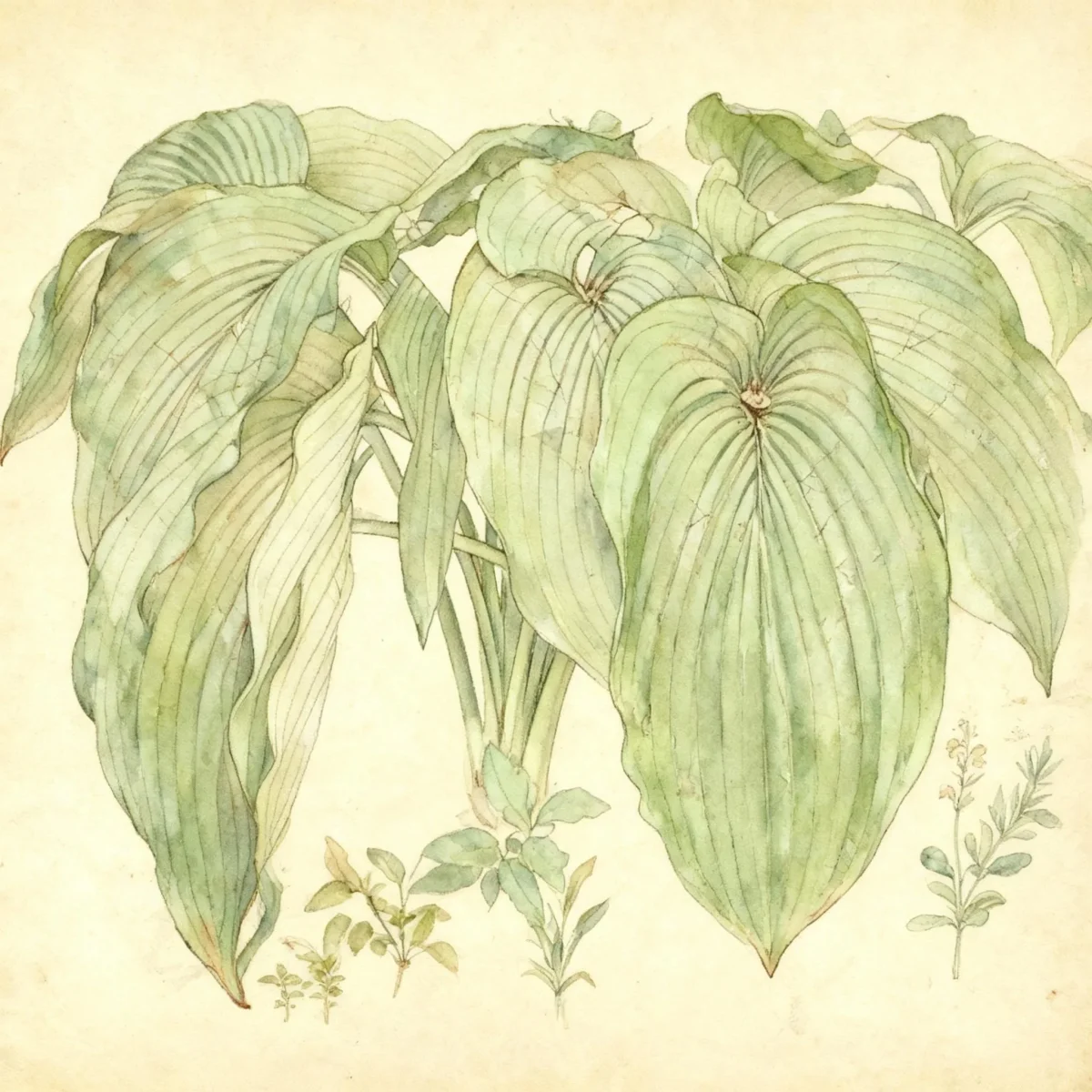
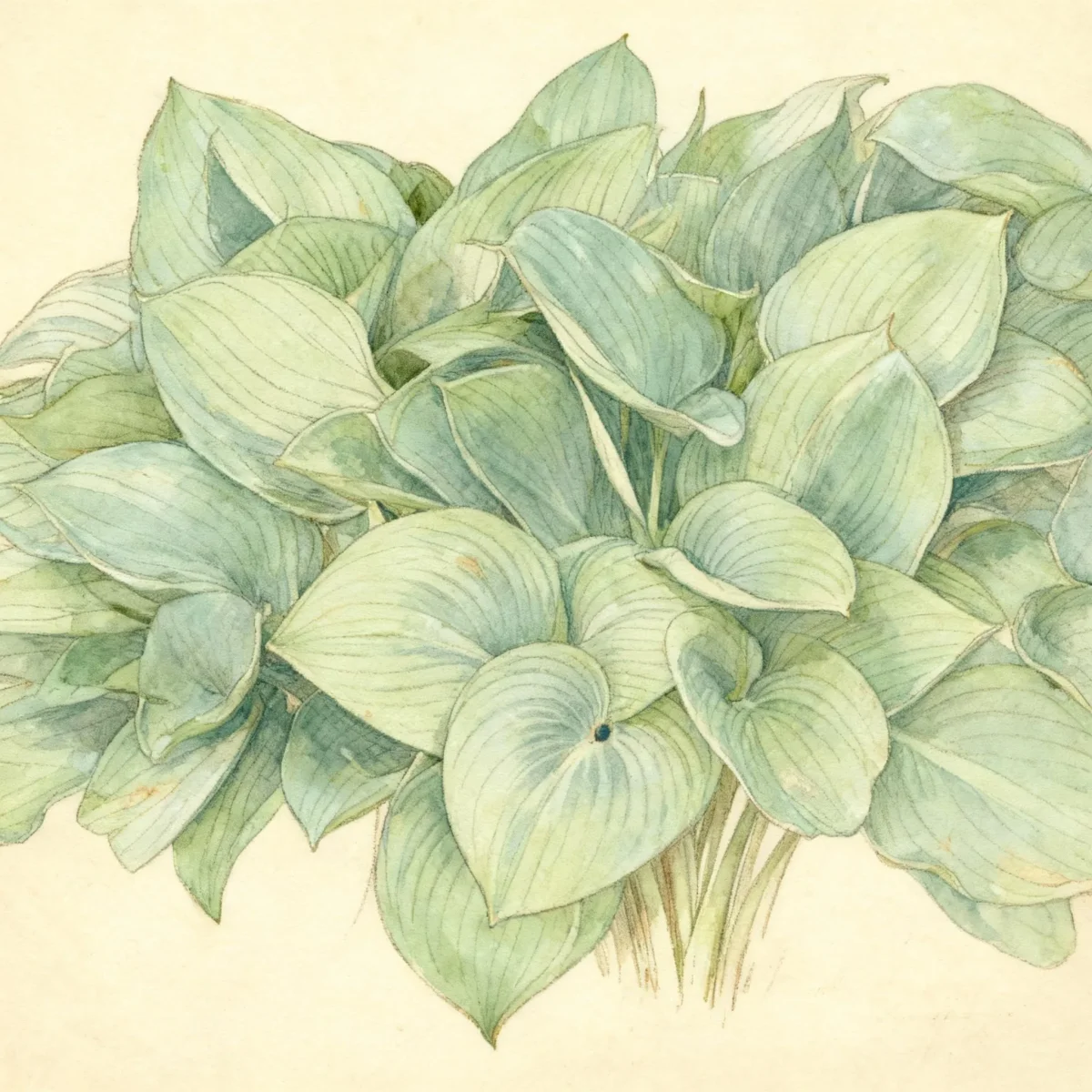
Hosta (Hosta 'August Moon')
Hosta 'August Moon' is a medium-large, gold-leaved Hosta perennial thriving in difficult shade with low maintenance.
Scroll down to discover growing tips, care requirements, companion plants, and more
Complete Plant Information
Overview
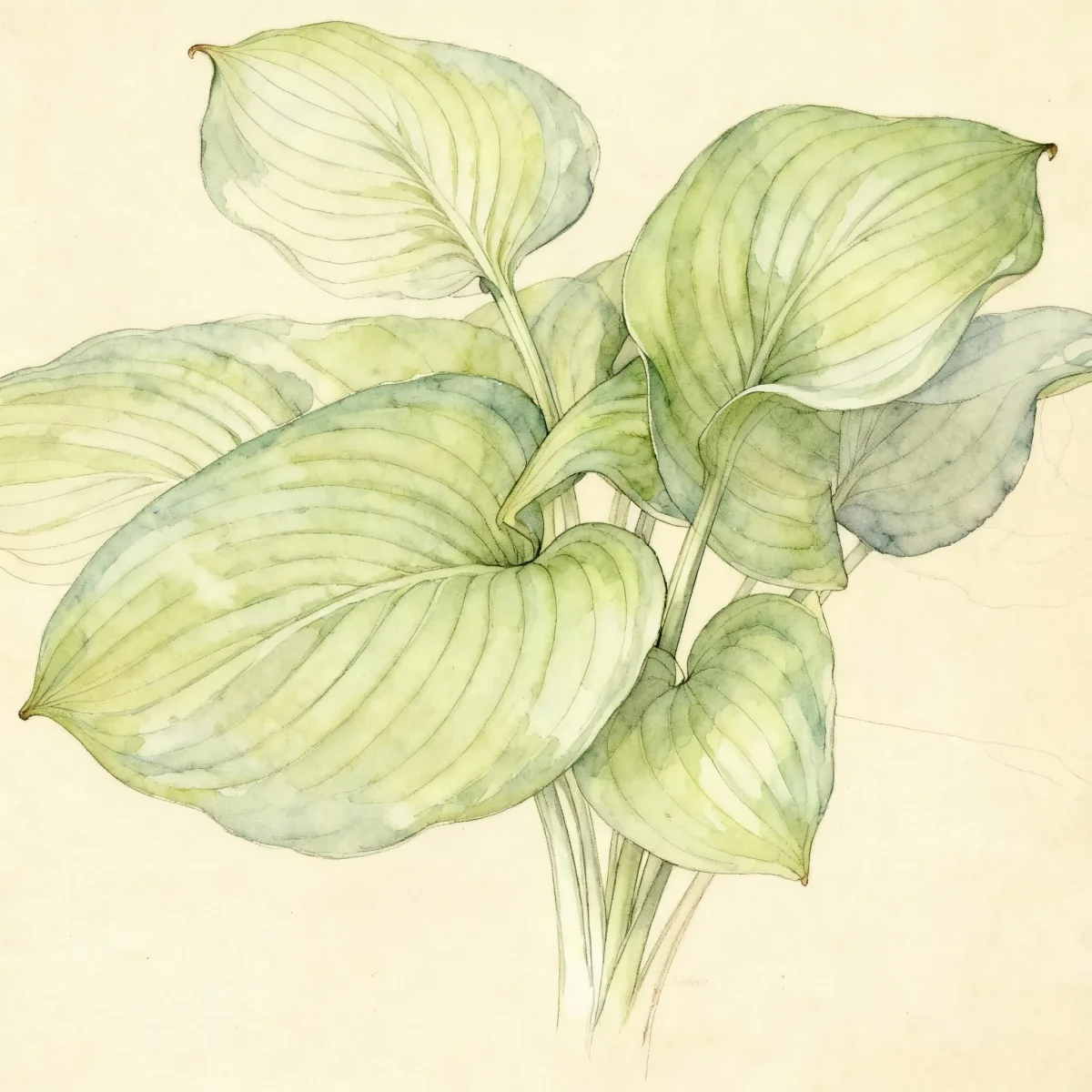
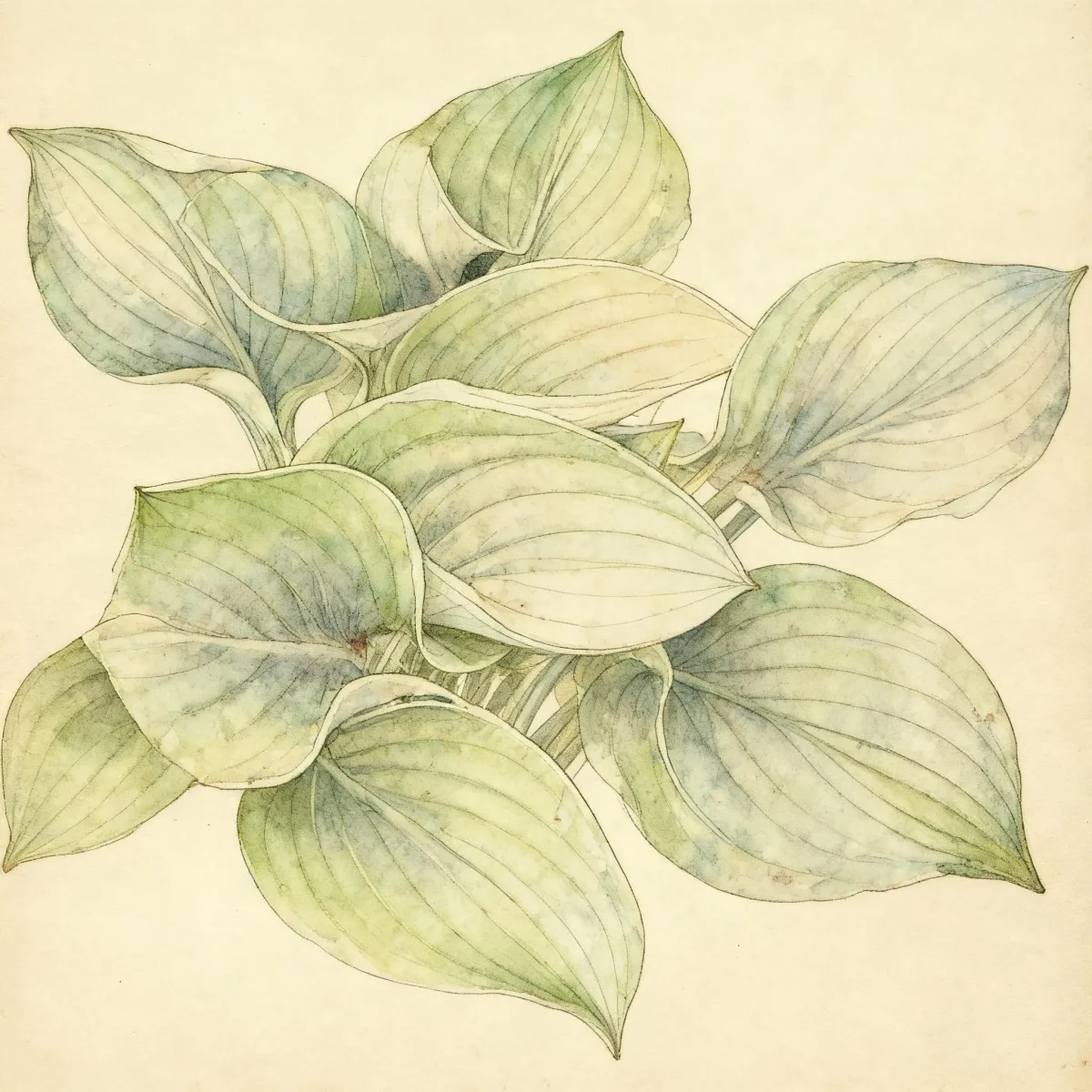
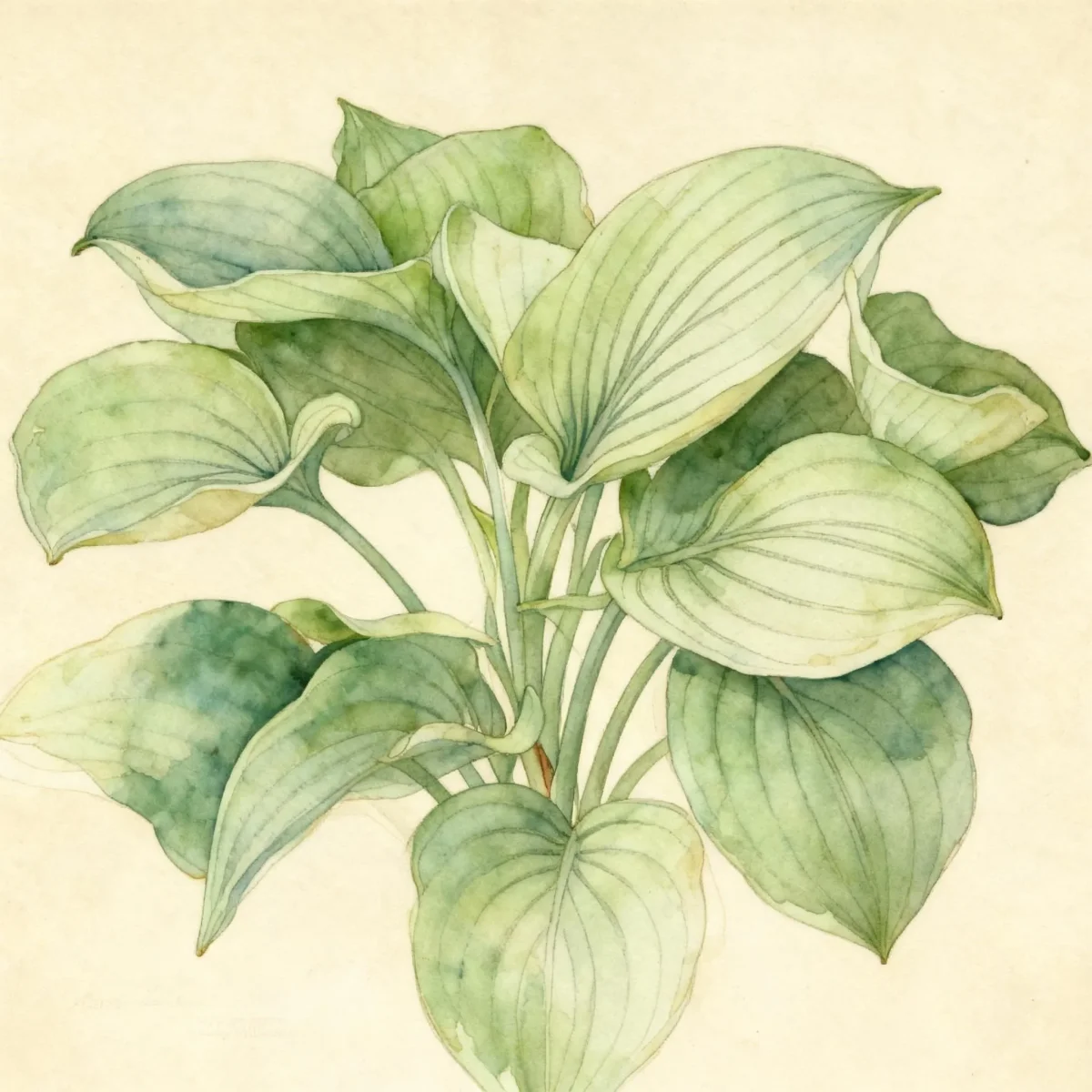
Hosta ‘August Moon’ is celebrated by gardeners as a stalwart addition to any shaded landscape, valued primarily for its substantial, ornamental foliage that brightens dark corners. This medium-large Hosta cultivar forms a dense mound, providing excellent texture and color contrast against greener companions. The leaves of Hosta ‘August Moon’ open chartreuse and mature to a rich gold, especially where they receive a touch of protective morning sun.
As a classic herbaceous perennial, this Hosta variety demands relatively low maintenance once established, making it ideal for both novice and experienced shade gardeners. Its clumping nature and impressive final size of up to three feet wide make it an excellent structural plant for year-round appeal in woodland or foundation plantings. The Hosta genus, known widely as plantain lily, offers reliable performance in difficult growing conditions.
A key feature of Hosta ‘August Moon’ is its relative tolerance for sun compared to other yellow hostas, allowing it to achieve its best gold coloration without scorching, provided moisture is consistent. This resilience, combined with its attractive flowers in late summer, solidifies its position as a premier choice for defining the beauty of the shade garden.
Fast Facts
- Plant Family: Asparagaceae
- Plant Type: Herbaceous perennial
- Hardiness Zones: USDA Zones 3-8
- Size at Maturity:
- Height: 1-1.5 ft
- Spread: 2-3 ft
- Bloom Time: August to September
- Bloom Description: Pale lavender to white
- Sun Exposure: Part shade to full shade
- Water Needs: Medium
- Maintenance Level: Low
How to Grow
Plant Hosta ‘August Moon’ in the spring or early fall in a location protected from harsh winds. The ideal location provides part shade, benefiting from gentle morning sun exposure rather than intense afternoon rays, though established plants can handle some dry shade. They thrive in organically rich, well-drained soils that stay consistently moist throughout the growing season.
Maintaining consistent moisture is crucial for achieving the best spread and color quality for Hosta ‘August Moon’. Water should be directed beneath the leaves directly onto the soil. While they tolerate some dryness, allowing the soil to fully dry out will diminish the plant’s overall size and performance. Fertilization is rarely necessary if the soil structure is adequate.
Maintenance for this Hosta is generally low. Divide clumps as needed, usually in early spring before the leaves fully emerge, as this is the easiest time to separate the rhizomatous crowns. Cleanup typically involves removing tattered foliage in late fall or early spring before new growth begins.
Landscape Uses
Hostas are the undisputed mainstays when designing shady garden spaces, and Hosta ‘August Moon’ excels due to its bright, golden foliage that provides high contrast. They are incredibly effective when planted in groups or massed together to create sweeping drifts of color under mature trees or along north-facing borders. The rounded mound of this particular Hosta makes it a superb background element or anchor plant in a mixed perennial border where lower-growing, fine-textured shade lovers surround it.
Unlike many other shade perennials, the foliage of the Hosta genus carries the visual interest almost year-round, long after flowering concludes. Consider pairing Hosta ‘August Moon’ with deep green ferns, Japanese forest grass (Hakonechloa), or deep purple Heuchera to maximize the visual impact of its golden hue. For woodland effect, naturalize them among host trees where the dappled light mimics their native habitat.
Standout Features
Flower Qualities
- Showy
Noteworthy Characteristics
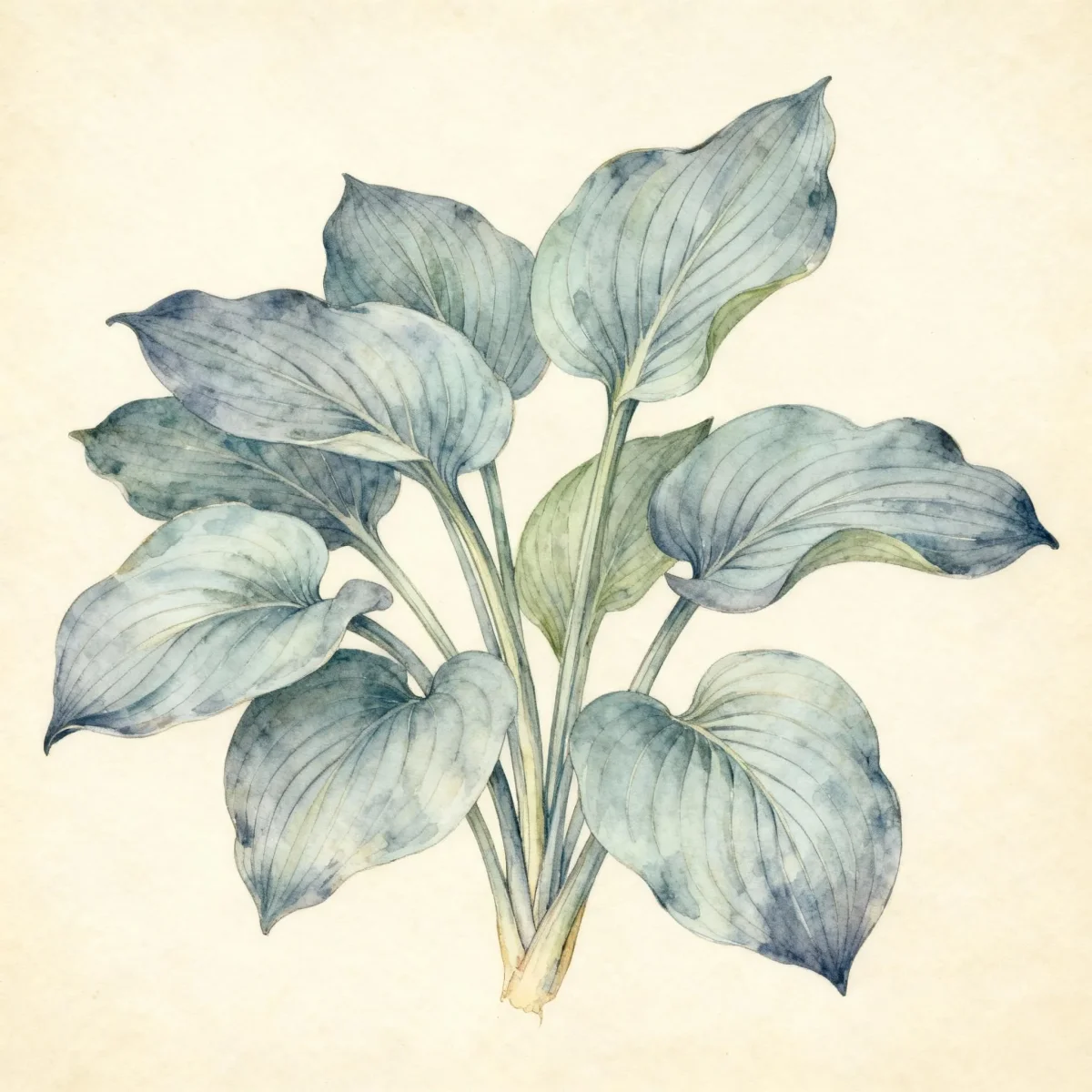
Hosta is a genus primarily grown for its ornamental foliage, featuring basal leaves in a variety of shapes, colors, and textures rising from a central crown. Hosta ‘August Moon’ is a medium-large cultivar, displaying wide-oval, seersuckered leaves that mature to gold, particularly with some sun exposure. Bell-shaped, light lavender to white flowers bloom atop scapes in mid-summer, though the foliage remains the main attraction.
Tolerances
- Heavy Shade
- Black Walnut
Potential Problems
Slugs and snails represent the most common threat to Hosta foliage, leaving behind characteristic jagged holes that rapidly degrade aesthetic quality. Managing these mollusks proactively is key; apply bait granules or beer traps early in the season before populations peak. Foliar nematodes can cause interveinal browning, while less often, leaf spots or crown rot can occur due to overly saturated soil.
Be vigilant for viral issues like Hosta Virus X (HVX); infected plants must be destroyed immediately to prevent spread. Furthermore, deer and rabbits frequently feed voraciously on Hosta leaves in many regions, requiring physical barriers or repellent applications for protection. Hail storms can also inflict severe cosmetic damage on exposed leaves.
Frequently Asked Questions
What hardiness zones is Hosta ‘August Moon’ suitable for?
Hosta ‘August Moon’ is reliably cold-hardy throughout USDA Zones 3 through 8.
How large does Hosta ‘August Moon’ grow?
This cultivar typically reaches a height between 1 and 1.5 feet and spreads to a width of 2 to 3 feet, forming a substantial mound.
What sun exposure does Hosta ‘August Moon’ need?
This Hosta prefers part shade to full shade conditions, performing best with some morning sun or dappled light.
When does Hosta ‘August Moon’ bloom?
The pale lavender to white, bell-shaped flowers appear late in the season, typically blooming from August into September.
Conclusion
Hosta ‘August Moon’ offers superb texture and vibrant gold color, serving as an invaluable, low-maintenance backbone for any shaded garden design. Successful cultivation of this fantastic Hosta relies on its preference for consistently moist, rich soil and protection from severe afternoon heat. Check your local USDA hardiness zone compatibility and plan your spring planting schedule now to enjoy this stunning perennial.
Companion Planting
Selecting the right partners can elevate the visual appeal of Hosta ‘August Moon’ significantly. Because they share the need for protection from intense, drying sun, look to other shade-loving plants with contrasting foliage habits. Ferns, such as the delicate Japanese Painted Fern, provide a soft, airy texture next to the dense, thick leaves of the Hosta.
Groundcovers like Ajuga or Vinca minor can suppress weeds and help maintain desirable soil moisture levels around the base of your Hosta plants. For seasonal color contrast, consider pairing Hosta ‘August Moon’ with blooming shade perennials like Astilbe or Dicentra (Bleeding Heart), ensuring blooms occur at different times to maintain interest throughout the season.
Design Ideas for Gold Foliage
The bright chartreuse-to-gold leaves of Hosta ‘August Moon’ make it perfect for illuminating dark areas of the garden where green struggle to stand out. Use this cultivar in sequence along a shaded driveway or walkway to draw the eye through the landscape. Its substantial size (up to 3 feet wide) means it functions well as a specimen plant when placed prominently near a focal point, such as a birdbath or garden statue.
In contemporary shade gardening, mass plantings of single, large-leaved varieties like this Hosta create a dramatic, calming impact. If space is limited, Hosta ‘August Moon’ performs admirably in wide, deep containers, provided drainage is excellent and regular deep watering is maintained during dry spells. The rounded form pairs beautifully with vertical accents like slender evergreen shrubs or columnar hostas placed behind it.