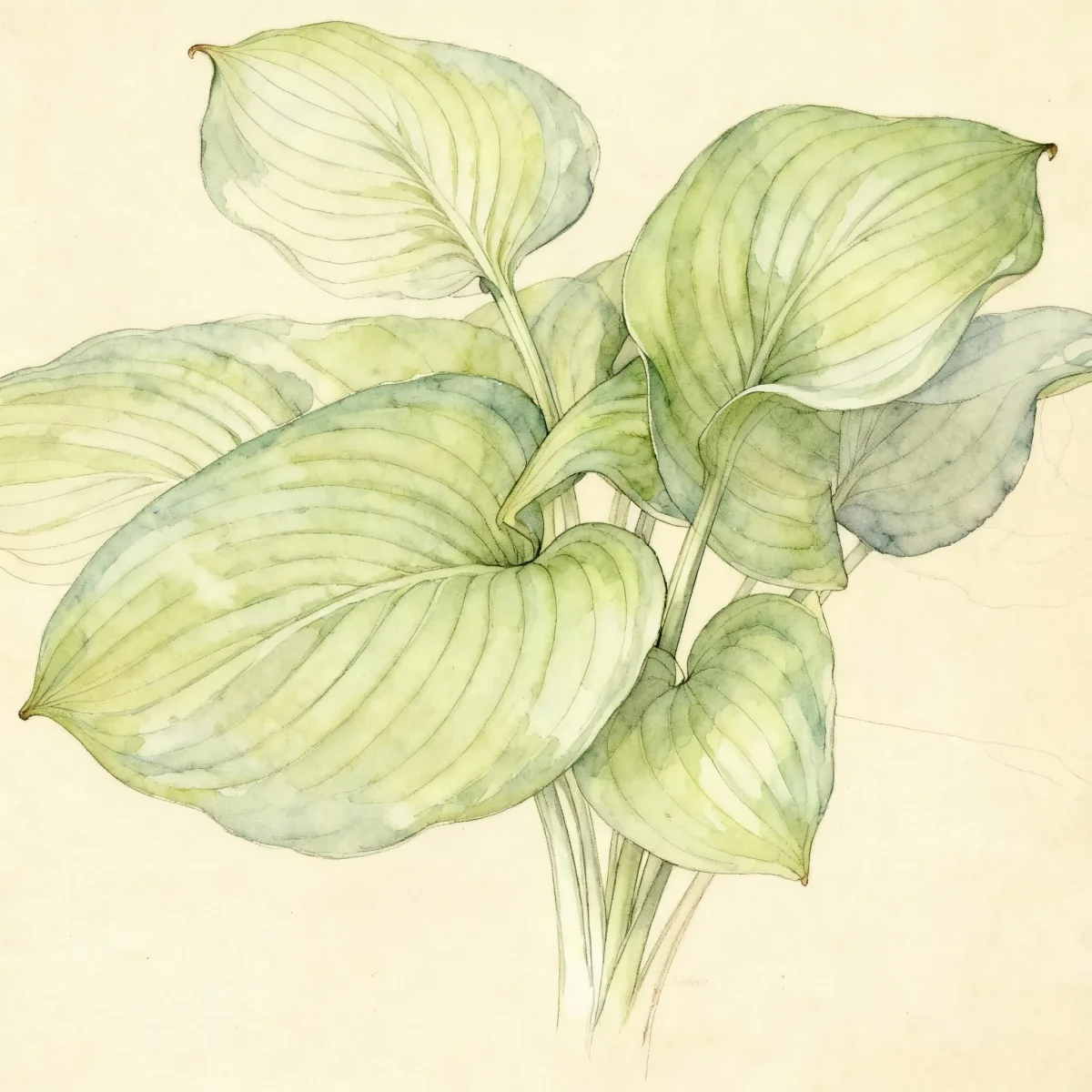
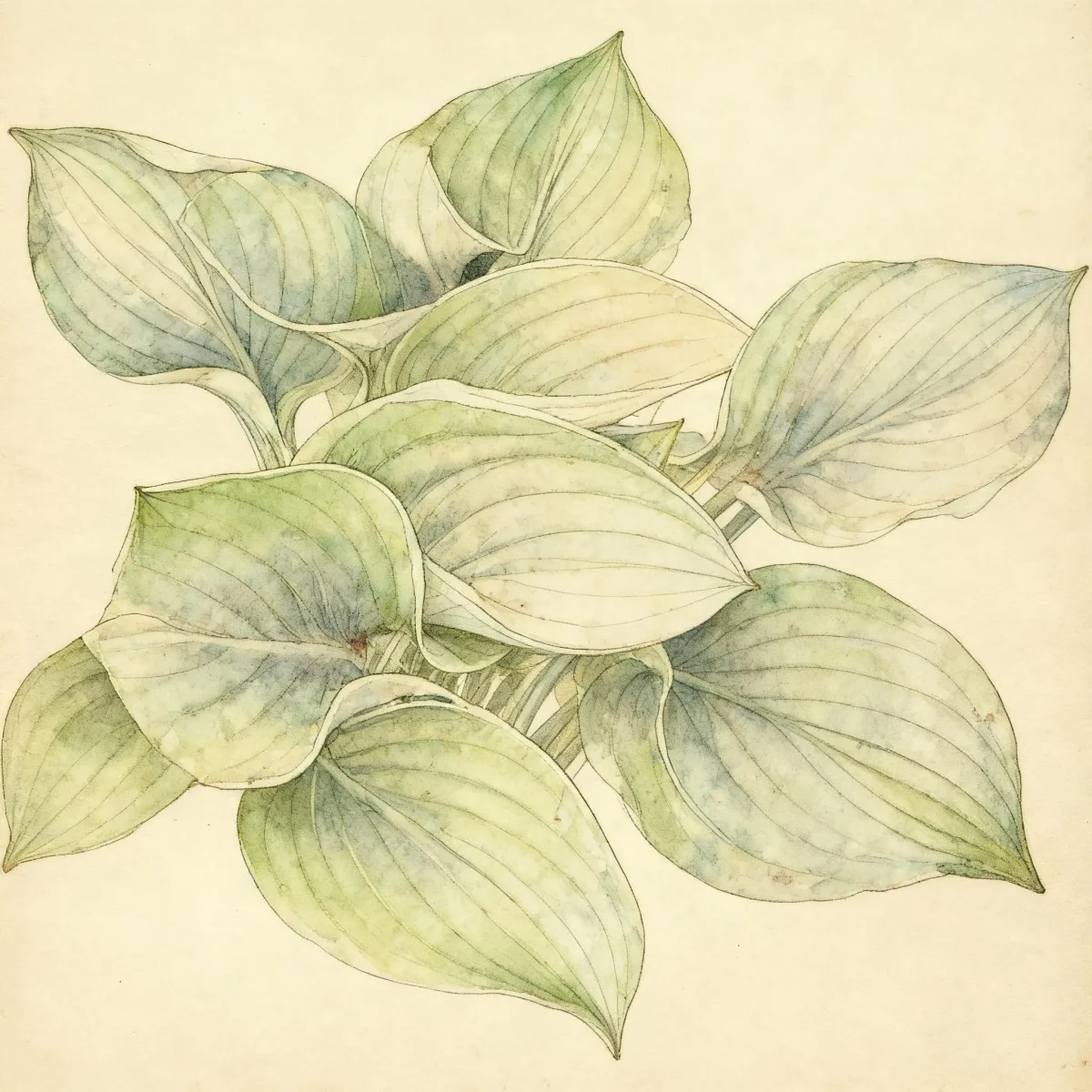
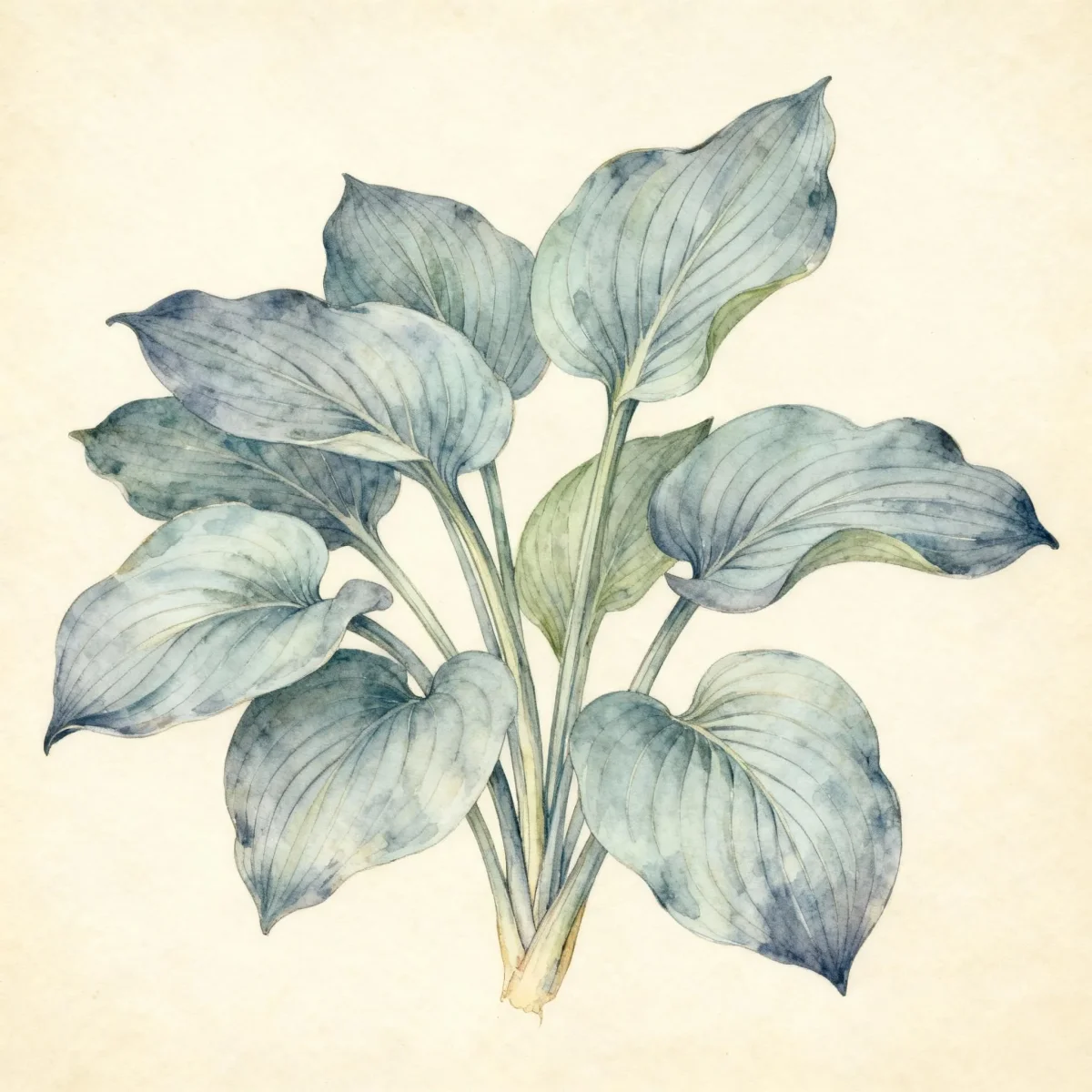
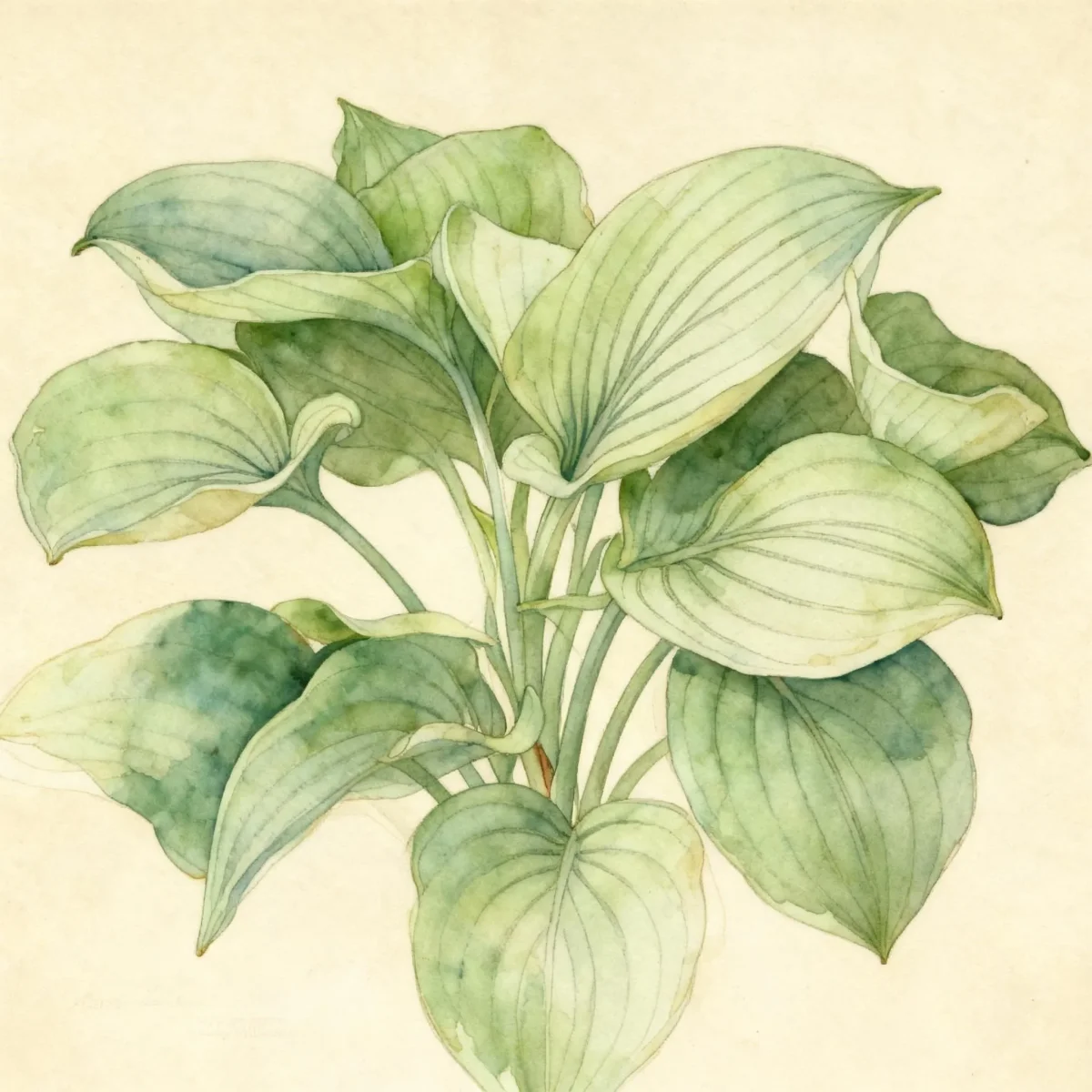
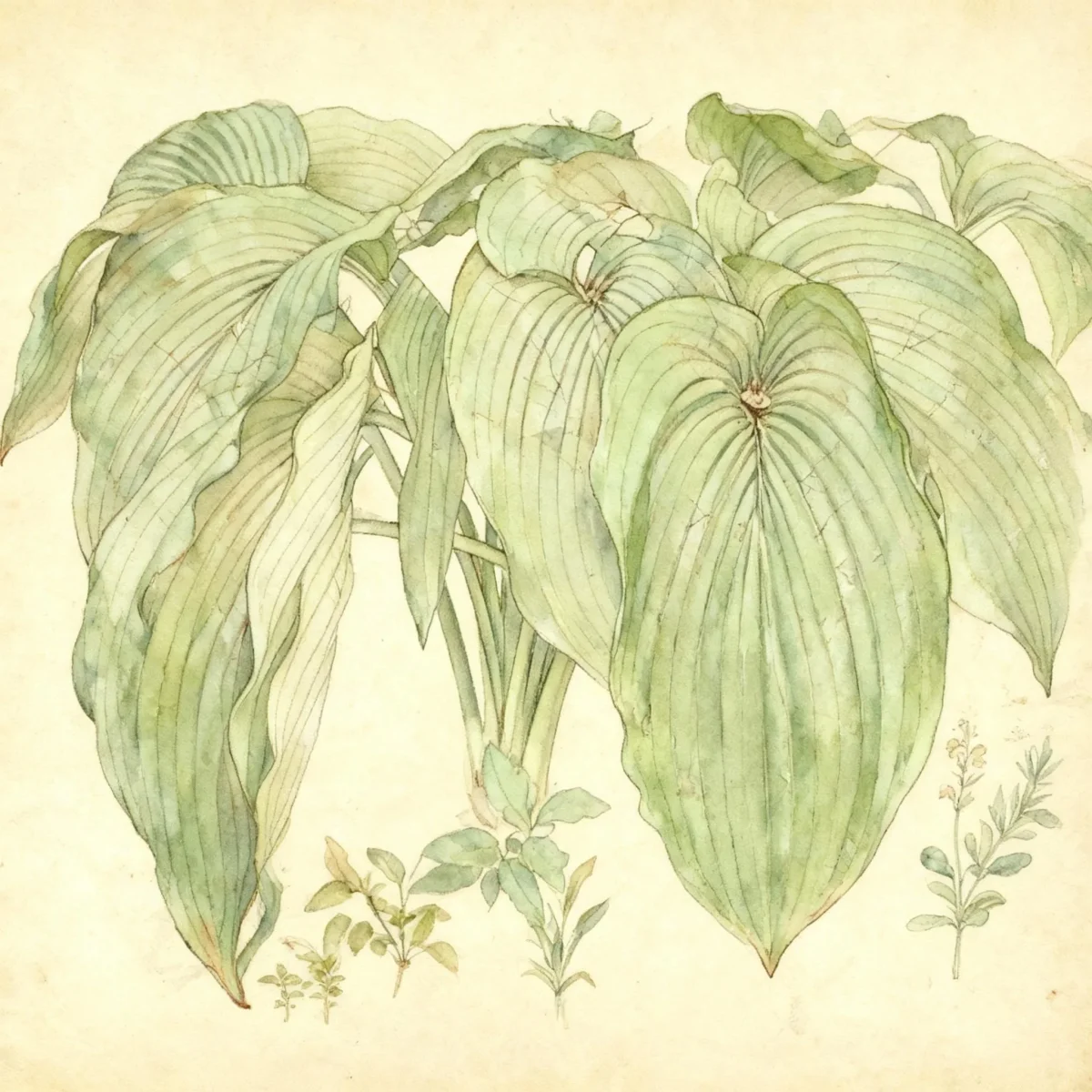
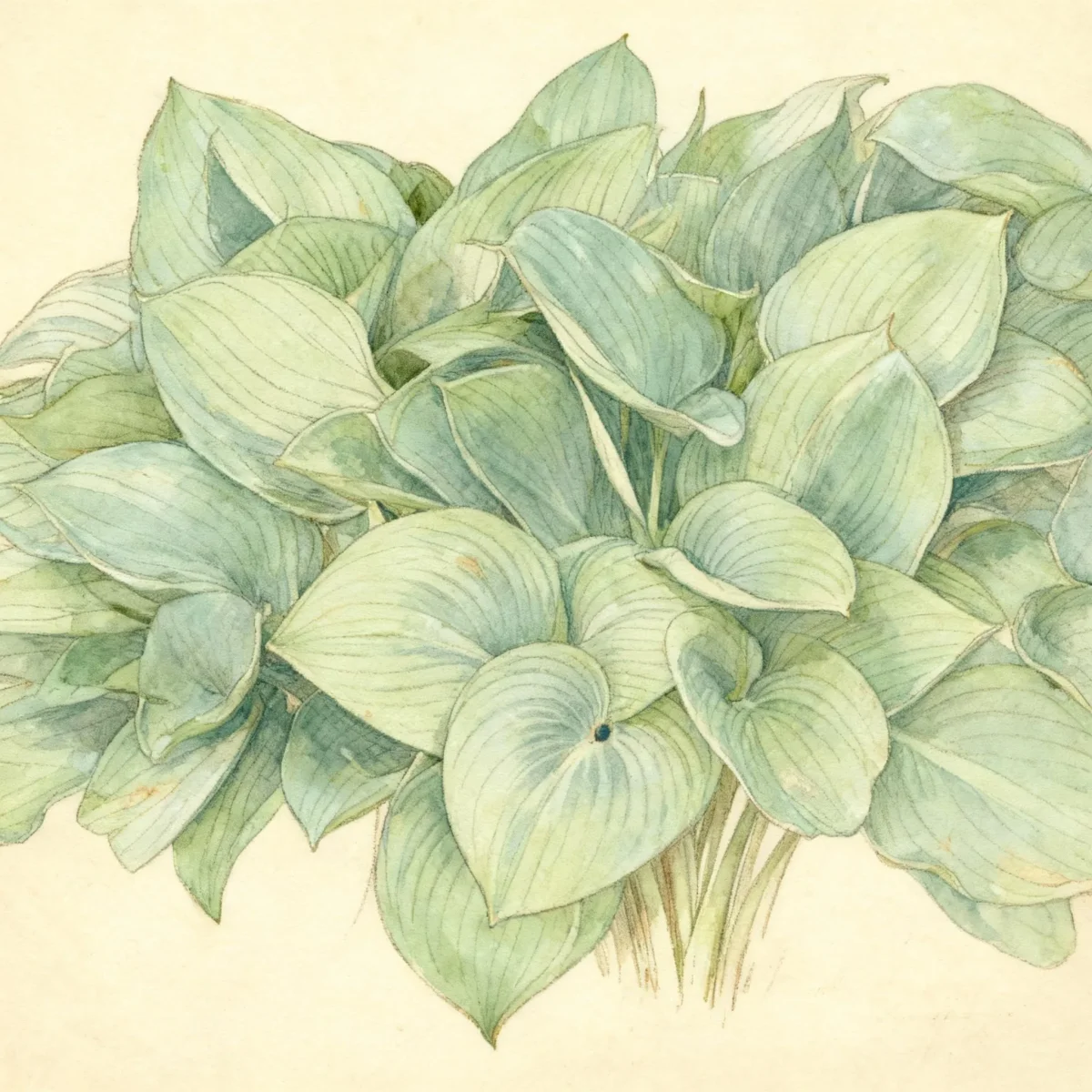
Hosta (Hosta 'Aztec Treasure')
Hosta 'Aztec Treasure' offers wrinkled, chartreuse foliage and striking purple blooms. This low-maintenance Hosta thrives in deep shade.
Scroll down to discover growing tips, care requirements, companion plants, and more
Complete Plant Information
Overview
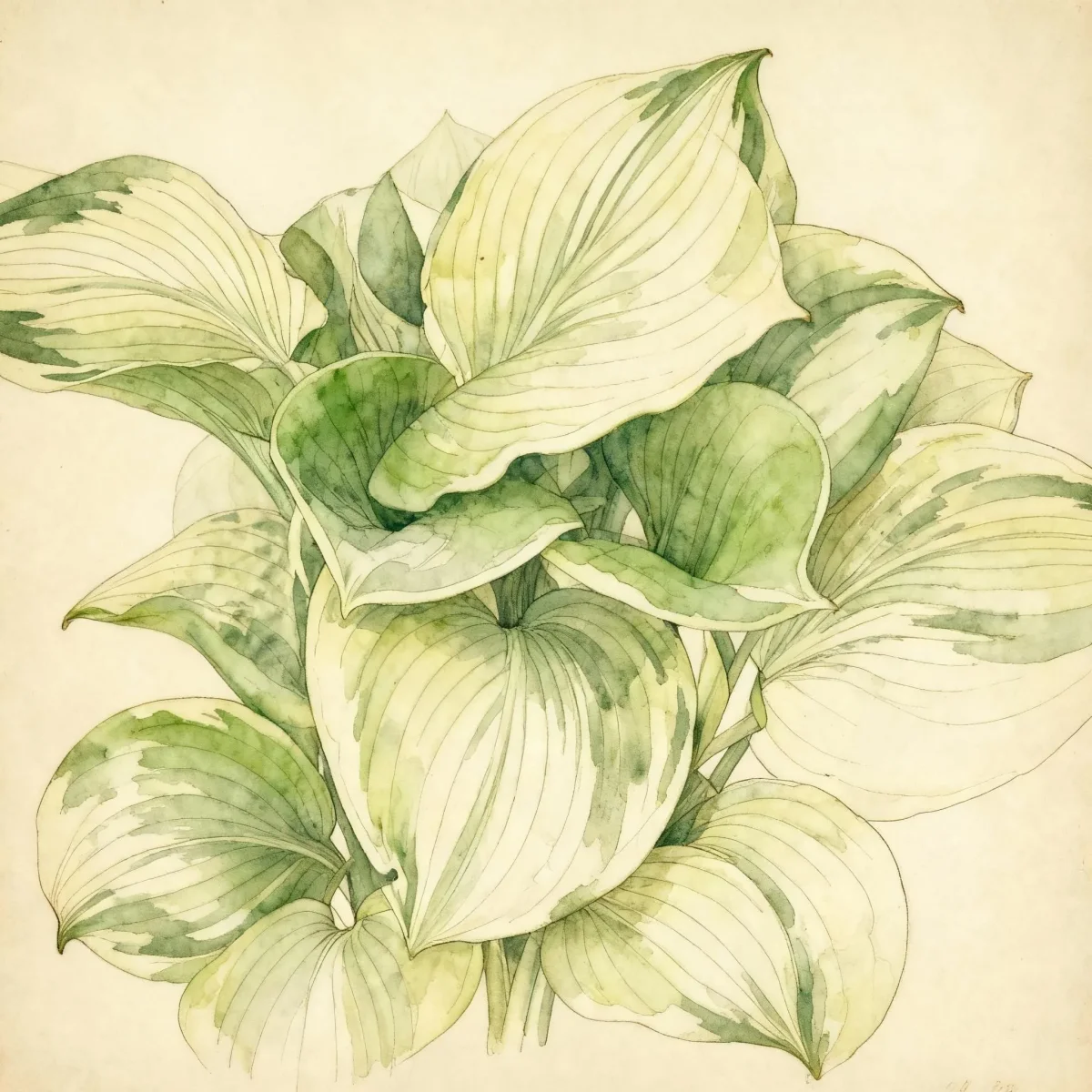
The Hosta genus is renowned for providing essential structure and texture to shaded landscapes, and Hosta ‘Aztec Treasure’ is a dependable standout in this group. This variety is highly prized for its chartreuse, heart-shaped, wrinkled leaves that provide brilliant color contrast against darker foliage plants. As an herbaceous perennial, Hosta ‘Aztec Treasure’ forms a neat, dense mound, making it remarkably useful in bordering beds and shady woodland settings.
Growing this Hosta is straightforward, as it exhibits characteristics typical of the genus: shade tolerance, low maintenance needs, and a preference for consistent moisture. Its substantial foliage helps suppress weeds as it matures, offering a functional aesthetic benefit alongside its visual appeal. The contrasting purple, bell-shaped flowers that appear in mid-summer atop tall scapes add a final layer of seasonal interest.
Gardeners rely on varieties like the Hosta ‘Aztec Treasure’ to anchor dark corners of the garden, capitalizing on its ability to thrive where many flowering plants fail. Its robust nature and manageable size ensure it remains a versatile favorite for both novice and experienced shade gardeners wanting texture, color, and reliability.
Fast Facts
- Plant Family: Asparagaceae
- Plant Type: Herbaceous perennial
- Hardiness Zones: USDA Zones 3-8
- Size at Maturity:
- Height: 0.75-1 ft
- Spread: 1.5-2 ft
- Bloom Time: June to July
- Bloom Description: Purple
- Sun Exposure: Part shade to full shade
- Water Needs: Medium
- Maintenance Level: Low
How to Grow
Planting Hosta ‘Aztec Treasure’ is best accomplished in spring or early autumn, ensuring the soil is organically rich and well-drained. Aim for a location that receives part shade, ideally with some dappled afternoon sunlight or gentle morning sun; while established plants tolerate dry shade, consistent moisture is crucial for achieving the plant’s full size and best leaf color. Water should be applied directly to the soil beneath the leaf canopy to discourage fungal issues on the foliage.
Maintenance for this Hosta is wonderfully low. Ensure the soil remains evenly moist, especially during dry spells, as allowing the soil to thoroughly dry out will stress the plant. Fertilizing is rarely necessary if the soil has good organic matter content. Pruning primarily involves cutting back the foliage after it dies back in the late fall or early spring before new growth begins.
Routine maintenance includes dividing the clump as needed, which is easiest to perform in early spring before the distinctive leaves unfurl. To maximize the impact of Hosta ‘Aztec Treasure’, ensure planting sites are protected from strong winds, which can whip and damage the leaves. These perennials are considered highly reliable performers once established.
Landscape Uses
Hostas are indispensable for designing shaded garden spaces, and Hosta ‘Aztec Treasure’ excels as a textural element in these settings. The genus is primarily celebrated for its ornamental foliage, providing year-round structure beneath tree canopies or along north-facing walls. This specific chartreuse cultivar works exceptionally well when massed or planted in groups to create a broad sweep of color.
They function beautifully as shady borders, lining walkways where their mounding habit prevents an overly formal appearance. Utilizing their contrasting leaf color next to deep green or blue-leaved plants greatly enhances visual interest. They serve effectively as a background foil for smaller, shade-loving annuals or woodland wildflowers.
Standout Features
Flower Qualities
- Showy
- Good Cut
Noteworthy Characteristics
The genus Hosta, native primarily to open woodlands in Japan, Korea, and China, is prized for its ornamental foliage, featuring conspicuously-veined, basal leaves that form colorful mounds. Hosta ‘Aztec Treasure’ specifically features a mound of wrinkled, heart-shaped, chartreuse leaves accented by racemes of bell-shaped, purple flowers rising on 28-inch scapes. This dependable perennial provides excellent texture and contrast, and its dense foliage naturally helps crowd out unwanted garden weeds.
Tolerances
- Heavy Shade
- Black Walnut
Potential Problems
The primary concern for almost all Hostas, including Hosta ‘Aztec Treasure’, involves mollusk pests. Slugs and snails are highly attracted to the foliage, leaving behind telltale jagged holes that quickly degrade the aesthetic appeal if left unchecked. Inspecting the undersides of leaves and surrounding soil regularly, and employing targeted control measures like diatomaceous earth barriers or slug bait, is essential for prevention.
Foliar nematodes are another potential threat, causing undesirable interveinal browning across the leaves. While less common, fungal issues like leaf spot or crown rot can occur, usually indicating overly wet conditions or poor air circulation in deep shade. Additionally, alert gardeners should monitor for viral infections; infected plants must be destroyed immediately to prevent spreading. Be aware that deer and rabbits often find Hosta foliage palatable and may eat them voraciously.
Frequently Asked Questions
What hardiness zones is Hosta suitable for?
Hosta ‘Aztec Treasure’ is reliably hardy across USDA Zones 3 through 8.
How large does Hosta ‘Aztec Treasure’ grow?
This cultivar typically reaches a height between 0.75 and 1 foot, spreading moderately to 1.5 or 2 feet wide.
What sun exposure does Hosta ‘Aztec Treasure’ need?
This Hosta variety prefers part shade to full shade conditions to maintain its best leaf quality and color.
When does Hosta ‘Aztec Treasure’ bloom?
You can expect the handsome, purple, bell-shaped flowers to appear throughout the early summer, generally blooming from June to July.
Conclusion
Hosta ‘Aztec Treasure’ is an exceptional choice for gardeners seeking vibrant color, reliable texture, and very low maintenance in shady areas. Its chartreuse mound provides phenomenal contrast, making any mass planting of this Hosta a landscape success story. Check your local growing zone compatibility and plan to plant this versatile perennial in rich soil this fall or spring for established beauty next season.
Companion Planting
Effective companion planting leverages the cultural needs of Hosta—deep shade and consistent moisture. Consider pairing Hosta ‘Aztec Treasure’ with plants that offer textural differences or complementary, cooler color palettes. Underplanting with spring-blooming bulbs like snowdrops (Galanthus) or hardy cyclamen allows for sequential interest before the Hosta leaves fully emerge.
For sophisticated woodland effects, combine this chartreuse Hosta with fine-textured ferns, such as the Japanese Painted Fern, or groundcovers like wild ginger (Asarum). These companions share similar requirements for rich, organically-amended soil and protection from intense afternoon sun, creating a harmonious, layered look in shade gardens.
Seasonal Care Calendar
Spring: This is the primary time for rejuvenating your Hosta. Divide overcrowded clumps after the soil warms slightly but before new leaves fully unfurl. Apply a thin mulch layer if desired, but ensure water can penetrate easily to the root zone.
Summer: Focus entirely on watering during summer dry spells; remember, consistent moisture keeps Hosta ‘Aztec Treasure’ looking its best. Monitor closely for slug and snail activity, applying simple traps or baits proactively rather than waiting for damage to become severe. Deadhead spent flower stalks if you prefer a cleaner look, although this is optional.
Fall/Winter: As temperatures drop, the foliage will naturally die back. In cold climates (lower zones), allow the dead foliage to remain until early spring, as it offers slight winter protection to the crown. There is little active care required once the plant enters dormancy besides deciding when to tidy up the spent leaves.