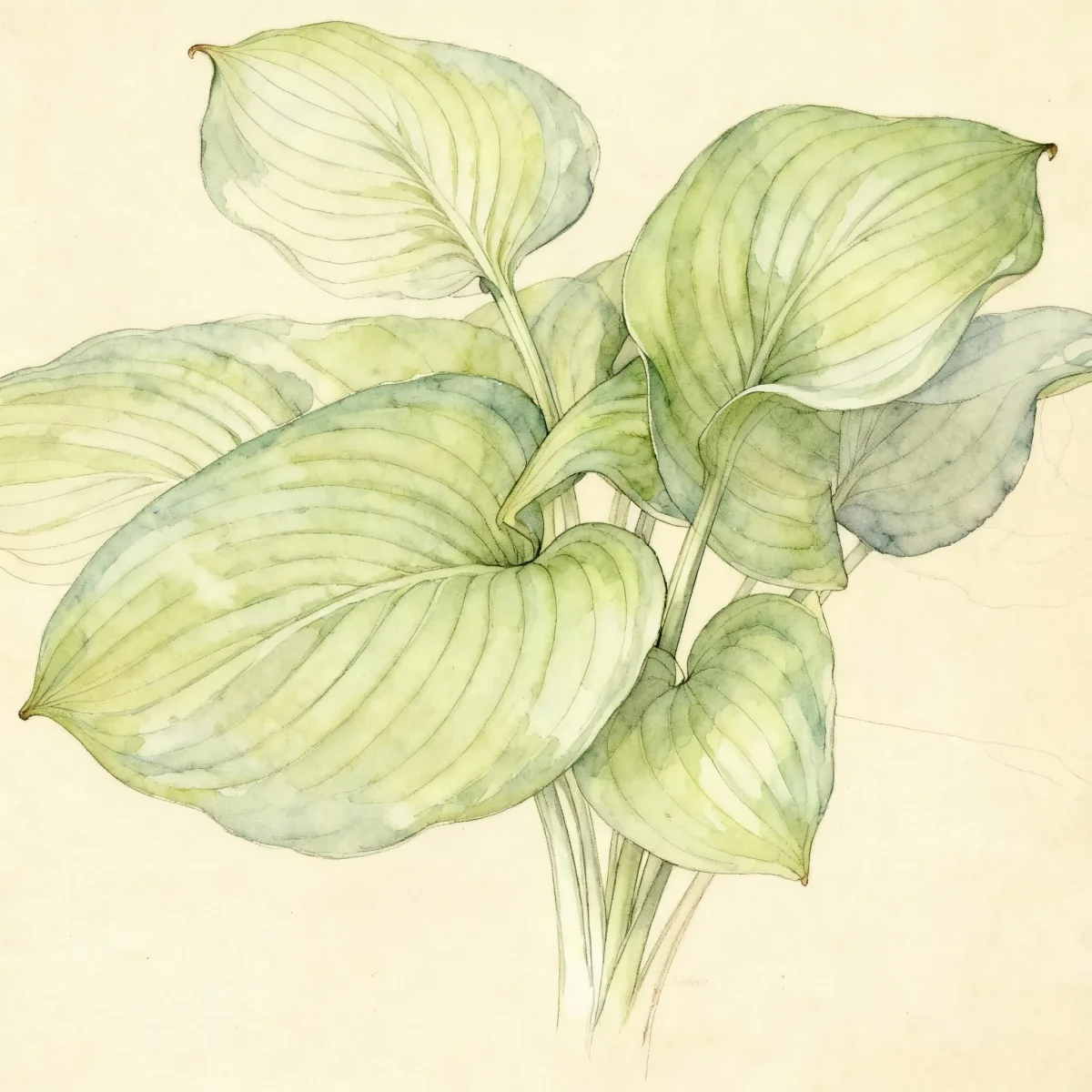
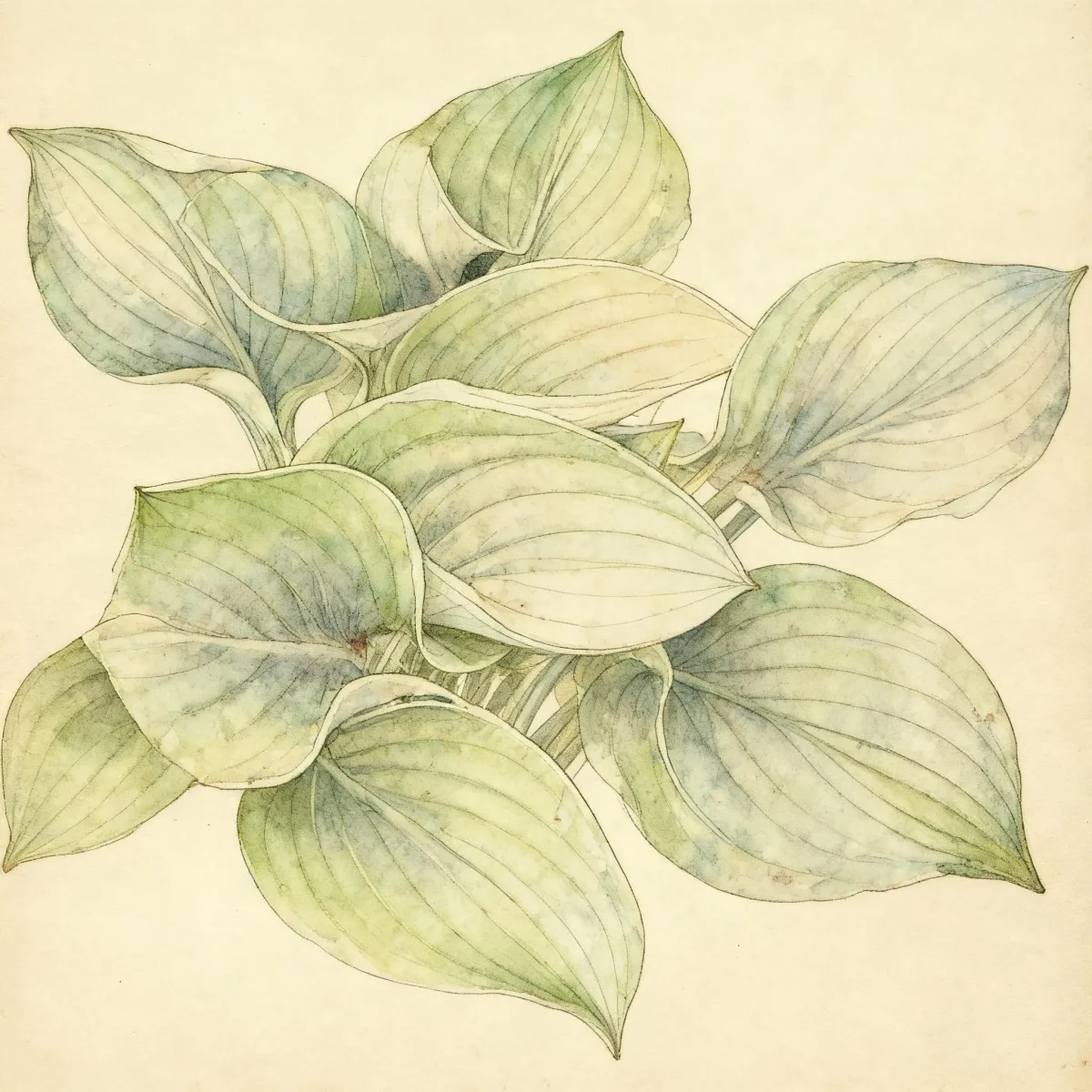
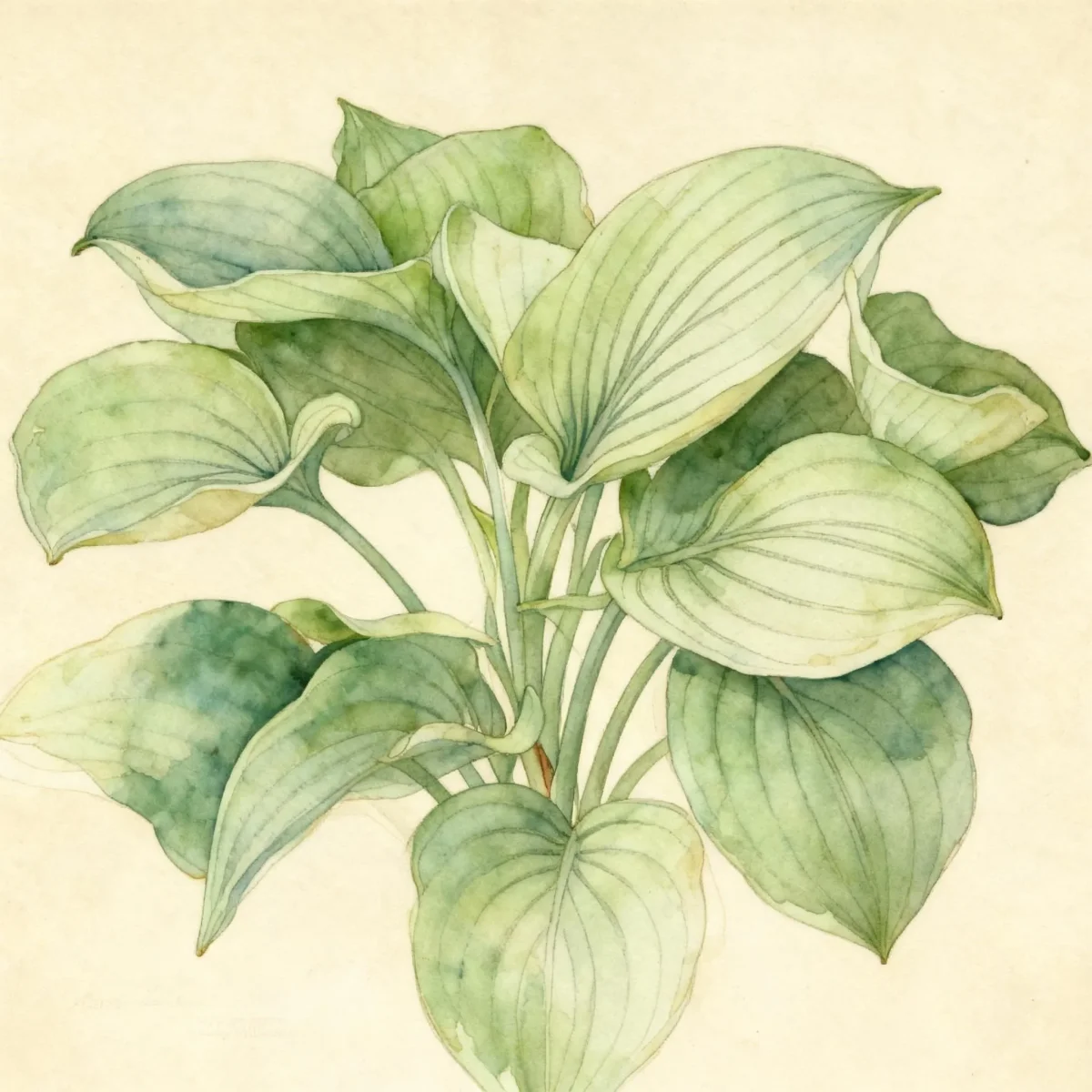
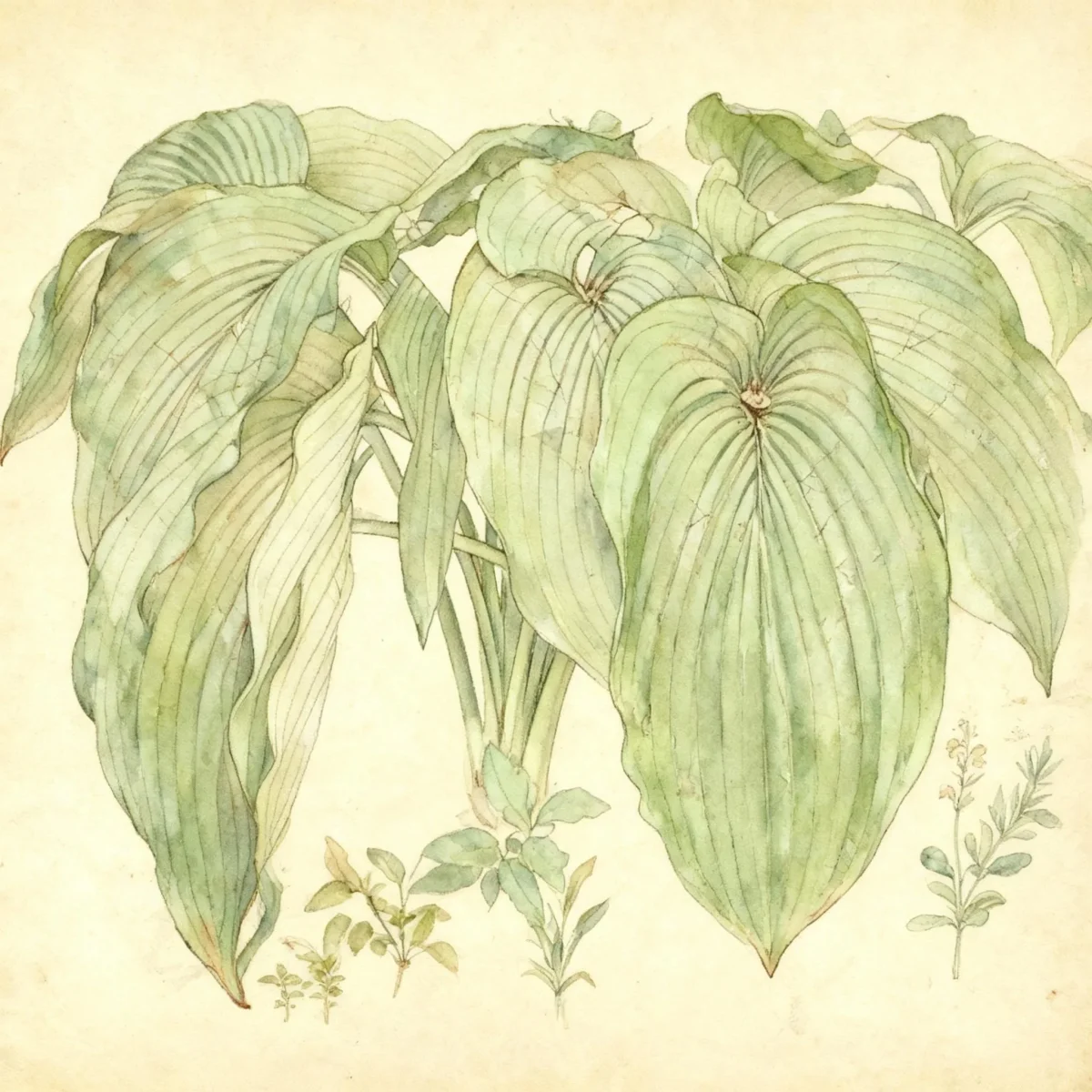
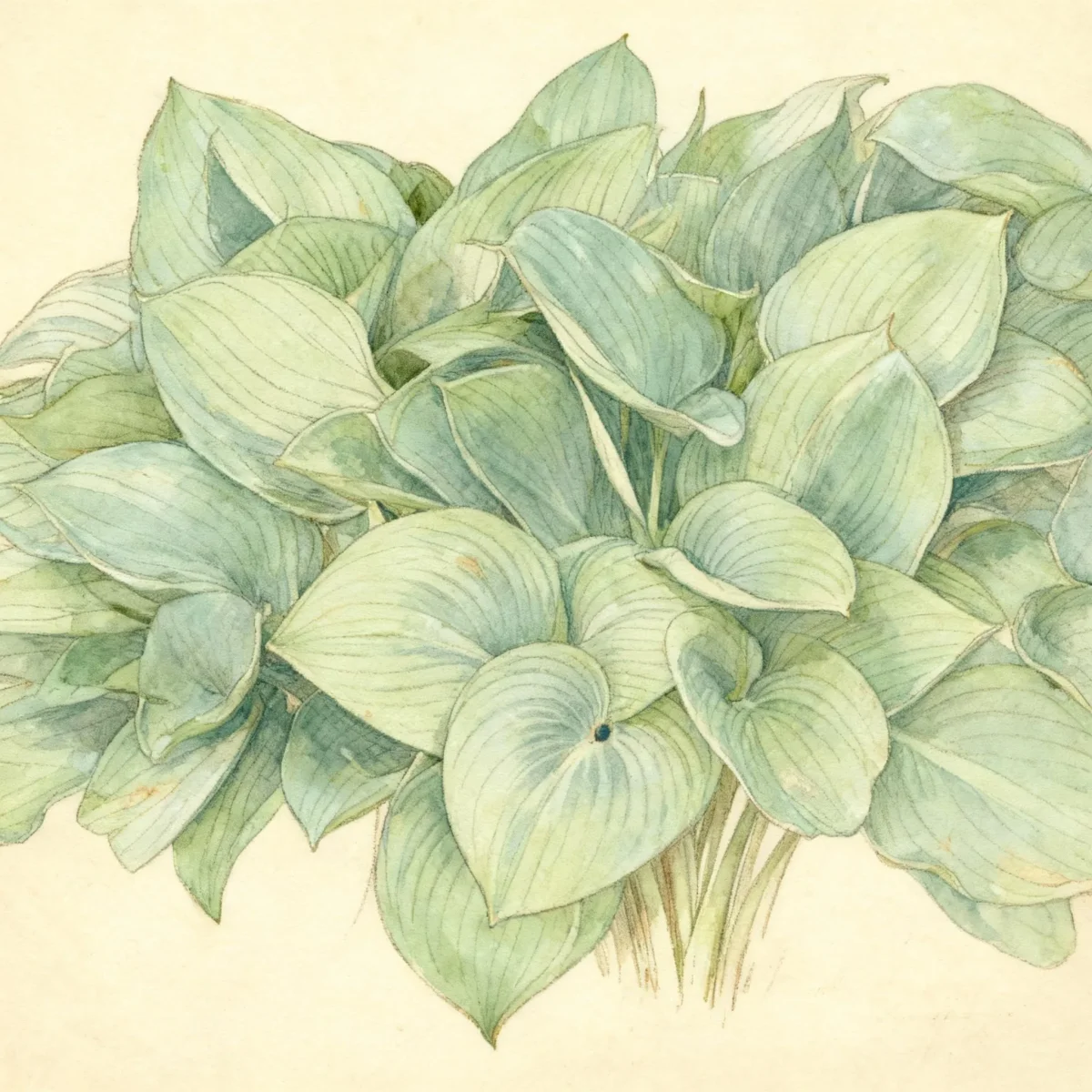
Hosta (Hosta 'Big Daddy')
Hosta 'Big Daddy' is a classic, large, blue-leaved perennial known for its thick, cupped foliage perfect for deep shade.
Scroll down to discover growing tips, care requirements, companion plants, and more
Complete Plant Information
Overview
Hosta ‘Big Daddy’ is prized by gardeners for its commanding presence and exceptionally bold foliage, making it a cornerstone plant for shady landscapes. This particular cultivar features large, round, thick leaves displaying a rich, frosted blue color that provides vibrant contrast against darker greens. As a robust herbaceous perennial, the Hosta genus offers reliable, low-maintenance structure year after year.
Ideal for creating deep shade focal points, Hosta ‘Big Daddy’ forms a substantial mound, bringing texture and deep color to areas where few other plants thrive. Its aesthetic success relies on maintaining consistent moisture and providing ample shade protection, ensuring the leaves retain their stunning blue hue deeper into the summer season.
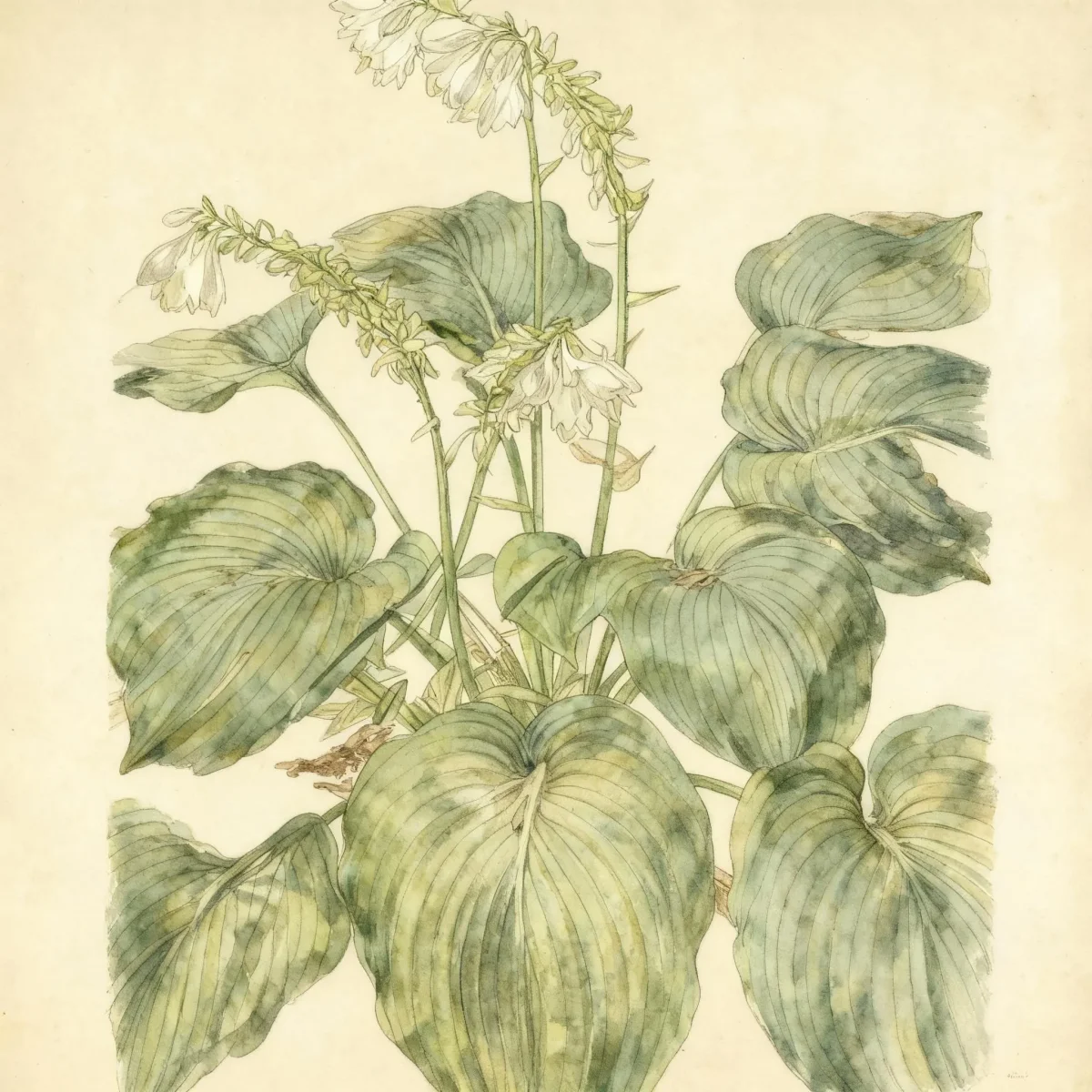
Gardening success with Hosta is often about appreciating its foliage first; the bell-shaped white to pale lavender flowers that appear in mid-summer atop tall scapes provide a pleasant, secondary display. For reliable performance and impressive scale in woodland or deeply shaded settings, Hosta ‘Big Daddy’ is an excellent, dependable choice.
Fast Facts
- Plant Family: Asparagaceae
- Plant Type: Herbaceous perennial
- Hardiness Zones: USDA Zones 3-8
- Size at Maturity:
- Height: 1-2 ft
- Spread: 2-3 ft
- Bloom Time: July to August
- Bloom Description: White to pale lavender
- Sun Exposure: Part shade to full shade
- Water Needs: Medium
- Maintenance Level: Low
How to Grow
Planting Hosta ‘Big Daddy’ should occur in the spring or fall, ensuring the soil is organically rich and well-drained. While established plants tolerate some dry shade, achieving the full size and best blue color requires consistently moist soil. Position this Hosta where it receives part shade, ideally benefiting from dappled light or protection from intense afternoon sun which can scorch the dramatic blue leaves.
Watering should focus on delivering moisture directly to the soil beneath the leaves to keep the root zone consistently damp, though never waterlogged. This Hosta generally requires low maintenance, but divisions can be easily managed in early spring before the leaves fully emerge. Always place plants in spots sheltered from strong winds, which can physically damage the large leaf structure.
If you notice the blue color fading as summer progresses, this is normal, but more consistent moisture and deeper shade placement in subsequent seasons can help preserve the color longer. Since the genus Hosta is known for being tough survivors, minimal intervention beyond weeding and watering is usually necessary for this low-maintenance beauty.
Landscape Uses
Hostas are the undisputed mainstay of shade gardens, valued above all for their ornamental excellence in foliage rather than their blooms. Hosta ‘Big Daddy’ excels when massed together, creating dense groundcover effects, or utilized as a bold, structural element in shady borders. Its immense size and deep color make it an effective background plant, contrasting beautifully against finer-textured ferns or brightly colored shade annuals.
Consider pairing Hosta ‘Big Daddy’ with plants that prefer similar conditions, such as Astilbe or Japanese Forest Grass (Hakonechloa), to build complex layers of texture in a woodland setting. The large, cupped leaves provide excellent architectural interest along shady pathways or beneath mature deciduous trees where lawn grass struggles. Its presence ensures that dark corners of the garden retain visual weight and interest throughout the growing season.
Standout Features
Flower Qualities
- Showy
Noteworthy Characteristics
Hosta is a genus primarily celebrated for its ornamental foliage, featuring dense, basal leaves that rise from a central crown, forming a rounded mound. ‘Big Daddy’ is notable as it is a large, blue-leaved cultivar characterized by thick, deeply cupped, and rugose leaves reaching up to 12” by 11”. The best blue tone is maintained when grown in consistent shade, though it features funnel-shaped, white to pale lavender flowers blooming mid-summer atop scapes reaching about 36” tall.
Tolerances
- Heavy Shade
- Black Walnut
Potential Problems
The primary adversaries for Hosta ‘Big Daddy’ are slugs and snails, which are strongly attracted to the thick foliage and can cause extensive, jagged chewing damage quickly. Monitor leaf undersides regularly, especially in damp conditions, and deploy appropriate physical barriers or organic baits early in the season to prevent serious defoliation. Foliar nematodes can also cause interveinal browning, while deer and rabbits frequently find the leaves palatable. If HVX or other viruses are suspected, promptly remove and destroy the infected plant to protect neighboring Hostas.
Frequently Asked Questions
What hardiness zones is Hosta ‘Big Daddy’ suitable for?
Hosta ‘Big Daddy’ is reliably hardy across USDA Zones 3 through 8.
How large does Hosta ‘Big Daddy’ grow?
It typically matures to a height between 1 and 2 feet and spreads between 2 and 3 feet wide, forming a substantial mound.
What sun exposure does Hosta ‘Big Daddy’ need?
This variety thrives best in part shade to full shade; rich blue coloration is best preserved in shadier locations.
Conclusion
Hosta ‘Big Daddy’ remains a premier choice for adding scale, texture, and deep blue color to low-light areas of the garden. Its low maintenance requirements ensure that gardeners can enjoy the magnificent foliage of this particular Hosta variety with minimal ongoing effort. Before planting, confirm your site offers the necessary shade and consistent moisture to ensure the best performance from your Hosta.
Companion Planting in Shade Gardens
Selecting companions that thrive under similar shade and moisture regimes enhances the overall design of a dark garden area. Pair the massive leaves of Hosta ‘Big Daddy’ with plants that offer textural contrast, such as fine-bladed Hakonechloa macra (Japanese Forest Grass) or the airy, upright plumes of Ligularia cultivars. Good partners also include Epimedium (Barrenwort) or woodland phlox, which provide early spring color before the Hosta completely fills out its form.
Seasonal Care Calendar for Hosta
Early spring is the best time to inspect your Hosta ‘Big Daddy’ for pests emerging from dormancy and to divide crowded clumps if necessary, as new growth is just beginning to unfurl. During the summer months, meticulous watering is key; ensure consistent moisture, especially during dry spells, applying water directly at the soil line. As autumn approaches, allow existing foliage to naturally die back; resist the urge to cut it down immediately, as this material helps insulate the crown over winter, preparing your robust Hosta for the following season.