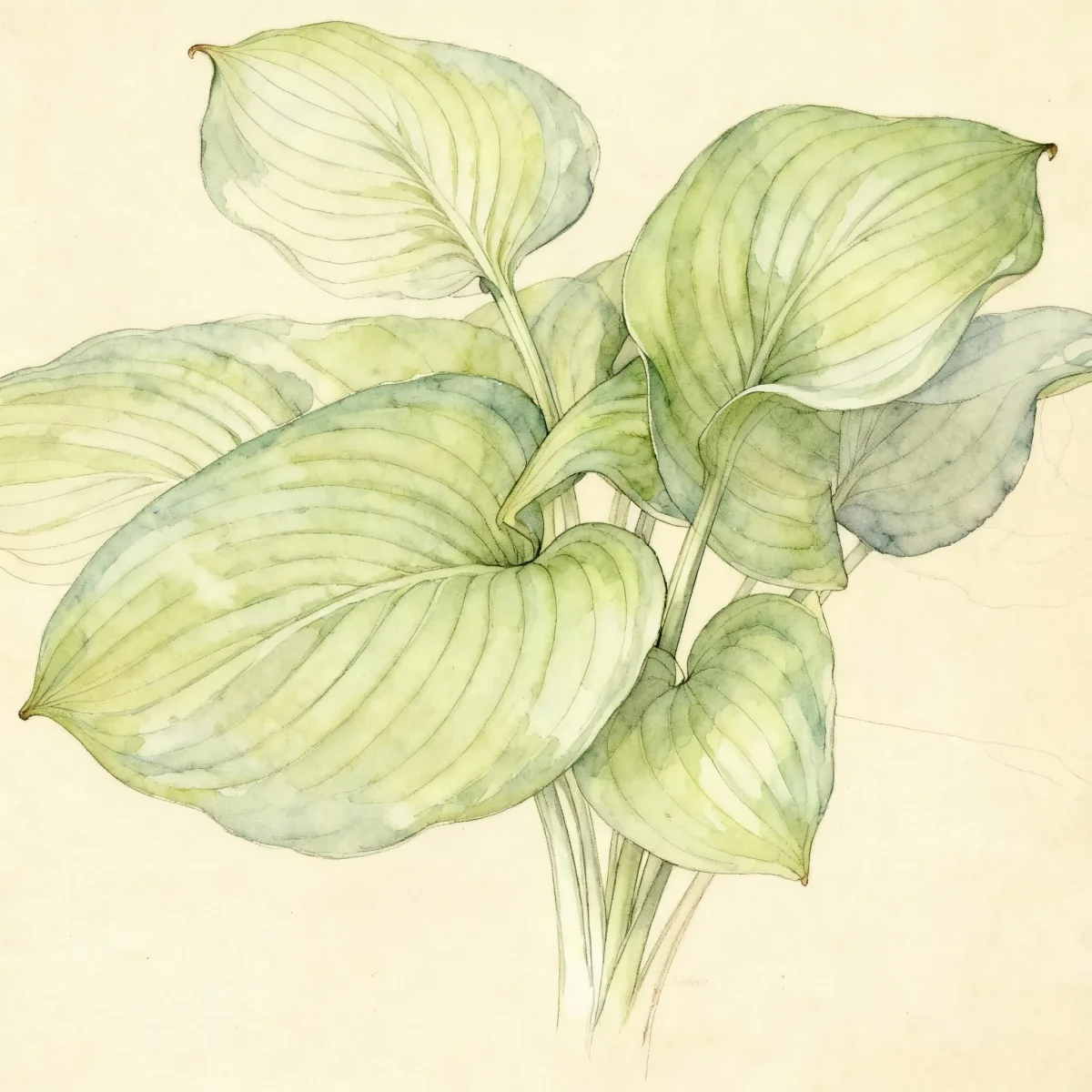
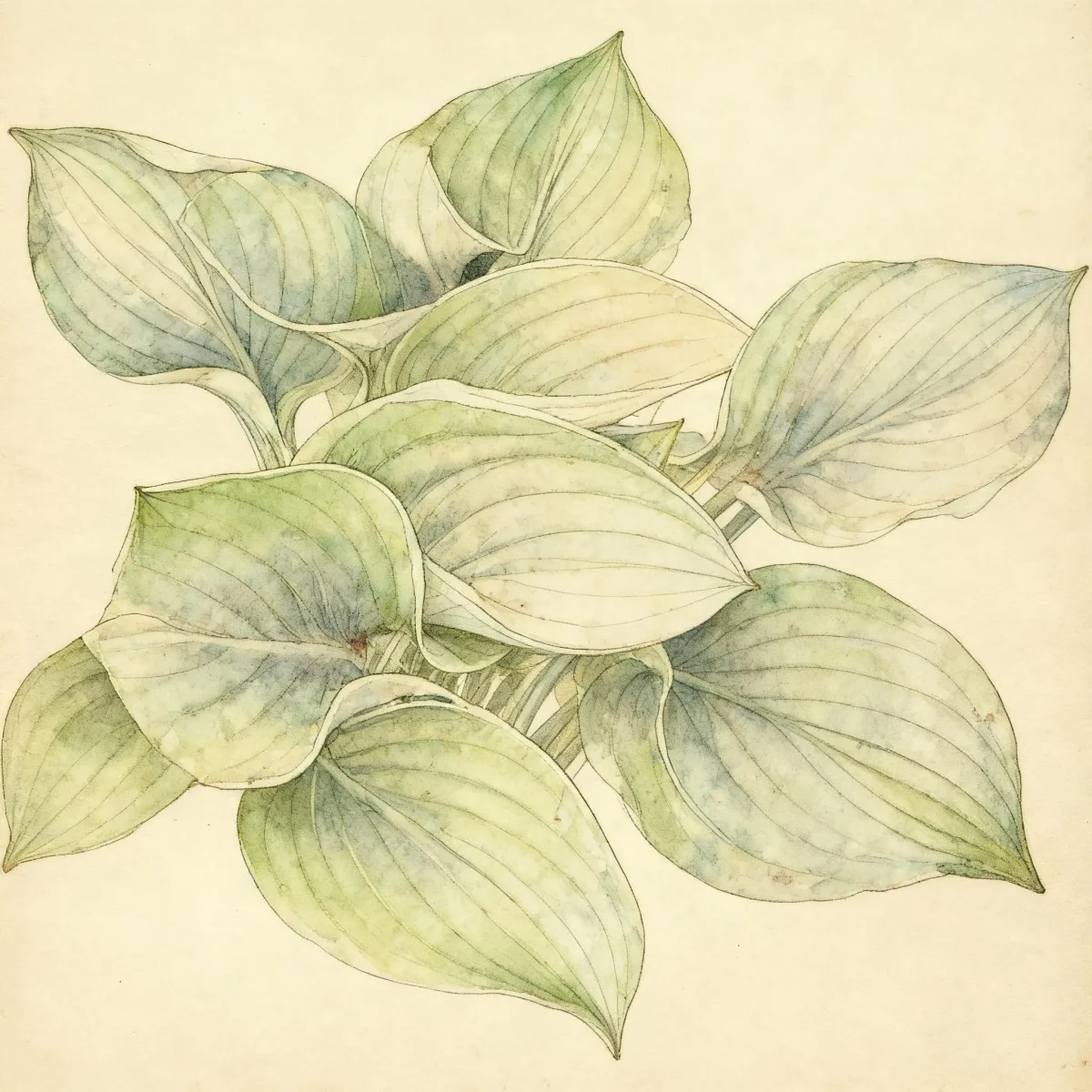
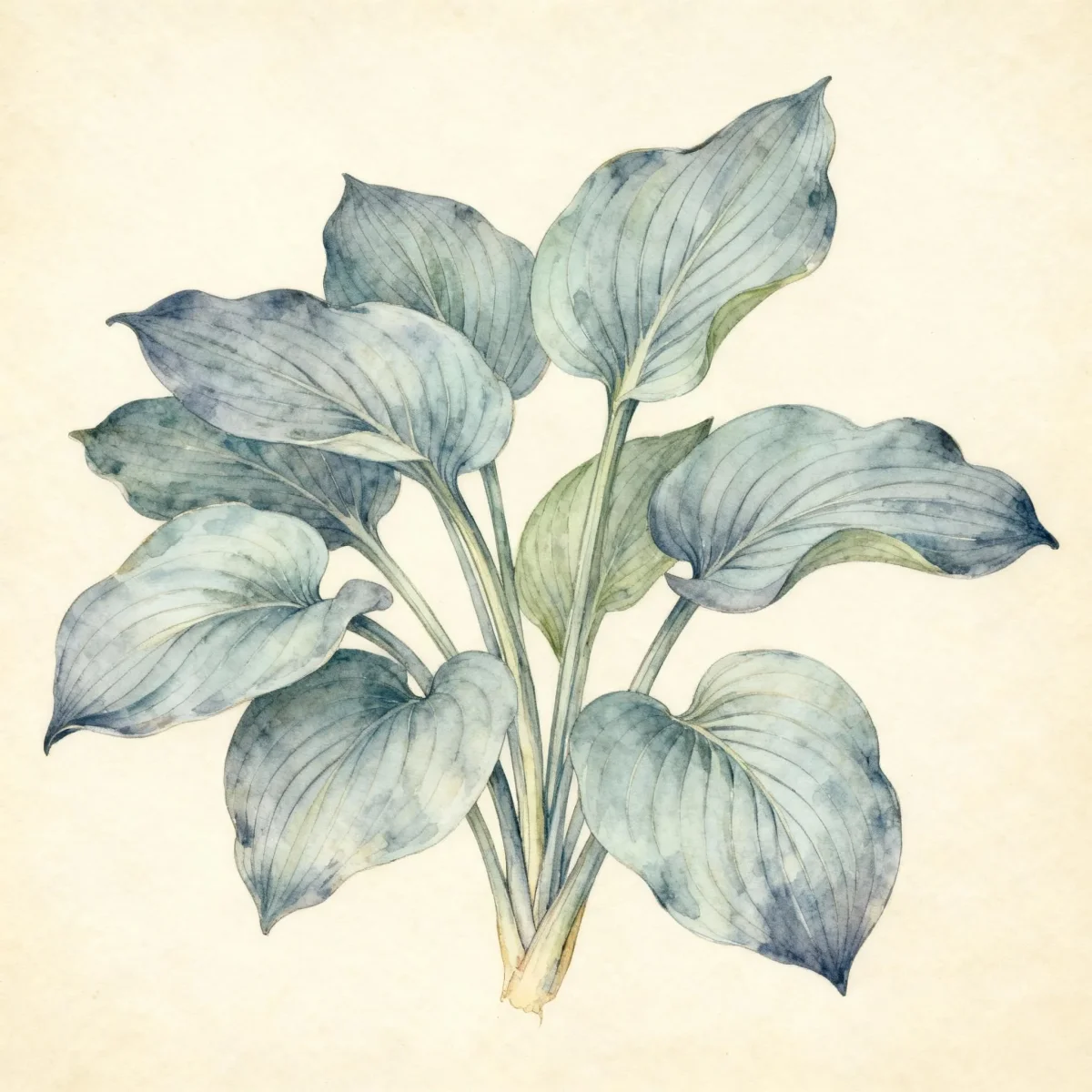
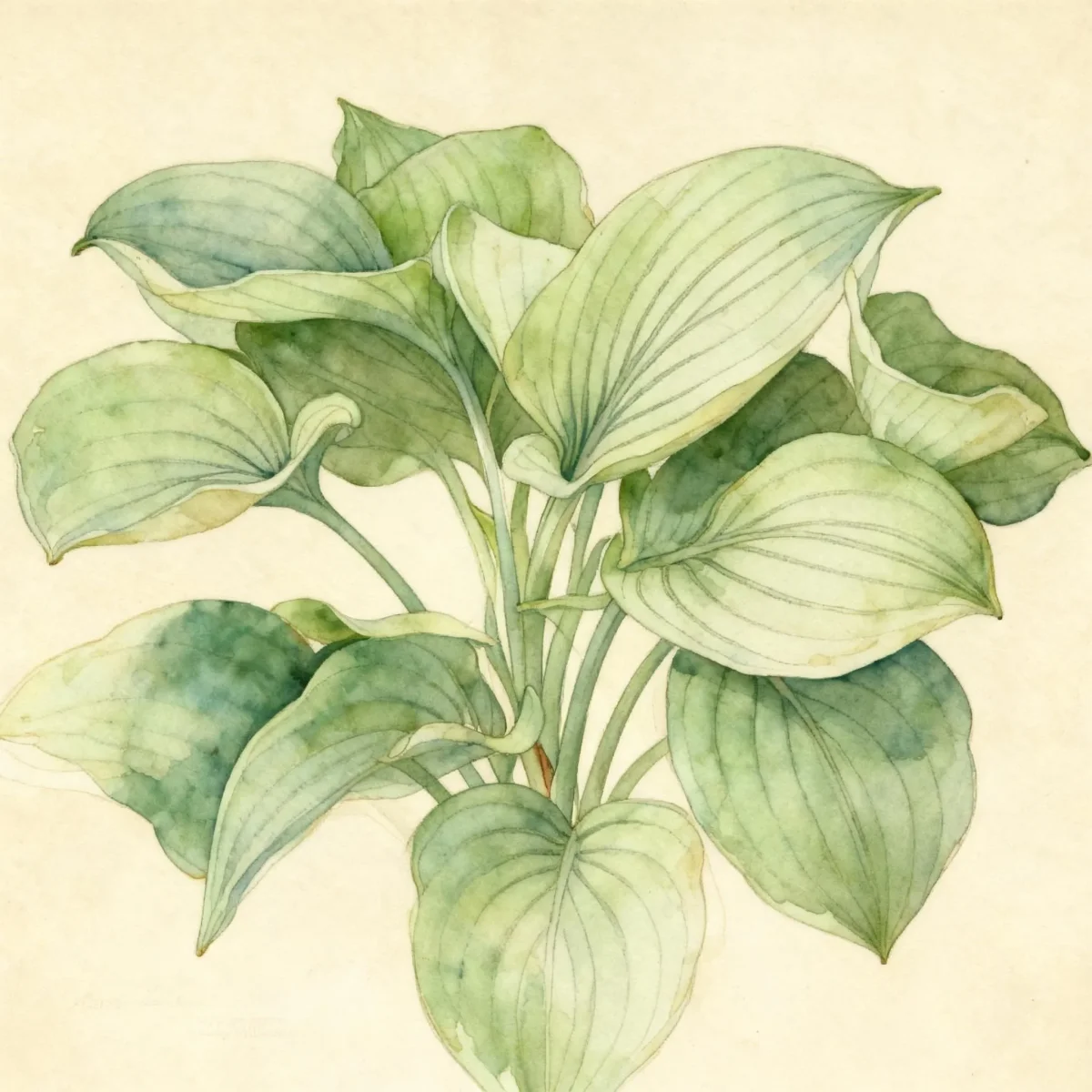
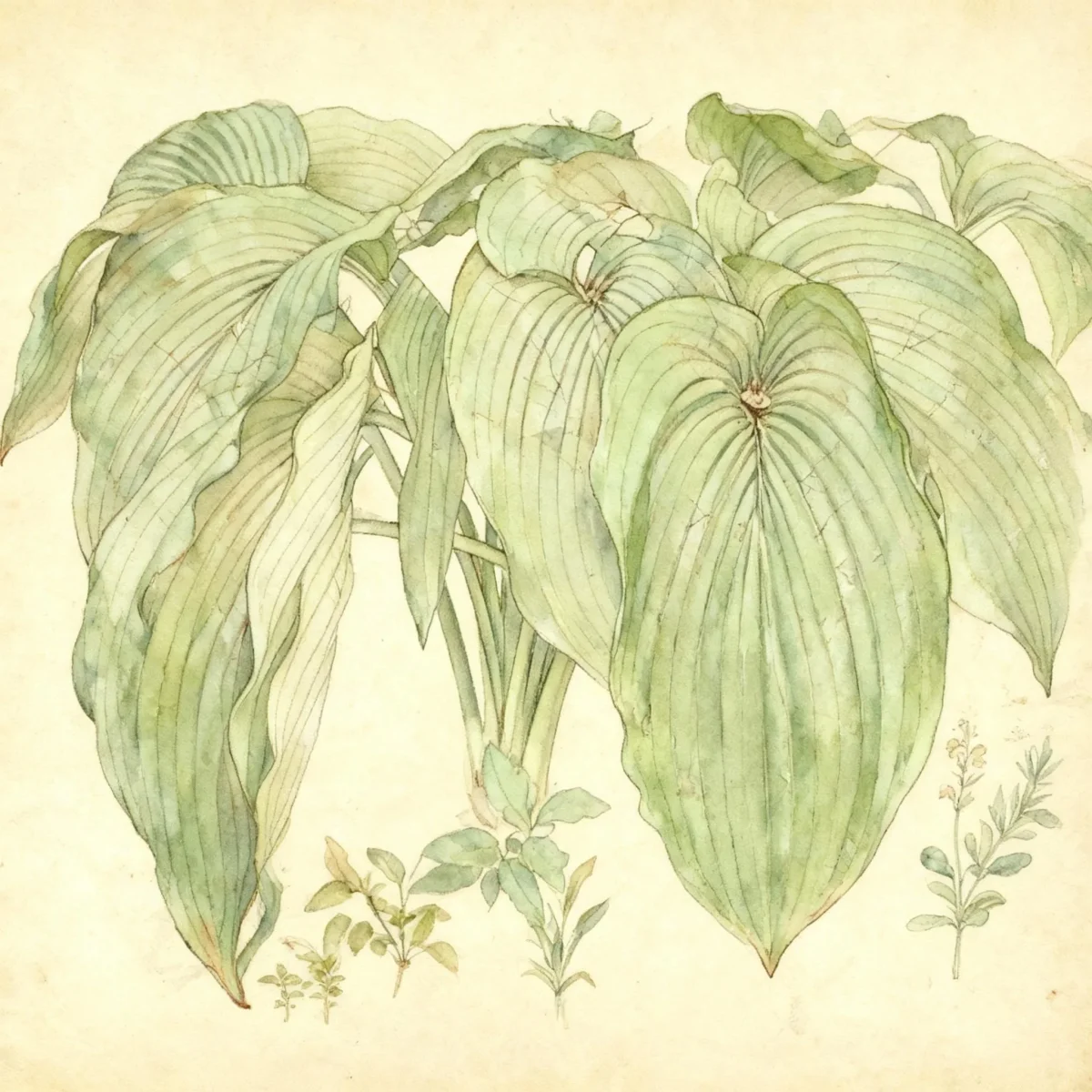
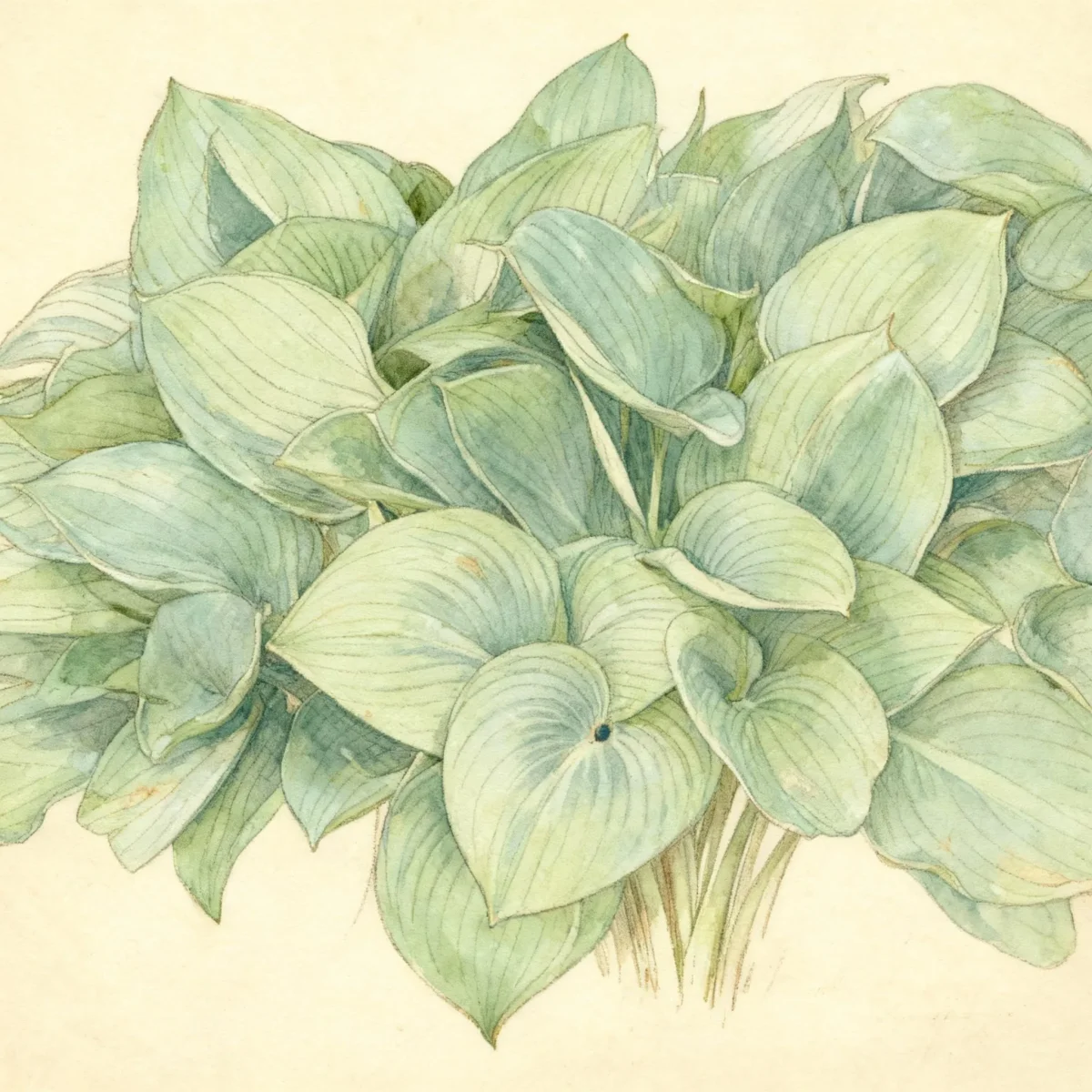
Hosta (Hosta 'Black Hills')
Hosta 'Black Hills' offers large, puckered, dark green foliage, thriving in shade. A low-maintenance perennial for cool, damp settings.
Scroll down to discover growing tips, care requirements, companion plants, and more
Complete Plant Information
Overview
Hosta ‘Black Hills’ is prized by shade garden enthusiasts for its robust and highly textural foliage. This large, clump-forming Hosta creates a substantial mound featuring thick, deeply corrugated, dark spinach-green leaves, making it far more than just a background plant. As a cultivar of Hosta, it carries the genus’s reputation for reliability in low-light environments.
This herbaceous perennial delivers excellent aesthetic value from spring until fall frost. While it produces attractive lavender flowers in mid to late summer, the primary appeal of Hosta ‘Black Hills’ lies in its ability to anchor shade landscapes with enduring, high-quality leaf structure and color contrast against smaller, brighter shade companions.
Grown primarily for foliage excellence, Hosta ‘Black Hills’ requires relatively low maintenance once established, provided its basic structural needs for moisture and cool conditions are met. Successfully integrating Hosta into your garden design ensures long-term structure and texture where many other ornamentals struggle due to lack of light.
Fast Facts
- Plant Family: Asparagaceae
- Plant Type: Herbaceous perennial
- Hardiness Zones: USDA Zones 3-8
- Size at Maturity:
- Height: 1.5-3 ft
- Spread: 2-4 ft
- Bloom Time: July to August
- Bloom Description: Lavender
- Sun Exposure: Part shade to full shade
- Water Needs: Medium
- Maintenance Level: Low
How to Grow
Planting Hosta ‘Black Hills’ is best achieved in spring or fall when soil temperatures are moderate. Select a location benefiting from evenly moist, organically rich, and well-drained soil. While Hosta prefers part shade, benefiting from some morning sun or dappled light, it tolerates heavy shade well. Ensure the crown is planted just at or slightly above the soil line.
Consistent moisture is crucial for Hosta ‘Black Hills’ to attain its full size and best leaf quality. Water deeply near the base of the plant, applying water directly beneath the leaves to reduce foliage spotting. Although established plants possess some tolerance for dry shade, especially given their thick leaves, never allow the soil to completely dry out.
As low-maintenance perennials, fertilization is rarely required if the soil is rich. Divide Hosta clumps every few years when crowding occurs, typically easiest in early spring before the leaves emerge. Always situate new plantings where they are protected from strong winds, which can easily shred the large leaf blades of this substantial Hosta cultivar.
Landscape Uses
Hostas are deservedly foundational plants in virtually any shady landscape design. Hosta ‘Black Hills’ excels where a strong visual anchor is required, functioning beautifully in mass plantings or used judiciously as a repeating element along winding woodland paths. Its size (up to 3 feet tall and 4 feet wide) makes it an excellent mid-to-back border component.
Due to its dark, heavily textured foliage, Hosta ‘Black Hills’ pairs wonderfully with chartreuse-colored plants, fine-textured ferns, or fine-leaved groundcovers to maximize visual contrast. Consider planting it near white-flowering shade annuals or perennials to highlight its lavender summer blooms. It is perfect for softening the edges of foundation plantings or creating rich textures within shade gardens or naturalized woodland settings.
Standout Features
Flower Qualities
- Showy
Noteworthy Characteristics
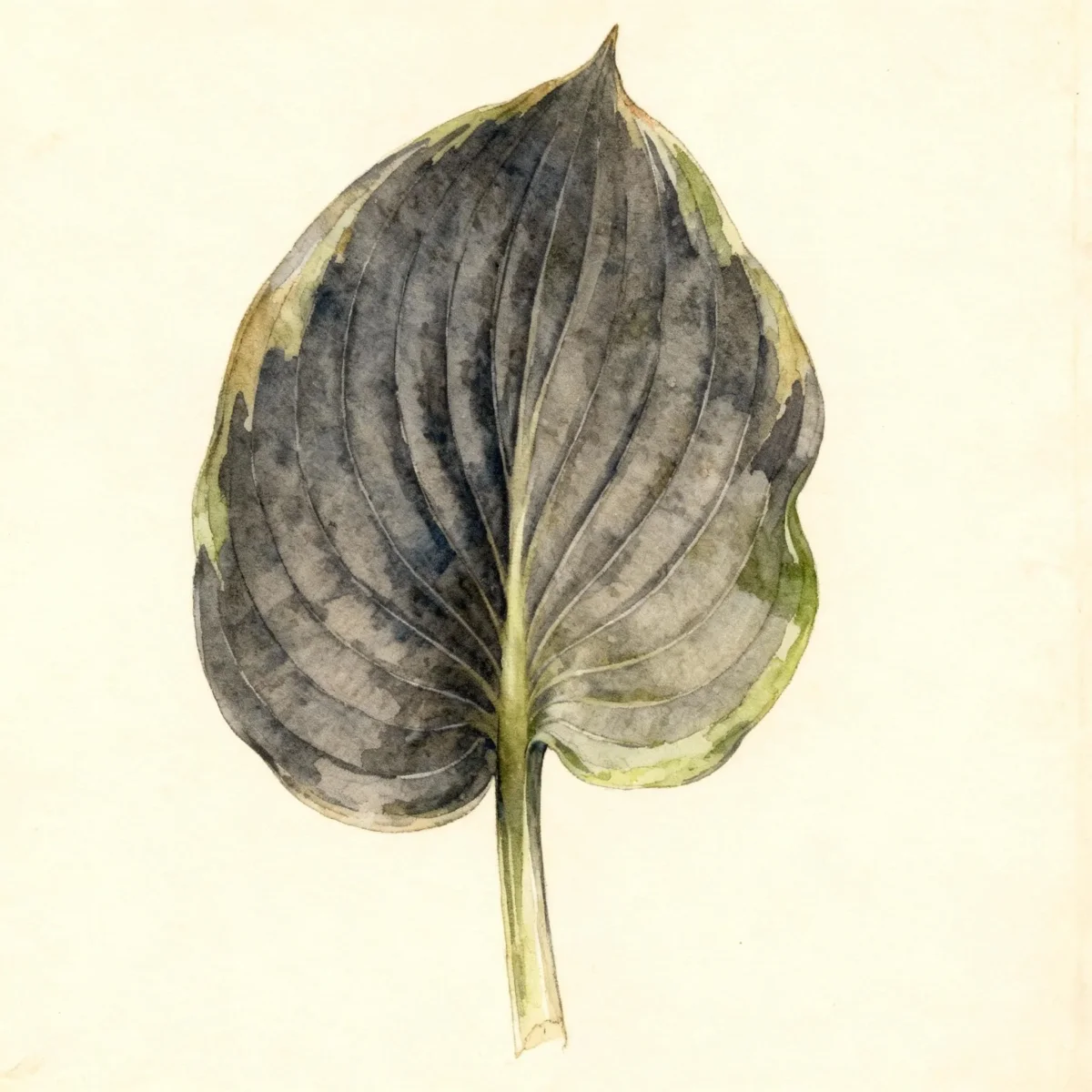
Hosta ‘Black Hills’ is specifically noted as a large, clump-forming Hosta, a seedling of H. ‘Green Gold’, which forms a mound reaching up to 22 inches tall and spreading to 48 inches wide. Its landscape appeal is driven by thick, heavily corrugated, dark spinach-green leaves that feature slightly cupped shapes and cordate lobes. Lavender, funnel-shaped flowers appear on tall scapes rising above the foliage mound in mid to late summer, reaching heights of 30 to 40 inches.
Tolerances
- Heavy Shade
- Black Walnut
Potential Problems
Slugs and snails pose the most significant threat by chewing unsightly, jagged holes into the foliage; inspect plants regularly, especially after rain, and employ appropriate control measures early. Foliar nematodes can cause unsightly interveinal browning, and leaf spots or crown rot are less common issues requiring good drainage assurance. Protect plants from hail, which can severely damage exposed leaves, and be aware that deer and rabbits frequently feed upon Hosta foliage.
Frequently Asked Questions
What hardiness zones is Hosta ‘Black Hills’ suitable for?
Hosta ‘Black Hills’ is reliably hardy in USDA Zones 3 through 8.
How large does Hosta ‘Black Hills’ grow?
This cultivar typically reaches a height between 1.5 and 3 feet, spreading to a width of 2 to 4 feet at maturity.
What sun exposure does Hosta ‘Black Hills’ need?
This variety thrives best in part shade, though it tolerates full shade conditions well.
When does Hosta ‘Black Hills’ bloom?
Hosta ‘Black Hills’ generally produces its lavender flowers from July into August.
Conclusion
Hosta ‘Black Hills’ remains a top choice for gardeners seeking dependable, textural interest in dark, shaded areas. Its large, corrugated leaves and low-maintenance nature solidify its place as a staple in the shade garden. Review your site conditions now to ensure adequate moisture retention before planting this magnificent Hosta in spring or fall.
Companion Planting in Shade
Selecting appropriate companions enhances the visual impact of Hosta ‘Black Hills’. Because this Hosta prefers medium moisture and rich soil, pair it with other shade-loving moisture-lovers like Japanese Painted Ferns (Athyrium), Astilbe, or bleeding hearts (Dicentra). The fine textures and bright colors of these companions contrast beautifully with the bold, dark mass of Hosta foliage.
Seasonal Care Calendar
For optimal performance of your Hosta ‘Black Hills’, focus cultural efforts seasonally. In early spring, divide overgrown clumps and refresh the soil surface with compost before new growth appears. During the summer growing season, monitor water needs closely to prevent drying out, especially during heat waves. In the autumn, allow the foliage to die back naturally; trim off spent stalks and leaves only after they have fully yellowed or browned down to the crown.