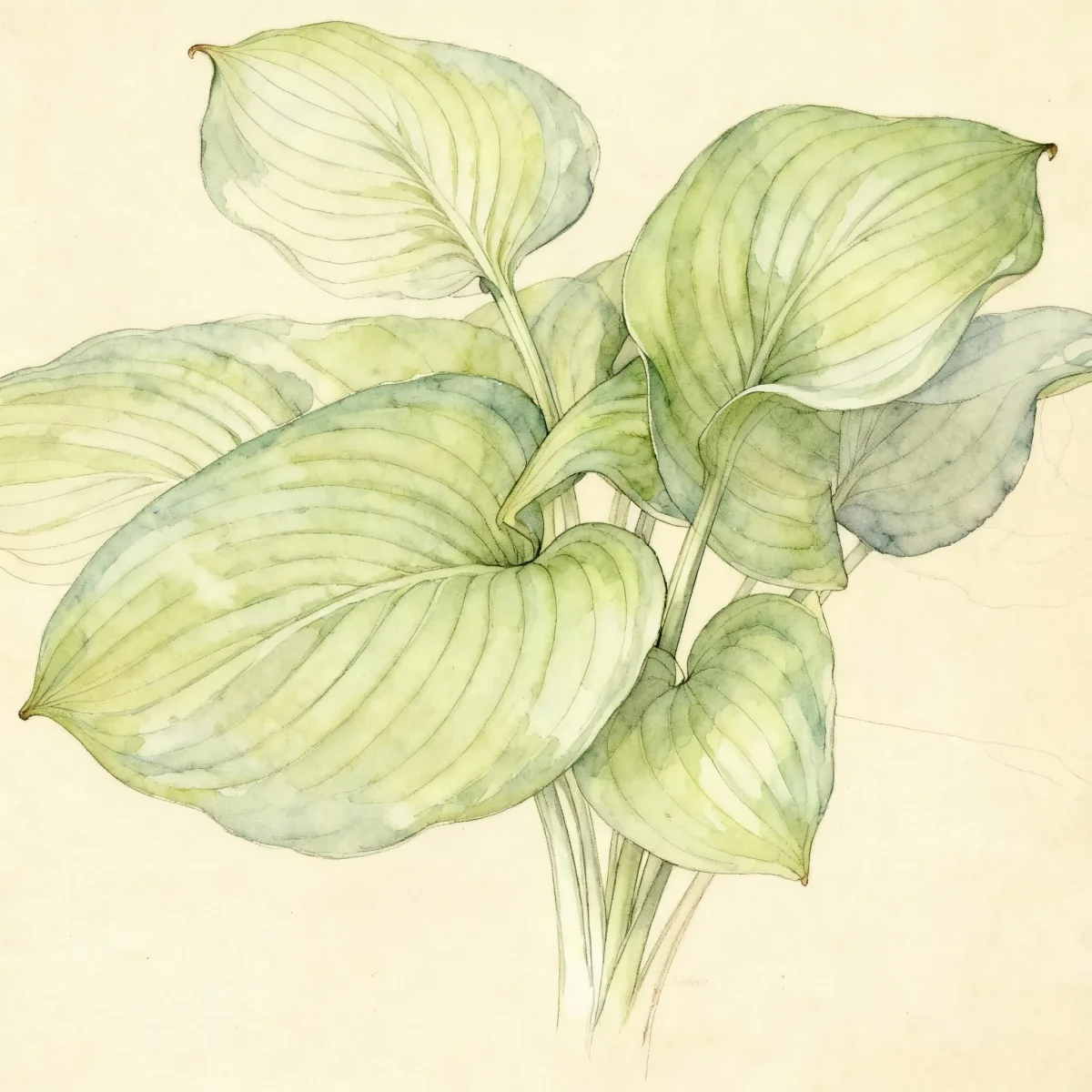
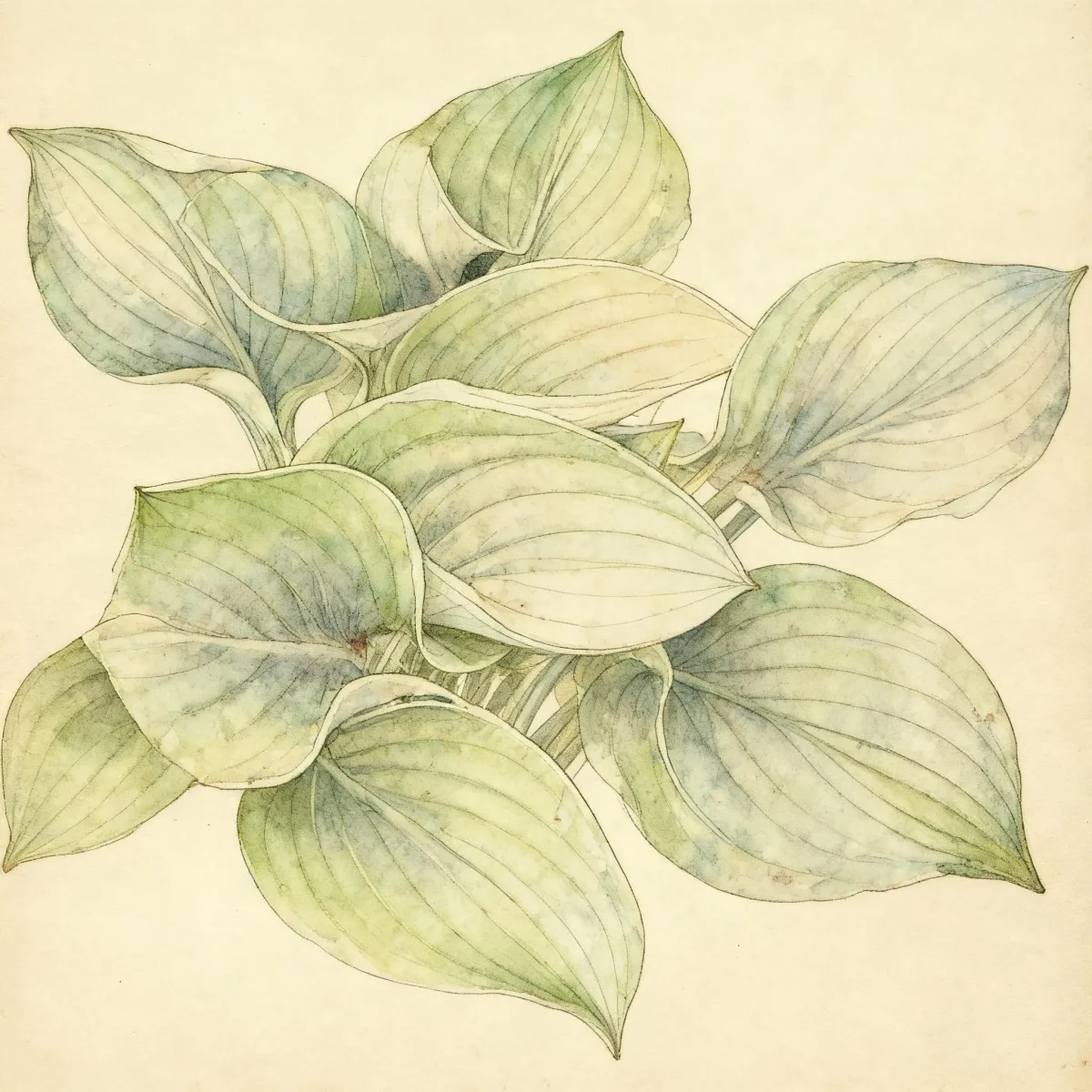
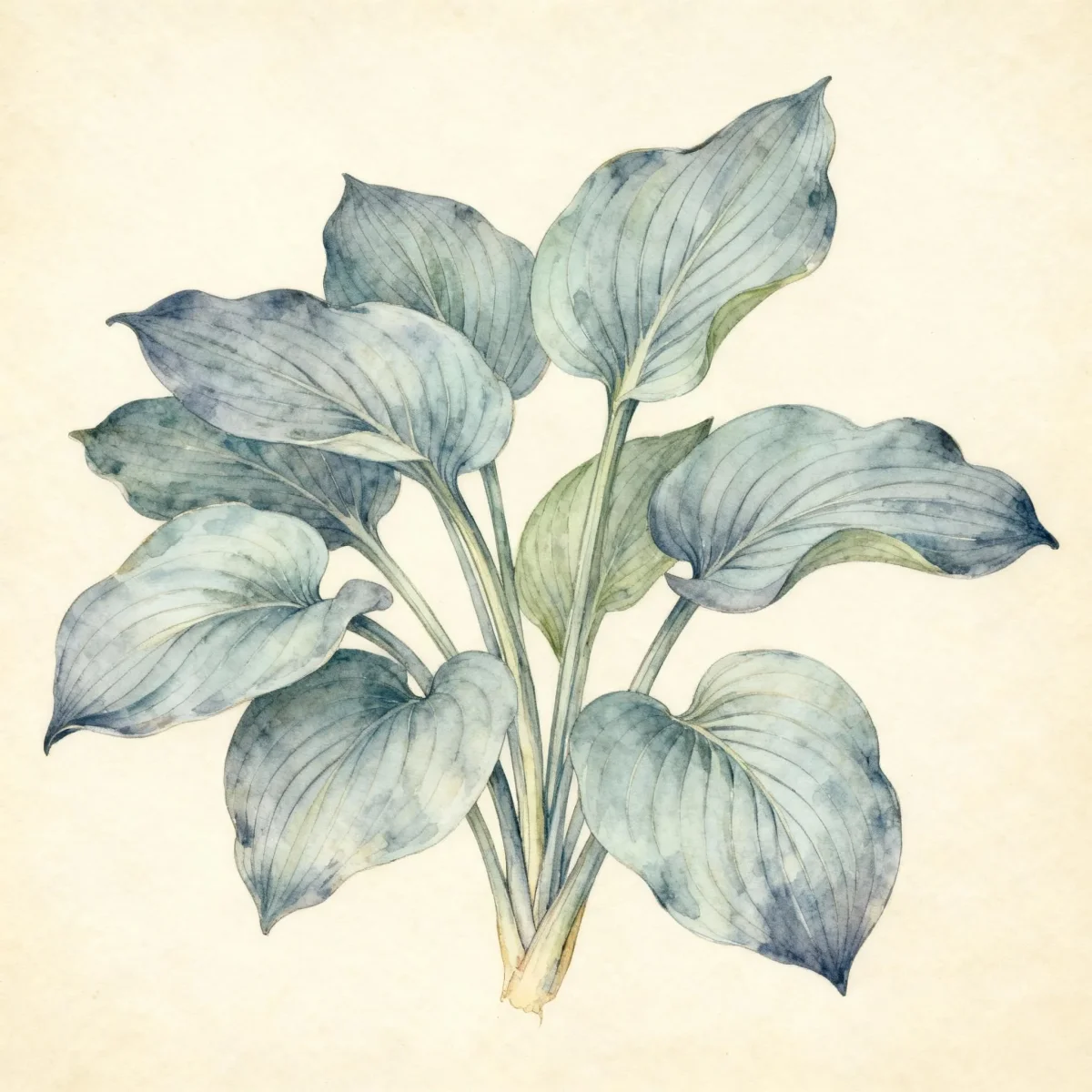
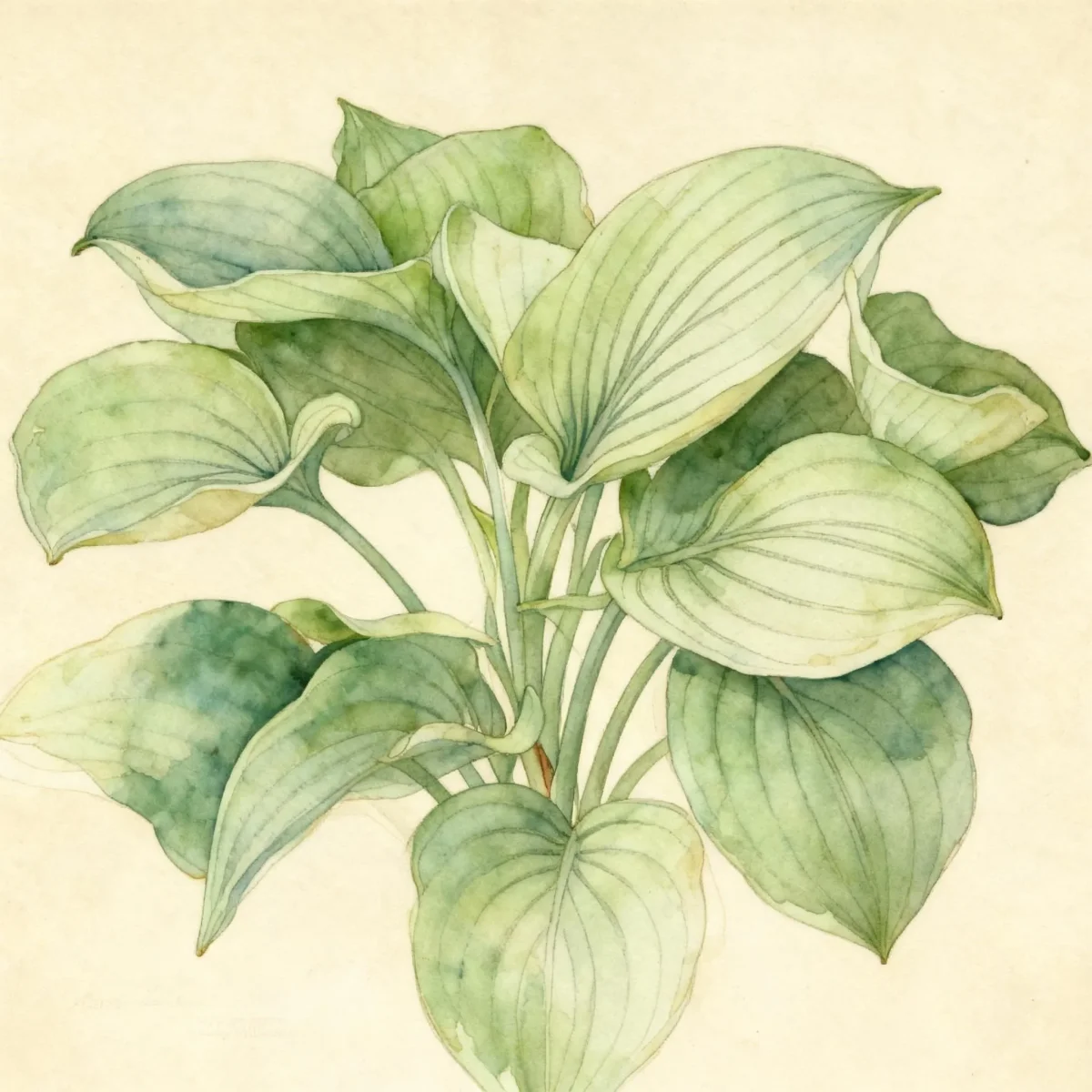
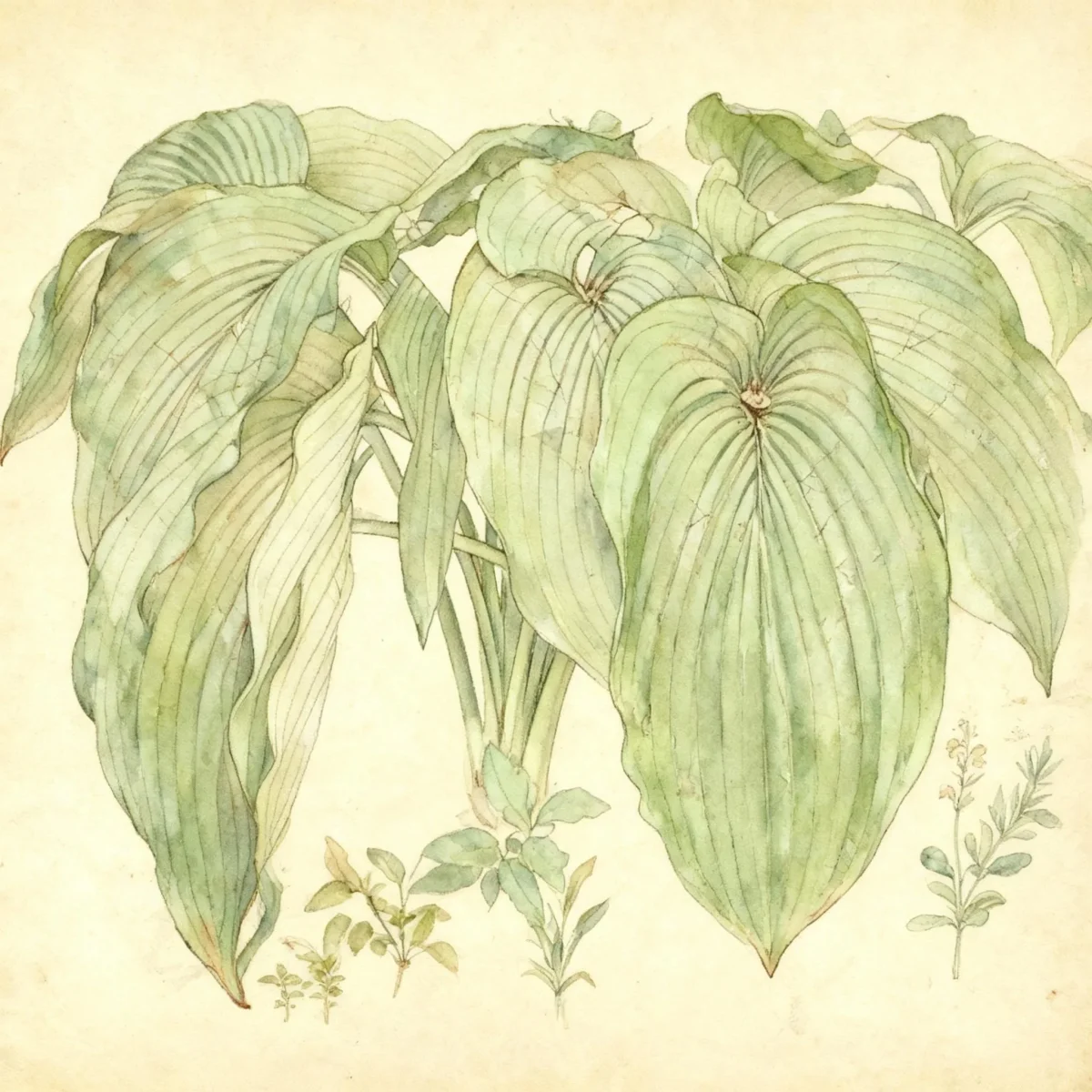
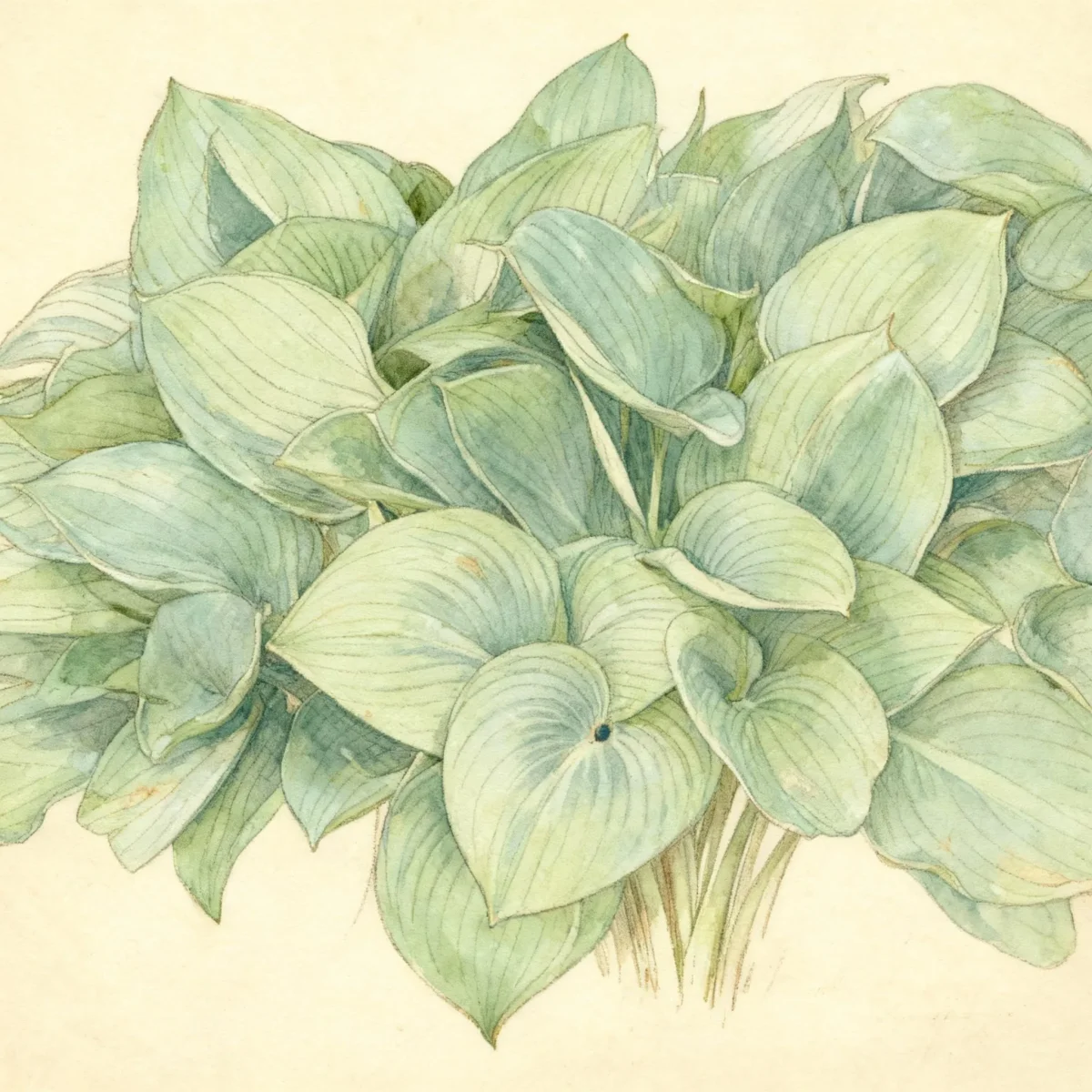
Hosta (Hosta 'Blonde Elf')
Hosta 'Blonde Elf' is a dwarf, low-maintenance perennial offering bright, wavy, light yellow foliage and lavender flowers in summer.
Scroll down to discover growing tips, care requirements, companion plants, and more
Complete Plant Information
Overview
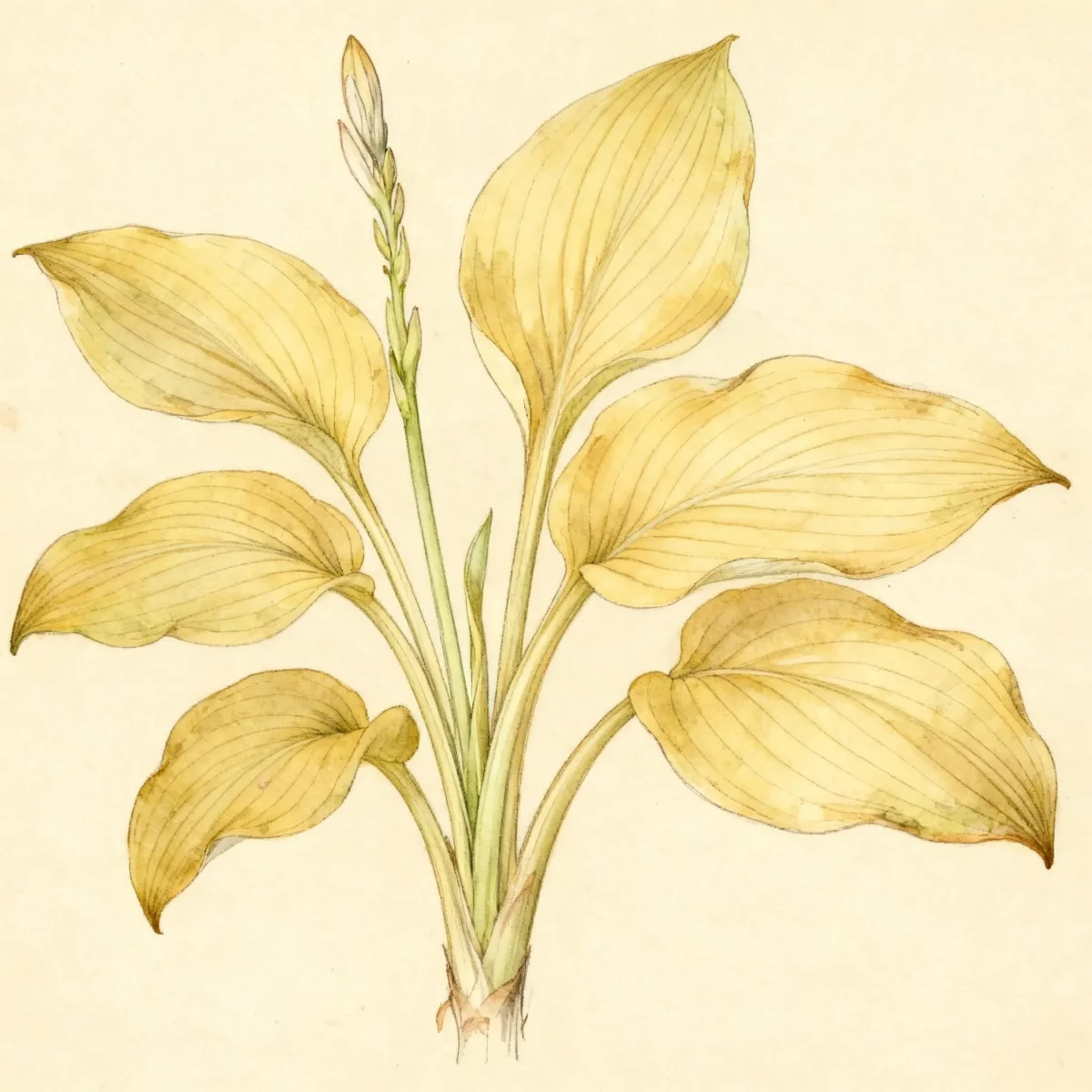
Hosta ‘Blonde Elf’ is a standout choice for gardeners seeking vibrant, low-growing foliage to accent deep shade areas. This cultivar forms a tidy, dwarf mound of distinct, lance-shaped leaves that boast wavy margins and a striking light yellow color, providing essential contrast in woodland plantings. As a dependable herbaceous perennial, the Hosta genus relies heavily on its foliage for ornamental appeal, a trait perfectly exemplified by Hosta ‘Blonde Elf’.
This variety matures quickly into a dense, weed-suppressing clump, thriving where many other plants struggle due to lack of light. When in bloom during mid-summer, it presents proportionate racemes of delicate lavender flowers, adding a vertical accent above the bright mound of leaves. Its minimal maintenance requirements make Hosta ‘Blonde Elf’ an excellent foundational plant for creating year-round texture in shaded perennial beds.
Fast Facts
- Plant Family: Asparagaceae
- Plant Type: Herbaceous perennial
- Hardiness Zones: USDA Zones 3-8
- Size at Maturity:
- Height: 0.5-0.75 ft
- Spread: 1.5-2 ft
- Bloom Time: July to August
- Bloom Description: Lavender
- Sun Exposure: Part shade to full shade
- Water Needs: Medium
- Maintenance Level: Low
How to Grow
The Hosta genus, including the desirable Hosta ‘Blonde Elf’, prefers to be planted during the spring or early fall. Select a site that offers evenly moist, organically rich, and well-drained soil. While Hosta ‘Blonde Elf’ handles shade well, it performs best when situated in part shade, which allows its light yellow leaves to brighten without scorching—some dappled sun or morning sun is ideal.
Consistent moisture is crucial for the Hosta ‘Blonde Elf’ to achieve its best size and color; soils should never be permitted to dry out completely, although established specimens show some drought tolerance in dry shade. Apply water directly to the soil beneath the foliage canopy to minimize leaf spotting. As a low-maintenance perennial, significant feeding is rarely necessary if the soil is organically rich.
Divide your Hosta clumps as needed, preferably in early spring before the leaves fully emerge, or in autumn. Plant Hosta ‘Blonde Elf’ specifically in locations that are sheltered from strong winds, which can easily damage the foliage. The dense growth habit of this Hosta variety naturally helps to crowd out many common garden weeds.
Landscape Uses
Hostas are the undisputed mainstay for enriching shady garden spaces, offering exceptional foliage interest where flowering plants often falter. Hosta ‘Blonde Elf’, with its bright, dwarf stature, works wonderfully when massed together to create illuminated patches beneath mature trees or along the north side of structures. Their rounded form contrasts nicely against upright textures like ferns or spiky groundcovers.
Use Hosta ‘Blonde Elf’ as an outstanding edging plant for shady borders or woodland walks where its lighter color can define pathways. Because the genus is primarily valued for foliage texture, consider companions like dark green Heuchera or deep red Astilbe to maximize the visual impact against the light, wavy leaves of this specific Hosta. They are also very effective when used in containers, provided they receive consistent water.
Standout Features
Flower Qualities
- Showy
Noteworthy Characteristics
Hosta is a genus primarily grown for its ornamental foliage, featuring rhizomatous, clump-forming, herbaceous perennials native across East Asia. Stalked, veined leaves rise from the crown in various shapes and colors, forming attractive mounds. ‘Blonde Elf’ is particularly valued for its dwarf mound of lance-shaped, light yellow leaves with wavy margins, complemented by spikes of proportionate lavender flowers, making it a dependable, low-effort landscape asset.
Tolerances
- Heavy Shade
- Black Walnut
Potential Problems
Slugs and snails are primary antagonists to the Hosta, chewing unsightly jagged holes in the leaves; early detection and regular management are essential to prevent severe cosmetic damage. Keep an eye out for foliar nematodes, which cause telltale interveinal browning on the leaves, though leaf spots and crown rot are less common issues. Plants infected with viruses such as Hosta Virus X (HVX) must be removed immediately to prevent spread. Protect foliage from hail, and be aware that deer and rabbits often find the leaves quite palatable.
Frequently Asked Questions
What hardiness zones is Hosta ‘Blonde Elf’ suitable for?
Hosta ‘Blonde Elf’ is a resilient plant suitable for USDA Zones 3 through 8.
How large does Hosta ‘Blonde Elf’ grow?
This dwarf Hosta typically reaches a modest height of 0.5 to 0.75 feet, spreading out to a manageable width of 1.5 to 2 feet.
What sun exposure does Hosta ‘Blonde Elf’ need?
This variety thrives best in part shade but will tolerate full shade, though dense, deep shade may slightly dull the brightness of its yellow foliage.
When does Hosta ‘Blonde Elf’ bloom?
Hosta ‘Blonde Elf’ produces its lavender flowers atop scapes during the summer months, generally blooming from July into August.
Conclusion
Hosta ‘Blonde Elf’ offers exceptional ornamental value through its bright, wavy, dwarf foliage, making it a low-maintenance staple for shaded landscapes. Due to its versatility and tolerance for deep shade, adding this Hosta cultivar provides necessary color contrast where other plants struggle. Before planting, verify that your garden falls within USDA Zones 3-8 and ensure you can provide medium, consistent moisture.
Companion Planting
When designing a shade garden around Hosta ‘Blonde Elf’, prioritizing textural diversity ensures year-round interest. Consider pairing this dwarf Hosta with taller, dark-leaved plants whose color complements the light yellow foliage. Good companions include Japanese Painted Ferns (Athyrium niponicum) for their silvery color, or Heuchera varieties displaying deep burgundy or deep purple foliage.
These partners share cultural preferences—requiring organic soil and consistent moisture—but offer differing growth habits, ensuring that the clump-forming Hosta ‘Blonde Elf’ is framed attractively throughout the growing season. Avoid planting too closely, as the dense foliage of the Hosta can sometimes suppress smaller companions, though its dense habit is excellent barrier against weeds.
Propagation Tips
The most reliable and easiest way to create new Hosta ‘Blonde Elf’ plants is through division of the crown. This is best performed either in early spring as the new shoots begin to emerge (before leaves unfurl) or in the early autumn once growth begins to slow down. Gently lift the established clump using a garden fork, taking care not to damage the roots excessively.
Once lifted, use a clean, sharp spade or knife to sever the crown into sections, ensuring each division has a set of healthy roots and at least two or three growing points (eyes). Immediately replant the divisions into prepared garden soil or containers at the same depth they were previously growing. Proper division keeps the Hosta vigorous and prevents overcrowding over time.