Hosta (Hosta 'Blue Angel')
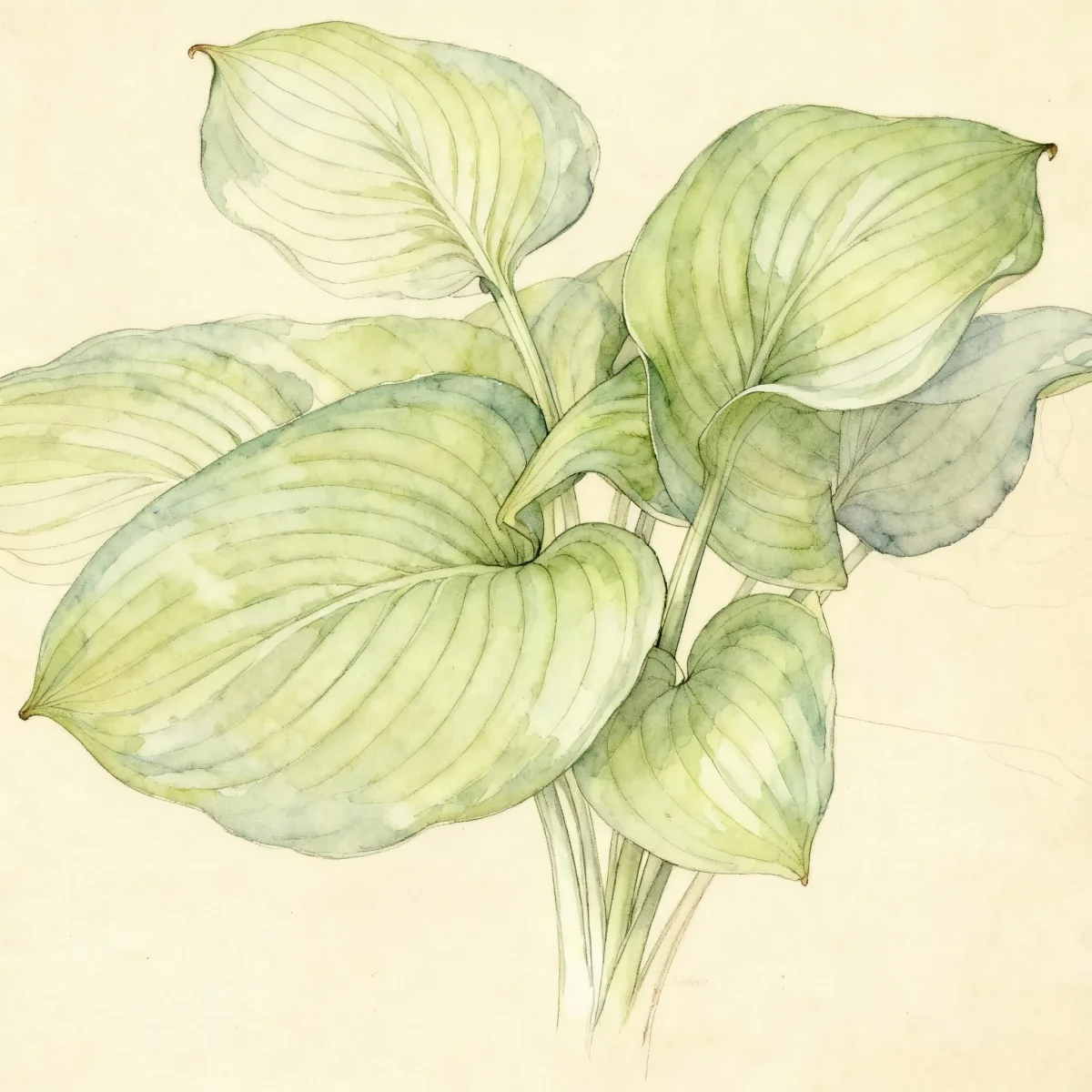
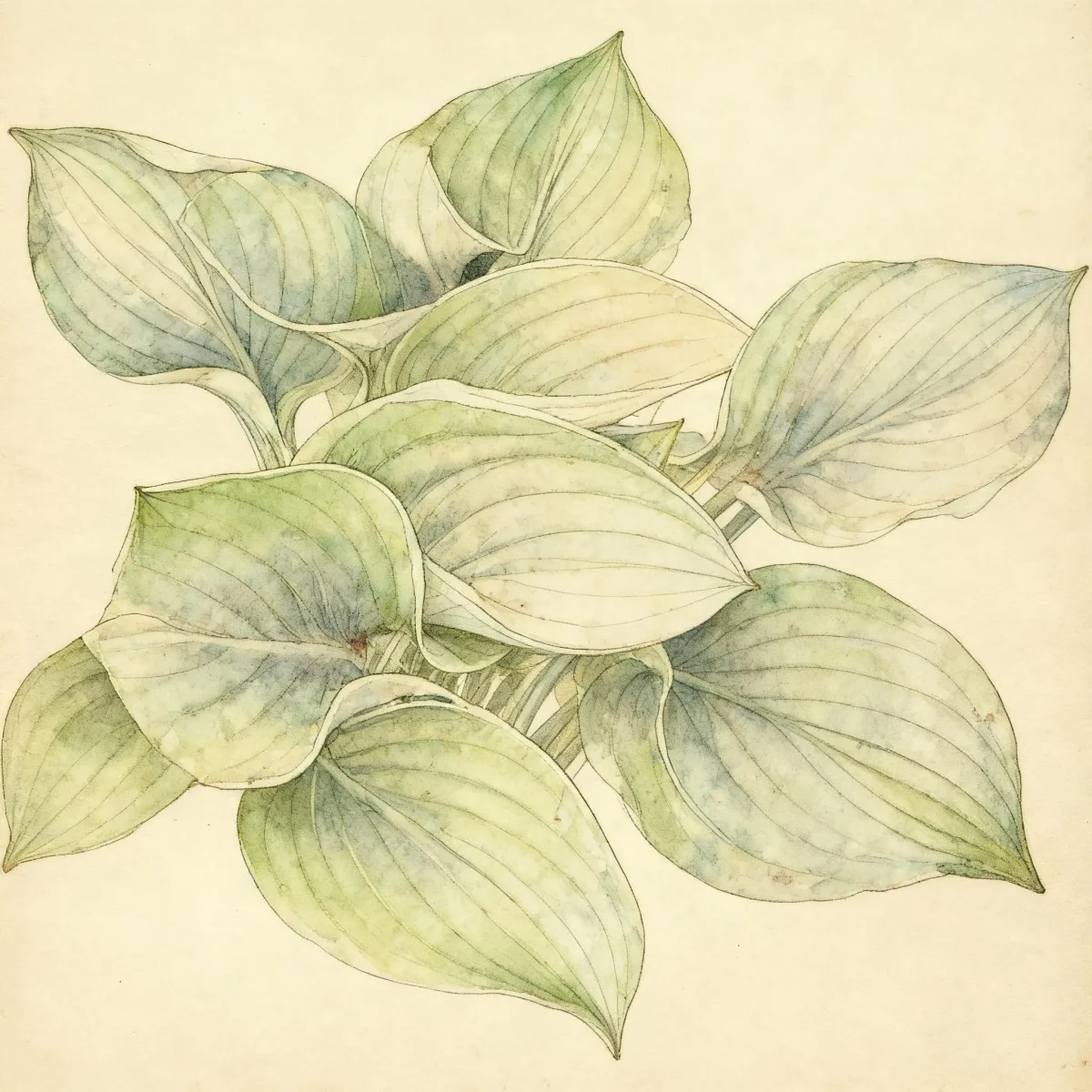
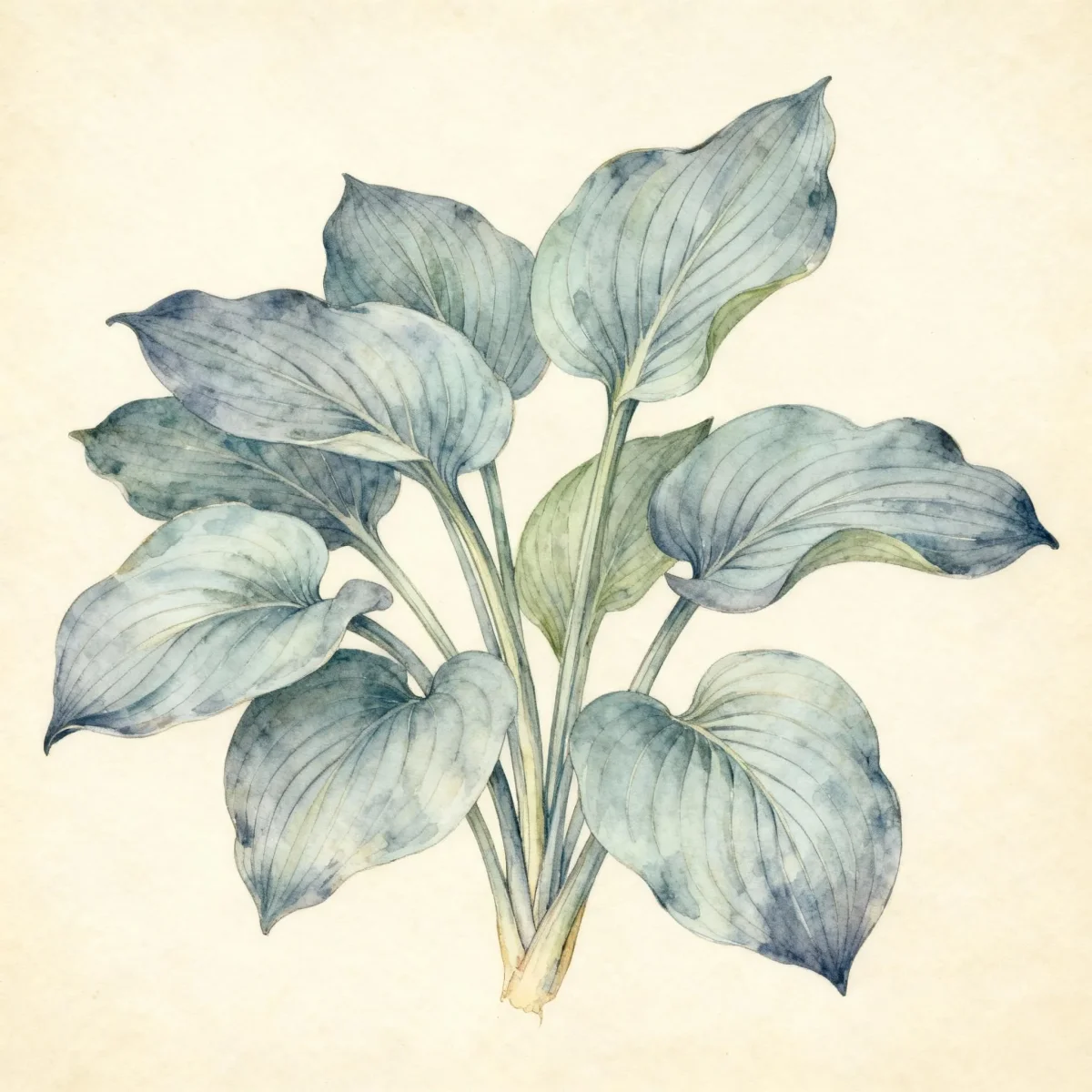
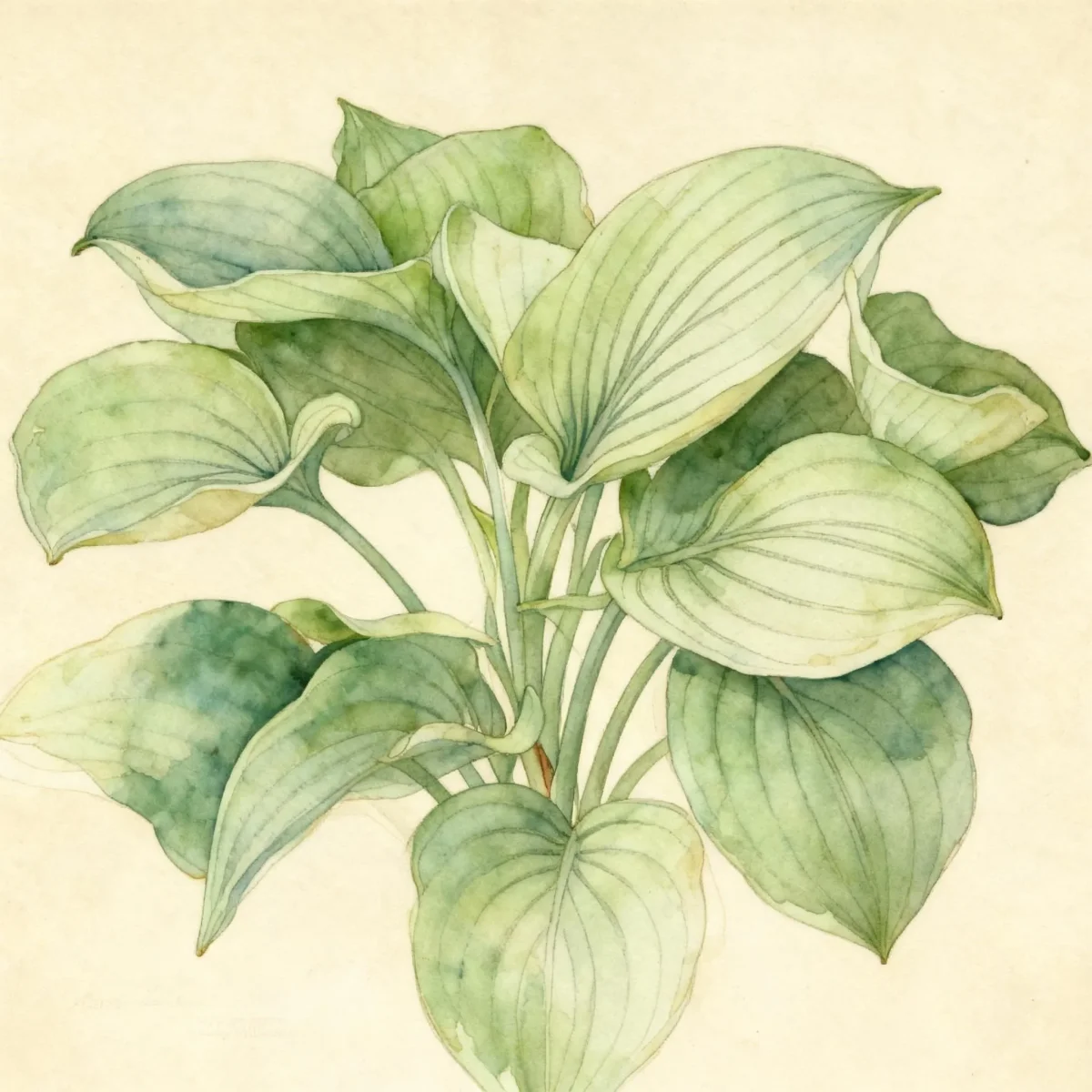
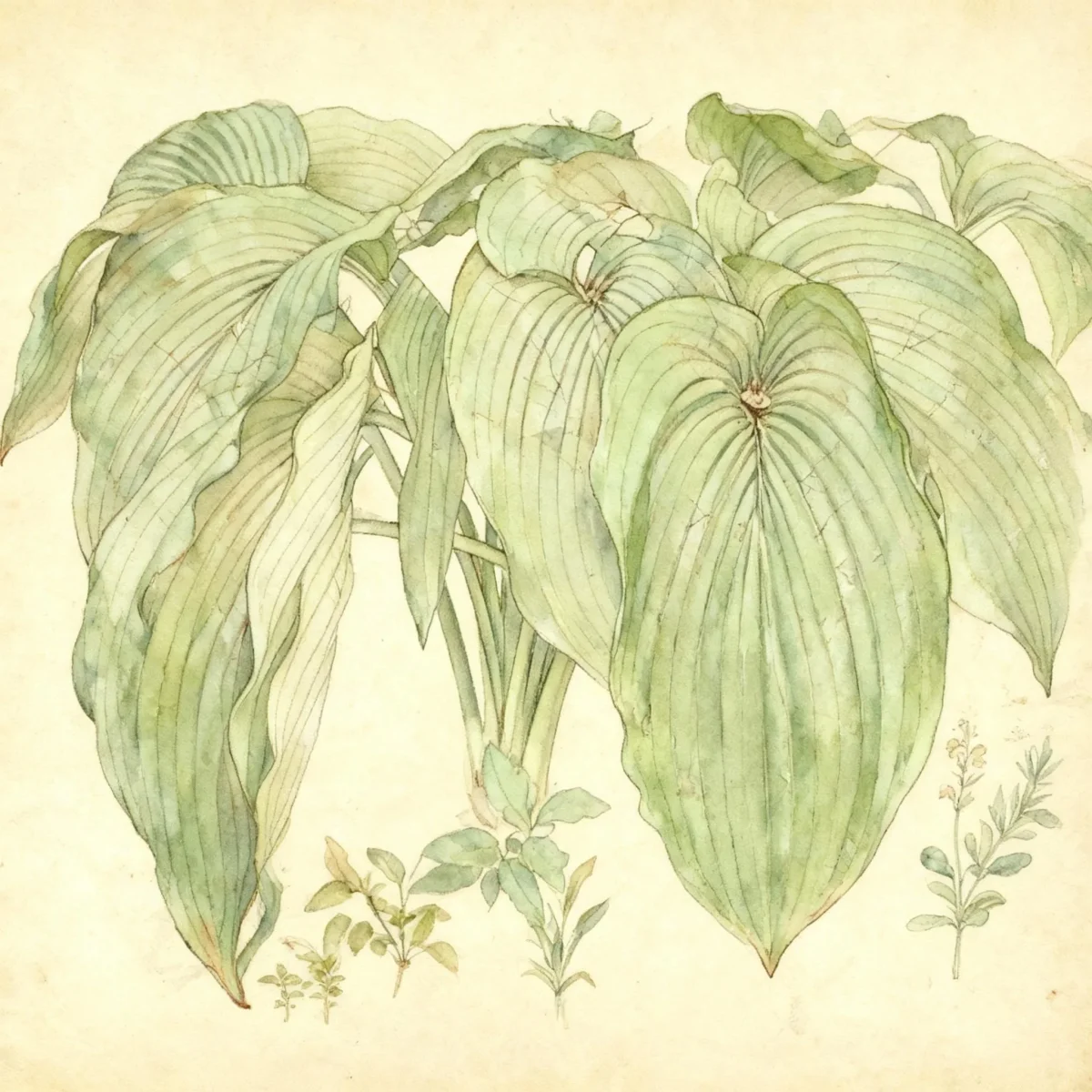
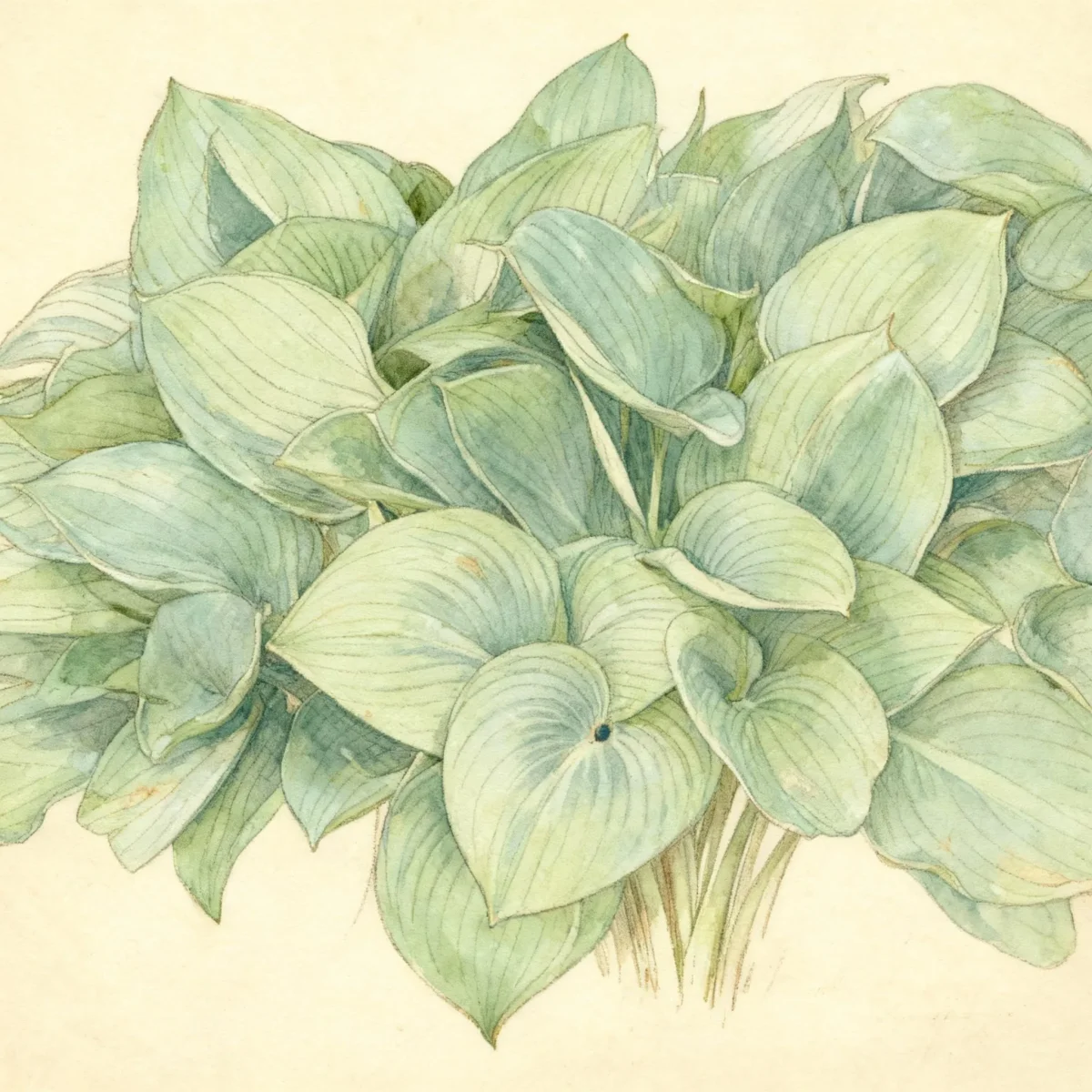
Hosta 'Blue Angel' is a giant, blue-leaved hosta treasured for its imposing mound of blue-green foliage and low-maintenance nature.
Scroll down to discover growing tips, care requirements, companion plants, and more
Complete Plant Information
Overview
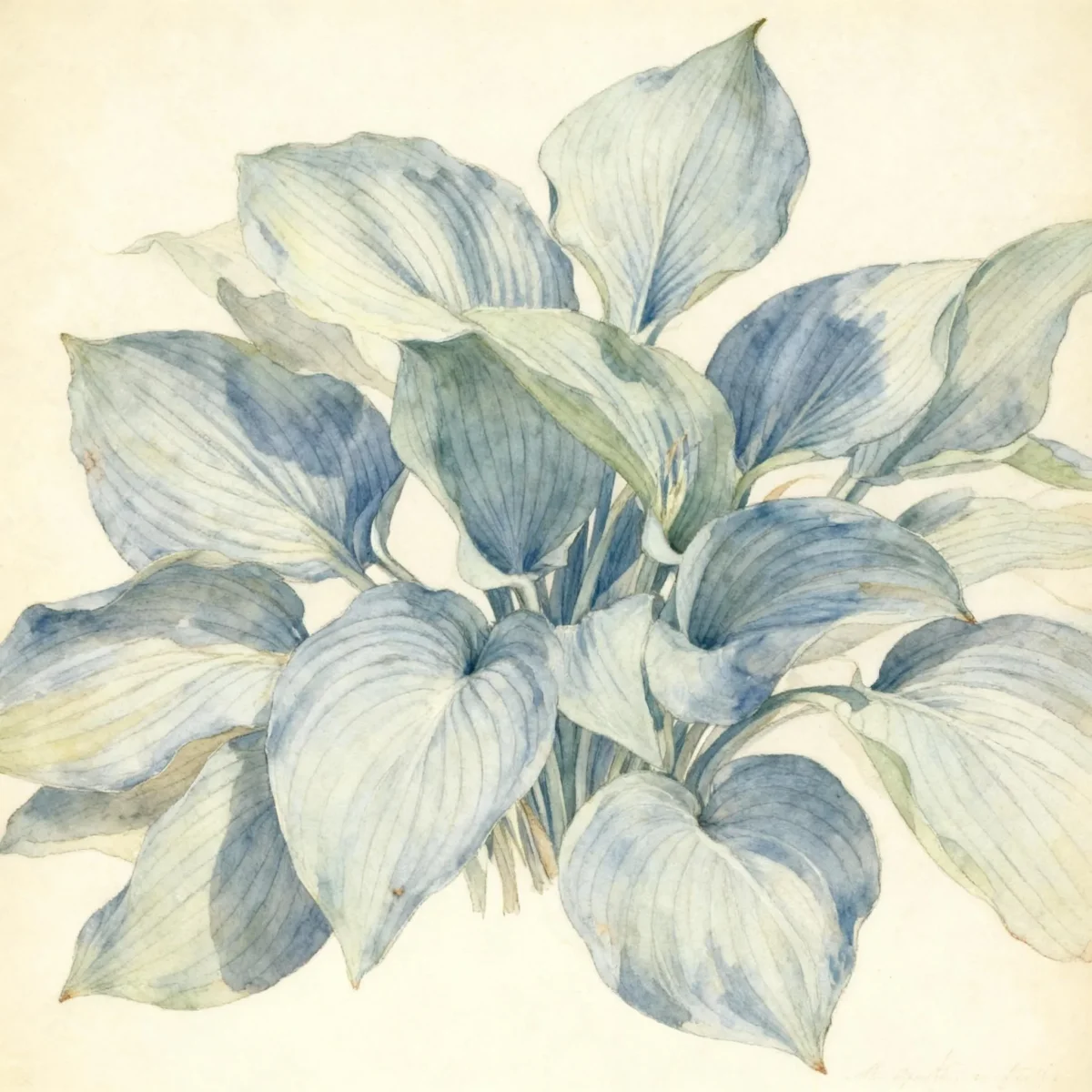
Hosta ‘Blue Angel’ is celebrated as one of the largest blue-leaved hostas available, making it a centerpiece in any shade garden design. This Hosta cultivar forms a magnificent, dense mound of heavy-textured, blue-green foliage, offering exceptional ornamental value throughout the growing season. Gardeners value this perennial for its robust structure and its ability to thrive where many other plants struggle—under deep shade conditions.
As a clump-forming, rhizomatous perennial, Hosta ‘Blue Angel’ requires relatively low maintenance once established, fitting perfectly into woodland settings or shaded borders. Its large leaves, which can reach up to 16 inches long, provide a cooling, architectural presence beneath deciduous trees, establishing a strong foundation for perennial groupings.
The visual interest provided by the massive foliage of Hosta ‘Blue Angel’ is complemented by spikes of pale lavender to white, bell-shaped flowers appearing in mid-summer. This plant is a prime example of why the Hosta genus remains the mainstay for enhancing shady landscapes with structure and enduring color.
Fast Facts
- Plant Family: Asparagaceae
- Plant Type: Herbaceous perennial
- Hardiness Zones: USDA Zones 3-8
- Size at Maturity:
- Height: 2-3 ft
- Spread: 3-4 ft
- Bloom Time: July to August
- Bloom Description: Pale lavender to white
- Sun Exposure: Part shade to full shade
- Water Needs: Medium
- Maintenance Level: Low
How to Grow
This Hosta variety performs best when planted in spring or autumn in a location protected from strong winds. Choose a site that provides evenly moist, organically rich, and well-drained soil. While Hosta is adaptable, the best blue foliage color for Hosta ‘Blue Angel’ is achieved in light shade or dappled sunlight; intense afternoon sun can scorch the leaves and potentially mute the desirable blue hue.
Consistent moisture is crucial for achieving the full size and quality form of this giant Hosta. Water should be applied directly to the soil beneath the leaves rather than overhead to minimize fungal issues. Although established plants tolerate some dry shade, never allow the soil to completely dry out, especially during establishment or hot spells.
Maintenance for this perennial is generally low. Hostas are easily managed; dividing plants as needed can be done in early spring before the leaves unfurl, or in the autumn. Few gardeners need to fertilize if the soil is organically rich, but annual top-dressing with compost is always beneficial for soil health.
Landscape Uses
Hostas are the undisputed foundation plants for any successful shade garden design. Hosta ‘Blue Angel’ excels when used in large groups or massed plantings where its imposing size can be fully appreciated, creating a sea of cool blue that brightens dark corners. Its substantial foliage makes it a very effective background plant, contrasting beautifully with smaller, fine-textured, or lighter-colored shade perennials.
Consider placing Hosta ‘Blue Angel’ along shady borders or within woodland settings where it mimics its native environment. The massive leaves provide excellent contrast against hostas with variegated or chartreuse foliage, such as some Japanese forest grasses or ferns suitable for similar conditions. This plant adds vertical and textural structure across shady borders.
Standout Features
Flower Qualities
- Showy
Noteworthy Characteristics
The Hosta genus comprises approximately 70 species primarily sought for their ornamental foliage, originating from the woodland margins of East Asia. Hosta ‘Blue Angel’ specifically is a giant cultivar, developing a striking, wide-oval, blue-green leaf presentation up to 16” by 12”. Its robust growth habit creates a rounded mound perfect for anchoring shaded garden views, complemented by mid-summer blooms.
Tolerances
- Heavy Shade
- Black Walnut
Potential Problems
Slugs and snails pose the most significant threat to Hosta foliage, creating jagged holes that mar the aesthetic appeal quickly. Control these pests proactively by applying bait early in the season or using regular copper tape barriers around vulnerable plants. Foliar nematodes can cause unsightly interveinal browning damage, requiring prompt removal of infected leaves.
Be vigilant for viral issues, such as Hosta Virus X (HVX); infected plants must be destroyed immediately to prevent spread. Furthermore, while Hosta ‘Blue Angel’ is generally durable, leaves can suffer severe cosmetic damage from hailstorms. Keep in mind that both deer and rabbits frequently find this foliage highly palatable and may consume large amounts if not protected.
Frequently Asked Questions
What hardiness zones is Hosta ‘Blue Angel’ suitable for?
This perennial is reliably hardy in USDA Zones 3 through 8.
How large does Hosta ‘Blue Angel’ grow?
When mature, this giant Hosta typically reaches a height between 2 and 3 feet and spreads to cover an area 3 to 4 feet wide.
What sun exposure does Hosta need?
Hosta ‘Blue Angel’ thrives best in part shade to full shade conditions; too much direct sun can bleach or burn the desirable blue leaf color.
When does Hosta bloom?
Bloom time is generally from July to August, featuring attractive flowers described as pale lavender to white.
Conclusion
Hosta ‘Blue Angel’ is indispensable for gardeners seeking large-scale, low-maintenance solutions for shaded areas, offering unparalleled structure with its massive blue-green leaves. This specific Hosta cultivar provides reliable performance and dramatic texture, confirming the Hosta genus as a shade garden staple. Ensure you check your local USDA zone compatibility before purchasing, and plan your planting during moist spring or fall windows for best results with this magnificent specimen.
Companion Planting
When designing a shade garden featuring Hosta ‘Blue Angel’, selecting companions that utilize contrasting leaf texture and color maximizes the visual impact. Consider pairing the large, blue, corrugated leaves of this Hosta with fine-textured ferns like Japanese Painted Fern (Athyrium) or plants with bright chartreuse foliage, such as Lenten Rose (Helleborus). Since Hosta prefers consistently moist, rich soil, choose accompanying plants that share these moderate water needs to simplify irrigation efforts.
Another excellent strategy is incorporating Japanese Forest Grass (Hakonechloa macra), particularly golden varieties, which create a soft, mounding carpet around the base of the towering Hosta mound. This contrast in habit—upright, solid mass paired with flowing, fine texture—is responsible for some of the most successful shade garden compositions.
Seasonal Care Calendar
Spring marks the beginning of active growth; this is the optimal time to divide overcrowded clumps of Hosta ‘Blue Angel’ and apply a fresh layer of organic mulch or compost around the base. As summer progresses, focus intensely on consistent watering, ensuring the soil remains evenly moist but never waterlogged to support the large leaves’ hydration demands.
Summer is also when you should monitor vigilantly for slug and snail activity, applying preventative treatments as the weather warms. In the autumn, allow the foliage to die back naturally; this helps recharge the rhizome for the following year’s growth. Avoid cutting back dead foliage until very early spring, as the dried leaves can offer some insulation during winter dormancy.