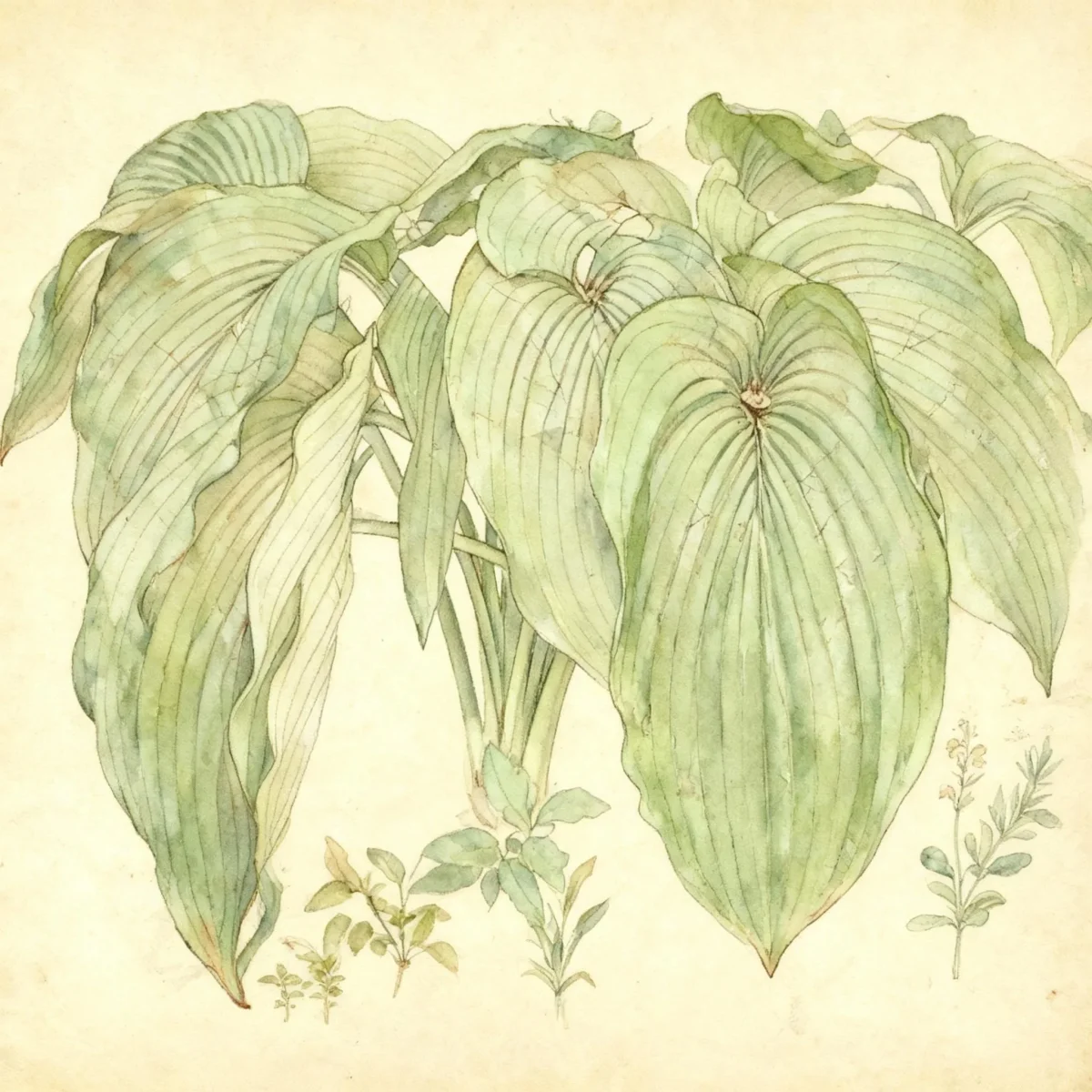
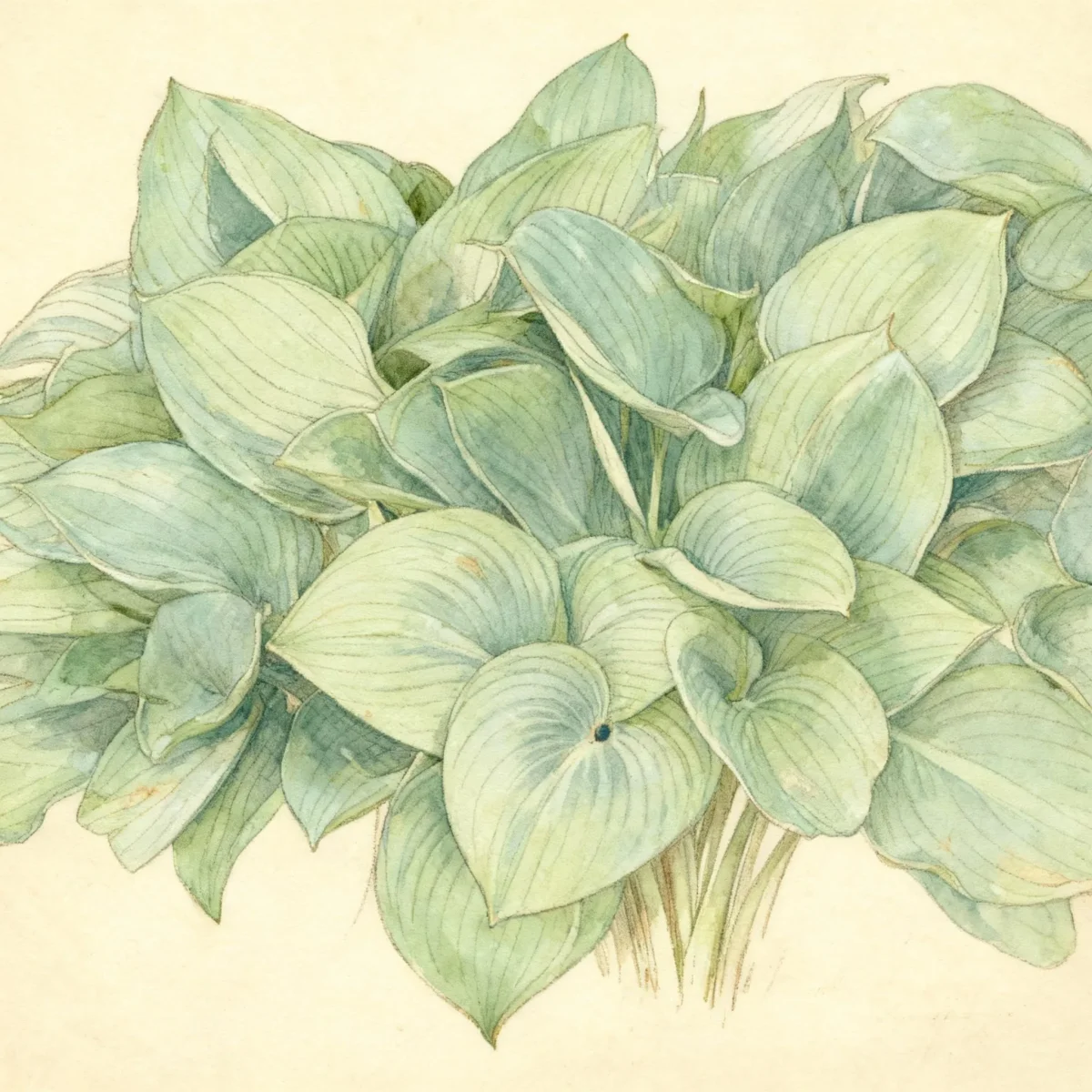
Hosta (Hosta (Tardiana Group) 'Blue Blush')
Hosta (Tardiana Group) 'Blue Blush' offers thick, blue-green foliage and lavender blooms. A low-maintenance Hosta ideal for deep shade.
Scroll down to discover growing tips, care requirements, companion plants, and more
Complete Plant Information
Overview
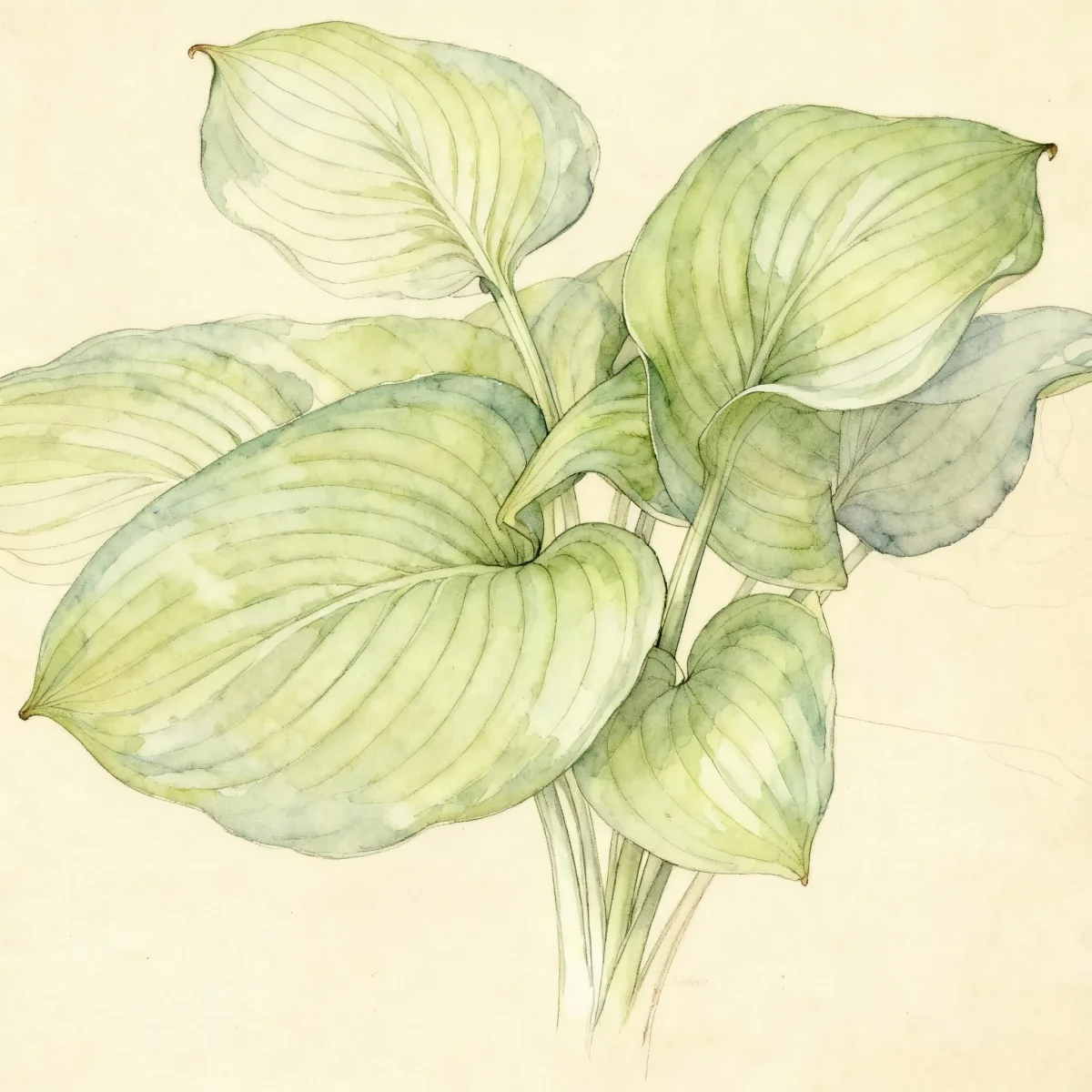
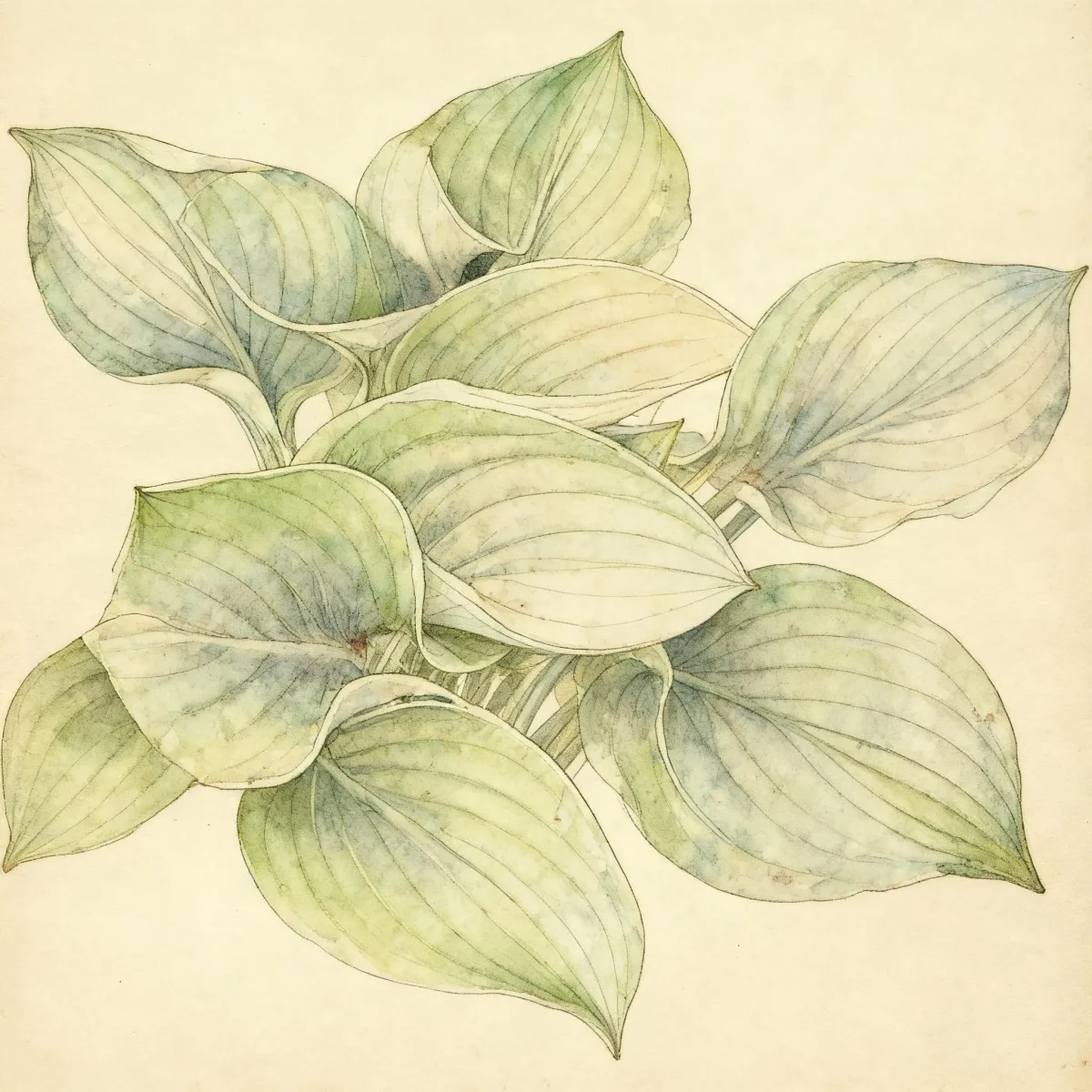
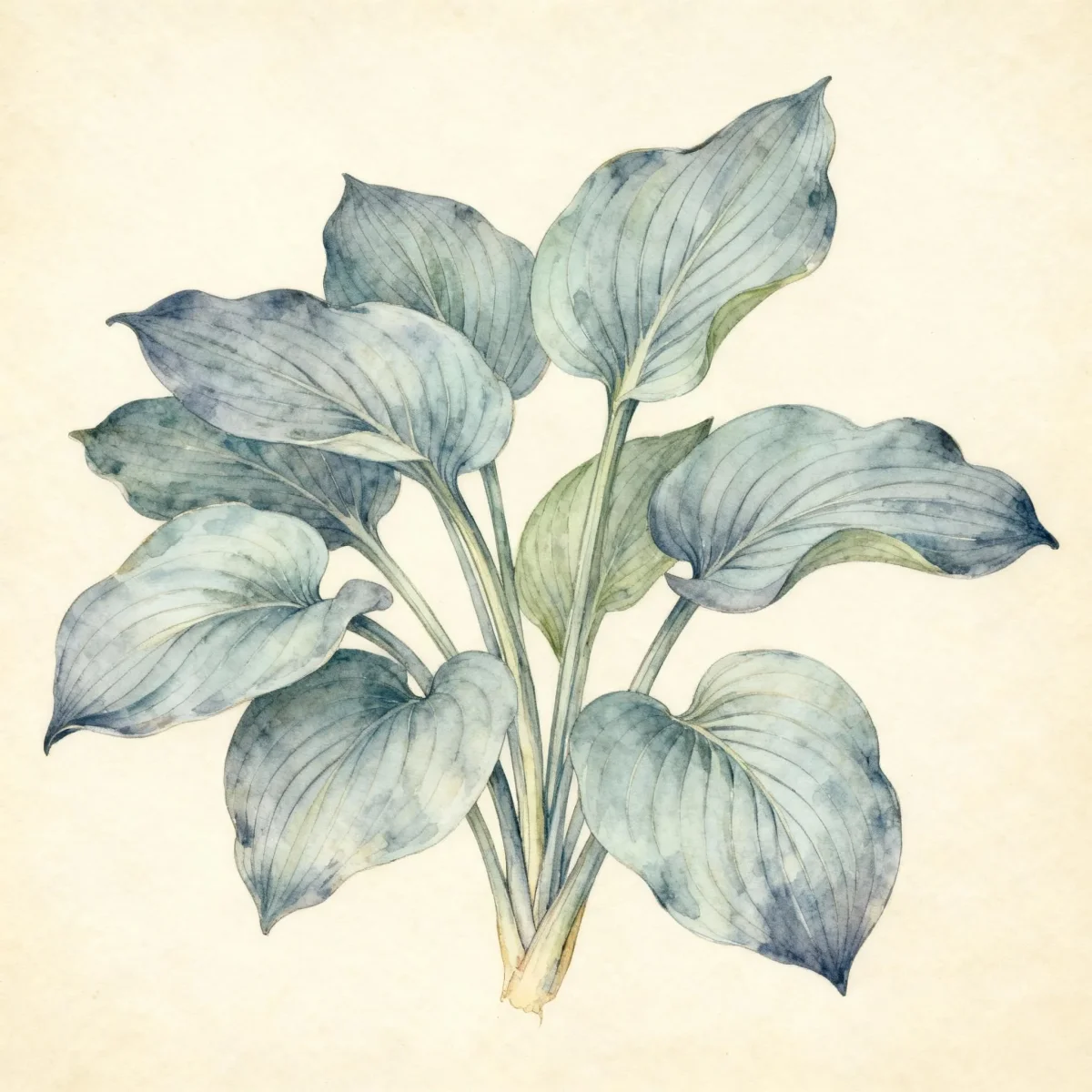
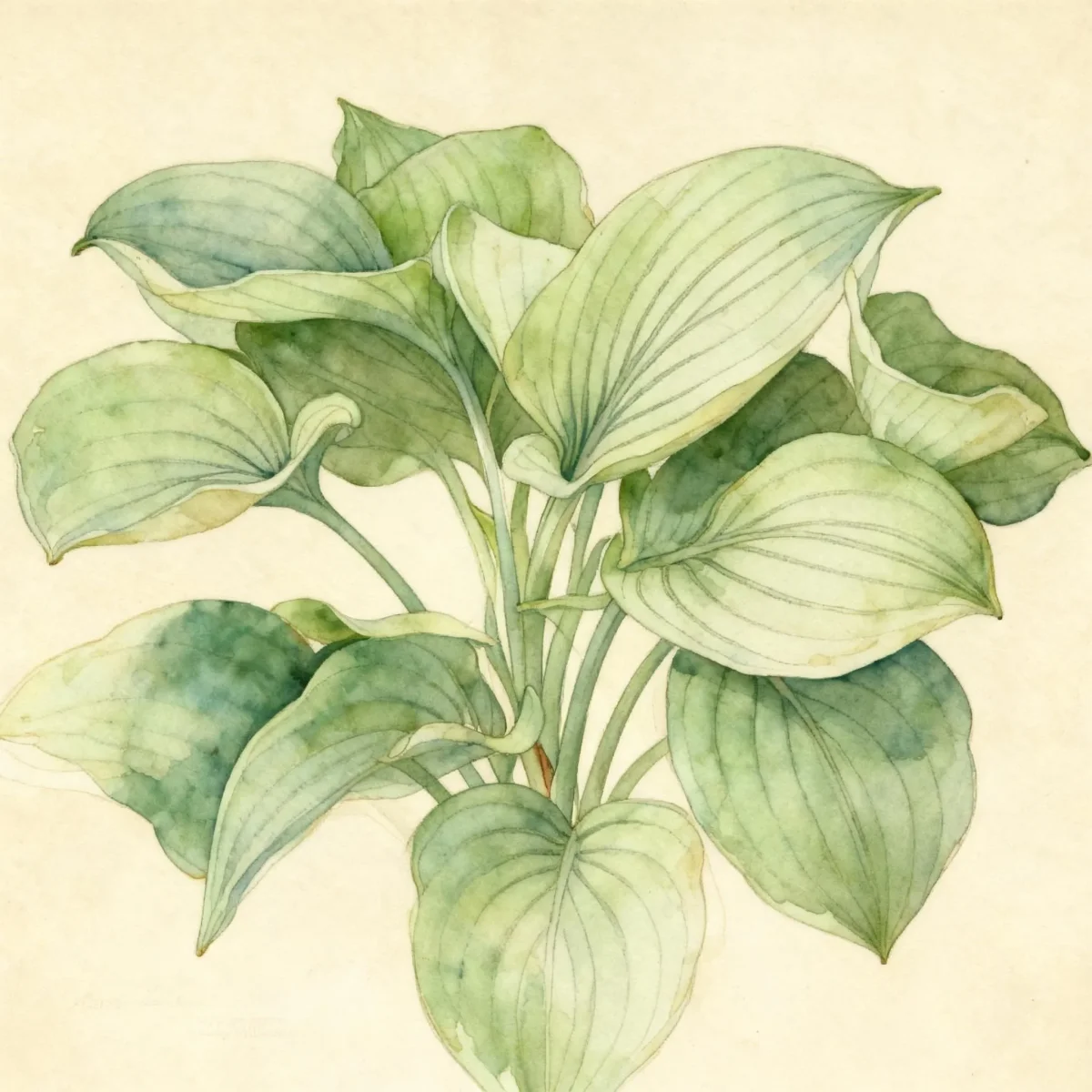
Hosta (Tardiana Group) ‘Blue Blush’ is a highly valued, low-maintenance herbaceous perennial prized for its substantial ornamental foliage, making it a cornerstone of shade gardening. This cultivar features thick, blue-green leaves providing excellent texture and contrast even when not in bloom. As a member of the Tardiana Group, it inherits durability and attractive, compact mounding habits perfect for smaller spaces.
This dependable Hosta cultivar showcases bell-shaped, lavender flowers in early summer, although its primary aesthetic contribution remains its dense basal mounds of foliage. It thrives where other plants might fail, establishing quickly into a rounded mound that effectively crowds out most garden weeds, contributing to its low overall maintenance requirement.
Gardeners rely on Hosta (Tardiana Group) ‘Blue Blush’ to bring consistent color and structure to dark corners, offering a versatile solution for woodland settings or shady borders. Its resilience and minimal care needs ensure that this particular Hosta variety remains an enduring favorite for landscapes throughout USDA Zones 3 through 8.
Fast Facts
- Plant Family: Asparagaceae
- Plant Type: Herbaceous perennial
- Hardiness Zones: USDA Zones 3-8
- Size at Maturity:
- Height: 0.25-0.5 ft
- Spread: 0.75-1 ft
- Bloom Time: June to July
- Bloom Description: Lavender
- Sun Exposure: Part shade to full shade
- Water Needs: Medium
- Maintenance Level: Low
How to Grow
The best time to establish new Hosta (Tardiana Group) ‘Blue Blush’ plants is either in spring or autumn when temperatures are moderate. Ensure the planting site offers organically rich, well-drained soil. While this Hosta prefers part shade, achieving its best color and quality requires seeking dappled sunlight or morning sun exposure; avoid harsh, hot afternoon sun entirely.
Consistent moisture is key to realizing the full potential of this plant. Water thoroughly and regularly, directing water beneath the leaves to the soil, as prolonged dryness negatively impacts foliage size and integrity. Although established clumps show some tolerance for dry shade, especially those with thicker leaves, never allow the soil to completely dry out, especially during establishment.
Maintenance for this Hosta is generally low. Fertilizing is rarely necessary if the soil is amended with rich organic matter upon planting. If division becomes necessary to manage spread or increase plant numbers, perform this task in early spring before the leaves unfurl, or in autumn. Always site Hosta (Tardiana Group) ‘Blue Blush’ away from strong winds which can damage the leaves.
Landscape Uses
Hostas are foundational plants for any shaded landscape design, and Hosta (Tardiana Group) ‘Blue Blush’ is particularly useful due to its small stature (only up to 1 foot wide). It excels when massed together to create solid drifts of blue-green color along established shady borders or in woodland garden underplantings. Its dense foliage naturally suppresses unwanted weeds.
Because of its relatively compact dimensions, this variety works very well in small areas where larger Hostas would overwhelm the space. Consider using it as an edging feature along paths or beneath taller, fine-textured deciduous trees. The cool blue tones of the foliage pair beautifully with lighter-colored shade perennials, such as white or pale yellow Astilbe or Brunnera.
Standout Features
Flower Qualities
- Showy
- Good Cut
Noteworthy Characteristics
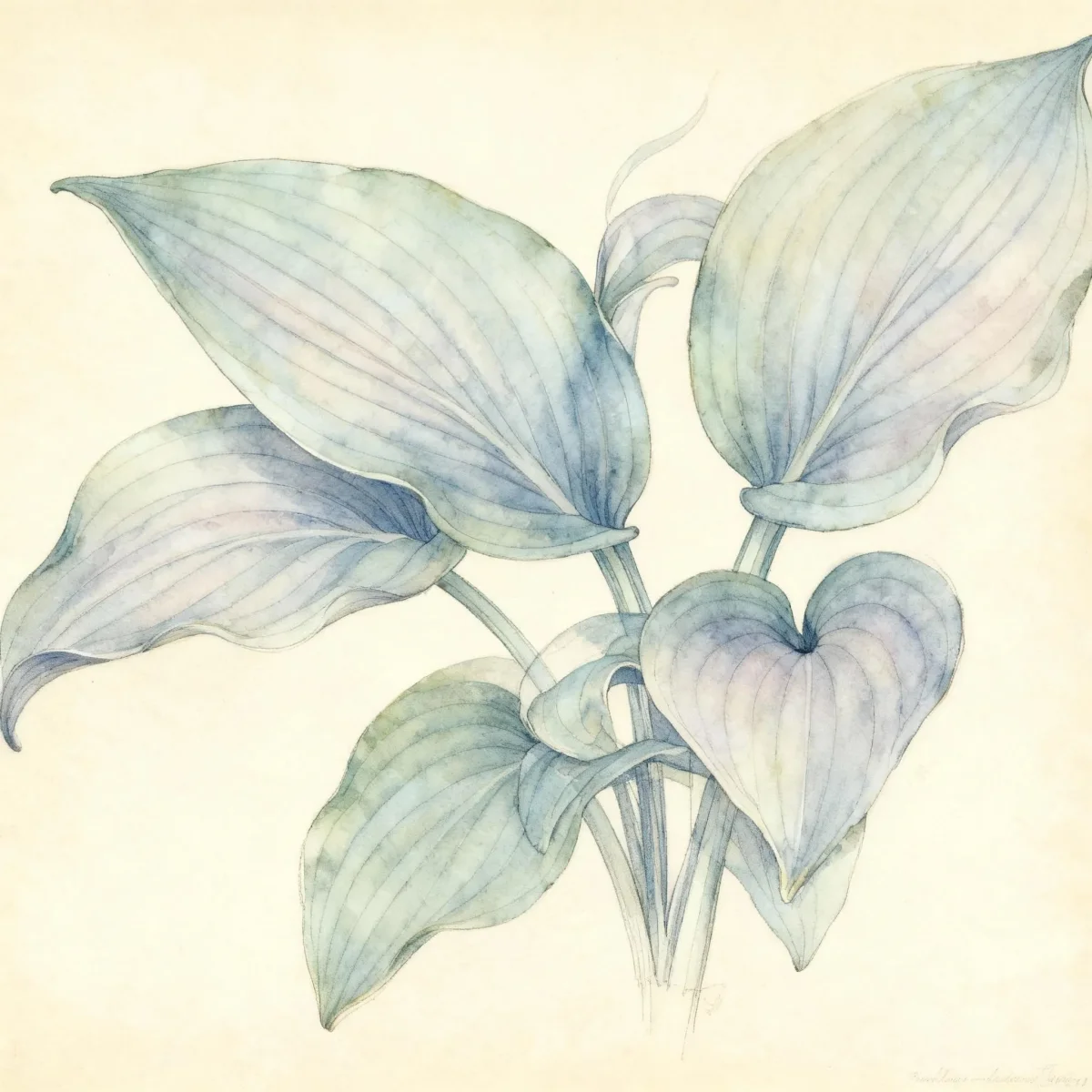
Hosta is fundamentally celebrated worldwide for its highly ornamental, textured foliage that forms dense basal mounds rising from a central crown. The Tardiana Group, to which ‘Blue Blush’ belongs, is recognized for producing hybrids that typically remain under 18 inches and feature desirable blue-green coloring. ‘Blue Blush’ specifically features attractive, thick, lance-shaped leaves with ruffled margins, complemented by elegant lavender flowers atop 11-inch scapes.
Tolerances
- Heavy Shade
- Black Walnut
Potential Problems
Slugs and snails pose the most significant threat to the foliage of Hosta (Tardiana Group) ‘Blue Blush’, readily chewing unsightly, jagged holes. Left unchecked, this pest activity can quickly ruin the appearance of the plant clump. Proactive management is essential, focusing on eliminating hiding spots, using slug and snail baits strategically, or employing physical barriers early in the season.
Be vigilant for foliar nematodes; these microscopic worms cause damage by feeding internally, resulting in browning between the leaf veins, which warrants immediate destruction of infected material. While less common, watch for localized fungal issues like leaf spots or crown rot, often tied to excessive wetness or poor air circulation in heavy shade. Deer frequently find the leaves highly palatable, so protection may be necessary in vulnerable settings.
Frequently Asked Questions
What hardiness zones is Hosta (Tardiana Group) ‘Blue Blush’ suitable for?
This Hosta variety is reliably hardy across USDA Zones 3 through 8, offering flexibility for many regions across North America.
How large does Hosta (Tardiana Group) ‘Blue Blush’ grow?
This is a compact cultivar, typically reaching a height between 0.25 and 0.5 feet tall, spreading to between 0.75 and 1 foot wide.
What sun exposure does Hosta (Tardiana Group) ‘Blue Blush’ need?
This specific Hosta thrives best in part shade conditions, though it tolerates full shade effectively, requiring protection from intense afternoon sun.
When does Hosta (Tardiana Group) ‘Blue Blush’ bloom?
The lavender, bell-shaped blooms appear relatively early in the season, generally lighting up the garden from June into July.
Conclusion
Hosta (Tardiana Group) ‘Blue Blush’ offers indispensable texture and durable, cool-toned blue-green foliage perfectly suited for the darkest reaches of your garden. Its low maintenance profile and ability to crowd out weeds cement its status as a premier perennial. Before planting, confirm your local USDA Hardiness Zone falls within the 3-8 range to ensure the best long-term performance for this beautiful Hosta.
Companion Planting
When locating Hosta (Tardiana Group) ‘Blue Blush’ in the garden, consider pairing it with plants that appreciate similar moisture and shade requirements. This creates a cohesive, low-light tapestry. Excellent partners include Tiarella (Foamflower), which offers contrasting fine texture, or bleeding hearts (Dicentra spectabilis) that bloom earlier before the hosta fully matures.
For added vertical interest beneath larger trees, combine this mounding Hosta with ferns, such as Ostrich Ferns or Japanese Painted Ferns, which share the need for consistent moisture. The thick, waxy leaves of Hosta (Tardiana Group) ‘Blue Blush’ contrast beautifully against the airy structures of shade-loving ornamental grasses, providing both softness and substance.
Propagation Tips
The primary and easiest method for increasing your stock of Hosta (Tardiana Group) ‘Blue Blush’ is through division of the central crown. Since Hostas are rhizomatous clump-formers, they naturally divide as they mature. Wait until spring just before the new leaf shoots (eyes) break the soil surface—this is the easiest time to separate the root ball cleanly.
Use a sharp spade or knife to divide the clump into sections, ensuring each new division has at least three healthy eyes attached to a substantial portion of root material. Replant these divisions immediately at the same depth they were previously growing, and water well to reduce transplant shock.