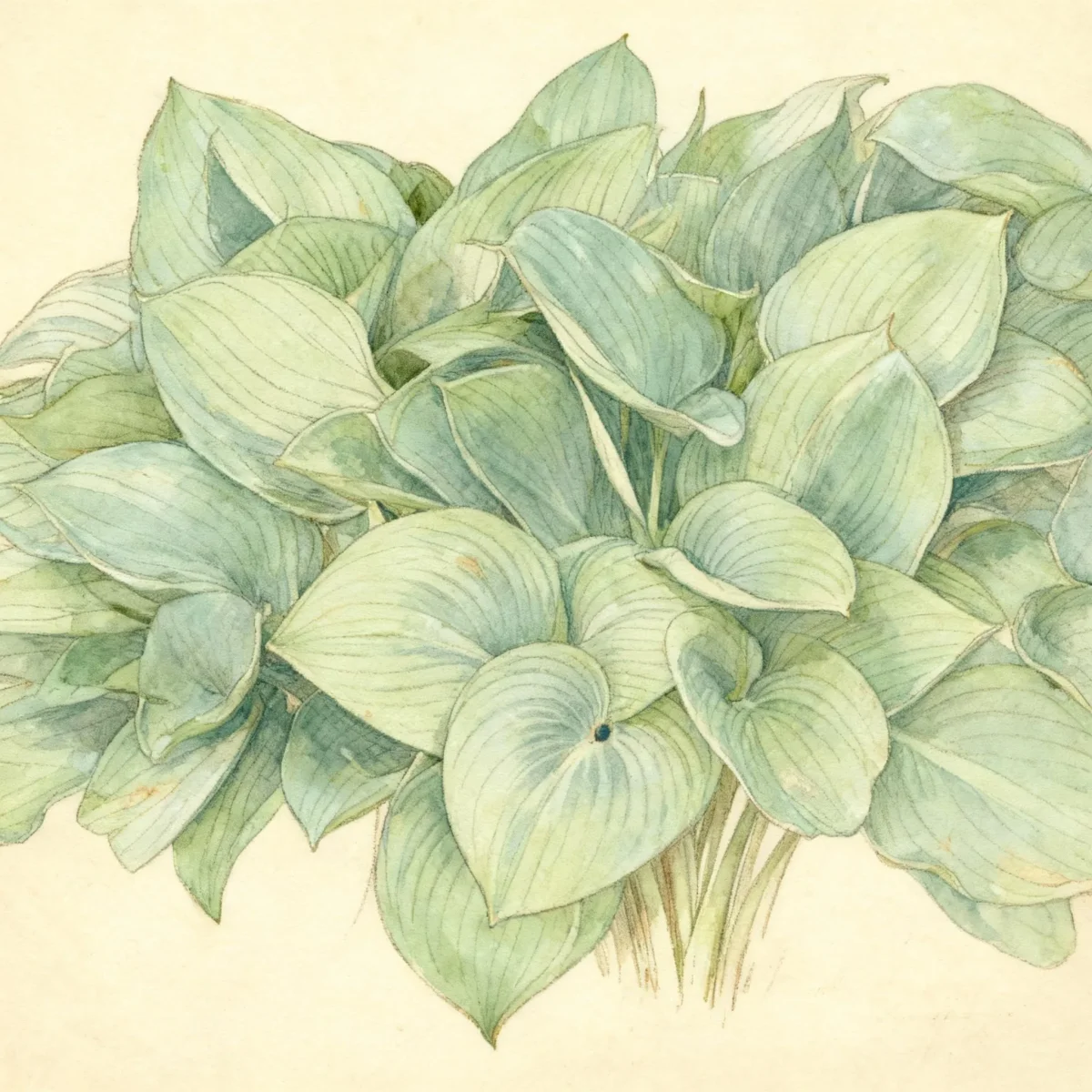
Hosta (Hosta (Tardiana Group) 'Blue Danube')
Hosta (Tardiana Group) 'Blue Danube' is a low-maintenance Hosta valued for thick, blue-green foliage and lavender blooms. Hardy zones 3-8.
Scroll down to discover growing tips, care requirements, companion plants, and more

Complete Plant Information
Overview
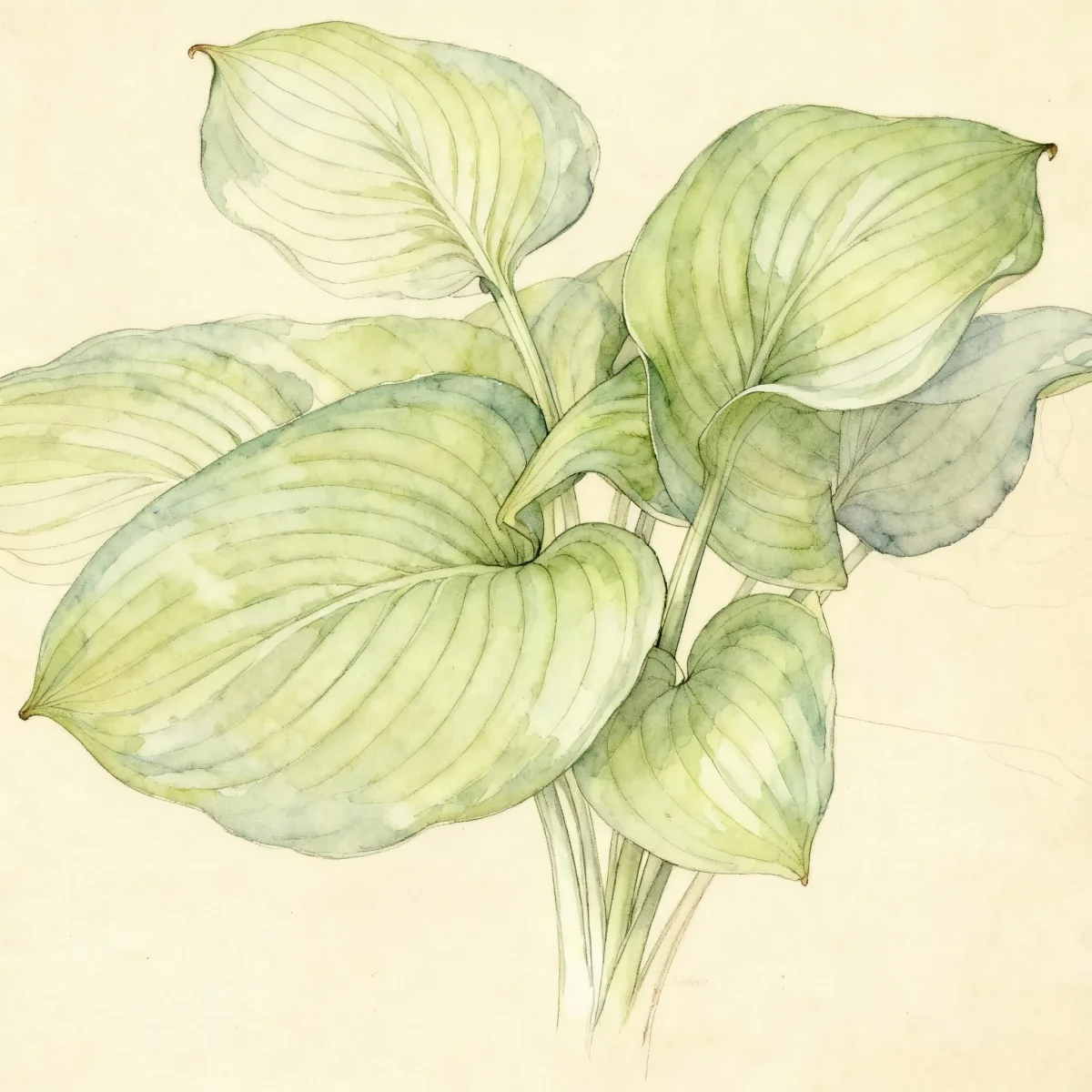
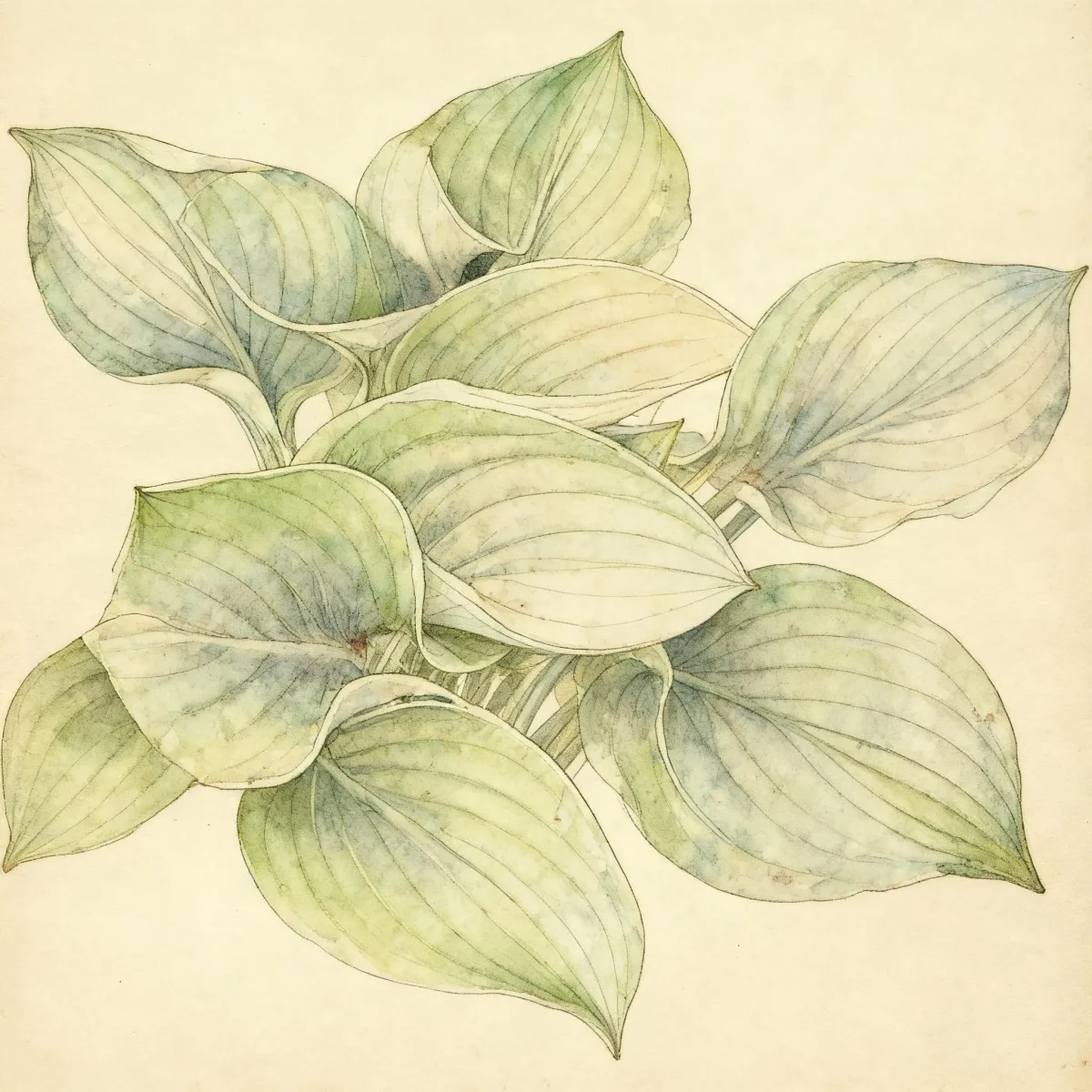
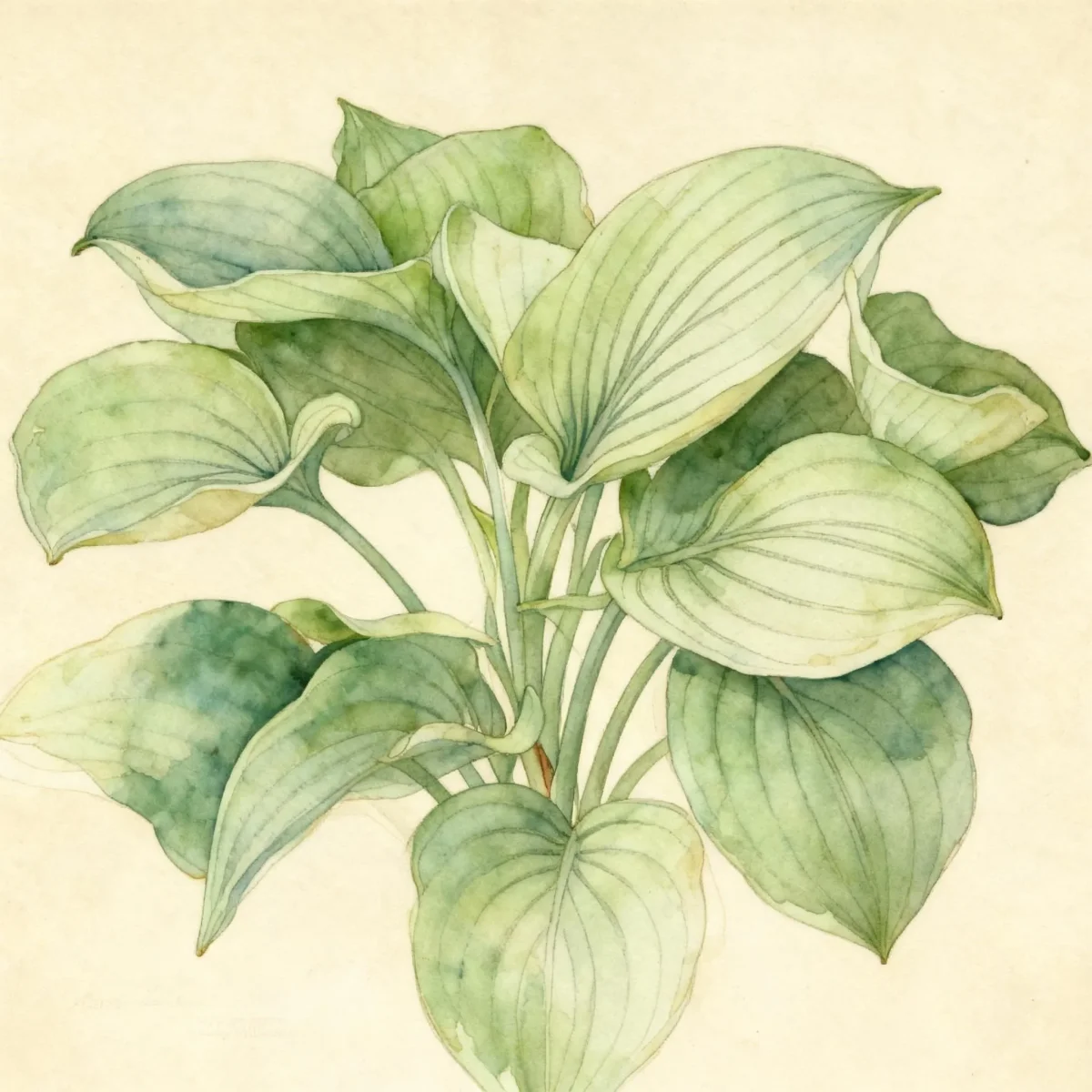
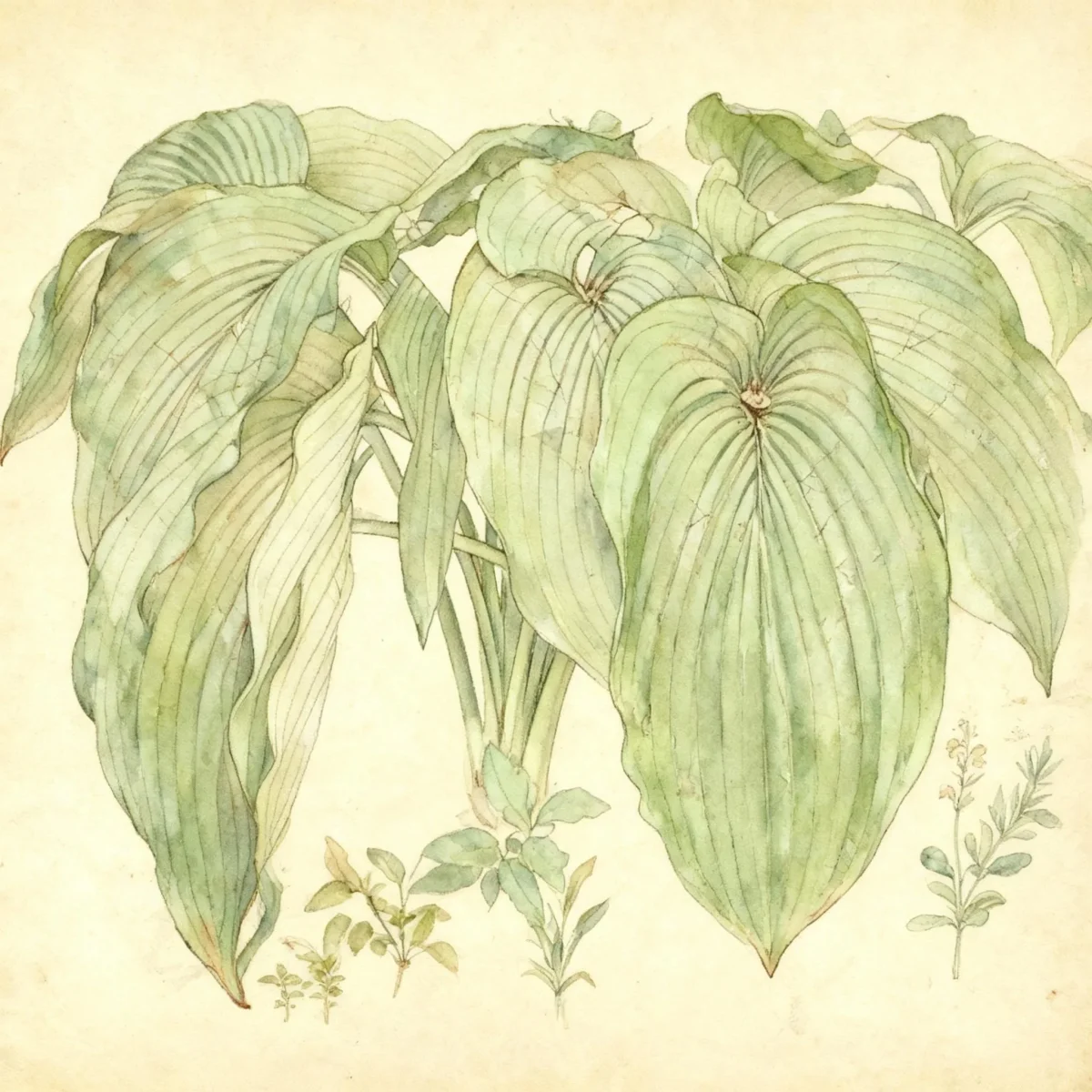
Hosta (Tardiana Group) ‘Blue Danube’ is recognized as one of the bluest hostas available, making it a crucial element for high-contrast shade gardens. This herbaceous perennial forms an attractive mound primarily valued for its ornamental foliage, which is flat, heart-shaped, and composed of thick, blue-green leaves. The Hosta genus, of which this entry is a fine example, thrives in shady environments, providing texture and mass where few other perennials succeed.
Emerging from the reliable Tardiana Group lineage, Hosta (Tardiana Group) ‘Blue Danube’ offers dependable structure and relatively low maintenance requirements. In mid-summer, it produces terminal racemes of bell-shaped, lavender flowers held well above the main foliage mound on long scapes. This versatility and striking coloration ensure that Hosta remains a staple plant for woodland settings and deep border plantings requiring consistent performance.
This specific Hosta cultivar is prized by gardeners for its ability to create calming, cool-toned masses of color beneath tree canopies or on the north side of structures. Its ease of care classifies it as a low-maintenance perennial, perfect for establishing long-term structure in established landscapes where consistent moisture can be provided.
Fast Facts
- Plant Family: Asparagaceae
- Plant Type: Herbaceous perennial
- Hardiness Zones: USDA Zones 3-8
- Size at Maturity:
- Height: 0.5-0.75 ft
- Spread: 1-1.5 ft
- Bloom Time: June to July
- Bloom Description: Lavender
- Sun Exposure: Part shade to full shade
- Water Needs: Medium
- Maintenance Level: Low
How to Grow
To ensure optimal blue coloration, plant Hosta (Tardiana Group) ‘Blue Danube’ in locations receiving part shade, ideally benefiting from morning sun or dappled light conditions. These plants prefer organically rich, well-drained soils that remain consistently moist. Planting should occur when the soil is workable, either in spring or autumn, ensuring the central rhizomatous crown is positioned correctly near the soil surface.
Watering is crucial for maintaining the quality and size of the foliage mounds; soils should never be allowed to completely dry out, particularly during establishment. When watering, aim directly for the soil beneath the leaves to minimize foliage spotting and promote healthy root absorption. While established plants tolerate some dry shade, consistency yields the best results for this Hosta variety.
Maintenance is generally easy. Divide your Hosta clumps every few years as needed, typically best performed in early spring before the leaves completely unfurl, or in the autumn. Since these perennials are low maintenance, heavy feeding is usually unnecessary unless the soil is extremely poor. Always site your Hosta in areas naturally protected from strong winds, which can damage the leaves.
Landscape Uses
Hostas are the undisputed backbone of the shade garden, and Hosta (Tardiana Group) ‘Blue Danube’ excels in weaving cool, blue tones through shaded borders. Its manageable size, topping out under a foot high with a spread of up to 1.5 feet, makes it ideal for creating well-defined shady borders or mass plantings where repetition creates visual impact. This small Hosta is also highly effective when used near pathways where its texture can be fully appreciated up close.
When considering companions, group this plant with contrasting colors and textures to enhance its blueness. Consider pairing the blue leaves of Hosta (Tardiana Group) ‘Blue Danube’ with bright green or chartreuse foliage plants like Japanese Forest Grass (Hakonechloa) or bright white-flowering shade perennials such as Astilbes or white Jacob’s Ladder. It also translates beautifully into containers when paired with cascading fillers, though consistent moisture management in pots is critical.
The overall effect of massing Hosta foliage creates effective groundcover, suppressing weeds and adding year-round structure (while dormant in winter). Its strong color contrast highlights taller, darker greenery or bright summer blooms, making it a powerful design tool for shadowed areas of the landscape.
Standout Features
Flower Qualities
- Showy
- Good Cut
Noteworthy Characteristics
Hosta is a genus comprised mainly of shade-loving, rhizomatous perennials cultivated primarily for their exceptional foliage. Hosta (Tardiana Group) ‘Blue Danube’ specifically features dense mounds of thick, flat, heart-shaped, blue-green leaves, which serve as the main visual attraction. It produces racemes of lavender, bell-shaped flowers rising on scapes, offering dependable visual interest throughout the summer months in shaded settings.
Tolerances
- Heavy Shade
- Black Walnut
Potential Problems
The primary threat to Hosta foliage, including Hosta (Tardiana Group) ‘Blue Danube’, comes from slugs and snails, which chew unsightly holes in the leaves. To manage this, apply slug baits early in the season or use physical barriers where damage is most visible. Be vigilant for foliar nematodes, which cause interveinal browning, and promptly remove and destroy any plant suspected of harboring viruses like Hosta Virus X (HVX).
Deer are also known to graze heavily on Hosta leaves, so protect vulnerable young plants when establishing them. While leaf spots and crown rot are less common, ensuring good air circulation and providing well-drained soil helps mitigate fungal issues. The thick leaves of this cultivar may offer slightly better protection against light hail than thinner varieties, but severe storms can still cause significant cosmetic damage.
Frequently Asked Questions
What hardiness zones is Hosta suitable for?
Hosta (Tardiana Group) ‘Blue Danube’ is reliably hardy across USDA Zones 3 through 8.
How large does Hosta grow?
This variety typically establishes a mound reaching 0.5 to 0.75 feet tall and spreads between 1 to 1.5 feet wide at maturity.
What sun exposure does Hosta (Tardiana Group) ‘Blue Danube’ need?
This Hosta performs best when situated in part shade to full shade conditions, though afternoon sun should generally be avoided to preserve the blue coloration of the leaves.
When does Hosta bloom?
Hosta (Tardiana Group) ‘Blue Danube’ displays its lavender, bell-shaped flowers primarily from June into July.
Conclusion
Hosta (Tardiana Group) ‘Blue Danube’ is an exceptionally valuable, low-effort perennial, celebrated for its striking blue foliage that brightens the darkest corners of the garden. Its dependability and resistance to high maintenance make it an ideal choice for both novice and experienced gardeners seeking lasting texture. Before planting, confirm your site falls within USDA Zones 3-8 and plan for consistent mid-season moisture to keep the foliage vibrant.
Companion Planting for Shade Gardens
To maximize the visual appeal of your blue Hosta planting, select companions that offer strong textural or color opposition. Plants with fine, airy foliage, such as ferns (like Japanese Painted Ferns), provide an excellent contrast to the broad, thick leaves of Hosta (Tardiana Group) ‘Blue Danube’. Similarly, pairing the cool blue tones with vibrant golds or chartreuse foliage, such as certain Heuchera cultivars or golden Hakonechloa grass, makes the Hosta color “pop.”
Focusing on plants that share similar cultural requirements—namely, rich, moist soil and protection from direct, hot sun—will ensure all your shade border occupants thrive together seamlessly. Areas where Hosta excels are ideal for shade-loving woodland bulbs that emerge early, like snowdrops or scilla, which carpet the ground before the Hosta foliage fully expands in spring.
Seasonal Care Calendar
Spring is the ideal time for division if your clumps have become overly crowded, usually executed right as the new shoots are emerging from the crown. Focus on applying mulch slowly around the base of the Hosta to help conserve the medium moisture that Hosta (Tardiana Group) ‘Blue Danube’ requires throughout the warmer months. In summer, monitor for slug and snail activity, which is highest during damp periods.
As the season moves toward autumn, clean up dead foliage after the first hard frost, though many gardeners prefer to leave the dried husks standing through early winter for added texture. In winter, the main concern is protection from moisture fluctuation; ensure heavy snow cover is not preventing necessary moisture exchange if you live in a milder climate. This predictable seasonal rhythm confirms why Hosta is known for its low overall maintenance.