Hosta (Hosta (Tardiana Group) 'Blue Moon')
Hosta (Tardiana Group) 'Blue Moon' is a low-maintenance perennial known for thick, heart-shaped blue-green leaves and white summer blooms. Excellent for shade gardens.
Scroll down to discover growing tips, care requirements, companion plants, and more
Complete Plant Information
Overview
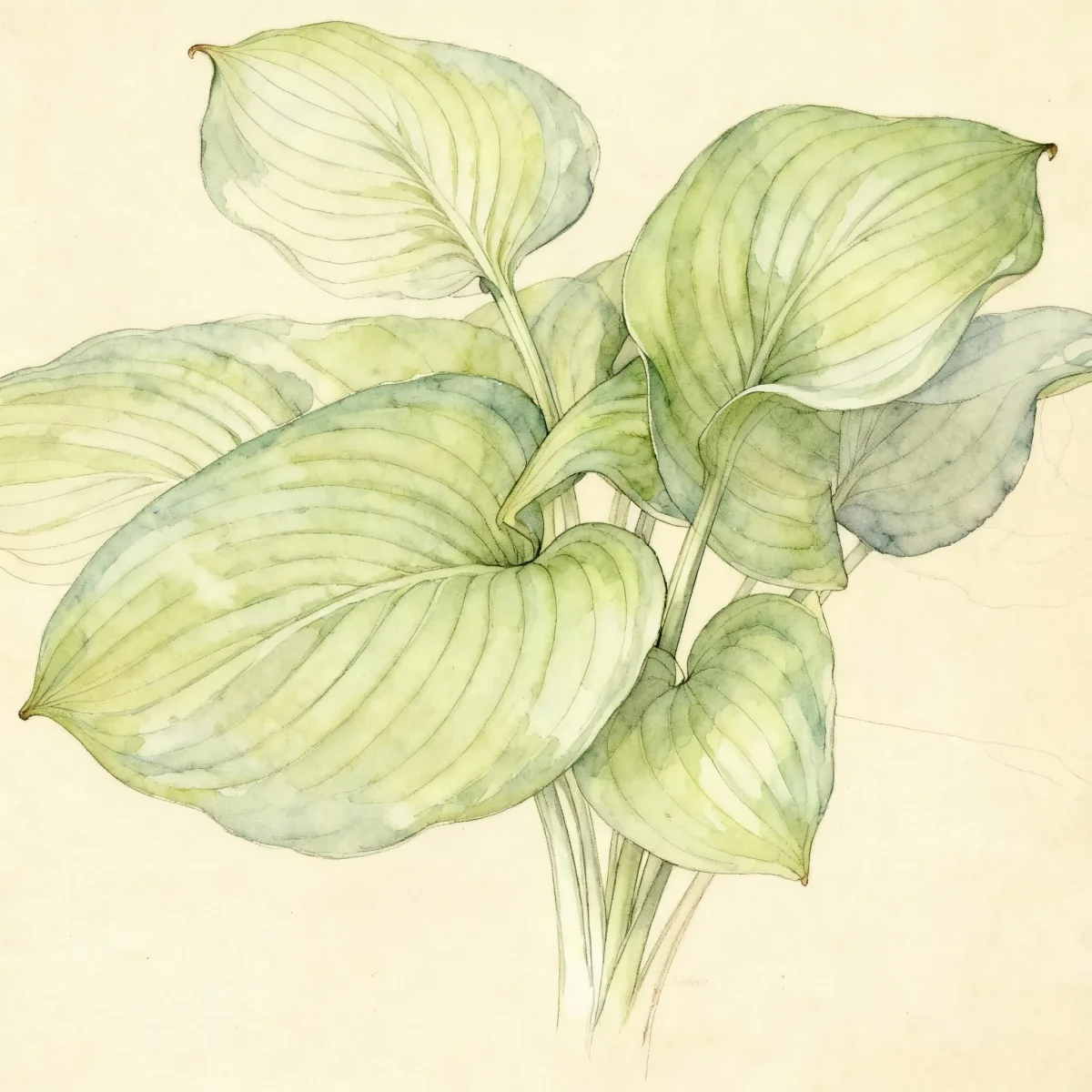
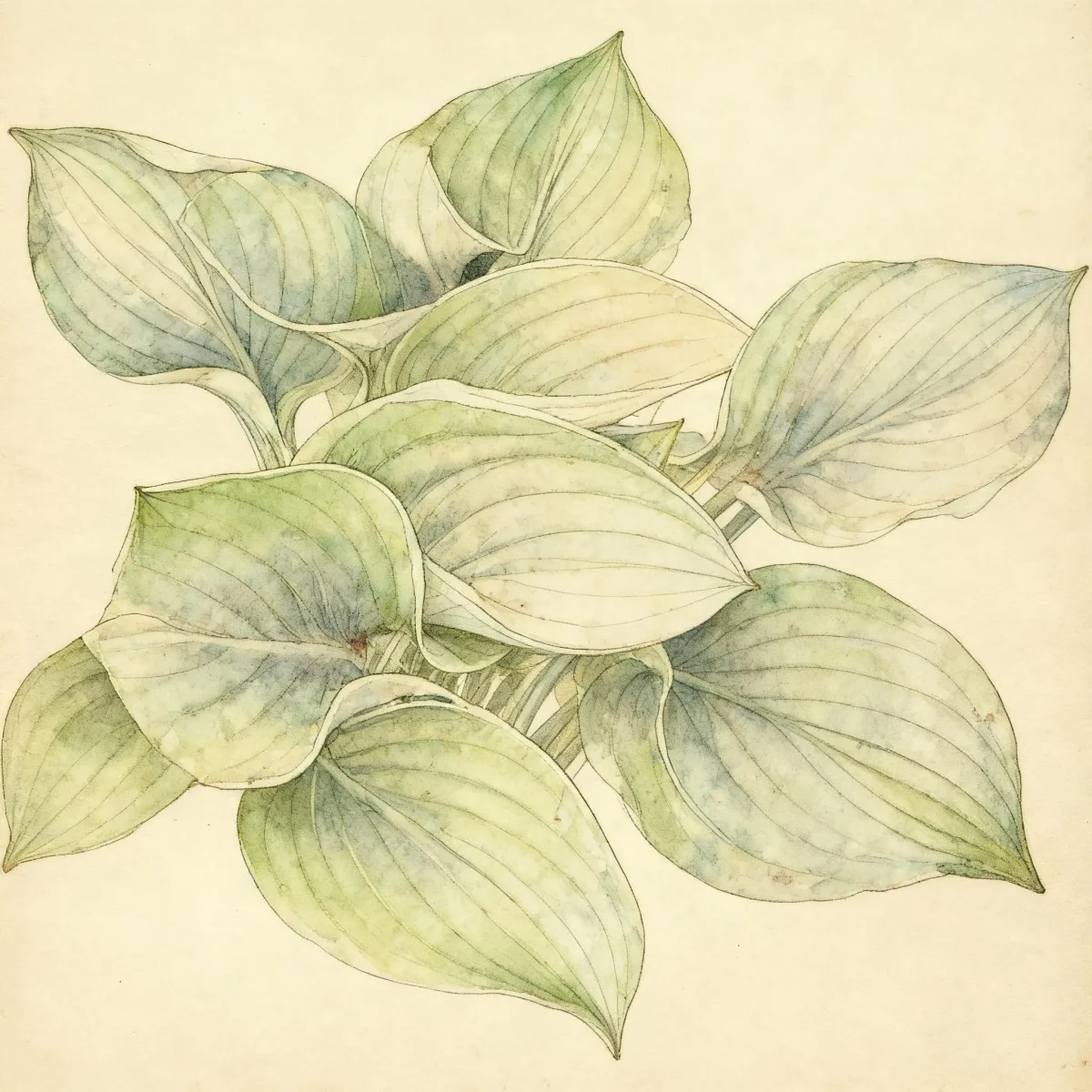
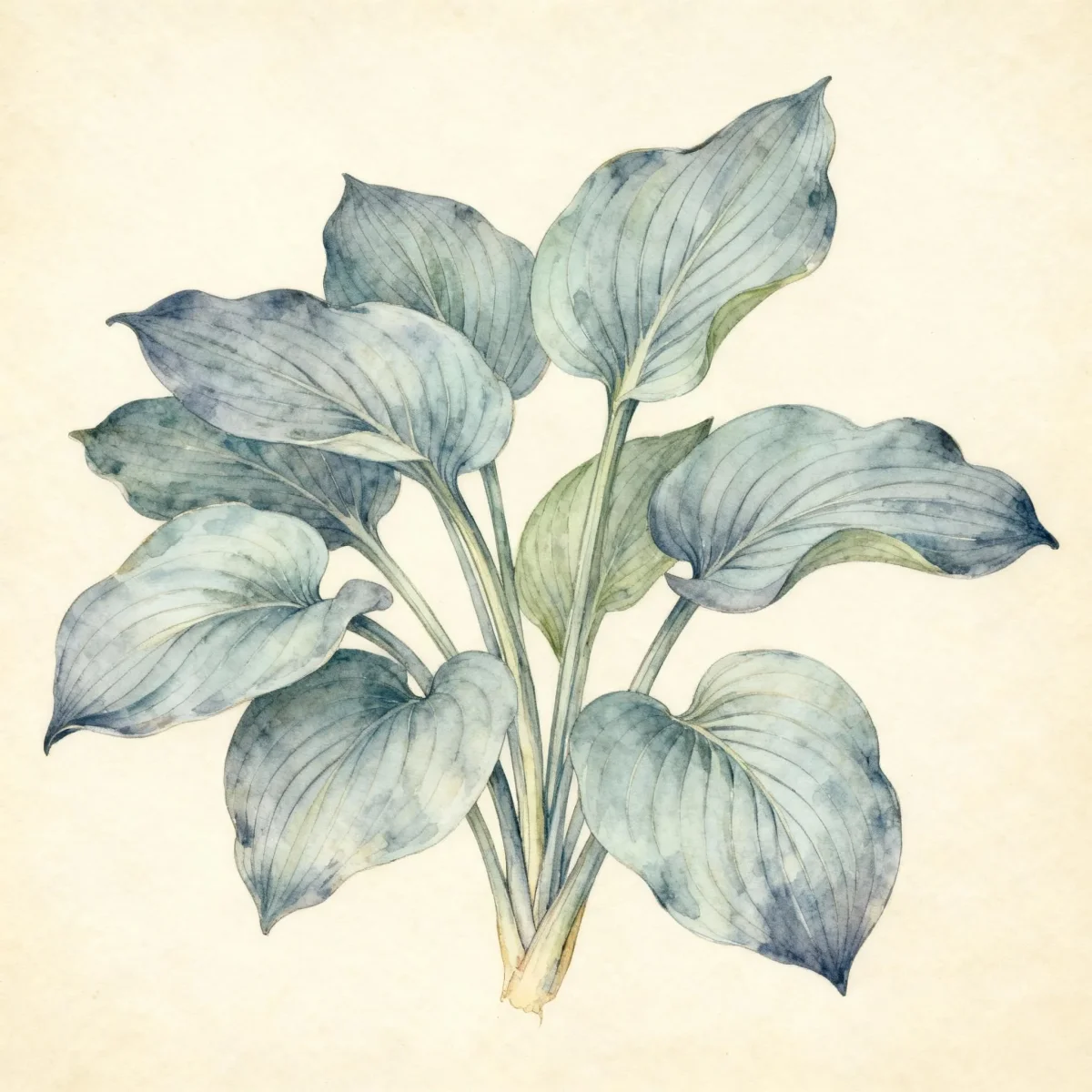
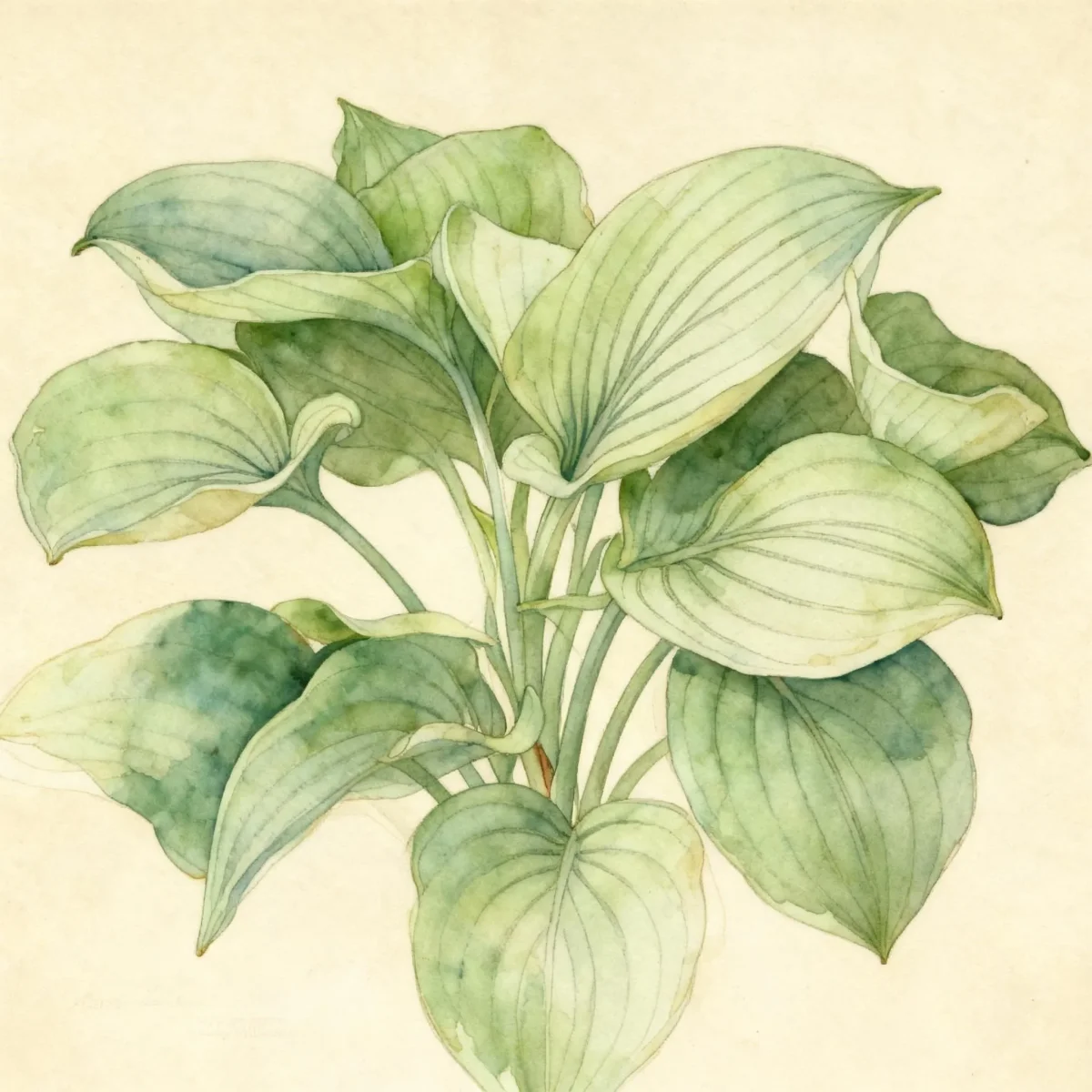
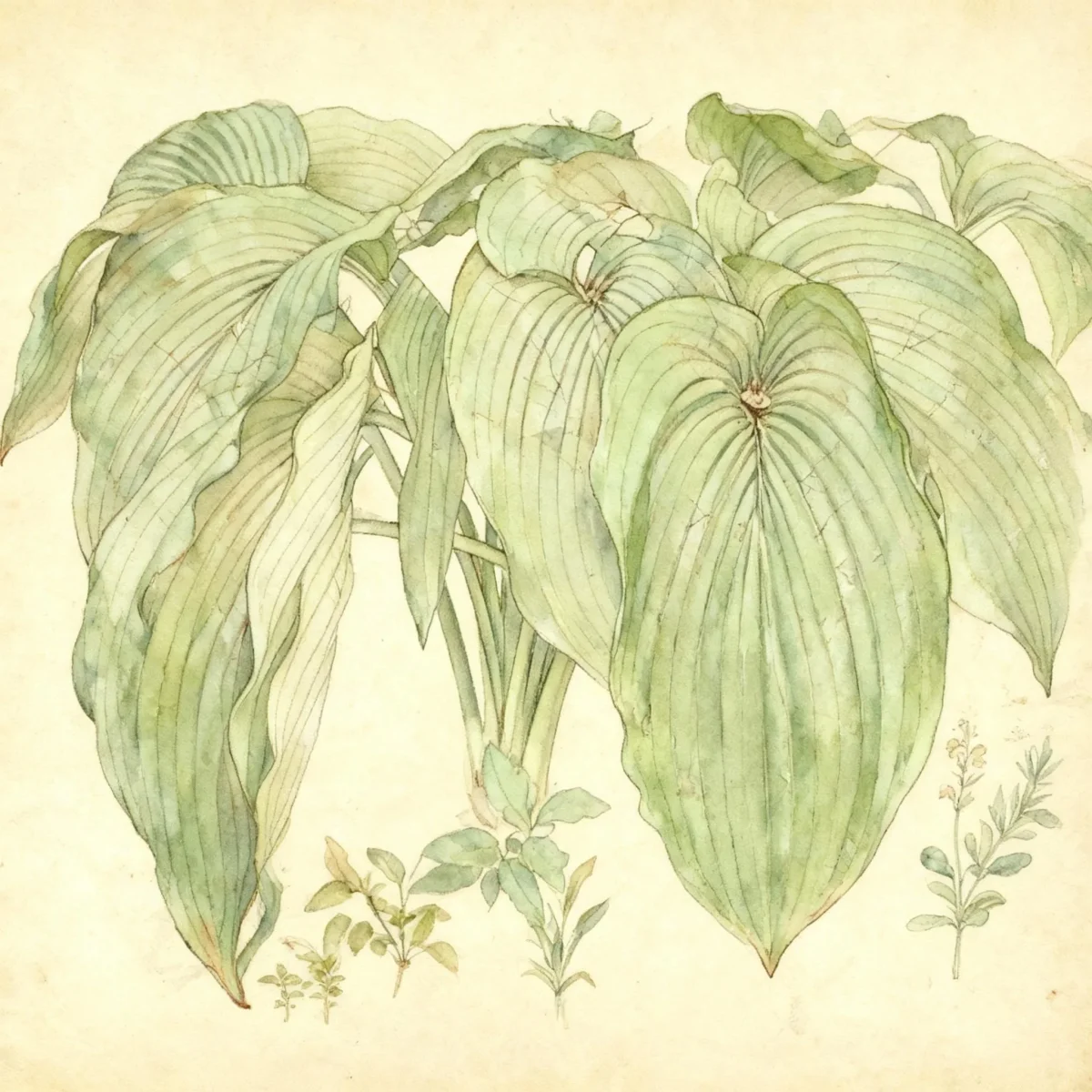
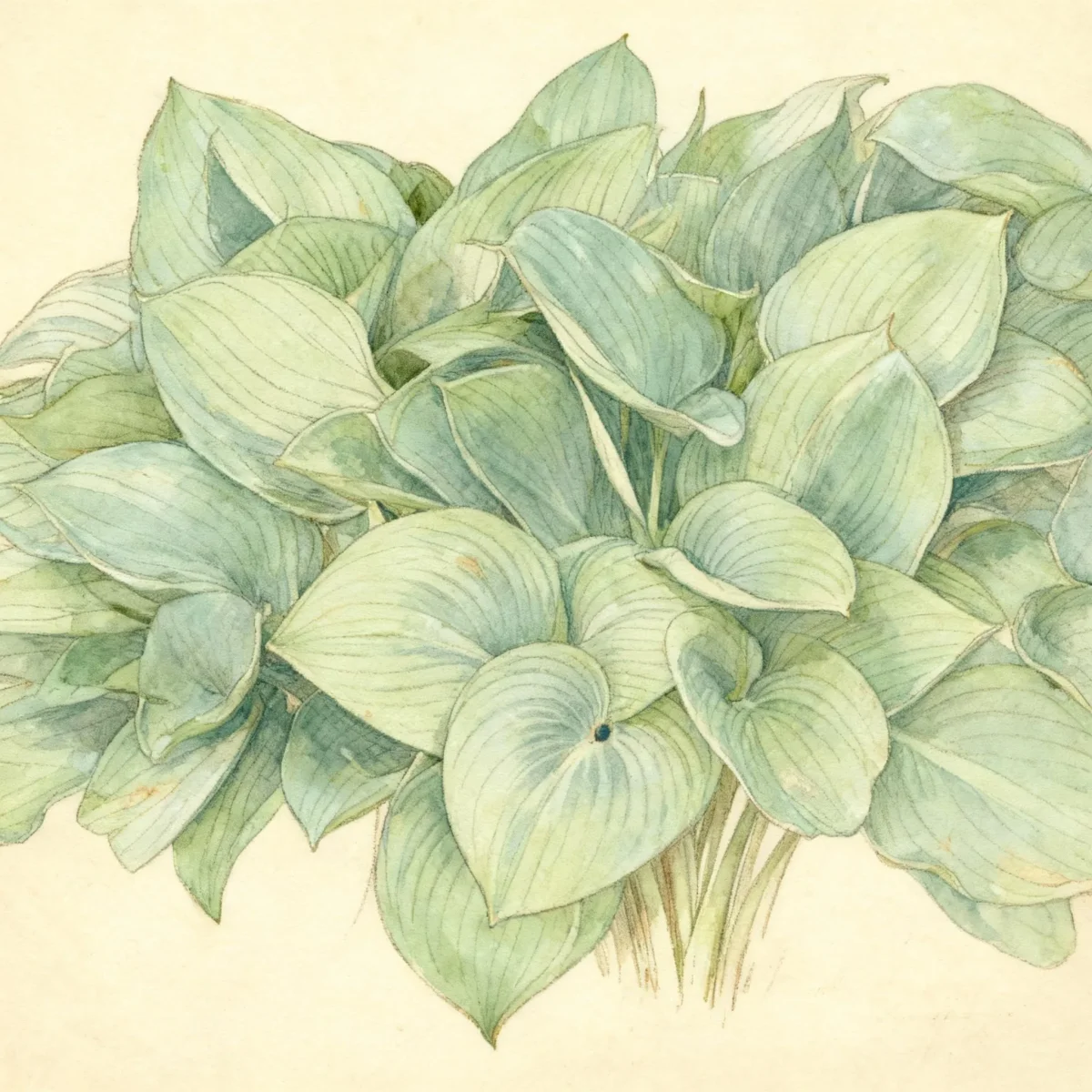
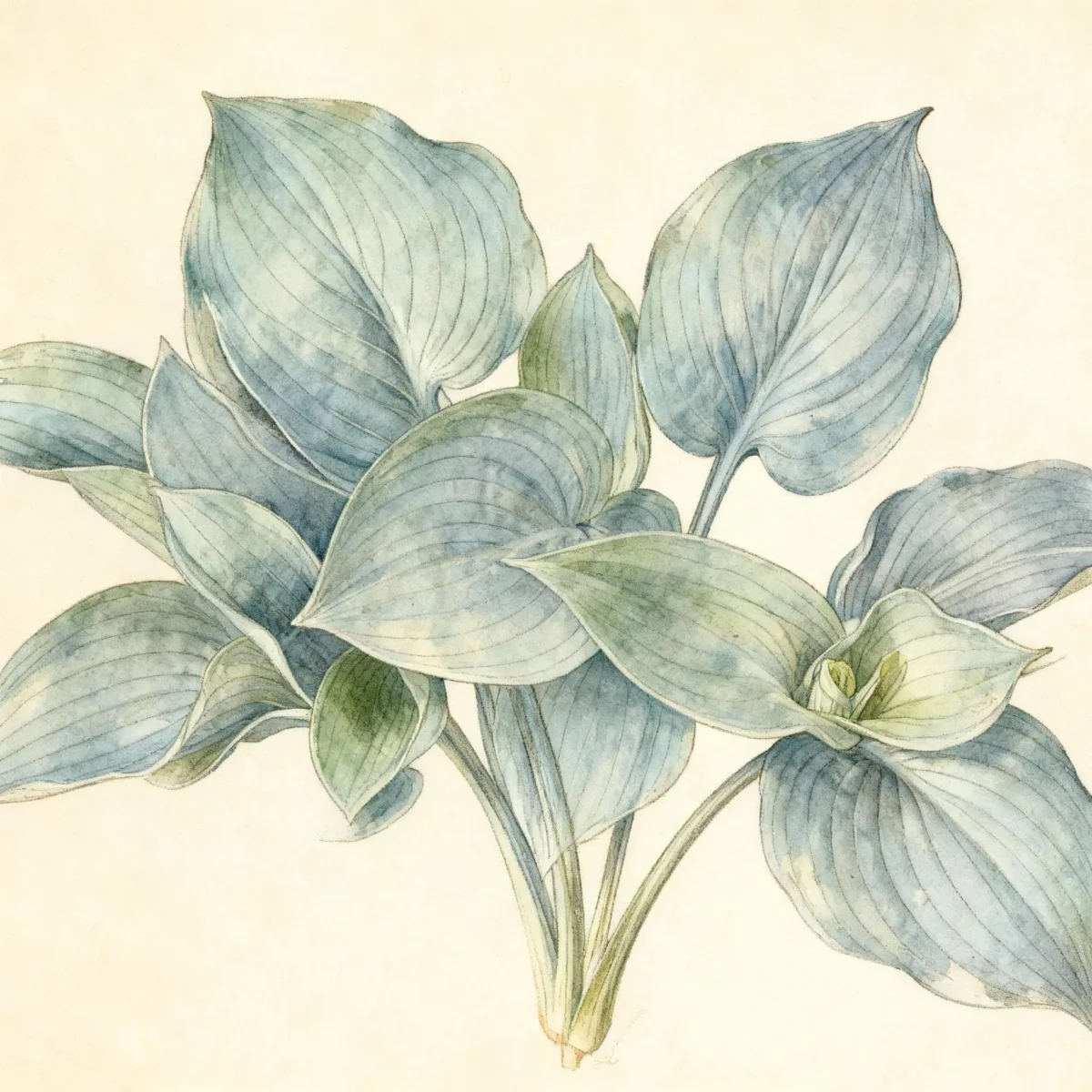
Hosta (Tardiana Group) ‘Blue Moon’ is a highly valued herbaceous perennial, primarily celebrated for its handsome, ornamental foliage perfectly suited for dark garden areas. This specific Hosta cultivar forms a neat mound featuring flat, heart-shaped leaves with a distinct blue-green coloration and thick texture. It offers dependable, low-maintenance beauty, making it a staple for gardeners seeking texture and contrast beneath the canopy.
Blooming from July to August, Hosta (Tardiana Group) ‘Blue Moon’ sends up scapes bearing bell-shaped white flowers, adding temporary interest above the dense foliage mound. Belonging to the Tardiana Group, this Hosta is bred for good performance in tough shade conditions, thriving where many flowering plants struggle. Its dense growth habit also helps suppress weed competition, providing functional value alongside its striking visual appeal.
This versatile perennial provides year-round structure in thoughtful shade gardens. Whether used to brighten a woodland margin or placed near water features where moisture collection is reliable, Hosta (Tardiana Group) ‘Blue Moon’ delivers consistent, quality performance with minimal gardener intervention.
Fast Facts
- Plant Family: Asparagaceae
- Plant Type: Herbaceous perennial
- Hardiness Zones: USDA Zones 3-8
- Size at Maturity:
- Height: 0.5-0.75 ft
- Spread: 0.75-1 ft
- Bloom Time: July to August
- Bloom Description: White
- Sun Exposure: Part shade to full shade
- Water Needs: Medium
- Maintenance Level: Low
How to Grow
The ideal time to establish new Hosta plants is during the spring or autumn. Select a location providing evenly moist, organically rich, and well-drained soil. Hosta (Tardiana Group) ‘Blue Moon’ thrives best in rich shade, though it appreciates part shade exposure where it might receive some dappled sunlight or gentle morning sun. Full size and best leaf quality are achieved with consistent moisture throughout the growing season.
Watering should target the base of the plant, applying moisture directly to the soil beneath the leaves to keep foliage dry and minimize disease risk. While established specimens tolerate some dry shade, particularly due to their thicker leaves, never allow the soil to fully desiccate. Hostas are considered low-maintenance; fertilizing is generally unnecessary if the soil is rich, but divisions, which are best accomplished in early spring before leaf emergence, help rejuvenate the clump.
Always plant Hosta in areas sheltered from strong winds, which can physically damage the leaves. Since this Hosta provides dense ground cover, it naturally crowds out many common garden weeds, further reducing overall maintenance needs in the border.
Landscape Uses
Hostas are truly the pillars of the shade garden. While the white flowers of Hosta (Tardiana Group) ‘Blue Moon’ are charming, the primary landscape impact comes from the consistent blue-green mound of attractive foliage. They are exceptionally effective when massed together to create a consistent carpet of color under mature trees or along north-facing walls.
This smaller Hosta variety, ranging up to one foot wide, works perfectly in smaller garden areas where larger cultivars would become overwhelming. Consider using it for edging shady pathways or filling in gaps between larger shrubs. For aesthetic contrast, pair the cool blue tones of Hosta (Tardiana Group) ‘Blue Moon’ with plants featuring chartreuse, gold, or variegated leaves, like Japanese Forest Grass or Astilbe.
They are perfect for cool, shady borders or naturalized woodland settings. Using this Hosta in groups enhances the visual impact, creating a cohesive, textural element that lasts all season long.
Standout Features
Flower Qualities
- Showy
- Good Cut
Noteworthy Characteristics
Hosta is a genus primarily grown for its ornamental foliage, consisting of rhizomatous, clump-forming, herbaceous perennials native to East Asian woodlands. Hosta (Tardiana Group) ‘Blue Moon’ features beautiful, thick, blue-green leaves forming a rounded mound, contrasted by racemes of bell-shaped white flowers on 12-inch stems during summer. As a member of the Tardiana Group, this variety inherits hardiness and good heat tolerance, offering dependable color and texture in partial to full shade settings.
Tolerances
- Heavy Shade
- Black Walnut
Potential Problems
The most common challenge for Hosta cultivation involves pests seeking out foliage. Slugs and snails are highly attracted to the leaves, rapidly creating jagged holes which severely detract from the plant’s ornamental value if not managed promptly. Monitoring is key; consider using bait traps or organic copper barriers near emerging growth.
Foliar nematodes can cause interveinal browning, and less frequently, issues like leaf spot or crown rot may develop, usually linked to poor drainage or excessive wetness. Furthermore, deer commonly find Hostas delicious. If deer pressure is high, consider protective netting or planting materials that disrupt deer browsing patterns to save your Hosta (Tardiana Group) ‘Blue Moon’ display.
Frequently Asked Questions
What hardiness zones is Hosta suitable for?
Hosta (Tardiana Group) ‘Blue Moon’ thrives across a wide temperature range, suitable for USDA Zones 3 through 8.
How large does Hosta (Tardiana Group) ‘Blue Moon’ grow?
This specimen reaches a compact size, typically growing 0.5 to 0.75 feet tall with a spread between 0.75 and 1 foot wide.
What sun exposure does Hosta need?
This Hosta variety performs best in part shade to full shade conditions, providing excellent foliage color away from intense afternoon sun.
When does Hosta bloom?
The flowering period for this Hosta occurs from July into August, displaying attractive white, bell-shaped blossoms.
Conclusion
Hosta (Tardiana Group) ‘Blue Moon’ is an essential, low-maintenance perennial valued for its dense, blue-green foliage that provides superb texture and color contrast in shaded landscapes. Its relative toughness and weed-suppressing nature cement the Hosta genus as a landscape champion. Before planting, ensure your site falls within USDA Zones 3-8 and provides the necessary medium moisture to allow this beautiful Hosta to achieve its mature, mounding form.
Companion Planting
Due to its cultural requirements—deep shade and consistent moisture—Hosta (Tardiana Group) ‘Blue Moon’ pairs wonderfully with other woodland natives. Consider planting alongside ferns, such as Japanese Painted Ferns, which offer textural contrast without competing for light. Plants that feature bright colors, like the acid-loving Astilbe or colorful Brunnera varieties, provide excellent visual pops against the cool blue foliage of this Hosta.
Design Ideas for Shade Borders
Utilizing Hosta (Tardiana Group) ‘Blue Moon’ as a reliable edging plant creates visual flow along the front edge of a deep shade border. Because it exhibits a tidy, mounding habit, it acts as a perfect visual “filler” that keeps the base of taller woodland shrubs looking tidy. For formal settings, plant Hosta in uniform drifts, ensuring adequate space (0.75 to 1 foot) between plants to allow the foliage to develop fully without overcrowding.