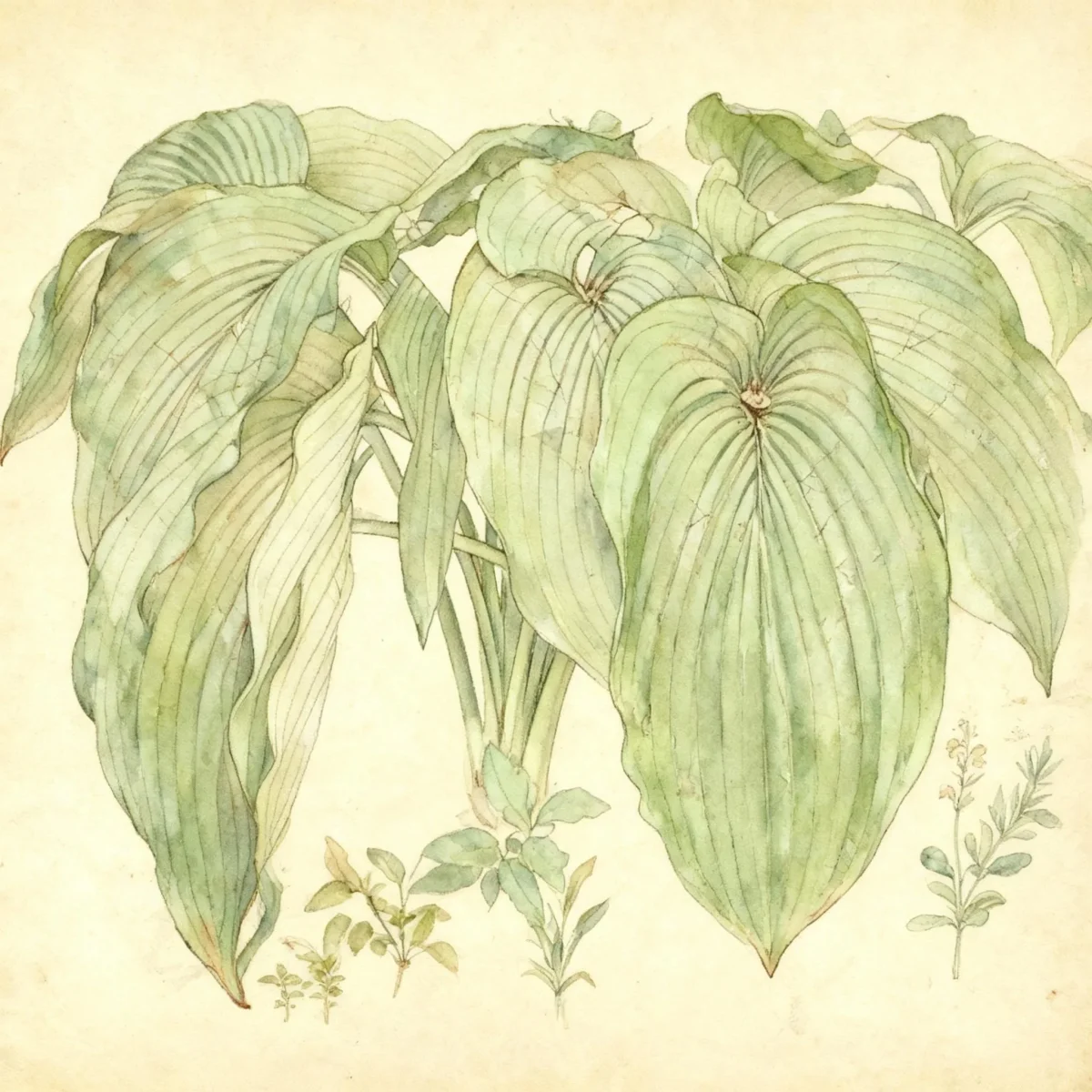
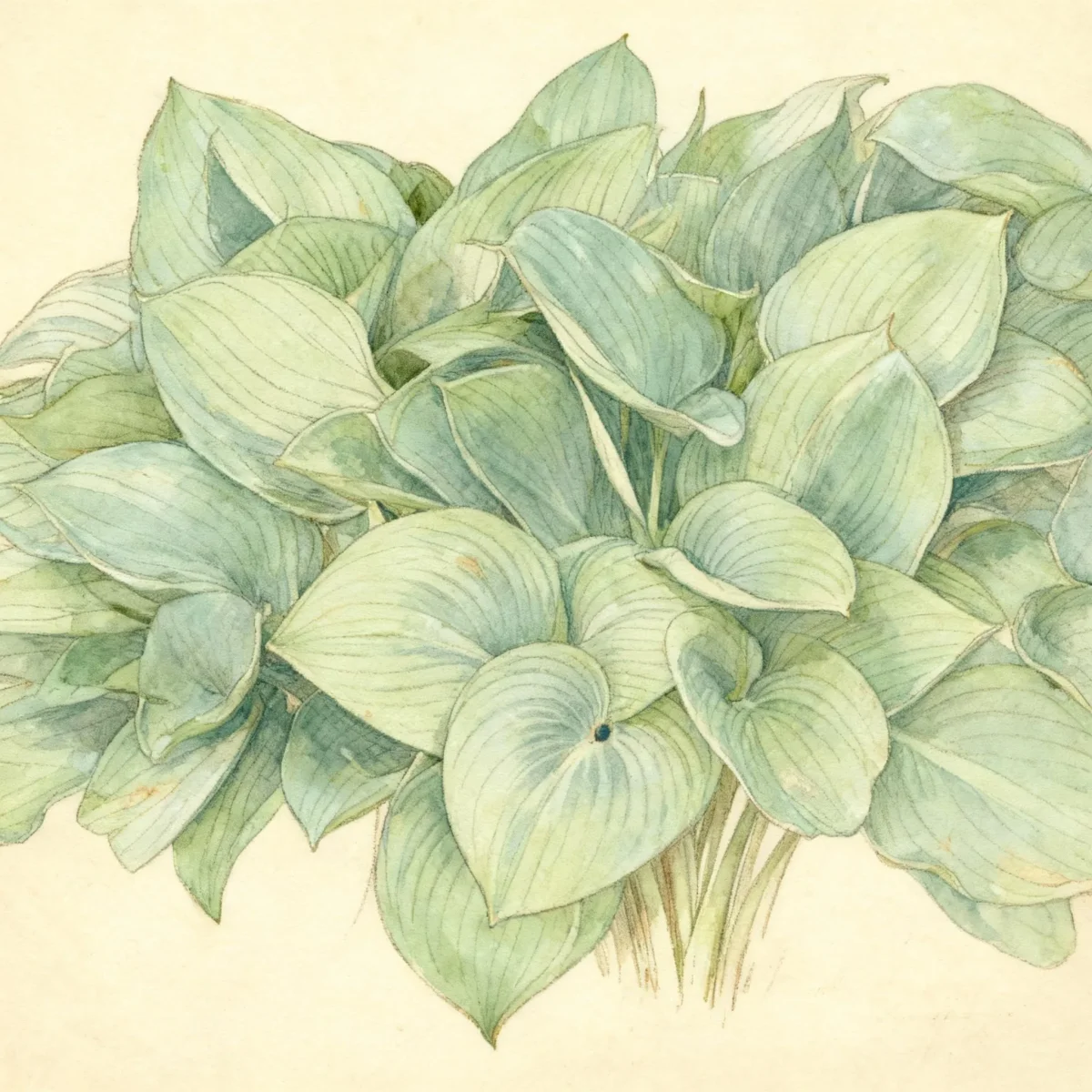
Hosta (Hosta 'Blue Umbrellas')
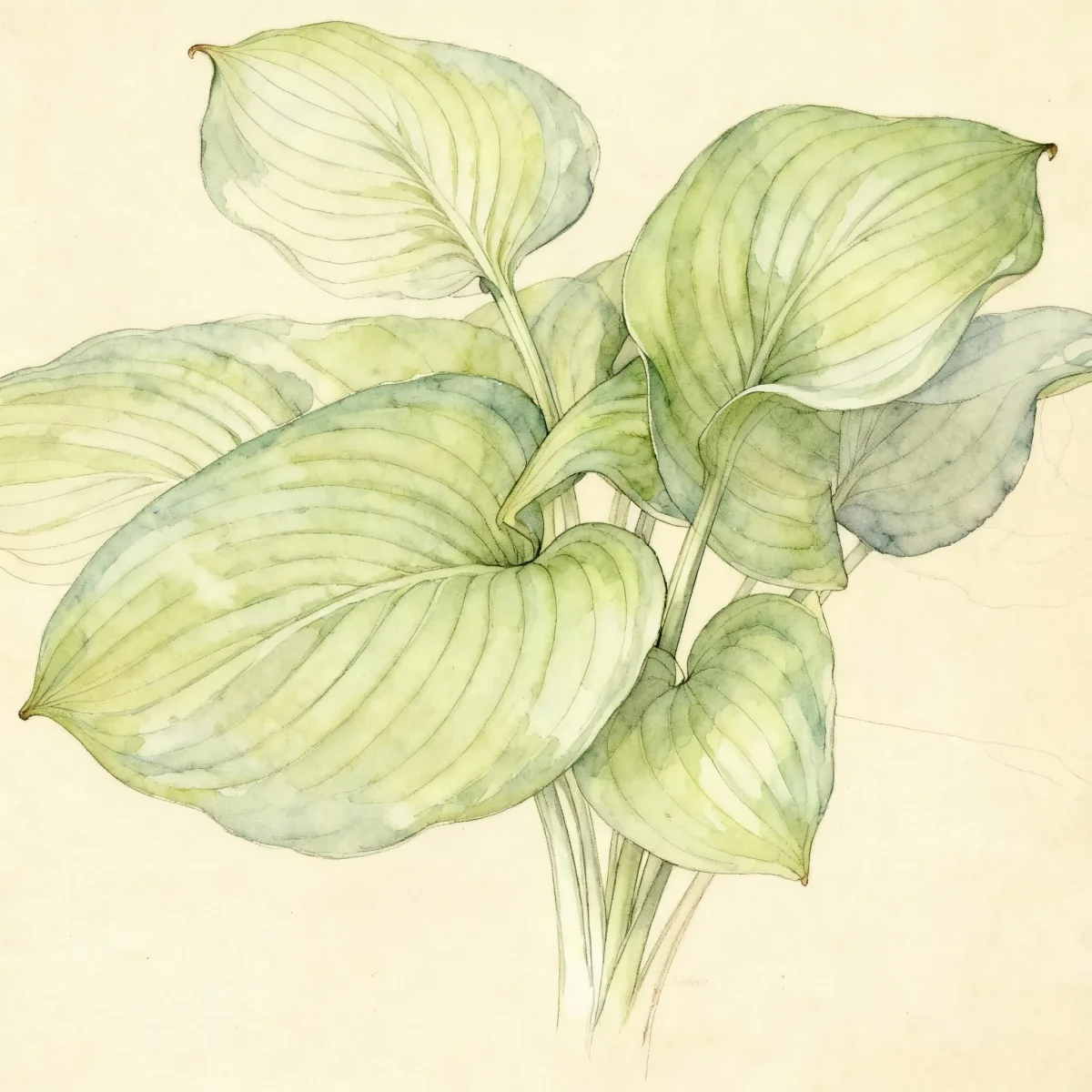
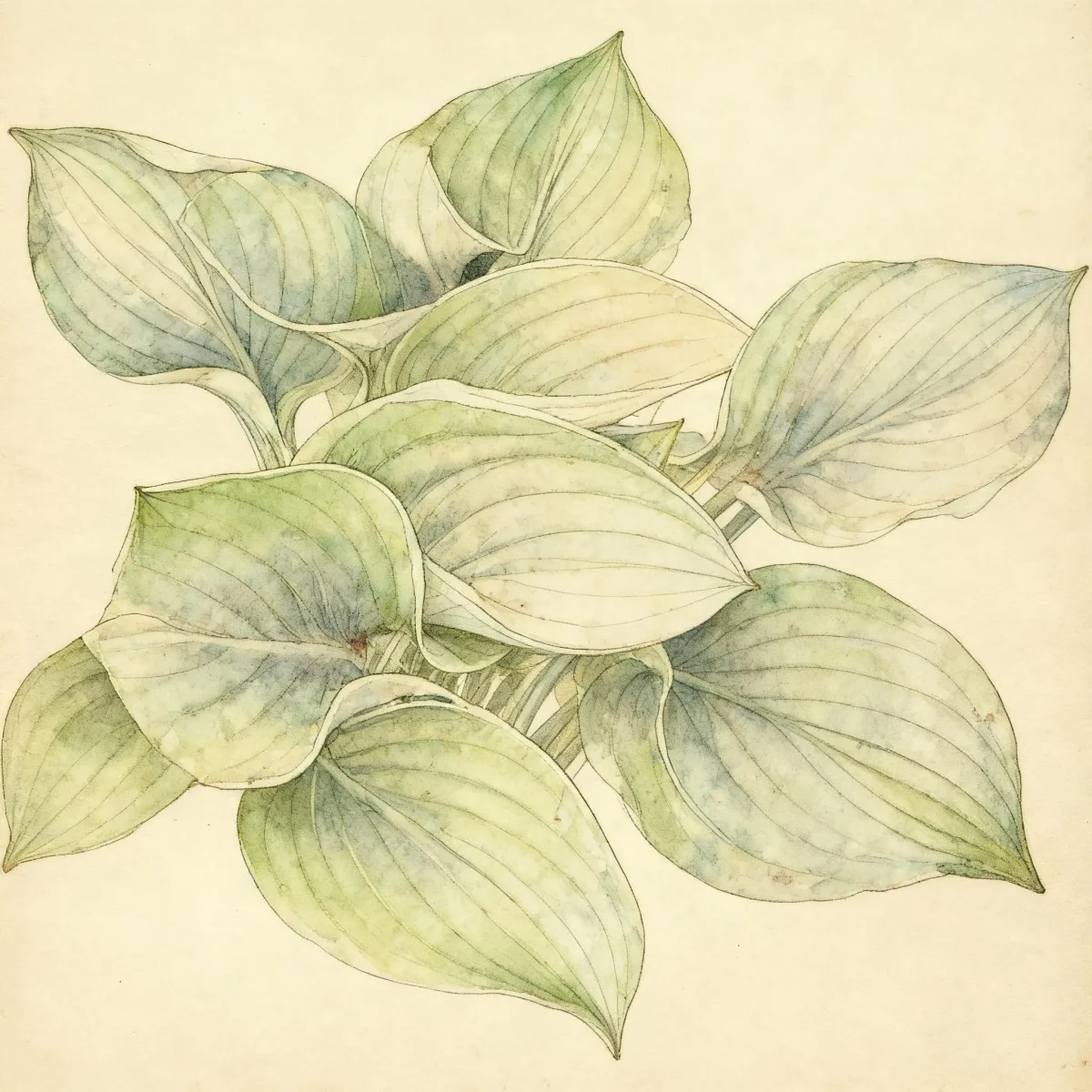
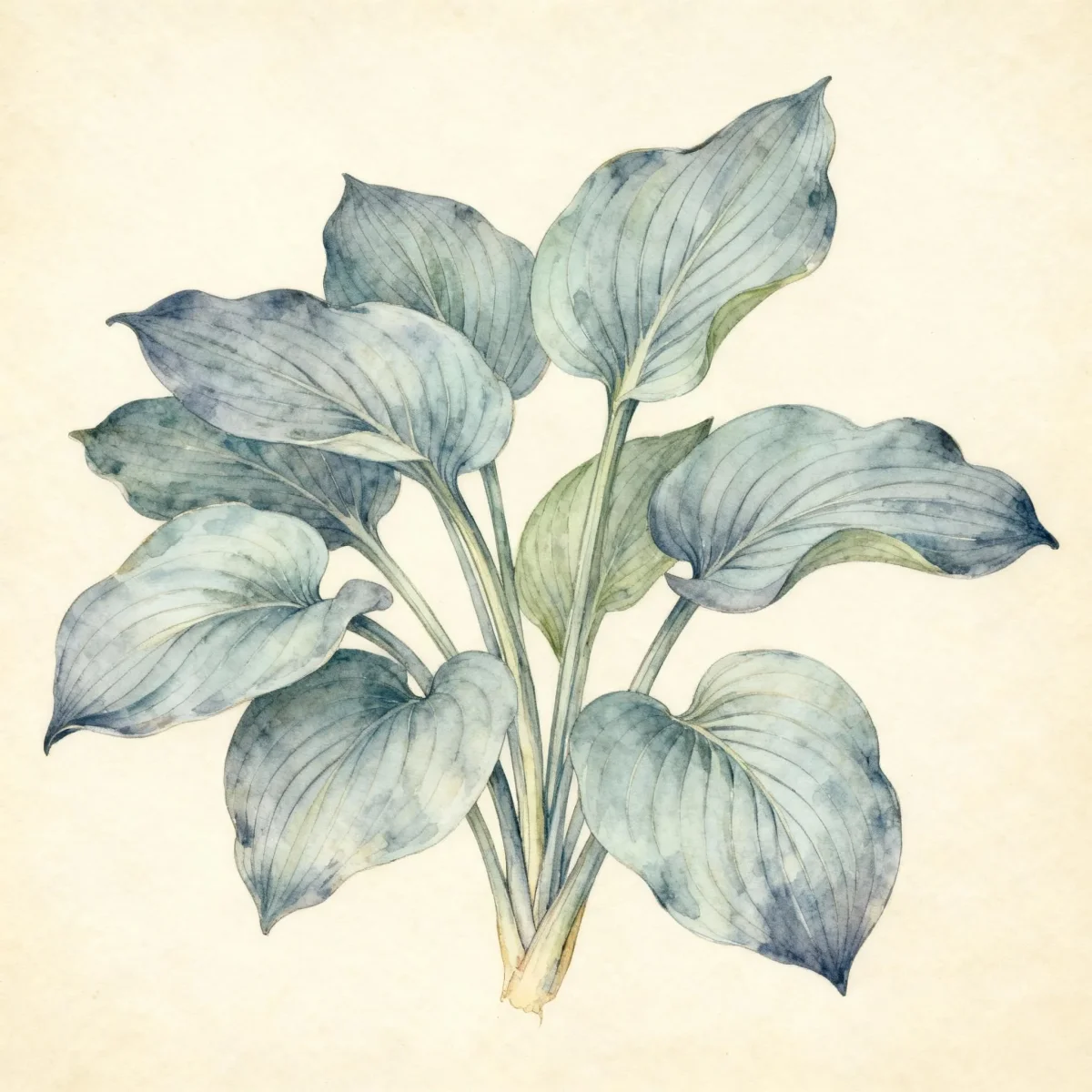
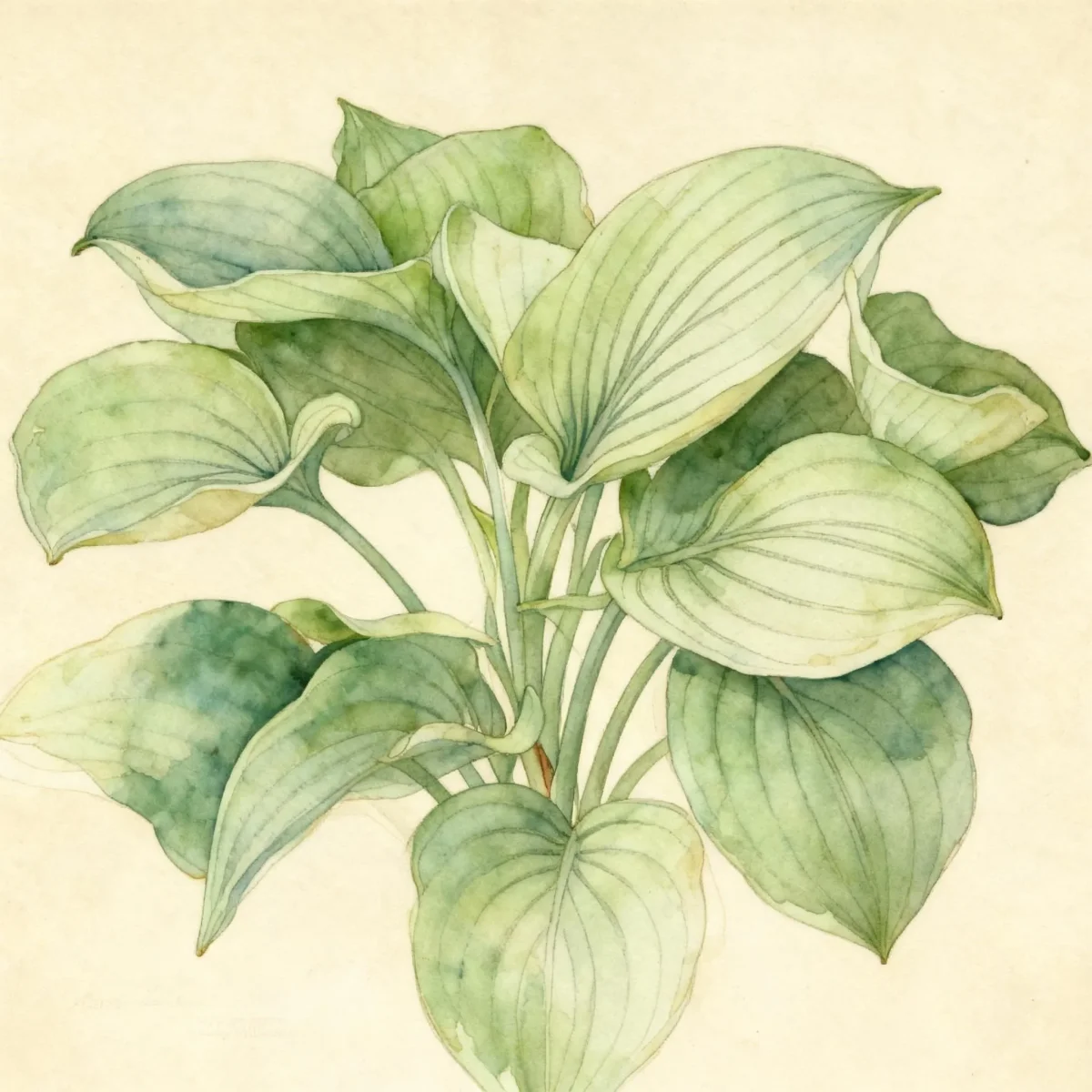
Hosta 'Blue Umbrellas' is an immense, low-maintenance herbaceous perennial famed for thick, corrugated, blue-green foliage thriving in heavy shade.
Scroll down to discover growing tips, care requirements, companion plants, and more
Complete Plant Information
Overview
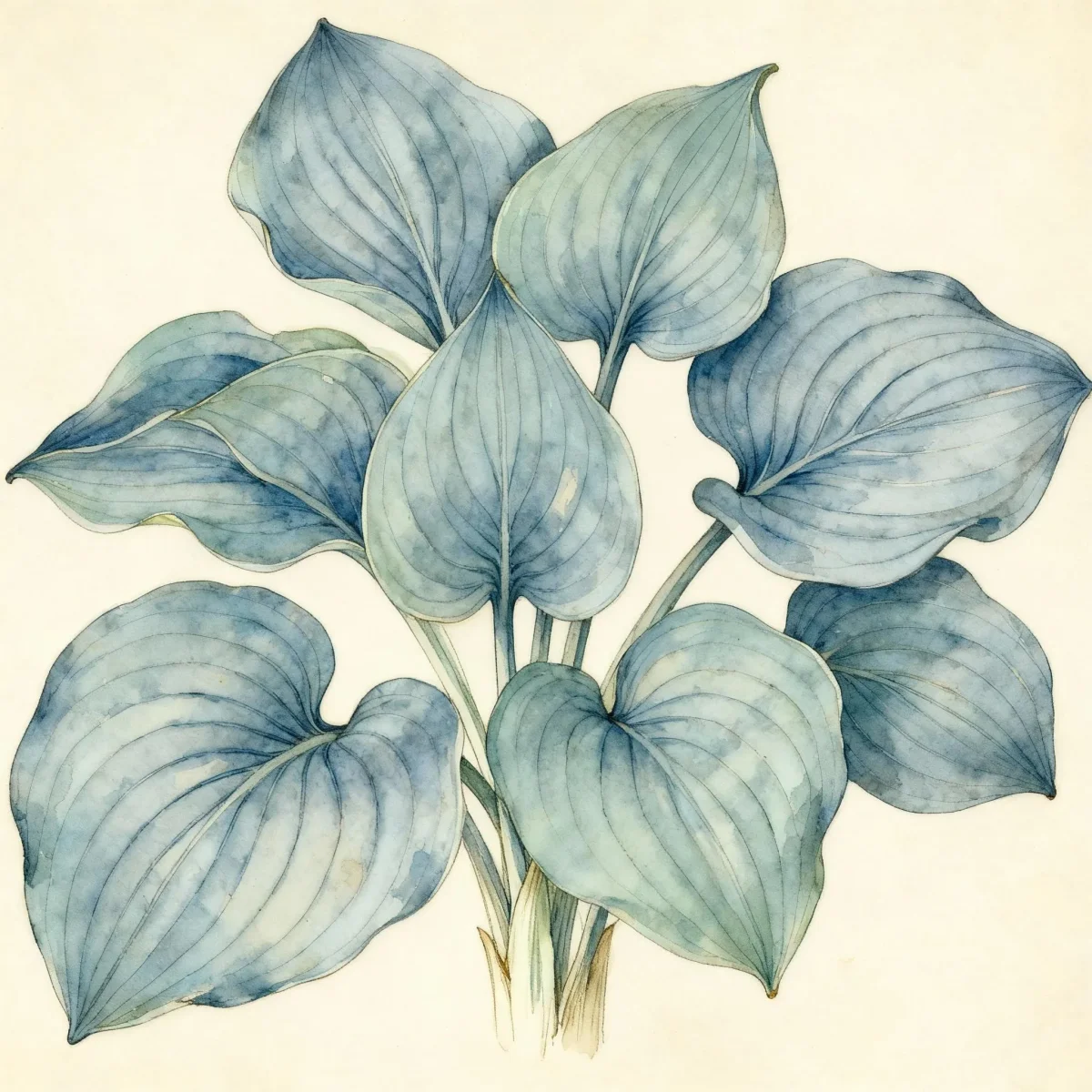
Hosta ‘Blue Umbrellas’ is an impressive, large specimen valued primarily for its ornamental foliage, which offers dramatic texture and a deep blue-green hue perfect for dark garden areas. This Hosta variety forms an immense mound, capable of reaching up to 3 feet tall and 4 feet wide, providing excellent architectural structure in the landscape. As a dependable and versatile herbaceous perennial, Hosta ‘Blue Umbrellas’ asks for little in return for its substantial aesthetic contribution, making it a cornerstone of low-maintenance shade gardening.
Native to Asian woodlands, this Hosta cultivar excels where many flowering plants struggle, demanding consistently moist, rich soil beneath a canopy of trees or structures. Its thick, corrugated leaves are less prone to cosmetic damage, though vigilance against common pests is still necessary to maintain the flawless look prized by gardeners. The dense growth habit of Hosta ‘Blue Umbrellas’ also offers the functional benefit of crowding out unwanted weeds beneath its canopy.
The flowers, which appear in early summer, are an added bonus—nearly white blooms tinged with lavender rise above the impressive blue mound. For gardeners seeking to establish a significant focal point or blend seamlessly into a woodland design, Hosta ‘Blue Umbrellas’ delivers year-round structure and noteworthy texture.
Fast Facts
- Plant Family: Asparagaceae
- Plant Type: Herbaceous perennial
- Hardiness Zones: USDA Zones 3-8
- Size at Maturity:
- Height: 2.5-3 ft
- Spread: 3-4 ft
- Bloom Time: June
- Bloom Description: Almost white with lavender tinge
- Sun Exposure: Part shade to full shade
- Water Needs: Medium
- Maintenance Level: Low
How to Grow
Plant Hosta ‘Blue Umbrellas’ during spring or autumn in locations shielded from harsh wind. The ideal environment replicates its native woodland habitat: organically rich, well-drained soils that maintain even moisture. While established plants tolerate dry shade better than some varieties, achieving the best size and quality requires consistent watering, directing moisture specifically to the soil level beneath the broad leaves.
Maintenance for this Hosta is generally low. Fertilization is rarely necessary if the soil is adequately amended with organic matter prior to planting. Avoid overhead watering, as moisture sitting on the leaves can promote fungal issues. As Hosta ‘Blue Umbrellas’ matures, healthy clumps benefit from division, which is easiest performed in early spring just before the new shoots emerge, ensuring minimal disturbance to the root zones.
Because this variety appreciates morning sun or dappled light, select a location that avoids intense afternoon heat, which can scorch the signature blue foliage. If placed in extremely dark areas, the blue pigmentation may revert toward green, so seek an area with filtered light to maximize color retention.
Landscape Uses
Hostas are the definitive perennial for shaded borders, woodland settings, and foundation plantings where turf grass struggles. Hosta ‘Blue Umbrellas’ provides exceptional contrast when sited near fine-textured ferns or plants with bright, chartreuse foliage, allowing its large, blue-green leaves to stand out dramatically. This large Hosta excels as a specimen plant, anchoring corners of the garden or serving as a substantial, low-mounding subject in woodland gardens or perennial beds.
Massing Hosta ‘Blue Umbrellas’ creates an effective, long-lasting textural groundcover, significantly reducing weed competition due to its dense, spreading canopy. It also performs admirably when planted on sloped areas, where its robust root system helps stabilize the soil and reduce erosion runoff in shady areas. Given its size, containers can also showcase this variety well, though careful attention must be paid to amending commercial potting mixes for adequate drainage.
Standout Features
Flower Qualities
- Showy
- Good Cut
Noteworthy Characteristics
Hosta is a genus primarily cultivated for its ornamental foliage, featuring dense, basal leaves in various shapes and colors rising from a central crown. ‘Blue Umbrellas’ is specifically noted as an immense hosta, growing robustly to 36 inches high by 48 inches in diameter, boasting large, heart-shaped, corrugated blue-green leaves. This American Hosta Society Midwest Blue Award winner is prized for providing excellent color contrast and texture while suppressing garden weeds.
Tolerances
- Heavy Shade
- Black Walnut
Potential Problems
The most significant management concern for Hosta ‘Blue Umbrellas’, like most Hostas, is damage from slugs and snails. These pests are attracted to the foliage, leaving telltale jagged holes that can quickly mar the aesthetic quality of the leaves if left unchecked. Management should focus on preventative, proactive control methods, such as applying barrier treatments or baiting aggressively when early signs of feeding appear.
Foliar nematodes can cause interveinal browning, a sign that often requires the removal and destruction of infected leaves or plants to prevent spread. Furthermore, while this specific Hosta has thick leaves, all varieties are susceptible to serious damage from hail storms. Deer and rabbits are also known to consume the leaves voraciously, so protection may be necessary in heavily populated wildlife areas.
Frequently Asked Questions
What hardiness zones is Hosta ‘Blue Umbrellas’ suitable for?
Hosta ‘Blue Umbrellas’ is a hardy herbaceous perennial suitable for USDA Zones 3 through 8.
How large does Hosta ‘Blue Umbrellas’ grow?
This immense Hosta typically reaches a height between 2.5 to 3 feet and spreads to a width of 3 to 4 feet at maturity.
When does Hosta ‘Blue Umbrellas’ bloom?
The foliage mounds are accented by blooms occurring in June; the flowers are described as almost white with a lavender tinge.
What sun exposure does Hosta require?
Hosta ‘Blue Umbrellas’ thrives best when situated in part shade to full shade conditions, though some dappled morning sun is advantageous for strong growth.
Conclusion
Hosta ‘Blue Umbrellas’ is an indispensable plant for adding massive, structured blue-green foliage to deeply shaded garden spaces. Its low maintenance requirements coupled with its impressive stature make it a highly valuable perennial for both beginner and expert gardeners looking to define shadowed garden areas. Before planting, ensure your site offers consistent moisture and protection from afternoon sun to best enjoy the full splendor of this magnificent Hosta.
Companion Planting in Shade
When designing a planting scheme around Hosta ‘Blue Umbrellas’, select companions that complement its large, mounding form and shade tolerance. Ferns, such as Japanese Painted Fern or Athyrium, offer a delicate, contrasting texture that highlights the Hosta’s heavy, corrugated leaves. Consider using plants with bright chartreuse or variegated foliage, like Hakonechloa (Japanese Forest Grass) or certain Heuchera cultivars, to lift the visual weight of the deep blue-green Hosta foliage.
These partners share similar cultural needs—rich, moist, well-drained soil and protection from intense sun—making garden maintenance simpler. By layering groundcovers like Vinca minor beneath the broad leaves of Hosta ‘Blue Umbrellas’, you can further ensure soil moisture retention throughout the summer months.
Seasonal Care Calendar
Mid-spring is the ideal time for cleanup; clear away any dead foliage remnants from the previous season once new Hosta shoots begin emerging from the crown. During the primary growing season (late spring through mid-summer), focus diligently on watering, ensuring the soil for Hosta ‘Blue Umbrellas’ stays evenly moist, especially during dry spells.
As autumn approaches, monitor for pest damage and consider dividing overcrowded clumps right before the first hard frost, or early the following spring for easier division. In late fall, you can cut back the yellowing foliage right down to the ground, although many gardeners prefer to leave the dried stalks standing over winter to offer superficial protection to the crown before cutting them down in early spring.