Hosta (Hosta 'Brim Cup')
Hosta 'Brim Cup' offers cupped, seersuckered foliage with white flowers, thriving in shade gardens in USDA Zones 3-8.
Scroll down to discover growing tips, care requirements, companion plants, and more
Complete Plant Information
Overview
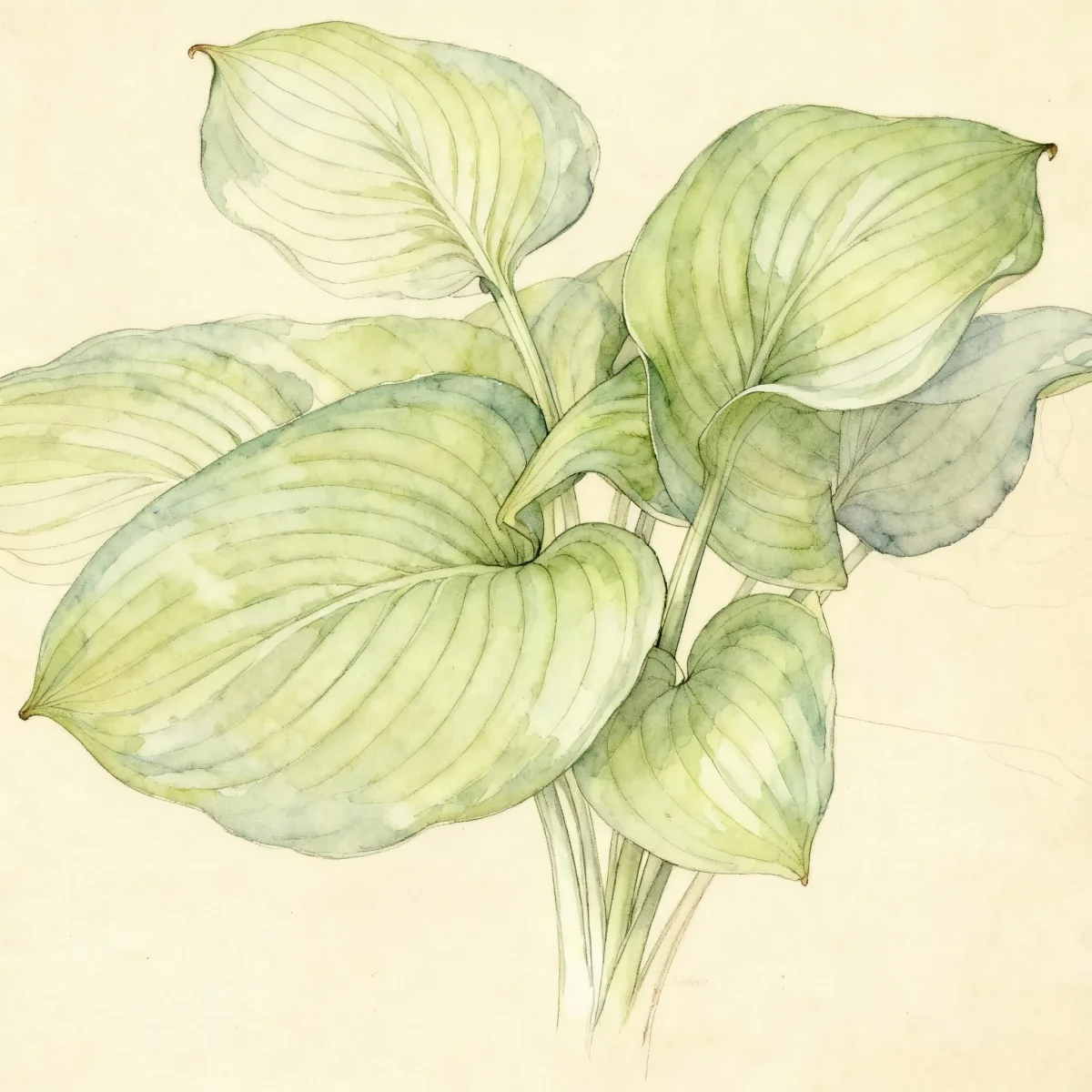
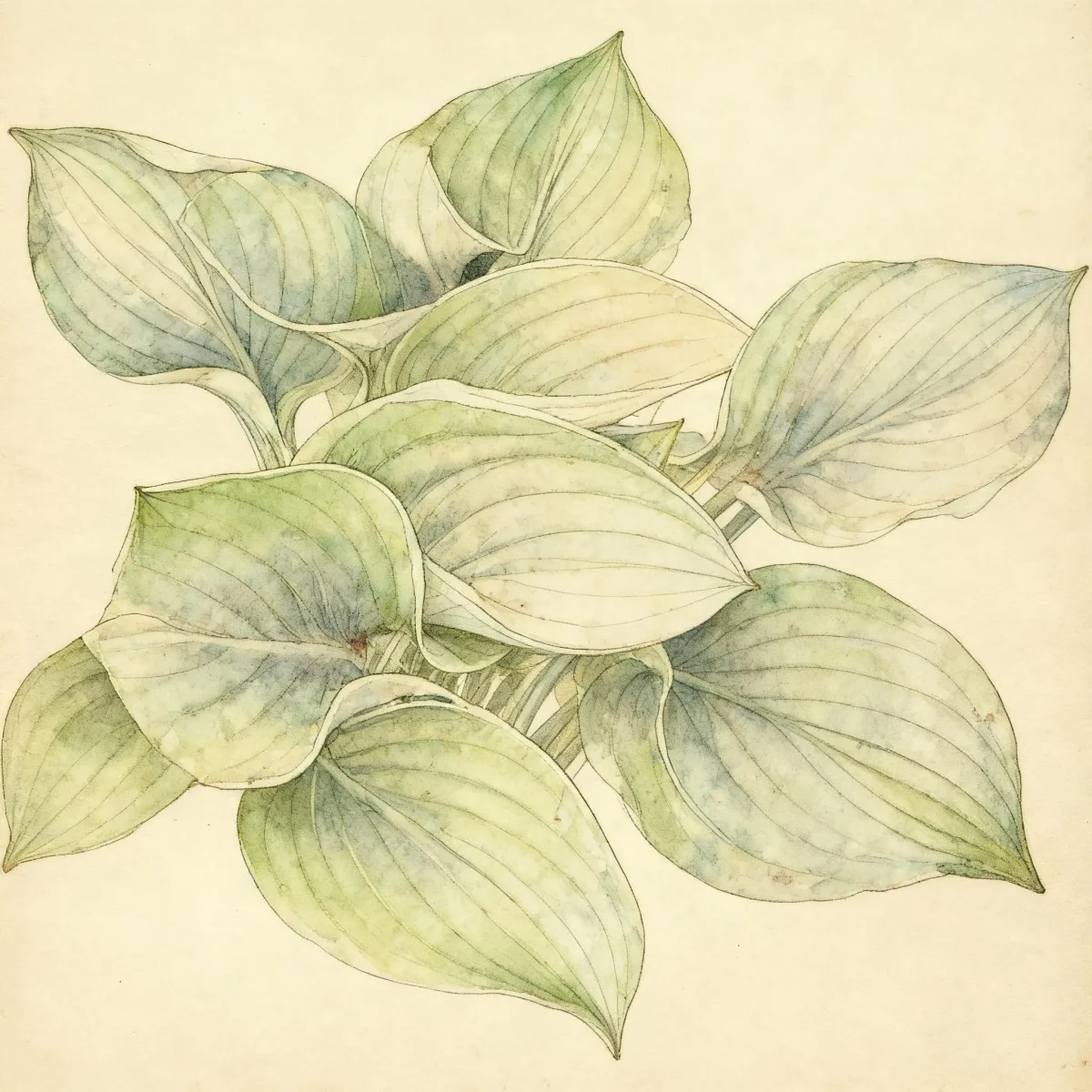
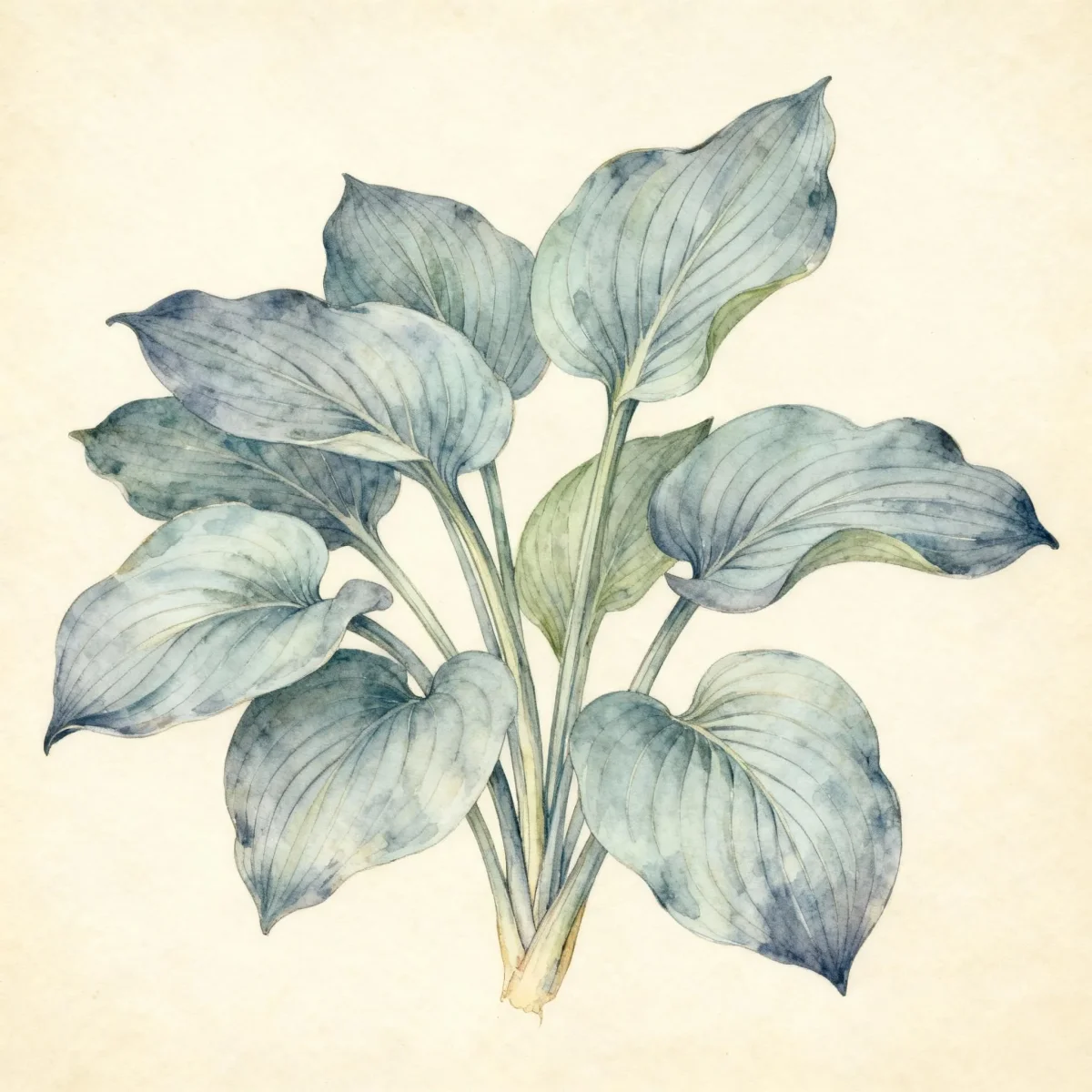
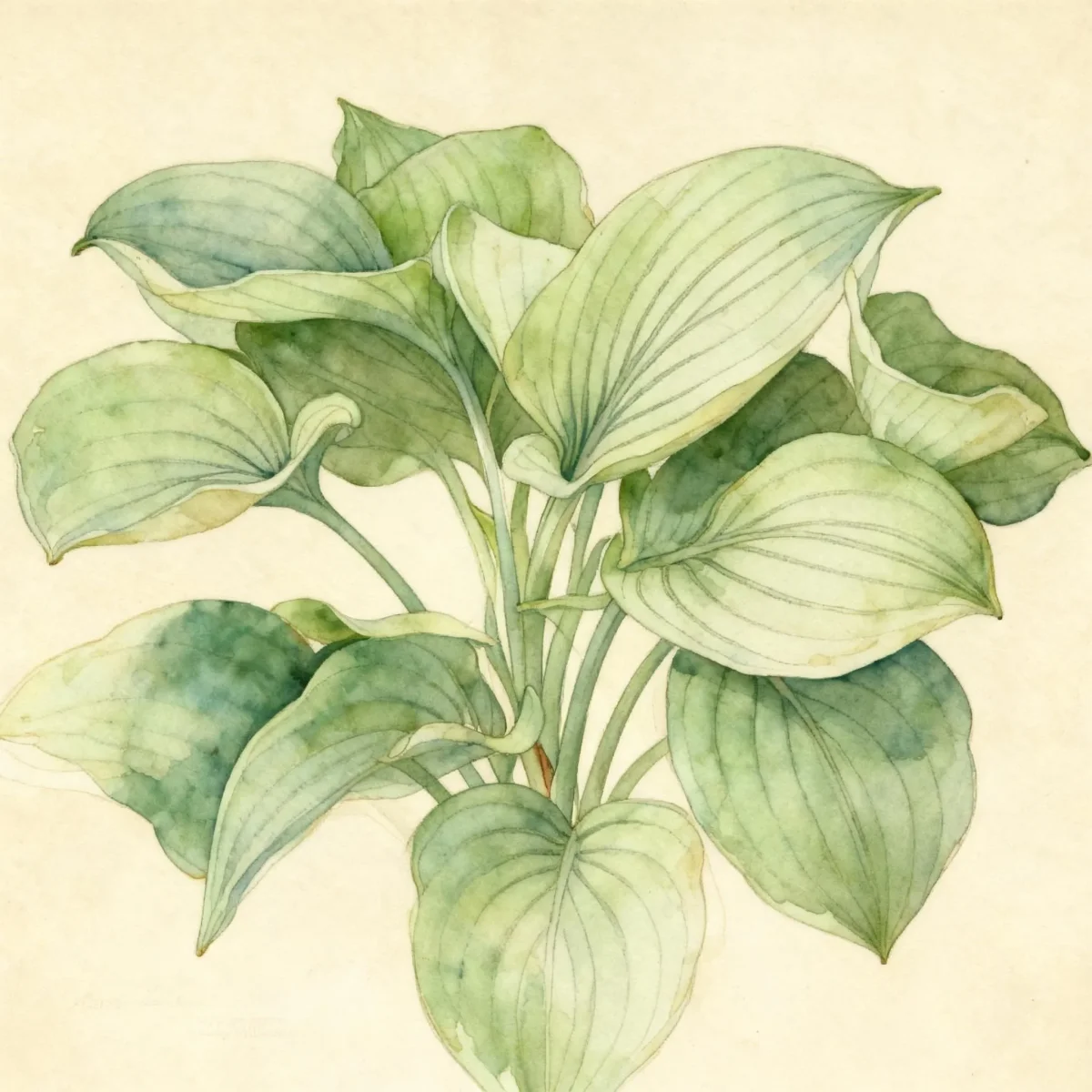
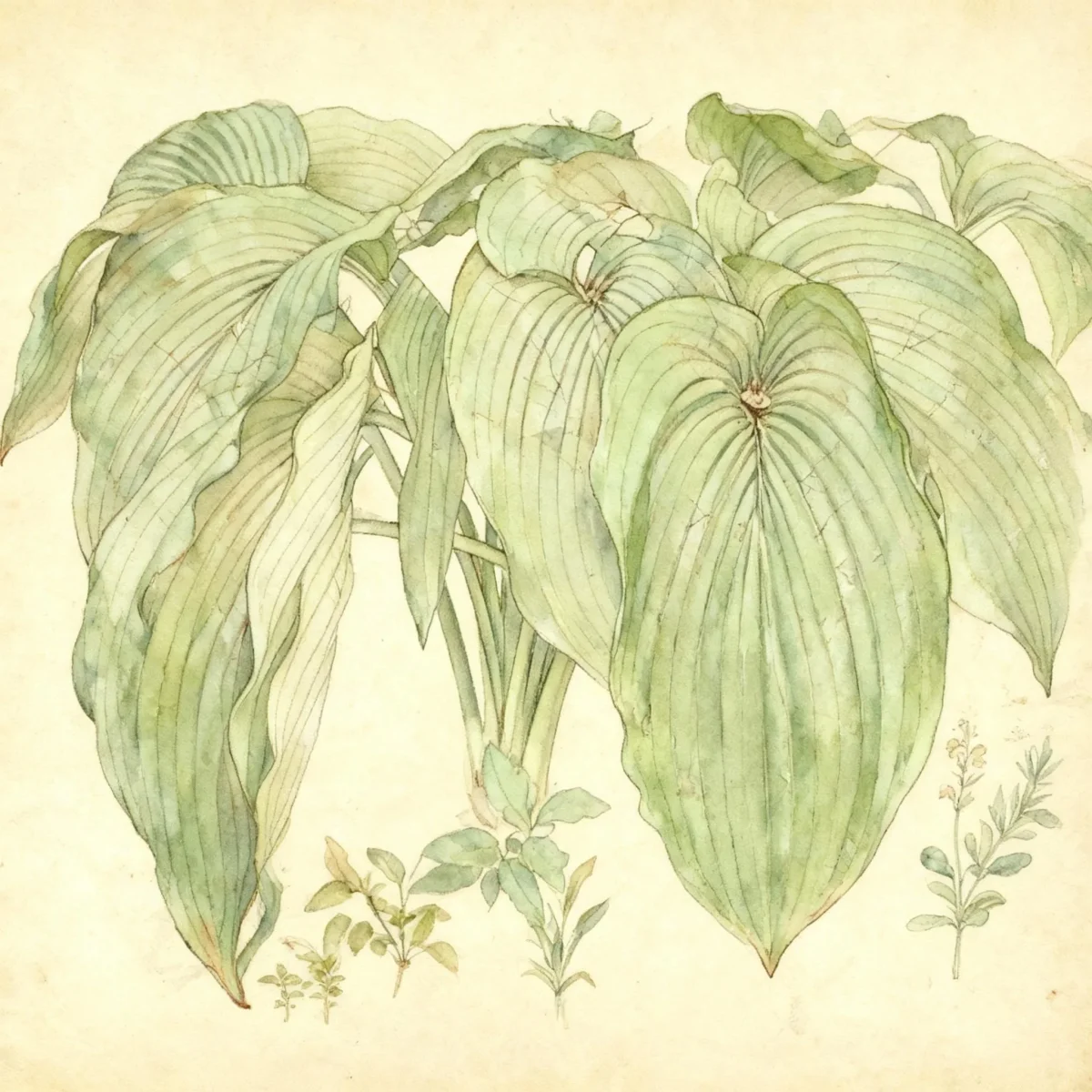
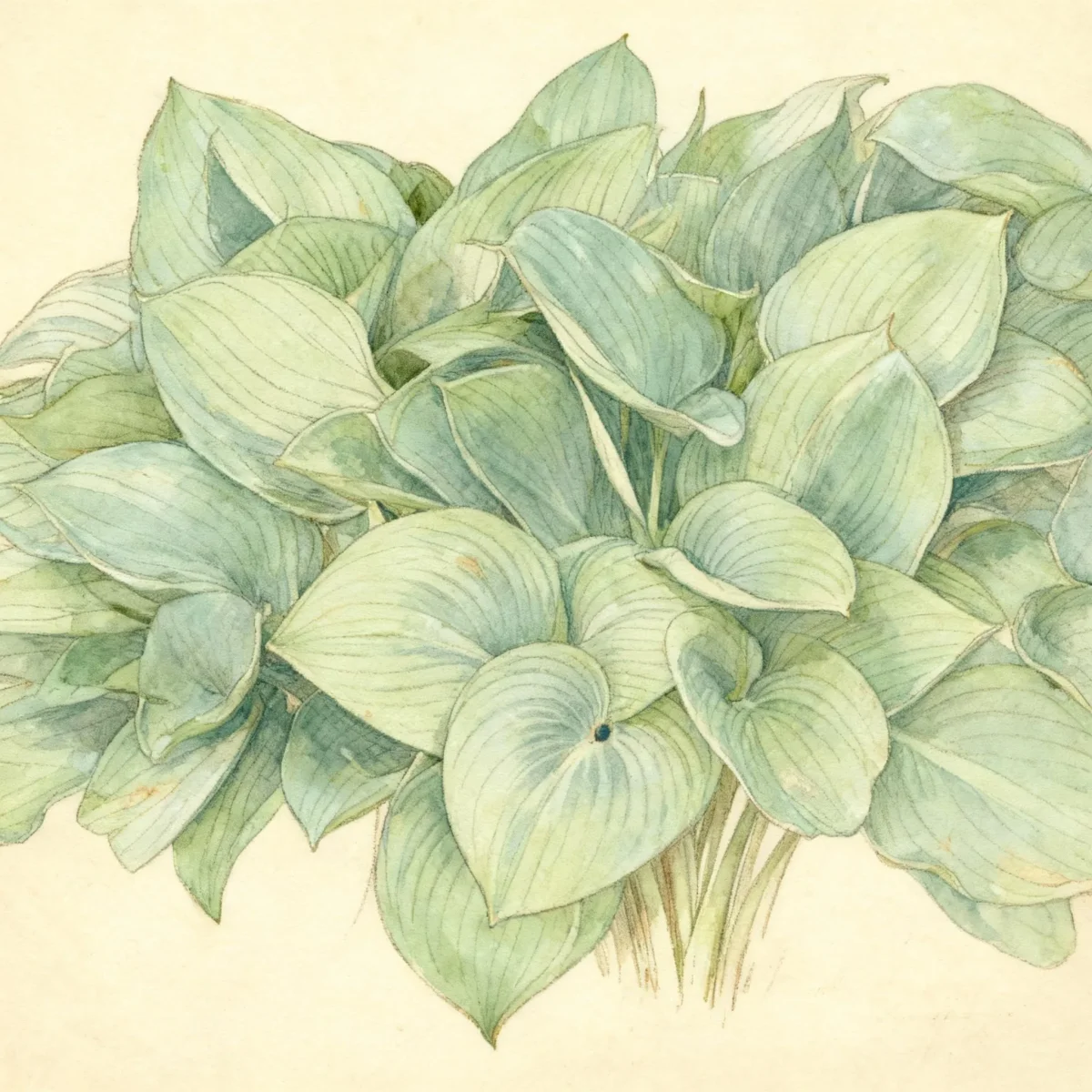
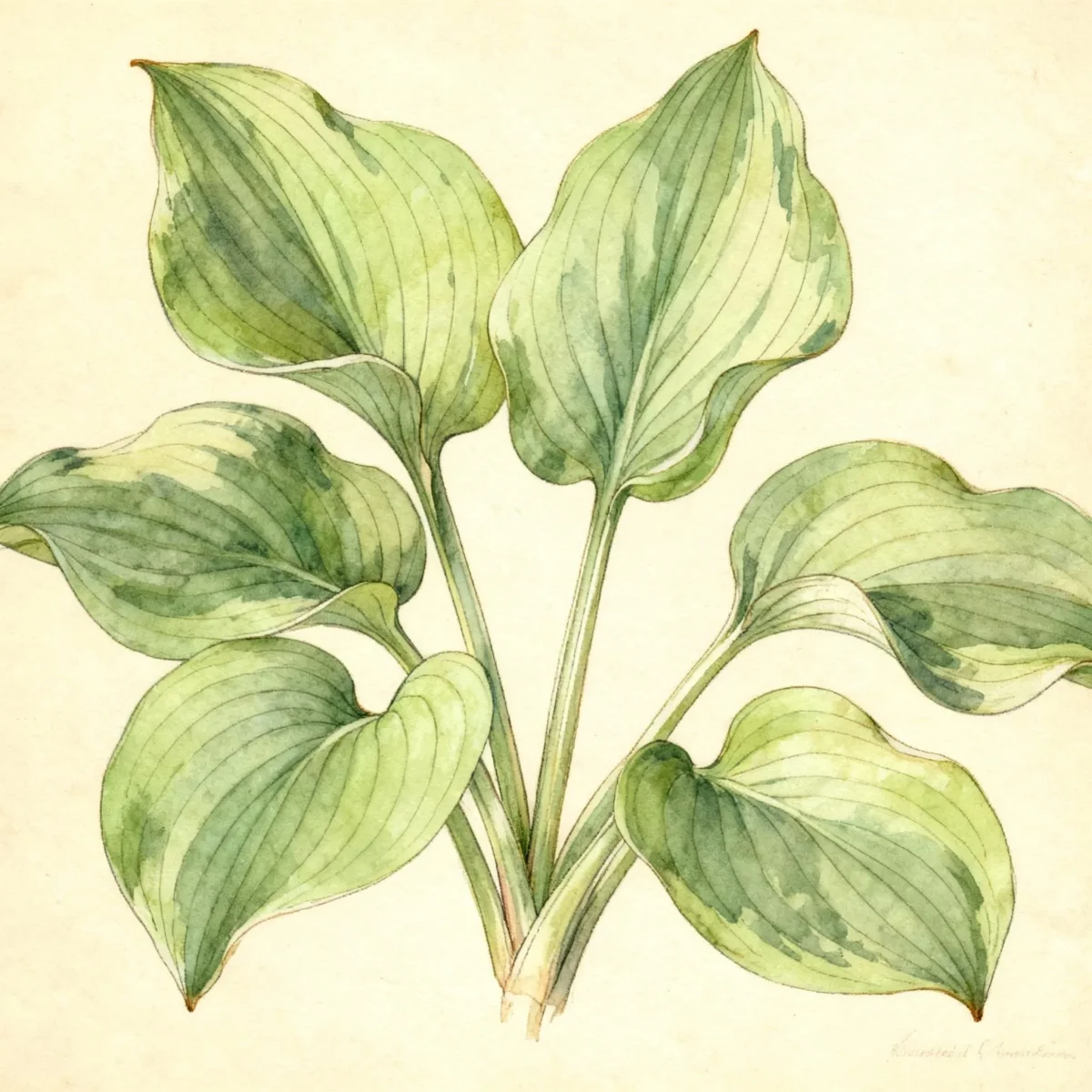
Hosta ‘Brim Cup’ is a prized herbaceous perennial celebrated primarily for its distinctive, ornamental foliage. It forms a tidy mound of cupped, seersuckered, heart-shaped leaves, accented by irregular white margins that provide excellent contrast in low-light areas. This dependable specimen of the Hosta genus requires relatively little effort once established, making it a favorite among seasoned and new gardeners alike.
This Hosta variety brings texture and color diversity to deeply shaded landscapes where few other plants thrive. Its structure and consistency ensure that the garden remains visually interesting through the main growing season aided by its late-spring bloom of white, bell-shaped flowers. Hosta ‘Brim Cup’ is valued for its ability to provide reliable ground cover while maintaining a clean, elegant appearance.
The genus Hosta is renowned globally for its adaptability in shade; Hosta ‘Brim Cup’ follows this trend, offering gardeners a robust solution for creating depth and visual structure along woodland edges or shady borders. Its dense foliage also proves highly effective at naturally suppressing common garden weeds.
Fast Facts
- Plant Family: Asparagaceae
- Plant Type: Herbaceous perennial
- Hardiness Zones: USDA Zones 3-8
- Size at Maturity:
- Height: 0.75-1 ft
- Spread: 1-1.5 ft
- Bloom Time: June to July
- Bloom Description: White
- Sun Exposure: Part shade to full shade
- Water Needs: Medium
- Maintenance Level: Low
How to Grow
Planting Hosta ‘Brim Cup’ is best done in the spring or fall, ensuring the soil is rich in organic matter and drains well. This Hosta variety thrives in part shade, ideally receiving morning sun or dappled light throughout the day; avoid intense afternoon exposure. If planting near established trees, remember that established Hosta plants have some tolerance for dry shade, but consistent moisture yields the best size and leaf quality.
Maintain evenly moist soil conditions, especially during establishment. Water application should be directed straight to the soil beneath the leaves to keep the foliage dry, which helps prevent potential slug or fungal issues. As a low-maintenance perennial, fertilization is rarely critical, but a top dressing of compost in spring always benefits the vigor of the Hosta.
Divide Hosta clumps when necessary using a sharp spade, usually in early spring before the leaves fully unfurl, or in autumn after blooming concludes. Always situate Hosta ‘Brim Cup’ in a location protected from strong winds, as the large leaves can tear easily. These perennials generally require very little pruning other than cutting back dead foliage in late fall or early spring cleanup.
Landscape Uses
Hostas are the undisputed mainstay for enriching the beauty of shade gardens. Hosta ‘Brim Cup’, with its richly textured, cupped leaves, is perfect for filling in large shady borders or creating foreground interest in a woodland garden design. Beyond their primary role as foliage plants, the showy flowers produced on tall scapes add vertical dimension during the summer months.
These plants look exceptionally effective when grouped or massed together to create large drifts of unified texture. Consider using Hosta ‘Brim Cup’ as a reliable background plant against lighter-colored hardscaping or below tall, airy understory trees. They pair well with other shade lovers like ferns, Astilbes, or Epimediums, which vary in texture and height to prevent the area from looking uniform.
For container gardening, Hosta provides excellent focal interest, provided the pot offers adequate drainage and consistent medium moisture. Their dense habit helps them stand out, whether used as a specimen plant or clustered among flowering shade annuals.
Standout Features
Flower Qualities
- Showy
- Good Cut
Noteworthy Characteristics
Hosta is a genus primarily cultivated for its ornamental foliage, emerging from a central rhizomatous crown to form rounded mounds. ‘Brim Cup’ specifically displays medium green, heart-shaped leaves that are conspicuously cupped and seersuckered, edged with white margins. This dependable Hosta variety is celebrated because its dense coverage effectively crowds out most invasive garden weeds.
Tolerances
- Heavy Shade
- Black Walnut
Potential Problems
While low maintenance, Hostas can occasionally face issues, the most common being damage from slugs and snails, which favor the tender, moist foliage. Regularly inspecting the undersides of the leaves and employing organic controls like diatomaceous earth or beer traps can mitigate this pest pressure. Additionally, ensure proper air circulation and aim water at the soil level to reduce the risk of fungal leaf spot diseases. Over time, ensuring you maintain consistent moisture, as recommended for Hosta ‘Brim Cup’, will keep the plant healthiest and more resilient to minor pests.
Frequently Asked Questions
What hardiness zones is Hosta ‘Brim Cup’ suitable for?
This dependable Hosta variety is hardy across USDA Zones 3 to 8.
How large does Hosta ‘Brim Cup’ grow?
Hosta ‘Brim Cup’ typically reaches a height between 0.75 and 1 foot tall, spreading modestly between 1 and 1.5 feet wide.
What sun exposure does Hosta ‘Brim Cup’ need?
This plant performs best in part shade, thriving with protection from intense afternoon sun, though it tolerates heavy shade conditions.
When does Hosta ‘Brim Cup’ bloom?
The flowers appear from June to July, presenting as attractive, white, bell-shaped blooms above the foliage mound.
Conclusion
Hosta ‘Brim Cup’ remains an essential anchor plant for any successful shade garden, rewarding the gardener with richly textured foliage and minimal seasonal effort. Its tolerance for deep shade and attractive leaf margins make Hosta ‘Brim Cup’ a superior structural choice. Before planting, confirm your garden falls within USDA Zones 3-8 and plan to provide consistent moisture for the best performance.
Companion Planting
Selecting appropriate companions is key to maximizing the visual impact of Hosta ‘Brim Cup’. Because this Hosta variety thrives in medium moisture and shade, pair it with plants that share similar cultural needs. Excellent partners include Japanese Forest Grass (Hakonechloa macra), which adds a contrasting, weeping texture, or various woodland Phlox (Phlox divaricata) for early spring color beneath the emerging Hosta leaves.
For texture contrast, consider adding plants with fine, lacy foliage like certain Japanese Painted Ferns or large-leaved Bergenia. Ensure that any companion selected does not require full sun or very dry conditions, as this will compromise the health and appearance of your Hosta planting.
Propagation Tips
The primary method for increasing your stock of Hosta ‘Brim Cup’ is through division. This process is best undertaken in early spring just as the tight eyes begin to swell, though division can also occur successfully in early autumn. To divide, carefully use a sharp spade to cut through the crown of a mature clump, ensuring each new section has a healthy root system attached.
Once separated, immediately replant the sections promptly at the same depth they were previously growing. Division rejuvenates older Hosta clumps, preventing them from becoming too crowded in the center, which can lead to reduced vigor over many seasons. This reliable technique ensures you can easily multiply this beautiful foliage plant throughout your landscape.